Graphoceras concavum Ammonite Fossil Middle Jurassic Aalenian Germany Geisingen Baden Wurttemberg Genuine Specimen with COA
£ 60.00
GENUINE GRAPHOCERAS CONCAVUM AMMONITE FOSSILThis is a genuine Graphoceras concavum ammonite fossil from the Middle Jurassic,
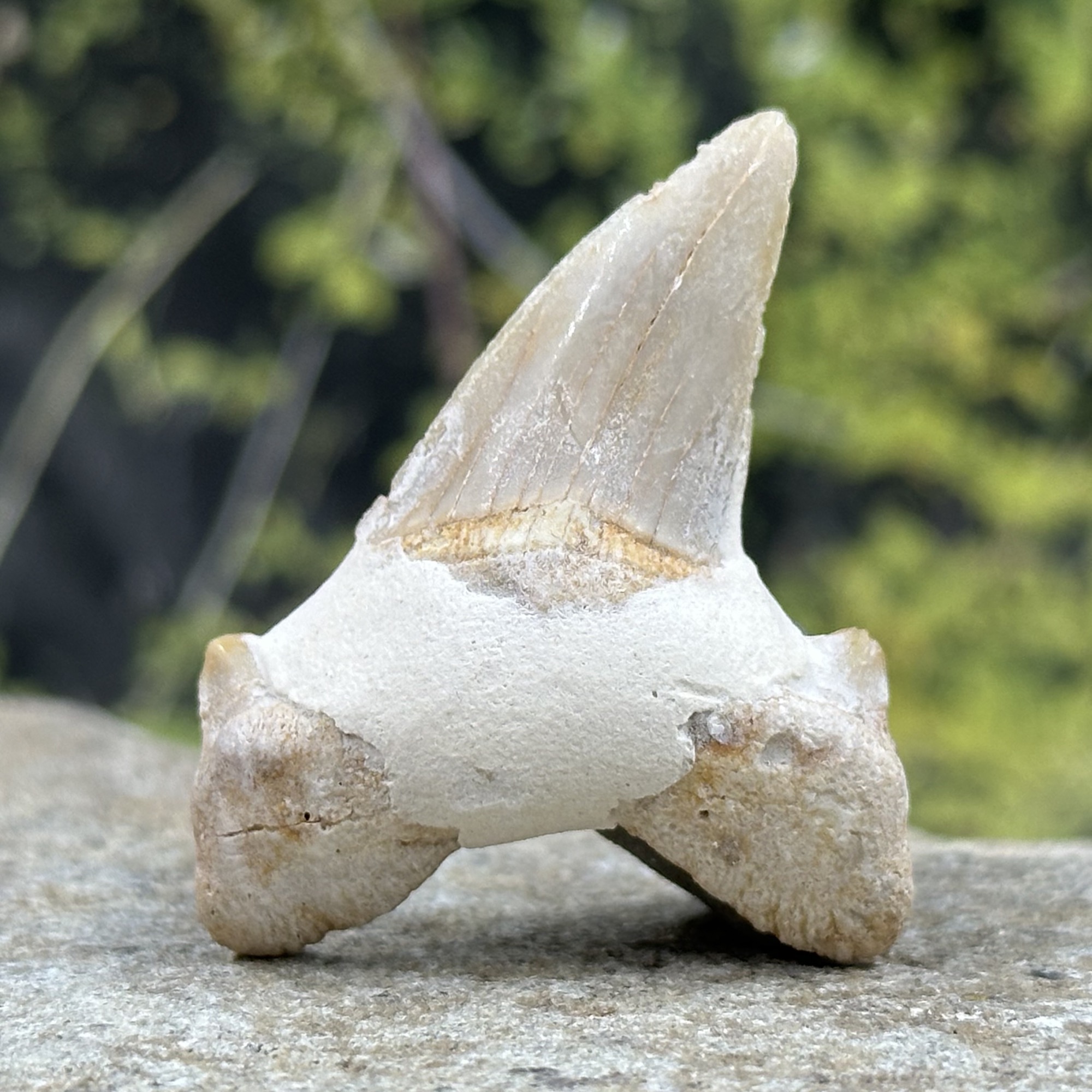
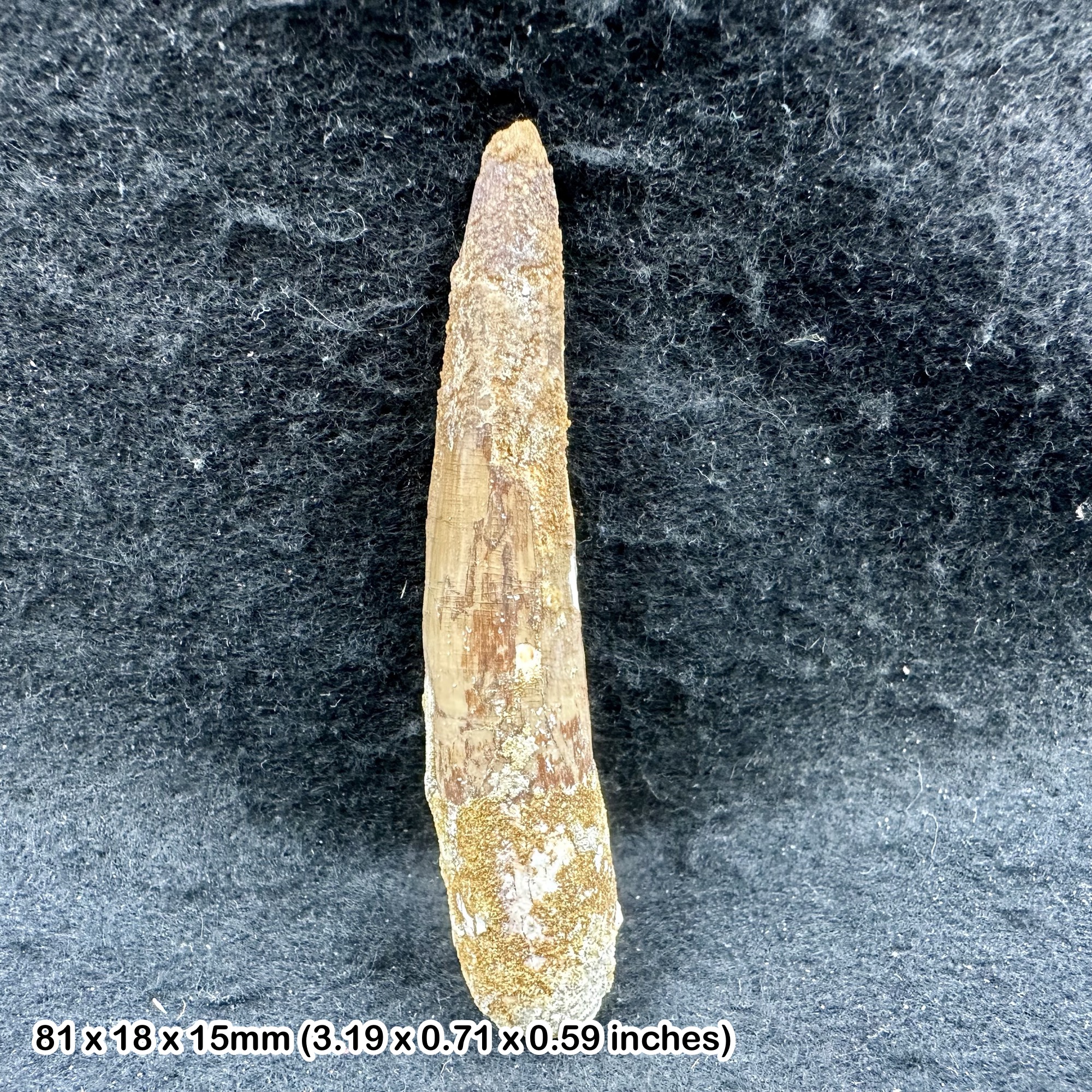
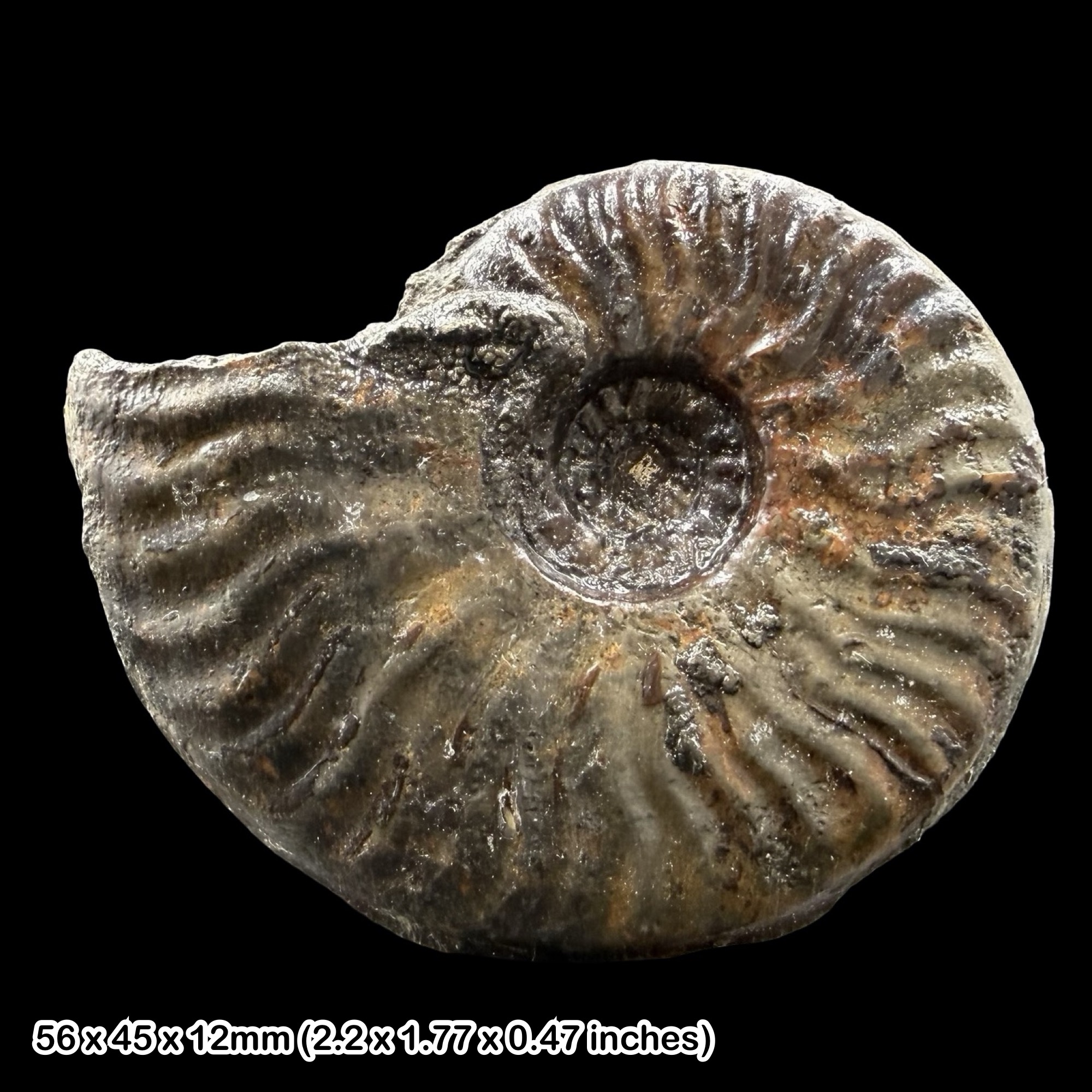
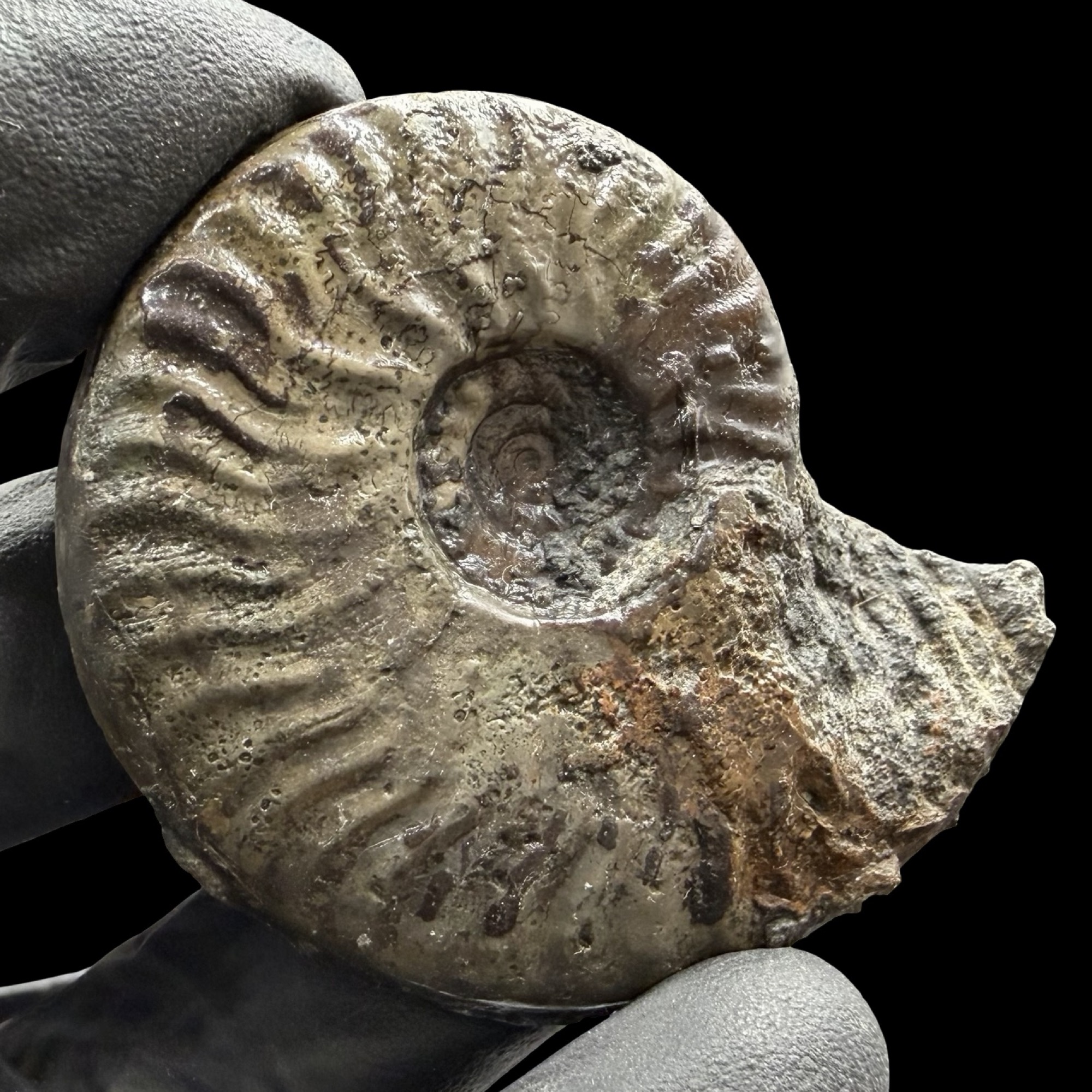
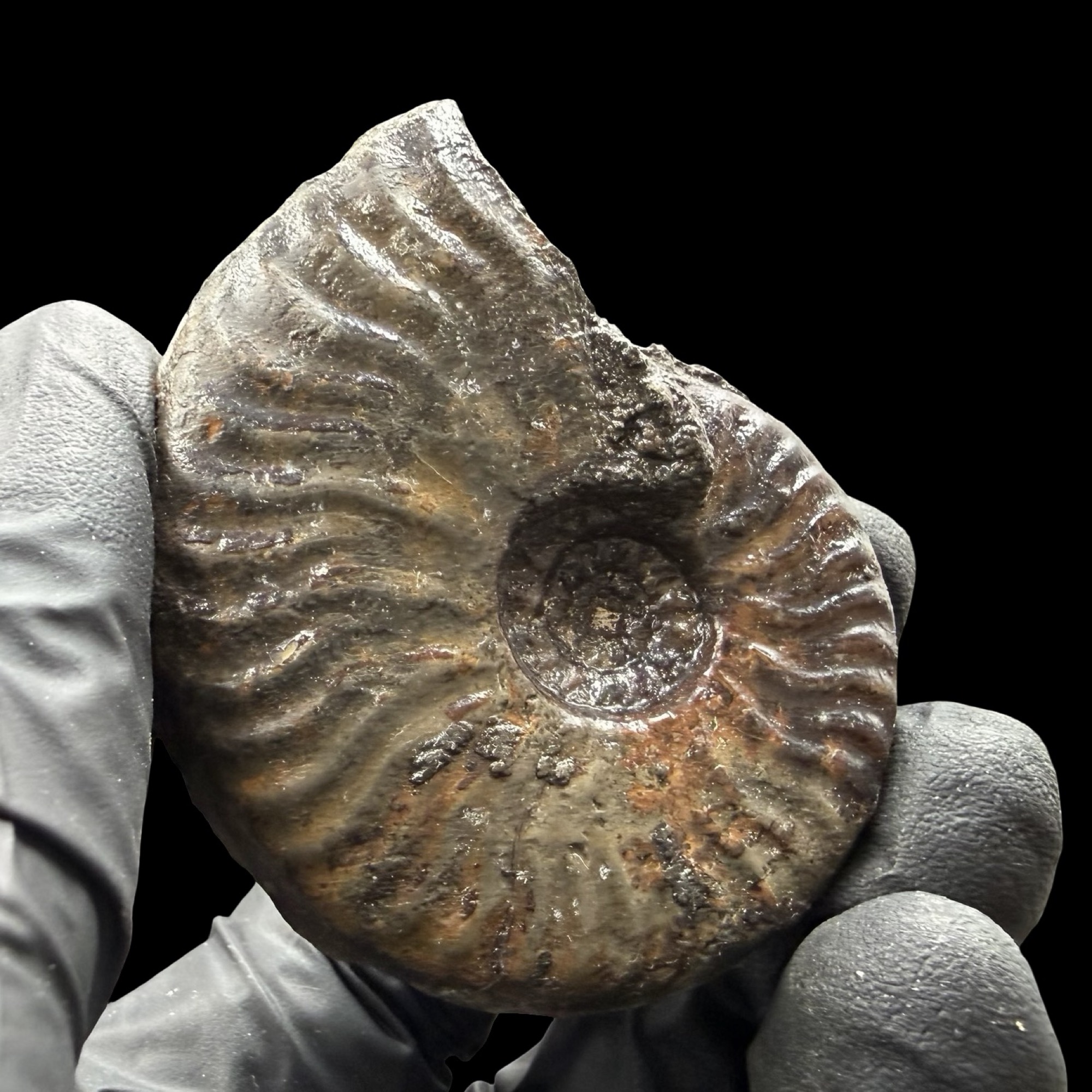
Aalenian Stage, collected from Geisingen in Baden-Württemberg, Germany. This carefully chosen fossil specimen is supplied with a Certificate of Authenticity lifetime guarantee generic card, making it an excellent addition to a fossil collection, natural history display, educational collection, or Jurassic marine fossil cabinet.The photograph shows the actual fossil you will receive, allowing you to see the individual preservation, shape, surface detail, colour, matrix presence, and overall character of the specimen before purchase. Full sizing details can be seen in the photo. FOSSIL TYPE, SPECIES AND CLASSIFICATIONGraphoceras concavum is an ammonite, an extinct marine cephalopod related to modern squid, cuttlefish, octopus, and nautilus. Ammonites are among the most important and recognisable fossils from the Mesozoic Era, especially the Jurassic Period, due to their coiled shells, rapid evolution, wide distribution, and importance in dating sedimentary rock layers.This fossil belongs to the genus Graphoceras and the species Graphoceras concavum. It is associated with the family Graphoceratidae within the order Ammonitida. Ammonites such as Graphoceras are particularly valued by collectors because they combine attractive natural spiral form with strong scientific importance.The species name concavum is well known in Aalenian ammonite biostratigraphy and is associated with the Concavum Zone, an important ammonite biozone within the upper part of the Aalenian Stage. Fossils from this interval are useful for understanding the relative dating of Middle Jurassic marine deposits and the changing ammonite faunas of European seas. GEOLOGICAL AGE AND LOCALITYThis fossil dates from the Middle Jurassic, Aalenian Stage, approximately 174 to 170 million years ago. During this period, much of Europe was covered by warm shallow seas, where ammonites lived as active marine animals. After death, their shells settled onto the sea floor and could become buried in fine sediment. Over millions of years, mineralisation and compaction preserved some of these shells as fossils within Jurassic rock formations.The locality of Geisingen, Baden-Württemberg, Germany is part of a region known for Jurassic sedimentary deposits and fossil-bearing strata. German Jurassic ammonites are highly regarded by collectors for their scientific significance, preservation, and association with classic European geological sequences. AMMONITE MORPHOLOGY AND NATURAL FEATURESGraphoceras concavum typically displays the classic planispiral ammonite shell form, with the shell coiled in a flat spiral. Depending on preservation, specimens may show whorl shape, ribbing, keel development, sutural detail, or natural compression from burial. The shell form reflects the animal’s growth during life, with each expanding whorl representing a later stage in development.The fossil may show natural surface texture, sedimentary matrix, mineral staining, weathered shell detail, or preservation features formed during fossilisation. These characteristics are part of the specimen’s geological history and help distinguish genuine fossils from artificial replicas or mass-produced decorative pieces.Ammonites are especially collectible because their shells record both biological form and geological time. Their changing shapes, ornamentation, and distribution make them key fossils for identifying and comparing Jurassic rock layers across different regions. DISPLAY, COLLECTING AND EDUCATIONAL INTERESTThis Graphoceras concavum ammonite fossil is suitable for collectors of Jurassic fossils, German ammonites, cephalopods, index fossils, and scientifically interesting natural history specimens. Its Middle Jurassic age and Aalenian association give it strong appeal for anyone interested in prehistoric marine life, palaeontology, or European geology.The specimen can be displayed in a fossil cabinet, on a shelf, in a study, classroom, office, natural history collection, or as part of a wider Jurassic fossil display. Its spiral ammonite form makes it instantly recognisable, while the specific identification and locality information add important scientific and collecting value. AUTHENTICITY AND SPECIMEN DETAILSThis fossil is a genuine Graphoceras concavum ammonite specimen from Geisingen, Baden-Württemberg, Germany, dating to the Middle Jurassic, Aalenian Stage. It includes a Certificate of Authenticity lifetime guarantee generic card. The photo shows the actual fossil you will receive, and full sizing information can be seen in the photo.
Aalenian Stage, collected from Geisingen in Baden-Württemberg, Germany. This carefully chosen fossil specimen is supplied with a Certificate of Authenticity lifetime guarantee generic card, making it an excellent addition to a fossil collection, natural history display, educational collection, or Jurassic marine fossil cabinet.The photograph shows the actual fossil you will receive, allowing you to see the individual preservation, shape, surface detail, colour, matrix presence, and overall character of the specimen before purchase. Full sizing details can be seen in the photo. FOSSIL TYPE, SPECIES AND CLASSIFICATIONGraphoceras concavum is an ammonite, an extinct marine cephalopod related to modern squid, cuttlefish, octopus, and nautilus. Ammonites are among the most important and recognisable fossils from the Mesozoic Era, especially the Jurassic Period, due to their coiled shells, rapid evolution, wide distribution, and importance in dating sedimentary rock layers.This fossil belongs to the genus Graphoceras and the species Graphoceras concavum. It is associated with the family Graphoceratidae within the order Ammonitida. Ammonites such as Graphoceras are particularly valued by collectors because they combine attractive natural spiral form with strong scientific importance.The species name concavum is well known in Aalenian ammonite biostratigraphy and is associated with the Concavum Zone, an important ammonite biozone within the upper part of the Aalenian Stage. Fossils from this interval are useful for understanding the relative dating of Middle Jurassic marine deposits and the changing ammonite faunas of European seas. GEOLOGICAL AGE AND LOCALITYThis fossil dates from the Middle Jurassic, Aalenian Stage, approximately 174 to 170 million years ago. During this period, much of Europe was covered by warm shallow seas, where ammonites lived as active marine animals. After death, their shells settled onto the sea floor and could become buried in fine sediment. Over millions of years, mineralisation and compaction preserved some of these shells as fossils within Jurassic rock formations.The locality of Geisingen, Baden-Württemberg, Germany is part of a region known for Jurassic sedimentary deposits and fossil-bearing strata. German Jurassic ammonites are highly regarded by collectors for their scientific significance, preservation, and association with classic European geological sequences. AMMONITE MORPHOLOGY AND NATURAL FEATURESGraphoceras concavum typically displays the classic planispiral ammonite shell form, with the shell coiled in a flat spiral. Depending on preservation, specimens may show whorl shape, ribbing, keel development, sutural detail, or natural compression from burial. The shell form reflects the animal’s growth during life, with each expanding whorl representing a later stage in development.The fossil may show natural surface texture, sedimentary matrix, mineral staining, weathered shell detail, or preservation features formed during fossilisation. These characteristics are part of the specimen’s geological history and help distinguish genuine fossils from artificial replicas or mass-produced decorative pieces.Ammonites are especially collectible because their shells record both biological form and geological time. Their changing shapes, ornamentation, and distribution make them key fossils for identifying and comparing Jurassic rock layers across different regions. DISPLAY, COLLECTING AND EDUCATIONAL INTERESTThis Graphoceras concavum ammonite fossil is suitable for collectors of Jurassic fossils, German ammonites, cephalopods, index fossils, and scientifically interesting natural history specimens. Its Middle Jurassic age and Aalenian association give it strong appeal for anyone interested in prehistoric marine life, palaeontology, or European geology.The specimen can be displayed in a fossil cabinet, on a shelf, in a study, classroom, office, natural history collection, or as part of a wider Jurassic fossil display. Its spiral ammonite form makes it instantly recognisable, while the specific identification and locality information add important scientific and collecting value. AUTHENTICITY AND SPECIMEN DETAILSThis fossil is a genuine Graphoceras concavum ammonite specimen from Geisingen, Baden-Württemberg, Germany, dating to the Middle Jurassic, Aalenian Stage. It includes a Certificate of Authenticity lifetime guarantee generic card. The photo shows the actual fossil you will receive, and full sizing information can be seen in the photo.