Caninia Coral Fossil Carboniferous Lancashire UK Genuine COA Collector Specimen Rare British Fossil Display Certificate
£ 4.80
GENUINE CANINIA CORAL FOSSIL FROM LANCASHIRE, UKThis listing is for a genuine Caninia coral fossil from the Carboniferous
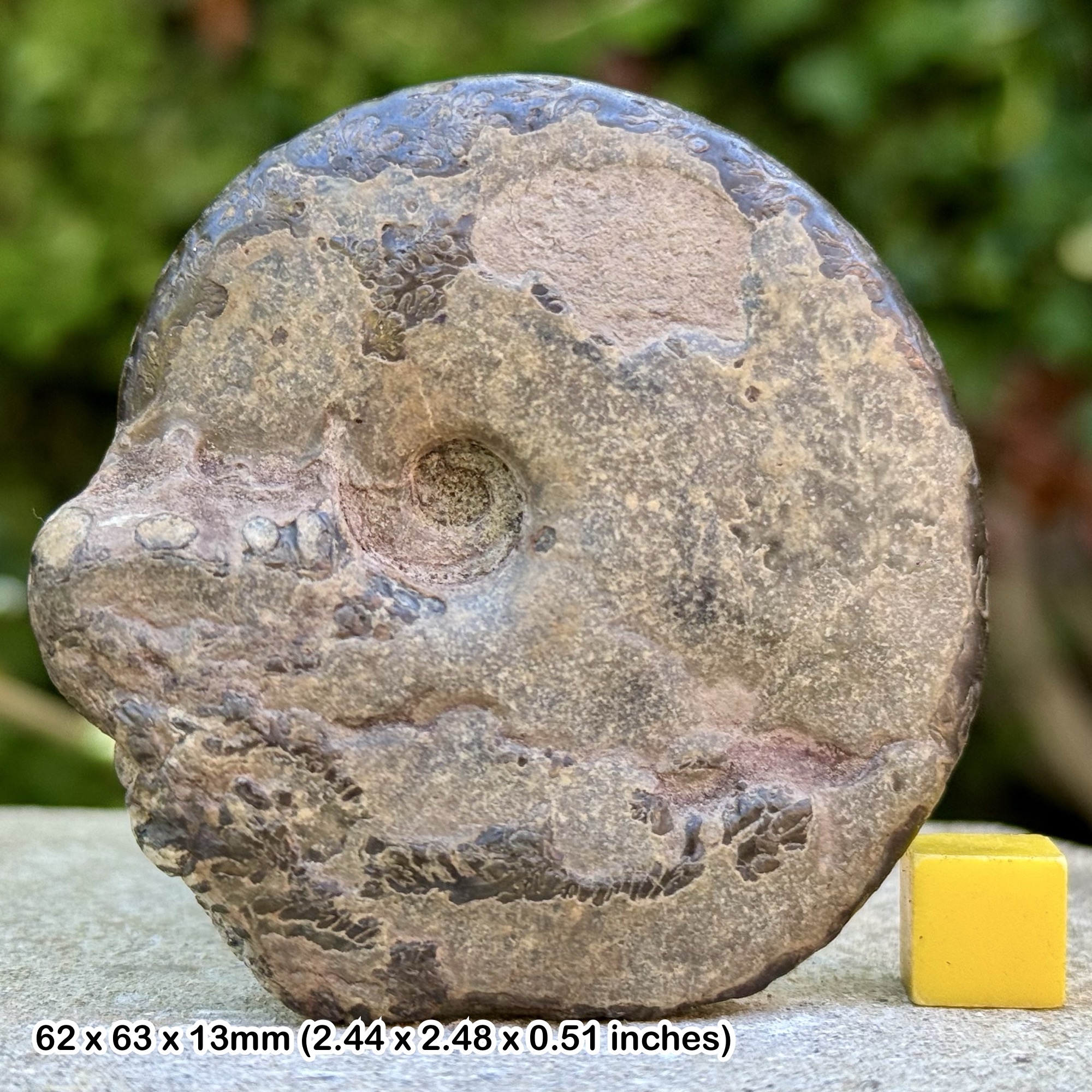
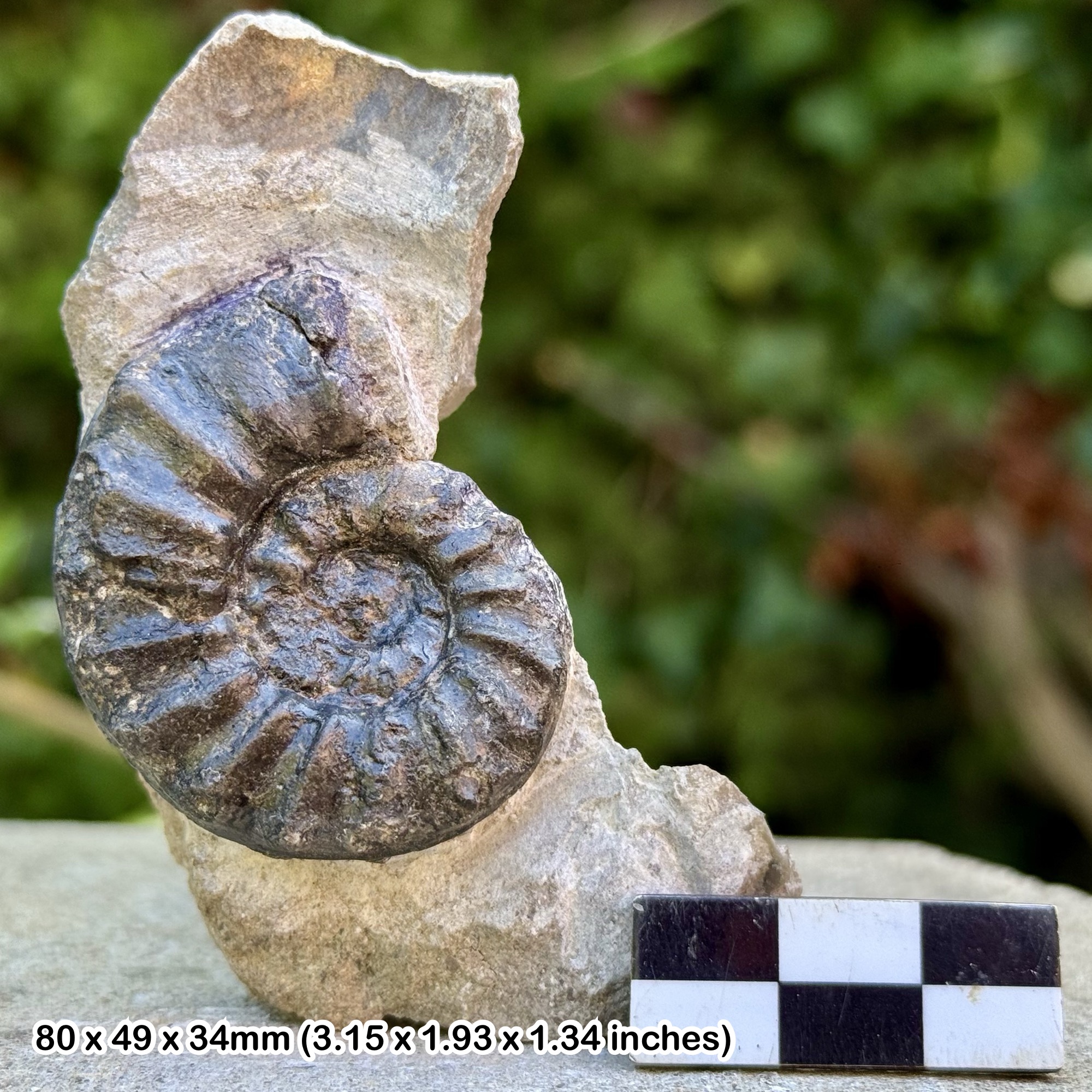
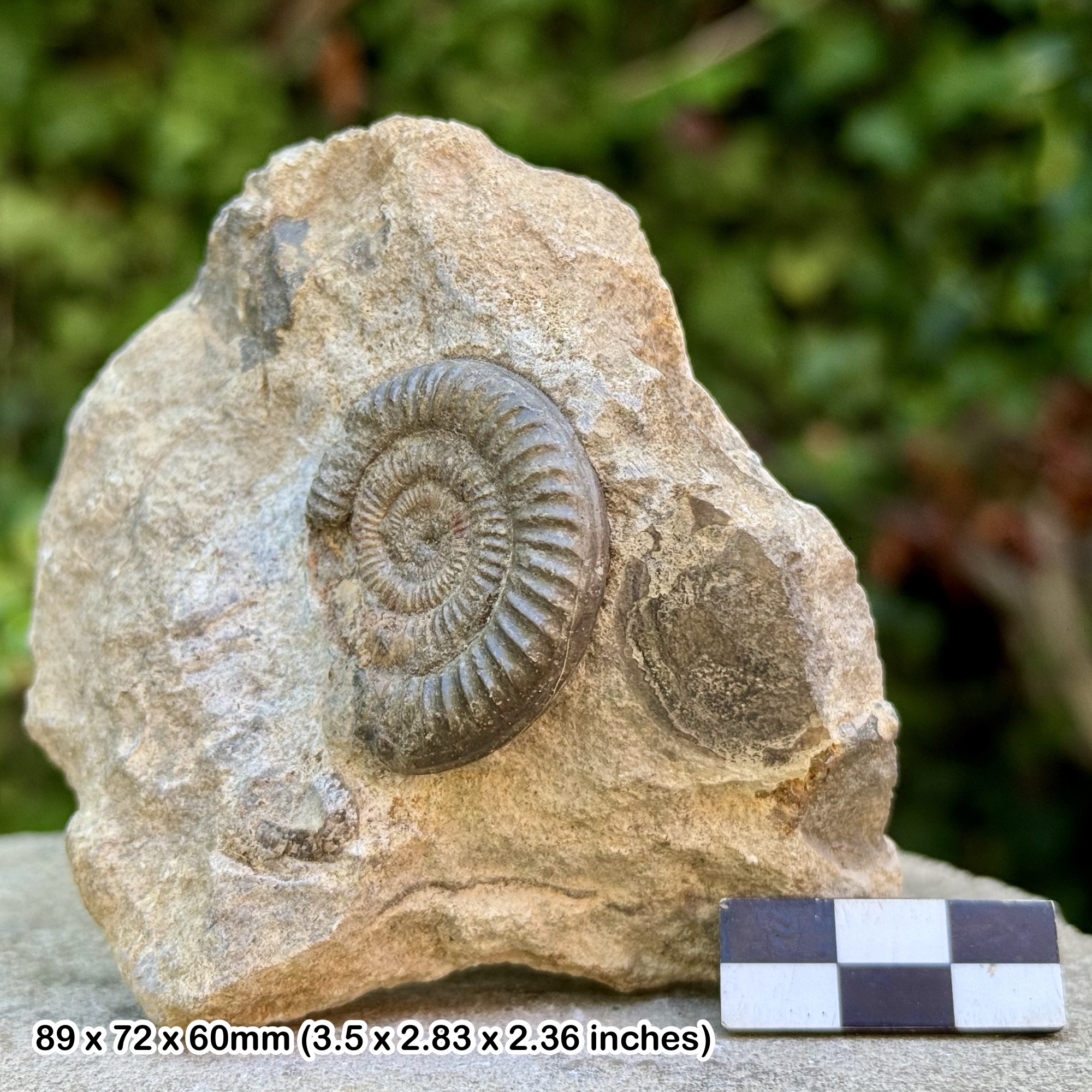
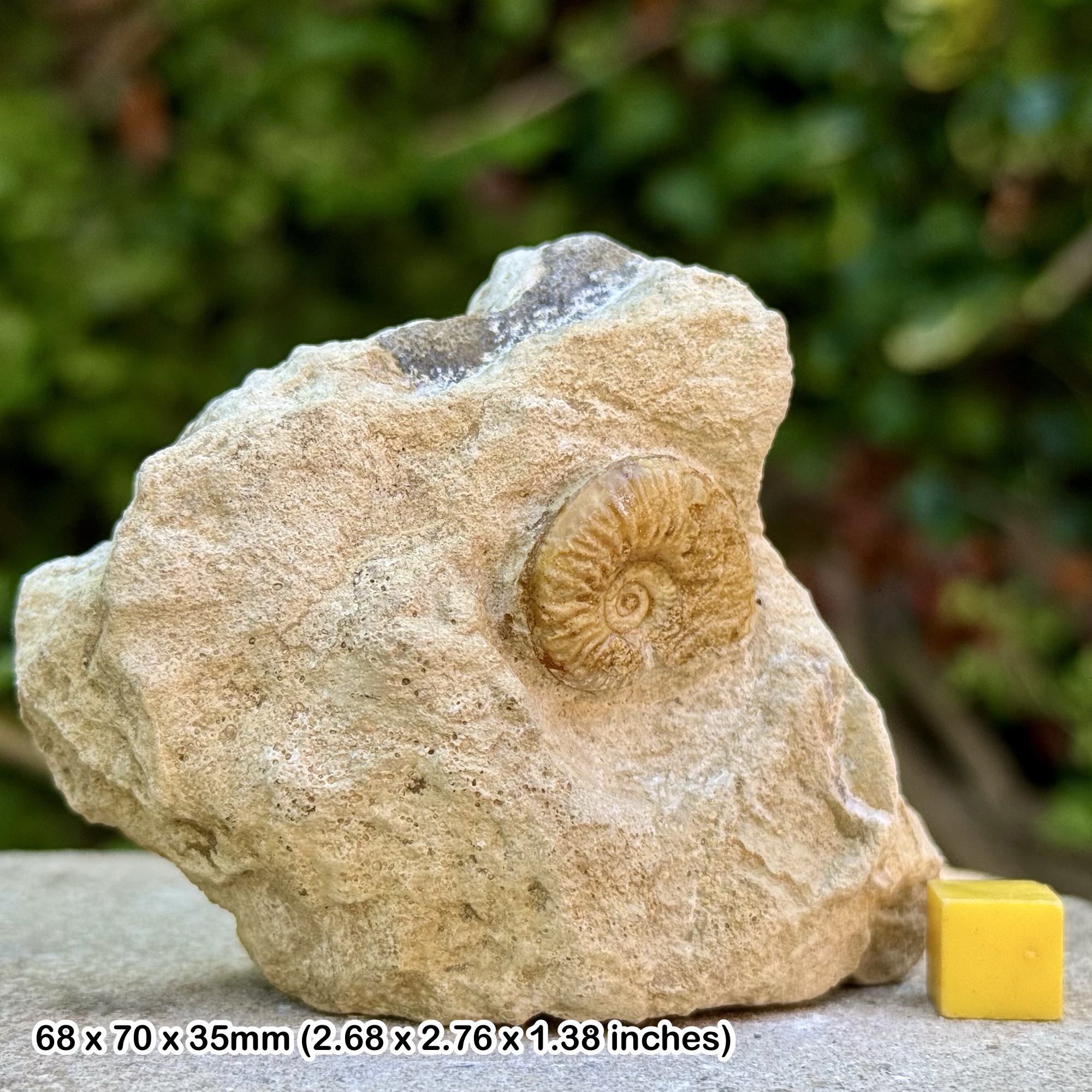
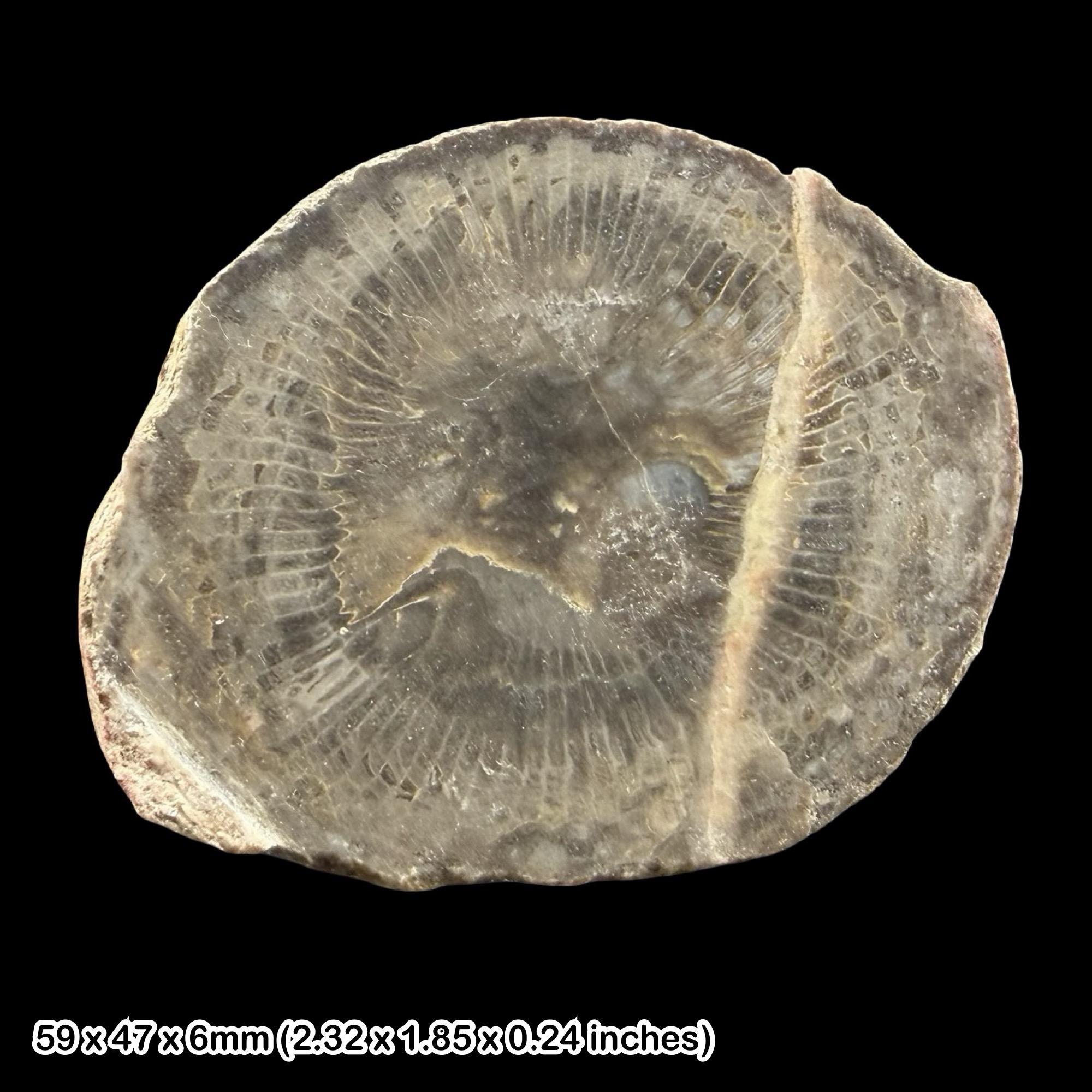
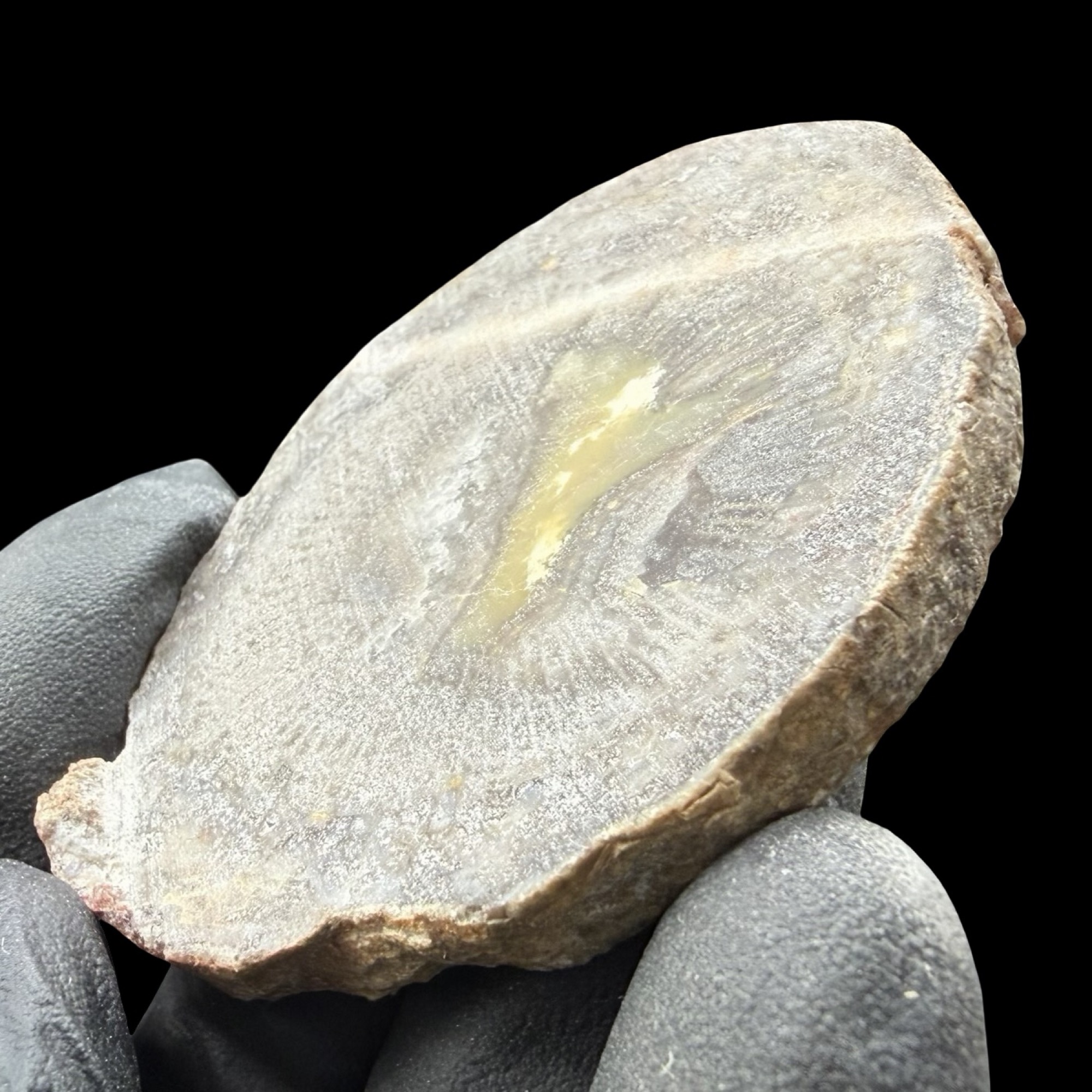
deposits of Lancashire, UK. This carefully chosen fossil specimen has been selected for its natural prehistoric interest, classic British fossil locality, and attractive display appeal. The photograph shows the actual fossil you will receive, allowing you to view the individual preservation, colour, structure, texture, and natural character of the specimen before purchase.This fossil includes a Certificate of Authenticity lifetime guarantee generic card, confirming that it is a genuine fossil specimen and not a modern replica. Full sizing information can be seen in the listing photograph. FOSSIL TYPE AND SCIENTIFIC INTERESTCaninia is a genus of extinct rugose coral, often known as horn coral because many solitary rugose corals grew in a curved, cone-shaped form. These corals lived in ancient tropical to subtropical seas during the Palaeozoic Era and are especially associated with Carboniferous limestone deposits. Unlike modern reef-building corals, many rugose corals were solitary animals, with a single coral polyp living inside a hard calcium carbonate skeleton.Caninia corals belong to the extinct coral group Rugosa, an important order of Palaeozoic corals that disappeared at the end of the Permian Period. Rugose corals are highly collectable because they preserve beautiful internal structures, including radial septa, growth bands, and chamber-like skeletal features. These details make them excellent fossils for studying ancient marine ecosystems and coral evolution. GEOLOGICAL AGE AND CARBONIFEROUS SETTINGThis fossil dates from the Carboniferous Period, making it approximately 299 to 359 million years old. During the Carboniferous, much of what is now Britain lay closer to the equator and was covered at times by warm, shallow seas. These marine environments allowed limestones to form and supported rich communities of corals, crinoids, brachiopods, bryozoans, bivalves, trilobites, and other prehistoric sea life.Lancashire is well known for Carboniferous limestone and associated marine fossils, particularly in areas connected with the ancient tropical seas that once covered northern England. Fossils from these deposits record a very different world from modern Britain, with warm clear waters, carbonate muds, shell beds, and reef-like marine communities. A Caninia coral from Lancashire is a direct link to these ancient seafloor environments. MORPHOLOGY AND NATURAL FEATURESCaninia corals typically have a solitary coral structure rather than forming large branching colonies. Depending on preservation, specimens may show a horn-shaped or cylindrical form, fine growth lines, radial septa, weathered skeletal texture, or polished natural surfaces where internal structures are visible. These features reflect the original skeleton of the coral animal and the way it grew within the Carboniferous sea.The internal septa are one of the most distinctive features of rugose corals. These radiating skeletal plates supported the soft coral polyp during life and can create attractive star-like or spoke-like patterns in cross-section. This makes Caninia fossils especially appealing for collectors, as they combine scientific interest with natural visual detail. COLLECTOR APPEAL AND DISPLAY VALUEThis Caninia coral fossil from Lancashire is ideal for collectors interested in British fossils, Carboniferous fossils, rugose corals, horn corals, marine fossils, natural history specimens, and genuine fossils with certificates. Its UK origin gives it strong locality appeal, making it a desirable addition to a collection of classic British fossils or Palaeozoic marine life.The fossil would make an excellent addition to a fossil cabinet, geology teaching collection, classroom display, natural history exhibit, or decorative curiosity collection. It is also a thoughtful gift for fossil enthusiasts, students, teachers, and anyone interested in ancient reefs, prehistoric seas, British geology, and Earth history. AUTHENTICITY AND SPECIMEN INFORMATIONYou will receive the actual Caninia coral fossil shown in the photograph, not a stock image or random example. Please see the photo for full sizing and visual condition.This genuine fossil is supplied with a Certificate of Authenticity lifetime guarantee generic card, making it a reliable and collectable specimen for anyone seeking a real Carboniferous coral fossil from Lancashire, UK with strong natural history interest, educational value, and attractive display potential.
deposits of Lancashire, UK. This carefully chosen fossil specimen has been selected for its natural prehistoric interest, classic British fossil locality, and attractive display appeal. The photograph shows the actual fossil you will receive, allowing you to view the individual preservation, colour, structure, texture, and natural character of the specimen before purchase.This fossil includes a Certificate of Authenticity lifetime guarantee generic card, confirming that it is a genuine fossil specimen and not a modern replica. Full sizing information can be seen in the listing photograph. FOSSIL TYPE AND SCIENTIFIC INTERESTCaninia is a genus of extinct rugose coral, often known as horn coral because many solitary rugose corals grew in a curved, cone-shaped form. These corals lived in ancient tropical to subtropical seas during the Palaeozoic Era and are especially associated with Carboniferous limestone deposits. Unlike modern reef-building corals, many rugose corals were solitary animals, with a single coral polyp living inside a hard calcium carbonate skeleton.Caninia corals belong to the extinct coral group Rugosa, an important order of Palaeozoic corals that disappeared at the end of the Permian Period. Rugose corals are highly collectable because they preserve beautiful internal structures, including radial septa, growth bands, and chamber-like skeletal features. These details make them excellent fossils for studying ancient marine ecosystems and coral evolution. GEOLOGICAL AGE AND CARBONIFEROUS SETTINGThis fossil dates from the Carboniferous Period, making it approximately 299 to 359 million years old. During the Carboniferous, much of what is now Britain lay closer to the equator and was covered at times by warm, shallow seas. These marine environments allowed limestones to form and supported rich communities of corals, crinoids, brachiopods, bryozoans, bivalves, trilobites, and other prehistoric sea life.Lancashire is well known for Carboniferous limestone and associated marine fossils, particularly in areas connected with the ancient tropical seas that once covered northern England. Fossils from these deposits record a very different world from modern Britain, with warm clear waters, carbonate muds, shell beds, and reef-like marine communities. A Caninia coral from Lancashire is a direct link to these ancient seafloor environments. MORPHOLOGY AND NATURAL FEATURESCaninia corals typically have a solitary coral structure rather than forming large branching colonies. Depending on preservation, specimens may show a horn-shaped or cylindrical form, fine growth lines, radial septa, weathered skeletal texture, or polished natural surfaces where internal structures are visible. These features reflect the original skeleton of the coral animal and the way it grew within the Carboniferous sea.The internal septa are one of the most distinctive features of rugose corals. These radiating skeletal plates supported the soft coral polyp during life and can create attractive star-like or spoke-like patterns in cross-section. This makes Caninia fossils especially appealing for collectors, as they combine scientific interest with natural visual detail. COLLECTOR APPEAL AND DISPLAY VALUEThis Caninia coral fossil from Lancashire is ideal for collectors interested in British fossils, Carboniferous fossils, rugose corals, horn corals, marine fossils, natural history specimens, and genuine fossils with certificates. Its UK origin gives it strong locality appeal, making it a desirable addition to a collection of classic British fossils or Palaeozoic marine life.The fossil would make an excellent addition to a fossil cabinet, geology teaching collection, classroom display, natural history exhibit, or decorative curiosity collection. It is also a thoughtful gift for fossil enthusiasts, students, teachers, and anyone interested in ancient reefs, prehistoric seas, British geology, and Earth history. AUTHENTICITY AND SPECIMEN INFORMATIONYou will receive the actual Caninia coral fossil shown in the photograph, not a stock image or random example. Please see the photo for full sizing and visual condition.This genuine fossil is supplied with a Certificate of Authenticity lifetime guarantee generic card, making it a reliable and collectable specimen for anyone seeking a real Carboniferous coral fossil from Lancashire, UK with strong natural history interest, educational value, and attractive display potential.
Other Products