Fagesia peroni Ammonite Fossil Cretaceous Turonian Morocco Genuine COA Rare Collector Display Specimen Certificate
£ 24.00
GENUINE FAGESIA PERONI AMMONITE FOSSIL FROM MOROCCOThis listing is for a genuine Fagesia peroni ammonite fossil from the Upper
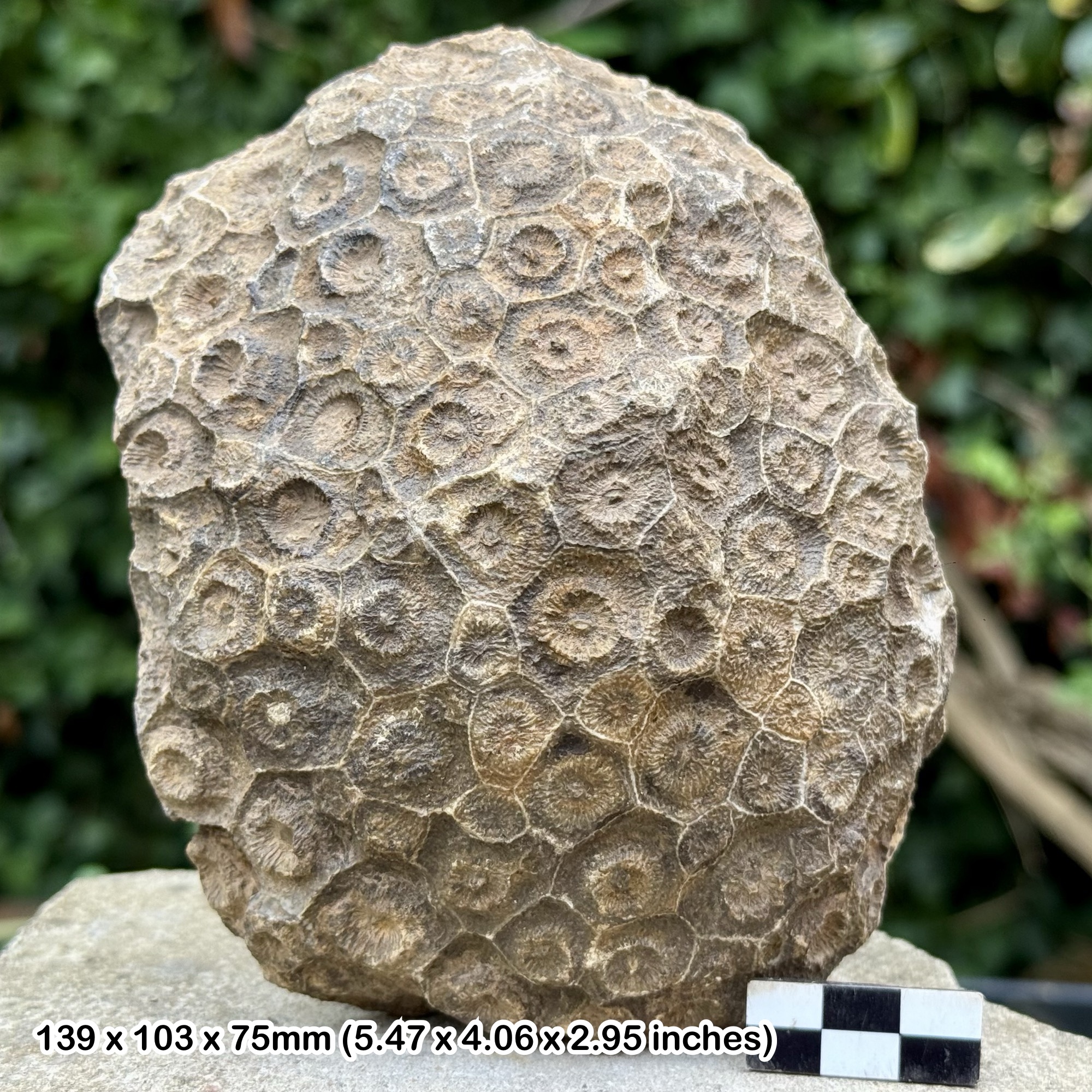
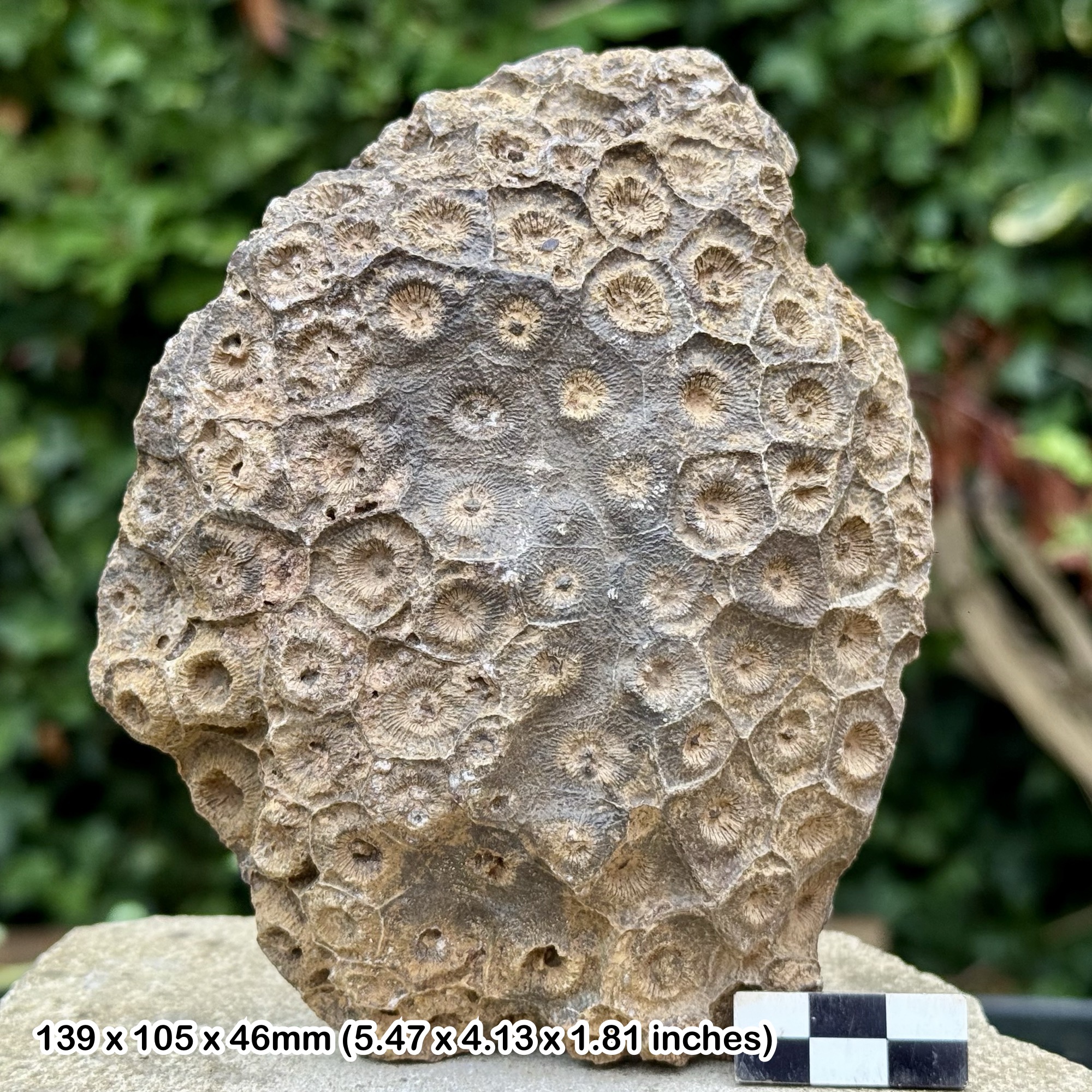
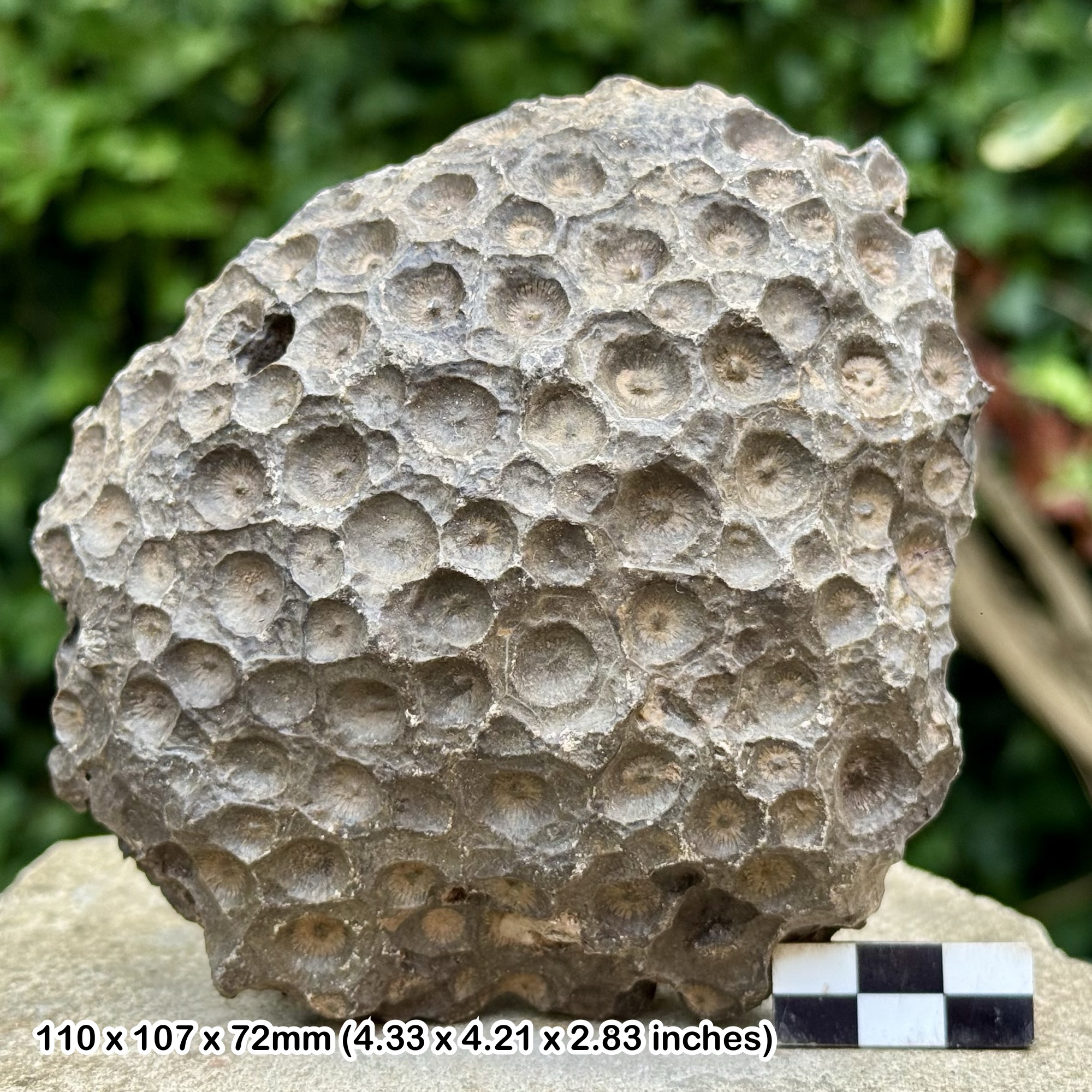
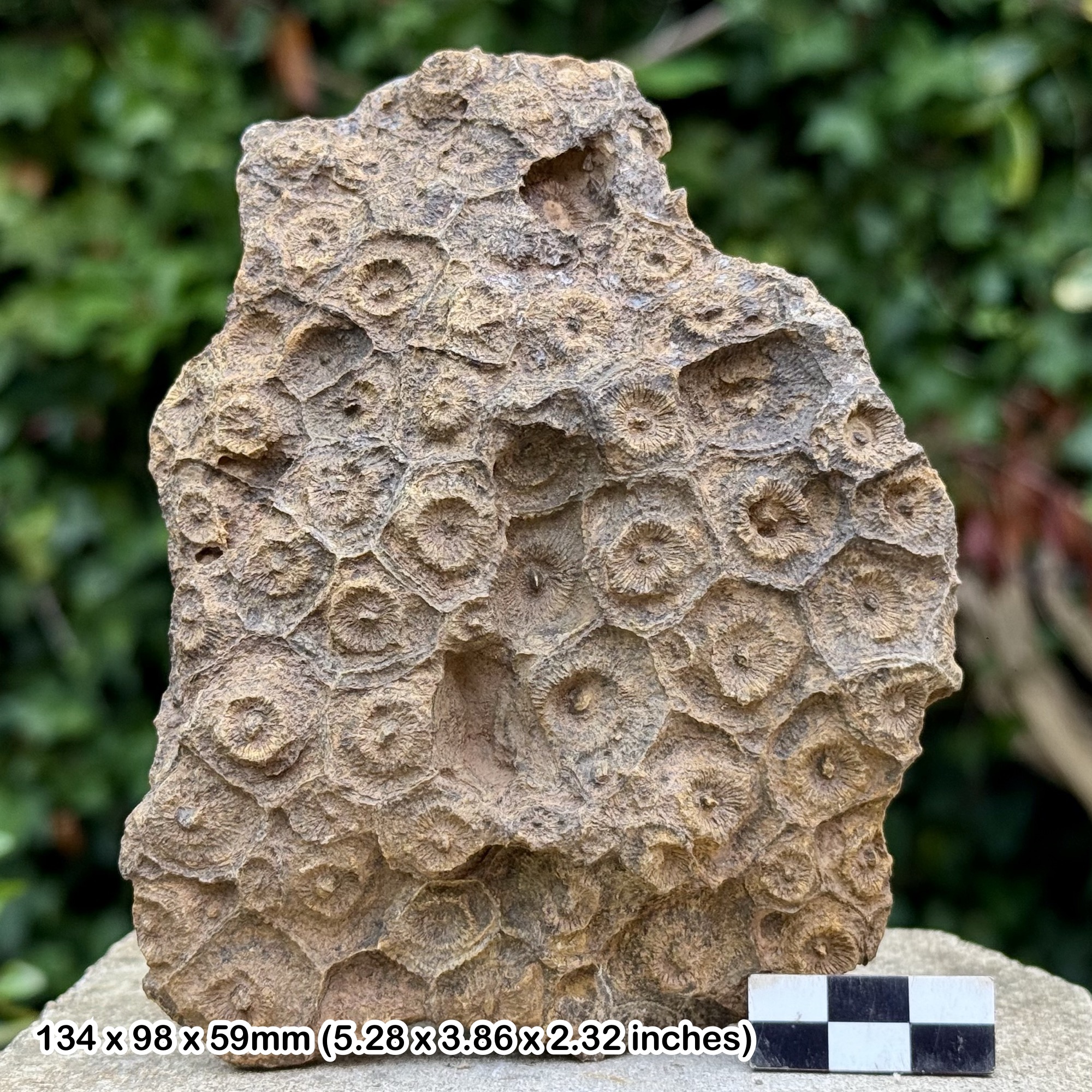
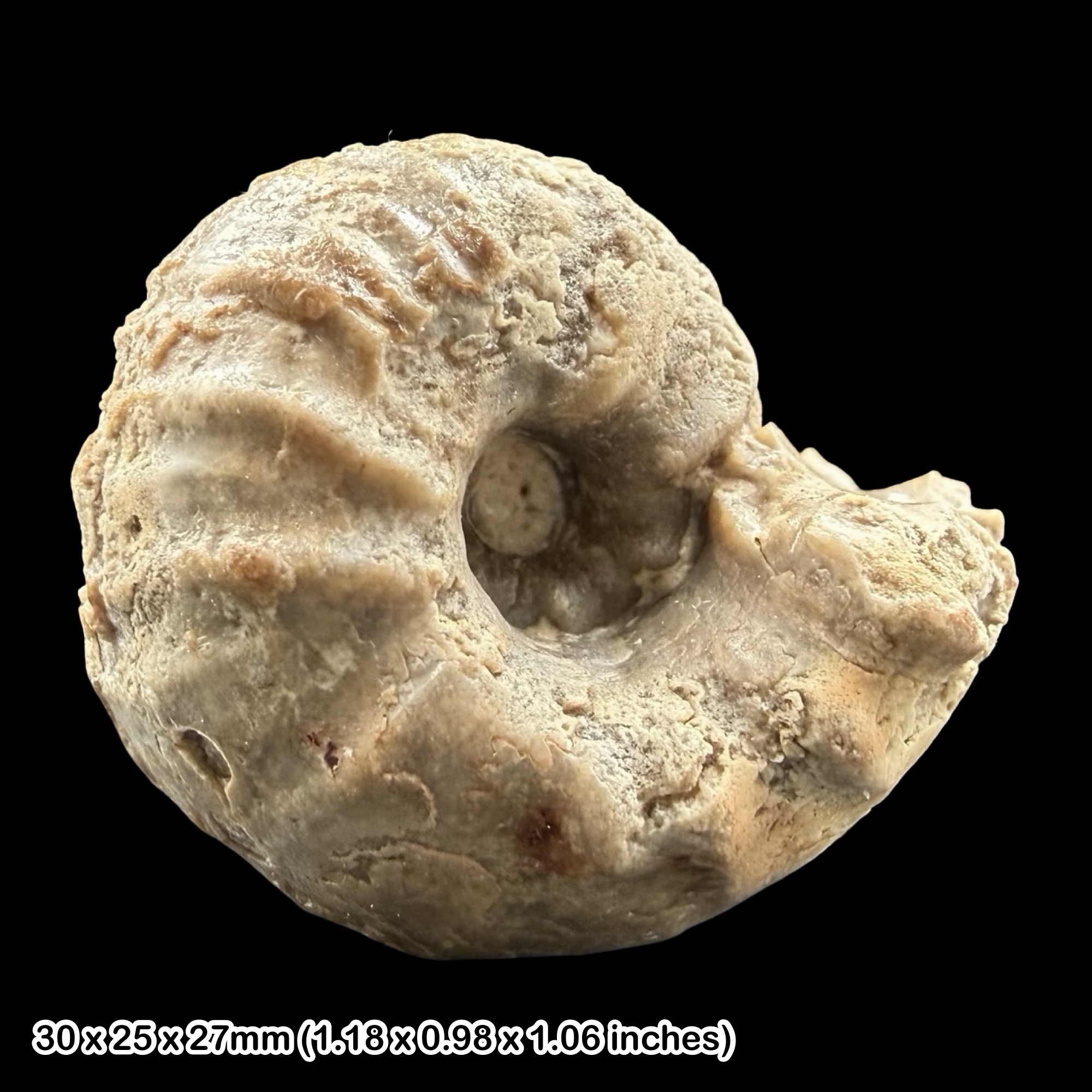
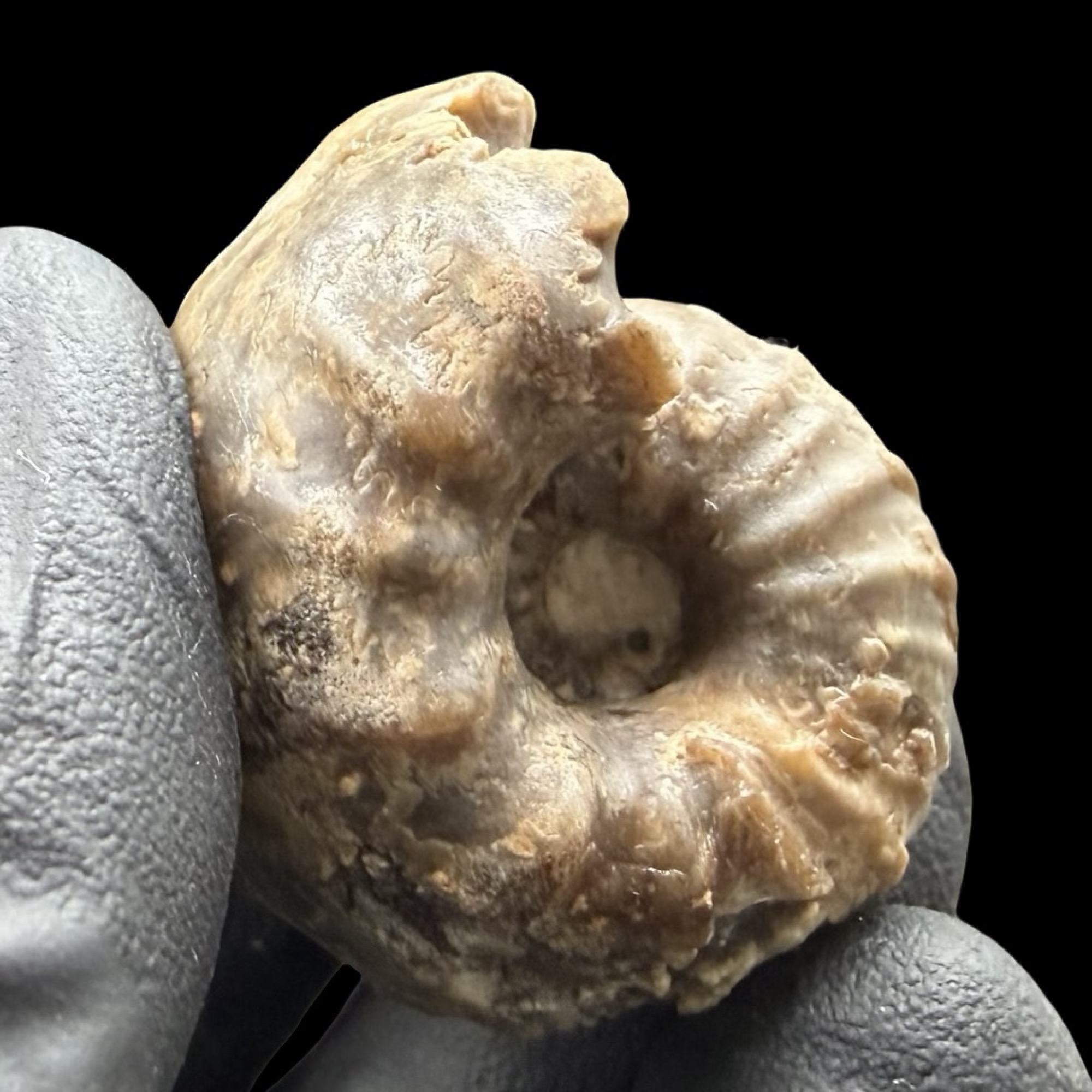
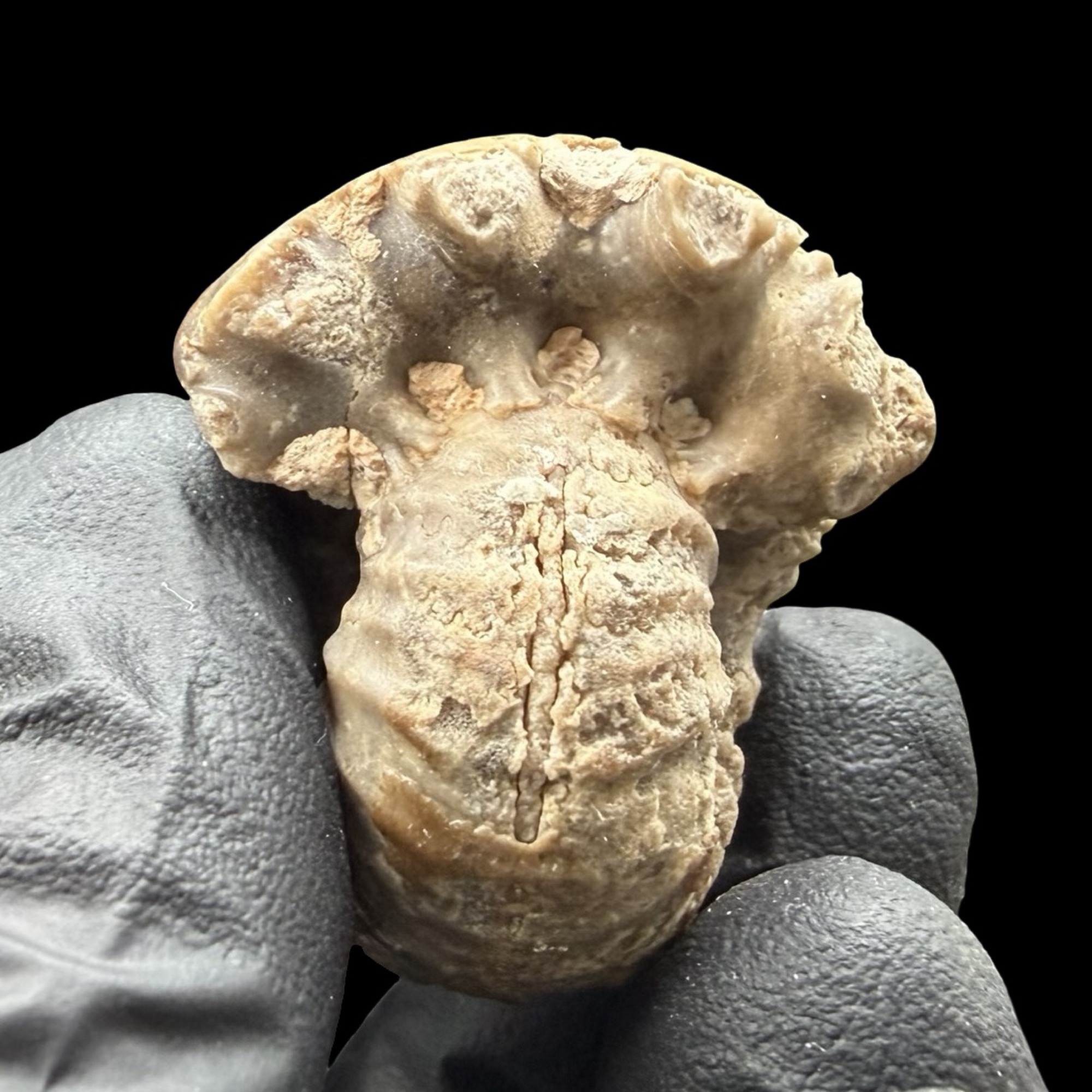
Cretaceous, Lower Turonian deposits of Afsla, near Goulmima, Drâa-Tafilalet, Morocco. This carefully chosen fossil specimen has been selected for its natural prehistoric interest, collectable scientific value, and attractive display appeal. The photograph shows the actual fossil you will receive, allowing you to view the individual preservation, colour, form, texture, and natural character of the specimen before purchase.This fossil includes a Certificate of Authenticity lifetime guarantee generic card, confirming that it is a genuine fossil specimen and not a modern replica. Full sizing information can be seen in the listing photograph. FOSSIL TYPE AND SPECIESFagesia peroni is an ammonite, an extinct marine cephalopod that lived during the Late Cretaceous Period. Ammonites were related to modern squid, cuttlefish, octopus, and nautilus, and they are among the most recognisable fossils found in marine sedimentary rocks. Their coiled shells, internal chambers, and rapid evolutionary changes make them important fossils for collectors, educators, and geologists.Fagesia is associated with the ammonoid order Ammonitida and is generally placed within the family Vascoceratidae, a group of Cretaceous ammonites known from warm marine environments. As a named species, Fagesia peroni offers stronger scientific and collector interest than a general unidentified ammonite fossil. It represents a distinctive Late Cretaceous ammonoid from a time when ammonites were still highly diverse and widespread across ancient seas. GEOLOGICAL AGE AND LOWER TURONIAN SETTINGThis fossil dates from the Lower Turonian stage of the Upper Cretaceous, making it approximately 92 to 94 million years old. The Turonian was a period of warm global climates, high sea levels, and extensive shallow marine environments. Large areas of North Africa were covered by ancient seas linked to the wider Tethys Ocean system, creating ideal habitats for ammonites and many other forms of prehistoric marine life.The Afsla area near Goulmima in the Drâa-Tafilalet region of Morocco is well known among fossil collectors for Cretaceous marine fossils, including ammonites and other ancient sea creatures. These deposits formed in marine settings where shells and remains settled onto the sea floor, became buried by sediment, and were gradually mineralised over millions of years. Fossils from this region provide a fascinating glimpse into the marine ecosystems that existed in Morocco during the Late Cretaceous. MORPHOLOGY AND NATURAL FEATURESAmmonites such as Fagesia peroni had coiled, chambered shells. The living animal occupied the final outer chamber, while the earlier chambers helped regulate buoyancy. This allowed the ammonite to move through the water column while feeding, avoiding predators, and navigating the ancient sea.Fagesia ammonites are often appreciated for their rounded shell form and distinctive Cretaceous character. Depending on preservation, specimens may show whorl shape, shell curvature, growth lines, subtle ribbing, suture detail, chamber structure, or natural surface texture. These details are highly valued by fossil collectors because they record the growth pattern and shell architecture of an individual prehistoric marine animal. COLLECTOR APPEAL AND DISPLAY VALUEThis Fagesia peroni ammonite fossil from Morocco is ideal for collectors interested in Cretaceous ammonites, Moroccan fossils, Goulmima fossils, marine cephalopods, named fossil species, prehistoric sea life, natural history specimens, and genuine fossils with certificates. Its Lower Turonian age places it within a fascinating stage of ammonite evolution, long after the classic Jurassic ammonites but before the final extinction of ammonites at the end of the Cretaceous Period.The fossil would make an excellent addition to a fossil cabinet, educational geology collection, classroom display, natural history exhibit, or decorative curiosity collection. Its named species identification and Moroccan locality make it especially appealing for collectors building a varied ammonite collection from different geological periods and fossil-bearing regions. AUTHENTICITY AND SPECIMEN INFORMATIONYou will receive the actual Fagesia peroni ammonite fossil shown in the photograph, not a stock image or random example. Please see the photo for full sizing and visual condition.This genuine fossil is supplied with a Certificate of Authenticity lifetime guarantee generic card, making it a reliable and collectable specimen for anyone seeking a real Upper Cretaceous Lower Turonian ammonite from Afsla, near Goulmima, Morocco with strong natural history interest, educational value, and attractive display potential.
Cretaceous, Lower Turonian deposits of Afsla, near Goulmima, Drâa-Tafilalet, Morocco. This carefully chosen fossil specimen has been selected for its natural prehistoric interest, collectable scientific value, and attractive display appeal. The photograph shows the actual fossil you will receive, allowing you to view the individual preservation, colour, form, texture, and natural character of the specimen before purchase.This fossil includes a Certificate of Authenticity lifetime guarantee generic card, confirming that it is a genuine fossil specimen and not a modern replica. Full sizing information can be seen in the listing photograph. FOSSIL TYPE AND SPECIESFagesia peroni is an ammonite, an extinct marine cephalopod that lived during the Late Cretaceous Period. Ammonites were related to modern squid, cuttlefish, octopus, and nautilus, and they are among the most recognisable fossils found in marine sedimentary rocks. Their coiled shells, internal chambers, and rapid evolutionary changes make them important fossils for collectors, educators, and geologists.Fagesia is associated with the ammonoid order Ammonitida and is generally placed within the family Vascoceratidae, a group of Cretaceous ammonites known from warm marine environments. As a named species, Fagesia peroni offers stronger scientific and collector interest than a general unidentified ammonite fossil. It represents a distinctive Late Cretaceous ammonoid from a time when ammonites were still highly diverse and widespread across ancient seas. GEOLOGICAL AGE AND LOWER TURONIAN SETTINGThis fossil dates from the Lower Turonian stage of the Upper Cretaceous, making it approximately 92 to 94 million years old. The Turonian was a period of warm global climates, high sea levels, and extensive shallow marine environments. Large areas of North Africa were covered by ancient seas linked to the wider Tethys Ocean system, creating ideal habitats for ammonites and many other forms of prehistoric marine life.The Afsla area near Goulmima in the Drâa-Tafilalet region of Morocco is well known among fossil collectors for Cretaceous marine fossils, including ammonites and other ancient sea creatures. These deposits formed in marine settings where shells and remains settled onto the sea floor, became buried by sediment, and were gradually mineralised over millions of years. Fossils from this region provide a fascinating glimpse into the marine ecosystems that existed in Morocco during the Late Cretaceous. MORPHOLOGY AND NATURAL FEATURESAmmonites such as Fagesia peroni had coiled, chambered shells. The living animal occupied the final outer chamber, while the earlier chambers helped regulate buoyancy. This allowed the ammonite to move through the water column while feeding, avoiding predators, and navigating the ancient sea.Fagesia ammonites are often appreciated for their rounded shell form and distinctive Cretaceous character. Depending on preservation, specimens may show whorl shape, shell curvature, growth lines, subtle ribbing, suture detail, chamber structure, or natural surface texture. These details are highly valued by fossil collectors because they record the growth pattern and shell architecture of an individual prehistoric marine animal. COLLECTOR APPEAL AND DISPLAY VALUEThis Fagesia peroni ammonite fossil from Morocco is ideal for collectors interested in Cretaceous ammonites, Moroccan fossils, Goulmima fossils, marine cephalopods, named fossil species, prehistoric sea life, natural history specimens, and genuine fossils with certificates. Its Lower Turonian age places it within a fascinating stage of ammonite evolution, long after the classic Jurassic ammonites but before the final extinction of ammonites at the end of the Cretaceous Period.The fossil would make an excellent addition to a fossil cabinet, educational geology collection, classroom display, natural history exhibit, or decorative curiosity collection. Its named species identification and Moroccan locality make it especially appealing for collectors building a varied ammonite collection from different geological periods and fossil-bearing regions. AUTHENTICITY AND SPECIMEN INFORMATIONYou will receive the actual Fagesia peroni ammonite fossil shown in the photograph, not a stock image or random example. Please see the photo for full sizing and visual condition.This genuine fossil is supplied with a Certificate of Authenticity lifetime guarantee generic card, making it a reliable and collectable specimen for anyone seeking a real Upper Cretaceous Lower Turonian ammonite from Afsla, near Goulmima, Morocco with strong natural history interest, educational value, and attractive display potential.
Other Products