Acanthopleuroceras ibex Ammonite Fossil Lower Jurassic Radstock Somerset UK Genuine Pliensbachian Display Specimen COA
£ 36.00
GENUINE ACANTHOPLEUROCERAS IBEX AMMONITE FOSSILThis listing is for a genuine Acanthopleuroceras ibex ammonite fossil from the
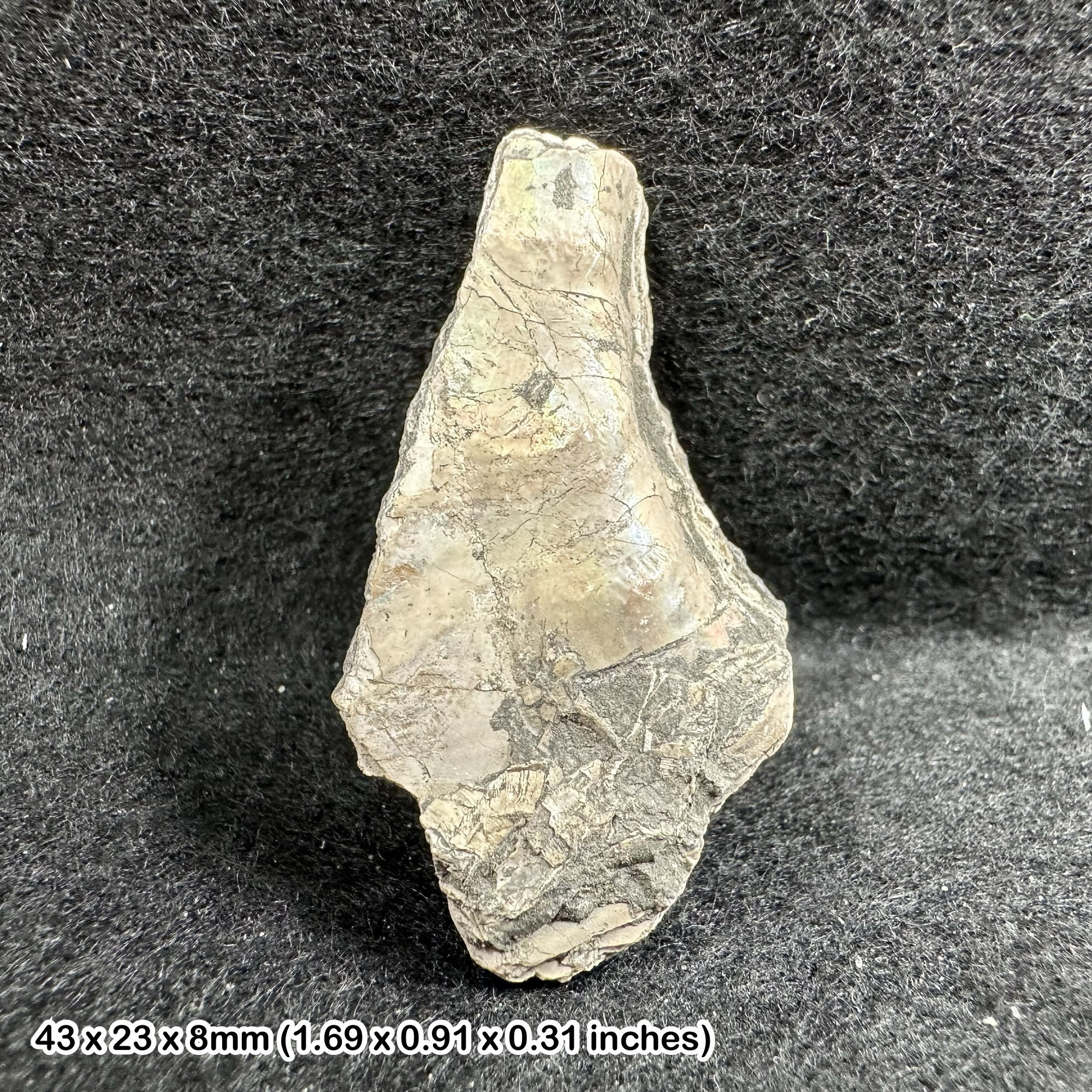
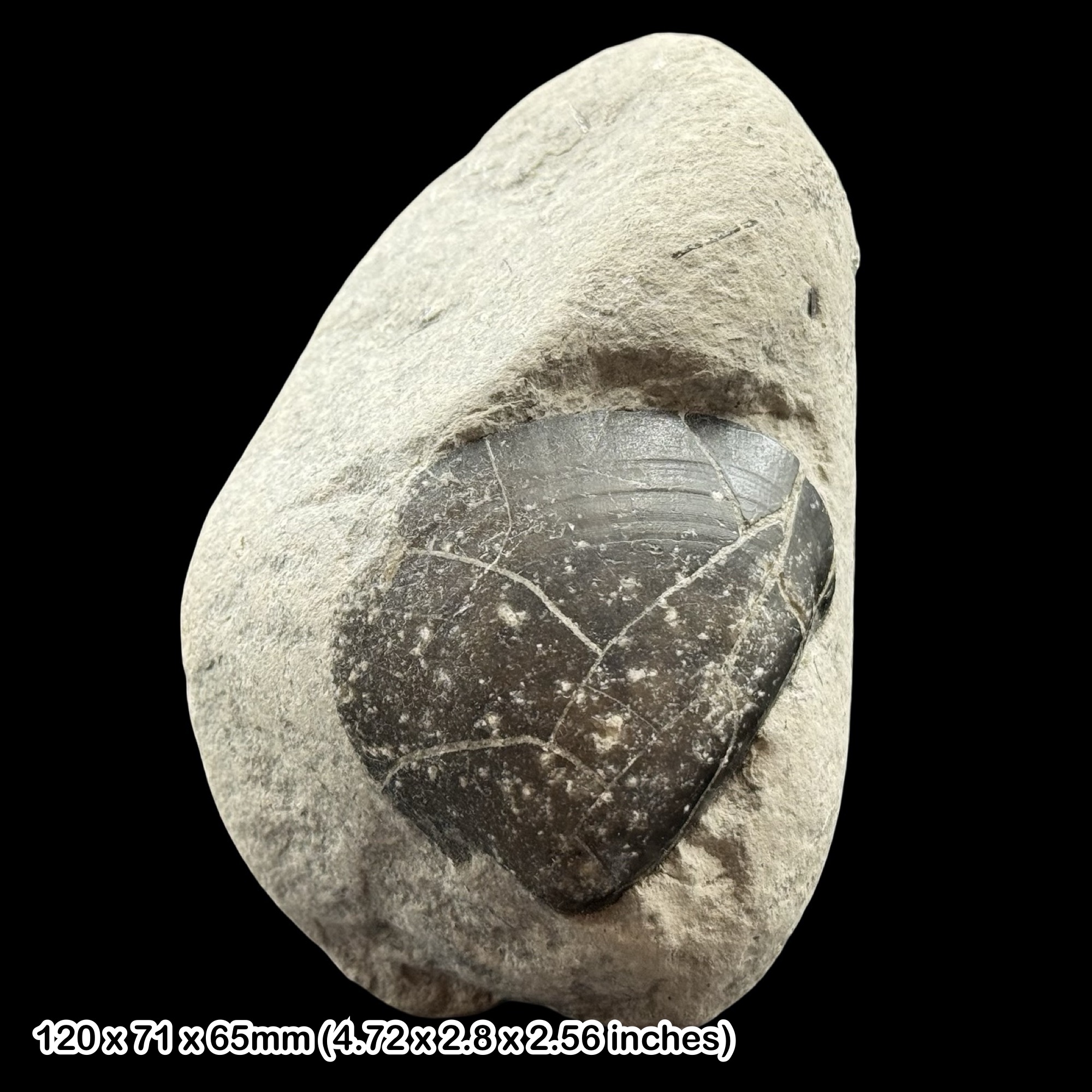
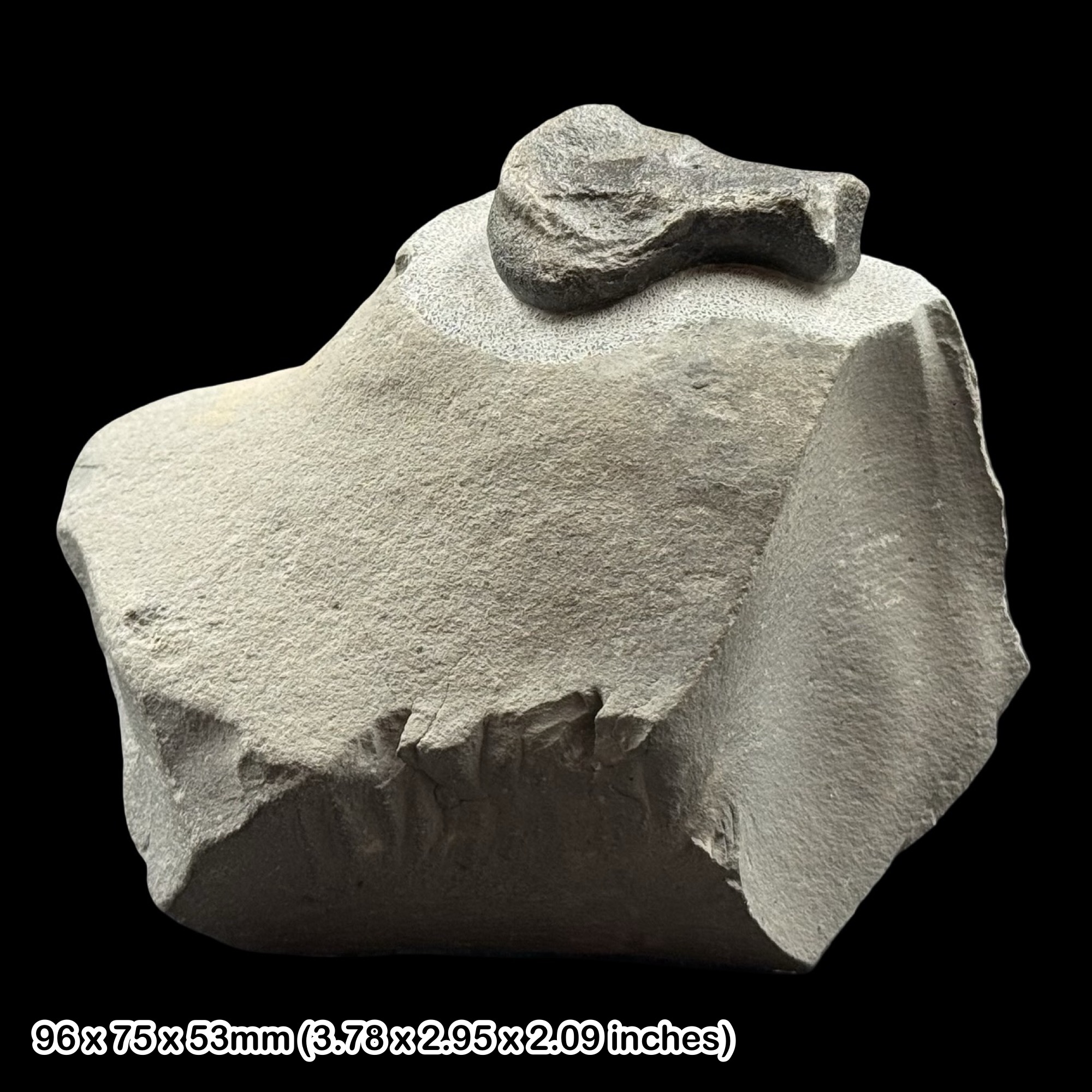
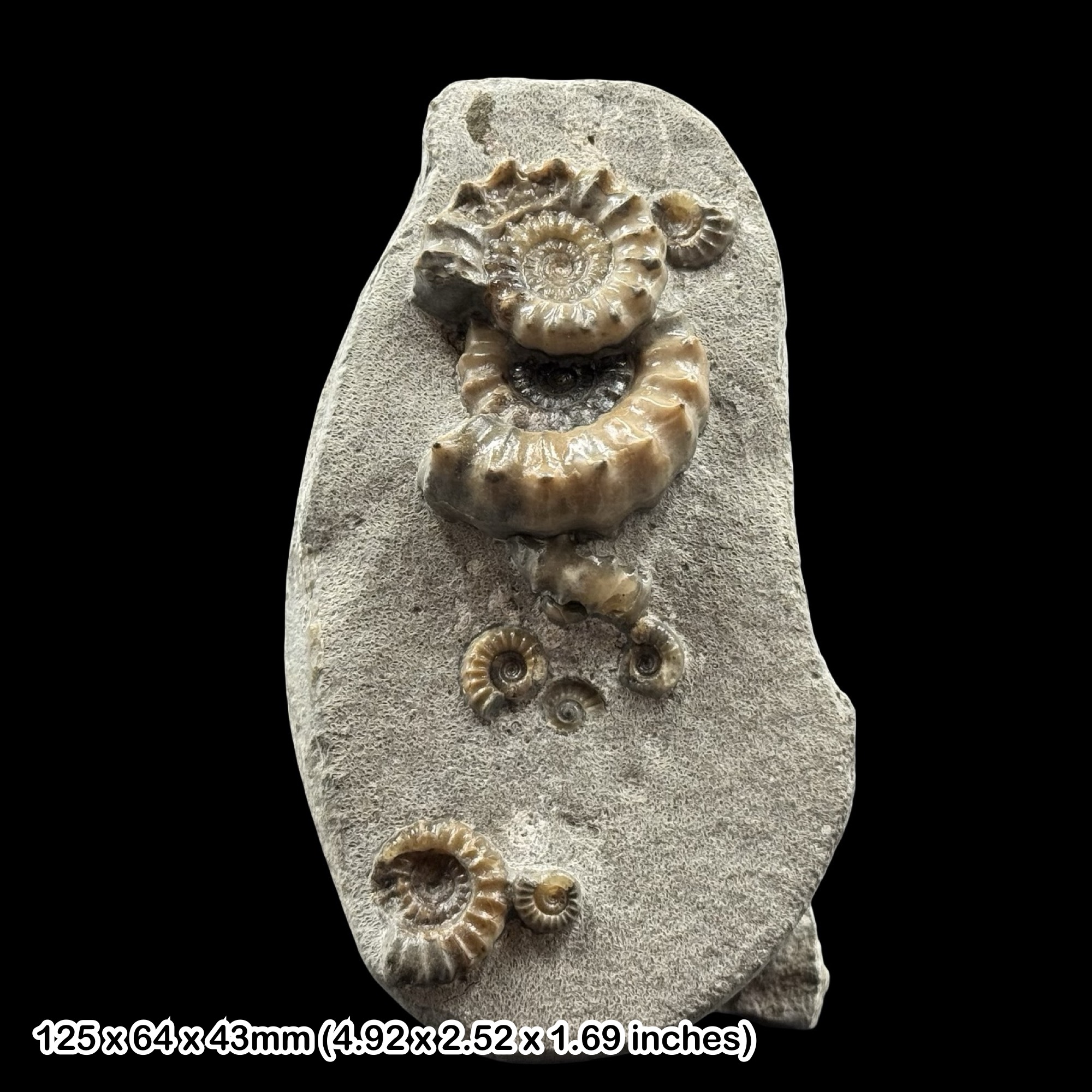
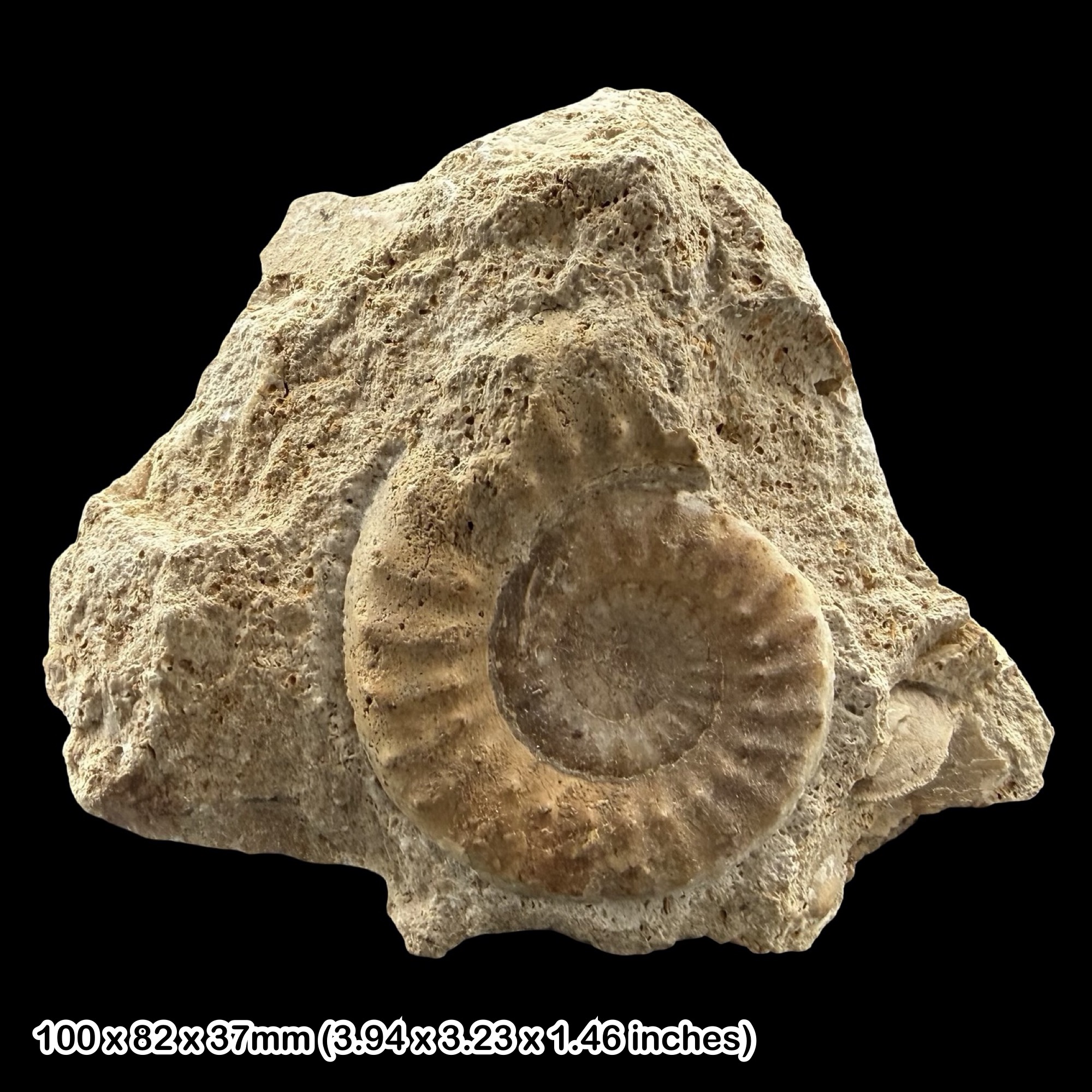
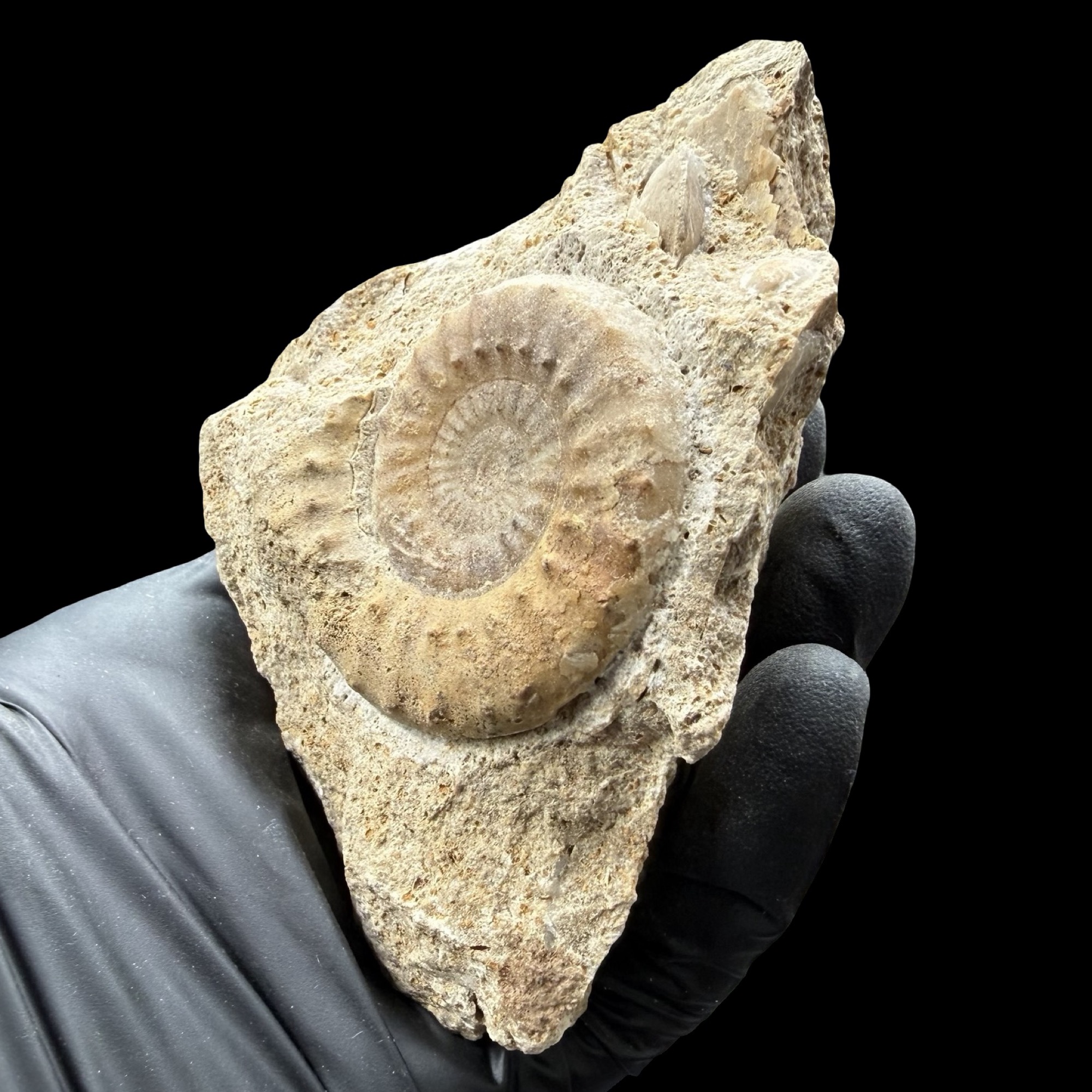
Lower Jurassic, Lower Pliensbachian, collected from Radstock, Somerset, UK. This is a carefully chosen natural fossil specimen, selected for its geological interest, display appeal, and classic British Jurassic origin. The photograph shows the actual fossil you will receive, so the colour, preservation, shape, matrix, and natural detail can be viewed before purchase. For the full size and scale of the specimen, please see the photo.This fossil includes a Certificate of Authenticity lifetime guarantee generic card, confirming that it is a genuine specimen. FOSSIL TYPE AND SPECIESAcanthopleuroceras ibex is an ammonite, an extinct marine cephalopod related to modern squid, octopus, and cuttlefish. Ammonites lived in coiled shells divided internally into chambers, with the animal occupying the final living chamber while using the earlier chambers for buoyancy control. Their shells often preserve beautifully in Jurassic rocks, making them one of the most recognisable and scientifically useful fossil groups.This species is especially associated with the Lower Jurassic Pliensbachian Stage and is an important fossil for identifying and correlating rocks of this age. The name ibex is widely linked with the Ibex Zone, a recognised ammonite biozone within the Lower Pliensbachian. Ammonites such as Acanthopleuroceras are valuable index fossils because they evolved rapidly, were widespread in ancient seas, and can help geologists date sedimentary layers with precision. GEOLOGY AND AGEThis ammonite comes from the Lower Jurassic, specifically the Lower Pliensbachian, making it approximately 190 million years old. During this time, much of what is now southern and western Britain was covered by warm, shallow marine environments. Fine sediments accumulated on the sea floor, preserving the remains of ammonites, bivalves, marine reptiles, fish, and other Jurassic life.The Radstock area of Somerset is well known for fossiliferous Lower Jurassic deposits. These rocks formed in an ancient marine setting, where ammonites lived in open water before their shells settled onto the sea bed after death. Over millions of years, burial, mineralisation, and geological pressure transformed these remains into the fossils found today. MORPHOLOGY AND NATURAL FEATURESAcanthopleuroceras ammonites are known for their strongly ornamented shells. Typical features may include a coiled planispiral shell, distinct ribbing, and a robust Jurassic ammonite form. The ribbed shell structure was not simply decorative; it may have strengthened the shell and helped support the ammonite’s shape as it grew. These natural features make Acanthopleuroceras a visually appealing and scientifically interesting fossil for collectors.As with all genuine fossils, this specimen may show natural variation, including ancient wear, matrix attachment, mineral staining, small chips, repaired-looking natural fractures, or areas of partial preservation. These features are part of the fossil’s geological history and help show that it is an authentic natural specimen rather than a modern reproduction. LOCATION: RADSTOCK, SOMERSET, UKRadstock in Somerset is a classic British fossil locality associated with Lower Jurassic marine strata. Fossils from this region are prized by collectors because they represent part of Britain’s long and rich Jurassic fossil record. Acanthopleuroceras ibex from this area is especially appealing for collectors of UK ammonites, Jurassic fossils, Somerset fossils, and scientifically labelled fossil specimens. IDEAL FOR COLLECTORS, EDUCATION AND DISPLAYThis genuine Jurassic ammonite fossil is ideal for fossil collectors, geology students, natural history enthusiasts, educational collections, display cabinets, teaching sets, or anyone interested in prehistoric marine life. It offers a tangible connection to the ancient seas that covered Britain during the Early Jurassic.The specimen will be supplied as shown in the photo and includes a Certificate of Authenticity lifetime guarantee generic card, making it a strong choice for collectors looking for a genuine, well-labelled fossil ammonite from a classic UK locality.
Lower Jurassic, Lower Pliensbachian, collected from Radstock, Somerset, UK. This is a carefully chosen natural fossil specimen, selected for its geological interest, display appeal, and classic British Jurassic origin. The photograph shows the actual fossil you will receive, so the colour, preservation, shape, matrix, and natural detail can be viewed before purchase. For the full size and scale of the specimen, please see the photo.This fossil includes a Certificate of Authenticity lifetime guarantee generic card, confirming that it is a genuine specimen. FOSSIL TYPE AND SPECIESAcanthopleuroceras ibex is an ammonite, an extinct marine cephalopod related to modern squid, octopus, and cuttlefish. Ammonites lived in coiled shells divided internally into chambers, with the animal occupying the final living chamber while using the earlier chambers for buoyancy control. Their shells often preserve beautifully in Jurassic rocks, making them one of the most recognisable and scientifically useful fossil groups.This species is especially associated with the Lower Jurassic Pliensbachian Stage and is an important fossil for identifying and correlating rocks of this age. The name ibex is widely linked with the Ibex Zone, a recognised ammonite biozone within the Lower Pliensbachian. Ammonites such as Acanthopleuroceras are valuable index fossils because they evolved rapidly, were widespread in ancient seas, and can help geologists date sedimentary layers with precision. GEOLOGY AND AGEThis ammonite comes from the Lower Jurassic, specifically the Lower Pliensbachian, making it approximately 190 million years old. During this time, much of what is now southern and western Britain was covered by warm, shallow marine environments. Fine sediments accumulated on the sea floor, preserving the remains of ammonites, bivalves, marine reptiles, fish, and other Jurassic life.The Radstock area of Somerset is well known for fossiliferous Lower Jurassic deposits. These rocks formed in an ancient marine setting, where ammonites lived in open water before their shells settled onto the sea bed after death. Over millions of years, burial, mineralisation, and geological pressure transformed these remains into the fossils found today. MORPHOLOGY AND NATURAL FEATURESAcanthopleuroceras ammonites are known for their strongly ornamented shells. Typical features may include a coiled planispiral shell, distinct ribbing, and a robust Jurassic ammonite form. The ribbed shell structure was not simply decorative; it may have strengthened the shell and helped support the ammonite’s shape as it grew. These natural features make Acanthopleuroceras a visually appealing and scientifically interesting fossil for collectors.As with all genuine fossils, this specimen may show natural variation, including ancient wear, matrix attachment, mineral staining, small chips, repaired-looking natural fractures, or areas of partial preservation. These features are part of the fossil’s geological history and help show that it is an authentic natural specimen rather than a modern reproduction. LOCATION: RADSTOCK, SOMERSET, UKRadstock in Somerset is a classic British fossil locality associated with Lower Jurassic marine strata. Fossils from this region are prized by collectors because they represent part of Britain’s long and rich Jurassic fossil record. Acanthopleuroceras ibex from this area is especially appealing for collectors of UK ammonites, Jurassic fossils, Somerset fossils, and scientifically labelled fossil specimens. IDEAL FOR COLLECTORS, EDUCATION AND DISPLAYThis genuine Jurassic ammonite fossil is ideal for fossil collectors, geology students, natural history enthusiasts, educational collections, display cabinets, teaching sets, or anyone interested in prehistoric marine life. It offers a tangible connection to the ancient seas that covered Britain during the Early Jurassic.The specimen will be supplied as shown in the photo and includes a Certificate of Authenticity lifetime guarantee generic card, making it a strong choice for collectors looking for a genuine, well-labelled fossil ammonite from a classic UK locality.