Black Obsidian Sphere Natural Volcanic Glass Specimen with COA Genuine Crystal Display Stone Collectible Decor Gift
£ 15.90
GENUINE BLACK OBSIDIAN SPHEREThis Black Obsidian Sphere is a genuine natural volcanic glass specimen,
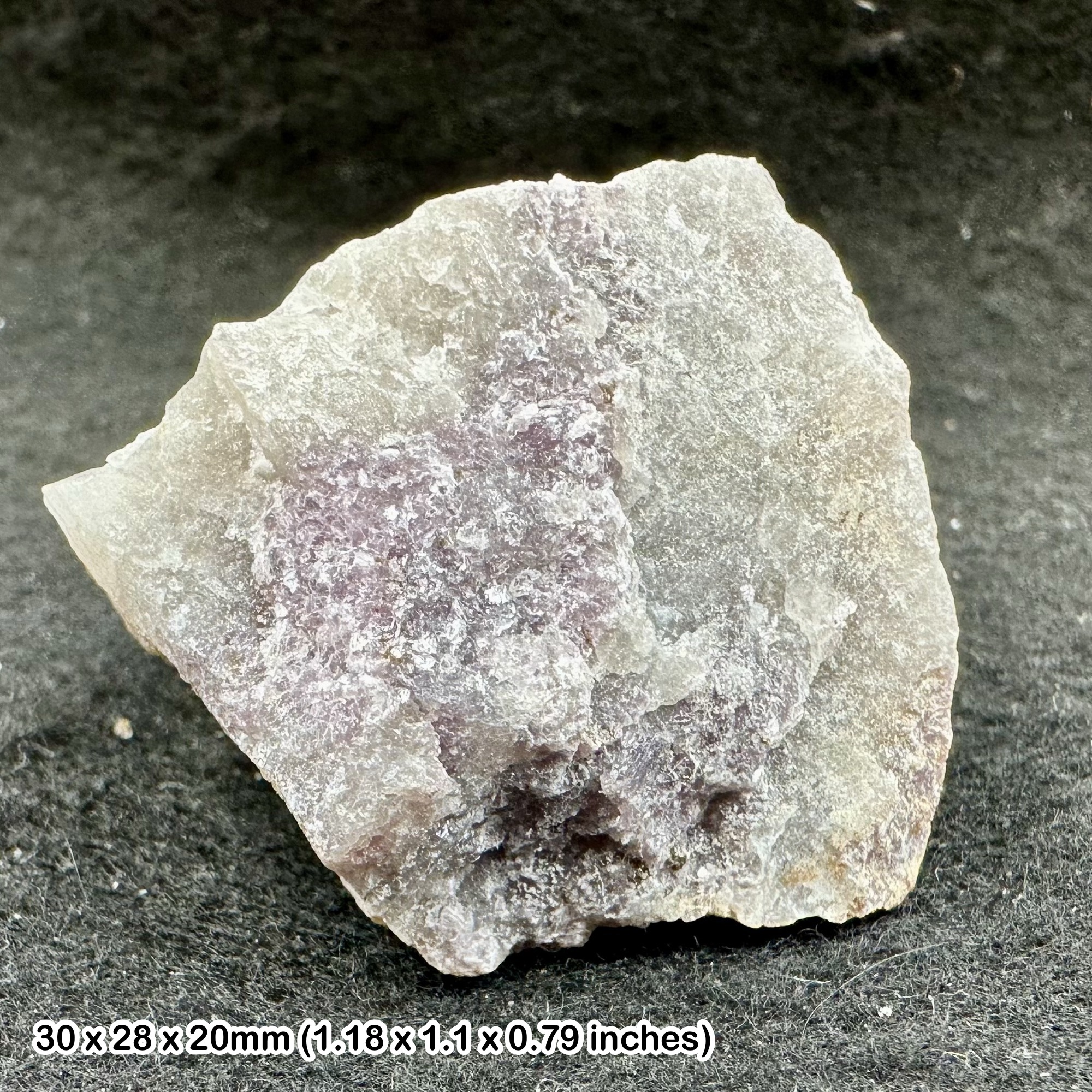
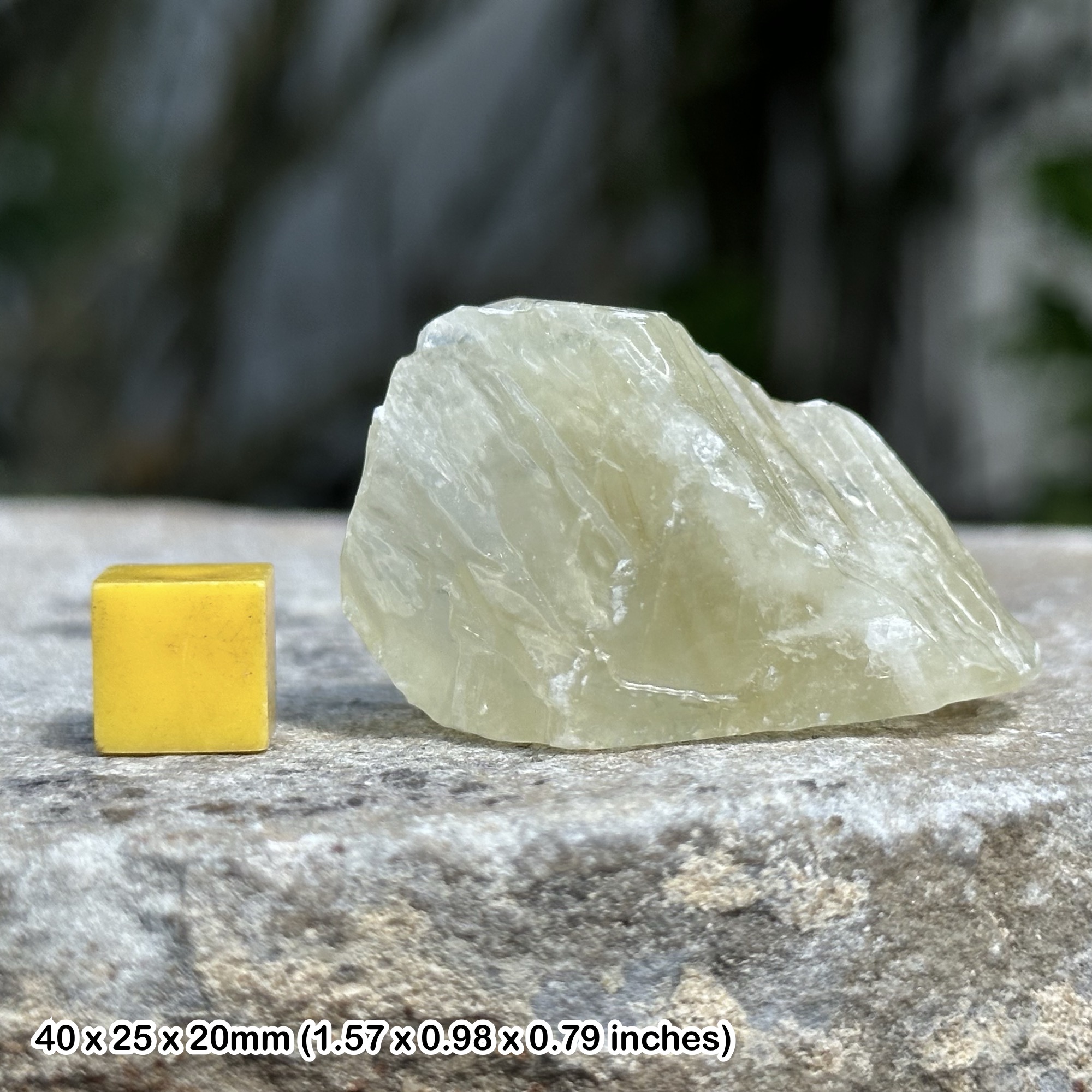
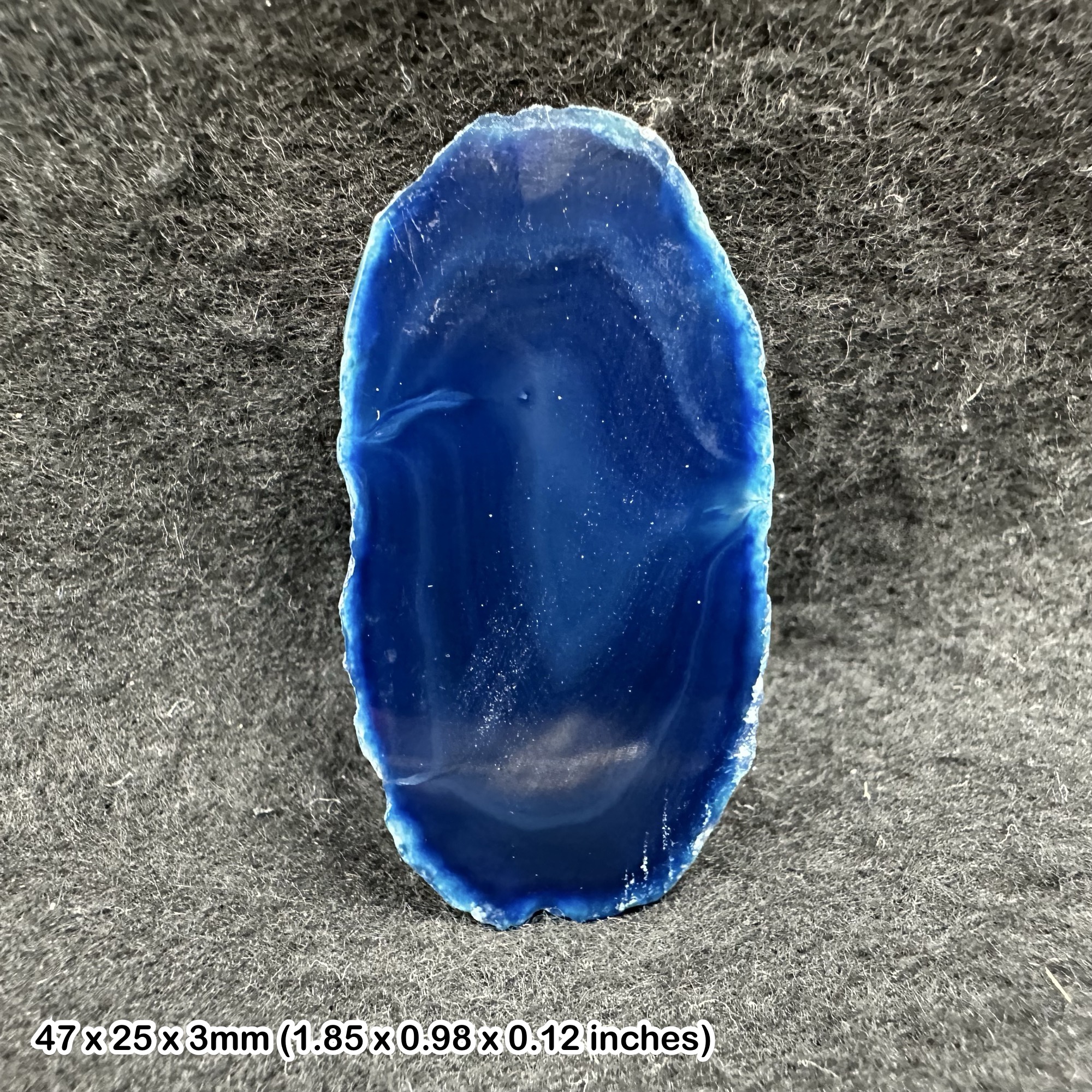
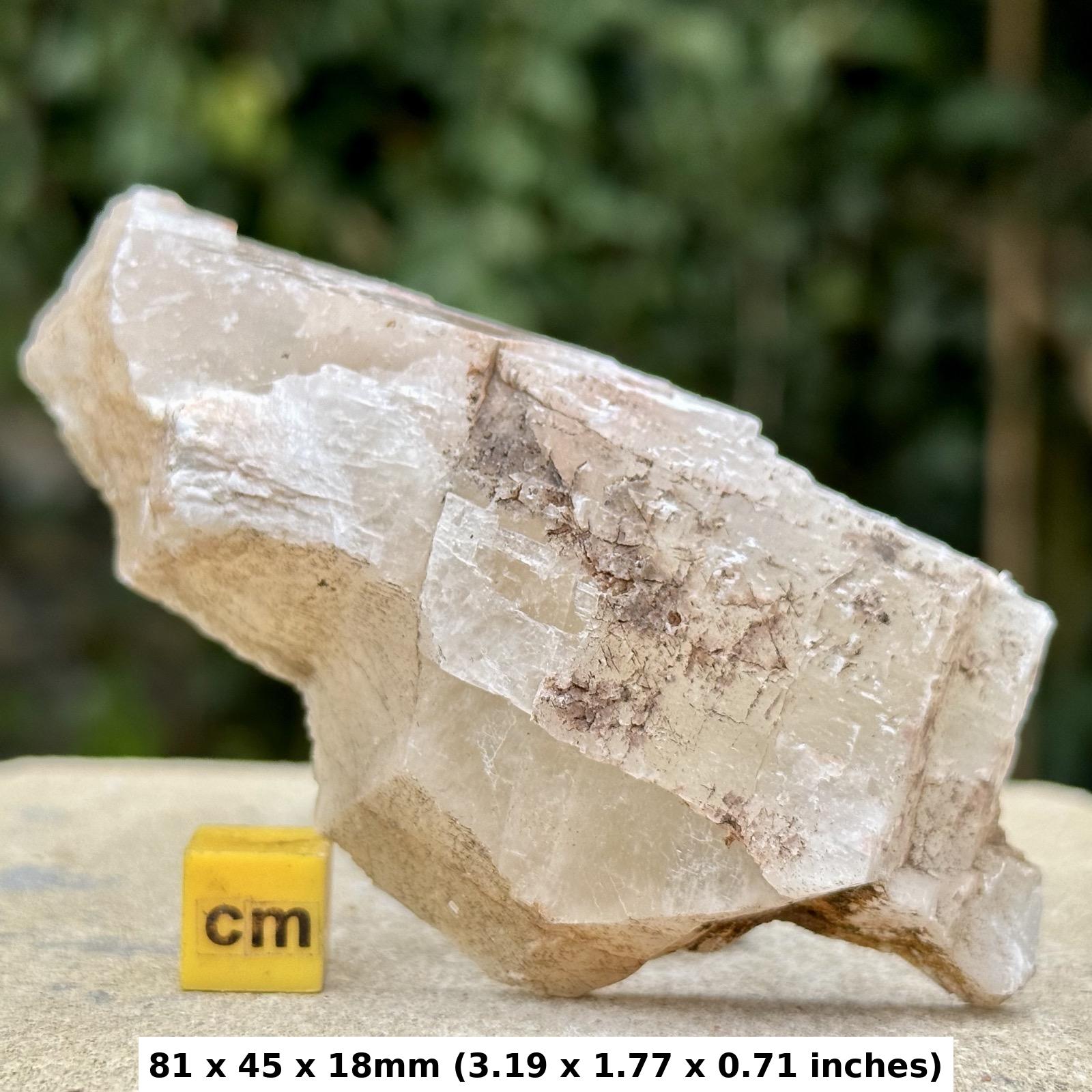
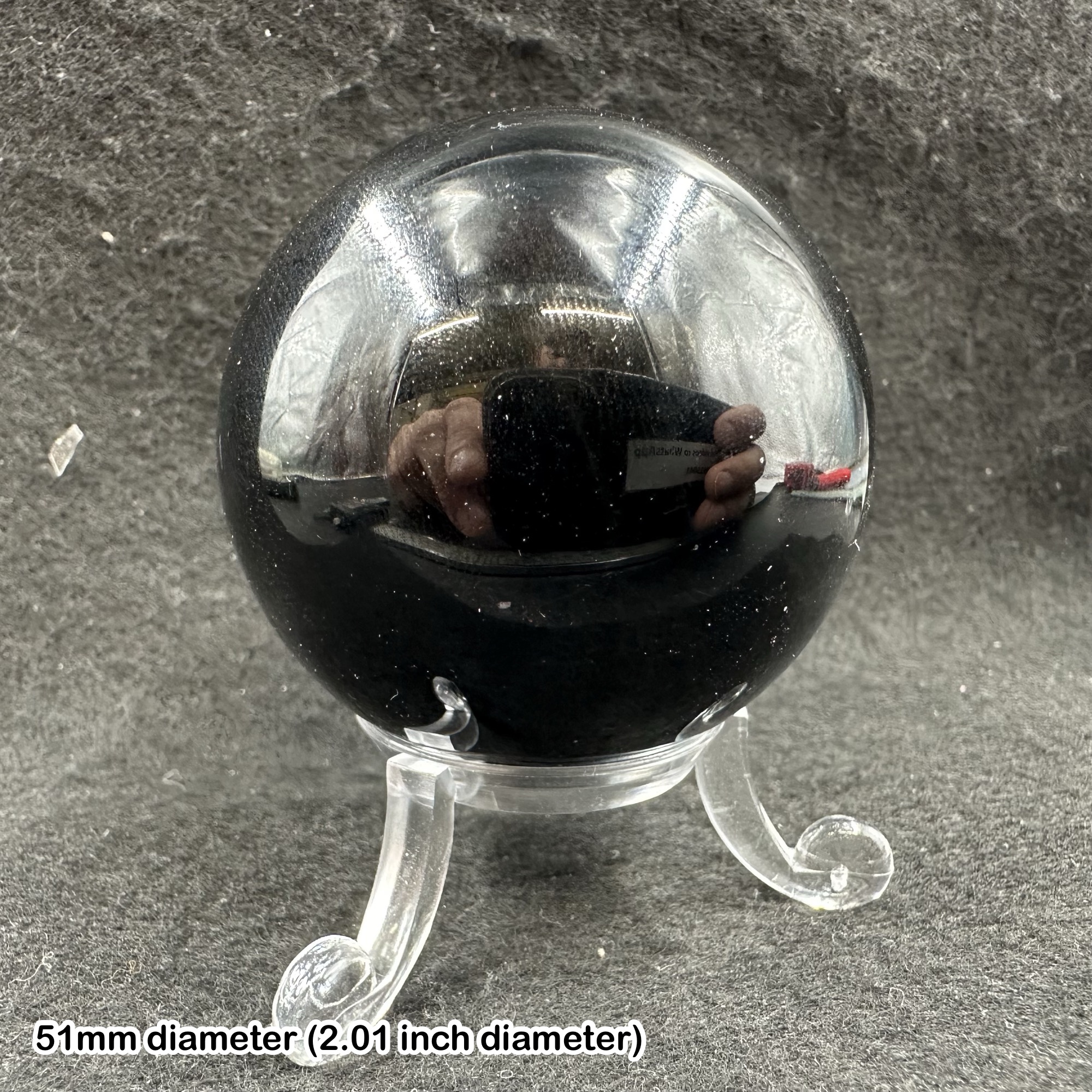
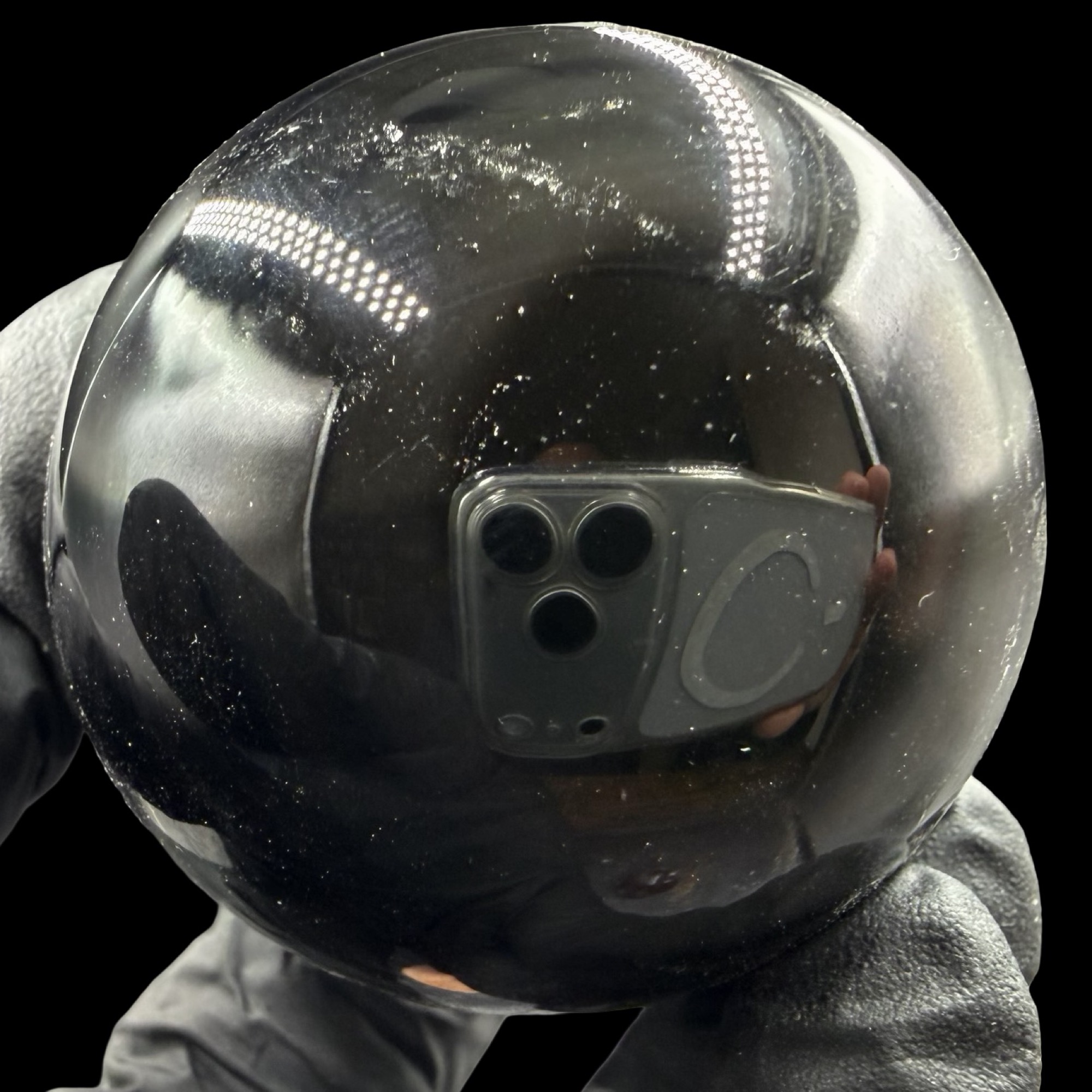
carefully selected for its deep black colour, smooth polished finish, and strong decorative display appeal. Obsidian is one of the most distinctive natural geological materials, formed from rapidly cooled volcanic lava rather than from slow crystal growth. Its glossy surface, dark colour, and refined spherical shape make it a striking piece for collectors of crystals, rocks, minerals, volcanic specimens, natural history items, and decorative display stones.This crystal includes a Certificate of Authenticity lifetime guarantee generic card, confirming it as a genuine specimen. The photograph shows the actual Black Obsidian Sphere you will receive, allowing you to view the real polish, shape, colour, reflections, surface finish, and natural character before purchase. Full sizing details can be seen in the photo. CRYSTAL TYPE AND GEOLOGICAL CLASSIFICATIONBlack Obsidian is commonly sold and collected as a crystal, although geologically it is a naturally occurring volcanic glass rather than a true crystalline mineral. It forms when silica-rich lava cools so quickly that atoms do not have enough time to arrange into a regular crystal structure. This rapid cooling creates an amorphous glassy material with a smooth texture and distinctive conchoidal fracture.Obsidian is usually associated with high-silica volcanic rocks, especially rhyolitic lava flows and volcanic domes. Its composition is rich in silica, with varying amounts of aluminium, iron, magnesium, sodium, potassium, and other elements depending on the lava source. The black colour is commonly caused by tiny mineral inclusions and iron-bearing components within the glass. GEOLOGICAL FORMATION AND VOLCANIC ORIGINBlack Obsidian forms in volcanic environments where molten lava reaches the surface and cools extremely rapidly. This can occur along the margins of lava flows, around volcanic domes, or where hot lava comes into contact with air or water. Because cooling is so fast, large crystals do not develop, leaving behind a smooth, glass-like rock.Over geological time, obsidian may remain as compact glassy masses, flow bands, nodules, or broken fragments within volcanic deposits. Its natural fracture pattern is one of its most recognisable features. When broken, obsidian often forms curved, shell-like surfaces known as conchoidal fractures, similar to broken glass. This feature has made obsidian important in archaeology as well as geology, as it was historically used for sharp tools and cutting edges. POLISHED SPHERE FORM AND VISUAL FEATURESThis specimen has been shaped and polished into a sphere, a classic lapidary form that allows the smooth black surface and reflective quality of obsidian to be appreciated from every angle. The polished finish enhances the natural glassy lustre of the material, creating a sleek, dark, mirror-like appearance under suitable lighting.Black Obsidian may show subtle natural variations such as faint grey tones, tiny internal specks, flow textures, slight translucency at thin edges, or reflective surface changes. These features are part of the volcanic glass and help make each specimen unique. The spherical form gives the piece a balanced and elegant appearance, making it suitable for display on a stand, in a cabinet, on a desk, shelf, sideboard, bookcase, or as part of a curated geological arrangement. COLLECTING, DECORATIVE AND GIFT APPEALA Black Obsidian Sphere is a popular choice for collectors of crystals, rocks, volcanic glass, minerals, lapidary pieces, and natural history specimens. Its deep black colour makes it visually versatile and easy to display alongside other specimens such as quartz, amethyst, smoky quartz, rose quartz, labradorite, agate, jasper, calcite, fluorite, pyrite, fossils, shells, and other geological collectibles.The polished sphere shape gives this specimen strong decorative appeal while still preserving the geological interest of genuine volcanic glass. It is suitable for beginner collectors, experienced mineral enthusiasts, interior decor displays, educational geology collections, and natural history arrangements. Its clean black finish and natural origin make it an attractive gift for anyone interested in Earth science, rocks, minerals, volcanic formations, or collectible display stones. AUTHENTICITY AND SPECIMEN DETAILSThis is a genuine Black Obsidian Sphere and includes a Certificate of Authenticity lifetime guarantee generic card. The specimen has been carefully chosen for its overall presentation, polished finish, colour, form, and display quality. As with all natural volcanic glass specimens, variations in surface reflection, tone, tiny inclusions, and internal structure are part of its geological origin rather than faults.The photo shows the actual Black Obsidian Sphere being offered, so the buyer will receive the exact specimen shown. Full sizing information can be seen in the photo, allowing customers to assess the scale, form, and appearance of the piece before purchase.
carefully selected for its deep black colour, smooth polished finish, and strong decorative display appeal. Obsidian is one of the most distinctive natural geological materials, formed from rapidly cooled volcanic lava rather than from slow crystal growth. Its glossy surface, dark colour, and refined spherical shape make it a striking piece for collectors of crystals, rocks, minerals, volcanic specimens, natural history items, and decorative display stones.This crystal includes a Certificate of Authenticity lifetime guarantee generic card, confirming it as a genuine specimen. The photograph shows the actual Black Obsidian Sphere you will receive, allowing you to view the real polish, shape, colour, reflections, surface finish, and natural character before purchase. Full sizing details can be seen in the photo. CRYSTAL TYPE AND GEOLOGICAL CLASSIFICATIONBlack Obsidian is commonly sold and collected as a crystal, although geologically it is a naturally occurring volcanic glass rather than a true crystalline mineral. It forms when silica-rich lava cools so quickly that atoms do not have enough time to arrange into a regular crystal structure. This rapid cooling creates an amorphous glassy material with a smooth texture and distinctive conchoidal fracture.Obsidian is usually associated with high-silica volcanic rocks, especially rhyolitic lava flows and volcanic domes. Its composition is rich in silica, with varying amounts of aluminium, iron, magnesium, sodium, potassium, and other elements depending on the lava source. The black colour is commonly caused by tiny mineral inclusions and iron-bearing components within the glass. GEOLOGICAL FORMATION AND VOLCANIC ORIGINBlack Obsidian forms in volcanic environments where molten lava reaches the surface and cools extremely rapidly. This can occur along the margins of lava flows, around volcanic domes, or where hot lava comes into contact with air or water. Because cooling is so fast, large crystals do not develop, leaving behind a smooth, glass-like rock.Over geological time, obsidian may remain as compact glassy masses, flow bands, nodules, or broken fragments within volcanic deposits. Its natural fracture pattern is one of its most recognisable features. When broken, obsidian often forms curved, shell-like surfaces known as conchoidal fractures, similar to broken glass. This feature has made obsidian important in archaeology as well as geology, as it was historically used for sharp tools and cutting edges. POLISHED SPHERE FORM AND VISUAL FEATURESThis specimen has been shaped and polished into a sphere, a classic lapidary form that allows the smooth black surface and reflective quality of obsidian to be appreciated from every angle. The polished finish enhances the natural glassy lustre of the material, creating a sleek, dark, mirror-like appearance under suitable lighting.Black Obsidian may show subtle natural variations such as faint grey tones, tiny internal specks, flow textures, slight translucency at thin edges, or reflective surface changes. These features are part of the volcanic glass and help make each specimen unique. The spherical form gives the piece a balanced and elegant appearance, making it suitable for display on a stand, in a cabinet, on a desk, shelf, sideboard, bookcase, or as part of a curated geological arrangement. COLLECTING, DECORATIVE AND GIFT APPEALA Black Obsidian Sphere is a popular choice for collectors of crystals, rocks, volcanic glass, minerals, lapidary pieces, and natural history specimens. Its deep black colour makes it visually versatile and easy to display alongside other specimens such as quartz, amethyst, smoky quartz, rose quartz, labradorite, agate, jasper, calcite, fluorite, pyrite, fossils, shells, and other geological collectibles.The polished sphere shape gives this specimen strong decorative appeal while still preserving the geological interest of genuine volcanic glass. It is suitable for beginner collectors, experienced mineral enthusiasts, interior decor displays, educational geology collections, and natural history arrangements. Its clean black finish and natural origin make it an attractive gift for anyone interested in Earth science, rocks, minerals, volcanic formations, or collectible display stones. AUTHENTICITY AND SPECIMEN DETAILSThis is a genuine Black Obsidian Sphere and includes a Certificate of Authenticity lifetime guarantee generic card. The specimen has been carefully chosen for its overall presentation, polished finish, colour, form, and display quality. As with all natural volcanic glass specimens, variations in surface reflection, tone, tiny inclusions, and internal structure are part of its geological origin rather than faults.The photo shows the actual Black Obsidian Sphere being offered, so the buyer will receive the exact specimen shown. Full sizing information can be seen in the photo, allowing customers to assess the scale, form, and appearance of the piece before purchase.