Natica sp Fossil Gastropod Eocene France Genuine COA Damery Marne Specimen Sea Snail Shell Collectable Natural History Fossil
£ 12.60
GENUINE NATICA SP. FOSSIL GASTROPODThis listing is for a genuine Natica sp. fossil gastropod from the Eocene of
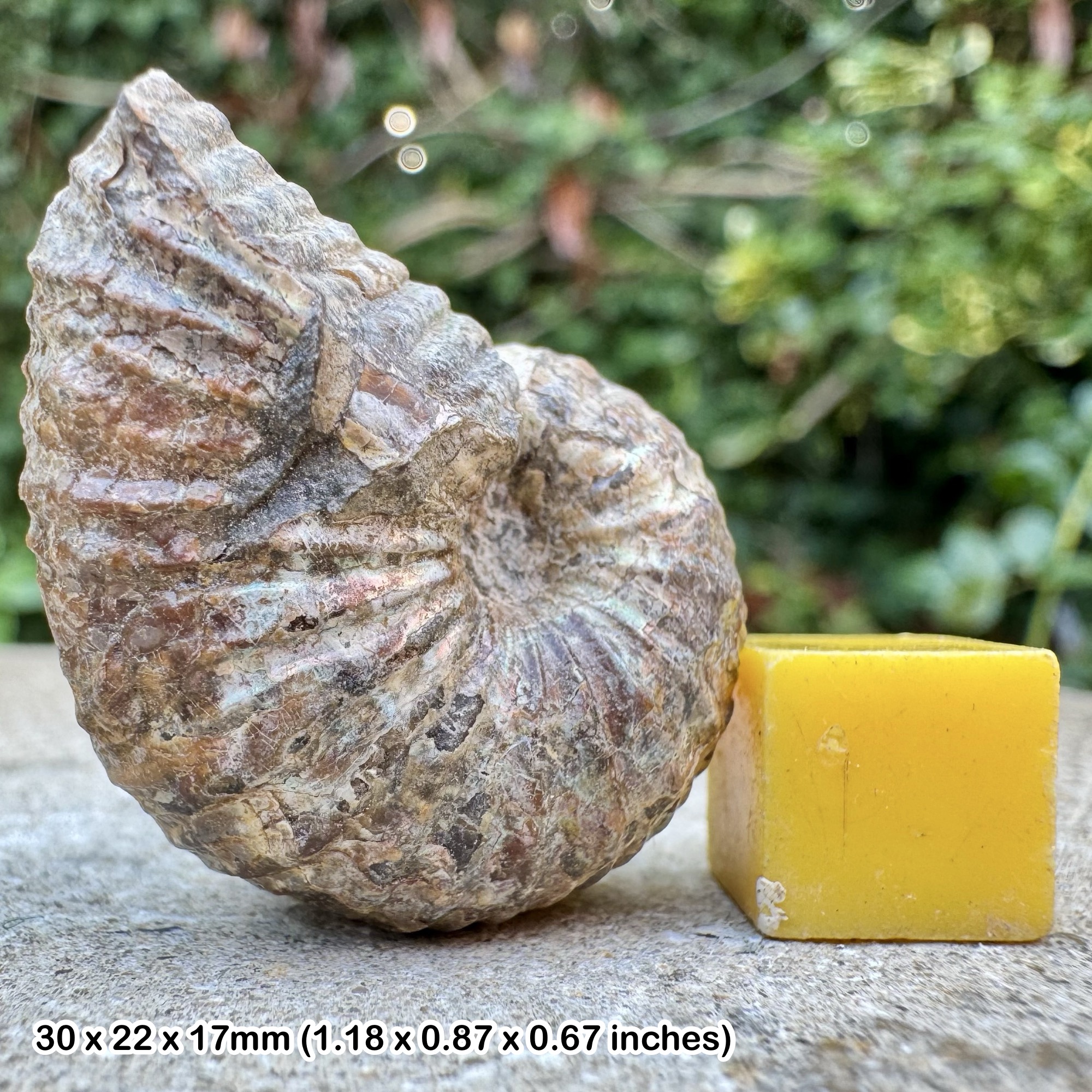
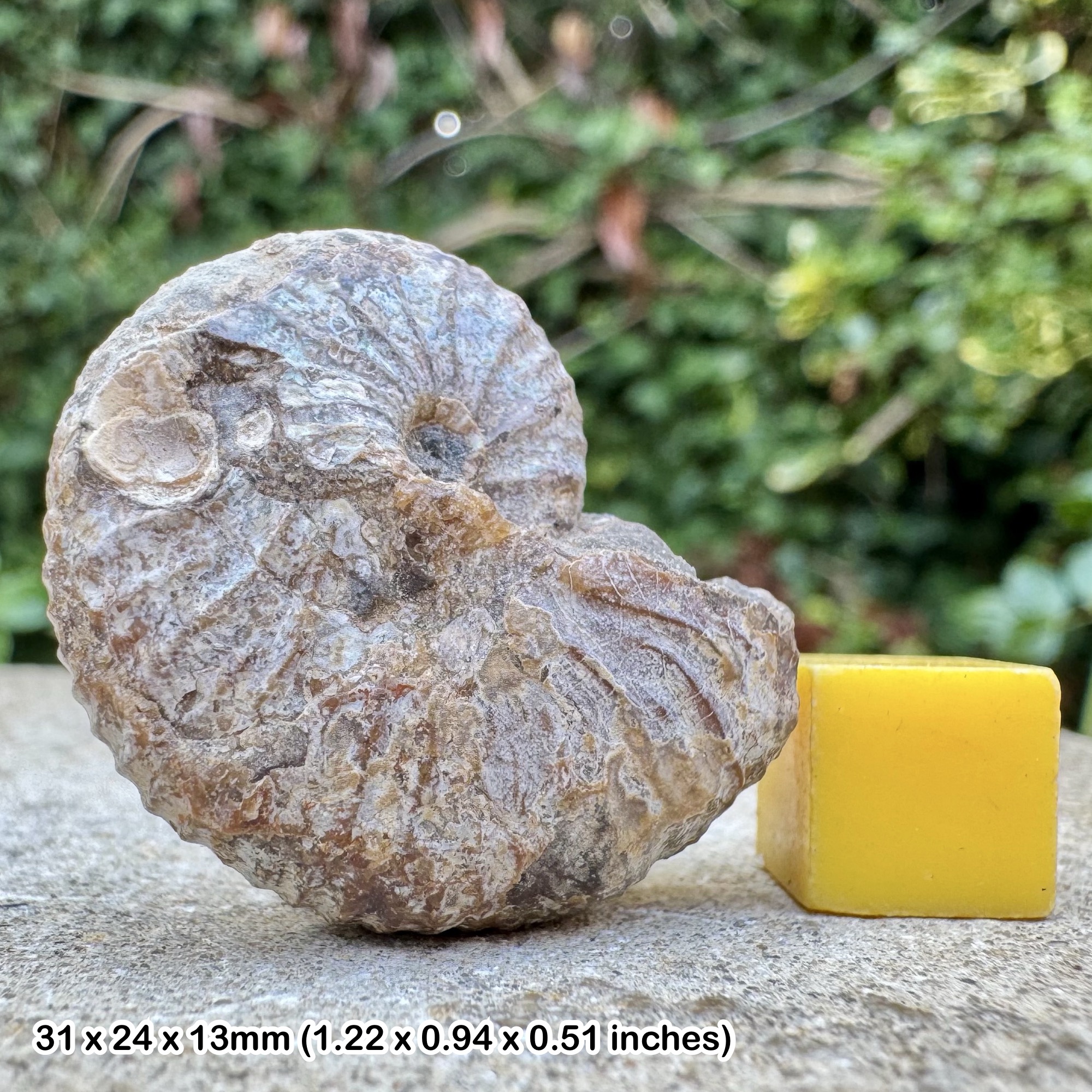
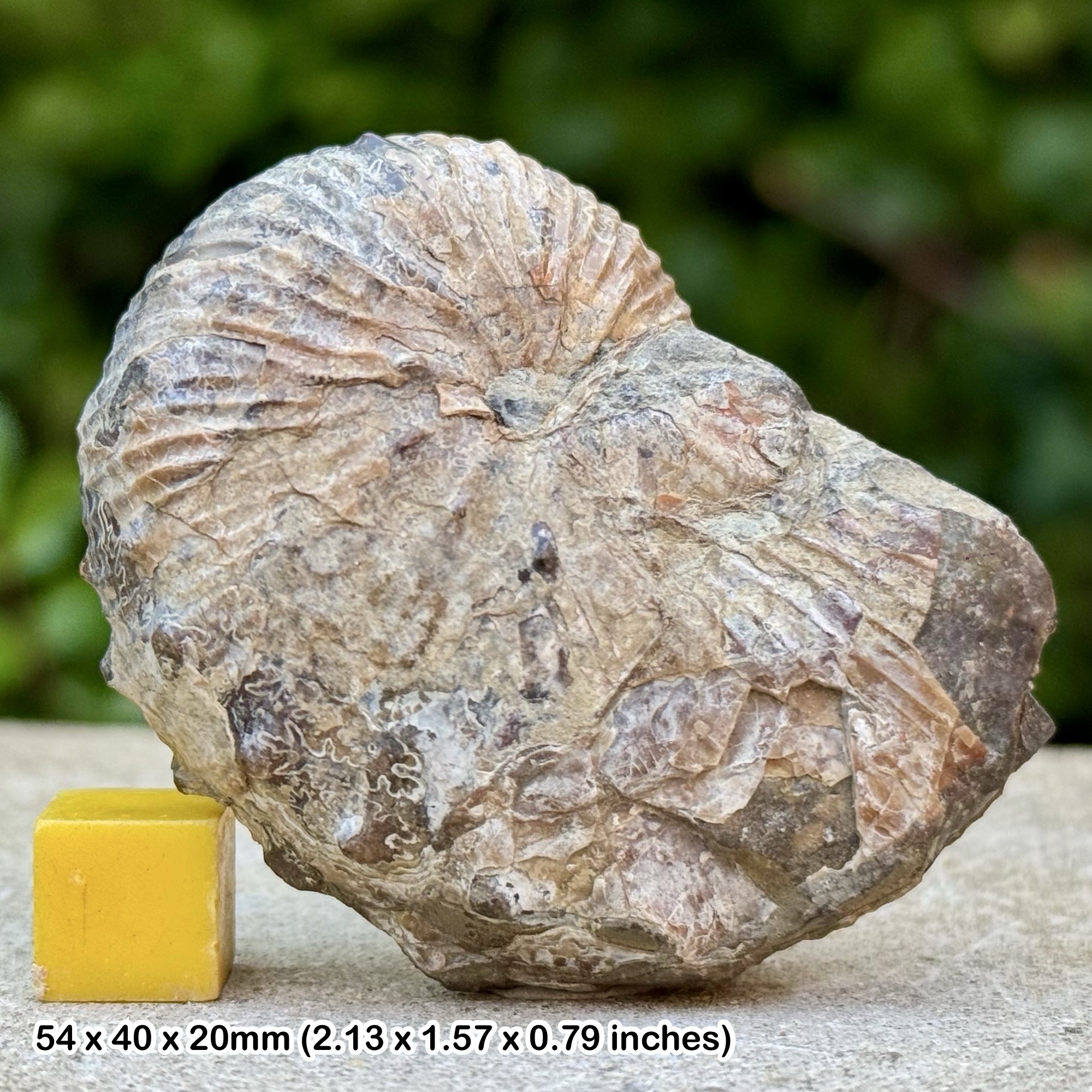
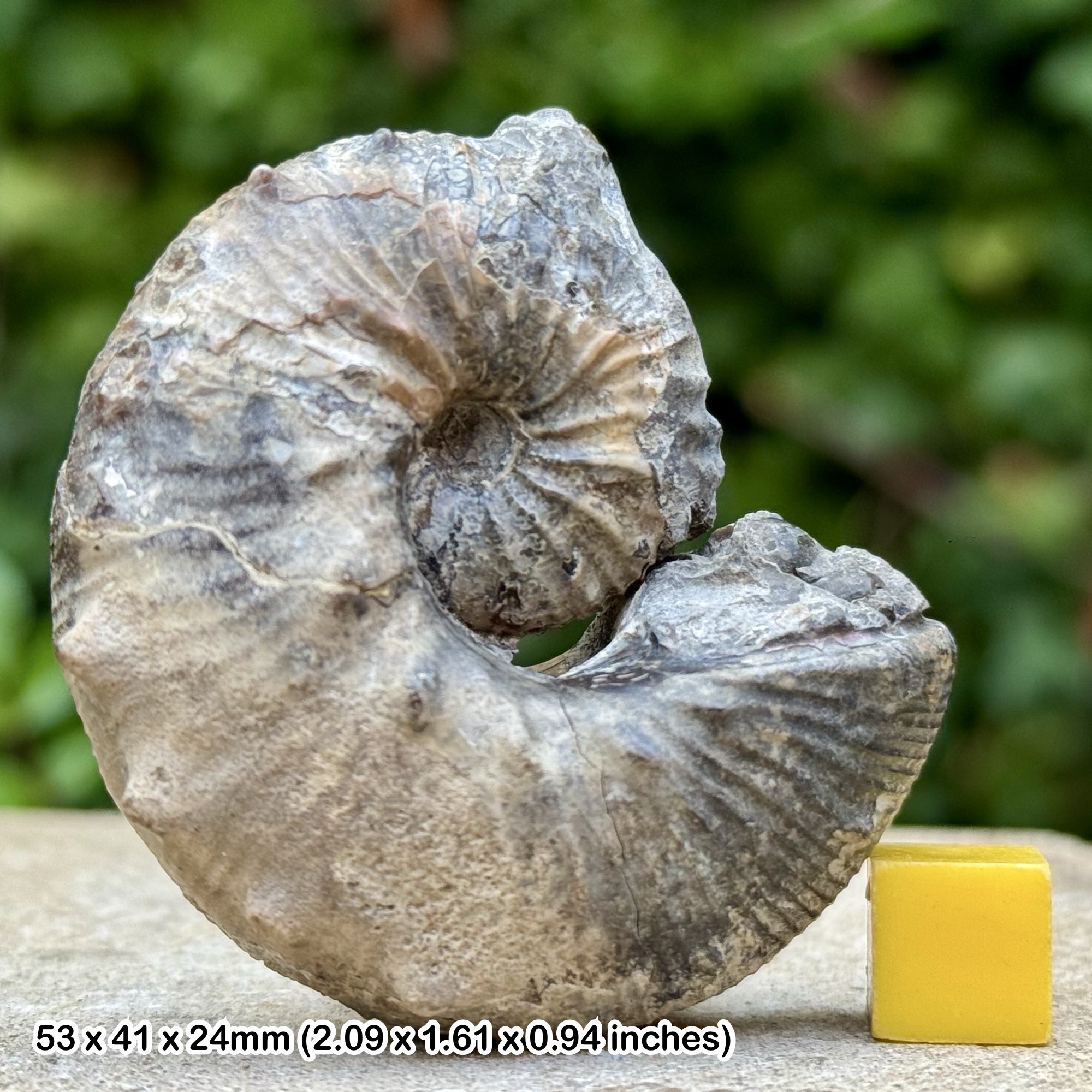
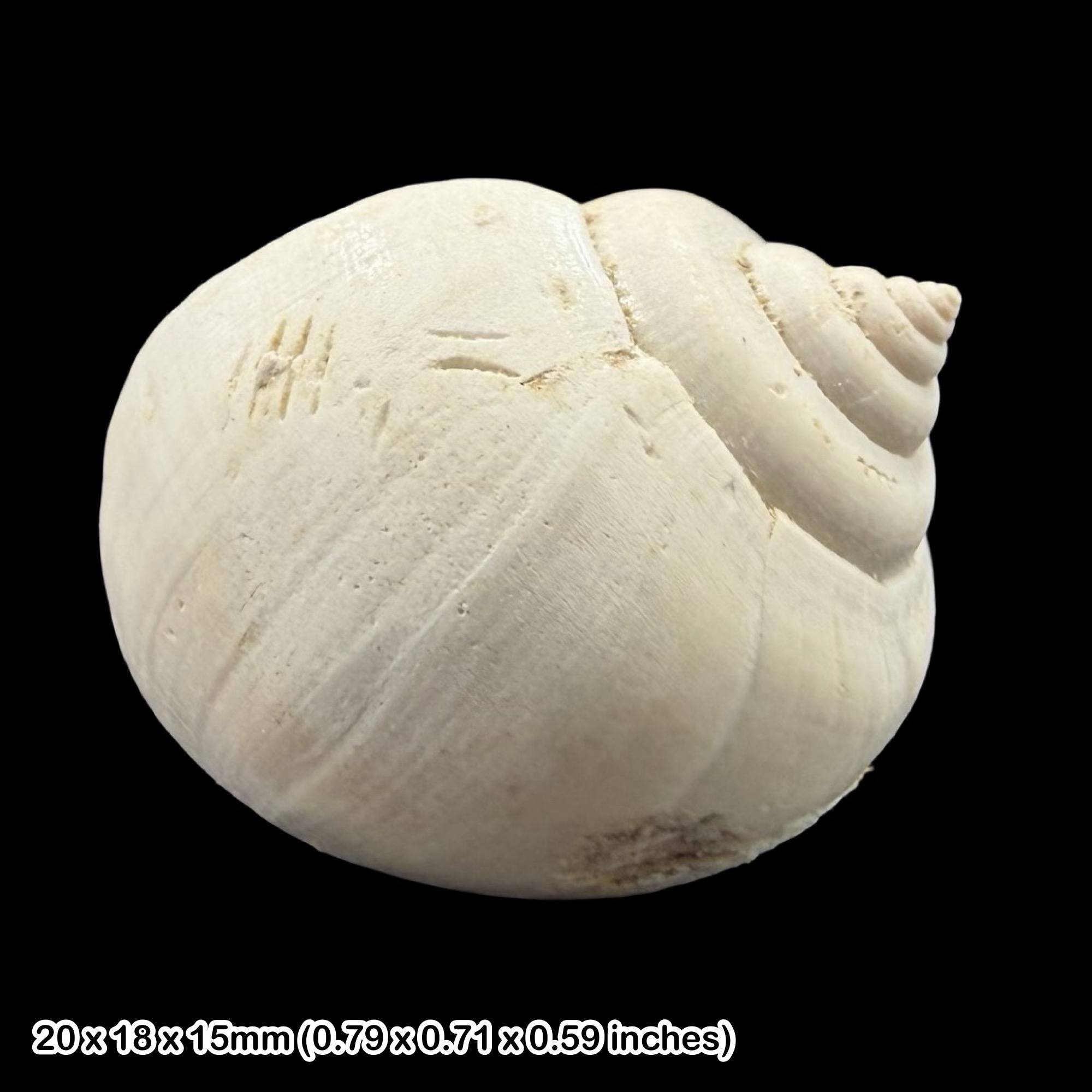
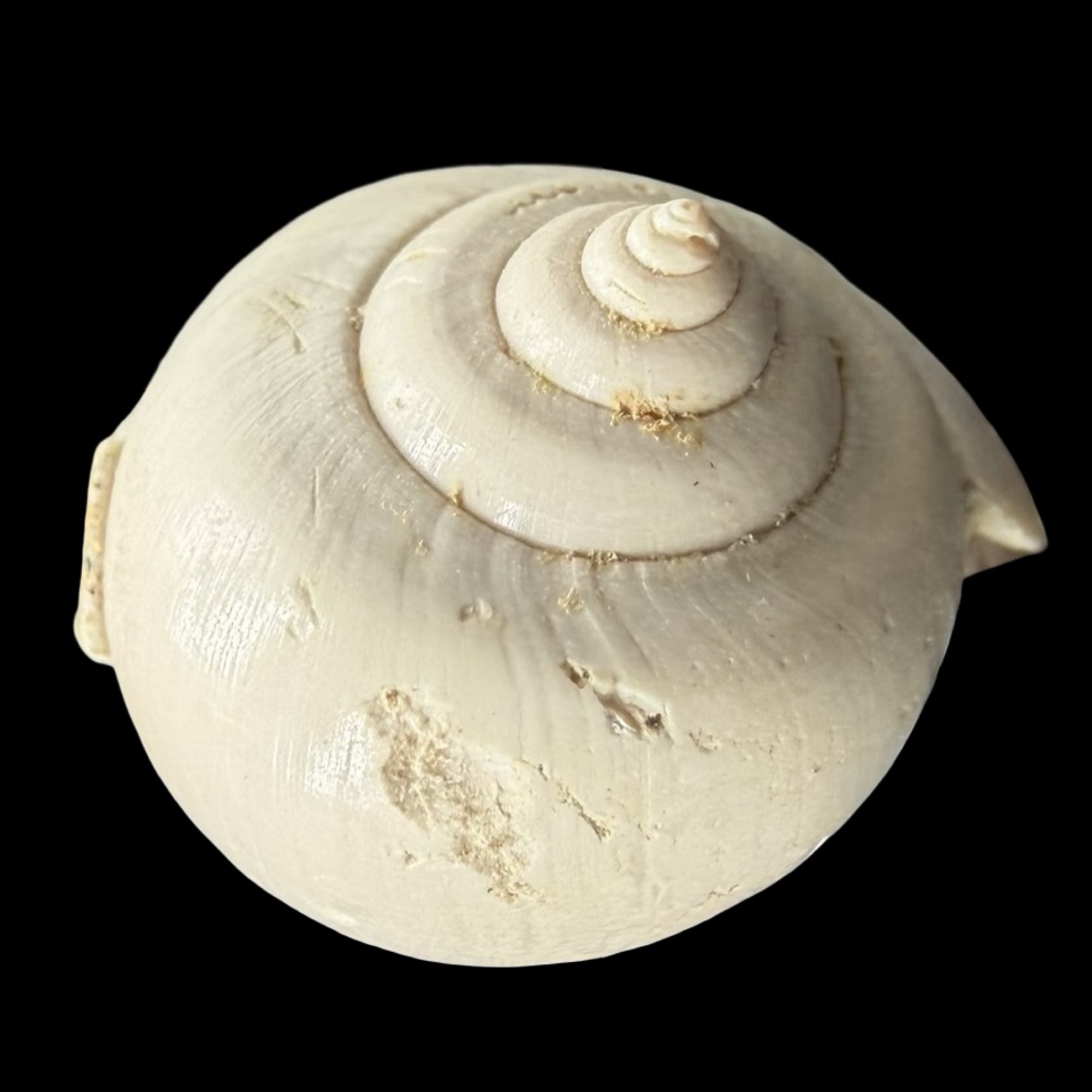
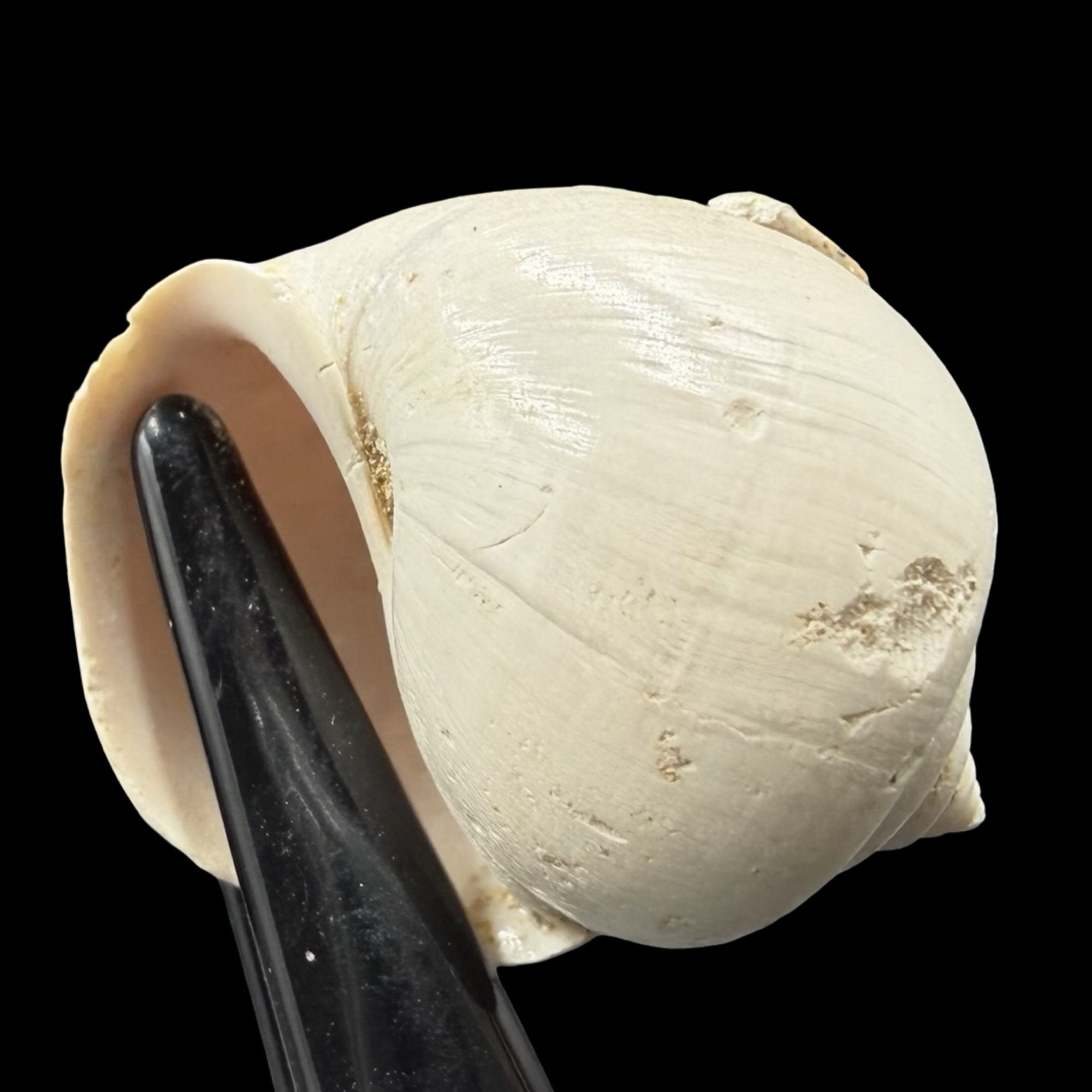
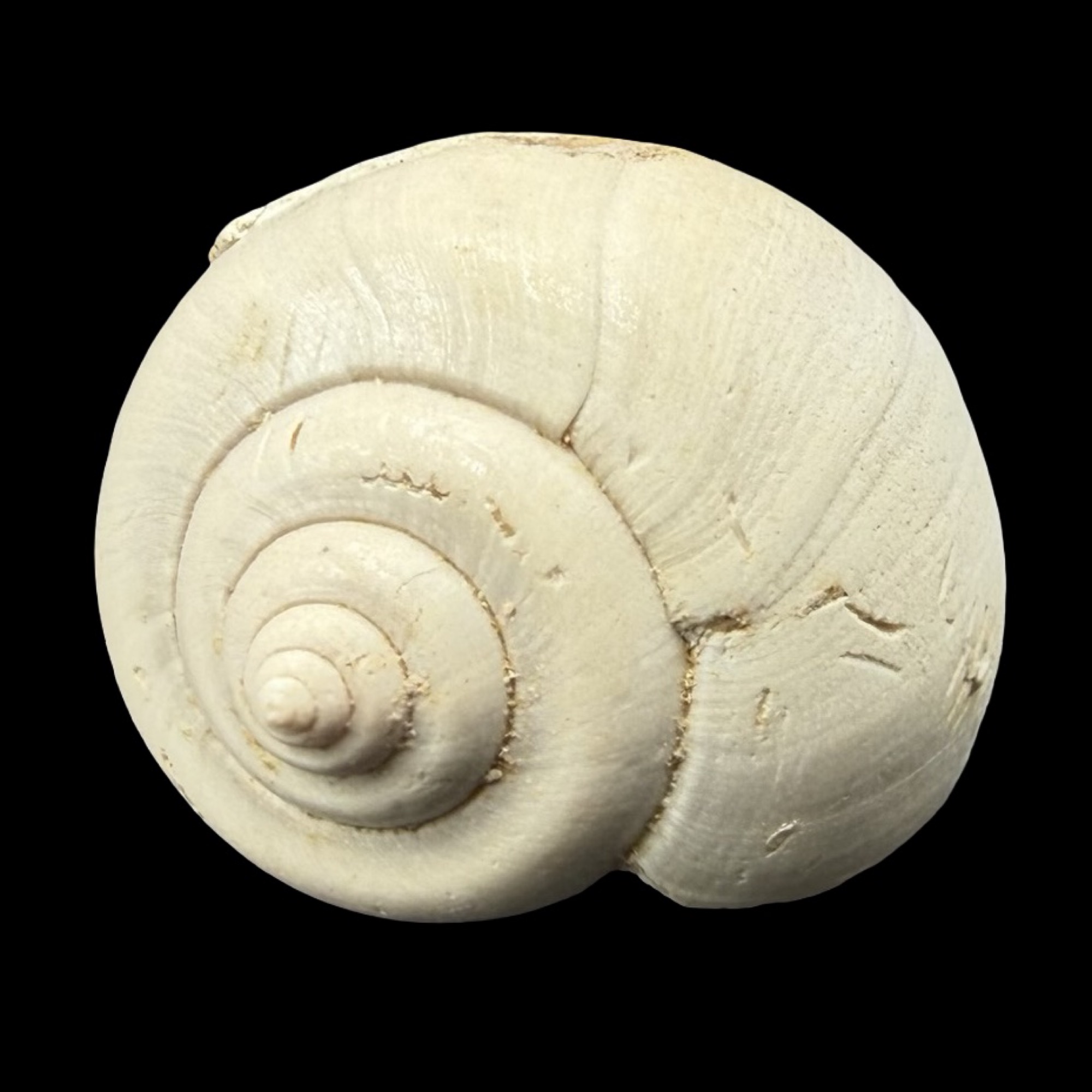
Damery, Marne, France. This is a carefully chosen fossil shell specimen, selected for its natural character, geological interest, and appeal as a collectable fossil sea snail from a classic European fossil locality. The photograph shows the actual specimen you will receive, allowing you to view the fossil’s preservation, colour, shell form, surface texture, and overall appearance before purchase. For full sizing, please see the photo.This fossil is supplied with a Certificate of Authenticity lifetime guarantee generic card, confirming that it is a genuine fossil specimen. FOSSIL TYPE AND IDENTIFICATIONNatica sp. is a fossil gastropod, belonging to the group commonly known as sea snails. Gastropods are molluscs with a single coiled shell, unlike bivalves, which have two hinged shells. The “sp.” in the name indicates that the specimen is identified to genus level as Natica, with the exact species left open. This is a common and appropriate way to label fossil material when the genus is clear but species-level identification depends on fine shell details.Natica belongs to the moon snail group, marine gastropods known for their smooth, rounded, globular shells and predatory lifestyle. Modern relatives are active sea-floor animals that often live in sandy or muddy marine environments, where they move through soft sediment in search of other molluscs. Fossil Natica shells are popular with collectors because they preserve the elegant rounded form of an ancient marine snail and offer a direct link to Eocene sea-floor ecosystems. EOCENE GEOLOGICAL AGEThis fossil dates from the Eocene Epoch, a period of the Paleogene that lasted from approximately 56 to 34 million years ago. The Eocene was a time of warm global climates, high sea levels, and widespread shallow marine environments across parts of Europe. These seas supported a rich diversity of life, including gastropods, bivalves, corals, echinoids, sharks, rays, fish, and other marine organisms.During the Eocene, the area that is now northern France contained marine basins where shells and other remains accumulated in sediment. Gastropods such as Natica lived on or within the sea floor, moving through sandy or muddy habitats. After death, their shells could become buried in fine sediment, protected from destruction, and gradually fossilised through mineralisation and geological processes over millions of years. DAMERY, MARNE FOSSIL LOCALITYThis specimen comes from Damery in the Marne department of France, an area known for Eocene fossil material. Fossils from this region are valued by collectors because they represent the marine life of ancient European seas from the early part of the Cenozoic Era. French Eocene gastropods are especially interesting because they show the diversity of molluscan life after the end-Cretaceous extinction, during a time when modern-style marine ecosystems were becoming well established.A fossil gastropod from Damery is a strong choice for collectors of French fossils, Eocene shells, fossil molluscs, palaeontology specimens, and natural history display pieces. Its origin from Marne gives it a clear locality, making it suitable for labelled fossil collections and educational use. SHELL FORM AND NATURAL FEATURESNatica gastropods typically have a smooth, rounded shell with a low spire and a broad body whorl. This compact, globular form is one of the most recognisable features of moon snails. The shell shape reflects a sea-floor lifestyle, with the animal moving across or through soft marine sediment. In life, Natica-type gastropods were active predators and an important part of the Eocene marine food web.As a genuine fossil, this specimen may show natural characteristics such as mineral staining, sediment infill, surface wear, small chips, weathered areas, partial shell preservation, or fine natural cracks. These features are normal in authentic fossil material and reflect the specimen’s long geological history. The photo shows the exact fossil being offered, so every visible detail can be viewed before purchase. COLLECTABLE EOCENE FOSSIL SHELL DISPLAY SPECIMENThis Natica sp. fossil gastropod is ideal for fossil collectors, geology students, educational collections, natural history displays, school teaching resources, or anyone interested in genuine prehistoric marine life. It offers an attractive example of an Eocene sea snail and makes a fascinating addition to collections focused on fossil shells, molluscs, French fossils, Cenozoic fossils, and marine palaeontology.The specimen comes exactly as shown in the photo and includes a Certificate of Authenticity lifetime guarantee generic card, making it a reliable choice for collectors seeking a genuine Natica fossil, Eocene gastropod, French fossil shell, Damery Marne specimen, or authentic natural history display piece.
Damery, Marne, France. This is a carefully chosen fossil shell specimen, selected for its natural character, geological interest, and appeal as a collectable fossil sea snail from a classic European fossil locality. The photograph shows the actual specimen you will receive, allowing you to view the fossil’s preservation, colour, shell form, surface texture, and overall appearance before purchase. For full sizing, please see the photo.This fossil is supplied with a Certificate of Authenticity lifetime guarantee generic card, confirming that it is a genuine fossil specimen. FOSSIL TYPE AND IDENTIFICATIONNatica sp. is a fossil gastropod, belonging to the group commonly known as sea snails. Gastropods are molluscs with a single coiled shell, unlike bivalves, which have two hinged shells. The “sp.” in the name indicates that the specimen is identified to genus level as Natica, with the exact species left open. This is a common and appropriate way to label fossil material when the genus is clear but species-level identification depends on fine shell details.Natica belongs to the moon snail group, marine gastropods known for their smooth, rounded, globular shells and predatory lifestyle. Modern relatives are active sea-floor animals that often live in sandy or muddy marine environments, where they move through soft sediment in search of other molluscs. Fossil Natica shells are popular with collectors because they preserve the elegant rounded form of an ancient marine snail and offer a direct link to Eocene sea-floor ecosystems. EOCENE GEOLOGICAL AGEThis fossil dates from the Eocene Epoch, a period of the Paleogene that lasted from approximately 56 to 34 million years ago. The Eocene was a time of warm global climates, high sea levels, and widespread shallow marine environments across parts of Europe. These seas supported a rich diversity of life, including gastropods, bivalves, corals, echinoids, sharks, rays, fish, and other marine organisms.During the Eocene, the area that is now northern France contained marine basins where shells and other remains accumulated in sediment. Gastropods such as Natica lived on or within the sea floor, moving through sandy or muddy habitats. After death, their shells could become buried in fine sediment, protected from destruction, and gradually fossilised through mineralisation and geological processes over millions of years. DAMERY, MARNE FOSSIL LOCALITYThis specimen comes from Damery in the Marne department of France, an area known for Eocene fossil material. Fossils from this region are valued by collectors because they represent the marine life of ancient European seas from the early part of the Cenozoic Era. French Eocene gastropods are especially interesting because they show the diversity of molluscan life after the end-Cretaceous extinction, during a time when modern-style marine ecosystems were becoming well established.A fossil gastropod from Damery is a strong choice for collectors of French fossils, Eocene shells, fossil molluscs, palaeontology specimens, and natural history display pieces. Its origin from Marne gives it a clear locality, making it suitable for labelled fossil collections and educational use. SHELL FORM AND NATURAL FEATURESNatica gastropods typically have a smooth, rounded shell with a low spire and a broad body whorl. This compact, globular form is one of the most recognisable features of moon snails. The shell shape reflects a sea-floor lifestyle, with the animal moving across or through soft marine sediment. In life, Natica-type gastropods were active predators and an important part of the Eocene marine food web.As a genuine fossil, this specimen may show natural characteristics such as mineral staining, sediment infill, surface wear, small chips, weathered areas, partial shell preservation, or fine natural cracks. These features are normal in authentic fossil material and reflect the specimen’s long geological history. The photo shows the exact fossil being offered, so every visible detail can be viewed before purchase. COLLECTABLE EOCENE FOSSIL SHELL DISPLAY SPECIMENThis Natica sp. fossil gastropod is ideal for fossil collectors, geology students, educational collections, natural history displays, school teaching resources, or anyone interested in genuine prehistoric marine life. It offers an attractive example of an Eocene sea snail and makes a fascinating addition to collections focused on fossil shells, molluscs, French fossils, Cenozoic fossils, and marine palaeontology.The specimen comes exactly as shown in the photo and includes a Certificate of Authenticity lifetime guarantee generic card, making it a reliable choice for collectors seeking a genuine Natica fossil, Eocene gastropod, French fossil shell, Damery Marne specimen, or authentic natural history display piece.
Other Products