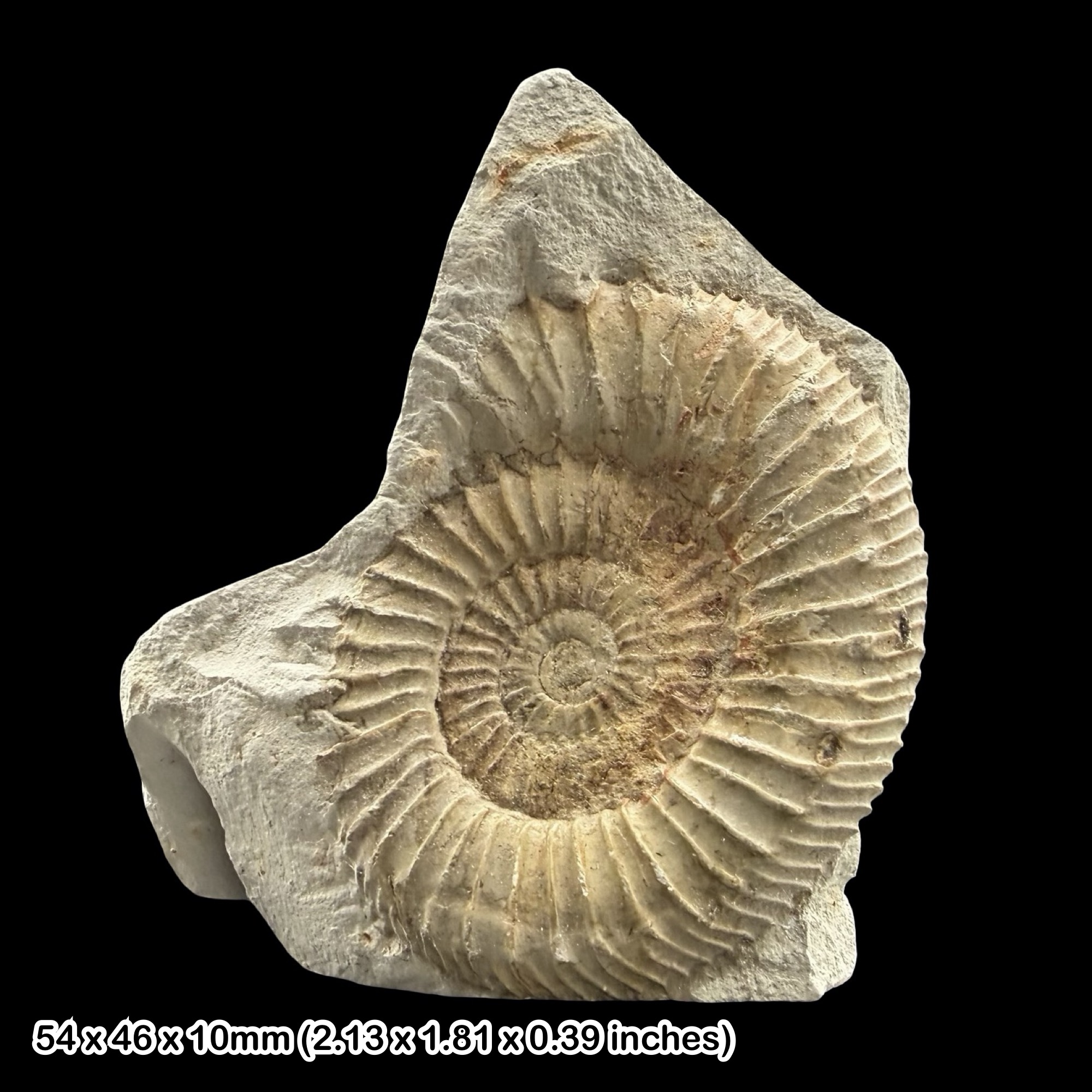
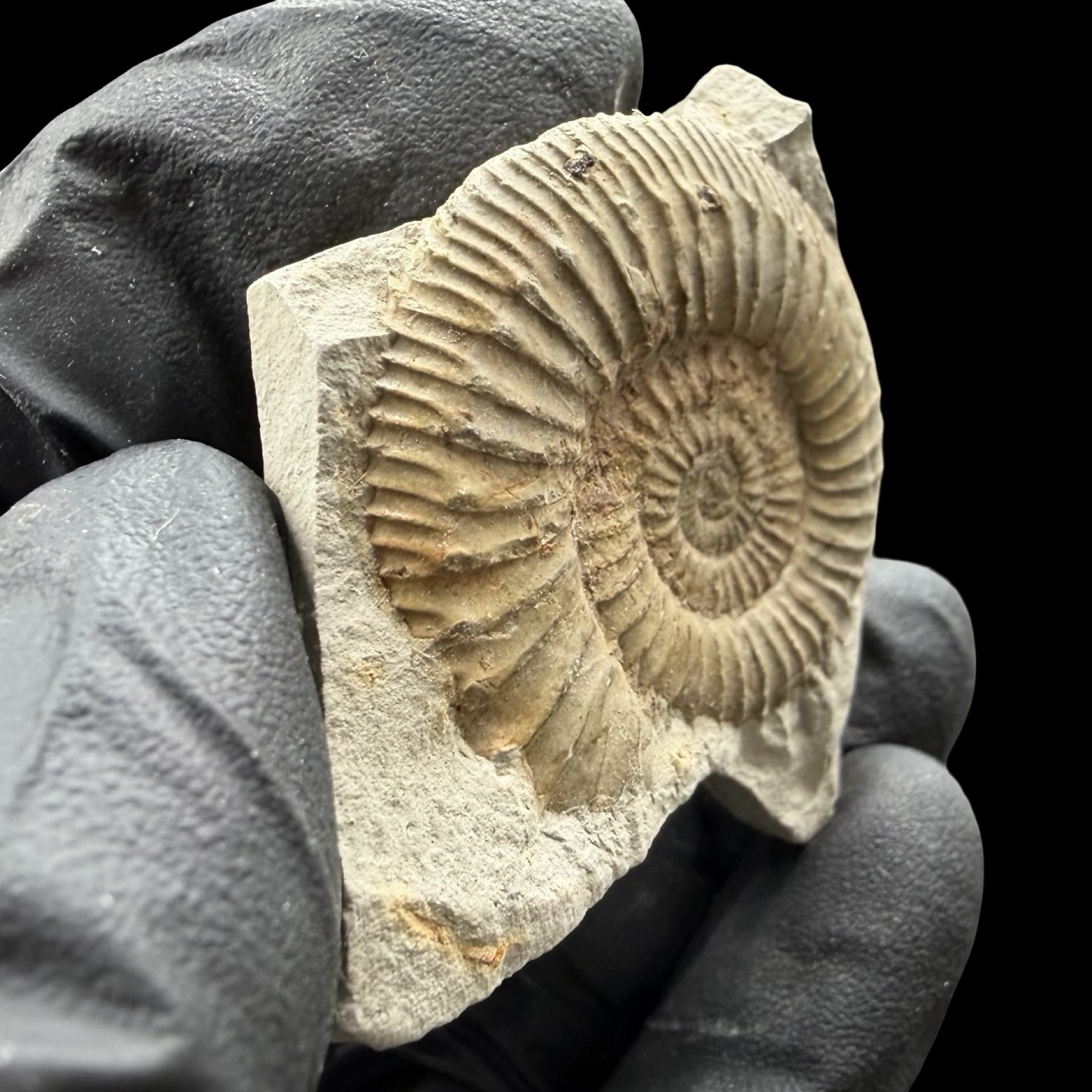
Ataxioceras subinvolutum Ammonite Fossil Jurassic Kimmeridgian Germany COA Oberlangheim Bavaria Collector Specimen
£ 18.00
GENUINE ATAXIOCERAS SUBINVOLUTUM AMMONITE FOSSILThis listing is for a genuine Ataxioceras subinvolutum ammonite fossil from Malm
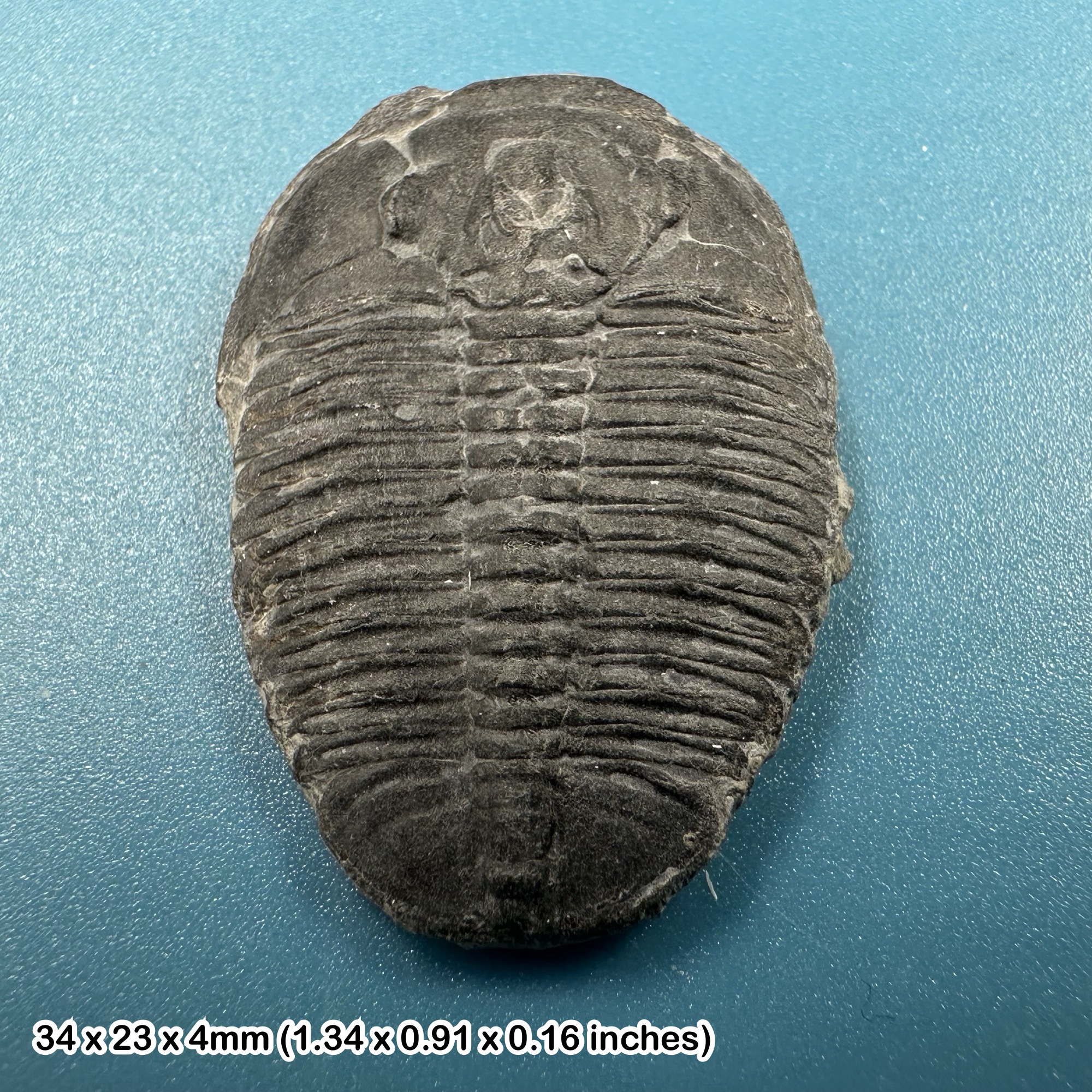
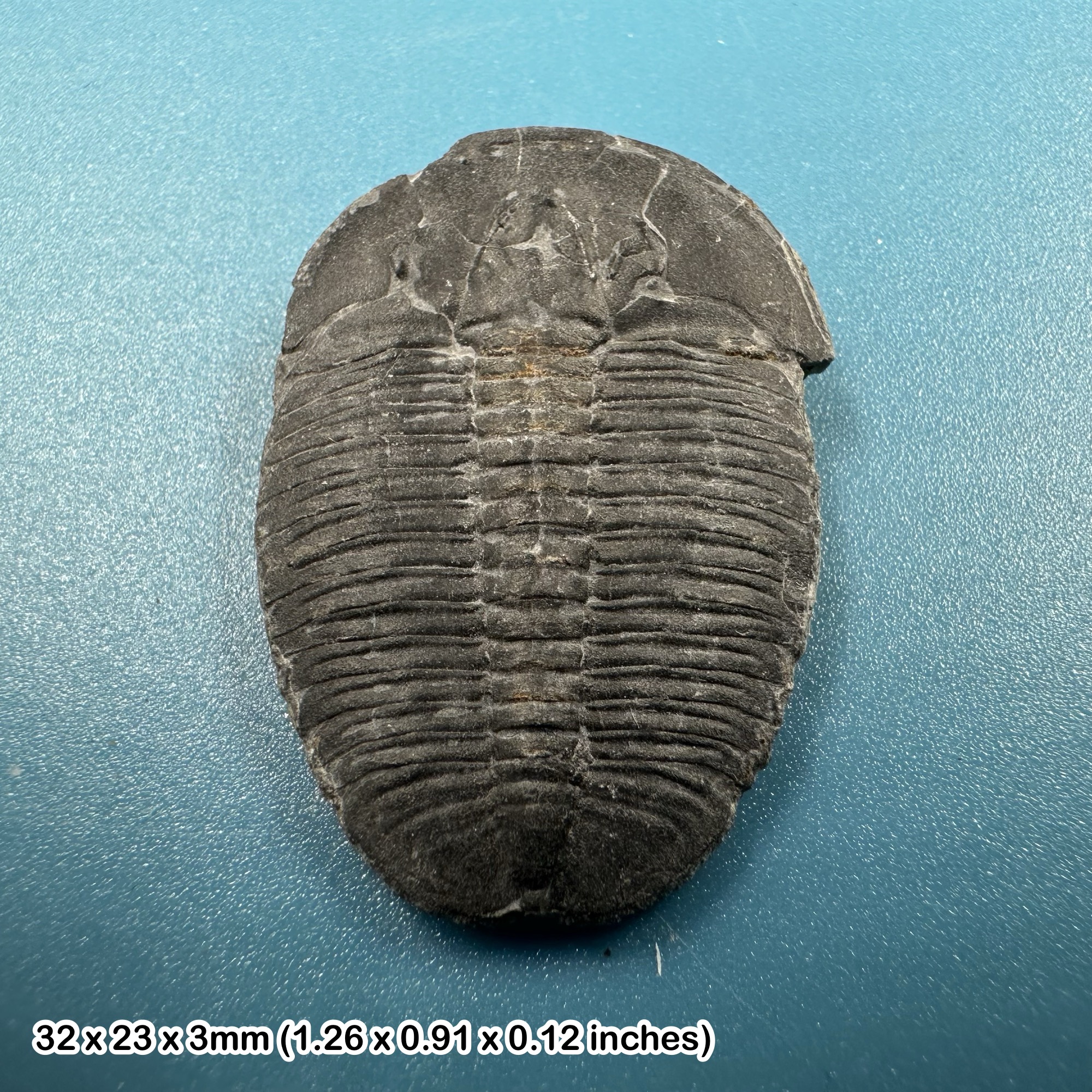
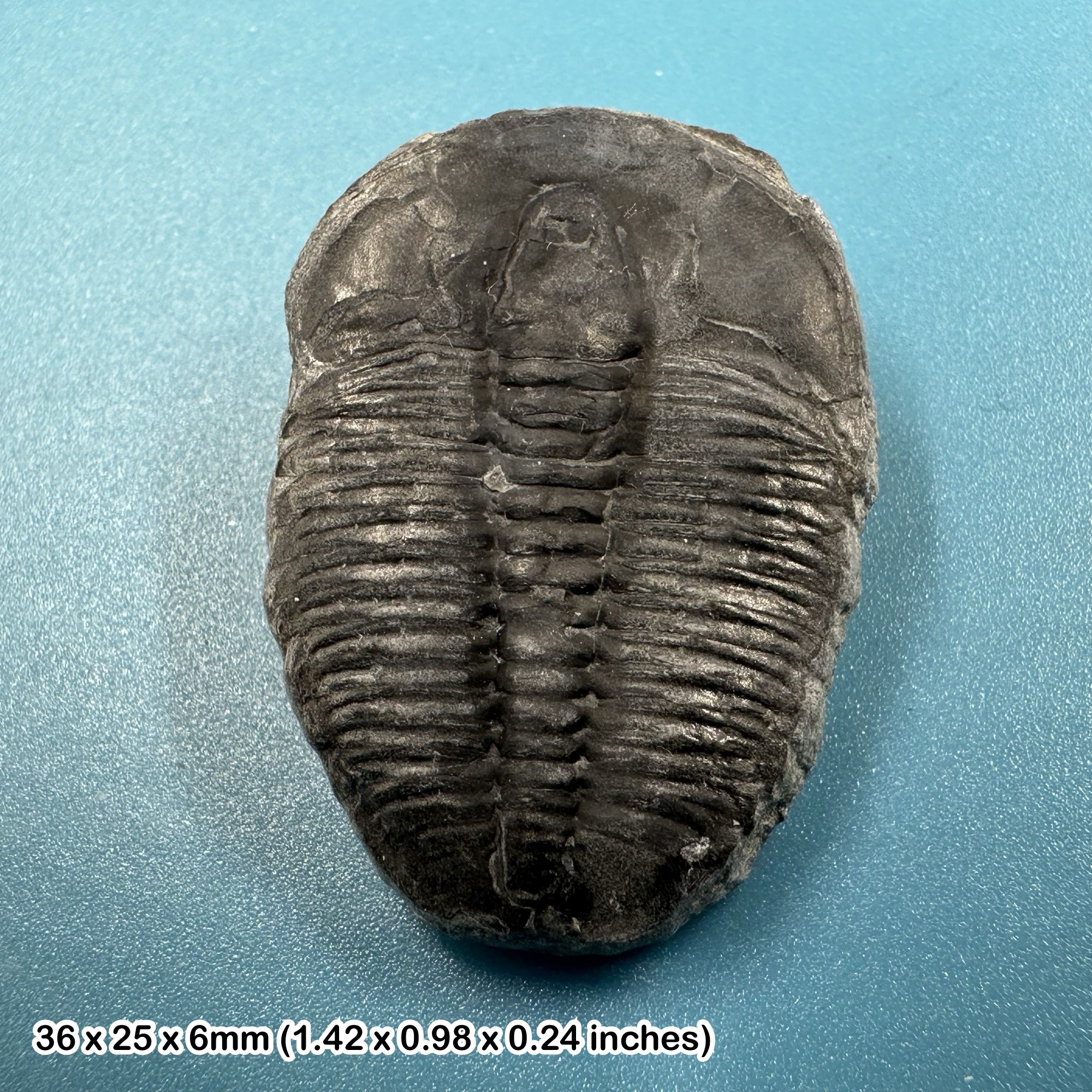
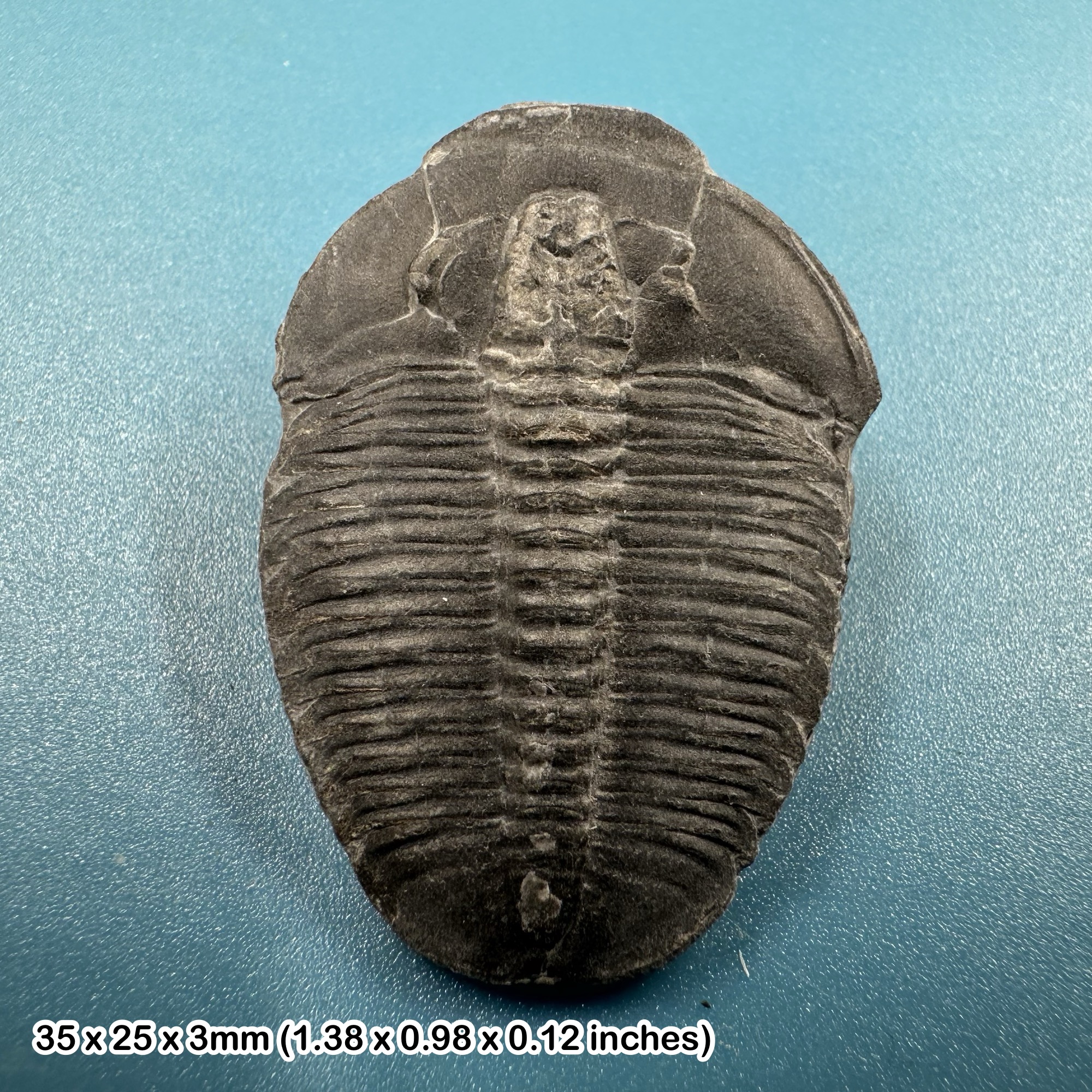
Gamma 2, dating to the Upper Jurassic, Kimmeridgian Stage, from Oberlangheim, Bavaria, Germany. This carefully chosen fossil is an excellent example of a classic European Jurassic ammonite and would make a superb addition to any fossil collection, natural history display, geology teaching set, or cabinet of prehistoric marine specimens.The photograph shows the actual fossil specimen you will receive, so the fossil displayed in the image is the exact piece supplied. For full sizing, scale, and visual detail, please see the photo. FOSSIL TYPE AND SPECIESThis specimen is an ammonite, an extinct marine cephalopod related to modern squid, cuttlefish, octopus, and nautilus. Ammonites lived in ancient seas and are among the most important fossil groups for understanding Jurassic marine life. Their distinctive coiled shells, varied ribbing, and rapid evolutionary changes make them highly valued by collectors and useful in biostratigraphy, where fossils help date and correlate rock layers.The species is Ataxioceras subinvolutum, a Kimmeridgian ammonite known from Upper Jurassic marine deposits in Europe. The genus Ataxioceras is associated with perisphinctid ammonites, a group often recognised by planispirally coiled shells, ribbed ornamentation, and whorls that may display branching or divided rib patterns. Specimens can show strong Jurassic ammonite character, with the shell form preserving the growth pattern of an animal that once lived in warm marine waters more than 150 million years ago. UPPER JURASSIC KIMMERIDGIAN AGEThis fossil comes from the Upper Jurassic Period, specifically the Kimmeridgian Stage, which dates to approximately 157 to 152 million years ago. During the Kimmeridgian, much of Europe was covered by shallow epicontinental seas. These marine environments supported a rich ecosystem of ammonites, belemnites, brachiopods, bivalves, crinoids, sponges, fish, and marine reptiles.Ammonites such as Ataxioceras subinvolutum were active marine animals with chambered shells. The animal occupied the outer body chamber while the internal chambers helped regulate buoyancy. After death, shells could settle onto the sea floor and become buried in sediment, eventually fossilising over millions of years. MALM GAMMA 2 GEOLOGYThe fossil is from Malm Gamma 2, part of the traditional German Upper Jurassic lithostratigraphic terminology. “Malm” is widely used in Germany for Upper Jurassic rock sequences, many of which are famous for their limestone-rich marine deposits and well-preserved ammonite fossils.The Malm deposits of Bavaria are especially well known among collectors and palaeontologists because they record ancient Jurassic seas that covered southern Germany. These rocks can preserve ammonites with attractive natural detail and strong scientific interest, making fossils from this region desirable for both display and educational collections. OBERLANGHEIM, BAVARIA, GERMANYThis ammonite was found at Oberlangheim, Bavaria, Germany, a locality associated with classic Upper Jurassic fossil-bearing strata. German Jurassic ammonites are popular with collectors because of their age, locality data, and connection to historically important European geology. Bavaria is especially recognised for its Jurassic limestones, marine fossils, and long tradition of fossil collecting and palaeontological study.The locality information gives this fossil added collector appeal. A labelled fossil with species, age, formation-style reference, and geographic origin is more valuable as a study piece than an unidentified decorative fossil. COLLECTOR QUALITY DISPLAY SPECIMENThis Ataxioceras subinvolutum ammonite fossil is suitable for collectors of ammonites, Jurassic fossils, German fossils, fossil cephalopods, marine fossils, and natural history specimens. It is also an ideal educational fossil for illustrating extinct marine life, Jurassic sea environments, ammonite shell morphology, and fossil preservation.As a genuine natural fossil, the specimen may show normal features such as matrix, mineral staining, natural surface wear, small cracks, weathering, repaired areas, or variations in preservation. These characteristics are part of the fossil’s history and help reflect its authenticity as a real prehistoric specimen. CERTIFICATE OF AUTHENTICITY INCLUDEDThis fossil is a genuine specimen and includes a Certificate of Authenticity lifetime guarantee generic card. This provides reassurance that the fossil supplied is authentic and suitable for collecting, study, display, resale, or gifting.You will receive the exact Ataxioceras subinvolutum ammonite fossil shown in the photo, from Malm Gamma 2, Upper Jurassic Kimmeridgian, Oberlangheim, Bavaria, Germany.
Gamma 2, dating to the Upper Jurassic, Kimmeridgian Stage, from Oberlangheim, Bavaria, Germany. This carefully chosen fossil is an excellent example of a classic European Jurassic ammonite and would make a superb addition to any fossil collection, natural history display, geology teaching set, or cabinet of prehistoric marine specimens.The photograph shows the actual fossil specimen you will receive, so the fossil displayed in the image is the exact piece supplied. For full sizing, scale, and visual detail, please see the photo. FOSSIL TYPE AND SPECIESThis specimen is an ammonite, an extinct marine cephalopod related to modern squid, cuttlefish, octopus, and nautilus. Ammonites lived in ancient seas and are among the most important fossil groups for understanding Jurassic marine life. Their distinctive coiled shells, varied ribbing, and rapid evolutionary changes make them highly valued by collectors and useful in biostratigraphy, where fossils help date and correlate rock layers.The species is Ataxioceras subinvolutum, a Kimmeridgian ammonite known from Upper Jurassic marine deposits in Europe. The genus Ataxioceras is associated with perisphinctid ammonites, a group often recognised by planispirally coiled shells, ribbed ornamentation, and whorls that may display branching or divided rib patterns. Specimens can show strong Jurassic ammonite character, with the shell form preserving the growth pattern of an animal that once lived in warm marine waters more than 150 million years ago. UPPER JURASSIC KIMMERIDGIAN AGEThis fossil comes from the Upper Jurassic Period, specifically the Kimmeridgian Stage, which dates to approximately 157 to 152 million years ago. During the Kimmeridgian, much of Europe was covered by shallow epicontinental seas. These marine environments supported a rich ecosystem of ammonites, belemnites, brachiopods, bivalves, crinoids, sponges, fish, and marine reptiles.Ammonites such as Ataxioceras subinvolutum were active marine animals with chambered shells. The animal occupied the outer body chamber while the internal chambers helped regulate buoyancy. After death, shells could settle onto the sea floor and become buried in sediment, eventually fossilising over millions of years. MALM GAMMA 2 GEOLOGYThe fossil is from Malm Gamma 2, part of the traditional German Upper Jurassic lithostratigraphic terminology. “Malm” is widely used in Germany for Upper Jurassic rock sequences, many of which are famous for their limestone-rich marine deposits and well-preserved ammonite fossils.The Malm deposits of Bavaria are especially well known among collectors and palaeontologists because they record ancient Jurassic seas that covered southern Germany. These rocks can preserve ammonites with attractive natural detail and strong scientific interest, making fossils from this region desirable for both display and educational collections. OBERLANGHEIM, BAVARIA, GERMANYThis ammonite was found at Oberlangheim, Bavaria, Germany, a locality associated with classic Upper Jurassic fossil-bearing strata. German Jurassic ammonites are popular with collectors because of their age, locality data, and connection to historically important European geology. Bavaria is especially recognised for its Jurassic limestones, marine fossils, and long tradition of fossil collecting and palaeontological study.The locality information gives this fossil added collector appeal. A labelled fossil with species, age, formation-style reference, and geographic origin is more valuable as a study piece than an unidentified decorative fossil. COLLECTOR QUALITY DISPLAY SPECIMENThis Ataxioceras subinvolutum ammonite fossil is suitable for collectors of ammonites, Jurassic fossils, German fossils, fossil cephalopods, marine fossils, and natural history specimens. It is also an ideal educational fossil for illustrating extinct marine life, Jurassic sea environments, ammonite shell morphology, and fossil preservation.As a genuine natural fossil, the specimen may show normal features such as matrix, mineral staining, natural surface wear, small cracks, weathering, repaired areas, or variations in preservation. These characteristics are part of the fossil’s history and help reflect its authenticity as a real prehistoric specimen. CERTIFICATE OF AUTHENTICITY INCLUDEDThis fossil is a genuine specimen and includes a Certificate of Authenticity lifetime guarantee generic card. This provides reassurance that the fossil supplied is authentic and suitable for collecting, study, display, resale, or gifting.You will receive the exact Ataxioceras subinvolutum ammonite fossil shown in the photo, from Malm Gamma 2, Upper Jurassic Kimmeridgian, Oberlangheim, Bavaria, Germany.