Decotraustes cf. genicularis Ammonite Fossil Jurassic France COA Genuine Kimmeridgian Ardeche Collector Specimen
£ 14.40
GENUINE DECOTRAUSTES CF. GENICULARIS AMMONITE FOSSILThis listing is for a genuine Decotraustes cf. genicularis ammonite fossil from
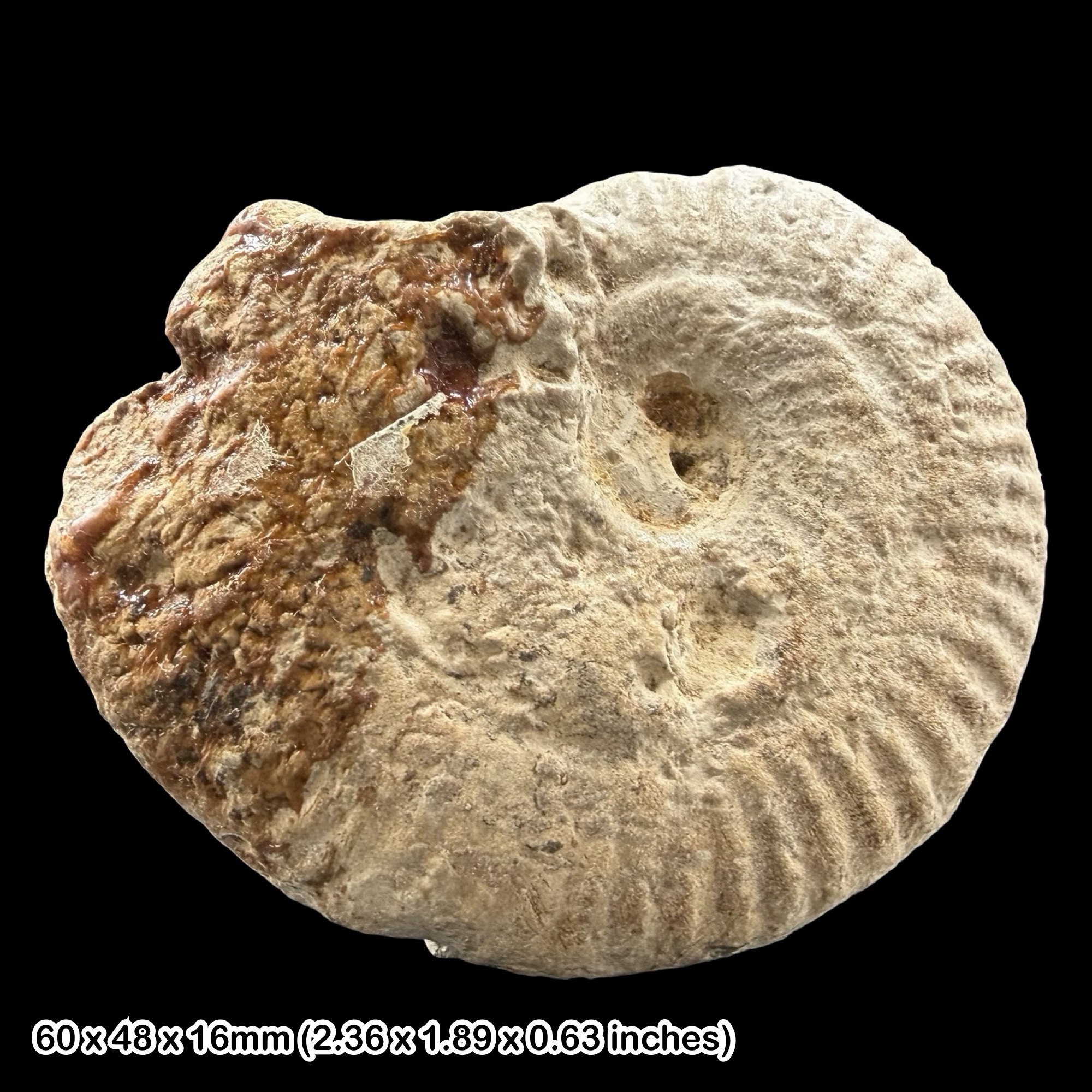
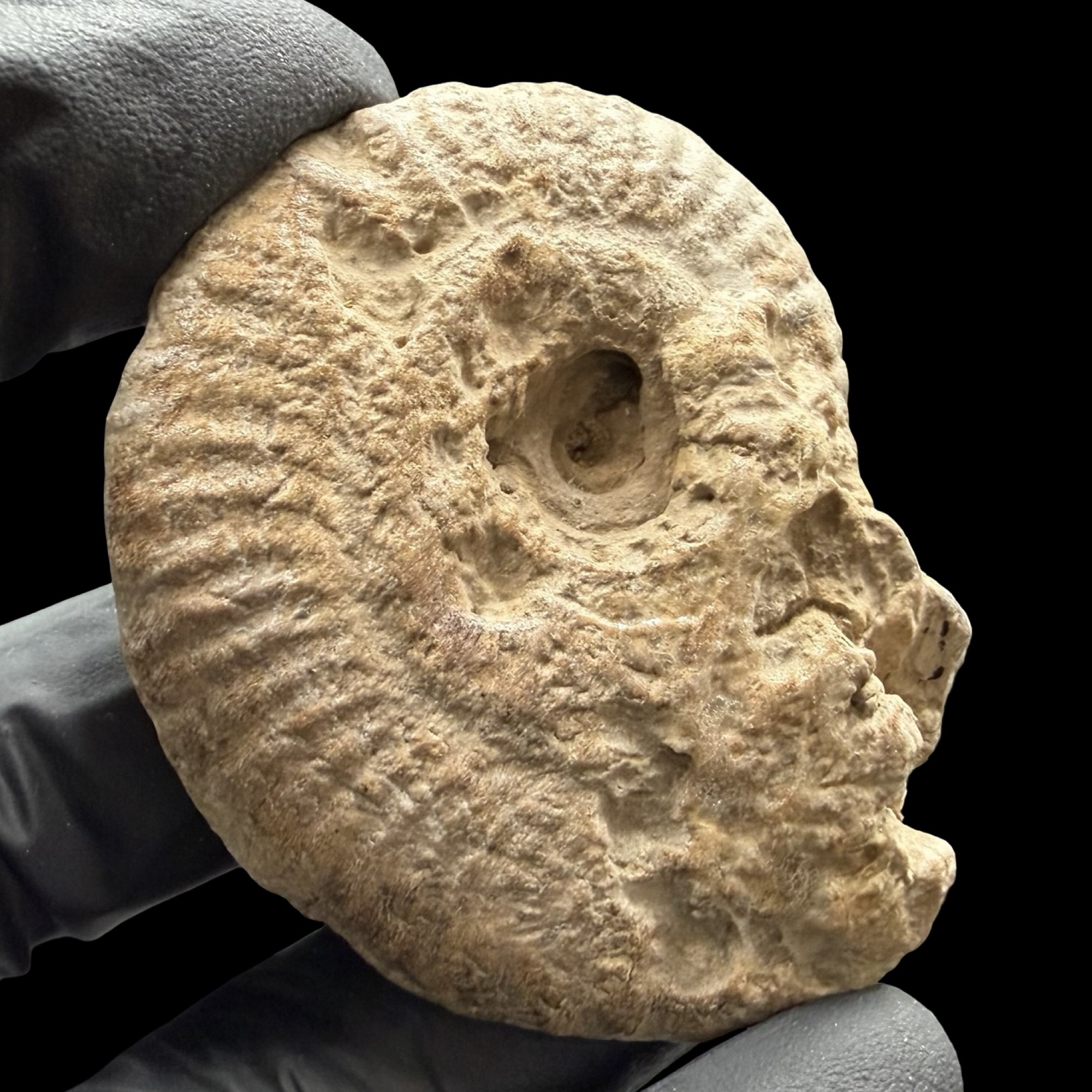
the Upper Jurassic, Kimmeridgian Stage, collected from Ardèche, Auvergne-Rhône-Alpes, France. This carefully chosen fossil specimen is an attractive and interesting example of a Jurassic marine ammonite, ideal for collectors of French fossils, ammonites, fossil cephalopods, prehistoric marine life, natural history specimens, and educational geology pieces.The photograph shows the actual fossil specimen you will receive, so the fossil displayed in the image is the exact piece supplied. Please see the photo for full sizing, scale, preservation, colour, and individual specimen details. FOSSIL TYPE AND SPECIES INFORMATIONThis fossil is an ammonite, an extinct type of marine cephalopod related to modern squid, cuttlefish, octopus, and nautilus. Ammonites lived in ancient seas and are among the most widely collected fossils because of their distinctive coiled shells, varied rib patterns, and importance in dating Jurassic and Cretaceous rock layers.The specimen is identified as Decotraustes cf. genicularis. The abbreviation “cf.” is used in palaeontology when a fossil closely compares with a named species but is identified cautiously, often due to preservation, natural variation, or incomplete diagnostic features. This makes the fossil scientifically interesting while still allowing it to be presented with useful species-level comparison.As an ammonite, this specimen represents the mineralised remains of a once-living marine animal with a chambered shell. The animal would have occupied the outer body chamber, while the internal chambers helped regulate buoyancy. Ammonite shells were planispirally coiled and could show ribs, whorl shaping, ornamentation, and natural growth features, all of which make them highly desirable as display and study fossils. UPPER JURASSIC KIMMERIDGIAN AGEThis ammonite dates from the Upper Jurassic Period, specifically the Kimmeridgian Stage, approximately 157 to 152 million years old. The Kimmeridgian was a time when large parts of Europe were covered by warm, shallow epicontinental seas. These ancient marine environments supported a rich variety of life, including ammonites, belemnites, bivalves, brachiopods, crinoids, corals, fish, and marine reptiles.Ammonites are especially important fossils from this period because they evolved rapidly and were widely distributed through Jurassic seas. Their presence helps palaeontologists interpret ancient marine environments and compare rock layers across different regions. ARDÈCHE, AUVERGNE-RHÔNE-ALPES, FRANCEThis fossil comes from Ardèche, Auvergne-Rhône-Alpes, France, a region with notable Jurassic and Mesozoic geological history. French Jurassic fossils are popular with collectors due to their classic European locality data, scientific interest, and strong connection to historic palaeontology. Fossils from this region help represent the marine life that once lived in the ancient seas covering parts of western Europe during the Late Jurassic.The locality information gives this specimen added collector value, making it more desirable than an unlabelled ammonite. A fossil with clear species, age, and locality details is suitable for a labelled fossil collection, geology display, teaching set, or natural history cabinet. COLLECTOR DISPLAY FOSSILThis Decotraustes cf. genicularis ammonite fossil is suitable for collectors of Jurassic fossils, French fossils, ammonites, marine fossils, fossil cephalopods, and natural history specimens. It would display well as part of a fossil collection, educational set, cabinet of curiosities, or prehistoric marine life display.As with all genuine fossils, the specimen may show natural features such as matrix, mineral staining, weathering, surface texture, small cracks, repaired areas, or variations in preservation. These characteristics are normal for authentic fossils and form part of the specimen’s geological history. CERTIFICATE OF AUTHENTICITY INCLUDEDThis fossil is a genuine specimen and includes a Certificate of Authenticity lifetime guarantee generic card. This provides reassurance that the fossil supplied is authentic and suitable for collecting, display, study, gifting, or resale.You will receive the exact Decotraustes cf. genicularis ammonite fossil shown in the photo, from the Upper Jurassic Kimmeridgian of Ardèche, Auvergne-Rhône-Alpes, France.
the Upper Jurassic, Kimmeridgian Stage, collected from Ardèche, Auvergne-Rhône-Alpes, France. This carefully chosen fossil specimen is an attractive and interesting example of a Jurassic marine ammonite, ideal for collectors of French fossils, ammonites, fossil cephalopods, prehistoric marine life, natural history specimens, and educational geology pieces.The photograph shows the actual fossil specimen you will receive, so the fossil displayed in the image is the exact piece supplied. Please see the photo for full sizing, scale, preservation, colour, and individual specimen details. FOSSIL TYPE AND SPECIES INFORMATIONThis fossil is an ammonite, an extinct type of marine cephalopod related to modern squid, cuttlefish, octopus, and nautilus. Ammonites lived in ancient seas and are among the most widely collected fossils because of their distinctive coiled shells, varied rib patterns, and importance in dating Jurassic and Cretaceous rock layers.The specimen is identified as Decotraustes cf. genicularis. The abbreviation “cf.” is used in palaeontology when a fossil closely compares with a named species but is identified cautiously, often due to preservation, natural variation, or incomplete diagnostic features. This makes the fossil scientifically interesting while still allowing it to be presented with useful species-level comparison.As an ammonite, this specimen represents the mineralised remains of a once-living marine animal with a chambered shell. The animal would have occupied the outer body chamber, while the internal chambers helped regulate buoyancy. Ammonite shells were planispirally coiled and could show ribs, whorl shaping, ornamentation, and natural growth features, all of which make them highly desirable as display and study fossils. UPPER JURASSIC KIMMERIDGIAN AGEThis ammonite dates from the Upper Jurassic Period, specifically the Kimmeridgian Stage, approximately 157 to 152 million years old. The Kimmeridgian was a time when large parts of Europe were covered by warm, shallow epicontinental seas. These ancient marine environments supported a rich variety of life, including ammonites, belemnites, bivalves, brachiopods, crinoids, corals, fish, and marine reptiles.Ammonites are especially important fossils from this period because they evolved rapidly and were widely distributed through Jurassic seas. Their presence helps palaeontologists interpret ancient marine environments and compare rock layers across different regions. ARDÈCHE, AUVERGNE-RHÔNE-ALPES, FRANCEThis fossil comes from Ardèche, Auvergne-Rhône-Alpes, France, a region with notable Jurassic and Mesozoic geological history. French Jurassic fossils are popular with collectors due to their classic European locality data, scientific interest, and strong connection to historic palaeontology. Fossils from this region help represent the marine life that once lived in the ancient seas covering parts of western Europe during the Late Jurassic.The locality information gives this specimen added collector value, making it more desirable than an unlabelled ammonite. A fossil with clear species, age, and locality details is suitable for a labelled fossil collection, geology display, teaching set, or natural history cabinet. COLLECTOR DISPLAY FOSSILThis Decotraustes cf. genicularis ammonite fossil is suitable for collectors of Jurassic fossils, French fossils, ammonites, marine fossils, fossil cephalopods, and natural history specimens. It would display well as part of a fossil collection, educational set, cabinet of curiosities, or prehistoric marine life display.As with all genuine fossils, the specimen may show natural features such as matrix, mineral staining, weathering, surface texture, small cracks, repaired areas, or variations in preservation. These characteristics are normal for authentic fossils and form part of the specimen’s geological history. CERTIFICATE OF AUTHENTICITY INCLUDEDThis fossil is a genuine specimen and includes a Certificate of Authenticity lifetime guarantee generic card. This provides reassurance that the fossil supplied is authentic and suitable for collecting, display, study, gifting, or resale.You will receive the exact Decotraustes cf. genicularis ammonite fossil shown in the photo, from the Upper Jurassic Kimmeridgian of Ardèche, Auvergne-Rhône-Alpes, France.
Other Products