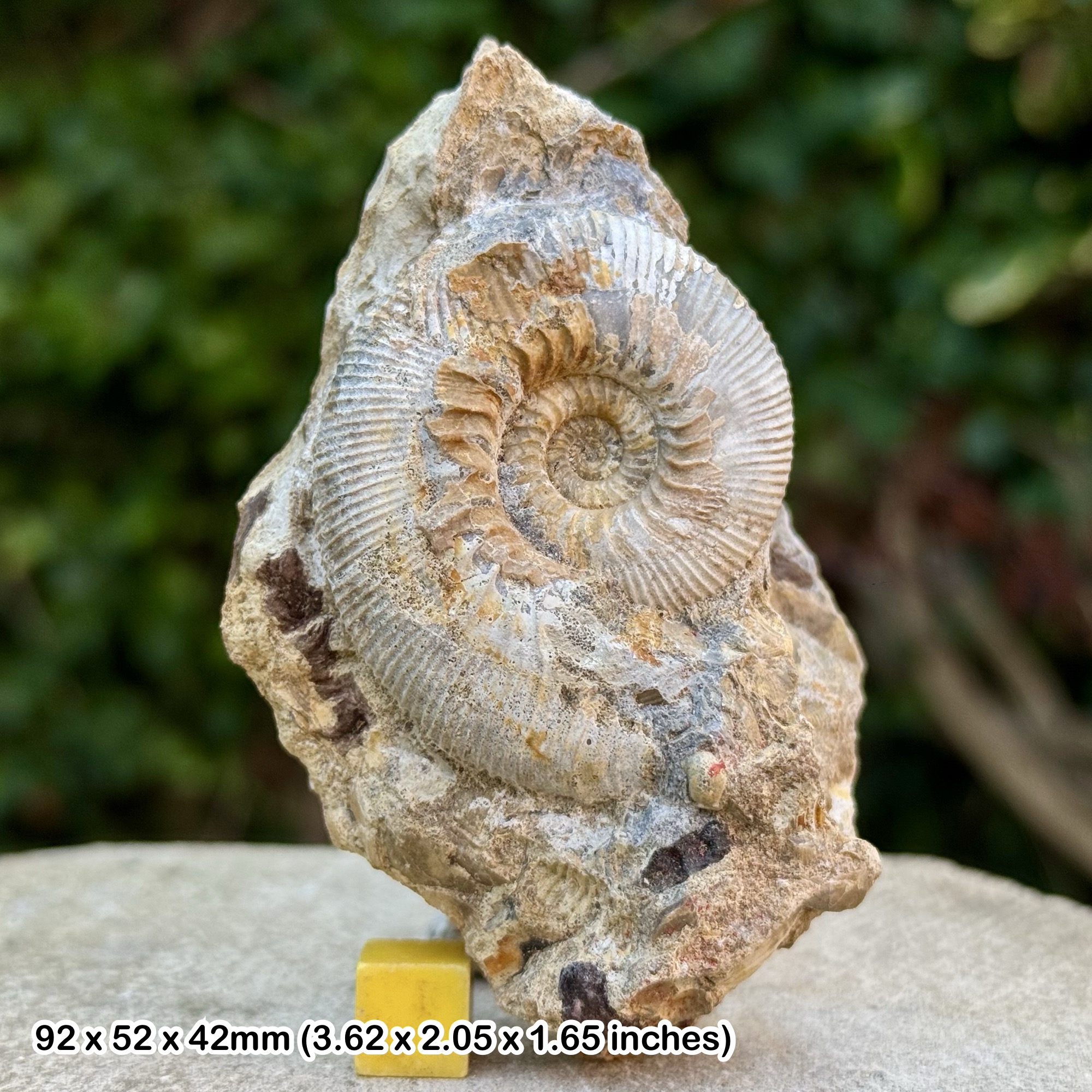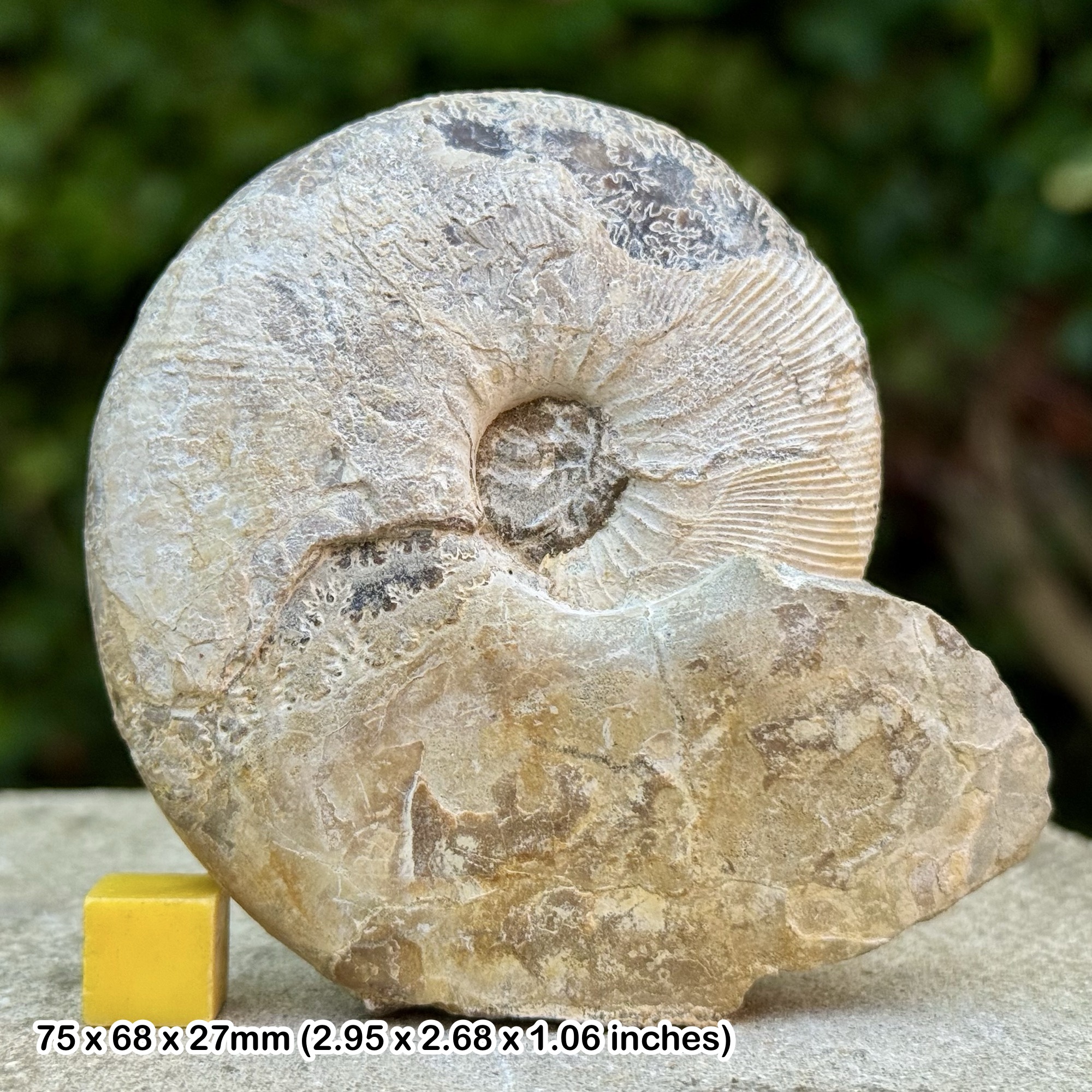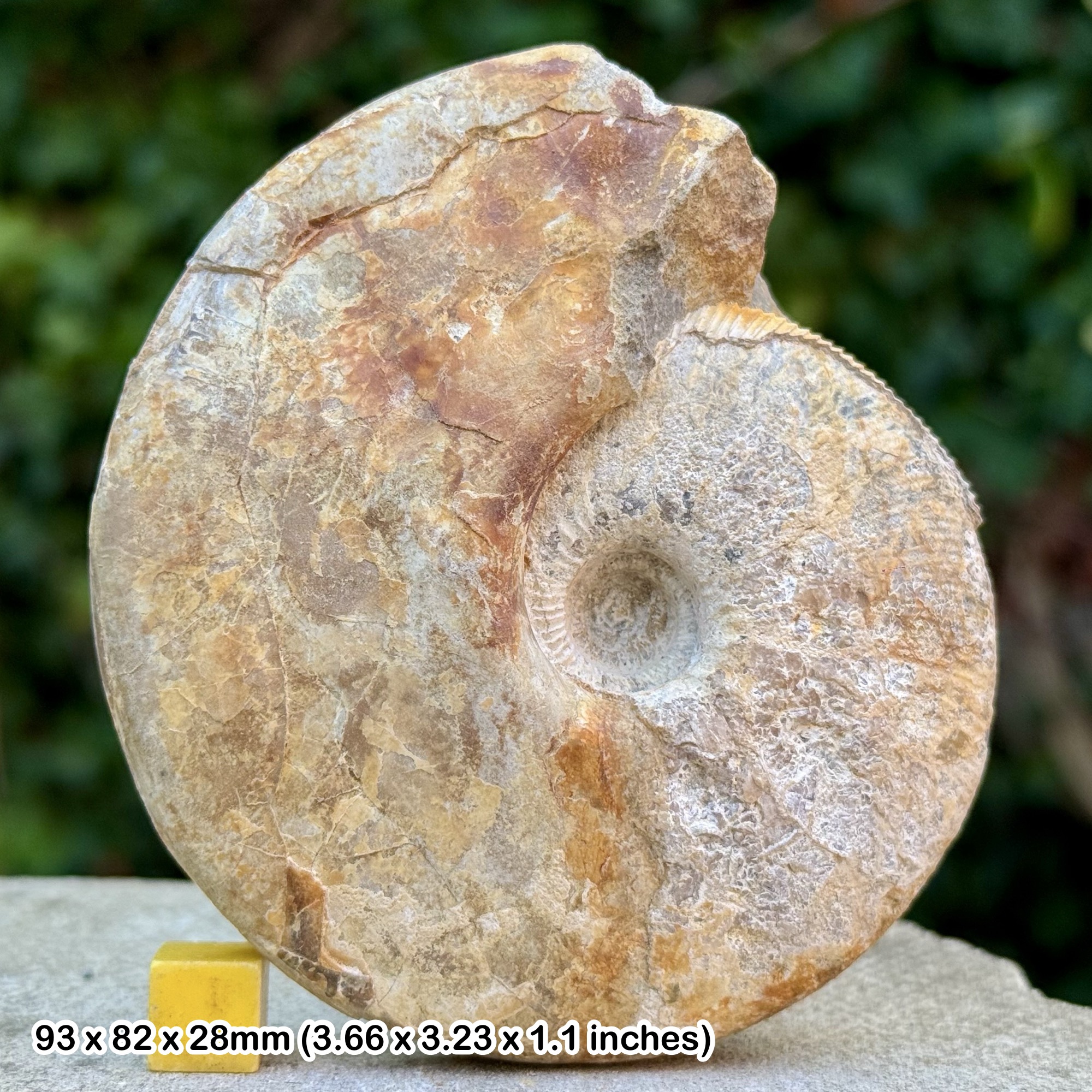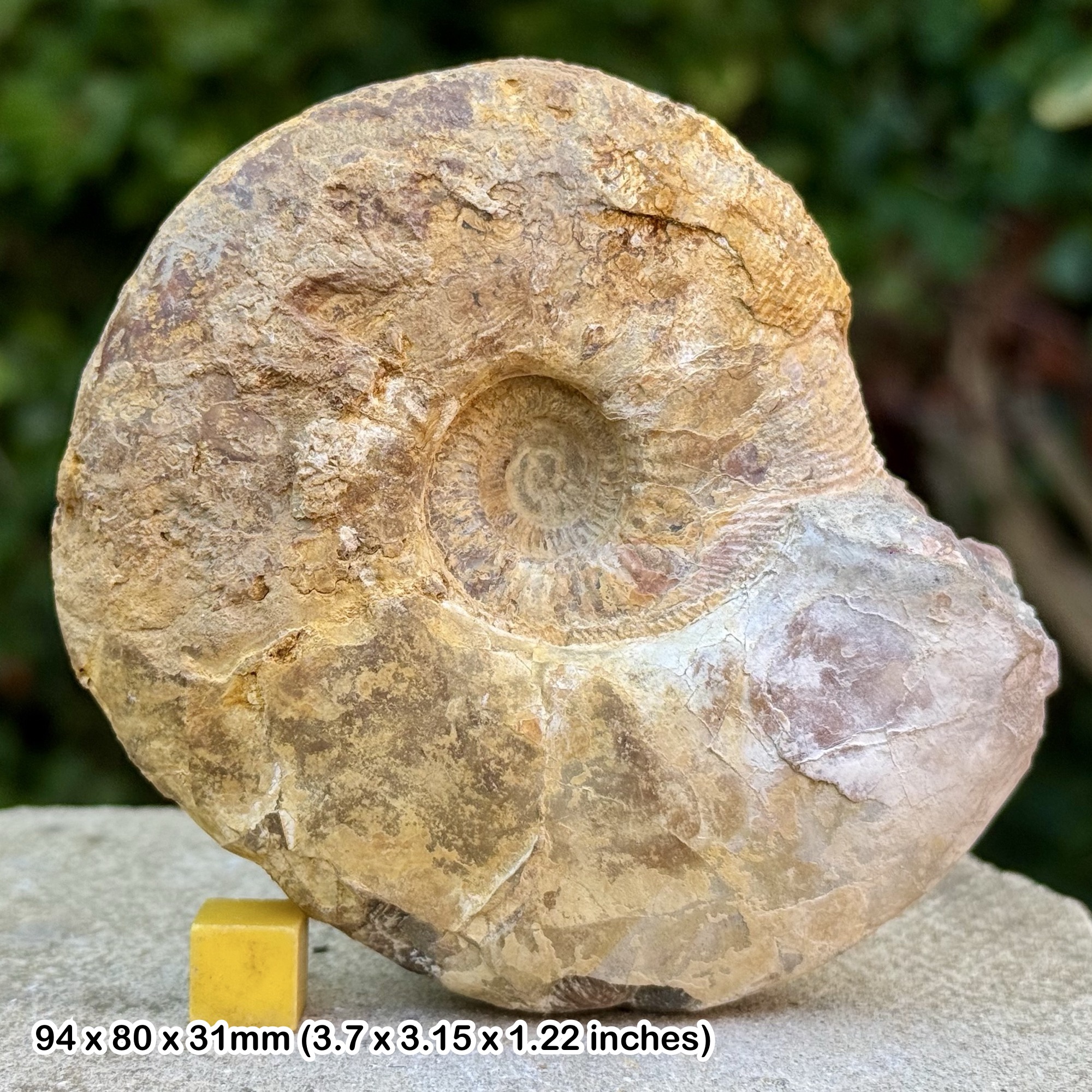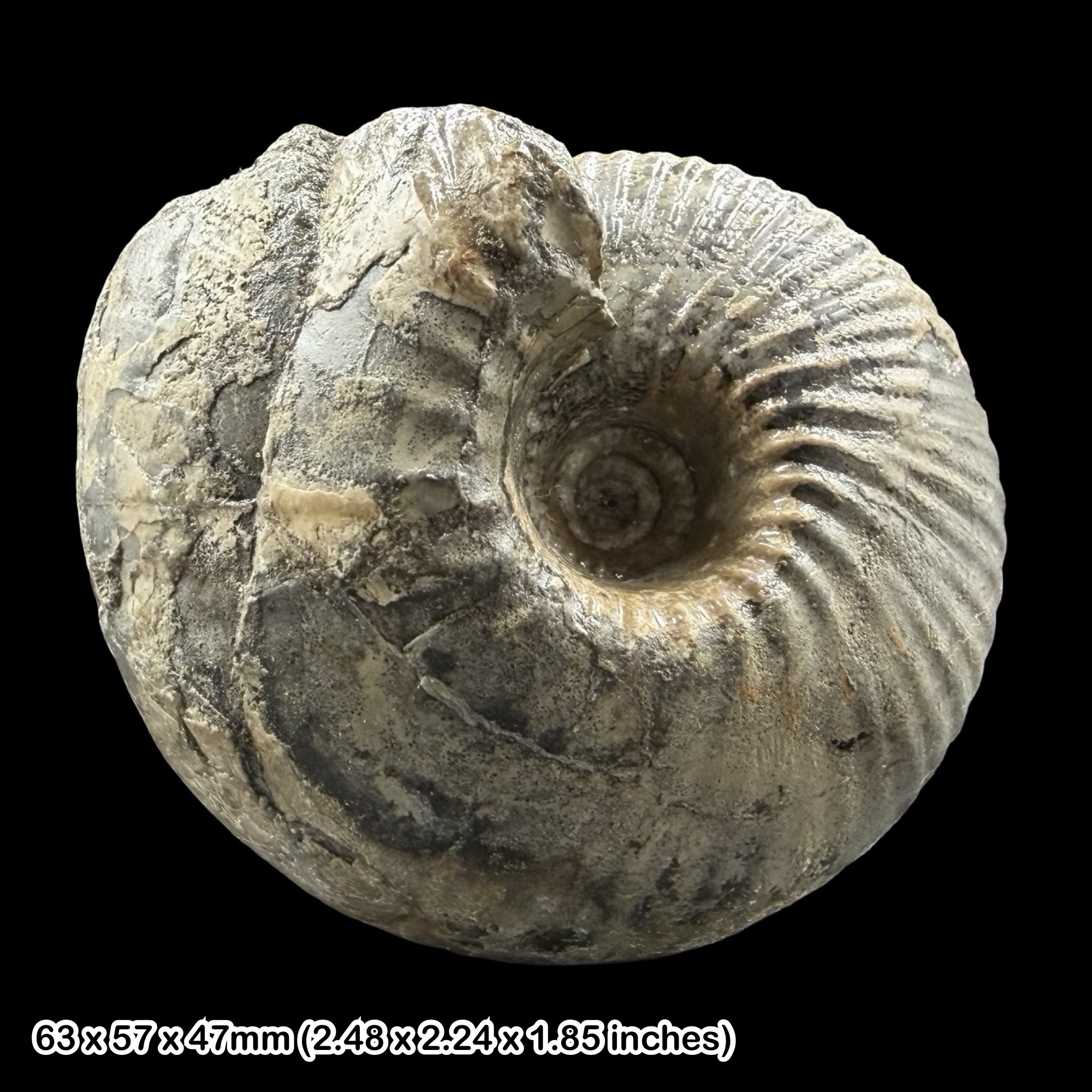
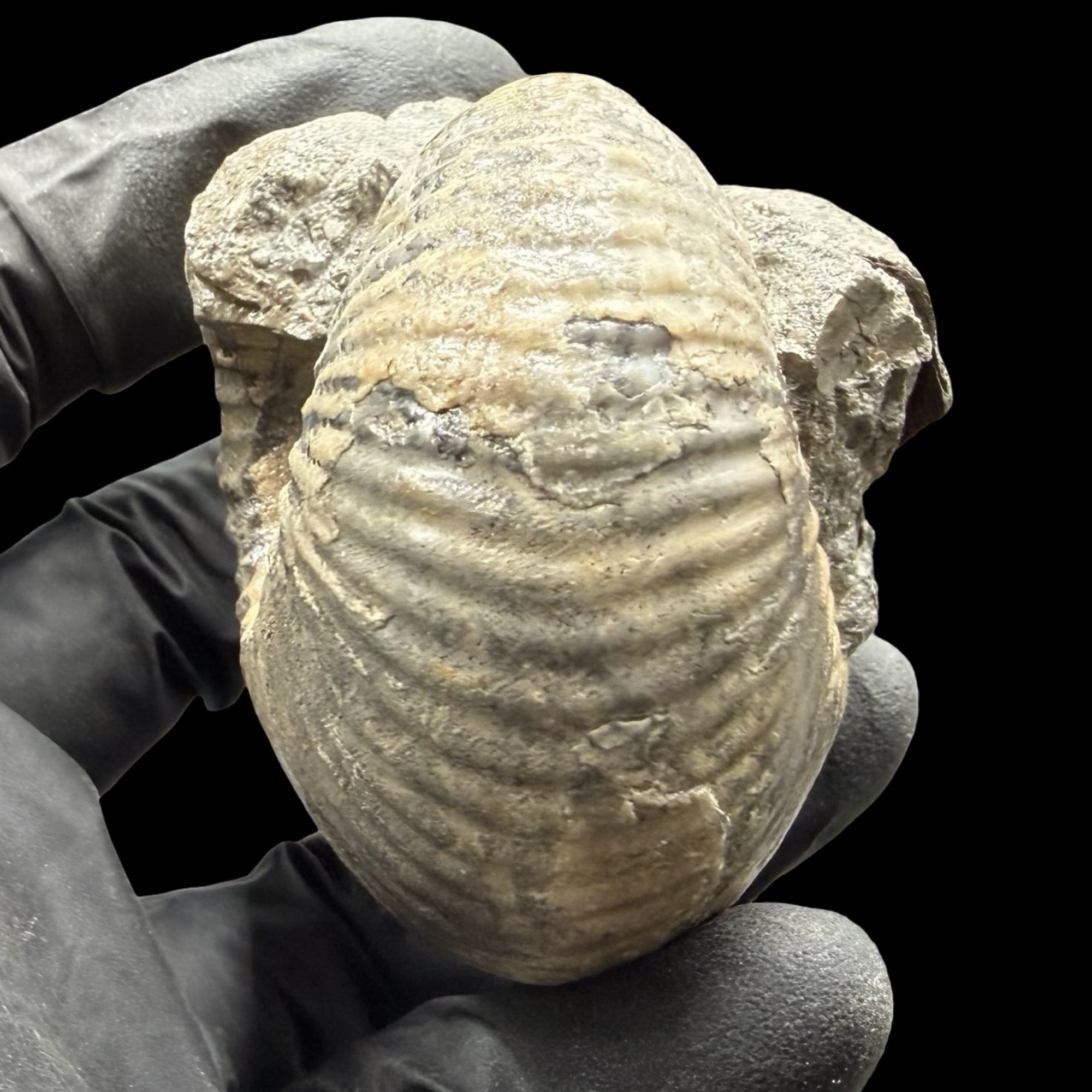
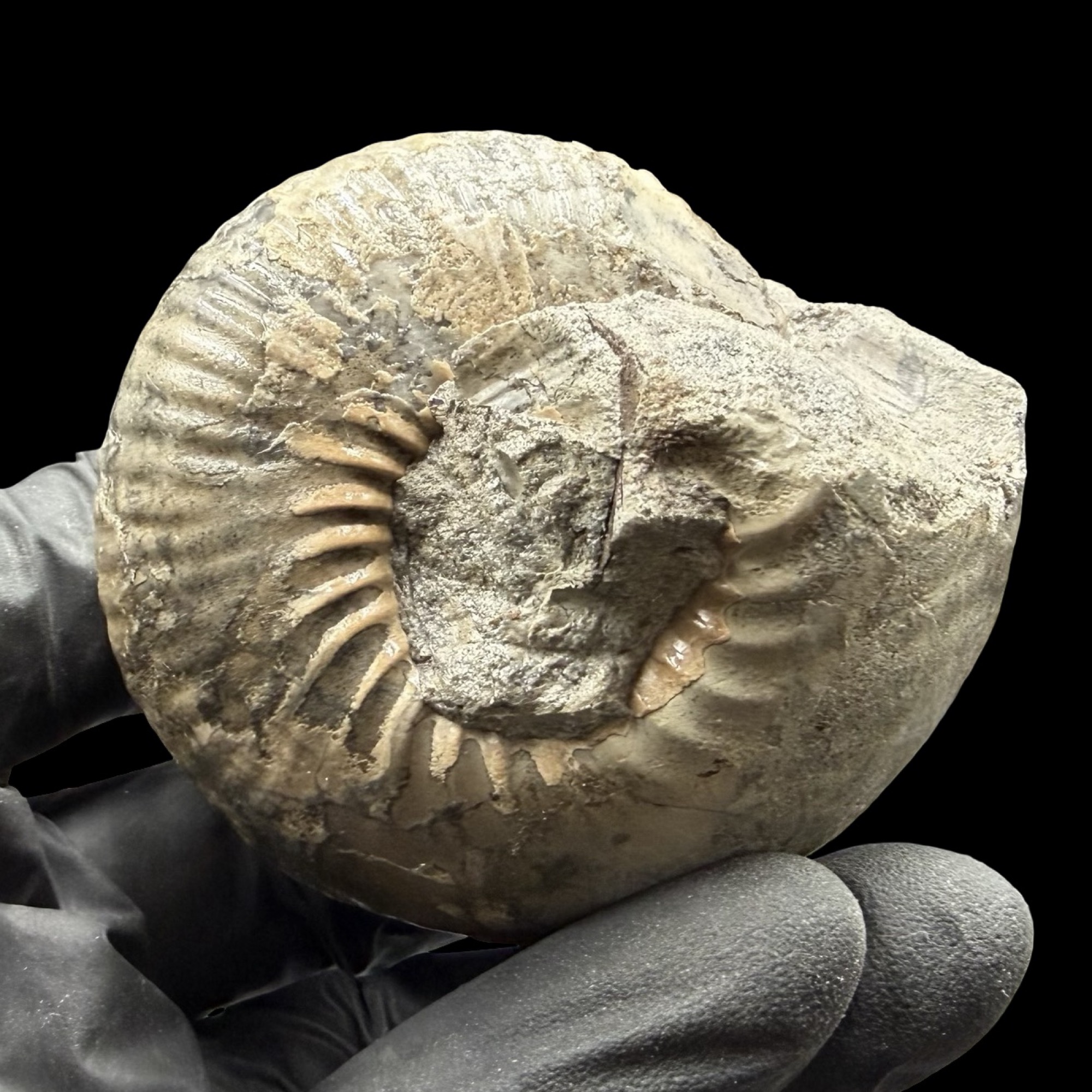
Cadoceras Ammonite Fossil Jurassic Oxford Clay Gloucestershire UK Display Specimen Lower Callovian Genuine Fossil with Certificate
£ 60.00
GENUINE CADOCERAS AMMONITE FOSSIL FROM THE OXFORD CLAYThis genuine Cadoceras fossil ammonite comes from the Jurassic Oxford Clay of
Gloucestershire, UK. Dating from the Lower Callovian stage of the Middle Jurassic, this carefully chosen specimen is an excellent example of a classic British marine fossil from one of the most famous fossil-bearing formations in the country. The Oxford Clay is especially well known for preserving ammonites, belemnites, bivalves, marine reptiles, fish remains, and other fossils from ancient Jurassic seas.The photograph shows the actual fossil specimen you will receive, allowing you to view the real preservation, shell form, matrix, surface texture, colour, and overall character before purchase. Full sizing can be seen in the photo, making it easy to assess the scale and display suitability of the specimen for a fossil cabinet, collector’s tray, desk display, educational collection, or natural history gift. FOSSIL TYPE, GENUS AND SCIENTIFIC INTERESTCadoceras is an extinct genus of ammonite, a group of coiled cephalopod molluscs related to modern squid, cuttlefish, octopus, and nautilus. Ammonites lived in prehistoric seas and are among the most recognisable fossils from the Jurassic Period. Their chambered shells, spiral form, and rapid evolutionary changes make them important fossils for collectors and palaeontologists.Cadoceras is generally associated with the order Ammonitida and is placed within the superfamily Stephanoceratoidea and the family Cardioceratidae in traditional ammonite classification. Ammonites such as Cadoceras are valued because their forms can help indicate the relative age of the rocks in which they are found. Many Jurassic ammonite genera are important biostratigraphic markers, helping to correlate marine sediments across different localities. MORPHOLOGY AND NATURAL FEATURESCadoceras ammonites typically have a coiled, planispiral shell with a rounded to inflated whorl form. Many examples show a strong, compact appearance, with curved whorls and surface ornament that may include ribs, growth lines, or subtle shell sculpture depending on preservation. The living animal occupied the outer body chamber, while the earlier chambers of the shell were used for buoyancy control.This specimen may display natural features such as visible whorl structure, ribbing or shell ornament, mineralised surface detail, matrix attachment, natural wear, sediment staining, or preserved shell texture. These characteristics are part of the fossil’s geological history and make each ammonite unique. As a genuine fossil, it retains the natural individuality expected from a specimen formed and preserved over millions of years. GEOLOGICAL AGE AND OXFORD CLAY FORMATIONThe Oxford Clay Formation was deposited during the Middle Jurassic in a marine environment that covered large parts of what is now England. This specimen is from the Lower Callovian, an important stage of Jurassic geological time. During the Callovian, the Gloucestershire region would have been part of a broad sea inhabited by ammonites, belemnites, bivalves, fish, and marine reptiles.The clay-rich sediments of the Oxford Clay formed in offshore marine conditions. Fine mud accumulated on the sea floor, burying shells and other remains. Over geological time, these sediments compacted into clay-rich rock, preserving fossils that now provide a detailed record of Jurassic marine life. Ammonites from this formation are particularly sought after because of their scientific usefulness, attractive shell forms, and classic British provenance. GLOUCESTERSHIRE LOCALITY AND BRITISH FOSSIL APPEALGloucestershire has long been associated with important Jurassic fossil localities, and fossils from the Oxford Clay are highly collectible among those interested in British palaeontology. A Cadoceras ammonite from this setting represents a direct connection to the ancient seas that once covered central and western England.Specimens from named formations and stages are especially appealing to collectors because they carry clear geological context. This fossil is not simply a decorative ammonite; it is a natural specimen with a defined locality, formation, age, and fossil identity. GENUINE SPECIMEN WITH CERTIFICATE OF AUTHENTICITYThis Cadoceras ammonite fossil is a genuine specimen and includes a Certificate of Authenticity lifetime guarantee generic card. The certificate provides added confidence for collectors, gift buyers, schools, and anyone building a verified fossil or natural history collection.The fossil shown in the photograph is the actual specimen supplied. This means the piece you see is the piece you will receive, complete with its own natural preservation, colour, surface detail, shape, and individual character. COLLECTING, DISPLAY AND EDUCATIONAL VALUEA Cadoceras ammonite from the Jurassic Oxford Clay is an excellent addition to a British fossil collection. It pairs well with other ammonites, belemnites, bivalves, fossil shells, marine reptile material, fish fossils, and Middle Jurassic specimens from the UK.With its Lower Callovian age, Oxford Clay Formation origin, Gloucestershire locality, recognisable ammonite form, and included Certificate of Authenticity, this specimen offers strong collecting, display, and educational appeal. It is ideal for fossil collectors, geology enthusiasts, schools, natural history displays, and anyone looking for a genuine British Jurassic ammonite with clear scientific and decorative interest.
Gloucestershire, UK. Dating from the Lower Callovian stage of the Middle Jurassic, this carefully chosen specimen is an excellent example of a classic British marine fossil from one of the most famous fossil-bearing formations in the country. The Oxford Clay is especially well known for preserving ammonites, belemnites, bivalves, marine reptiles, fish remains, and other fossils from ancient Jurassic seas.The photograph shows the actual fossil specimen you will receive, allowing you to view the real preservation, shell form, matrix, surface texture, colour, and overall character before purchase. Full sizing can be seen in the photo, making it easy to assess the scale and display suitability of the specimen for a fossil cabinet, collector’s tray, desk display, educational collection, or natural history gift. FOSSIL TYPE, GENUS AND SCIENTIFIC INTERESTCadoceras is an extinct genus of ammonite, a group of coiled cephalopod molluscs related to modern squid, cuttlefish, octopus, and nautilus. Ammonites lived in prehistoric seas and are among the most recognisable fossils from the Jurassic Period. Their chambered shells, spiral form, and rapid evolutionary changes make them important fossils for collectors and palaeontologists.Cadoceras is generally associated with the order Ammonitida and is placed within the superfamily Stephanoceratoidea and the family Cardioceratidae in traditional ammonite classification. Ammonites such as Cadoceras are valued because their forms can help indicate the relative age of the rocks in which they are found. Many Jurassic ammonite genera are important biostratigraphic markers, helping to correlate marine sediments across different localities. MORPHOLOGY AND NATURAL FEATURESCadoceras ammonites typically have a coiled, planispiral shell with a rounded to inflated whorl form. Many examples show a strong, compact appearance, with curved whorls and surface ornament that may include ribs, growth lines, or subtle shell sculpture depending on preservation. The living animal occupied the outer body chamber, while the earlier chambers of the shell were used for buoyancy control.This specimen may display natural features such as visible whorl structure, ribbing or shell ornament, mineralised surface detail, matrix attachment, natural wear, sediment staining, or preserved shell texture. These characteristics are part of the fossil’s geological history and make each ammonite unique. As a genuine fossil, it retains the natural individuality expected from a specimen formed and preserved over millions of years. GEOLOGICAL AGE AND OXFORD CLAY FORMATIONThe Oxford Clay Formation was deposited during the Middle Jurassic in a marine environment that covered large parts of what is now England. This specimen is from the Lower Callovian, an important stage of Jurassic geological time. During the Callovian, the Gloucestershire region would have been part of a broad sea inhabited by ammonites, belemnites, bivalves, fish, and marine reptiles.The clay-rich sediments of the Oxford Clay formed in offshore marine conditions. Fine mud accumulated on the sea floor, burying shells and other remains. Over geological time, these sediments compacted into clay-rich rock, preserving fossils that now provide a detailed record of Jurassic marine life. Ammonites from this formation are particularly sought after because of their scientific usefulness, attractive shell forms, and classic British provenance. GLOUCESTERSHIRE LOCALITY AND BRITISH FOSSIL APPEALGloucestershire has long been associated with important Jurassic fossil localities, and fossils from the Oxford Clay are highly collectible among those interested in British palaeontology. A Cadoceras ammonite from this setting represents a direct connection to the ancient seas that once covered central and western England.Specimens from named formations and stages are especially appealing to collectors because they carry clear geological context. This fossil is not simply a decorative ammonite; it is a natural specimen with a defined locality, formation, age, and fossil identity. GENUINE SPECIMEN WITH CERTIFICATE OF AUTHENTICITYThis Cadoceras ammonite fossil is a genuine specimen and includes a Certificate of Authenticity lifetime guarantee generic card. The certificate provides added confidence for collectors, gift buyers, schools, and anyone building a verified fossil or natural history collection.The fossil shown in the photograph is the actual specimen supplied. This means the piece you see is the piece you will receive, complete with its own natural preservation, colour, surface detail, shape, and individual character. COLLECTING, DISPLAY AND EDUCATIONAL VALUEA Cadoceras ammonite from the Jurassic Oxford Clay is an excellent addition to a British fossil collection. It pairs well with other ammonites, belemnites, bivalves, fossil shells, marine reptile material, fish fossils, and Middle Jurassic specimens from the UK.With its Lower Callovian age, Oxford Clay Formation origin, Gloucestershire locality, recognisable ammonite form, and included Certificate of Authenticity, this specimen offers strong collecting, display, and educational appeal. It is ideal for fossil collectors, geology enthusiasts, schools, natural history displays, and anyone looking for a genuine British Jurassic ammonite with clear scientific and decorative interest.