Part Polished Labradorite Crystal Mineral Specimen with COA Display Stone Decor Natural Feldspar Collectible Gift
£ 13.20
GENUINE PART-POLISHED LABRADORITE CRYSTAL SPECIMENThis Part-Polished Labradorite crystal is a genuine natural mineral specimen,
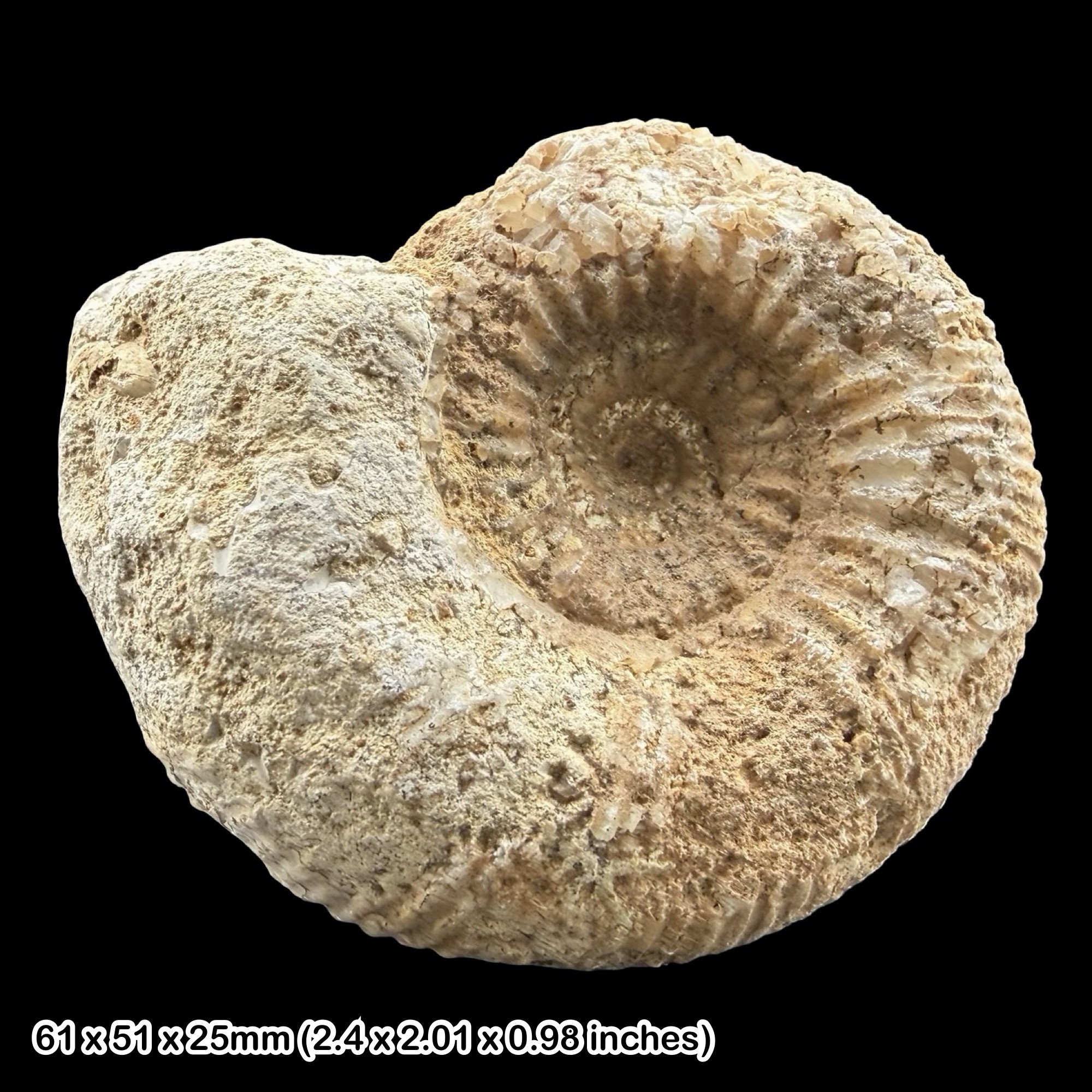
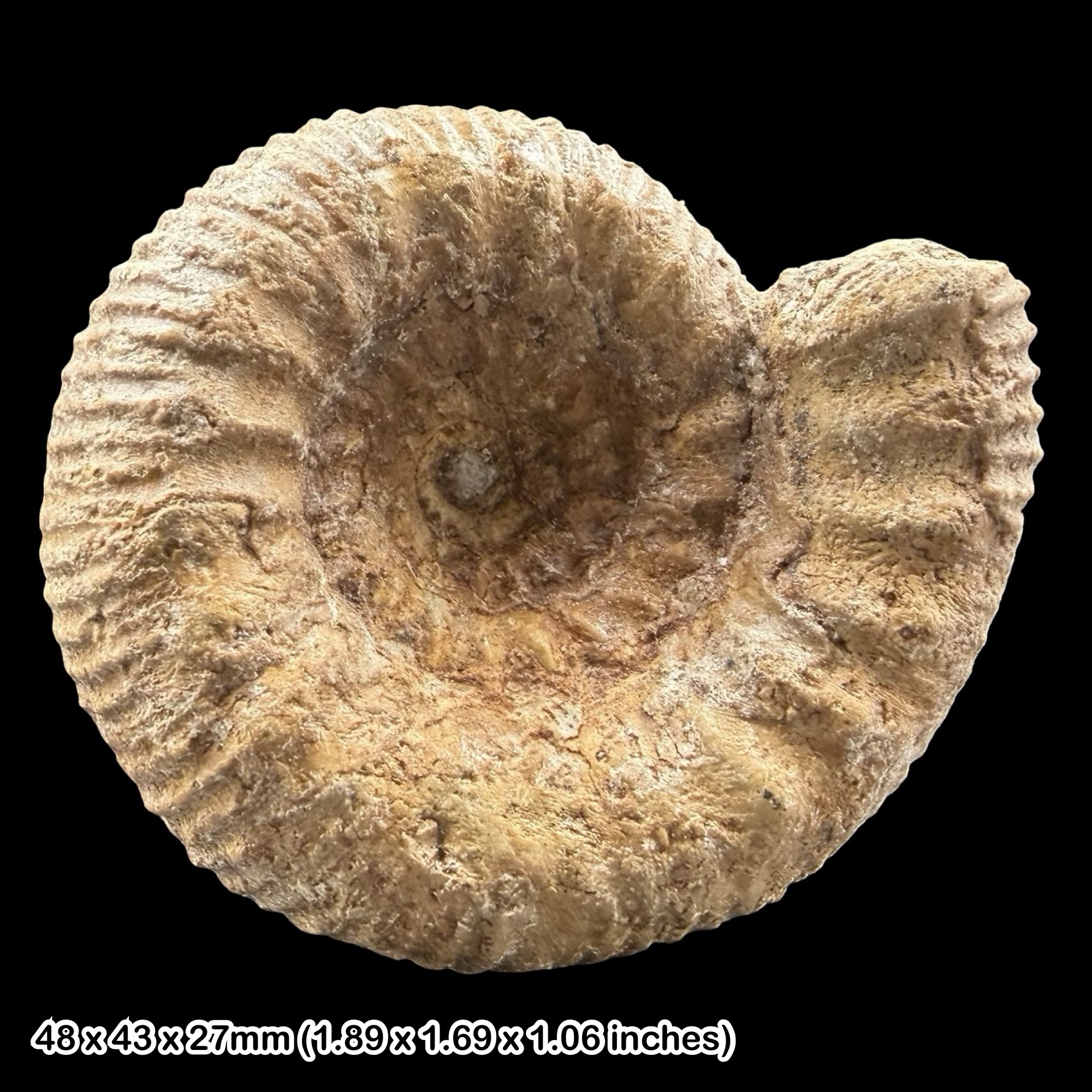
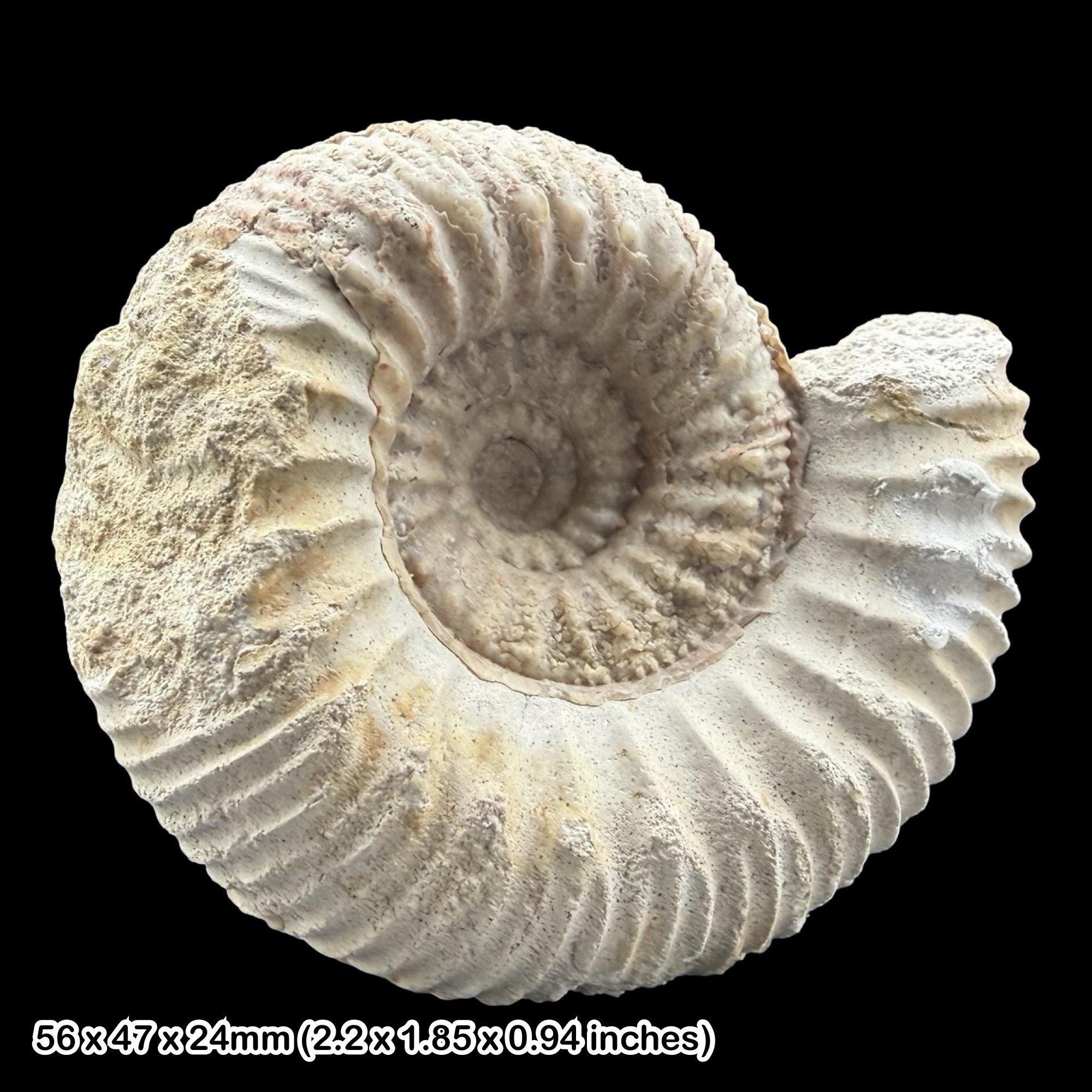
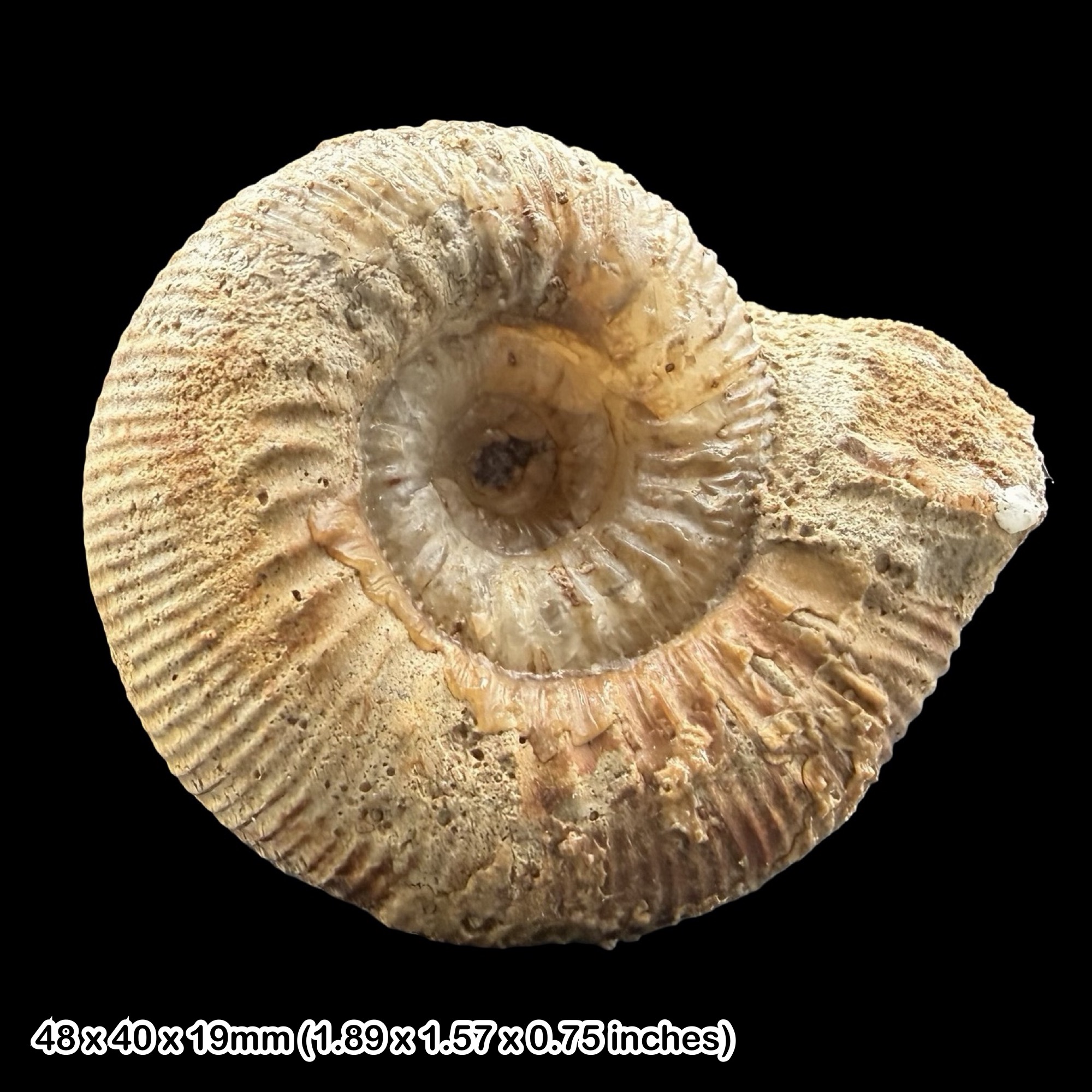
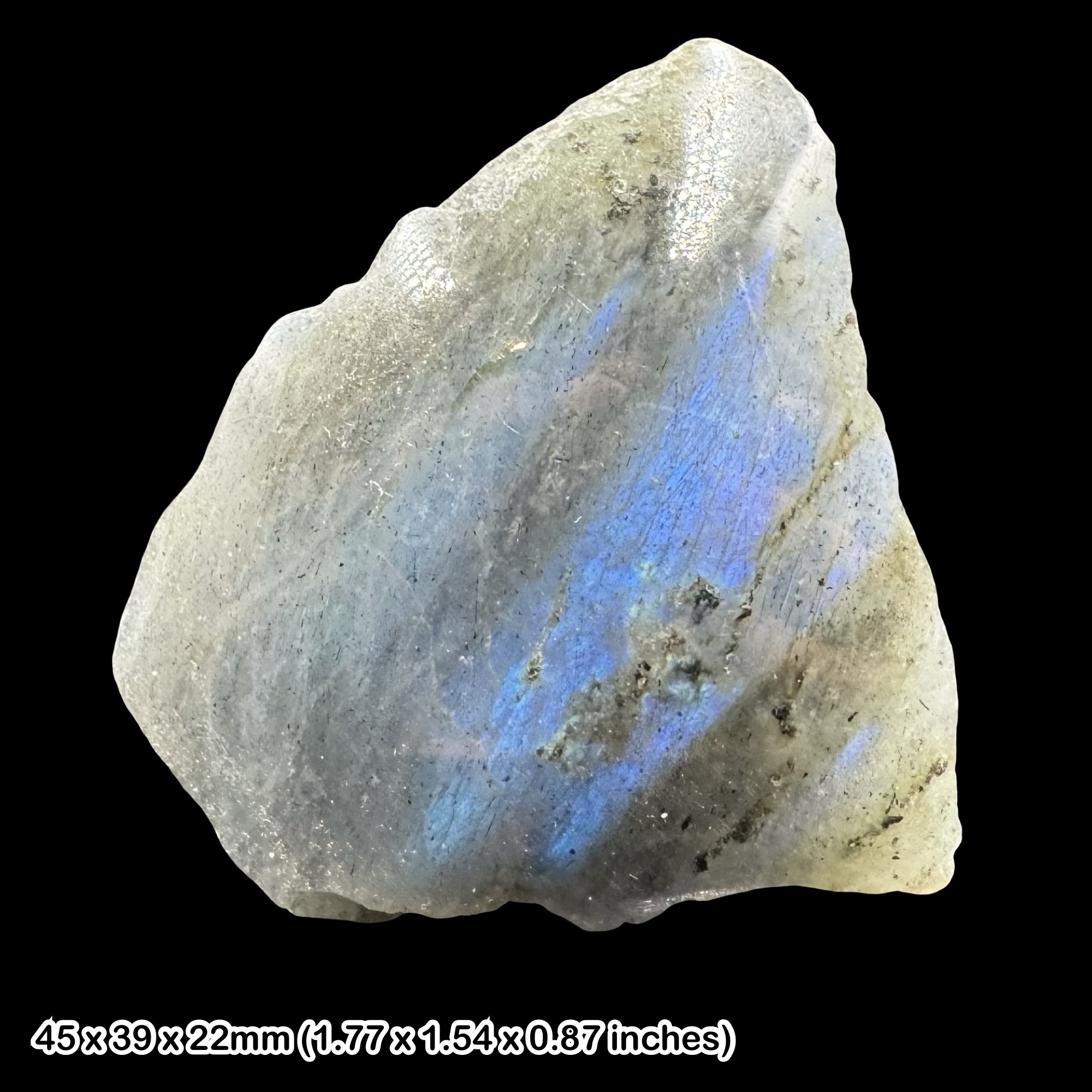
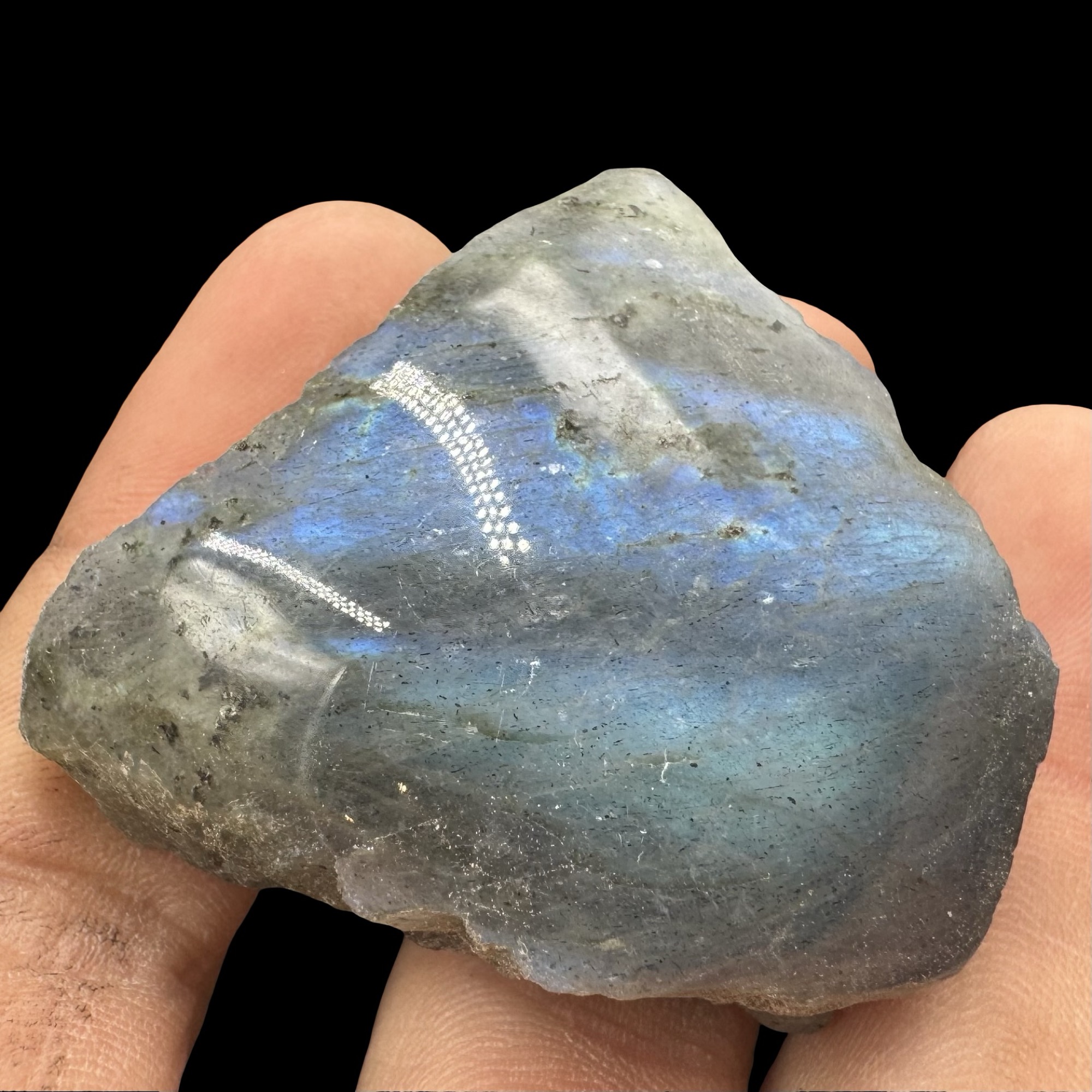
carefully selected for its attractive appearance, mineralogical interest, and decorative display quality. Labradorite is a well-known feldspar mineral admired by collectors for its remarkable play of colour, often showing flashes of blue, green, gold, yellow, silver, or sometimes orange depending on the light and viewing angle. This optical effect is known as labradorescence and is one of the most distinctive features of the mineral.This specimen includes a Certificate of Authenticity lifetime guarantee generic card, confirming it as a genuine crystal specimen. The photograph shows the actual Part-Polished Labradorite you will receive, allowing you to view the real colour, polish, shape, surface texture, and natural features before purchase. Full sizing details can be seen in the photo. CRYSTAL TYPE AND MINERAL SPECIESLabradorite is a calcium-rich member of the plagioclase feldspar group, a major family of rock-forming minerals found in many igneous and metamorphic rocks. Its composition falls within the albite-anorthite feldspar series and is commonly described as a sodium-calcium aluminium silicate. Feldspar minerals are among the most abundant minerals in the Earth’s crust, and Labradorite is one of the most visually striking varieties.Labradorite typically forms in massive, granular, or crystalline aggregates rather than as large transparent crystals. In rough form, it can appear grey, dark grey, greenish-grey, blackish, or brownish until light catches the internal structure and reveals its characteristic iridescent flash. The part-polished finish on this specimen helps reveal the colourful optical effect while retaining some of the natural rock texture and original geological character. LABRADORITE COLOUR AND LABRADORESCENCEThe most famous feature of Labradorite is labradorescence, a colourful optical phenomenon caused by light interacting with microscopic internal layers within the feldspar structure. These fine lamellae scatter and reflect light, producing vivid flashes that appear to move across the surface as the stone is turned. The colours can vary from subtle silver and pale blue to stronger blue-green, gold, yellow, copper, or multi-coloured effects.Because labradorescence depends on angle, lighting, and internal structure, each piece of Labradorite is visually unique. A part-polished specimen may show a contrast between polished faces with brighter reflective colour and rough areas that display the natural matrix-like texture of the mineral. This combination gives the piece strong collector appeal and makes it suitable for display from multiple angles. GEOLOGICAL FORMATION AND ORIGIN ENVIRONMENTLabradorite commonly forms in igneous rocks such as basalt, gabbro, norite, and anorthosite, as well as in some metamorphic environments. It develops as molten rock cools and feldspar crystals form within the solidifying rock mass. In anorthosite-rich geological settings, Labradorite can occur in large masses, sometimes producing material suitable for decorative carving, polished specimens, lapidary work, and mineral collecting.The internal structure responsible for labradorescence forms during cooling and mineral separation within the feldspar. Fine intergrowths within the crystal create the layered optical effect that gives Labradorite its distinctive flash. This geological process makes Labradorite both scientifically interesting and visually appealing, combining rock-forming mineralogy with a dramatic natural display effect. PART-POLISHED FORM AND NATURAL FEATURESThis specimen has been part-polished, meaning selected surfaces have been smoothed and finished to reveal the mineral’s colour and lustre, while other areas may retain natural rough texture. This makes it an excellent choice for collectors who enjoy both refined display appeal and visible geological character. The specimen may show polished reflective faces, natural edges, rough crystalline surfaces, colour zoning, cleavage lines, internal fractures, and variations in tone.Labradorite has a vitreous to pearly lustre and distinct feldspar cleavage, which can create flat reflective surfaces within the stone. Natural lines, surface variations, and internal structures are typical features of Labradorite and are part of its authentic mineral character. COLLECTING, DECORATIVE AND GIFT APPEALPart-Polished Labradorite is a popular choice for collectors of crystals, minerals, rocks, feldspar specimens, lapidary stones, and natural history objects. Its combination of natural grey body colour and bright iridescent flash makes it a striking display piece for a shelf, desk, cabinet, sideboard, study collection, or geological arrangement. It also pairs well with other minerals such as quartz, amethyst, smoky quartz, rose quartz, calcite, fluorite, agate, jasper, mica, and pyrite.This genuine Labradorite specimen is also suitable as a decorative gift for anyone interested in natural minerals, geology, Earth science, collectible stones, or display-quality crystal specimens. AUTHENTICITY AND SPECIMEN DETAILSThis is a genuine Part-Polished Labradorite crystal specimen and includes a Certificate of Authenticity lifetime guarantee generic card. The piece has been carefully chosen for its appearance, natural mineral features, polished display quality, and geological interest. As with all natural crystals, variations in colour, flash, shape, texture, inclusions, surface lines, and internal structure are part of the specimen’s natural formation.The photo shows the actual crystal specimen being offered, so the buyer will receive the exact Part-Polished Labradorite shown. Full sizing information can be seen in the photo, allowing customers to assess the scale, form, and appearance of the piece before purchase.
carefully selected for its attractive appearance, mineralogical interest, and decorative display quality. Labradorite is a well-known feldspar mineral admired by collectors for its remarkable play of colour, often showing flashes of blue, green, gold, yellow, silver, or sometimes orange depending on the light and viewing angle. This optical effect is known as labradorescence and is one of the most distinctive features of the mineral.This specimen includes a Certificate of Authenticity lifetime guarantee generic card, confirming it as a genuine crystal specimen. The photograph shows the actual Part-Polished Labradorite you will receive, allowing you to view the real colour, polish, shape, surface texture, and natural features before purchase. Full sizing details can be seen in the photo. CRYSTAL TYPE AND MINERAL SPECIESLabradorite is a calcium-rich member of the plagioclase feldspar group, a major family of rock-forming minerals found in many igneous and metamorphic rocks. Its composition falls within the albite-anorthite feldspar series and is commonly described as a sodium-calcium aluminium silicate. Feldspar minerals are among the most abundant minerals in the Earth’s crust, and Labradorite is one of the most visually striking varieties.Labradorite typically forms in massive, granular, or crystalline aggregates rather than as large transparent crystals. In rough form, it can appear grey, dark grey, greenish-grey, blackish, or brownish until light catches the internal structure and reveals its characteristic iridescent flash. The part-polished finish on this specimen helps reveal the colourful optical effect while retaining some of the natural rock texture and original geological character. LABRADORITE COLOUR AND LABRADORESCENCEThe most famous feature of Labradorite is labradorescence, a colourful optical phenomenon caused by light interacting with microscopic internal layers within the feldspar structure. These fine lamellae scatter and reflect light, producing vivid flashes that appear to move across the surface as the stone is turned. The colours can vary from subtle silver and pale blue to stronger blue-green, gold, yellow, copper, or multi-coloured effects.Because labradorescence depends on angle, lighting, and internal structure, each piece of Labradorite is visually unique. A part-polished specimen may show a contrast between polished faces with brighter reflective colour and rough areas that display the natural matrix-like texture of the mineral. This combination gives the piece strong collector appeal and makes it suitable for display from multiple angles. GEOLOGICAL FORMATION AND ORIGIN ENVIRONMENTLabradorite commonly forms in igneous rocks such as basalt, gabbro, norite, and anorthosite, as well as in some metamorphic environments. It develops as molten rock cools and feldspar crystals form within the solidifying rock mass. In anorthosite-rich geological settings, Labradorite can occur in large masses, sometimes producing material suitable for decorative carving, polished specimens, lapidary work, and mineral collecting.The internal structure responsible for labradorescence forms during cooling and mineral separation within the feldspar. Fine intergrowths within the crystal create the layered optical effect that gives Labradorite its distinctive flash. This geological process makes Labradorite both scientifically interesting and visually appealing, combining rock-forming mineralogy with a dramatic natural display effect. PART-POLISHED FORM AND NATURAL FEATURESThis specimen has been part-polished, meaning selected surfaces have been smoothed and finished to reveal the mineral’s colour and lustre, while other areas may retain natural rough texture. This makes it an excellent choice for collectors who enjoy both refined display appeal and visible geological character. The specimen may show polished reflective faces, natural edges, rough crystalline surfaces, colour zoning, cleavage lines, internal fractures, and variations in tone.Labradorite has a vitreous to pearly lustre and distinct feldspar cleavage, which can create flat reflective surfaces within the stone. Natural lines, surface variations, and internal structures are typical features of Labradorite and are part of its authentic mineral character. COLLECTING, DECORATIVE AND GIFT APPEALPart-Polished Labradorite is a popular choice for collectors of crystals, minerals, rocks, feldspar specimens, lapidary stones, and natural history objects. Its combination of natural grey body colour and bright iridescent flash makes it a striking display piece for a shelf, desk, cabinet, sideboard, study collection, or geological arrangement. It also pairs well with other minerals such as quartz, amethyst, smoky quartz, rose quartz, calcite, fluorite, agate, jasper, mica, and pyrite.This genuine Labradorite specimen is also suitable as a decorative gift for anyone interested in natural minerals, geology, Earth science, collectible stones, or display-quality crystal specimens. AUTHENTICITY AND SPECIMEN DETAILSThis is a genuine Part-Polished Labradorite crystal specimen and includes a Certificate of Authenticity lifetime guarantee generic card. The piece has been carefully chosen for its appearance, natural mineral features, polished display quality, and geological interest. As with all natural crystals, variations in colour, flash, shape, texture, inclusions, surface lines, and internal structure are part of the specimen’s natural formation.The photo shows the actual crystal specimen being offered, so the buyer will receive the exact Part-Polished Labradorite shown. Full sizing information can be seen in the photo, allowing customers to assess the scale, form, and appearance of the piece before purchase.
Other Products