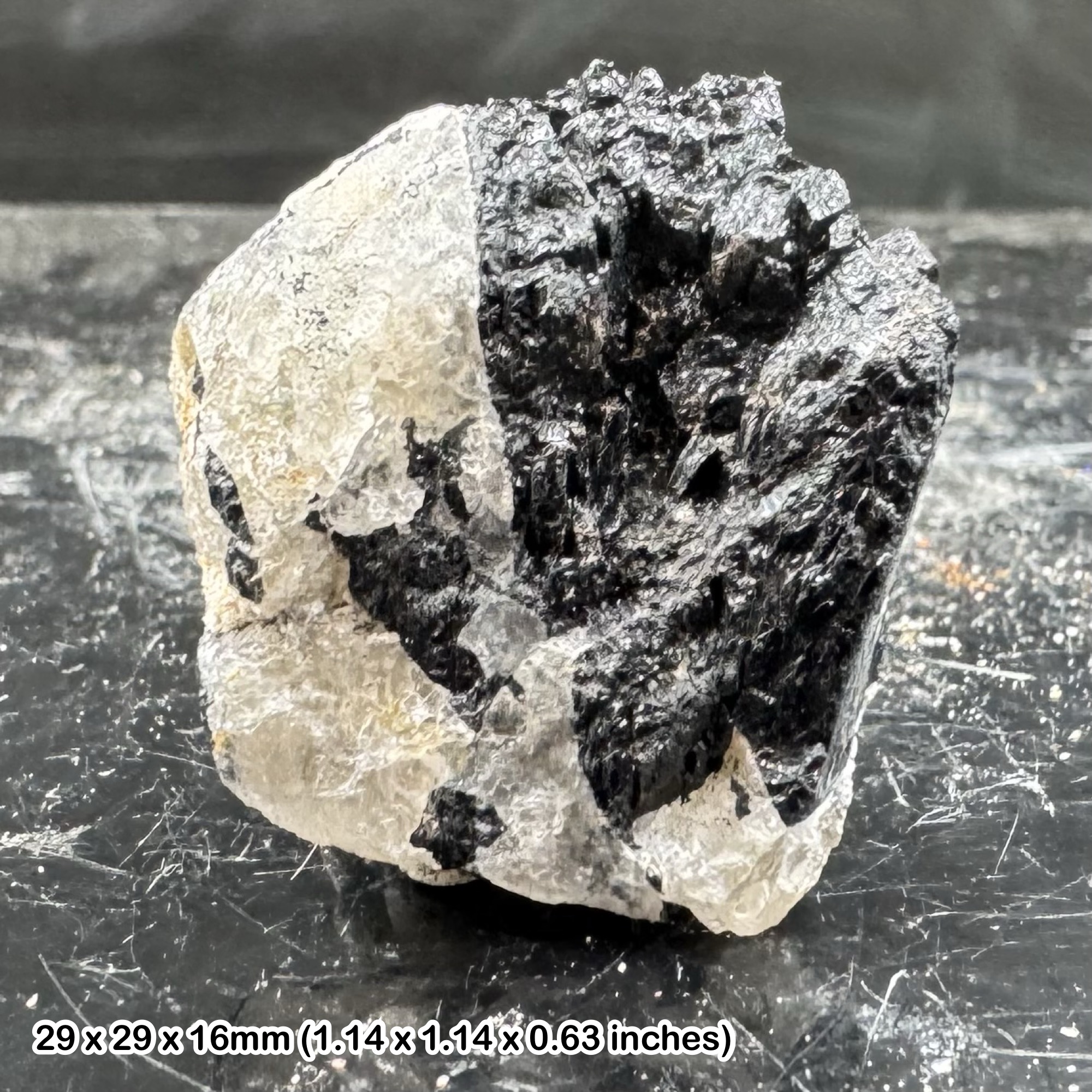
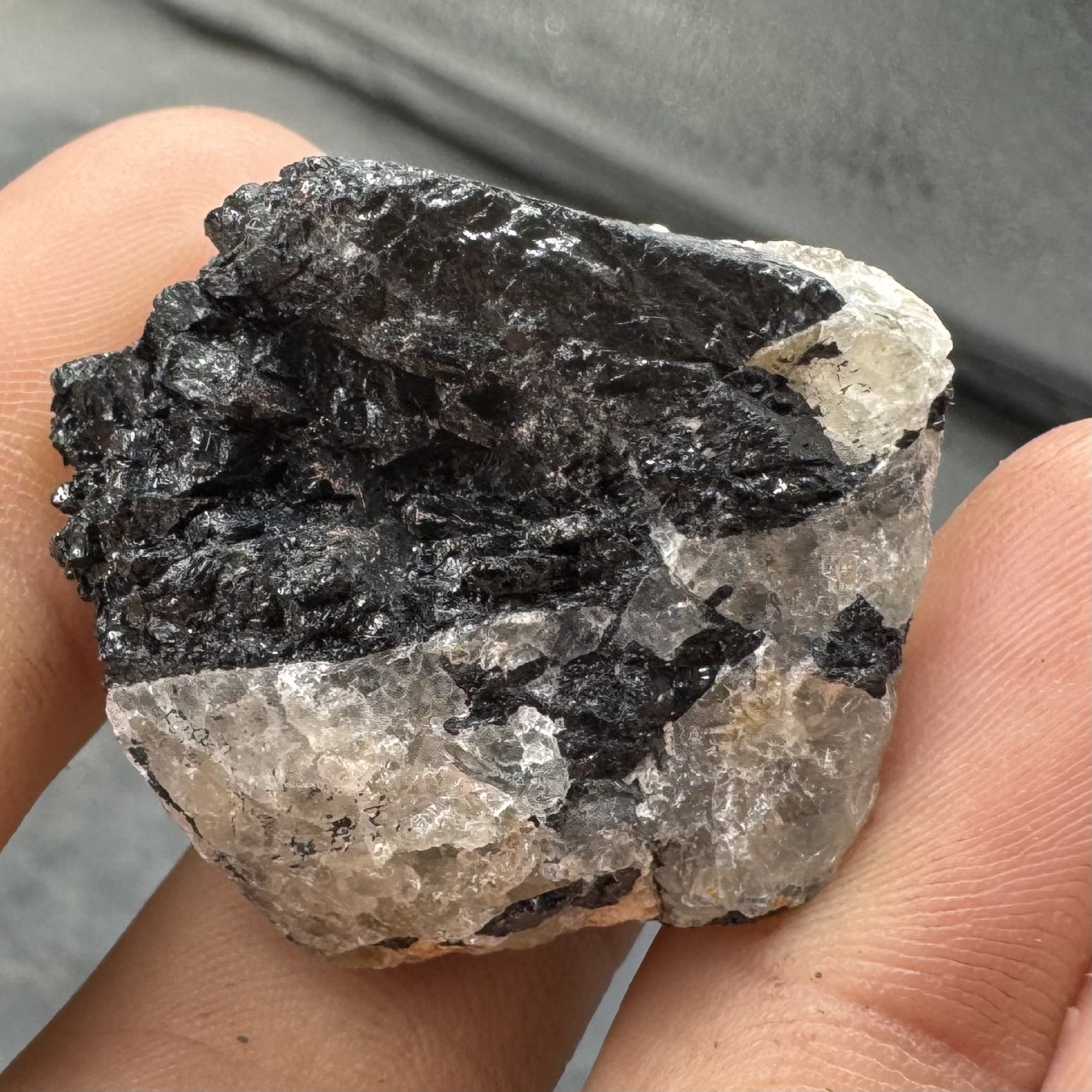
Schorl Tourmaline on Quartz Matrix Genuine Crystal Specimen COA Display Stone, Black Mineral Collectable Geology Decor Gift
£ 7.80
GENUINE SCHORL TOURMALINE ON QUARTZ MATRIXThis listing is for a genuine Schorl Tourmaline on Quartz Matrix crystal
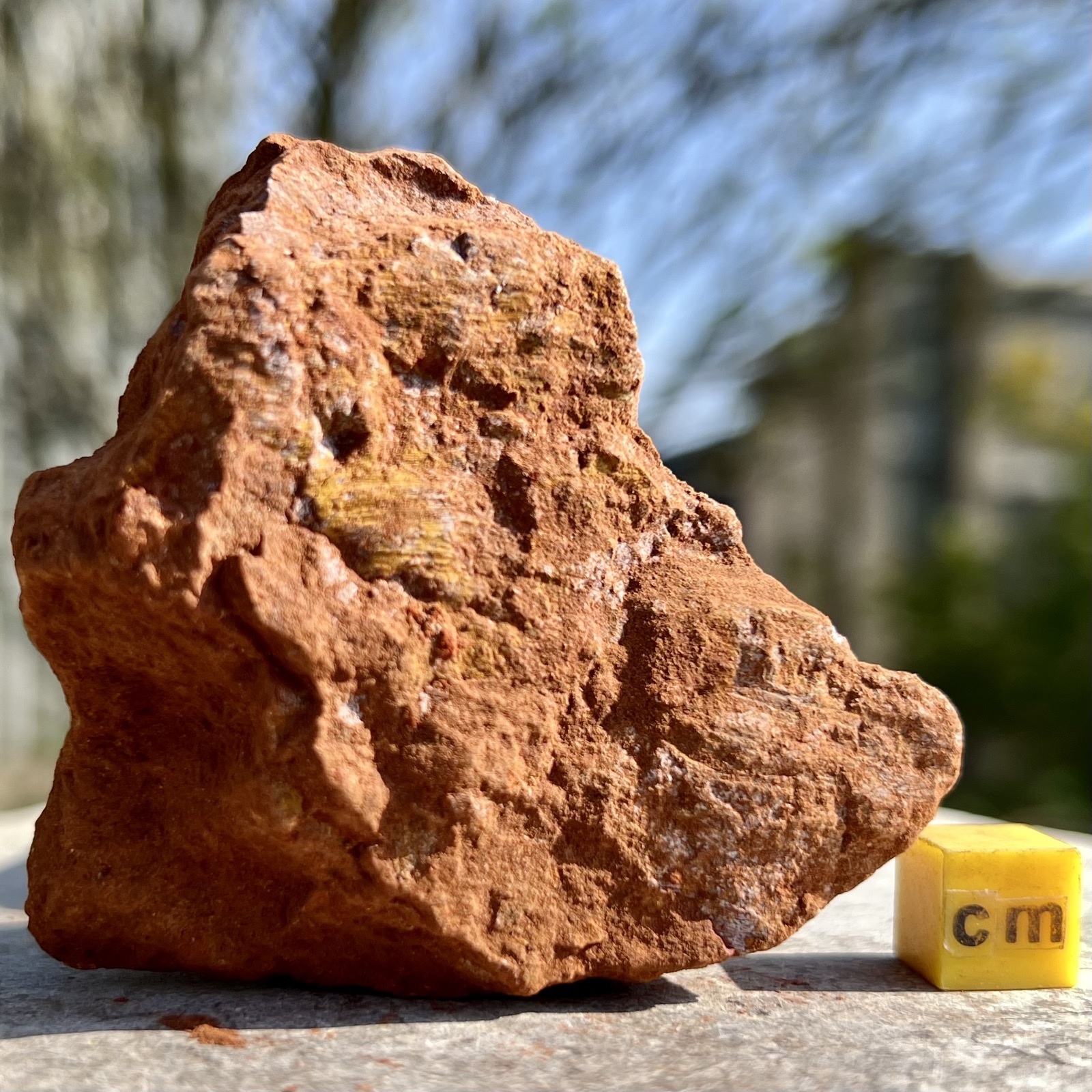
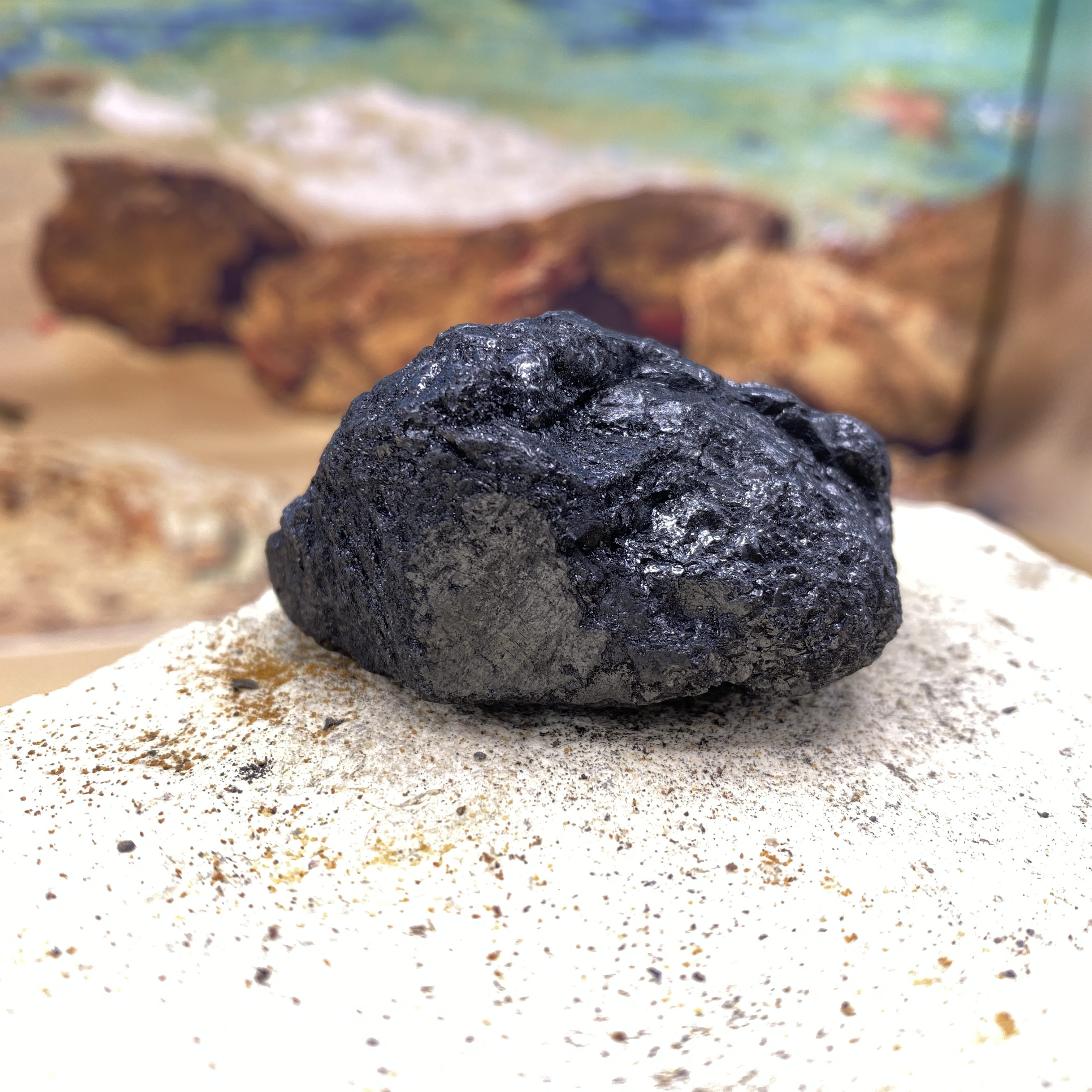
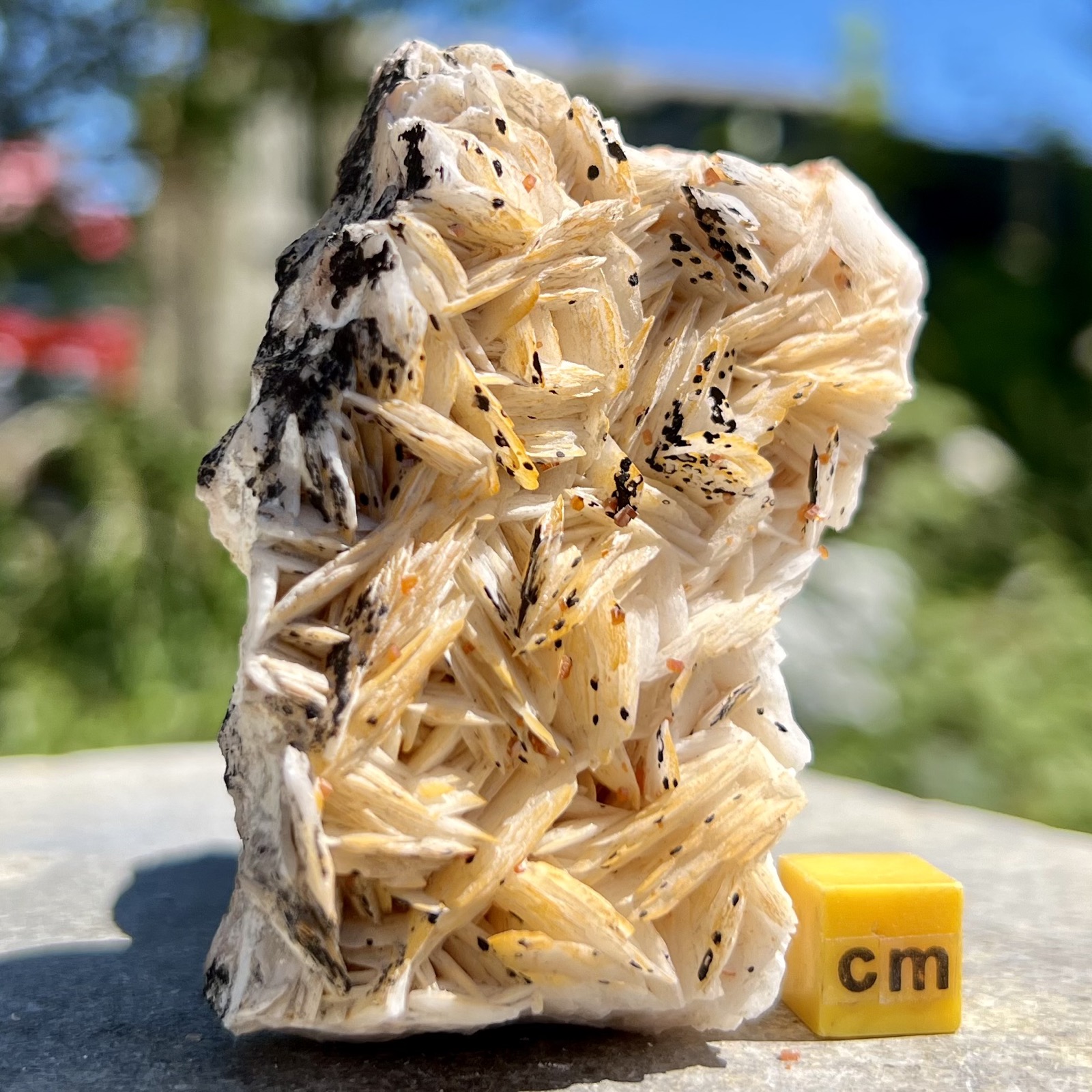
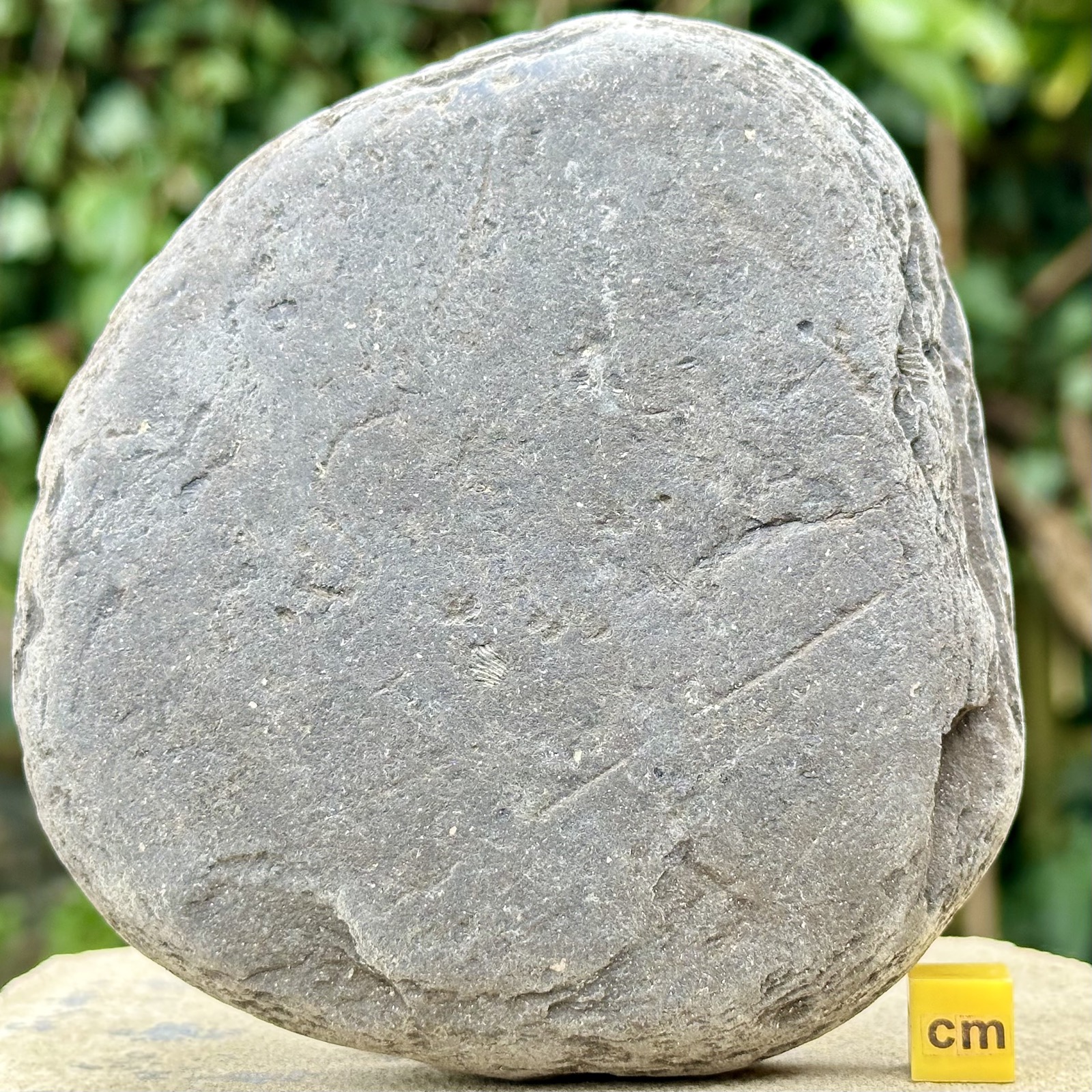
specimen, carefully chosen for its natural contrast, collectable mineral character, and attractive geological display appeal. The photo shows the actual specimen you will receive, making this a suitable piece for crystal collectors, mineral displays, natural history collections, geology education, cabinet presentation, desk décor, or as a thoughtful gift for someone who appreciates genuine rocks, crystals, and minerals.Full sizing details can be seen in the photo. This crystal is supplied with a generic Certificate of Authenticity lifetime guarantee card, confirming it as a genuine specimen. MINERAL SPECIES AND CRYSTAL TYPESchorl is the most common species of tourmaline and is often referred to as black tourmaline. It is a complex borosilicate mineral containing elements such as sodium, iron, aluminium, boron, silicon, oxygen, and hydroxyl groups. Its dark colour is mainly linked to its iron-rich composition, giving it the deep black, charcoal, or slightly brownish-black appearance that makes Schorl so recognisable.Tourmaline belongs to the trigonal crystal system and is well known for its elongated prismatic crystal habit. Schorl commonly forms as long striated crystals, columnar groups, radiating sprays, or embedded crystal sections within a host rock. The natural lengthwise striations seen on many tourmaline crystals are one of the classic identifying features of the mineral group.The quartz matrix is composed of silicon dioxide, with the chemical formula SiO₂. Quartz is one of the most abundant and widely collected minerals in the world and provides an attractive pale, white, grey, translucent, or crystalline contrast against the black Schorl crystals. COLOUR, TEXTURE AND NATURAL APPEARANCEThis Schorl Tourmaline on Quartz Matrix specimen displays the appealing contrast between dark black tourmaline and lighter quartz matrix. The tourmaline may show a glassy to slightly resinous lustre on exposed crystal faces, while the quartz can appear milky, translucent, crystalline, granular, or massive depending on the individual formation.Natural features may include vertical crystal striations, rough crystal terminations, broken crystal faces, quartz veining, small cavities, mineral contact zones, and natural surface texture. These details are part of the specimen’s genuine geological character and make matrix pieces especially interesting for collectors. Unlike polished stones, a rough matrix specimen preserves the mineral in a more natural setting, showing how the crystals formed within or alongside the surrounding rock. GEOLOGICAL FORMATIONSchorl Tourmaline commonly forms in granitic pegmatites, quartz veins, metamorphic rocks, and hydrothermal mineral environments. It develops where boron-rich fluids interact with suitable rock chemistry during crystallisation or alteration. Pegmatites are especially important sources of tourmaline because they can contain concentrated elements and allow large, well-formed crystals to grow within open spaces and mineral-rich pockets.Quartz often forms alongside tourmaline in these environments as silica-rich fluids cool and deposit minerals within fractures, cavities, and veins. The association of Schorl with quartz is a classic mineral pairing and is frequently seen in specimens from pegmatitic and hydrothermal settings. The black tourmaline crystals and pale quartz matrix together provide a useful example of how different minerals can crystallise in the same geological system under changing chemical and temperature conditions. COLLECTING, DISPLAY AND CAREThis Schorl Tourmaline on Quartz Matrix specimen is ideal for display in a mineral cabinet, on a shelf, desk, specimen tray, geology collection, natural history display, or educational rock and mineral set. The bold contrast between the black tourmaline and quartz matrix gives the piece strong visual appeal, while the natural crystal habit adds genuine mineralogical interest.Tourmaline has a Mohs hardness of approximately 7 to 7.5, while quartz has a Mohs hardness of 7. Although both minerals are relatively durable, matrix specimens can contain natural fractures, delicate crystal edges, or softer associated material, so careful handling is recommended. Avoid dropping the specimen, knocking it against harder surfaces, or cleaning it with harsh chemicals. To preserve the natural surface, gently dust with a soft dry brush or cloth and store securely away from fragile polished stones. AUTHENTICITYYou will receive the actual Schorl Tourmaline on Quartz Matrix specimen shown in the photo. This is a genuine crystal specimen and includes a Certificate of Authenticity lifetime guarantee generic card.
specimen, carefully chosen for its natural contrast, collectable mineral character, and attractive geological display appeal. The photo shows the actual specimen you will receive, making this a suitable piece for crystal collectors, mineral displays, natural history collections, geology education, cabinet presentation, desk décor, or as a thoughtful gift for someone who appreciates genuine rocks, crystals, and minerals.Full sizing details can be seen in the photo. This crystal is supplied with a generic Certificate of Authenticity lifetime guarantee card, confirming it as a genuine specimen. MINERAL SPECIES AND CRYSTAL TYPESchorl is the most common species of tourmaline and is often referred to as black tourmaline. It is a complex borosilicate mineral containing elements such as sodium, iron, aluminium, boron, silicon, oxygen, and hydroxyl groups. Its dark colour is mainly linked to its iron-rich composition, giving it the deep black, charcoal, or slightly brownish-black appearance that makes Schorl so recognisable.Tourmaline belongs to the trigonal crystal system and is well known for its elongated prismatic crystal habit. Schorl commonly forms as long striated crystals, columnar groups, radiating sprays, or embedded crystal sections within a host rock. The natural lengthwise striations seen on many tourmaline crystals are one of the classic identifying features of the mineral group.The quartz matrix is composed of silicon dioxide, with the chemical formula SiO₂. Quartz is one of the most abundant and widely collected minerals in the world and provides an attractive pale, white, grey, translucent, or crystalline contrast against the black Schorl crystals. COLOUR, TEXTURE AND NATURAL APPEARANCEThis Schorl Tourmaline on Quartz Matrix specimen displays the appealing contrast between dark black tourmaline and lighter quartz matrix. The tourmaline may show a glassy to slightly resinous lustre on exposed crystal faces, while the quartz can appear milky, translucent, crystalline, granular, or massive depending on the individual formation.Natural features may include vertical crystal striations, rough crystal terminations, broken crystal faces, quartz veining, small cavities, mineral contact zones, and natural surface texture. These details are part of the specimen’s genuine geological character and make matrix pieces especially interesting for collectors. Unlike polished stones, a rough matrix specimen preserves the mineral in a more natural setting, showing how the crystals formed within or alongside the surrounding rock. GEOLOGICAL FORMATIONSchorl Tourmaline commonly forms in granitic pegmatites, quartz veins, metamorphic rocks, and hydrothermal mineral environments. It develops where boron-rich fluids interact with suitable rock chemistry during crystallisation or alteration. Pegmatites are especially important sources of tourmaline because they can contain concentrated elements and allow large, well-formed crystals to grow within open spaces and mineral-rich pockets.Quartz often forms alongside tourmaline in these environments as silica-rich fluids cool and deposit minerals within fractures, cavities, and veins. The association of Schorl with quartz is a classic mineral pairing and is frequently seen in specimens from pegmatitic and hydrothermal settings. The black tourmaline crystals and pale quartz matrix together provide a useful example of how different minerals can crystallise in the same geological system under changing chemical and temperature conditions. COLLECTING, DISPLAY AND CAREThis Schorl Tourmaline on Quartz Matrix specimen is ideal for display in a mineral cabinet, on a shelf, desk, specimen tray, geology collection, natural history display, or educational rock and mineral set. The bold contrast between the black tourmaline and quartz matrix gives the piece strong visual appeal, while the natural crystal habit adds genuine mineralogical interest.Tourmaline has a Mohs hardness of approximately 7 to 7.5, while quartz has a Mohs hardness of 7. Although both minerals are relatively durable, matrix specimens can contain natural fractures, delicate crystal edges, or softer associated material, so careful handling is recommended. Avoid dropping the specimen, knocking it against harder surfaces, or cleaning it with harsh chemicals. To preserve the natural surface, gently dust with a soft dry brush or cloth and store securely away from fragile polished stones. AUTHENTICITYYou will receive the actual Schorl Tourmaline on Quartz Matrix specimen shown in the photo. This is a genuine crystal specimen and includes a Certificate of Authenticity lifetime guarantee generic card.