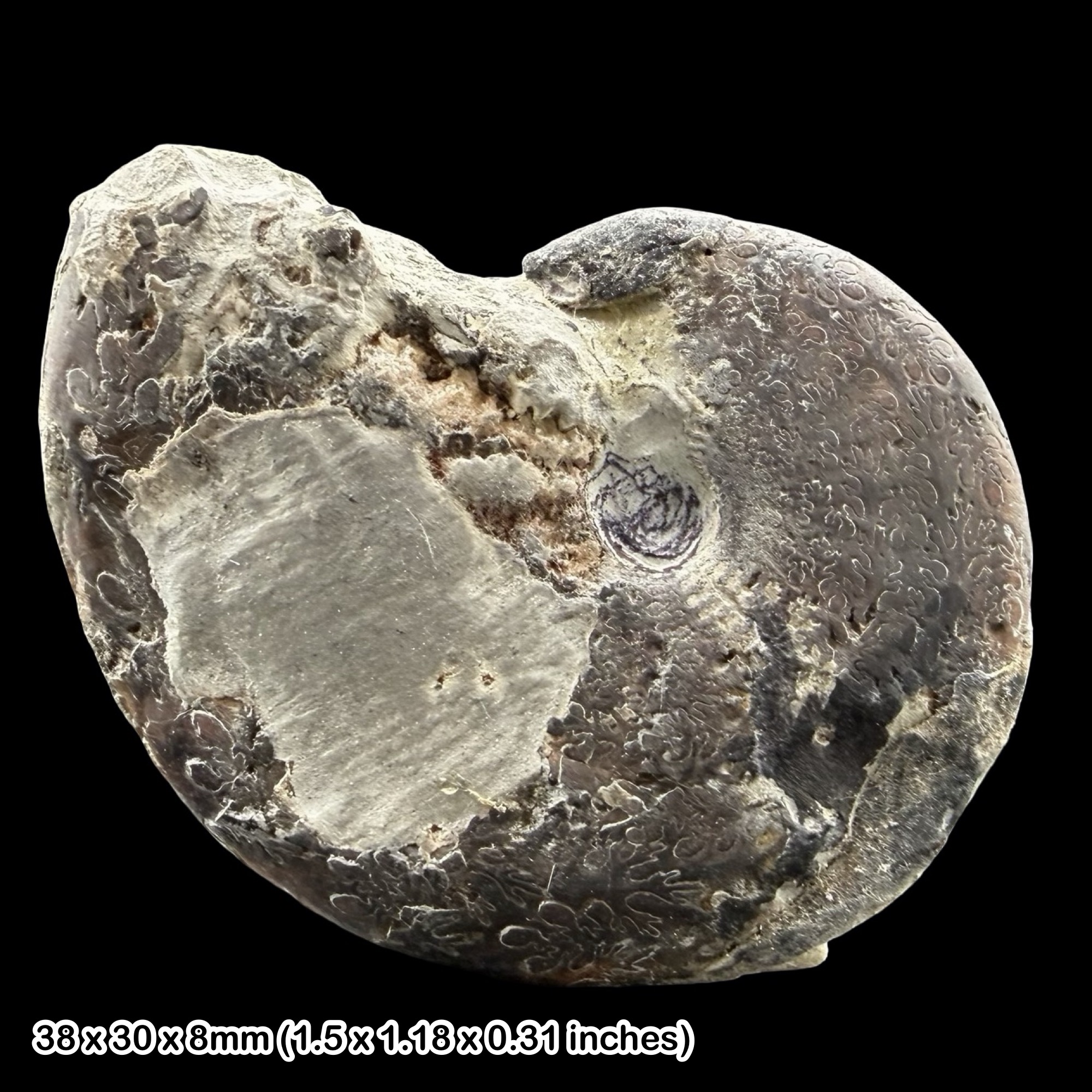
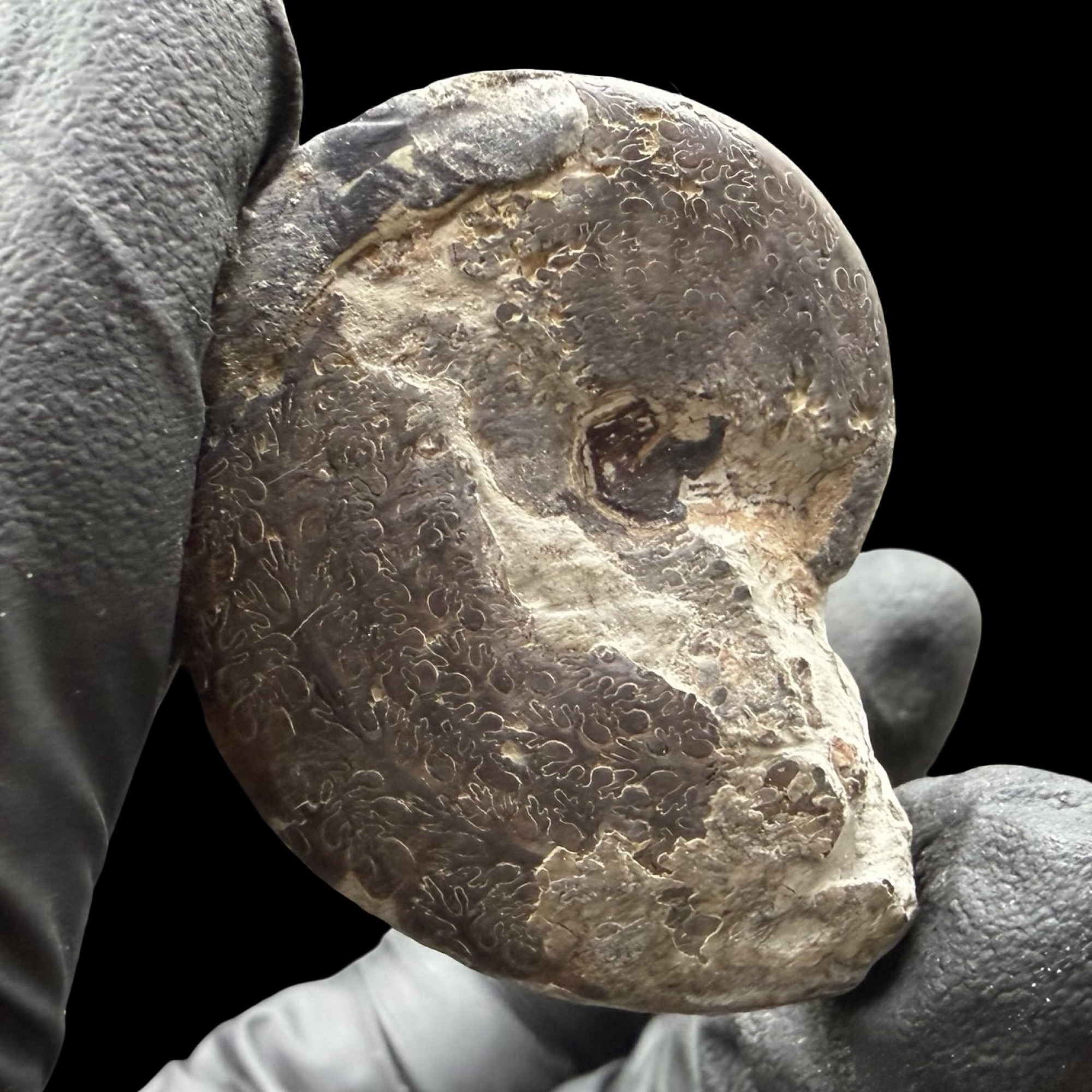
Streblites tenuilobatus Ammonite Fossil Jurassic France COA Genuine Specimen Lower Kimmeridgian Tarn Occitanie Collector
£ 14.40
GENUINE STREBLITES TENUILOBATUS AMMONITE FOSSILThis listing is for a genuine Streblites tenuilobatus ammonite fossil from the
Upper Jurassic, Lower Kimmeridgian Stage, collected from Tarn, Occitanie, France. This is a carefully chosen fossil specimen from a classic European Jurassic marine setting, ideal for collectors of ammonites, French fossils, fossil cephalopods, natural history specimens, educational geology pieces, and prehistoric marine life displays.The photograph shows the actual fossil specimen you will receive, so the colour, shape, preservation, surface texture, and individual fossil detail shown in the image belong to this exact piece. For full sizing and scale, please see the photo. FOSSIL TYPE AND SPECIES INFORMATIONThis fossil is an ammonite, an extinct marine cephalopod related to modern squid, cuttlefish, octopus, and nautilus. Ammonites are among the most important and recognisable fossils from the Mesozoic Era, valued for their distinctive coiled shells, varied ornamentation, and usefulness in dating ancient marine rock layers.The species is Streblites tenuilobatus, a Jurassic ammonite associated with the Lower Kimmeridgian of Europe. Streblites is an oppeliid ammonite, within the order Ammonitida, a major group of advanced ammonites that became especially diverse during the Jurassic. Oppeliid ammonites are often noted for their generally compressed shell forms, refined whorl shapes, elegant coiling, and comparatively delicate ornamentation when compared with heavier ribbed ammonite groups.The species name tenuilobatus refers to fine or slender lobation, reflecting the importance of suture patterns in ammonite identification. In ammonites, sutures are the complex lines formed where internal chamber walls met the shell. These patterns can be highly detailed and are a key feature used by palaeontologists to distinguish species and evolutionary groups. UPPER JURASSIC LOWER KIMMERIDGIAN AGEThis specimen dates from the Upper Jurassic Period, specifically the Lower Kimmeridgian, making it approximately 157 to 155 million years old. The Kimmeridgian was a major stage in Late Jurassic marine history, when ammonites were widespread across the warm seas that covered much of Europe.During this time, the region that is now France was influenced by shallow to moderately deep marine environments. These seas supported a rich ecosystem of ammonites, belemnites, bivalves, brachiopods, crinoids, sponges, fish, and marine reptiles. Ammonites such as Streblites tenuilobatus lived in these ancient waters, using their chambered shells for buoyancy while the living animal occupied the final body chamber.After death, the shell could settle onto the sea floor and become buried in sediment. Over millions of years, mineralisation preserved the shell form as a fossil, capturing a direct link to Jurassic marine life. TARN, OCCITANIE, FRANCE GEOLOGYThis ammonite comes from Tarn, Occitanie, France, a region with important Jurassic sedimentary rocks and fossil-bearing deposits. French Jurassic ammonites are highly regarded by collectors because they combine strong scientific interest, classic European locality data, and attractive natural preservation.The fossil-bearing rocks of southern France record marine conditions from the Jurassic Period, when ammonites were abundant and rapidly evolving. Because ammonites changed through time and were distributed widely across ancient seas, species such as Streblites tenuilobatus are especially valued in geology for helping compare and date rock layers. NATURAL COLLECTOR DISPLAY SPECIMENThis Streblites tenuilobatus ammonite fossil is a genuine natural specimen suitable for a fossil collection, geology teaching set, natural history display, curiosity cabinet, or prehistoric marine life collection. It is a desirable piece for collectors of Jurassic fossils, French fossils, Lower Kimmeridgian fossils, ammonites, fossil cephalopods, and scientifically labelled display specimens.As with all genuine fossils, the specimen may show natural features such as matrix, mineral staining, surface texture, small cracks, weathering, repaired areas, or variations in preservation. These features are normal in authentic fossils and form part of the specimen’s geological history and natural character. CERTIFICATE OF AUTHENTICITY INCLUDEDThis fossil is a genuine specimen and includes a Certificate of Authenticity lifetime guarantee generic card. This provides reassurance that the fossil supplied is authentic and suitable for collecting, study, display, gifting, resale, or educational use.You will receive the exact Streblites tenuilobatus ammonite fossil shown in the photo, from the Upper Jurassic Lower Kimmeridgian of Tarn, Occitanie, France.
Upper Jurassic, Lower Kimmeridgian Stage, collected from Tarn, Occitanie, France. This is a carefully chosen fossil specimen from a classic European Jurassic marine setting, ideal for collectors of ammonites, French fossils, fossil cephalopods, natural history specimens, educational geology pieces, and prehistoric marine life displays.The photograph shows the actual fossil specimen you will receive, so the colour, shape, preservation, surface texture, and individual fossil detail shown in the image belong to this exact piece. For full sizing and scale, please see the photo. FOSSIL TYPE AND SPECIES INFORMATIONThis fossil is an ammonite, an extinct marine cephalopod related to modern squid, cuttlefish, octopus, and nautilus. Ammonites are among the most important and recognisable fossils from the Mesozoic Era, valued for their distinctive coiled shells, varied ornamentation, and usefulness in dating ancient marine rock layers.The species is Streblites tenuilobatus, a Jurassic ammonite associated with the Lower Kimmeridgian of Europe. Streblites is an oppeliid ammonite, within the order Ammonitida, a major group of advanced ammonites that became especially diverse during the Jurassic. Oppeliid ammonites are often noted for their generally compressed shell forms, refined whorl shapes, elegant coiling, and comparatively delicate ornamentation when compared with heavier ribbed ammonite groups.The species name tenuilobatus refers to fine or slender lobation, reflecting the importance of suture patterns in ammonite identification. In ammonites, sutures are the complex lines formed where internal chamber walls met the shell. These patterns can be highly detailed and are a key feature used by palaeontologists to distinguish species and evolutionary groups. UPPER JURASSIC LOWER KIMMERIDGIAN AGEThis specimen dates from the Upper Jurassic Period, specifically the Lower Kimmeridgian, making it approximately 157 to 155 million years old. The Kimmeridgian was a major stage in Late Jurassic marine history, when ammonites were widespread across the warm seas that covered much of Europe.During this time, the region that is now France was influenced by shallow to moderately deep marine environments. These seas supported a rich ecosystem of ammonites, belemnites, bivalves, brachiopods, crinoids, sponges, fish, and marine reptiles. Ammonites such as Streblites tenuilobatus lived in these ancient waters, using their chambered shells for buoyancy while the living animal occupied the final body chamber.After death, the shell could settle onto the sea floor and become buried in sediment. Over millions of years, mineralisation preserved the shell form as a fossil, capturing a direct link to Jurassic marine life. TARN, OCCITANIE, FRANCE GEOLOGYThis ammonite comes from Tarn, Occitanie, France, a region with important Jurassic sedimentary rocks and fossil-bearing deposits. French Jurassic ammonites are highly regarded by collectors because they combine strong scientific interest, classic European locality data, and attractive natural preservation.The fossil-bearing rocks of southern France record marine conditions from the Jurassic Period, when ammonites were abundant and rapidly evolving. Because ammonites changed through time and were distributed widely across ancient seas, species such as Streblites tenuilobatus are especially valued in geology for helping compare and date rock layers. NATURAL COLLECTOR DISPLAY SPECIMENThis Streblites tenuilobatus ammonite fossil is a genuine natural specimen suitable for a fossil collection, geology teaching set, natural history display, curiosity cabinet, or prehistoric marine life collection. It is a desirable piece for collectors of Jurassic fossils, French fossils, Lower Kimmeridgian fossils, ammonites, fossil cephalopods, and scientifically labelled display specimens.As with all genuine fossils, the specimen may show natural features such as matrix, mineral staining, surface texture, small cracks, weathering, repaired areas, or variations in preservation. These features are normal in authentic fossils and form part of the specimen’s geological history and natural character. CERTIFICATE OF AUTHENTICITY INCLUDEDThis fossil is a genuine specimen and includes a Certificate of Authenticity lifetime guarantee generic card. This provides reassurance that the fossil supplied is authentic and suitable for collecting, study, display, gifting, resale, or educational use.You will receive the exact Streblites tenuilobatus ammonite fossil shown in the photo, from the Upper Jurassic Lower Kimmeridgian of Tarn, Occitanie, France.
Other Products