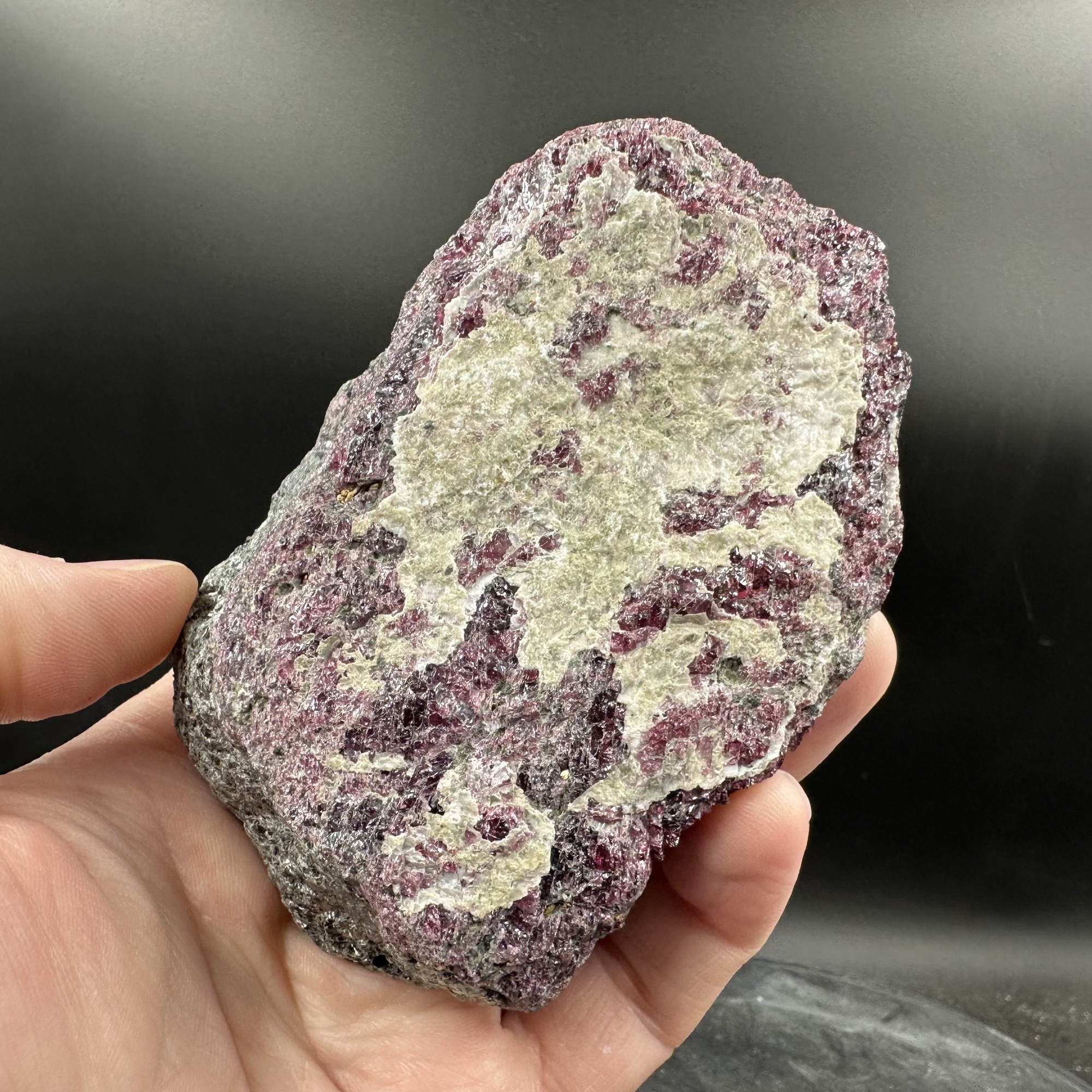
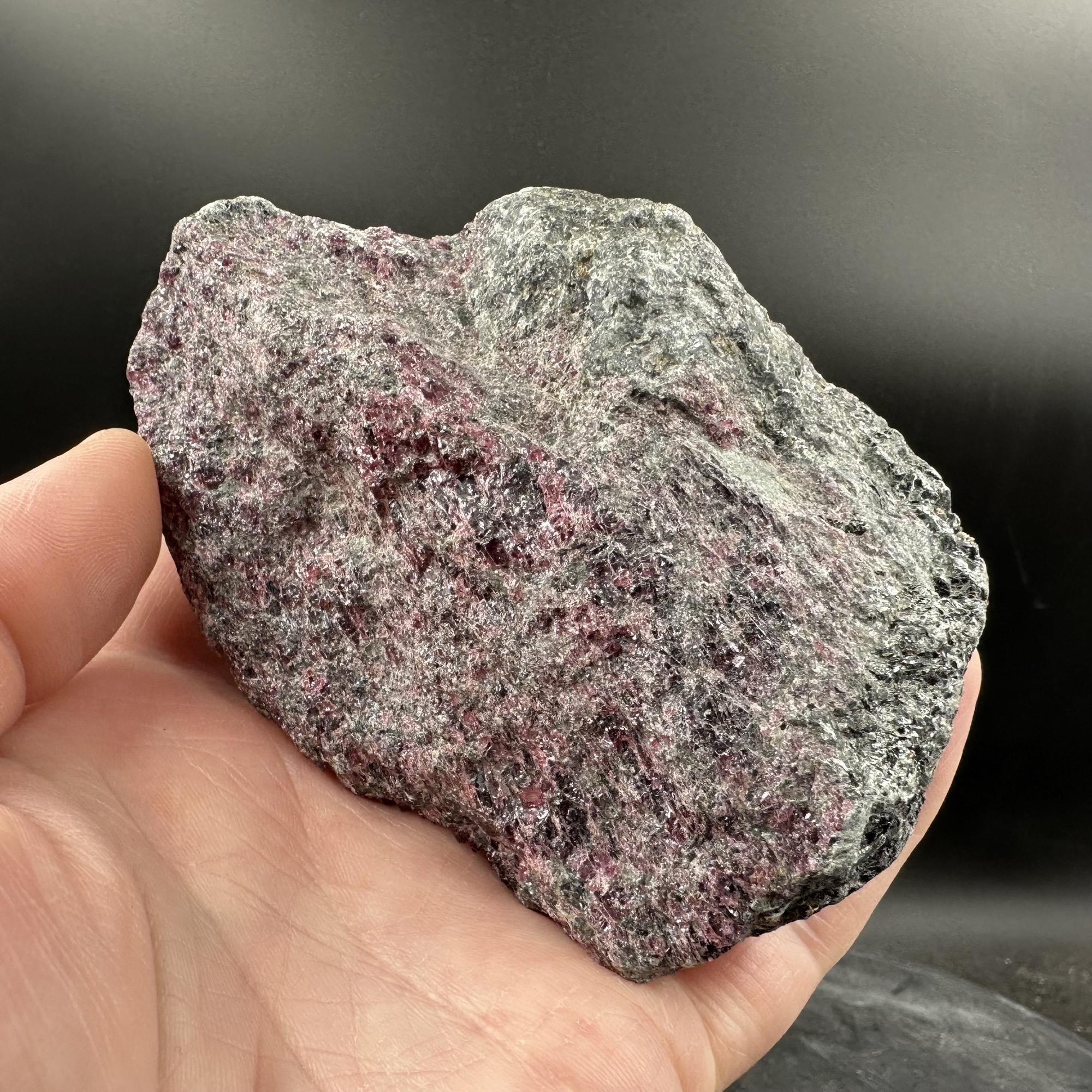
Rough Garnet in Matrix Genuine Crystal Specimen COA Display Mineral, Natural Red Gemstone Collectable Geology Gift
£ 28.80
GENUINE ROUGH GARNET IN MATRIX CRYSTAL SPECIMENThis listing is for a genuine Rough Garnet in Matrix crystal specimen, carefully
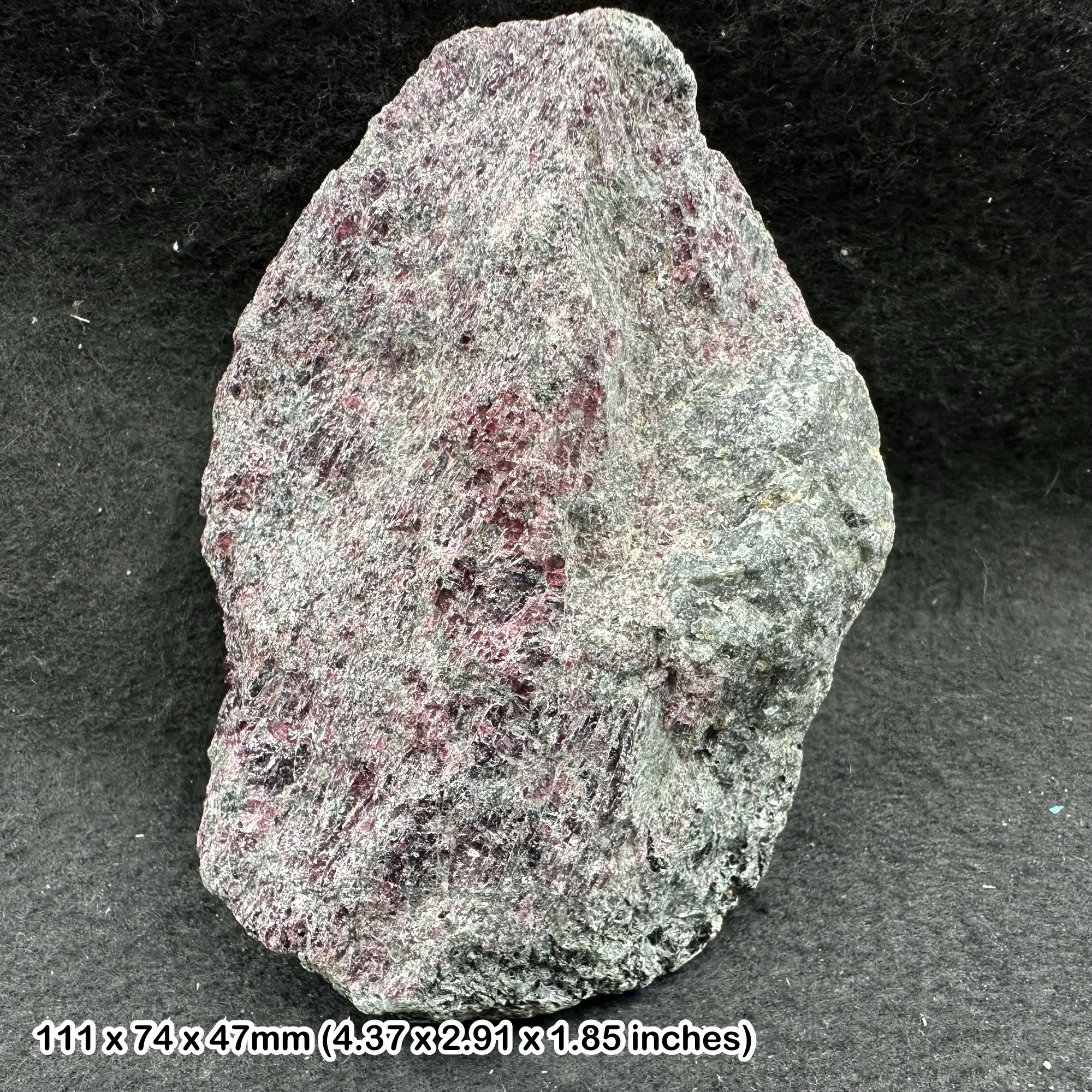
chosen for its natural mineral character, attractive contrast, and collectable geological appeal. The photo shows the actual specimen you will receive, making this a suitable piece for crystal collectors, mineral displays, natural history collections, geology education, cabinet presentation, desk décor, or as a thoughtful gift for someone who appreciates genuine rocks, crystals, and minerals.Full sizing details can be seen in the photo. This crystal is supplied with a generic Certificate of Authenticity lifetime guarantee card, confirming it as a genuine specimen. MINERAL SPECIES AND CRYSTAL TYPEGarnet is the name given to a group of closely related silicate minerals rather than a single mineral species. The garnet group includes well-known species such as almandine, pyrope, spessartine, grossular, andradite, and uvarovite. Many rough red to reddish brown garnets found in matrix are commonly associated with the almandine-pyrope series, although exact species identification requires detailed testing.Garnets belong to the isometric crystal system and are famous for their naturally geometric crystal forms. They often develop as dodecahedral or trapezohedral crystals, giving many rough specimens a distinct rounded, many-faced appearance even before polishing. In matrix specimens, garnet crystals remain naturally embedded in the host rock, preserving more of the original geological setting than a loose polished stone. COLOUR, TEXTURE AND NATURAL APPEARANCEThis Rough Garnet in Matrix specimen displays the natural contrast between garnet crystal and surrounding rock. Garnet commonly appears in deep red, wine red, reddish brown, dark burgundy, brown-red, or occasionally purplish tones. The matrix may vary in colour and texture depending on the original host rock, often showing grey, white, cream, mica-rich, quartz-rich, schistose, or darker mineral areas.Rough garnet specimens are appreciated for their natural surface texture and unpolished geological character. The garnet may show glassy to resinous lustre on broken or exposed faces, while the matrix can display a more granular, layered, or crystalline texture. Natural fractures, mineral boundaries, contact zones, mica flakes, quartz patches, or weathered areas may be visible and should be appreciated as part of the specimen’s genuine formation history. GEOLOGICAL FORMATION AND MATRIX SETTINGGarnet commonly forms in metamorphic rocks under conditions of heat and pressure. It is frequently found in schist, gneiss, mica schist, amphibolite, and other metamorphic host rocks. During metamorphism, minerals within the original rock recrystallise and react with one another, allowing garnet crystals to grow within the surrounding matrix. This process can take place deep within the Earth’s crust over long geological timescales.The presence of garnet in matrix is especially interesting for collectors because it shows the mineral in its natural geological context. Rather than being removed and polished as an isolated gemstone, the garnet remains part of the rock in which it formed. This makes the specimen useful for display, teaching, and appreciating how crystals grow within real rock environments.Garnet may occur alongside minerals such as mica, quartz, feldspar, chlorite, staurolite, kyanite, amphibole, or other metamorphic minerals depending on the source locality and conditions of formation. Its durability and strong crystal habit make it one of the most recognisable minerals in many metamorphic rock collections. COLLECTING, DISPLAY AND CAREThis Rough Garnet in Matrix specimen is ideal for display in a mineral cabinet, on a shelf, desk, specimen tray, geology collection, natural history display, or educational rock and mineral set. Its combination of natural crystal form and host rock makes it a visually interesting piece for collectors who enjoy minerals in their original matrix.Garnet has a Mohs hardness of approximately 6.5 to 7.5, making it a relatively durable mineral. The surrounding matrix may be softer or more fragile depending on its composition, so the specimen should still be handled with care. Avoid dropping it, exposing it to harsh chemicals, or cleaning it with abrasive methods. To preserve the natural surface, gently dust with a soft dry brush or cloth and store separately from delicate polished specimens. AUTHENTICITYYou will receive the actual Rough Garnet in Matrix specimen shown in the photo. This is a genuine crystal specimen and includes a Certificate of Authenticity lifetime guarantee generic card.
chosen for its natural mineral character, attractive contrast, and collectable geological appeal. The photo shows the actual specimen you will receive, making this a suitable piece for crystal collectors, mineral displays, natural history collections, geology education, cabinet presentation, desk décor, or as a thoughtful gift for someone who appreciates genuine rocks, crystals, and minerals.Full sizing details can be seen in the photo. This crystal is supplied with a generic Certificate of Authenticity lifetime guarantee card, confirming it as a genuine specimen. MINERAL SPECIES AND CRYSTAL TYPEGarnet is the name given to a group of closely related silicate minerals rather than a single mineral species. The garnet group includes well-known species such as almandine, pyrope, spessartine, grossular, andradite, and uvarovite. Many rough red to reddish brown garnets found in matrix are commonly associated with the almandine-pyrope series, although exact species identification requires detailed testing.Garnets belong to the isometric crystal system and are famous for their naturally geometric crystal forms. They often develop as dodecahedral or trapezohedral crystals, giving many rough specimens a distinct rounded, many-faced appearance even before polishing. In matrix specimens, garnet crystals remain naturally embedded in the host rock, preserving more of the original geological setting than a loose polished stone. COLOUR, TEXTURE AND NATURAL APPEARANCEThis Rough Garnet in Matrix specimen displays the natural contrast between garnet crystal and surrounding rock. Garnet commonly appears in deep red, wine red, reddish brown, dark burgundy, brown-red, or occasionally purplish tones. The matrix may vary in colour and texture depending on the original host rock, often showing grey, white, cream, mica-rich, quartz-rich, schistose, or darker mineral areas.Rough garnet specimens are appreciated for their natural surface texture and unpolished geological character. The garnet may show glassy to resinous lustre on broken or exposed faces, while the matrix can display a more granular, layered, or crystalline texture. Natural fractures, mineral boundaries, contact zones, mica flakes, quartz patches, or weathered areas may be visible and should be appreciated as part of the specimen’s genuine formation history. GEOLOGICAL FORMATION AND MATRIX SETTINGGarnet commonly forms in metamorphic rocks under conditions of heat and pressure. It is frequently found in schist, gneiss, mica schist, amphibolite, and other metamorphic host rocks. During metamorphism, minerals within the original rock recrystallise and react with one another, allowing garnet crystals to grow within the surrounding matrix. This process can take place deep within the Earth’s crust over long geological timescales.The presence of garnet in matrix is especially interesting for collectors because it shows the mineral in its natural geological context. Rather than being removed and polished as an isolated gemstone, the garnet remains part of the rock in which it formed. This makes the specimen useful for display, teaching, and appreciating how crystals grow within real rock environments.Garnet may occur alongside minerals such as mica, quartz, feldspar, chlorite, staurolite, kyanite, amphibole, or other metamorphic minerals depending on the source locality and conditions of formation. Its durability and strong crystal habit make it one of the most recognisable minerals in many metamorphic rock collections. COLLECTING, DISPLAY AND CAREThis Rough Garnet in Matrix specimen is ideal for display in a mineral cabinet, on a shelf, desk, specimen tray, geology collection, natural history display, or educational rock and mineral set. Its combination of natural crystal form and host rock makes it a visually interesting piece for collectors who enjoy minerals in their original matrix.Garnet has a Mohs hardness of approximately 6.5 to 7.5, making it a relatively durable mineral. The surrounding matrix may be softer or more fragile depending on its composition, so the specimen should still be handled with care. Avoid dropping it, exposing it to harsh chemicals, or cleaning it with abrasive methods. To preserve the natural surface, gently dust with a soft dry brush or cloth and store separately from delicate polished specimens. AUTHENTICITYYou will receive the actual Rough Garnet in Matrix specimen shown in the photo. This is a genuine crystal specimen and includes a Certificate of Authenticity lifetime guarantee generic card.
Other Products