Harpoceras subexaratum Ammonite Fossil Jurassic France Specimen with Certificate
£ 6.00
GENUINE HARPOCERAS SUBEXARATUM AMMONITE FROM THE LOWER JURASSIC OF FRANCEThis genuine Harpoceras subexaratum ammonite fossil is an exceptional
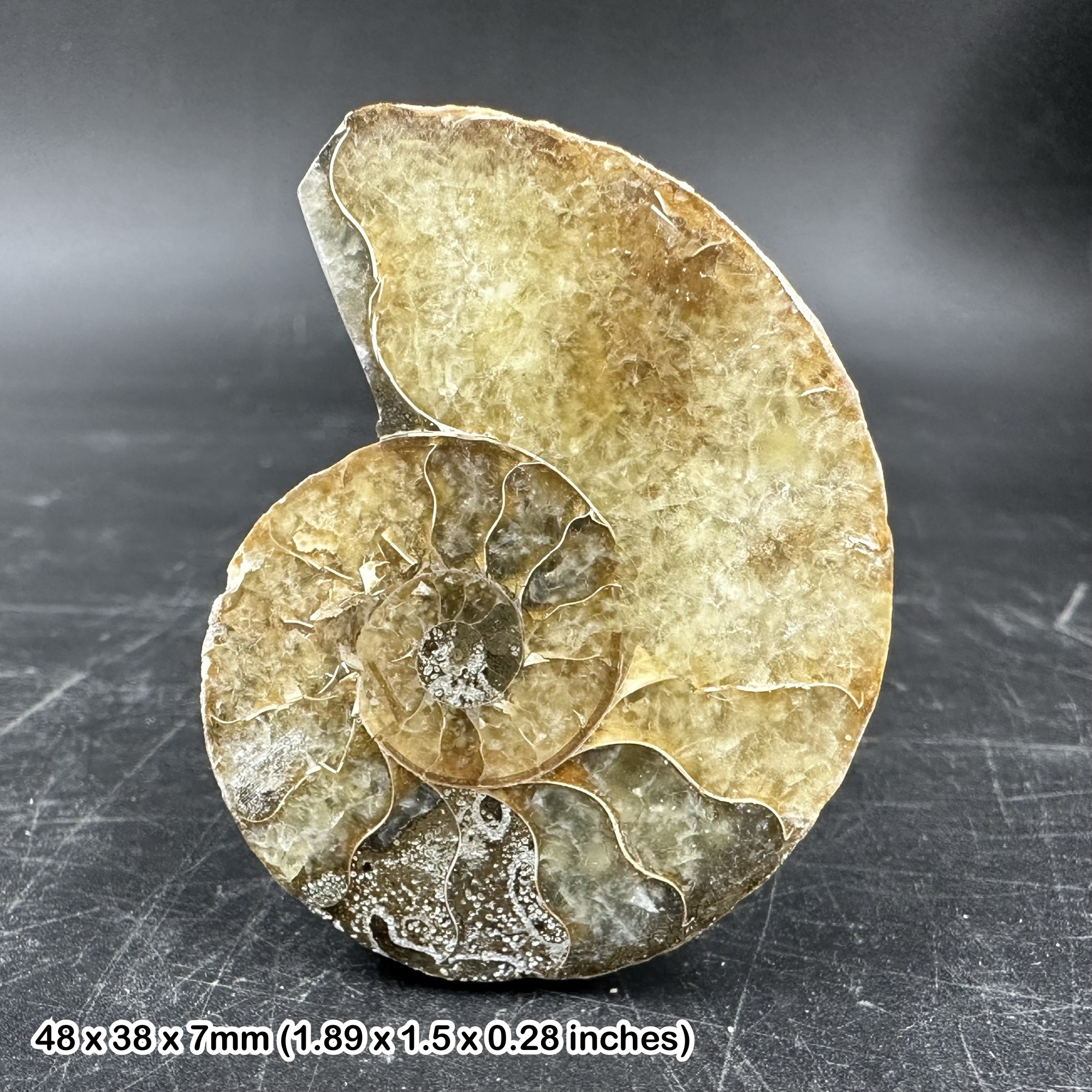
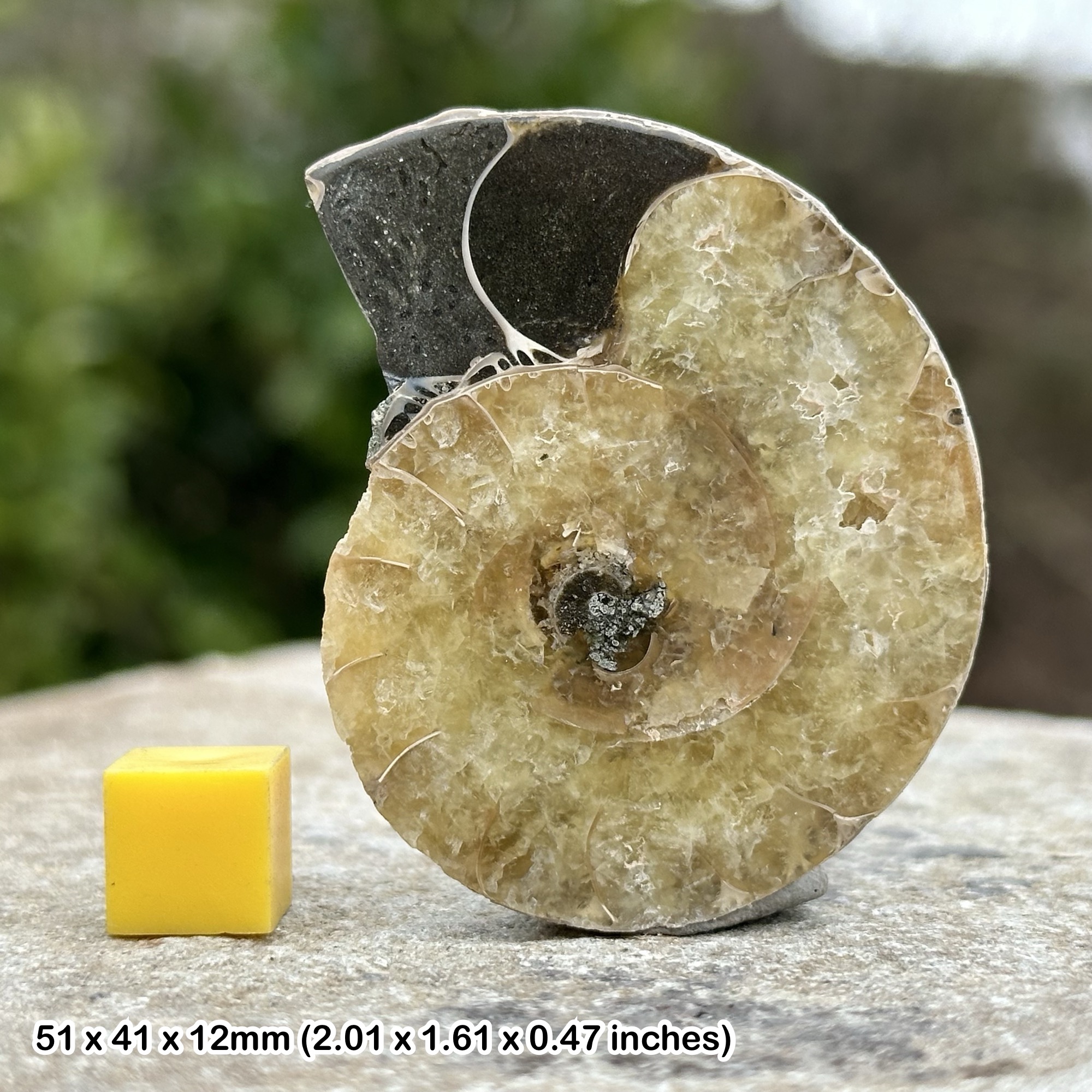
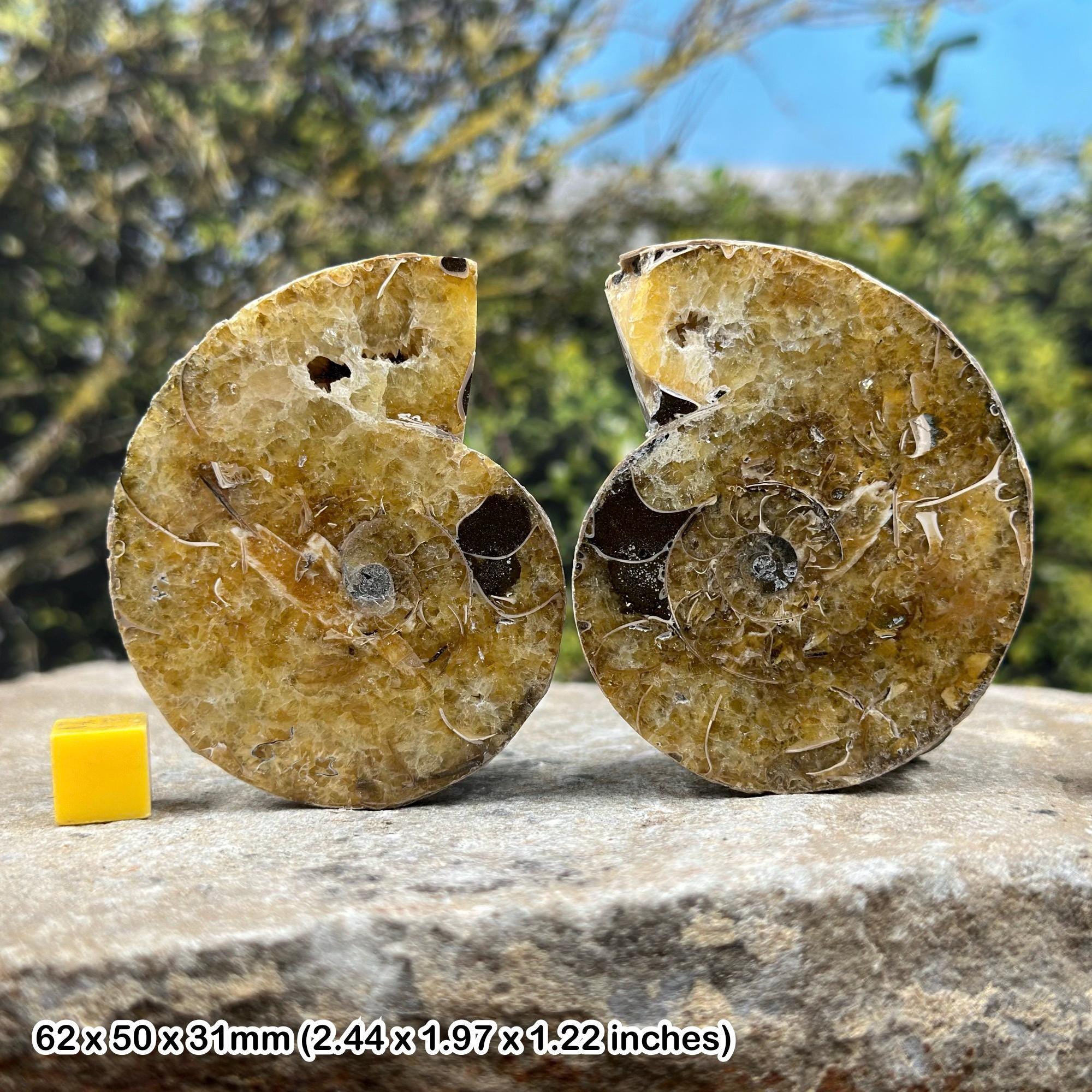
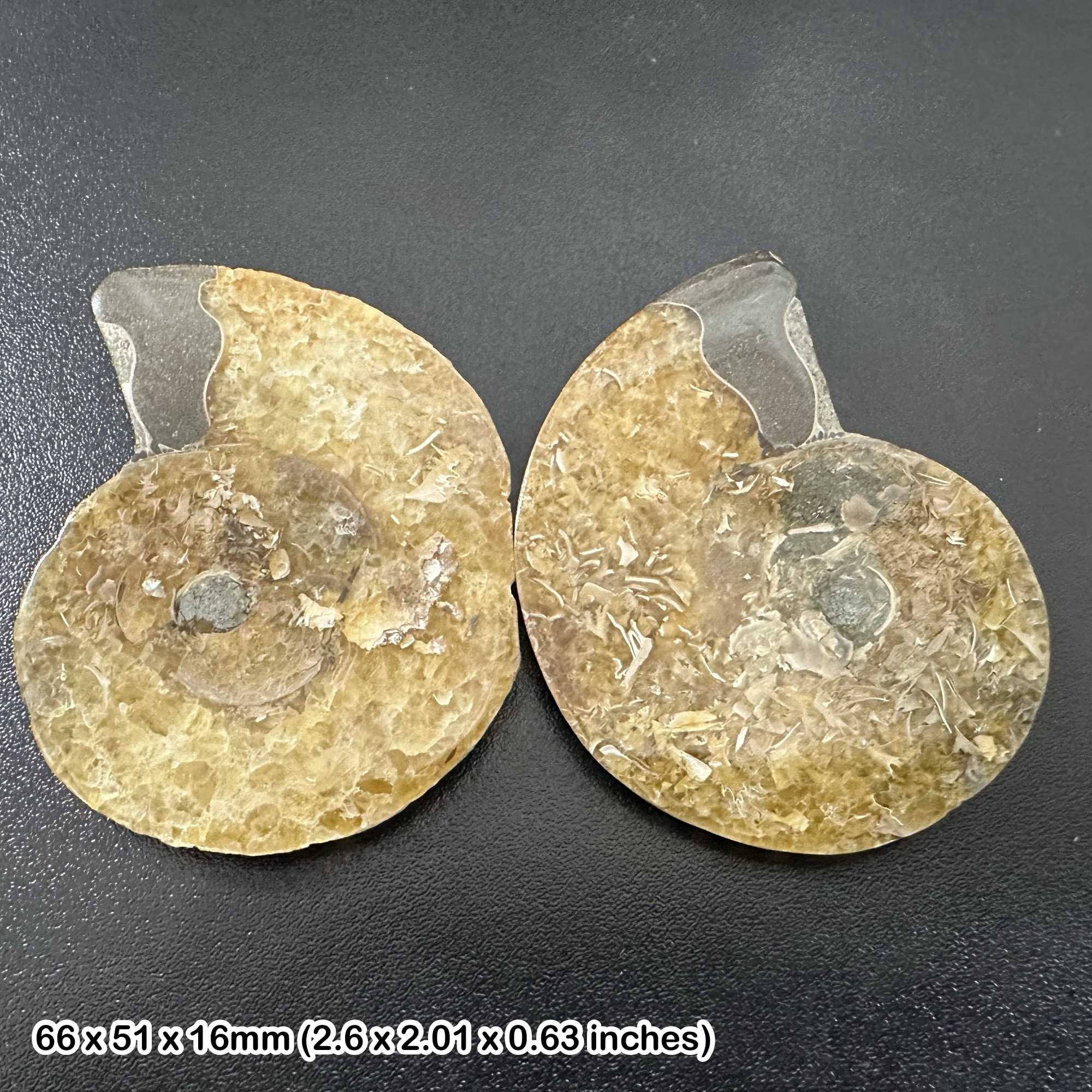
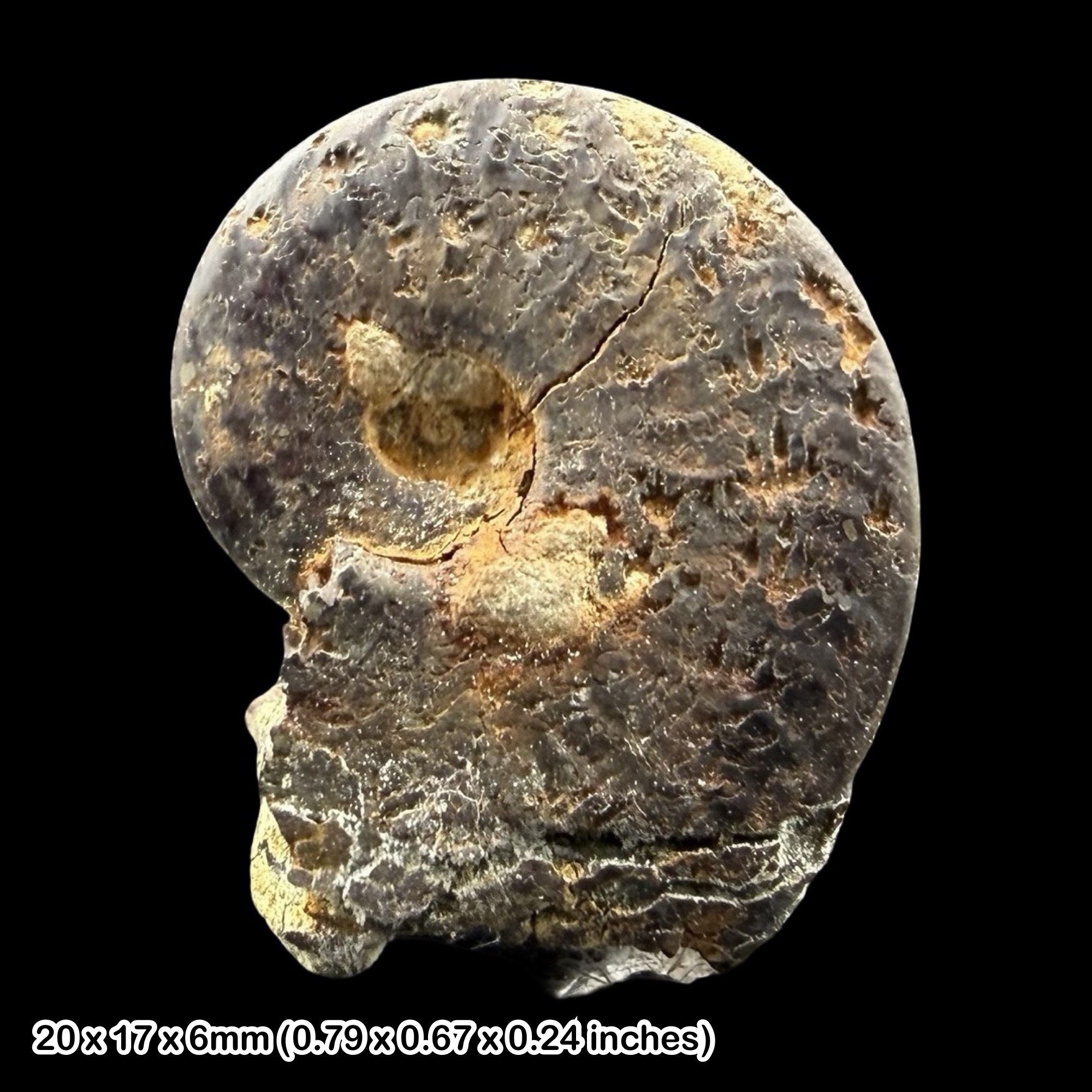
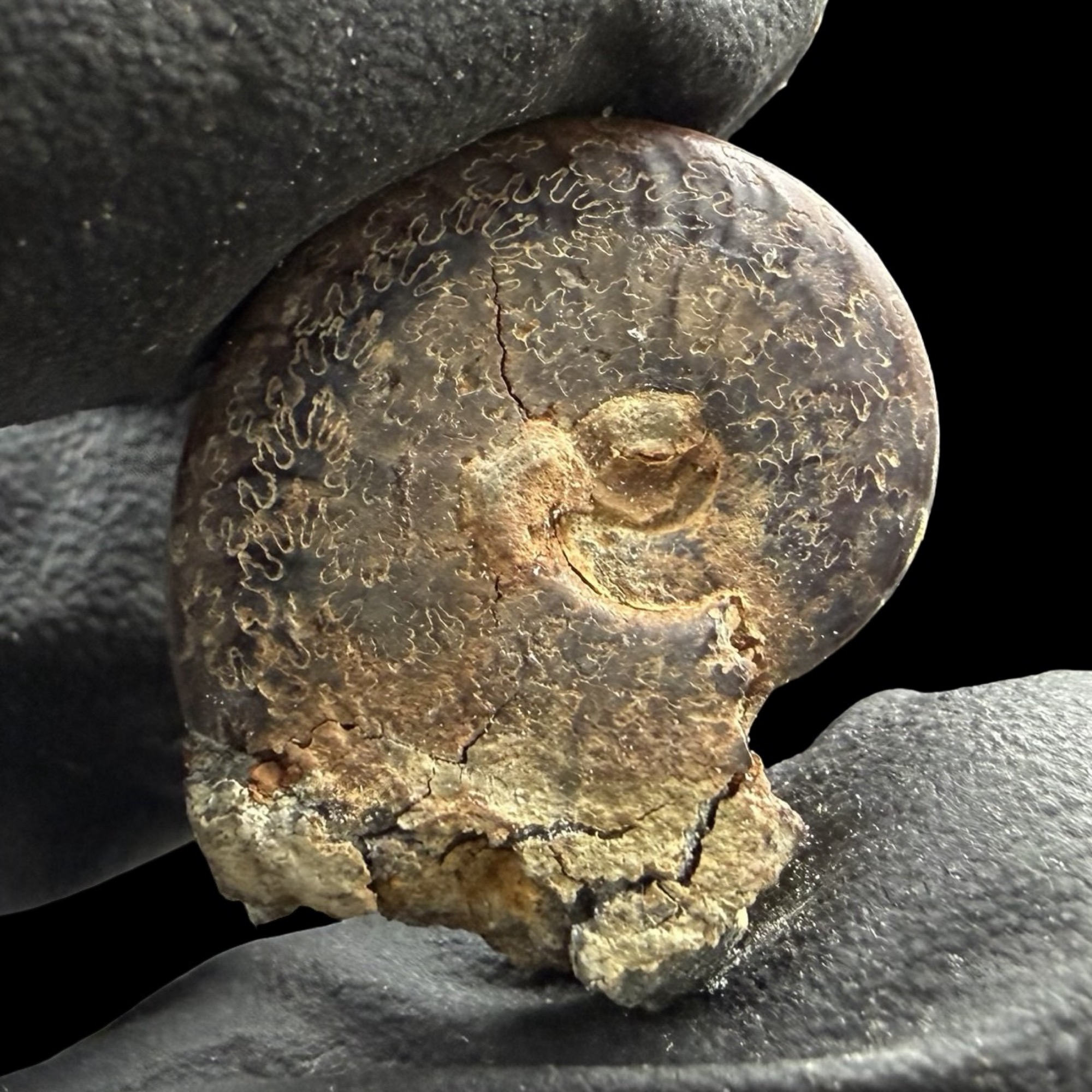
prehistoric marine specimen originating from the Upper Lias deposits of Aveyron in the Occitanie region of France. Dating to the Toarcian stage of the Lower Jurassic period, approximately 183 to 174 million years ago, this fossil represents marine life from a time when vast warm seas covered much of western Europe during the early Jurassic Era.The specimen shown in the photographs is the exact fossil you will receive. Carefully selected for its preservation, shell detail and natural display appeal, this authentic ammonite displays the elegant coiling and fine ornamentation characteristic of the genus Harpoceras.This fossil includes a Certificate of Authenticity lifetime guarantee generic card confirming the specimen is 100% genuine.Full sizing please see photo. ABOUT HARPOCERAS SUBEXARATUMHarpoceras subexaratum is an extinct species of ammonite belonging to the order Ammonitida and family Hildoceratidae. Ammonites were highly successful marine cephalopods closely related to modern squid, octopus and nautilus, and they dominated the oceans throughout much of the Mesozoic Era.The genus Harpoceras is especially recognised for its compressed shell form, elegant coiling and finely ornamented whorls. Compared to heavily ribbed ammonites, Harpoceras species often possess smoother shell surfaces with subtle ribbing and graceful streamlined morphology.Like other ammonites, Harpoceras possessed a chambered shell divided into gas-filled compartments connected by a siphuncle. This structure enabled buoyancy control, allowing the animal to move efficiently through ancient marine environments as an active predator or scavenger.This specimen preserves the characteristic morphology associated with Harpoceras subexaratum, including the involute coiling, finely detailed shell structure and natural growth ornamentation typical of Toarcian ammonites. UPPER LIAS AND TOARCIAN MARINE ENVIRONMENTThe Upper Lias deposits of Europe are among the most important Lower Jurassic fossil-bearing formations in the world. These marine sediments accumulated within relatively deep calm seas during the Toarcian stage and are renowned for preserving abundant ammonites, belemnites, marine reptiles and fish.During the Early Jurassic, the region now forming southern France lay beneath warm subtropical seas rich in marine biodiversity. Fine muds and carbonate sediments settled on the seabed, rapidly burying marine organisms and allowing exceptional fossil preservation.The Toarcian stage is particularly significant in geology due to the Toarcian Oceanic Anoxic Event, a major environmental episode associated with reduced oxygen levels in ancient oceans and widespread changes in marine ecosystems. Fossils from these deposits provide valuable insight into Jurassic marine life and palaeoenvironmental conditions.Aveyron and surrounding regions of Occitanie are well known among fossil collectors for producing beautifully preserved Jurassic ammonites from these historic marine deposits. NATURAL FOSSIL PRESERVATIONThis fossil retains authentic natural preservation and has not been artificially replicated or reconstructed. The visible shell structure, mineralisation and surface textures formed naturally during fossilisation over millions of years.The specimen displays genuine anatomical detail associated with Lower Jurassic ammonites, including preserved shell whorls, growth lines and natural mineral colouration. Variations in texture and preservation are entirely natural and reflect the geological conditions present during burial within marine sediment.Ammonites from the Upper Lias are highly collectable due to their scientific importance, elegant shell morphology and strong association with classic Jurassic fossil localities. SCIENTIFIC AND COLLECTABLE IMPORTANCEAmmonites are among the most important index fossils used in palaeontology and geology. Their rapid evolutionary change and wide geographic distribution make them invaluable for dating and correlating sedimentary rock layers worldwide.Harpoceras species are especially significant within Toarcian stratigraphy and are highly valued by collectors for their refined shell form and historical geological importance. Fossils from the Jurassic deposits of France have contributed greatly to the scientific understanding of Early Jurassic marine ecosystems.This specimen is ideal for collectors of ammonites, Jurassic fossils, French fossils, cephalopod fossils, marine invertebrates and authentic prehistoric natural history specimens. CERTIFICATE OF AUTHENTICITYIncluded with the fossil is a Certificate of Authenticity lifetime guarantee generic card confirming that the specimen is genuine. The photographs provided show the exact fossil you will receive, allowing collectors and buyers to purchase with complete confidence.
prehistoric marine specimen originating from the Upper Lias deposits of Aveyron in the Occitanie region of France. Dating to the Toarcian stage of the Lower Jurassic period, approximately 183 to 174 million years ago, this fossil represents marine life from a time when vast warm seas covered much of western Europe during the early Jurassic Era.The specimen shown in the photographs is the exact fossil you will receive. Carefully selected for its preservation, shell detail and natural display appeal, this authentic ammonite displays the elegant coiling and fine ornamentation characteristic of the genus Harpoceras.This fossil includes a Certificate of Authenticity lifetime guarantee generic card confirming the specimen is 100% genuine.Full sizing please see photo. ABOUT HARPOCERAS SUBEXARATUMHarpoceras subexaratum is an extinct species of ammonite belonging to the order Ammonitida and family Hildoceratidae. Ammonites were highly successful marine cephalopods closely related to modern squid, octopus and nautilus, and they dominated the oceans throughout much of the Mesozoic Era.The genus Harpoceras is especially recognised for its compressed shell form, elegant coiling and finely ornamented whorls. Compared to heavily ribbed ammonites, Harpoceras species often possess smoother shell surfaces with subtle ribbing and graceful streamlined morphology.Like other ammonites, Harpoceras possessed a chambered shell divided into gas-filled compartments connected by a siphuncle. This structure enabled buoyancy control, allowing the animal to move efficiently through ancient marine environments as an active predator or scavenger.This specimen preserves the characteristic morphology associated with Harpoceras subexaratum, including the involute coiling, finely detailed shell structure and natural growth ornamentation typical of Toarcian ammonites. UPPER LIAS AND TOARCIAN MARINE ENVIRONMENTThe Upper Lias deposits of Europe are among the most important Lower Jurassic fossil-bearing formations in the world. These marine sediments accumulated within relatively deep calm seas during the Toarcian stage and are renowned for preserving abundant ammonites, belemnites, marine reptiles and fish.During the Early Jurassic, the region now forming southern France lay beneath warm subtropical seas rich in marine biodiversity. Fine muds and carbonate sediments settled on the seabed, rapidly burying marine organisms and allowing exceptional fossil preservation.The Toarcian stage is particularly significant in geology due to the Toarcian Oceanic Anoxic Event, a major environmental episode associated with reduced oxygen levels in ancient oceans and widespread changes in marine ecosystems. Fossils from these deposits provide valuable insight into Jurassic marine life and palaeoenvironmental conditions.Aveyron and surrounding regions of Occitanie are well known among fossil collectors for producing beautifully preserved Jurassic ammonites from these historic marine deposits. NATURAL FOSSIL PRESERVATIONThis fossil retains authentic natural preservation and has not been artificially replicated or reconstructed. The visible shell structure, mineralisation and surface textures formed naturally during fossilisation over millions of years.The specimen displays genuine anatomical detail associated with Lower Jurassic ammonites, including preserved shell whorls, growth lines and natural mineral colouration. Variations in texture and preservation are entirely natural and reflect the geological conditions present during burial within marine sediment.Ammonites from the Upper Lias are highly collectable due to their scientific importance, elegant shell morphology and strong association with classic Jurassic fossil localities. SCIENTIFIC AND COLLECTABLE IMPORTANCEAmmonites are among the most important index fossils used in palaeontology and geology. Their rapid evolutionary change and wide geographic distribution make them invaluable for dating and correlating sedimentary rock layers worldwide.Harpoceras species are especially significant within Toarcian stratigraphy and are highly valued by collectors for their refined shell form and historical geological importance. Fossils from the Jurassic deposits of France have contributed greatly to the scientific understanding of Early Jurassic marine ecosystems.This specimen is ideal for collectors of ammonites, Jurassic fossils, French fossils, cephalopod fossils, marine invertebrates and authentic prehistoric natural history specimens. CERTIFICATE OF AUTHENTICITYIncluded with the fossil is a Certificate of Authenticity lifetime guarantee generic card confirming that the specimen is genuine. The photographs provided show the exact fossil you will receive, allowing collectors and buyers to purchase with complete confidence.
Other Products