Pseudographoceras litteratum Ammonite Fossil Lower Bajocian France Jurassic COA Genuine Middle Jurassic Cephalopod Collectable
£ 12.60
GENUINE PSEUDOGRAPHOCERAS LITTERATUM AMMONITE FOSSILThis is a genuine Pseudographoceras litteratum ammonite fossil from France,
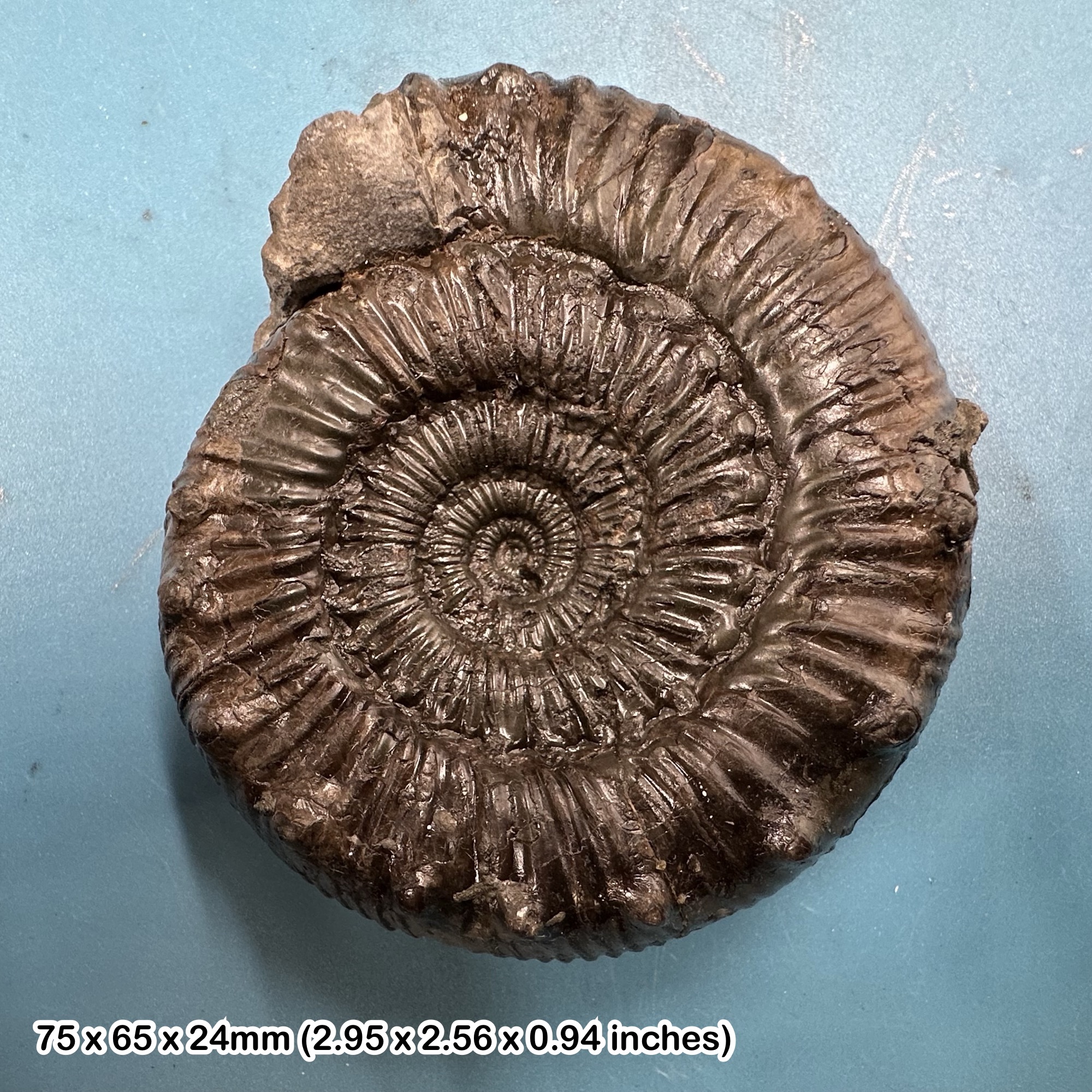
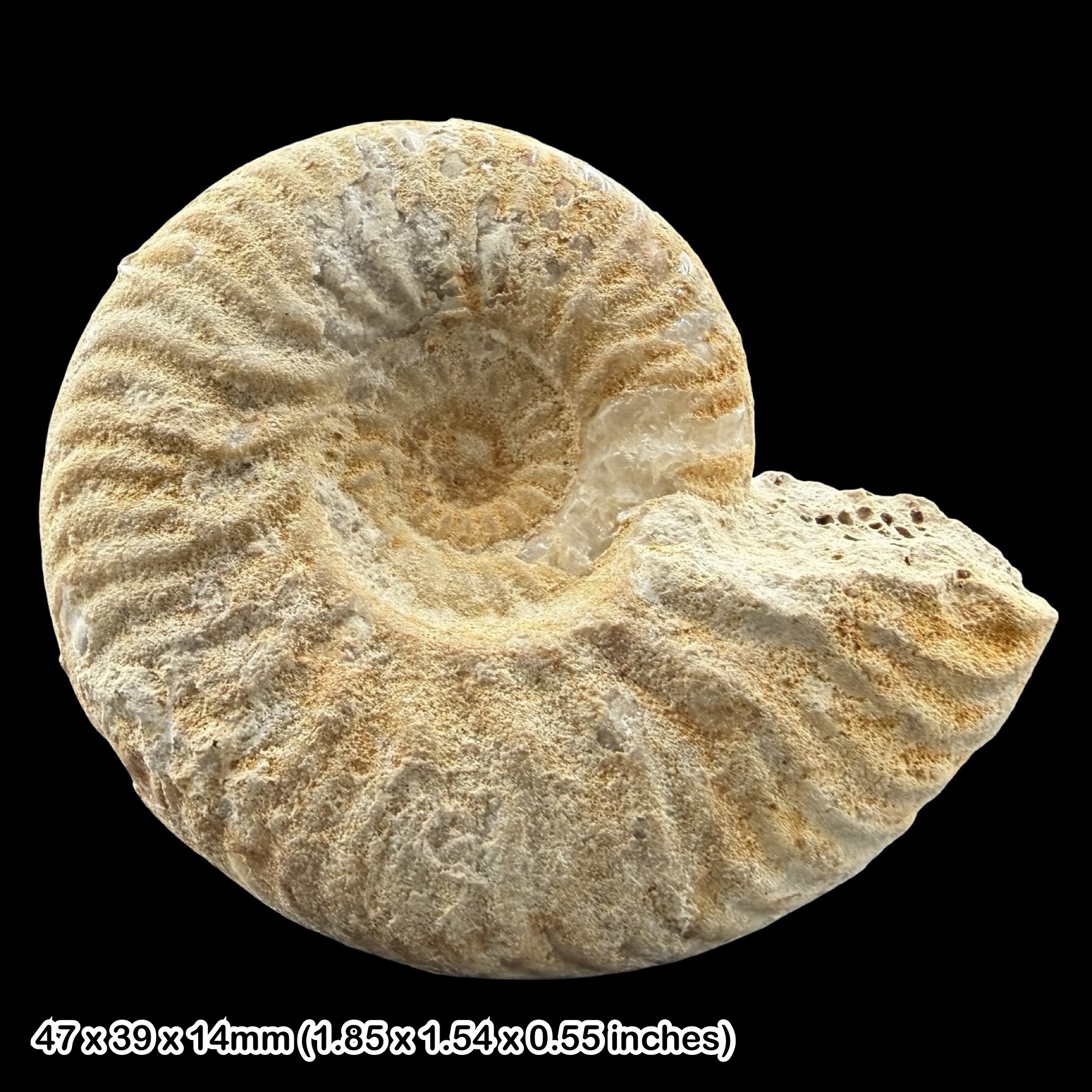
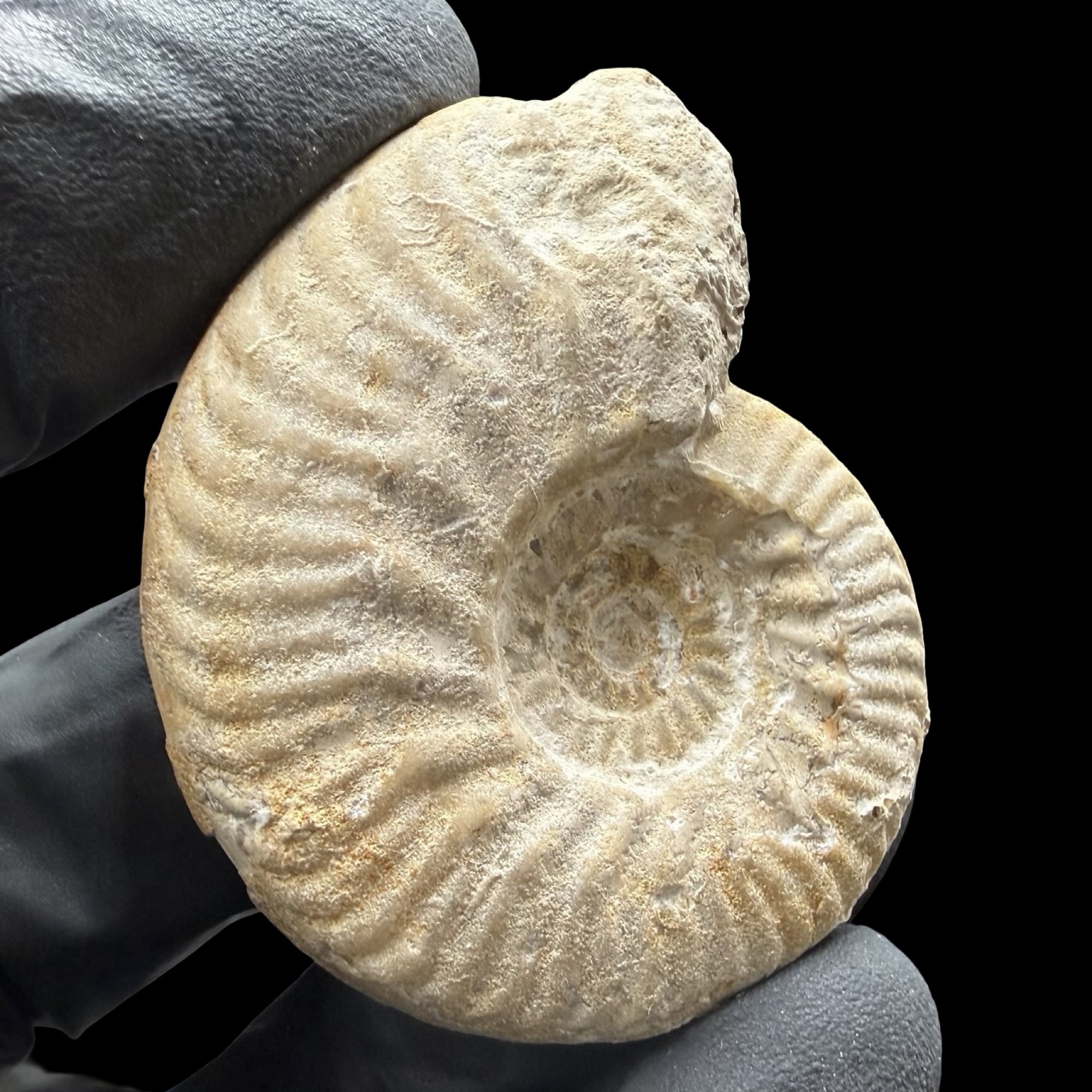
dating to the Middle Jurassic, Lower Bajocian. This carefully chosen fossil specimen is a desirable piece for collectors of Jurassic ammonites, French fossils, extinct marine cephalopods, natural history specimens, and scientifically labelled display fossils.The photograph shows the actual fossil you will receive, allowing you to view the individual preservation, surface detail, colour, shell form, matrix, and natural character of this specific specimen before purchase. Full sizing details can be seen in the photo. This fossil includes a Certificate of Authenticity lifetime guarantee generic card, confirming it as a genuine specimen. FOSSIL TYPE, SPECIES AND SCIENTIFIC CLASSIFICATIONPseudographoceras litteratum is an ammonite, an extinct marine cephalopod belonging to the order Ammonitida. Ammonites were related to modern squid, cuttlefish, octopus, and nautilus, and are among the most recognisable fossils of the Jurassic Period. Their coiled shells, varied ornamentation, and rapid evolutionary changes make them important fossils for palaeontology and highly collectable as natural history specimens.This fossil belongs to the genus Pseudographoceras and the species Pseudographoceras litteratum. The genus is associated with Middle Jurassic ammonite faunas and is of interest to collectors because it represents a named ammonite form from a defined geological interval. Named ammonites are especially appealing because they offer more scientific context than a general ammonite fossil, connecting the specimen to a specific fossil type, age, and region. GEOLOGICAL AGE AND JURASSIC CONTEXTThis specimen dates from the Lower Bajocian, an early part of the Bajocian Stage within the Middle Jurassic. The Bajocian represents a time around 170 million years ago, when ammonites were abundant and diverse in marine environments across Europe. Their shells evolved rapidly, making many ammonite species useful for comparing and dating sedimentary rock layers.During the Lower Bajocian, much of western Europe was covered by shallow epicontinental seas. These marine settings supported ammonites, belemnites, bivalves, brachiopods, gastropods, echinoids, corals, and other invertebrates. Ammonites such as Pseudographoceras litteratum lived as active swimming cephalopods, moving through the water column in ancient Jurassic seas.After death, the ammonite shell could settle onto the sea floor and become buried by sediment. Over millions of years, mineralisation, compaction, and geological alteration preserved the shell form as a fossil. The resulting specimen is a natural record of marine life from the Middle Jurassic. FRENCH LOCALITY AND DEPOSITIONAL ENVIRONMENTFrance has many important Jurassic fossil localities, with marine sedimentary rocks that preserve ammonites and other sea life from the Mesozoic Era. French Jurassic ammonites are valued by collectors for their classic European provenance, scientific interest, and strong association with well-studied fossil-bearing strata.The marine deposits that produce ammonites of this age generally formed in warm, shallow sea conditions. Fine sediment, carbonate-rich material, and changing sea levels all helped create environments where shells could be buried and fossilised. These conditions allowed ammonites to become preserved as natural fossils, sometimes retaining shell ornamentation, whorl shape, surface texture, and mineral colour variation. AMMONITE MORPHOLOGY AND NATURAL FEATURESPseudographoceras litteratum displays the classic planispiral ammonite form, with the shell coiled in a flat spiral. The whorls represent successive growth stages of the animal, expanding outward as it matured. Depending on preservation, the fossil may show whorl shape, compressed profile, ribbing, shell ornamentation, mineral staining, matrix attachment, and natural surface texture.Ammonite shells were chambered internally, with the living animal occupying the outer body chamber. The internal chambers helped control buoyancy, while the outer shell form and ornamentation are key features used by palaeontologists to compare ammonite species. Natural details such as small fractures, sedimentary contact marks, weathered areas, colour variation, and mineral deposits are part of the fossil’s geological history and add individuality to the specimen. COLLECTING, DISPLAY AND EDUCATIONAL INTERESTThis Pseudographoceras litteratum ammonite fossil is ideal for display in a fossil cabinet, study, classroom, office, natural history collection, or Jurassic fossil arrangement. Its named species identification, Lower Bajocian age, French origin, and classic ammonite form give it strong collecting appeal.It is suitable for collectors interested in French fossils, Jurassic ammonites, extinct cephalopods, marine invertebrates, palaeontology, geology, and educational fossil specimens. The natural spiral shell form gives the fossil immediate visual appeal, while the scientific naming and geological age provide additional interest for those who appreciate well-contextualised specimens. AUTHENTICITY AND SPECIMEN DETAILSThis is a genuine Pseudographoceras litteratum ammonite fossil from France, dating to the Middle Jurassic, Lower Bajocian. It includes a Certificate of Authenticity lifetime guarantee generic card. The photo shows the actual fossil you will receive, and full sizing information can be seen in the photo.
dating to the Middle Jurassic, Lower Bajocian. This carefully chosen fossil specimen is a desirable piece for collectors of Jurassic ammonites, French fossils, extinct marine cephalopods, natural history specimens, and scientifically labelled display fossils.The photograph shows the actual fossil you will receive, allowing you to view the individual preservation, surface detail, colour, shell form, matrix, and natural character of this specific specimen before purchase. Full sizing details can be seen in the photo. This fossil includes a Certificate of Authenticity lifetime guarantee generic card, confirming it as a genuine specimen. FOSSIL TYPE, SPECIES AND SCIENTIFIC CLASSIFICATIONPseudographoceras litteratum is an ammonite, an extinct marine cephalopod belonging to the order Ammonitida. Ammonites were related to modern squid, cuttlefish, octopus, and nautilus, and are among the most recognisable fossils of the Jurassic Period. Their coiled shells, varied ornamentation, and rapid evolutionary changes make them important fossils for palaeontology and highly collectable as natural history specimens.This fossil belongs to the genus Pseudographoceras and the species Pseudographoceras litteratum. The genus is associated with Middle Jurassic ammonite faunas and is of interest to collectors because it represents a named ammonite form from a defined geological interval. Named ammonites are especially appealing because they offer more scientific context than a general ammonite fossil, connecting the specimen to a specific fossil type, age, and region. GEOLOGICAL AGE AND JURASSIC CONTEXTThis specimen dates from the Lower Bajocian, an early part of the Bajocian Stage within the Middle Jurassic. The Bajocian represents a time around 170 million years ago, when ammonites were abundant and diverse in marine environments across Europe. Their shells evolved rapidly, making many ammonite species useful for comparing and dating sedimentary rock layers.During the Lower Bajocian, much of western Europe was covered by shallow epicontinental seas. These marine settings supported ammonites, belemnites, bivalves, brachiopods, gastropods, echinoids, corals, and other invertebrates. Ammonites such as Pseudographoceras litteratum lived as active swimming cephalopods, moving through the water column in ancient Jurassic seas.After death, the ammonite shell could settle onto the sea floor and become buried by sediment. Over millions of years, mineralisation, compaction, and geological alteration preserved the shell form as a fossil. The resulting specimen is a natural record of marine life from the Middle Jurassic. FRENCH LOCALITY AND DEPOSITIONAL ENVIRONMENTFrance has many important Jurassic fossil localities, with marine sedimentary rocks that preserve ammonites and other sea life from the Mesozoic Era. French Jurassic ammonites are valued by collectors for their classic European provenance, scientific interest, and strong association with well-studied fossil-bearing strata.The marine deposits that produce ammonites of this age generally formed in warm, shallow sea conditions. Fine sediment, carbonate-rich material, and changing sea levels all helped create environments where shells could be buried and fossilised. These conditions allowed ammonites to become preserved as natural fossils, sometimes retaining shell ornamentation, whorl shape, surface texture, and mineral colour variation. AMMONITE MORPHOLOGY AND NATURAL FEATURESPseudographoceras litteratum displays the classic planispiral ammonite form, with the shell coiled in a flat spiral. The whorls represent successive growth stages of the animal, expanding outward as it matured. Depending on preservation, the fossil may show whorl shape, compressed profile, ribbing, shell ornamentation, mineral staining, matrix attachment, and natural surface texture.Ammonite shells were chambered internally, with the living animal occupying the outer body chamber. The internal chambers helped control buoyancy, while the outer shell form and ornamentation are key features used by palaeontologists to compare ammonite species. Natural details such as small fractures, sedimentary contact marks, weathered areas, colour variation, and mineral deposits are part of the fossil’s geological history and add individuality to the specimen. COLLECTING, DISPLAY AND EDUCATIONAL INTERESTThis Pseudographoceras litteratum ammonite fossil is ideal for display in a fossil cabinet, study, classroom, office, natural history collection, or Jurassic fossil arrangement. Its named species identification, Lower Bajocian age, French origin, and classic ammonite form give it strong collecting appeal.It is suitable for collectors interested in French fossils, Jurassic ammonites, extinct cephalopods, marine invertebrates, palaeontology, geology, and educational fossil specimens. The natural spiral shell form gives the fossil immediate visual appeal, while the scientific naming and geological age provide additional interest for those who appreciate well-contextualised specimens. AUTHENTICITY AND SPECIMEN DETAILSThis is a genuine Pseudographoceras litteratum ammonite fossil from France, dating to the Middle Jurassic, Lower Bajocian. It includes a Certificate of Authenticity lifetime guarantee generic card. The photo shows the actual fossil you will receive, and full sizing information can be seen in the photo.
Other Products