Cadomites Deslongchampsi Ammonite Fossil Jurassic Dorset UK Burton Bradstock Specimen Inferior Oolite with Certificate
£ 36.00
GENUINE CADOMITES DESLONGCHAMPSI AMMONITE FROM BURTON BRADSTOCKThis genuine Cadomites deslongchampsi ammonite fossil comes from the Inferior
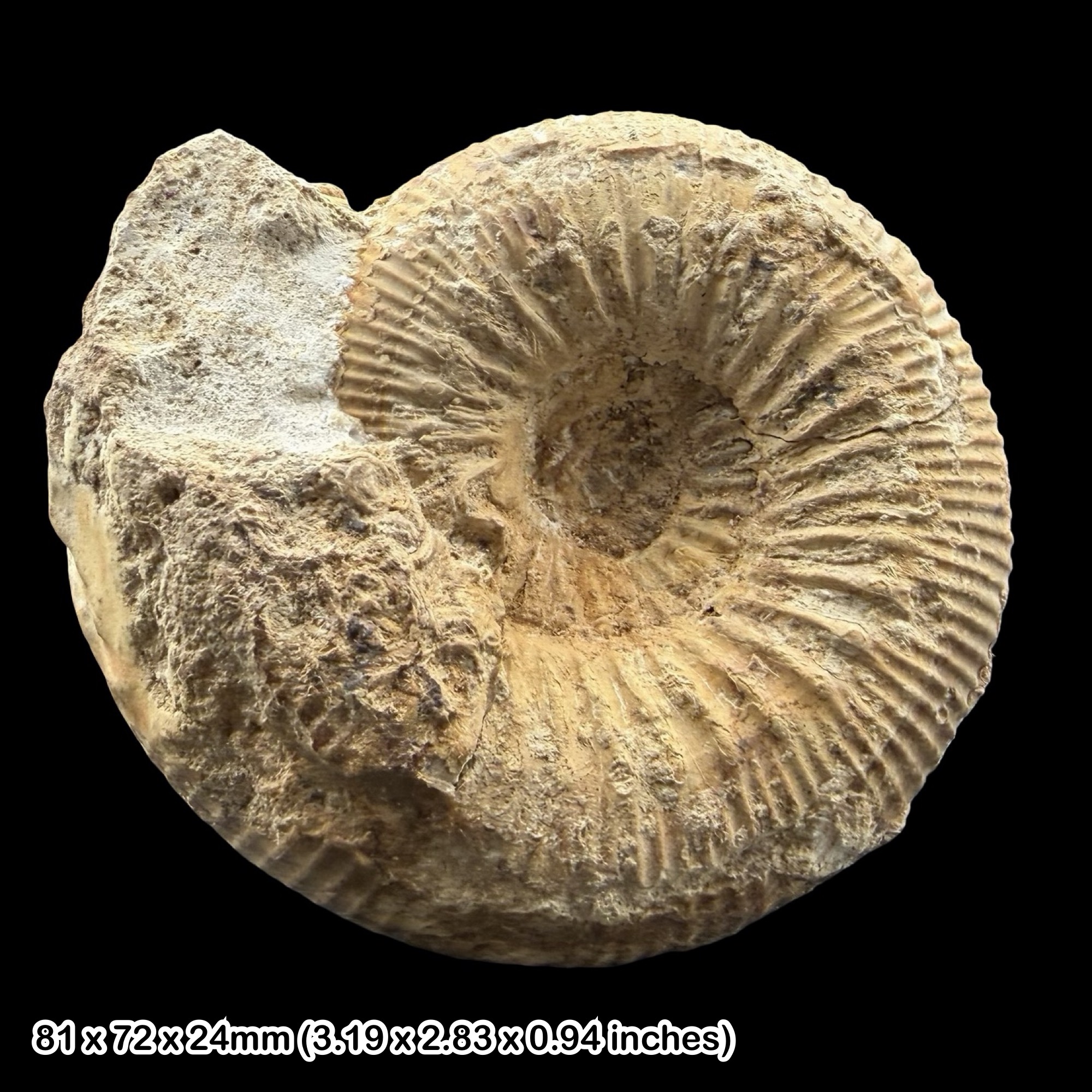
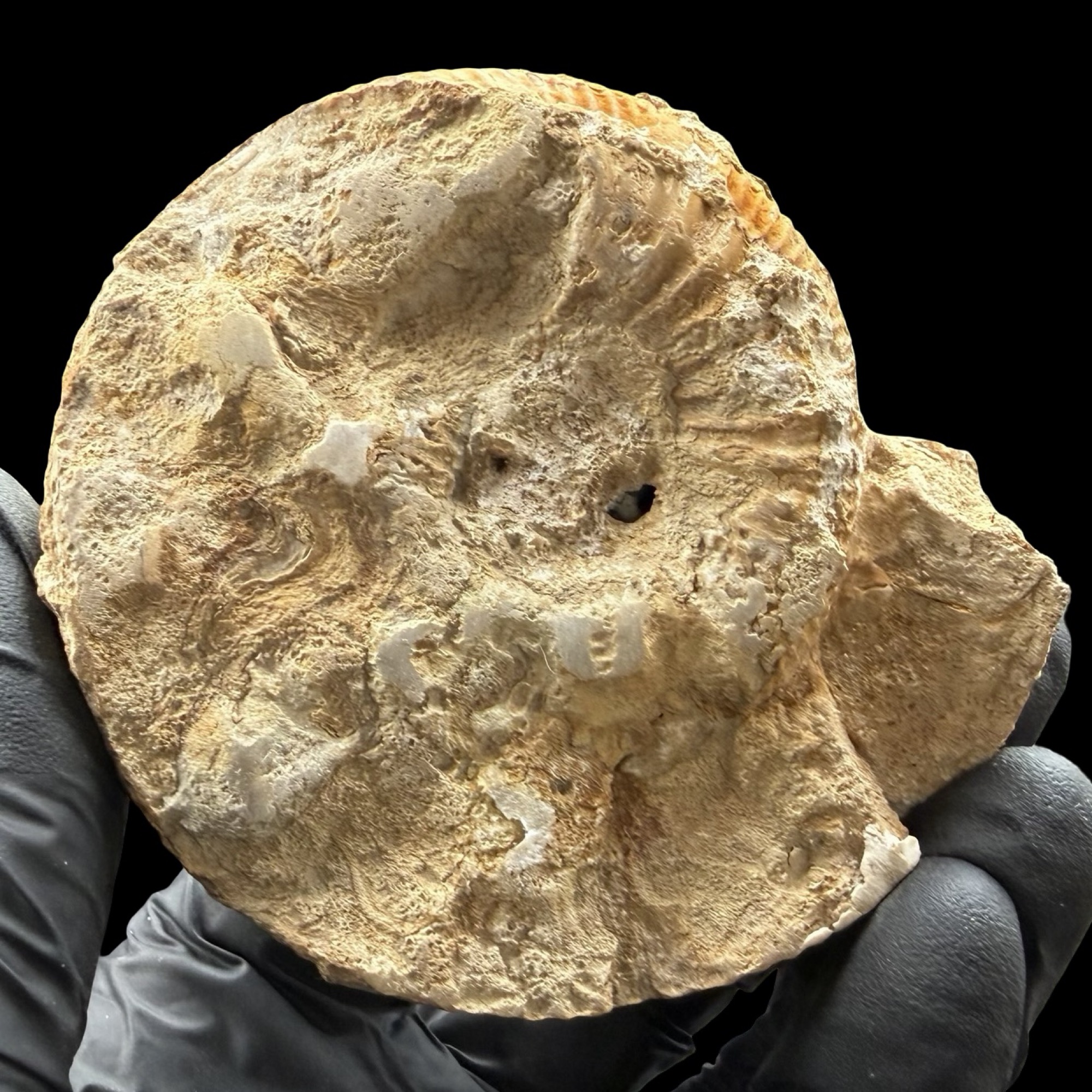
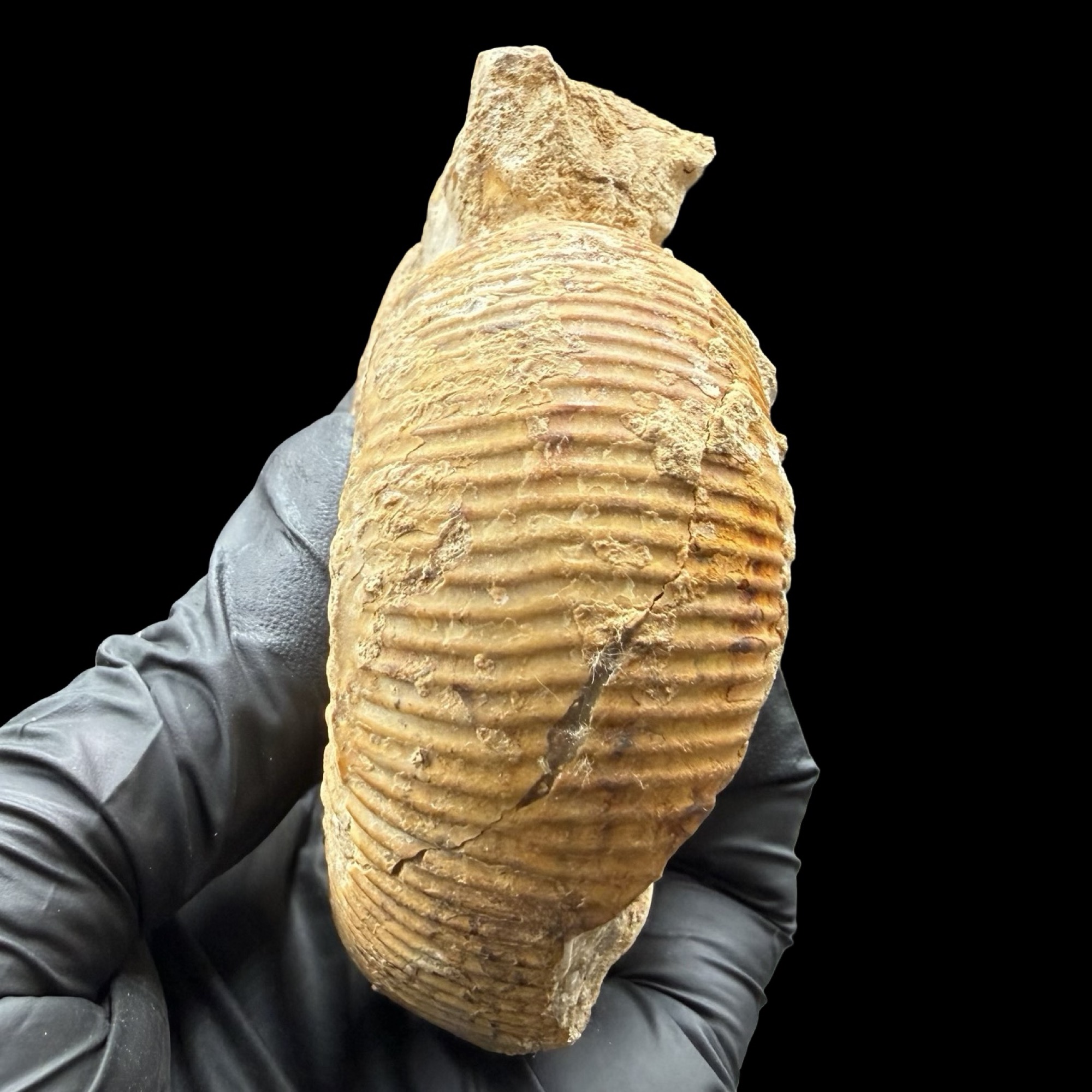
Oolite Formation at Burton Bradstock, Dorset, UK. Dating from the Middle Jurassic, Upper Bajocian to Bathonian interval, this carefully chosen specimen is an attractive and scientifically interesting ammonite from one of the most celebrated fossil-bearing regions of southern England. With its named species identification, classic Jurassic age, and well-known Dorset locality, it is an excellent addition to a fossil cabinet, ammonite collection, educational display, or natural history gift.The photograph shows the actual fossil specimen you will receive, allowing you to view the real preservation, shell form, surface detail, colour, matrix, and natural character before purchase. Full sizing can be seen in the photo, making it easy to assess the scale and display suitability of this individual piece. FOSSIL TYPE, SPECIES AND CLASSIFICATIONCadomites deslongchampsi is an extinct ammonite species belonging to the wider group of coiled marine cephalopod molluscs known as ammonites. Ammonites were related to modern squid, cuttlefish, octopus, and nautilus, although the ammonite lineage itself became extinct at the end of the Cretaceous Period.Cadomites is generally placed within the order Ammonitida, superfamily Stephanoceratoidea, and family Stephanoceratidae. This family includes many robust Middle Jurassic ammonites known for rounded whorls, strong ribbing, and sculptural shell ornament. Cadomites is closely associated with Bajocian and Bathonian ammonite faunas and is valued by collectors because it combines attractive form with useful geological context.The species name deslongchampsi is historically associated with Jurassic ammonite studies and is especially appealing for collectors seeking a named fossil rather than a general ammonite specimen. MORPHOLOGY AND NATURAL FEATURESCadomites ammonites typically display a coiled, planispiral shell, meaning the shell coils in a single flat plane. Many examples have rounded to inflated whorls with pronounced ribbing. The ribs may be strong, regular, slightly curved, or branching across the shell, creating a bold, textured appearance typical of many stephanoceratid ammonites.Like other ammonites, Cadomites had an internally chambered shell. The living animal occupied the outer body chamber, while the earlier chambers helped with buoyancy control in the Jurassic sea. The shell’s whorl shape, rib spacing, ornamentation, and overall coiling pattern are important features used in ammonite identification.Natural features may include preserved shell surface, mineral replacement, exposed whorl detail, sediment staining, matrix attachment, worn high points, partial preservation, or small irregularities from fossilisation. These details are part of the fossil’s authentic geological history and give the specimen its own individual display character. GEOLOGICAL AGE AND INFERIOR OOLITE FORMATIONThis fossil comes from the Middle Jurassic and is listed from the Upper Bajocian to Bathonian interval. This was a time when warm shallow seas covered parts of what are now Dorset and the wider southwest of England. Ammonites, belemnites, brachiopods, bivalves, gastropods, echinoids, fish, and other marine organisms lived in these waters, leaving behind a rich fossil record.The Inferior Oolite Formation is a famous British Jurassic rock unit composed largely of fossiliferous limestones and oolitic sediments. Oolitic limestone forms from tiny rounded carbonate grains called ooids, which developed in warm, shallow marine water where currents rolled carbonate particles across the sea floor. Over millions of years, these sediments hardened into rock, preserving the remains of marine life. BURTON BRADSTOCK AND DORSET JURASSIC COAST LOCALITYBurton Bradstock is a well-known fossil locality near Bridport in Dorset and forms part of the wider Jurassic Coast region. Fossils from this area are highly desirable because they carry strong locality data and a clear connection to one of Britain’s most famous geological coastlines.A Cadomites deslongchampsi ammonite from Burton Bradstock represents a direct link to the Middle Jurassic seas of southern England. The named locality, formation, geological age, and fossil identification make this specimen appealing not only as a decorative fossil, but also as a meaningful geological and palaeontological collectible. GENUINE SPECIMEN WITH CERTIFICATE OF AUTHENTICITYThis Cadomites deslongchampsi ammonite fossil is a genuine specimen and includes a Certificate of Authenticity lifetime guarantee generic card. The certificate provides added confidence for fossil collectors, schools, gift buyers, and anyone building a verified natural history collection.The fossil shown in the photograph is the actual specimen supplied. This means the piece you see is the piece you will receive, complete with its own natural preservation, shell detail, matrix, colour, shape, and individual character. COLLECTING, DISPLAY AND EDUCATIONAL APPEALA Cadomites deslongchampsi ammonite from the Inferior Oolite Formation is an excellent addition to a British Jurassic fossil collection. It pairs well with other Middle Jurassic ammonites, belemnites, bivalves, brachiopods, gastropods, echinoids, and marine fossils from Dorset, Somerset, and the wider Jurassic Coast.With its named species identification, Burton Bradstock locality, Middle Jurassic age, Upper Bajocian to Bathonian context, Inferior Oolite Formation origin, and included Certificate of Authenticity, this fossil offers strong collecting, educational, and decorative appeal.
Oolite Formation at Burton Bradstock, Dorset, UK. Dating from the Middle Jurassic, Upper Bajocian to Bathonian interval, this carefully chosen specimen is an attractive and scientifically interesting ammonite from one of the most celebrated fossil-bearing regions of southern England. With its named species identification, classic Jurassic age, and well-known Dorset locality, it is an excellent addition to a fossil cabinet, ammonite collection, educational display, or natural history gift.The photograph shows the actual fossil specimen you will receive, allowing you to view the real preservation, shell form, surface detail, colour, matrix, and natural character before purchase. Full sizing can be seen in the photo, making it easy to assess the scale and display suitability of this individual piece. FOSSIL TYPE, SPECIES AND CLASSIFICATIONCadomites deslongchampsi is an extinct ammonite species belonging to the wider group of coiled marine cephalopod molluscs known as ammonites. Ammonites were related to modern squid, cuttlefish, octopus, and nautilus, although the ammonite lineage itself became extinct at the end of the Cretaceous Period.Cadomites is generally placed within the order Ammonitida, superfamily Stephanoceratoidea, and family Stephanoceratidae. This family includes many robust Middle Jurassic ammonites known for rounded whorls, strong ribbing, and sculptural shell ornament. Cadomites is closely associated with Bajocian and Bathonian ammonite faunas and is valued by collectors because it combines attractive form with useful geological context.The species name deslongchampsi is historically associated with Jurassic ammonite studies and is especially appealing for collectors seeking a named fossil rather than a general ammonite specimen. MORPHOLOGY AND NATURAL FEATURESCadomites ammonites typically display a coiled, planispiral shell, meaning the shell coils in a single flat plane. Many examples have rounded to inflated whorls with pronounced ribbing. The ribs may be strong, regular, slightly curved, or branching across the shell, creating a bold, textured appearance typical of many stephanoceratid ammonites.Like other ammonites, Cadomites had an internally chambered shell. The living animal occupied the outer body chamber, while the earlier chambers helped with buoyancy control in the Jurassic sea. The shell’s whorl shape, rib spacing, ornamentation, and overall coiling pattern are important features used in ammonite identification.Natural features may include preserved shell surface, mineral replacement, exposed whorl detail, sediment staining, matrix attachment, worn high points, partial preservation, or small irregularities from fossilisation. These details are part of the fossil’s authentic geological history and give the specimen its own individual display character. GEOLOGICAL AGE AND INFERIOR OOLITE FORMATIONThis fossil comes from the Middle Jurassic and is listed from the Upper Bajocian to Bathonian interval. This was a time when warm shallow seas covered parts of what are now Dorset and the wider southwest of England. Ammonites, belemnites, brachiopods, bivalves, gastropods, echinoids, fish, and other marine organisms lived in these waters, leaving behind a rich fossil record.The Inferior Oolite Formation is a famous British Jurassic rock unit composed largely of fossiliferous limestones and oolitic sediments. Oolitic limestone forms from tiny rounded carbonate grains called ooids, which developed in warm, shallow marine water where currents rolled carbonate particles across the sea floor. Over millions of years, these sediments hardened into rock, preserving the remains of marine life. BURTON BRADSTOCK AND DORSET JURASSIC COAST LOCALITYBurton Bradstock is a well-known fossil locality near Bridport in Dorset and forms part of the wider Jurassic Coast region. Fossils from this area are highly desirable because they carry strong locality data and a clear connection to one of Britain’s most famous geological coastlines.A Cadomites deslongchampsi ammonite from Burton Bradstock represents a direct link to the Middle Jurassic seas of southern England. The named locality, formation, geological age, and fossil identification make this specimen appealing not only as a decorative fossil, but also as a meaningful geological and palaeontological collectible. GENUINE SPECIMEN WITH CERTIFICATE OF AUTHENTICITYThis Cadomites deslongchampsi ammonite fossil is a genuine specimen and includes a Certificate of Authenticity lifetime guarantee generic card. The certificate provides added confidence for fossil collectors, schools, gift buyers, and anyone building a verified natural history collection.The fossil shown in the photograph is the actual specimen supplied. This means the piece you see is the piece you will receive, complete with its own natural preservation, shell detail, matrix, colour, shape, and individual character. COLLECTING, DISPLAY AND EDUCATIONAL APPEALA Cadomites deslongchampsi ammonite from the Inferior Oolite Formation is an excellent addition to a British Jurassic fossil collection. It pairs well with other Middle Jurassic ammonites, belemnites, bivalves, brachiopods, gastropods, echinoids, and marine fossils from Dorset, Somerset, and the wider Jurassic Coast.With its named species identification, Burton Bradstock locality, Middle Jurassic age, Upper Bajocian to Bathonian context, Inferior Oolite Formation origin, and included Certificate of Authenticity, this fossil offers strong collecting, educational, and decorative appeal.