Cave Bear Tooth Fossil Pleistocene Romania Genuine COA Ice Age Specimen Rare Collector Display Cioclovina Hateg Mountains
£ 24.00
GENUINE CAVE BEAR TOOTH FOSSIL FROM ROMANIAThis listing is for a genuine fossil cave bear tooth from the Devensian,
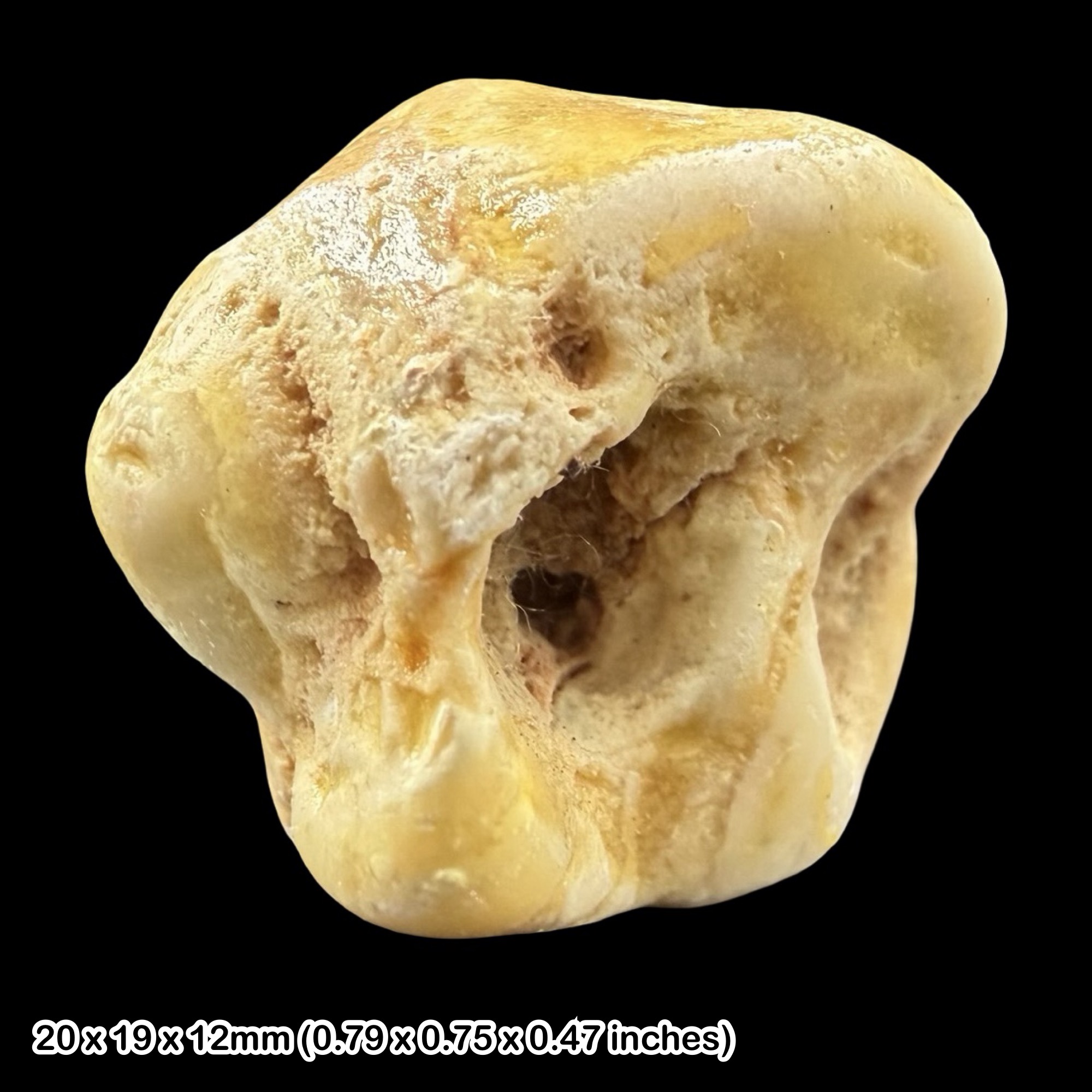
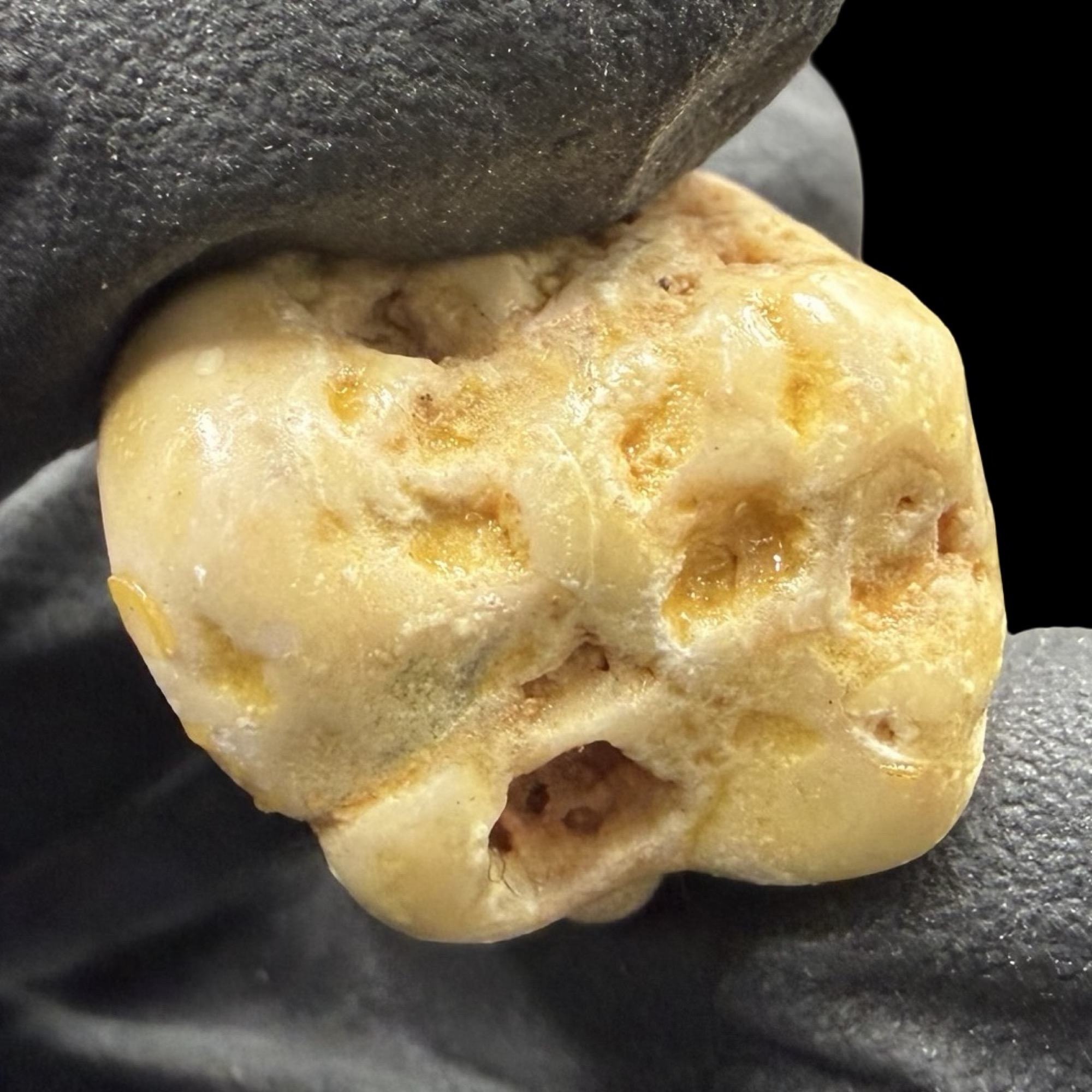
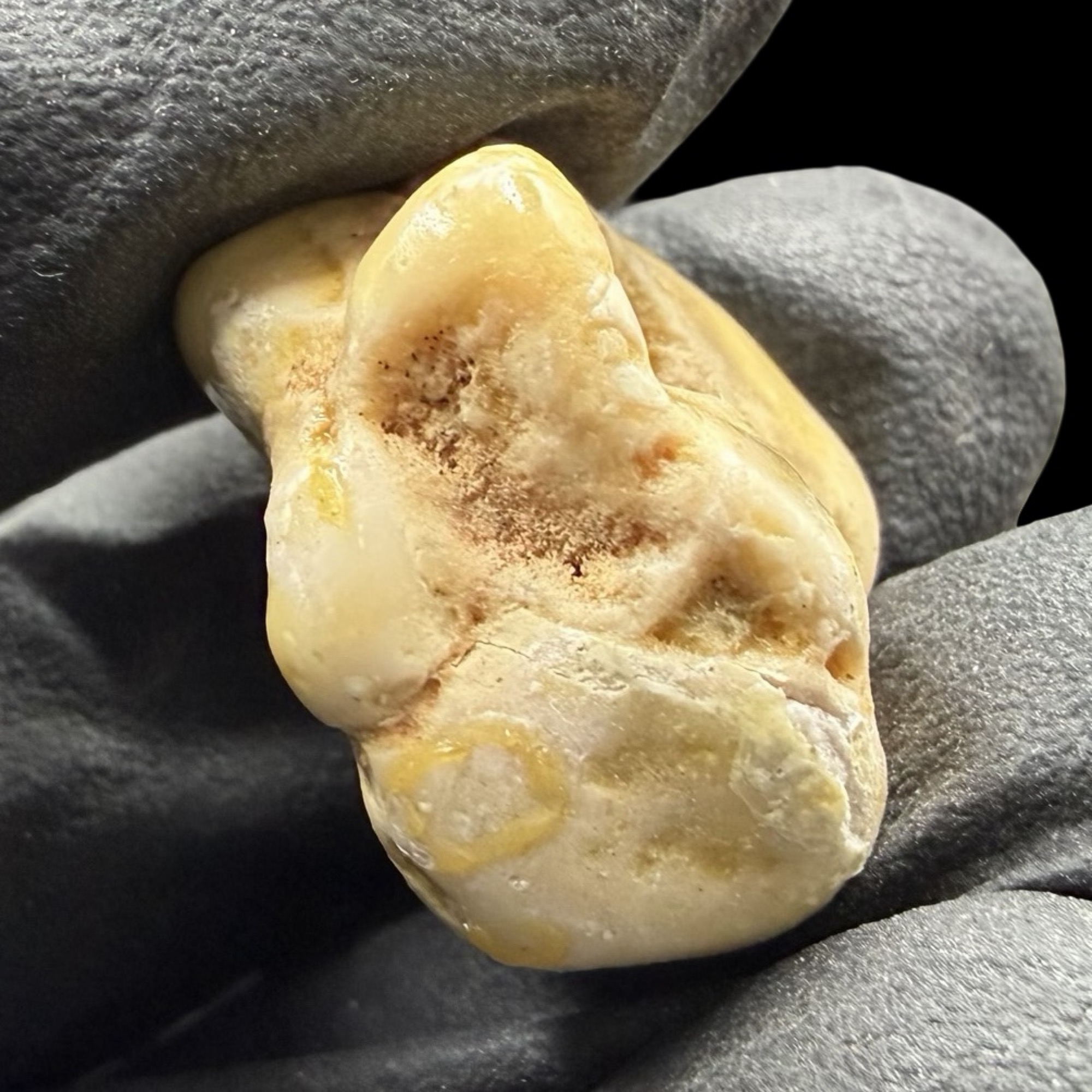
Pleistocene deposits of Cioclovina in the Hateg Mountains, Romania. This carefully chosen fossil specimen has been selected for its natural prehistoric interest, Ice Age association, and strong collector display appeal. The photograph shows the actual fossil you will receive, allowing you to view the individual shape, colour, preservation, wear, texture, and natural character of the specimen before purchase.This fossil includes a Certificate of Authenticity lifetime guarantee generic card, confirming that it is a genuine fossil specimen and not a modern replica. Full sizing information can be seen in the listing photograph. FOSSIL TYPE AND PREHISTORIC ANIMALThis specimen is a fossil tooth from a cave bear, an extinct Ice Age bear most commonly associated with Ursus spelaeus and closely related cave bear forms. Cave bears belonged to the mammalian order Carnivora, family Ursidae, the same family as modern bears. Although they were powerful animals with large bodies and strong jaws, many studies of cave bear teeth and skulls suggest that they were largely herbivorous or omnivorous, feeding on plant material, roots, vegetation, and other available foods depending on season and habitat.Fossil teeth are especially collectable because they are among the most durable parts of an animal’s skeleton. Enamel is hard and resistant, allowing teeth to survive long after other skeletal material has weathered away. A cave bear tooth is a fascinating Ice Age fossil because it represents a direct part of the feeding anatomy of one of Europe’s most iconic extinct mammals. GEOLOGICAL AGE AND PLEISTOCENE SETTINGThis fossil dates from the Pleistocene Epoch, specifically the Devensian, the last major glacial stage in Britain and north-west Europe. The Devensian broadly corresponds to the later part of the last Ice Age, when climates shifted between cold glacial periods and milder intervals. During this time, Europe was home to a remarkable range of large mammals, including cave bears, woolly mammoths, woolly rhinoceros, horses, deer, bison, wolves, cave lions, and hyenas.The Cioclovina area in the Hateg Mountains of Romania is known for cave and mountain deposits linked to Ice Age faunas. Caves often created ideal preservation environments because bones and teeth could accumulate, become protected from surface weathering, and gradually fossilise within sediment. Cave bear remains are particularly associated with cave systems, where these animals often sheltered, hibernated, and sometimes died. TOOTH STRUCTURE AND NATURAL FEATURESA fossil cave bear tooth may show enamel, dentine, root structure, crown shape, natural wear surfaces, mineral staining, and fossilised texture caused by long-term burial. The form of the tooth reflects its role in the animal’s diet and jaw mechanics. Depending on the tooth type, cave bear teeth could be adapted for gripping, cutting, crushing, or grinding food.The natural wear on a fossil tooth is one of its most interesting features. It records real use during the animal’s lifetime, preserving evidence of feeding behaviour and age-related wear. Over thousands of years, minerals from the surrounding sediment gradually entered the tooth structure, helping preserve it as a genuine fossil from the Pleistocene. COLLECTOR APPEAL AND DISPLAY VALUEThis fossil cave bear tooth from Cioclovina, Hateg Mountains, Romania is ideal for collectors interested in Ice Age fossils, Pleistocene mammals, fossil teeth, cave bear remains, extinct European megafauna, vertebrate fossils, natural history specimens, and genuine fossils with certificates. Its association with one of the most famous prehistoric bears gives it strong educational and display value.The fossil would make an excellent addition to a fossil cabinet, Ice Age collection, natural history display, geology teaching set, classroom resource, or prehistoric mammal collection. It is also a thoughtful gift for fossil enthusiasts, students, teachers, and anyone interested in extinct mammals, ancient environments, cave deposits, and European Ice Age history. AUTHENTICITY AND SPECIMEN INFORMATIONYou will receive the actual cave bear tooth fossil shown in the photograph, not a stock image or random example. Please see the photo for full sizing and visual condition.This genuine fossil is supplied with a Certificate of Authenticity lifetime guarantee generic card, making it a reliable and collectable specimen for anyone seeking a real Pleistocene cave bear tooth fossil from Romania with strong natural history interest, educational value, and attractive display potential.
Pleistocene deposits of Cioclovina in the Hateg Mountains, Romania. This carefully chosen fossil specimen has been selected for its natural prehistoric interest, Ice Age association, and strong collector display appeal. The photograph shows the actual fossil you will receive, allowing you to view the individual shape, colour, preservation, wear, texture, and natural character of the specimen before purchase.This fossil includes a Certificate of Authenticity lifetime guarantee generic card, confirming that it is a genuine fossil specimen and not a modern replica. Full sizing information can be seen in the listing photograph. FOSSIL TYPE AND PREHISTORIC ANIMALThis specimen is a fossil tooth from a cave bear, an extinct Ice Age bear most commonly associated with Ursus spelaeus and closely related cave bear forms. Cave bears belonged to the mammalian order Carnivora, family Ursidae, the same family as modern bears. Although they were powerful animals with large bodies and strong jaws, many studies of cave bear teeth and skulls suggest that they were largely herbivorous or omnivorous, feeding on plant material, roots, vegetation, and other available foods depending on season and habitat.Fossil teeth are especially collectable because they are among the most durable parts of an animal’s skeleton. Enamel is hard and resistant, allowing teeth to survive long after other skeletal material has weathered away. A cave bear tooth is a fascinating Ice Age fossil because it represents a direct part of the feeding anatomy of one of Europe’s most iconic extinct mammals. GEOLOGICAL AGE AND PLEISTOCENE SETTINGThis fossil dates from the Pleistocene Epoch, specifically the Devensian, the last major glacial stage in Britain and north-west Europe. The Devensian broadly corresponds to the later part of the last Ice Age, when climates shifted between cold glacial periods and milder intervals. During this time, Europe was home to a remarkable range of large mammals, including cave bears, woolly mammoths, woolly rhinoceros, horses, deer, bison, wolves, cave lions, and hyenas.The Cioclovina area in the Hateg Mountains of Romania is known for cave and mountain deposits linked to Ice Age faunas. Caves often created ideal preservation environments because bones and teeth could accumulate, become protected from surface weathering, and gradually fossilise within sediment. Cave bear remains are particularly associated with cave systems, where these animals often sheltered, hibernated, and sometimes died. TOOTH STRUCTURE AND NATURAL FEATURESA fossil cave bear tooth may show enamel, dentine, root structure, crown shape, natural wear surfaces, mineral staining, and fossilised texture caused by long-term burial. The form of the tooth reflects its role in the animal’s diet and jaw mechanics. Depending on the tooth type, cave bear teeth could be adapted for gripping, cutting, crushing, or grinding food.The natural wear on a fossil tooth is one of its most interesting features. It records real use during the animal’s lifetime, preserving evidence of feeding behaviour and age-related wear. Over thousands of years, minerals from the surrounding sediment gradually entered the tooth structure, helping preserve it as a genuine fossil from the Pleistocene. COLLECTOR APPEAL AND DISPLAY VALUEThis fossil cave bear tooth from Cioclovina, Hateg Mountains, Romania is ideal for collectors interested in Ice Age fossils, Pleistocene mammals, fossil teeth, cave bear remains, extinct European megafauna, vertebrate fossils, natural history specimens, and genuine fossils with certificates. Its association with one of the most famous prehistoric bears gives it strong educational and display value.The fossil would make an excellent addition to a fossil cabinet, Ice Age collection, natural history display, geology teaching set, classroom resource, or prehistoric mammal collection. It is also a thoughtful gift for fossil enthusiasts, students, teachers, and anyone interested in extinct mammals, ancient environments, cave deposits, and European Ice Age history. AUTHENTICITY AND SPECIMEN INFORMATIONYou will receive the actual cave bear tooth fossil shown in the photograph, not a stock image or random example. Please see the photo for full sizing and visual condition.This genuine fossil is supplied with a Certificate of Authenticity lifetime guarantee generic card, making it a reliable and collectable specimen for anyone seeking a real Pleistocene cave bear tooth fossil from Romania with strong natural history interest, educational value, and attractive display potential.