Rough Fuchsite Green Mica Crystal Natural Mineral Specimen with COA Display Stone Genuine Collectible Rock Decor Gift
£ 12.60
GENUINE ROUGH FUCHSITE CRYSTAL SPECIMENThis Rough Fuchsite crystal is a genuine natural mineral specimen, carefully
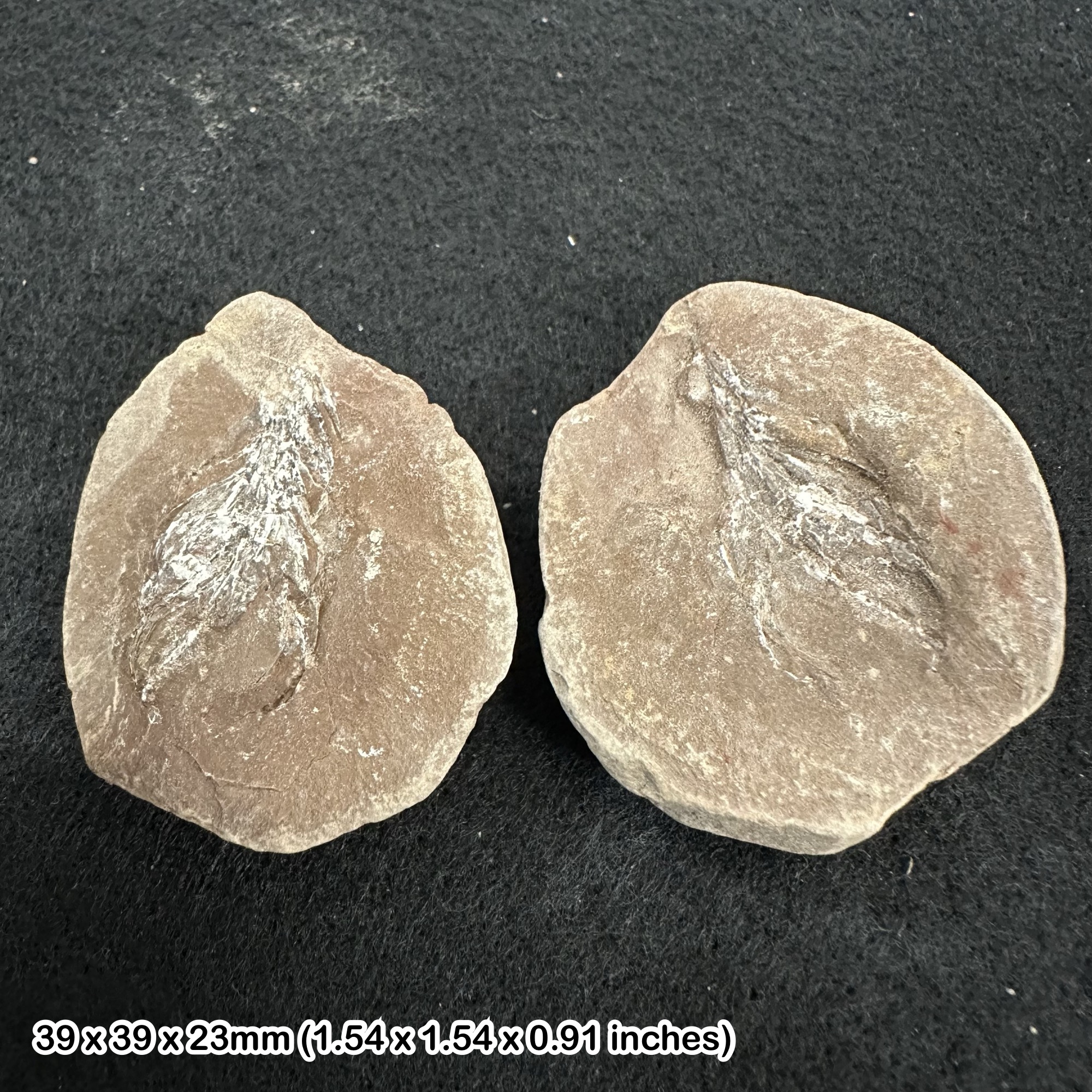
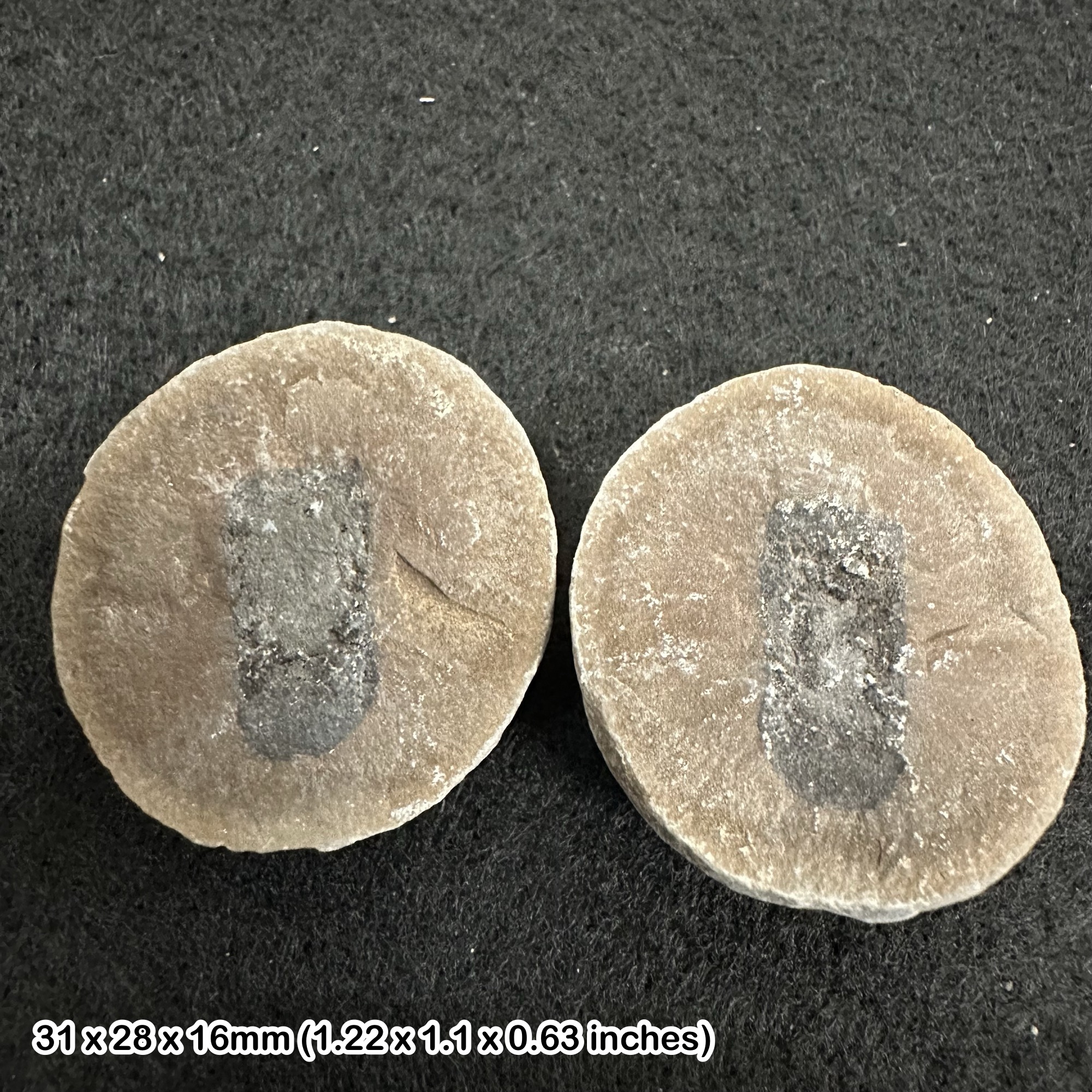
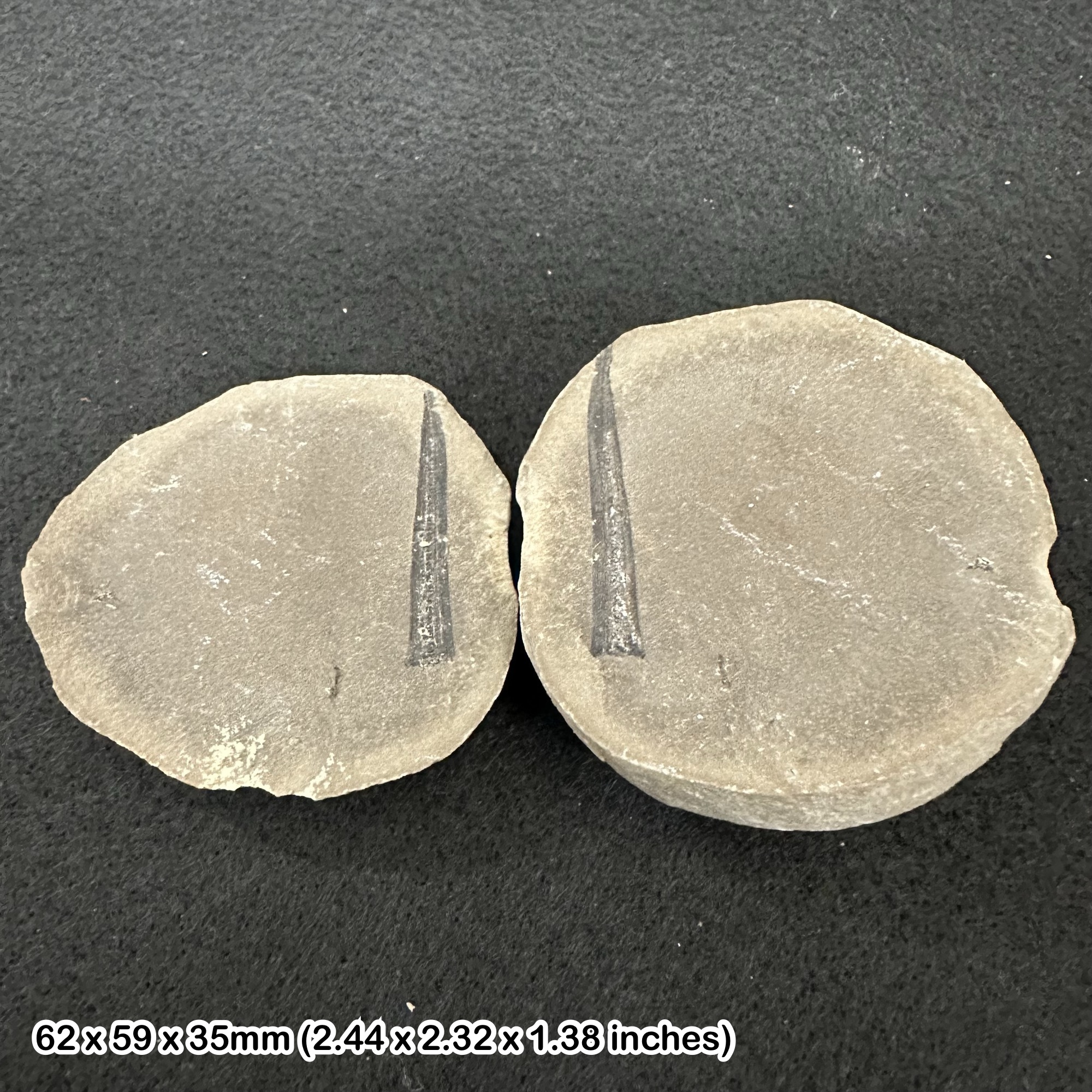
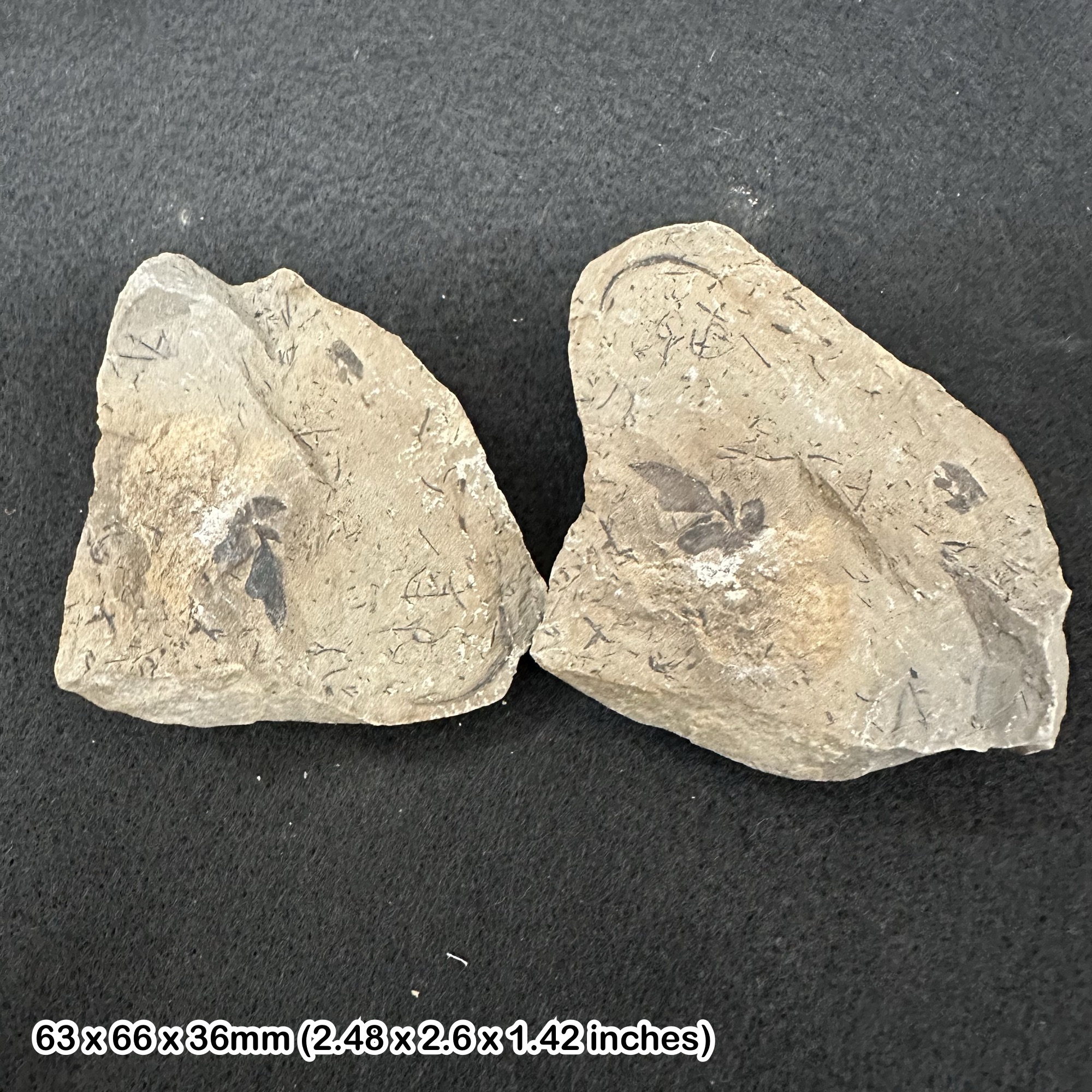
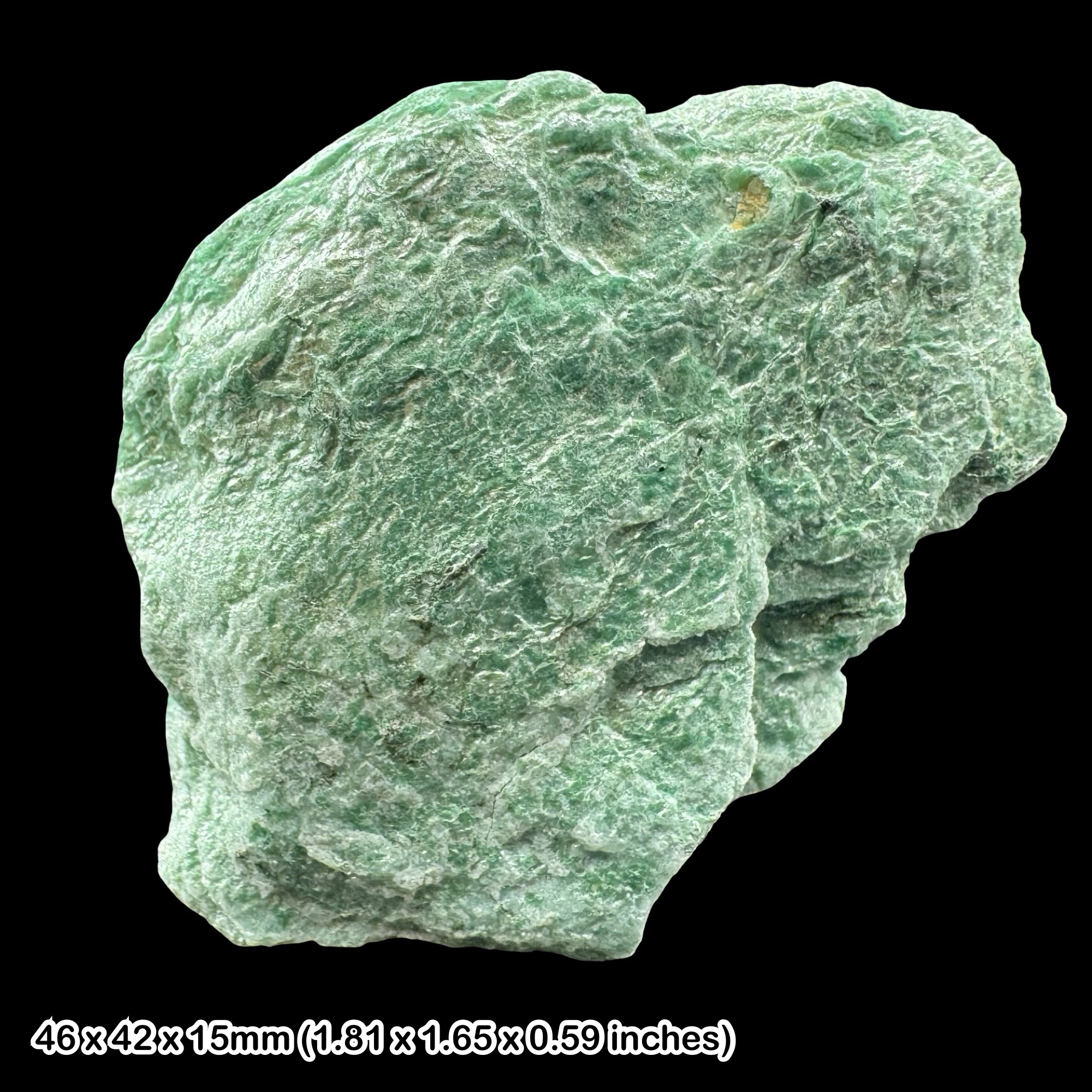
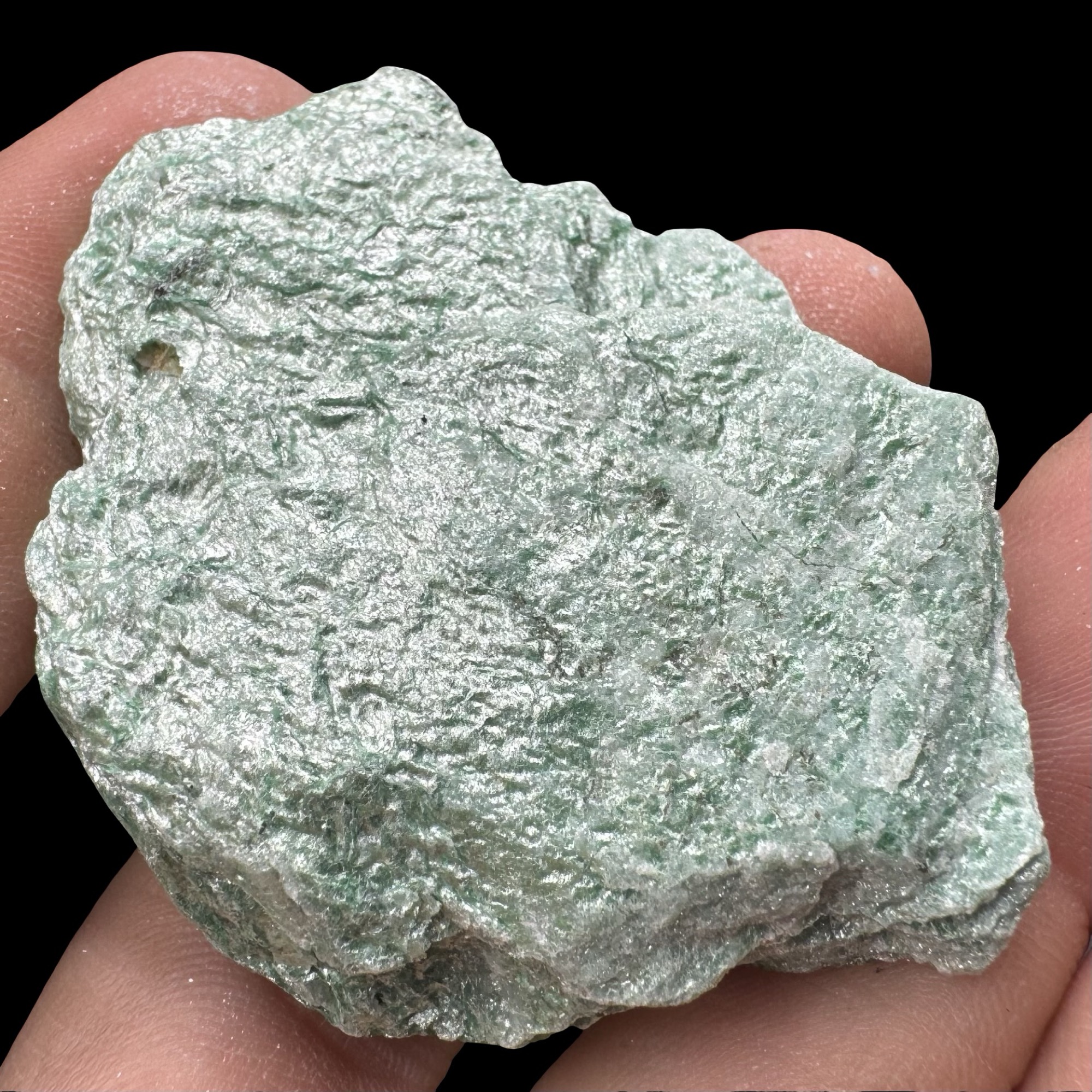
selected for its attractive green colour, natural texture, and display quality. Fuchsite is the chromium-rich green variety of muscovite mica, admired by collectors for its shimmering surface, leafy crystal structure, and distinctive green tones. This rough specimen has not been shaped into a polished form, allowing the natural mineral habit, texture, and geological character of the stone to remain visible.This crystal includes a Certificate of Authenticity lifetime guarantee generic card, confirming it as a genuine specimen. The photograph shows the actual Rough Fuchsite you will receive, allowing you to view the real colour, shape, surface texture, and natural features before purchase. Full sizing details can be seen in the photo. CRYSTAL TYPE AND MINERAL SPECIESFuchsite is a variety of muscovite, a potassium aluminium silicate mineral belonging to the mica group. Its green colour is caused by chromium replacing some of the aluminium within the mineral structure. This chromium content gives Fuchsite its characteristic shades of light green, silver-green, emerald-green, apple-green, and sometimes deeper forest-green colouration.Mica minerals are known for their excellent basal cleavage, meaning they naturally split into thin, flexible sheets or flakes. Fuchsite commonly forms as flaky, platy, foliated, scaly, or layered aggregates rather than as large individual crystals. These natural mica plates can create a sparkling or pearly appearance when light reflects from the surface. This reflective quality is one of the most recognisable visual traits of Fuchsite and makes it an attractive mineral for display and collection. GEOLOGICAL FORMATION AND ORIGIN ENVIRONMENTFuchsite usually forms in metamorphic rocks, especially where chromium-bearing minerals are present during regional or contact metamorphism. It can occur in altered ultramafic rocks, quartz-rich metamorphic rocks, schists, and mica-bearing mineral assemblages. During metamorphism, heat, pressure, and chemically active fluids alter pre-existing rocks and allow new minerals to form. Where chromium is available, muscovite can develop the green colour that defines Fuchsite.Fuchsite is often associated with minerals such as quartz, kyanite, corundum, chlorite, talc, and other metamorphic minerals depending on its geological setting. In some deposits, Fuchsite may occur as green mica within quartzite or schist, producing attractive contrast between shimmering green mica and paler surrounding rock. Its formation reflects complex geological processes involving pressure, temperature, fluid movement, and chemical alteration deep within the Earth’s crust. COLOUR, TEXTURE AND NATURAL FEATURESThis Rough Fuchsite specimen displays the natural character expected from a mica-group mineral. The surface may show sparkling mica flakes, layered textures, platy crystal faces, silvery reflections, green colour zoning, and natural irregularities formed during geological growth. Its colour can vary across the specimen, with areas appearing pale green, bright green, or silver-green depending on lighting and angle.As a rough crystal specimen, it may have uneven edges, natural fractures, matrix areas, and delicate flaky surfaces. These features are part of the mineral’s original geological form and are highly valued by many collectors who prefer unpolished specimens that show natural structure. Fuchsite’s pearly to vitreous lustre and scaly mica texture give it a distinctive appearance among green minerals. COLLECTING, DISPLAY AND GIFT APPEALRough Fuchsite is a popular mineral for collectors because it combines strong colour, interesting mineralogy, and an attractive natural mica texture. It is suitable for collectors of crystals, rocks, minerals, geological specimens, natural history items, and decorative stones. Its green colour and sparkling surface make it eye-catching in a display cabinet, on a shelf, in a study collection, or alongside other minerals such as quartz, calcite, fluorite, pyrite, and agate.This specimen is also a thoughtful gift for anyone interested in Earth science, natural minerals, geology, lapidary materials, or unusual decorative rocks. Because it is a rough specimen, it offers a more natural presentation than a shaped or polished stone, making it especially appealing to collectors who enjoy minerals in their original form. AUTHENTICITY AND SPECIMEN DETAILSThis is a genuine Rough Fuchsite crystal specimen and includes a Certificate of Authenticity lifetime guarantee generic card. The piece has been carefully chosen for its colour, natural texture, mineralogical interest, and display appeal. As with all natural rough minerals, variations in shape, surface, colour, mica layering, inclusions, and matrix are part of the specimen’s geological character rather than faults.The photo shows the actual crystal being offered, so the buyer will receive the exact Rough Fuchsite specimen shown. Full sizing information can be seen in the photo, allowing customers to assess the scale, form, and appearance of the piece before purchase.
selected for its attractive green colour, natural texture, and display quality. Fuchsite is the chromium-rich green variety of muscovite mica, admired by collectors for its shimmering surface, leafy crystal structure, and distinctive green tones. This rough specimen has not been shaped into a polished form, allowing the natural mineral habit, texture, and geological character of the stone to remain visible.This crystal includes a Certificate of Authenticity lifetime guarantee generic card, confirming it as a genuine specimen. The photograph shows the actual Rough Fuchsite you will receive, allowing you to view the real colour, shape, surface texture, and natural features before purchase. Full sizing details can be seen in the photo. CRYSTAL TYPE AND MINERAL SPECIESFuchsite is a variety of muscovite, a potassium aluminium silicate mineral belonging to the mica group. Its green colour is caused by chromium replacing some of the aluminium within the mineral structure. This chromium content gives Fuchsite its characteristic shades of light green, silver-green, emerald-green, apple-green, and sometimes deeper forest-green colouration.Mica minerals are known for their excellent basal cleavage, meaning they naturally split into thin, flexible sheets or flakes. Fuchsite commonly forms as flaky, platy, foliated, scaly, or layered aggregates rather than as large individual crystals. These natural mica plates can create a sparkling or pearly appearance when light reflects from the surface. This reflective quality is one of the most recognisable visual traits of Fuchsite and makes it an attractive mineral for display and collection. GEOLOGICAL FORMATION AND ORIGIN ENVIRONMENTFuchsite usually forms in metamorphic rocks, especially where chromium-bearing minerals are present during regional or contact metamorphism. It can occur in altered ultramafic rocks, quartz-rich metamorphic rocks, schists, and mica-bearing mineral assemblages. During metamorphism, heat, pressure, and chemically active fluids alter pre-existing rocks and allow new minerals to form. Where chromium is available, muscovite can develop the green colour that defines Fuchsite.Fuchsite is often associated with minerals such as quartz, kyanite, corundum, chlorite, talc, and other metamorphic minerals depending on its geological setting. In some deposits, Fuchsite may occur as green mica within quartzite or schist, producing attractive contrast between shimmering green mica and paler surrounding rock. Its formation reflects complex geological processes involving pressure, temperature, fluid movement, and chemical alteration deep within the Earth’s crust. COLOUR, TEXTURE AND NATURAL FEATURESThis Rough Fuchsite specimen displays the natural character expected from a mica-group mineral. The surface may show sparkling mica flakes, layered textures, platy crystal faces, silvery reflections, green colour zoning, and natural irregularities formed during geological growth. Its colour can vary across the specimen, with areas appearing pale green, bright green, or silver-green depending on lighting and angle.As a rough crystal specimen, it may have uneven edges, natural fractures, matrix areas, and delicate flaky surfaces. These features are part of the mineral’s original geological form and are highly valued by many collectors who prefer unpolished specimens that show natural structure. Fuchsite’s pearly to vitreous lustre and scaly mica texture give it a distinctive appearance among green minerals. COLLECTING, DISPLAY AND GIFT APPEALRough Fuchsite is a popular mineral for collectors because it combines strong colour, interesting mineralogy, and an attractive natural mica texture. It is suitable for collectors of crystals, rocks, minerals, geological specimens, natural history items, and decorative stones. Its green colour and sparkling surface make it eye-catching in a display cabinet, on a shelf, in a study collection, or alongside other minerals such as quartz, calcite, fluorite, pyrite, and agate.This specimen is also a thoughtful gift for anyone interested in Earth science, natural minerals, geology, lapidary materials, or unusual decorative rocks. Because it is a rough specimen, it offers a more natural presentation than a shaped or polished stone, making it especially appealing to collectors who enjoy minerals in their original form. AUTHENTICITY AND SPECIMEN DETAILSThis is a genuine Rough Fuchsite crystal specimen and includes a Certificate of Authenticity lifetime guarantee generic card. The piece has been carefully chosen for its colour, natural texture, mineralogical interest, and display appeal. As with all natural rough minerals, variations in shape, surface, colour, mica layering, inclusions, and matrix are part of the specimen’s geological character rather than faults.The photo shows the actual crystal being offered, so the buyer will receive the exact Rough Fuchsite specimen shown. Full sizing information can be seen in the photo, allowing customers to assess the scale, form, and appearance of the piece before purchase.
Other Products