Malacholla Freeform Chrysocolla & Malachite Crystal Specimen with COA Display Stone Decor Gift
£ 17.40
GENUINE MALACHOLLA FREEFORM CRYSTAL SPECIMENThis Malacholla Freeform is a genuine natural crystal specimen, carefully
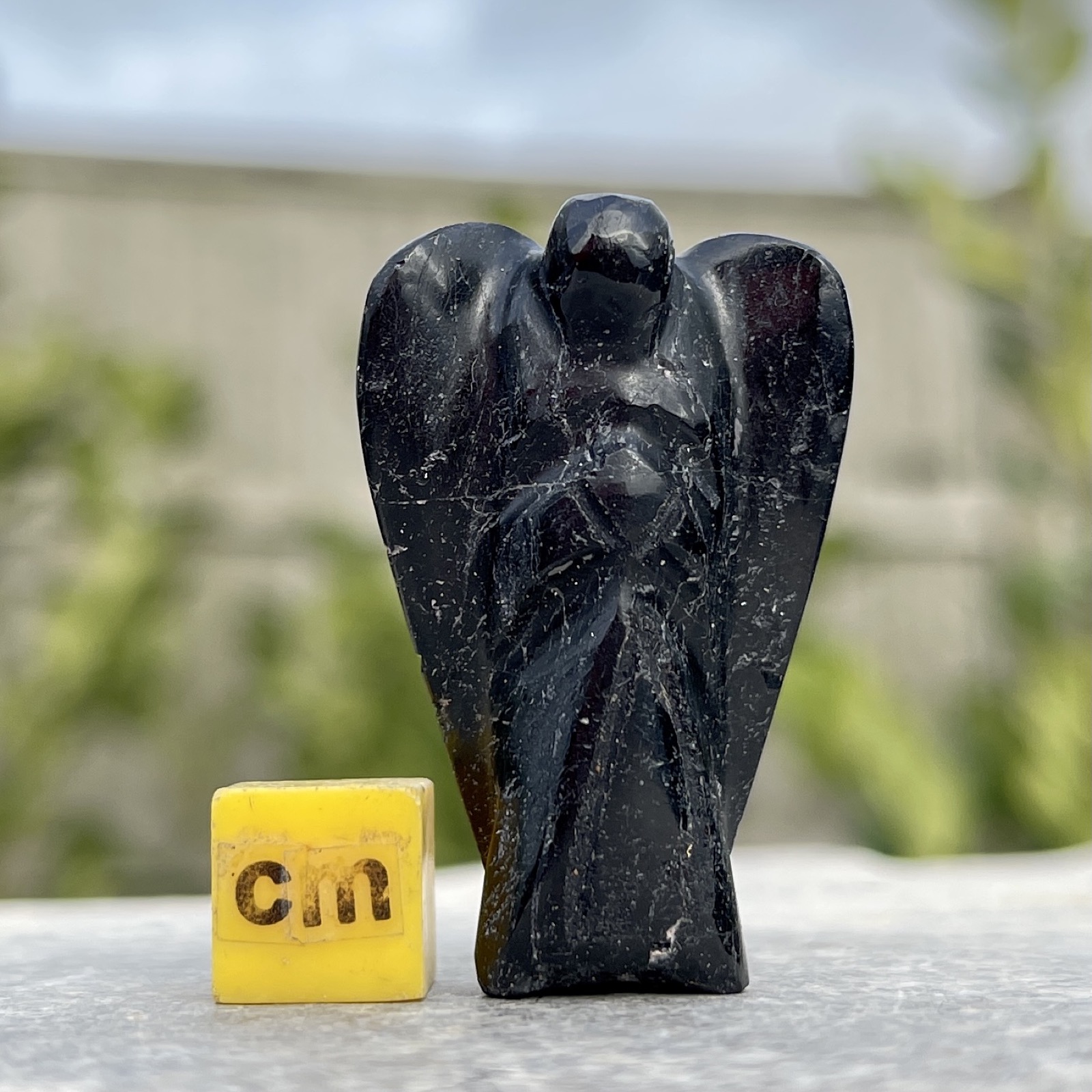
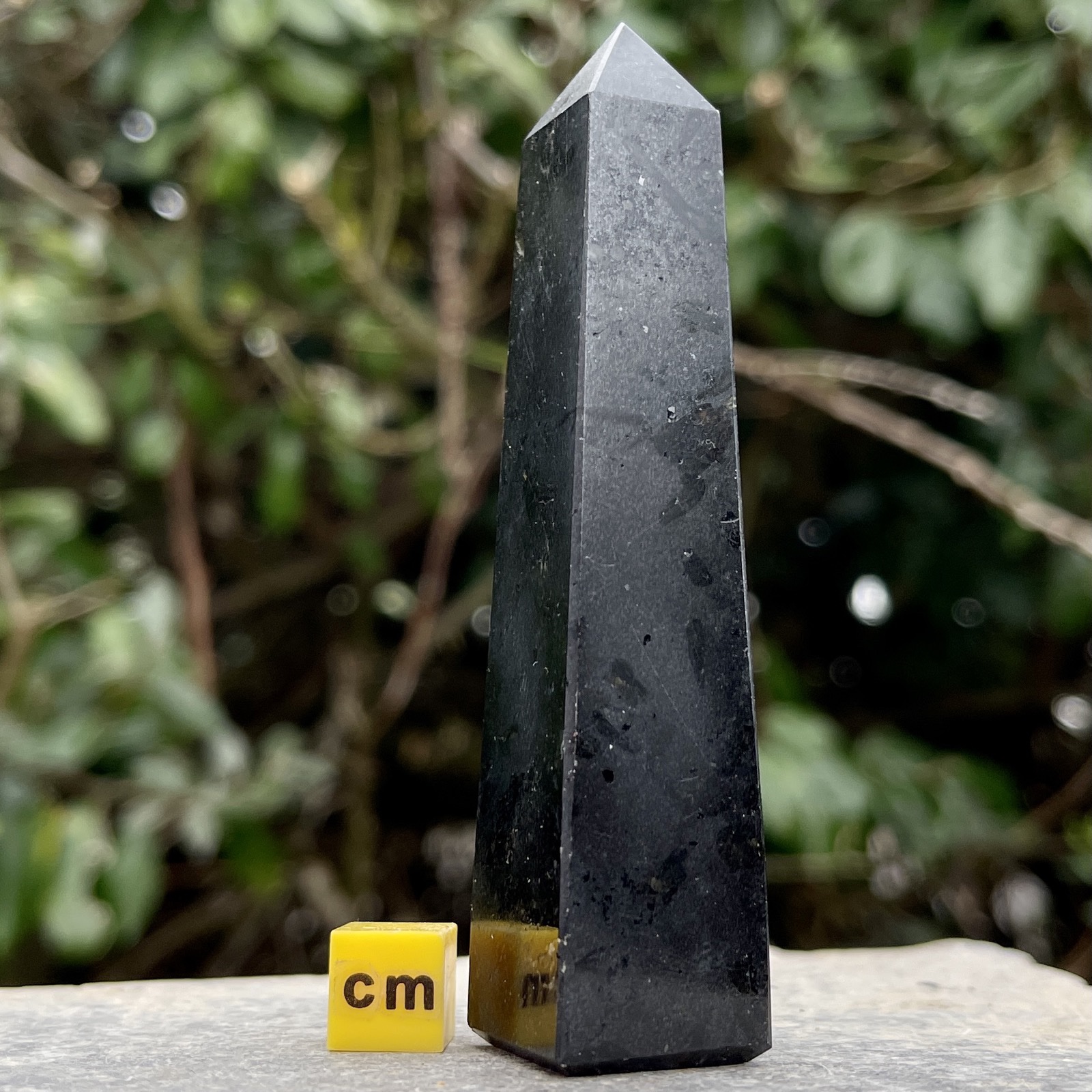
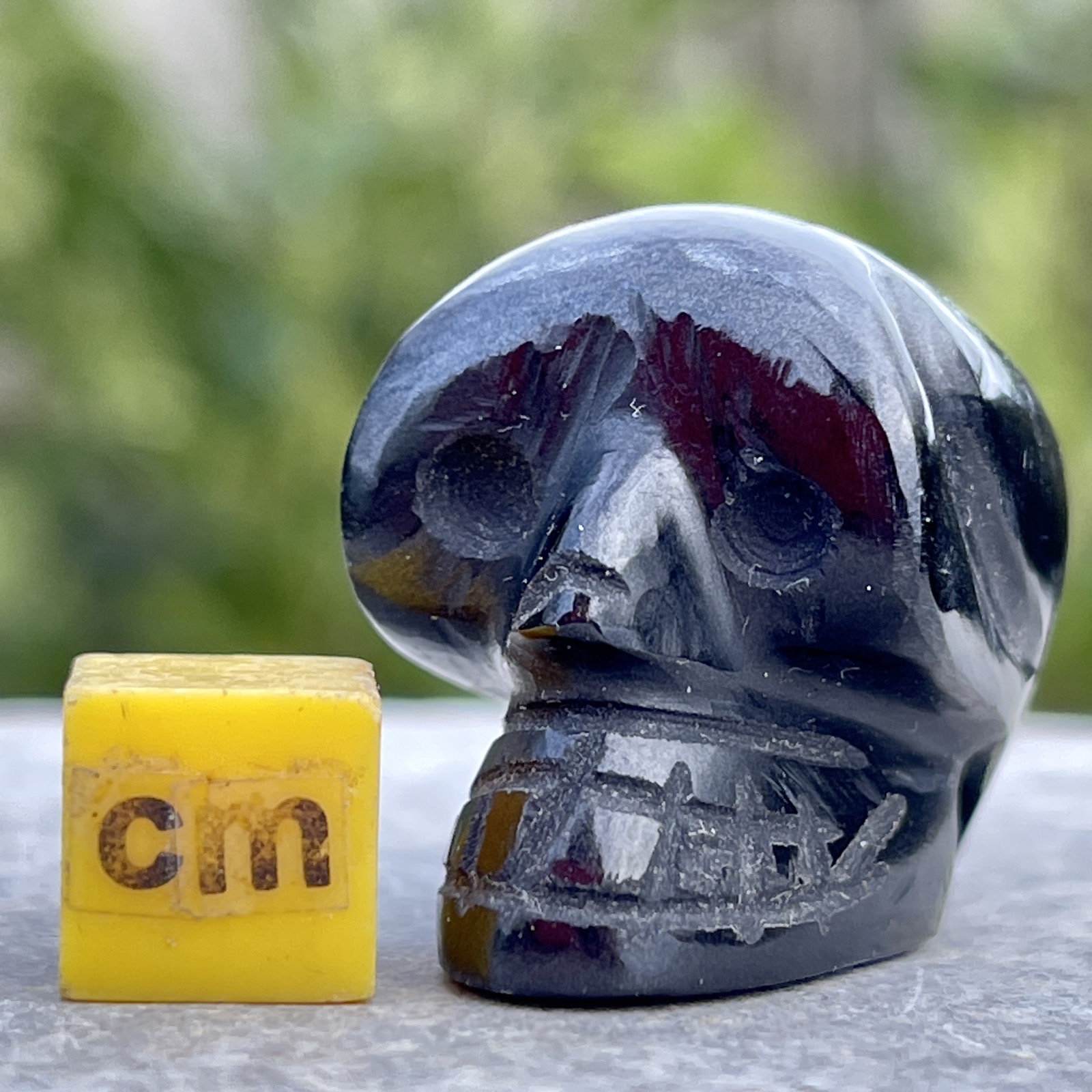
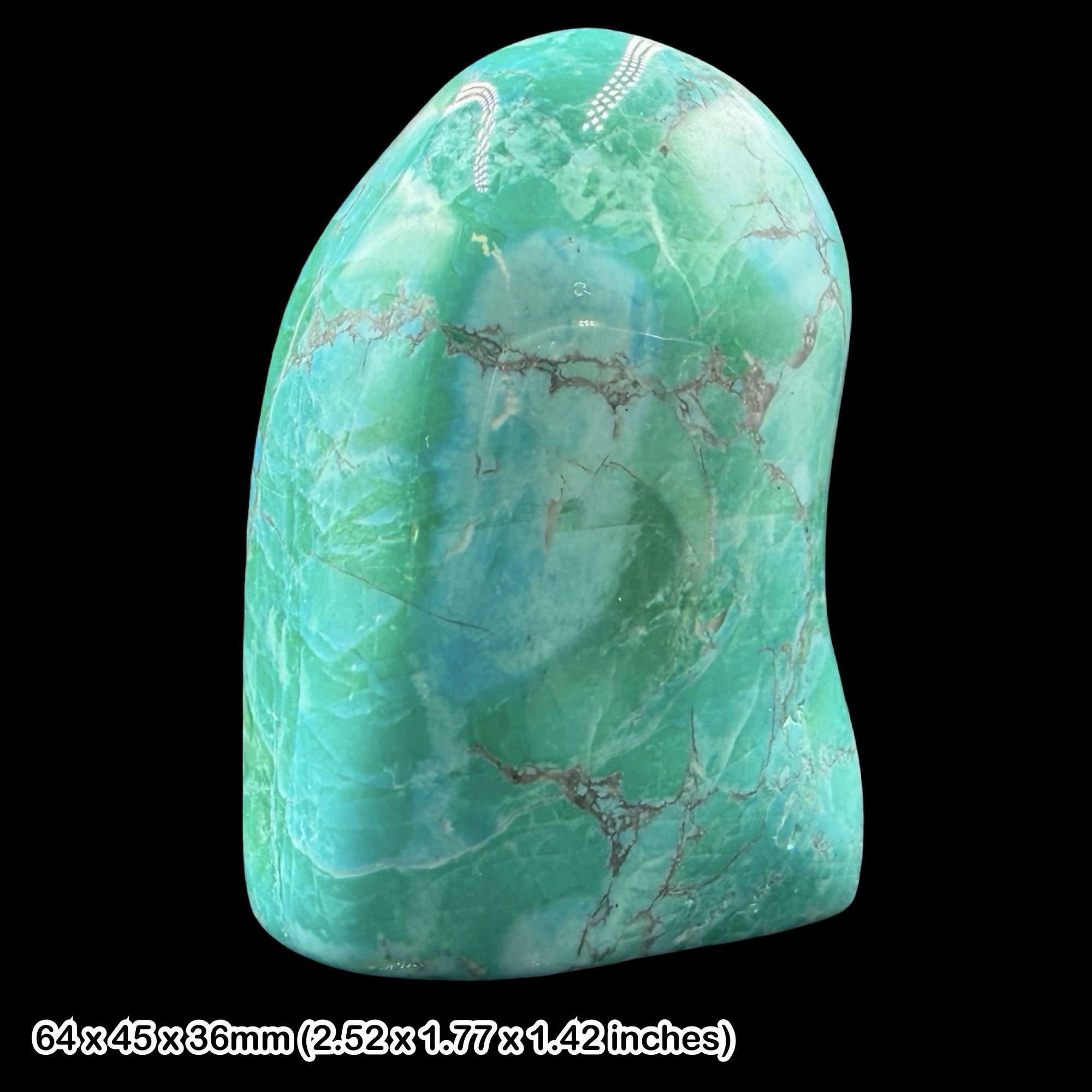
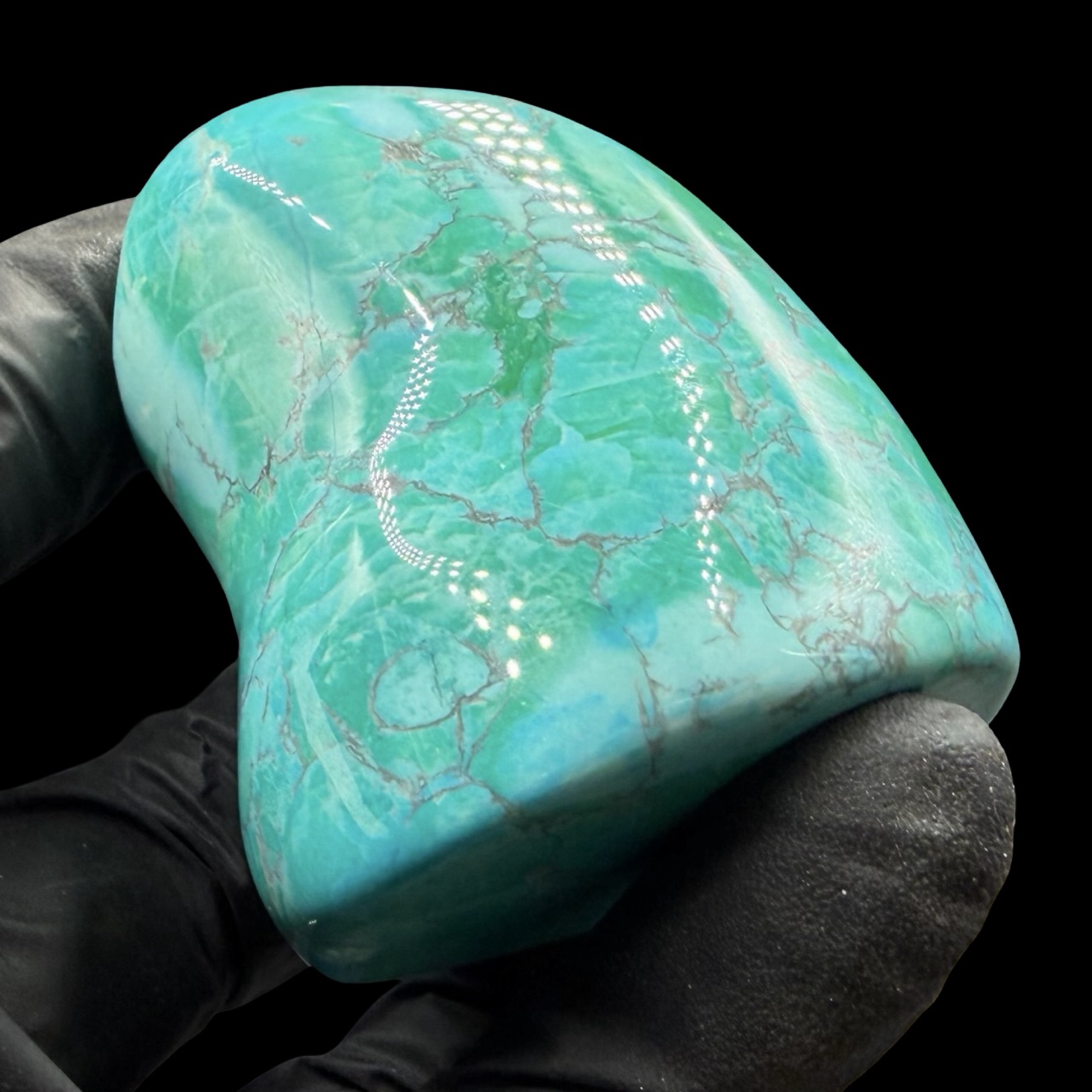
selected for its striking blue-green colour, polished freeform shape, and attractive display quality. Malacholla is a popular collector’s name used for naturally associated Chrysocolla and Malachite, two copper-bearing minerals that often form together in the oxidised zones of copper deposits. The combination of rich green Malachite and blue to blue-green Chrysocolla creates a visually distinctive specimen with strong geological and decorative appeal.This crystal includes a Certificate of Authenticity lifetime guarantee generic card, confirming it as a genuine specimen. The photograph shows the actual Malacholla Freeform you will receive, allowing you to view the real colour, polish, shape, pattern, surface finish, and natural features before purchase. Full sizing details can be seen in the photo. CRYSTAL TYPE AND MINERAL SPECIESMalacholla is not a single mineral species, but a naturally occurring mineral association combining Chrysocolla and Malachite. Chrysocolla is a hydrated copper aluminium silicate mineral, typically recognised for its blue, turquoise, teal, and blue-green colours. Malachite is a copper carbonate hydroxide mineral with the chemical formula Cu2CO3(OH)2, famous for its vivid green colour, banded patterns, and botryoidal or fibrous growth habits.Both minerals are secondary copper minerals, meaning they form through the alteration of earlier copper-bearing minerals. In many copper deposits, water, oxygen, carbon dioxide, and silica interact with primary copper sulphides over long geological periods. This process produces colourful secondary minerals such as Malachite, Chrysocolla, Azurite, Cuprite, and other copper-rich species. GEOLOGICAL FORMATION AND COPPER DEPOSIT ENVIRONMENTChrysocolla and Malachite most commonly form in the oxidised zones of copper ore bodies. These are near-surface environments where oxygen-rich groundwater moves through fractured rock and reacts with copper minerals. As copper is dissolved, transported, and redeposited, new secondary minerals form along cavities, fractures, veins, and porous areas of the host rock.Malachite often develops where carbonate-rich conditions are present, producing green coatings, bands, botryoidal surfaces, fibrous masses, or compact mineral layers. Chrysocolla forms in silica-rich conditions and may appear as massive, earthy, botryoidal, or vein-filling material. When the two minerals occur together, the resulting Malacholla can display dramatic colour contrast, with green Malachite areas blending into blue, teal, or turquoise Chrysocolla zones. COLOUR, PATTERN AND NATURAL FEATURESThis Malacholla Freeform may show natural colour variations including deep green, bright green, blue-green, turquoise, teal, pale blue, darker matrix areas, and mixed copper mineral patterns. The polished freeform surface helps reveal the natural mineral arrangement, showing the way Chrysocolla and Malachite developed together within the original copper-rich host material.The specimen may display banding, mottled patterns, mineral veins, cloudy colour transitions, small inclusions, matrix areas, natural pits, and subtle surface variations. These features are part of the mineral’s geological character and make every Malacholla piece unique. The freeform shape gives the specimen a sculptural appearance while preserving the individuality of the original stone. POLISHED FREEFORM DISPLAY APPEALA freeform crystal is shaped and polished to enhance the natural colour and pattern of the mineral while retaining an organic, irregular outline. Unlike a sphere, tower, or egg, a freeform specimen does not follow a fixed geometric shape. This allows the lapidary work to follow the natural contours, colour zones, and most attractive features of the stone.The polished finish gives this Malacholla a smooth surface and brings out the contrast between Chrysocolla and Malachite. Its blue-green and green tones make it an eye-catching display piece for a mineral cabinet, shelf, desk, sideboard, bookcase, study area, or curated natural history arrangement. It pairs well with other copper minerals such as Azurite, Malachite, Chrysocolla, Cuprite, and Turquoise, as well as quartz, calcite, fluorite, agate, jasper, pyrite, and fossil specimens. COLLECTING AND DECORATIVE INTERESTMalacholla is a desirable specimen for collectors of crystals, rocks, minerals, copper minerals, polished stones, lapidary pieces, and geological display items. Its appeal comes from both its attractive colour and its formation story, showing how chemical weathering and groundwater movement can transform copper-bearing rock into colourful secondary minerals.This genuine Malacholla Freeform is suitable for beginner collectors, experienced mineral enthusiasts, decorative interiors, geology displays, and natural history collections. As a copper-bearing mineral specimen, it is best used for display and should be handled sensibly. It should be kept away from food preparation areas, and hands should be washed after handling. AUTHENTICITY AND SPECIMEN DETAILSThis is a genuine Malacholla Freeform, composed of Chrysocolla and Malachite, and includes a Certificate of Authenticity lifetime guarantee generic card. The specimen has been carefully chosen for its colour, polished form, mineralogical interest, and display appeal. As with all natural crystals and minerals, variations in colour, pattern, inclusions, surface texture, matrix, and internal structure are part of its natural geological origin rather than faults.The photo shows the actual crystal specimen being offered, so the buyer will receive the exact Malacholla Freeform shown. Full sizing information can be seen in the photo, allowing customers to assess the scale, shape, polish, and appearance of the piece before purchase.
selected for its striking blue-green colour, polished freeform shape, and attractive display quality. Malacholla is a popular collector’s name used for naturally associated Chrysocolla and Malachite, two copper-bearing minerals that often form together in the oxidised zones of copper deposits. The combination of rich green Malachite and blue to blue-green Chrysocolla creates a visually distinctive specimen with strong geological and decorative appeal.This crystal includes a Certificate of Authenticity lifetime guarantee generic card, confirming it as a genuine specimen. The photograph shows the actual Malacholla Freeform you will receive, allowing you to view the real colour, polish, shape, pattern, surface finish, and natural features before purchase. Full sizing details can be seen in the photo. CRYSTAL TYPE AND MINERAL SPECIESMalacholla is not a single mineral species, but a naturally occurring mineral association combining Chrysocolla and Malachite. Chrysocolla is a hydrated copper aluminium silicate mineral, typically recognised for its blue, turquoise, teal, and blue-green colours. Malachite is a copper carbonate hydroxide mineral with the chemical formula Cu2CO3(OH)2, famous for its vivid green colour, banded patterns, and botryoidal or fibrous growth habits.Both minerals are secondary copper minerals, meaning they form through the alteration of earlier copper-bearing minerals. In many copper deposits, water, oxygen, carbon dioxide, and silica interact with primary copper sulphides over long geological periods. This process produces colourful secondary minerals such as Malachite, Chrysocolla, Azurite, Cuprite, and other copper-rich species. GEOLOGICAL FORMATION AND COPPER DEPOSIT ENVIRONMENTChrysocolla and Malachite most commonly form in the oxidised zones of copper ore bodies. These are near-surface environments where oxygen-rich groundwater moves through fractured rock and reacts with copper minerals. As copper is dissolved, transported, and redeposited, new secondary minerals form along cavities, fractures, veins, and porous areas of the host rock.Malachite often develops where carbonate-rich conditions are present, producing green coatings, bands, botryoidal surfaces, fibrous masses, or compact mineral layers. Chrysocolla forms in silica-rich conditions and may appear as massive, earthy, botryoidal, or vein-filling material. When the two minerals occur together, the resulting Malacholla can display dramatic colour contrast, with green Malachite areas blending into blue, teal, or turquoise Chrysocolla zones. COLOUR, PATTERN AND NATURAL FEATURESThis Malacholla Freeform may show natural colour variations including deep green, bright green, blue-green, turquoise, teal, pale blue, darker matrix areas, and mixed copper mineral patterns. The polished freeform surface helps reveal the natural mineral arrangement, showing the way Chrysocolla and Malachite developed together within the original copper-rich host material.The specimen may display banding, mottled patterns, mineral veins, cloudy colour transitions, small inclusions, matrix areas, natural pits, and subtle surface variations. These features are part of the mineral’s geological character and make every Malacholla piece unique. The freeform shape gives the specimen a sculptural appearance while preserving the individuality of the original stone. POLISHED FREEFORM DISPLAY APPEALA freeform crystal is shaped and polished to enhance the natural colour and pattern of the mineral while retaining an organic, irregular outline. Unlike a sphere, tower, or egg, a freeform specimen does not follow a fixed geometric shape. This allows the lapidary work to follow the natural contours, colour zones, and most attractive features of the stone.The polished finish gives this Malacholla a smooth surface and brings out the contrast between Chrysocolla and Malachite. Its blue-green and green tones make it an eye-catching display piece for a mineral cabinet, shelf, desk, sideboard, bookcase, study area, or curated natural history arrangement. It pairs well with other copper minerals such as Azurite, Malachite, Chrysocolla, Cuprite, and Turquoise, as well as quartz, calcite, fluorite, agate, jasper, pyrite, and fossil specimens. COLLECTING AND DECORATIVE INTERESTMalacholla is a desirable specimen for collectors of crystals, rocks, minerals, copper minerals, polished stones, lapidary pieces, and geological display items. Its appeal comes from both its attractive colour and its formation story, showing how chemical weathering and groundwater movement can transform copper-bearing rock into colourful secondary minerals.This genuine Malacholla Freeform is suitable for beginner collectors, experienced mineral enthusiasts, decorative interiors, geology displays, and natural history collections. As a copper-bearing mineral specimen, it is best used for display and should be handled sensibly. It should be kept away from food preparation areas, and hands should be washed after handling. AUTHENTICITY AND SPECIMEN DETAILSThis is a genuine Malacholla Freeform, composed of Chrysocolla and Malachite, and includes a Certificate of Authenticity lifetime guarantee generic card. The specimen has been carefully chosen for its colour, polished form, mineralogical interest, and display appeal. As with all natural crystals and minerals, variations in colour, pattern, inclusions, surface texture, matrix, and internal structure are part of its natural geological origin rather than faults.The photo shows the actual crystal specimen being offered, so the buyer will receive the exact Malacholla Freeform shown. Full sizing information can be seen in the photo, allowing customers to assess the scale, shape, polish, and appearance of the piece before purchase.
Other Products