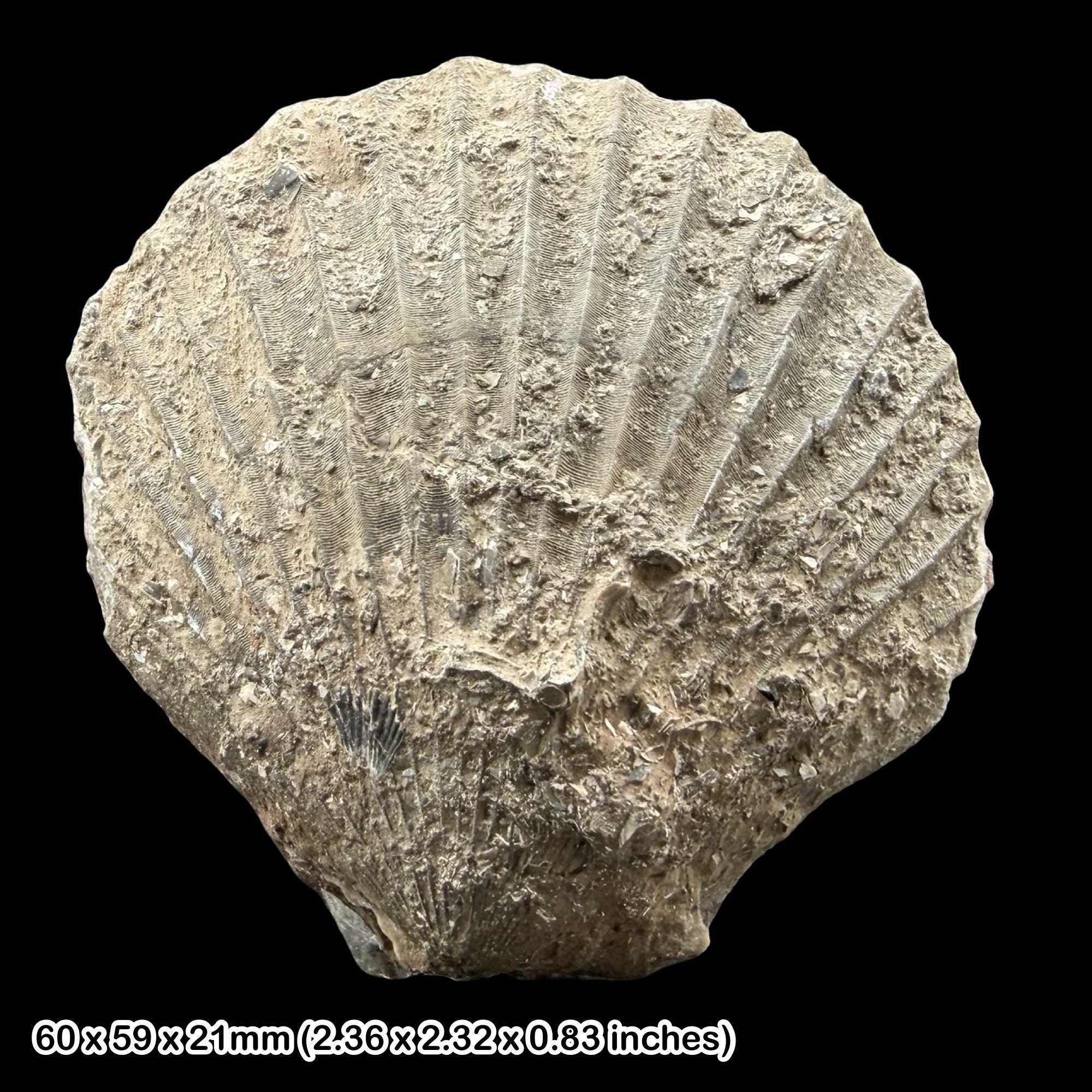
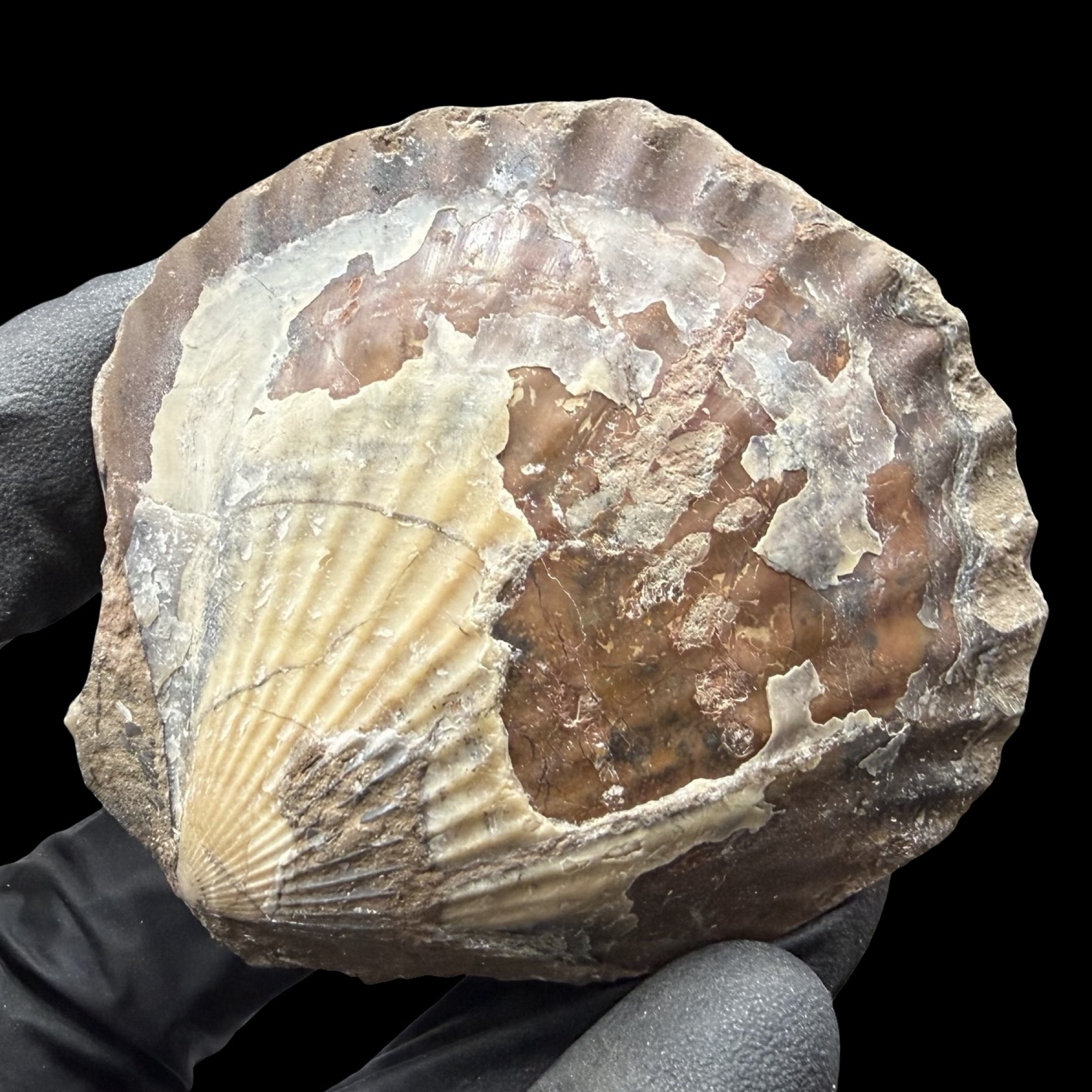
Pseudapecten aequicostata Bivalve Fossil Lower Jurassic UK Genuine COA Lias Group Gloucestershire Display Specimen
£ 14.40
GENUINE PSEUDAPECTEN AEQUICOSTATA BIVALVE FOSSILThis listing is for a genuine Pseudapecten aequicostata bivalve fossil from the
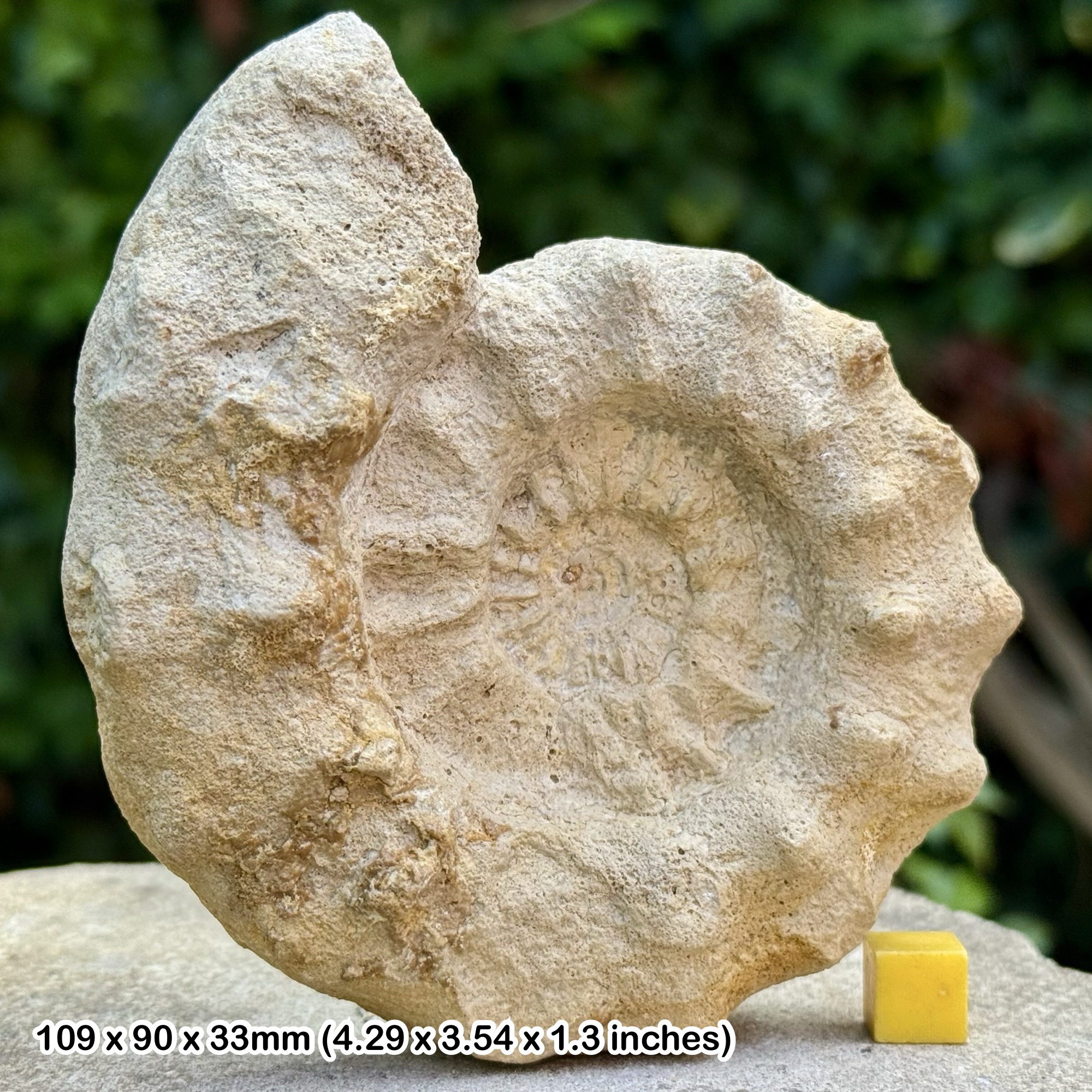
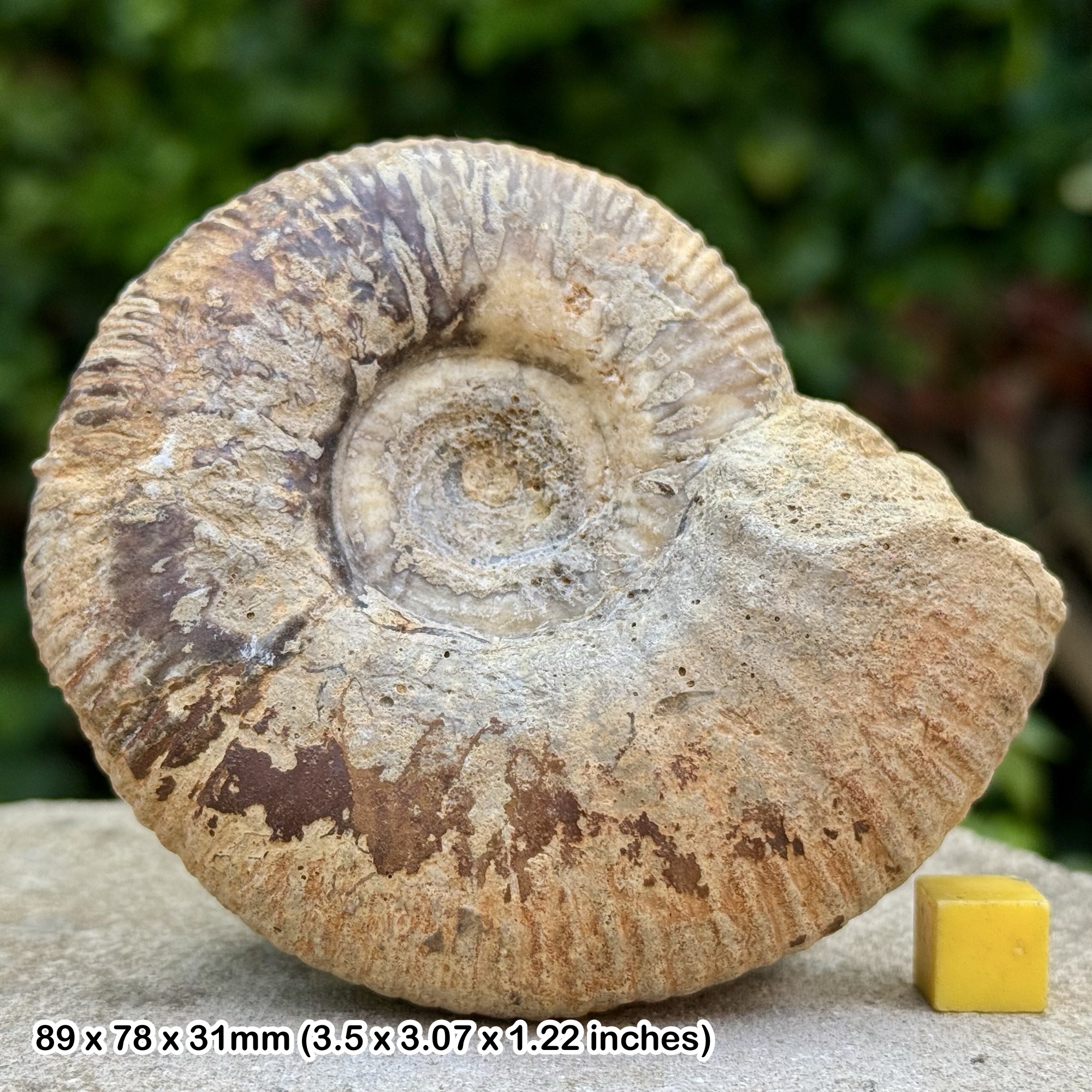
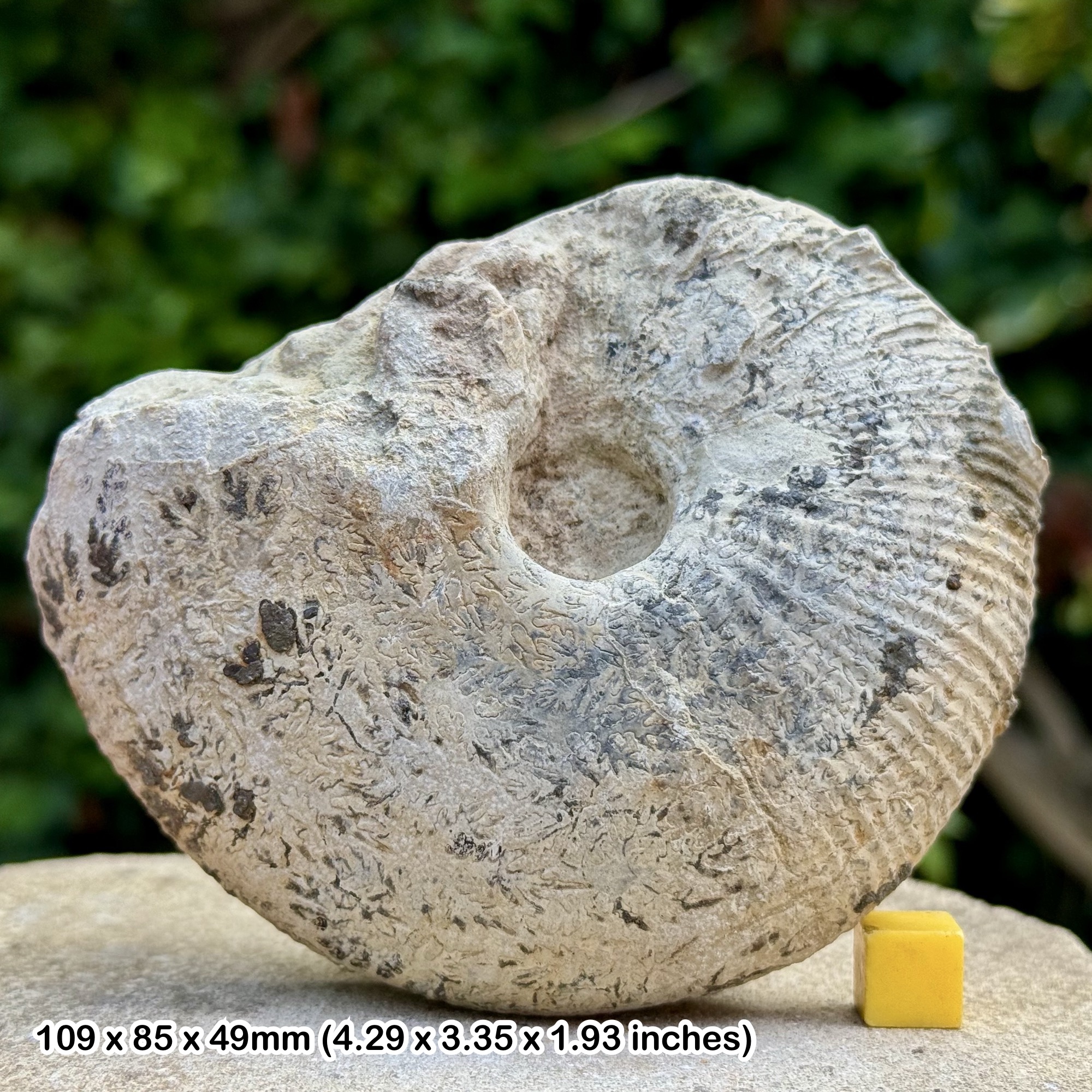
Lias Group, Lower Jurassic, collected from Gloucestershire, UK. This is a carefully chosen fossil specimen, selected for its natural character, geological interest, and appeal as an authentic British Jurassic marine fossil. The photograph shows the actual specimen you will receive, allowing you to view the preservation, shell form, surface detail, colour, matrix, and overall appearance before purchase. For full sizing, please see the photo.This fossil is supplied with a Certificate of Authenticity lifetime guarantee generic card, confirming that it is a genuine fossil specimen. FOSSIL TYPE AND SPECIESPseudapecten aequicostata is an extinct bivalve mollusc from the Jurassic seas. Bivalves are shellfish with two hinged valves, a group that includes modern scallops, oysters, mussels, and clams. Unlike ammonites, which were free-swimming cephalopods, bivalves lived on or close to the sea floor, forming an important part of ancient marine ecosystems.Pseudapecten is a scallop-like bivalve, and the species name aequicostata refers to the evenly ribbed nature often associated with this shell form. These ribs are not only attractive display features but also part of the shell’s natural structure, helping strengthen the valves and giving the fossil its distinctive appearance. Fossil bivalves like this are excellent examples of Jurassic sea-floor life and are ideal for collectors interested in the wider ecosystem beyond ammonites and marine reptiles. LOWER JURASSIC LIAS GROUP GEOLOGYThis fossil comes from the Lias Group, a major Lower Jurassic rock sequence found across parts of Britain. The Lias Group is famous for its fossil-rich marine deposits, including ammonites, belemnites, bivalves, brachiopods, fish remains, and marine reptile fossils. These rocks were laid down during the Early Jurassic, when much of what is now the UK was covered by shallow epicontinental seas.The Lower Jurassic dates to approximately 201 to 174 million years ago, a time when warm marine environments spread across Europe. Fine muds, silts, limestones, and calcareous sediments accumulated on the sea floor, burying shells and other remains. Over millions of years, pressure, mineral-rich groundwater, compaction, and natural chemical processes transformed these once-living shells into the fossils collected today. GLOUCESTERSHIRE JURASSIC FOSSIL LOCALITYThis specimen was collected from Gloucestershire, UK, an area well known for its Jurassic geology and classic fossil-bearing Lias deposits. Gloucestershire fossils are highly collectable because they represent part of Britain’s rich Early Jurassic marine record. The county has long been associated with fossiliferous strata that preserve a wide variety of ancient sea life, making it an excellent locality for British Jurassic specimens.A Pseudapecten aequicostata from Gloucestershire provides a direct connection to the ancient seas that once covered the region. It is especially suitable for collectors of UK fossils, Lias Group fossils, Lower Jurassic bivalves, British marine fossils, and educational natural history specimens. SHELL FORM AND NATURAL FEATURESPseudapecten bivalves typically display a rounded to fan-shaped shell outline with radiating ribs running from the hinge area toward the outer shell margin. These ribs can create a scallop-like appearance and are key features of the fossil’s visual appeal. The shell’s form reflects a life spent in a marine environment, where bivalves occupied sea-floor habitats and contributed to the biodiversity of Jurassic ecosystems.As a genuine fossil, this specimen may show natural features such as matrix attachment, mineral staining, ancient surface wear, weathered areas, small chips, shell compression, or partial preservation. These details are normal in authentic fossil material and form part of the specimen’s geological history. The photo shows the exact fossil being offered, so all visible natural details can be viewed before purchase. COLLECTABLE BRITISH JURASSIC DISPLAY SPECIMENThis Pseudapecten aequicostata bivalve fossil is ideal for fossil collectors, geology students, educational collections, school teaching resources, natural history displays, or anyone interested in genuine Jurassic marine fossils. It offers an excellent example of fossil sea-floor life from the Lower Jurassic and makes a strong addition to collections focused on British fossils, bivalves, Lias Group geology, and prehistoric marine environments.The specimen comes exactly as shown in the photo and includes a Certificate of Authenticity lifetime guarantee generic card, making it a reliable choice for collectors seeking a genuine Pseudapecten fossil, Gloucestershire fossil, Lower Jurassic bivalve, or authentic natural history display piece.
Lias Group, Lower Jurassic, collected from Gloucestershire, UK. This is a carefully chosen fossil specimen, selected for its natural character, geological interest, and appeal as an authentic British Jurassic marine fossil. The photograph shows the actual specimen you will receive, allowing you to view the preservation, shell form, surface detail, colour, matrix, and overall appearance before purchase. For full sizing, please see the photo.This fossil is supplied with a Certificate of Authenticity lifetime guarantee generic card, confirming that it is a genuine fossil specimen. FOSSIL TYPE AND SPECIESPseudapecten aequicostata is an extinct bivalve mollusc from the Jurassic seas. Bivalves are shellfish with two hinged valves, a group that includes modern scallops, oysters, mussels, and clams. Unlike ammonites, which were free-swimming cephalopods, bivalves lived on or close to the sea floor, forming an important part of ancient marine ecosystems.Pseudapecten is a scallop-like bivalve, and the species name aequicostata refers to the evenly ribbed nature often associated with this shell form. These ribs are not only attractive display features but also part of the shell’s natural structure, helping strengthen the valves and giving the fossil its distinctive appearance. Fossil bivalves like this are excellent examples of Jurassic sea-floor life and are ideal for collectors interested in the wider ecosystem beyond ammonites and marine reptiles. LOWER JURASSIC LIAS GROUP GEOLOGYThis fossil comes from the Lias Group, a major Lower Jurassic rock sequence found across parts of Britain. The Lias Group is famous for its fossil-rich marine deposits, including ammonites, belemnites, bivalves, brachiopods, fish remains, and marine reptile fossils. These rocks were laid down during the Early Jurassic, when much of what is now the UK was covered by shallow epicontinental seas.The Lower Jurassic dates to approximately 201 to 174 million years ago, a time when warm marine environments spread across Europe. Fine muds, silts, limestones, and calcareous sediments accumulated on the sea floor, burying shells and other remains. Over millions of years, pressure, mineral-rich groundwater, compaction, and natural chemical processes transformed these once-living shells into the fossils collected today. GLOUCESTERSHIRE JURASSIC FOSSIL LOCALITYThis specimen was collected from Gloucestershire, UK, an area well known for its Jurassic geology and classic fossil-bearing Lias deposits. Gloucestershire fossils are highly collectable because they represent part of Britain’s rich Early Jurassic marine record. The county has long been associated with fossiliferous strata that preserve a wide variety of ancient sea life, making it an excellent locality for British Jurassic specimens.A Pseudapecten aequicostata from Gloucestershire provides a direct connection to the ancient seas that once covered the region. It is especially suitable for collectors of UK fossils, Lias Group fossils, Lower Jurassic bivalves, British marine fossils, and educational natural history specimens. SHELL FORM AND NATURAL FEATURESPseudapecten bivalves typically display a rounded to fan-shaped shell outline with radiating ribs running from the hinge area toward the outer shell margin. These ribs can create a scallop-like appearance and are key features of the fossil’s visual appeal. The shell’s form reflects a life spent in a marine environment, where bivalves occupied sea-floor habitats and contributed to the biodiversity of Jurassic ecosystems.As a genuine fossil, this specimen may show natural features such as matrix attachment, mineral staining, ancient surface wear, weathered areas, small chips, shell compression, or partial preservation. These details are normal in authentic fossil material and form part of the specimen’s geological history. The photo shows the exact fossil being offered, so all visible natural details can be viewed before purchase. COLLECTABLE BRITISH JURASSIC DISPLAY SPECIMENThis Pseudapecten aequicostata bivalve fossil is ideal for fossil collectors, geology students, educational collections, school teaching resources, natural history displays, or anyone interested in genuine Jurassic marine fossils. It offers an excellent example of fossil sea-floor life from the Lower Jurassic and makes a strong addition to collections focused on British fossils, bivalves, Lias Group geology, and prehistoric marine environments.The specimen comes exactly as shown in the photo and includes a Certificate of Authenticity lifetime guarantee generic card, making it a reliable choice for collectors seeking a genuine Pseudapecten fossil, Gloucestershire fossil, Lower Jurassic bivalve, or authentic natural history display piece.
Other Products