Pseudographoceras litteratum Ammonite Fossil Aalenian France Jurassic COA Genuine Middle Jurassic Cephalopod Specimen
£ 12.60
GENUINE PSEUDOGRAPHOCERAS LITTERATUM AMMONITE FOSSILThis is a genuine Pseudographoceras litteratum ammonite fossil from France,
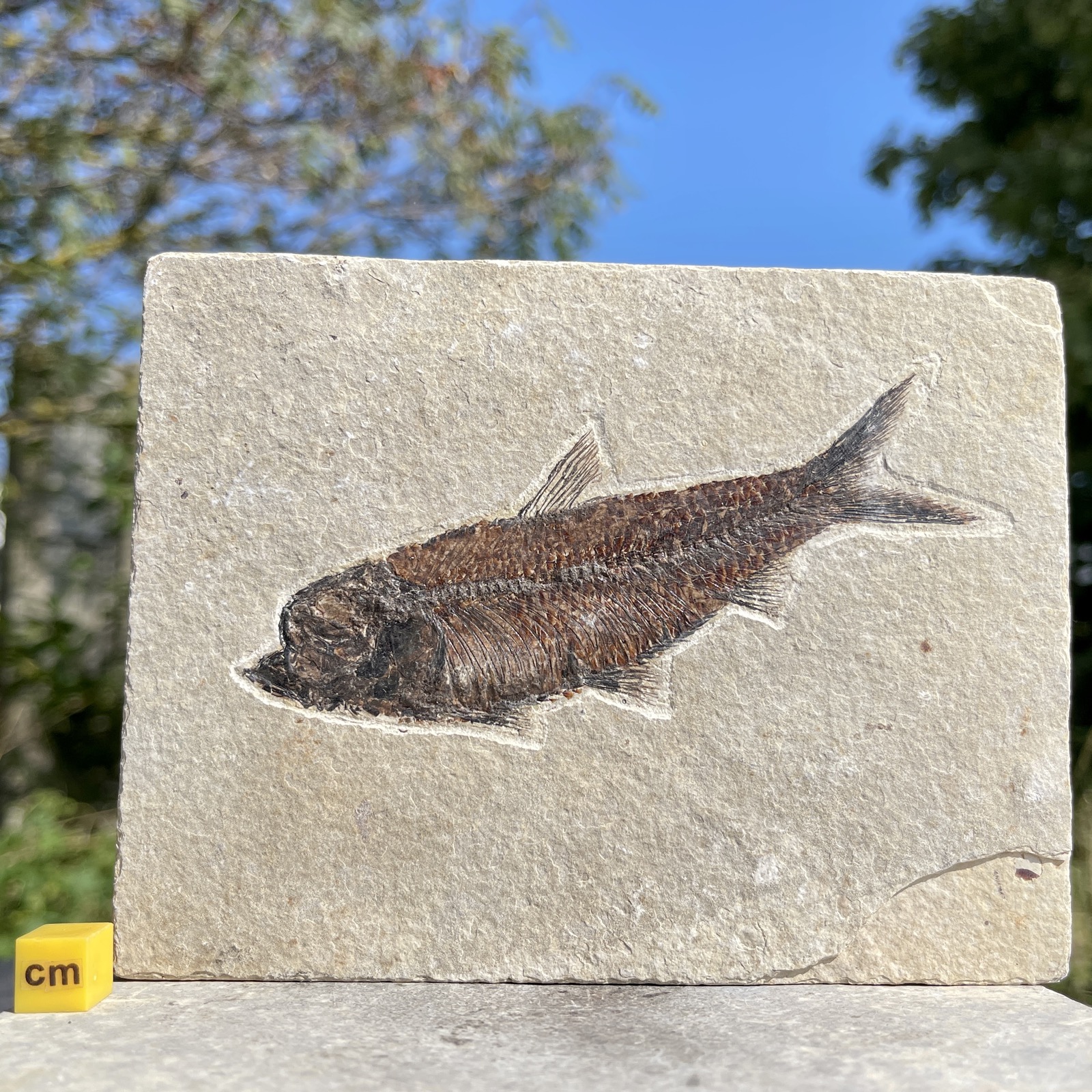
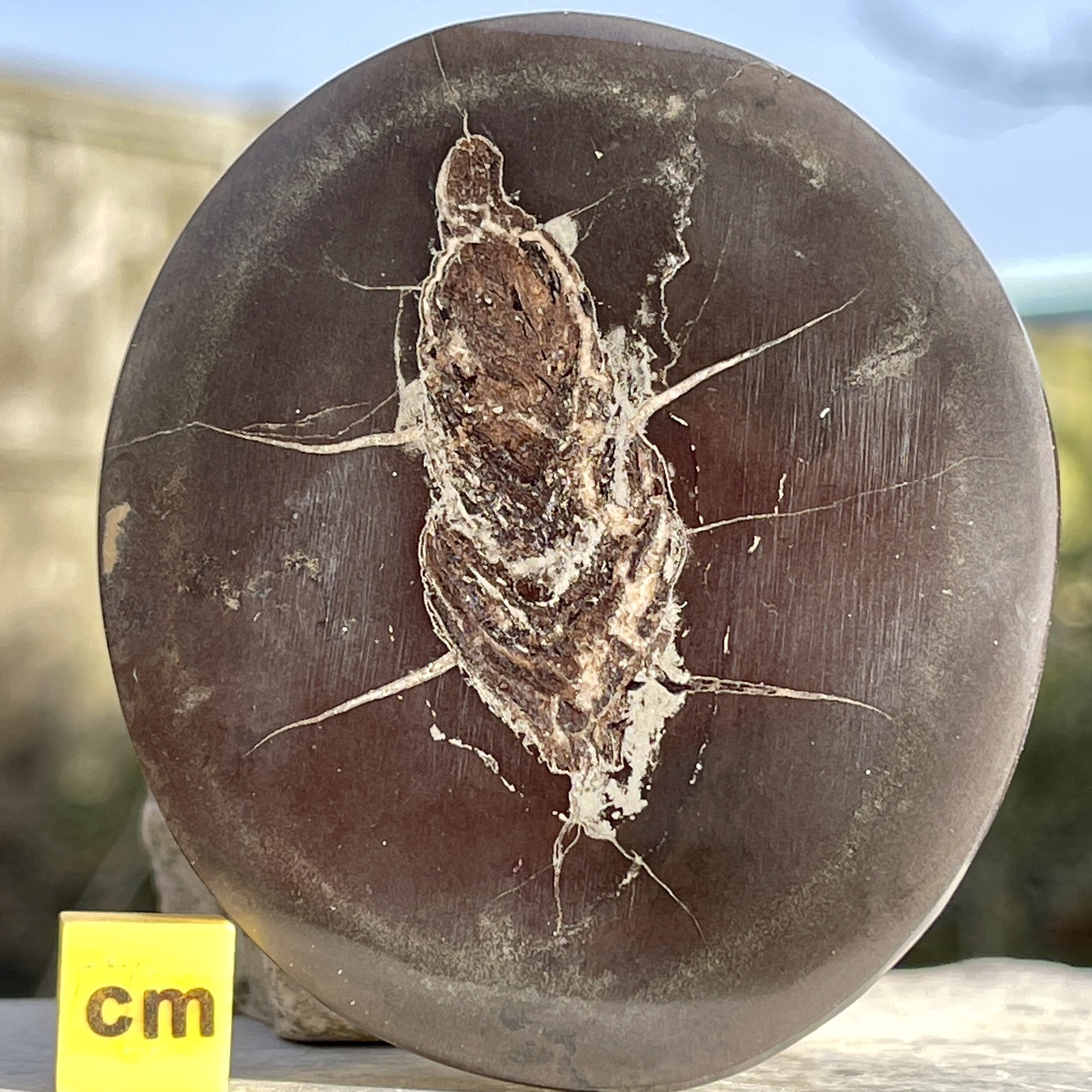
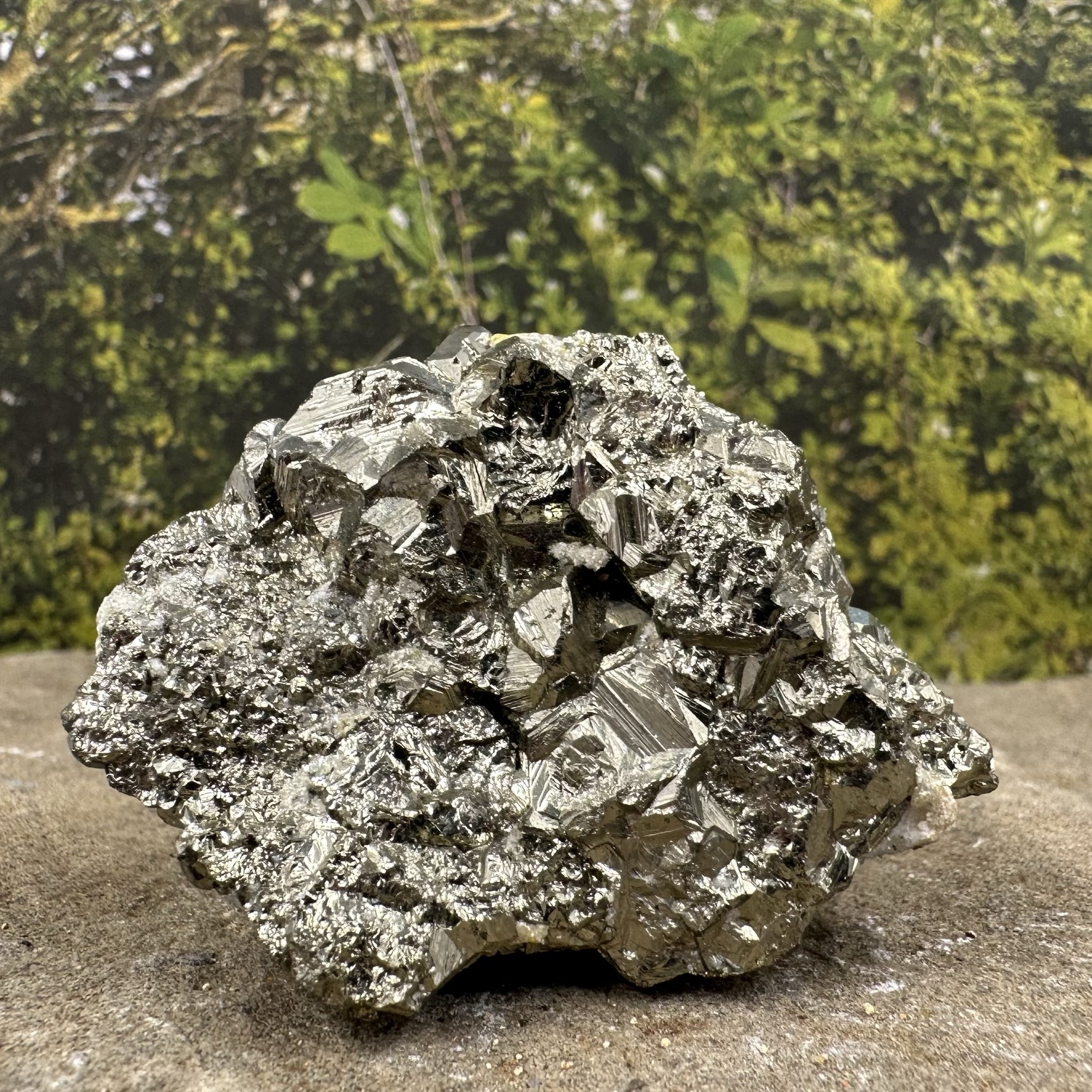
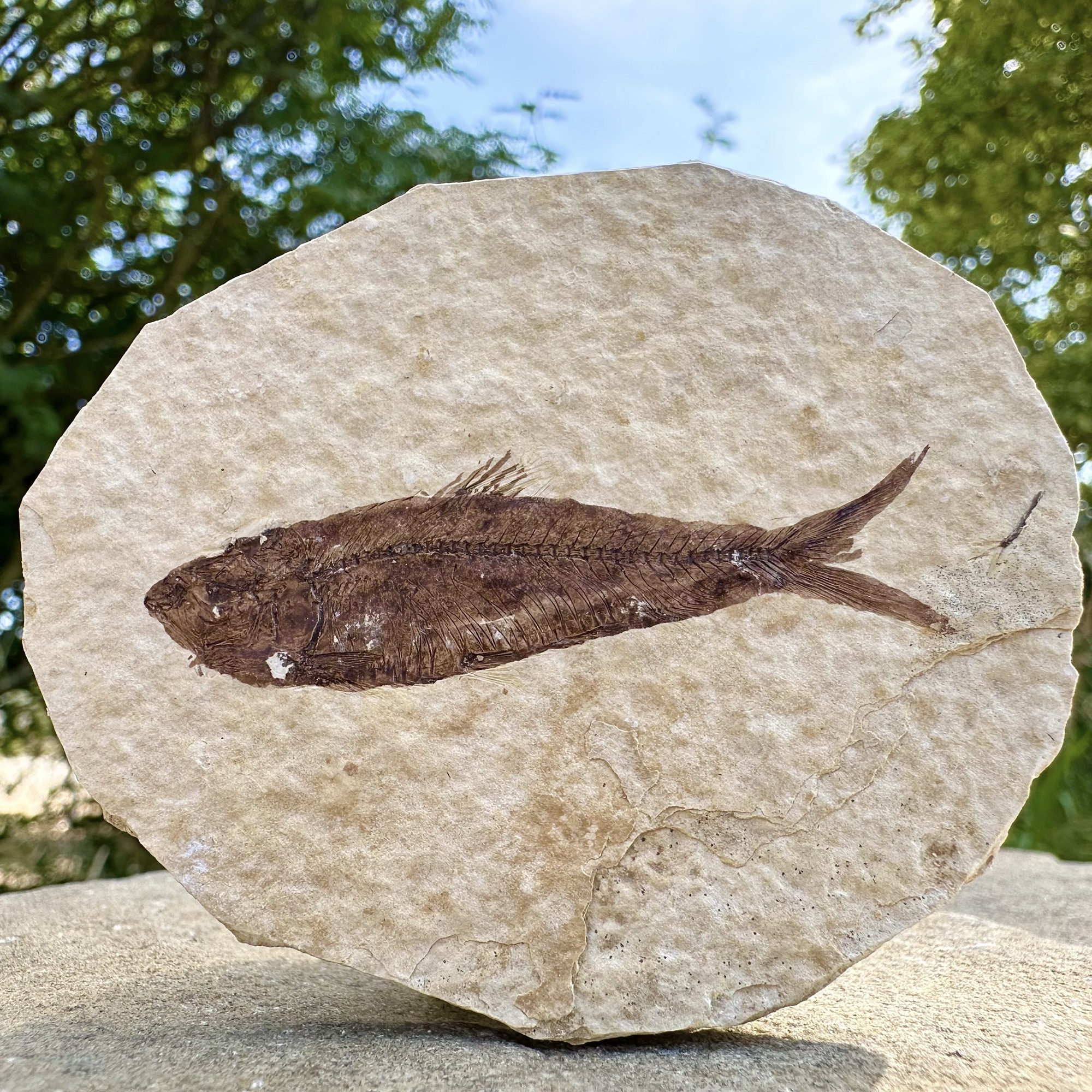
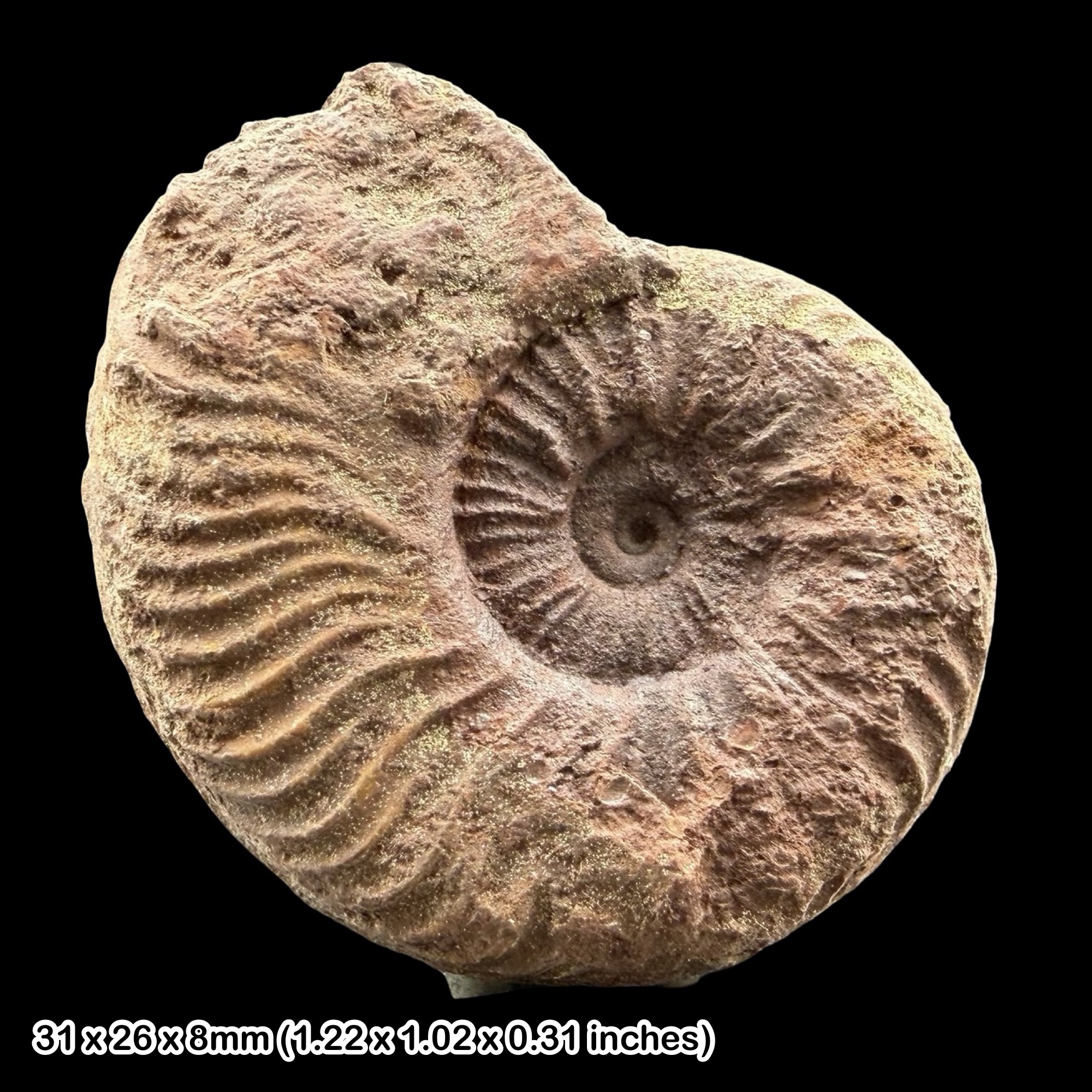
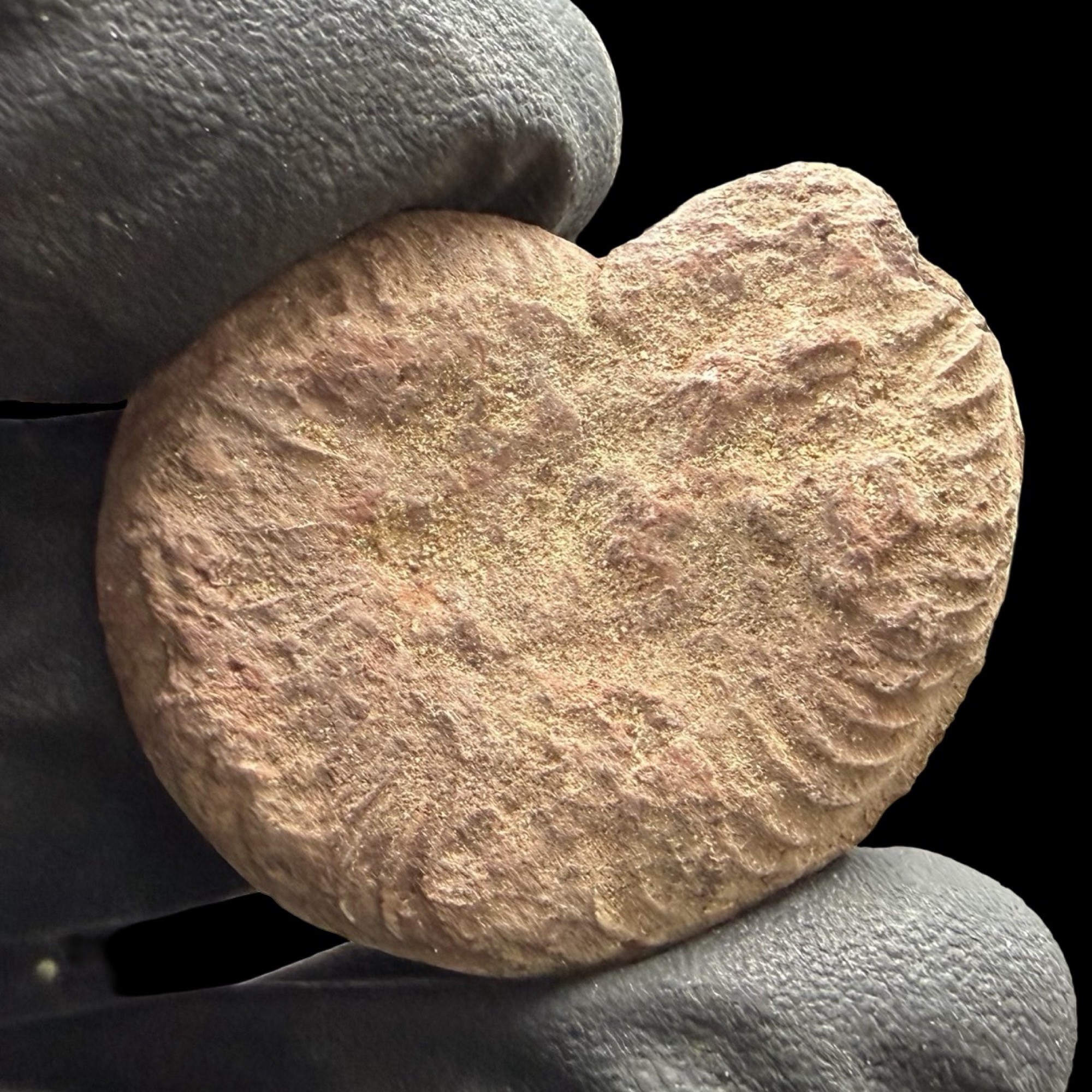
dating to the Middle Jurassic, Aalenian Stage. This carefully chosen fossil specimen is an attractive and scientifically interesting piece for collectors of Jurassic ammonites, French fossils, extinct marine cephalopods, natural history specimens, and well-labelled fossil display pieces.The photograph shows the actual fossil you will receive, allowing you to view the individual preservation, colour, surface detail, shell form, matrix, and natural character of this specific specimen before purchase. Full sizing details can be seen in the photo. This fossil includes a Certificate of Authenticity lifetime guarantee generic card, confirming it as a genuine specimen. FOSSIL TYPE, SPECIES AND SCIENTIFIC CLASSIFICATIONPseudographoceras litteratum is an ammonite, an extinct marine cephalopod belonging to the order Ammonitida. Ammonites were related to modern squid, cuttlefish, octopus, and nautilus, and are among the most recognisable fossils from the Jurassic Period. Their coiled shells, varied ornamentation, and rapid evolutionary changes make them important fossils for palaeontology and highly collectable as natural history specimens.This fossil belongs to the genus Pseudographoceras and the species Pseudographoceras litteratum. The genus is associated with graphoceratid-style Middle Jurassic ammonite faunas and is valued by collectors because it represents a named ammonite from a defined geological interval. Named ammonite specimens provide more scientific interest than general ammonite fossils, as they connect the piece to a specific fossil type, geological age, and regional Jurassic setting. GEOLOGICAL AGE AND AALENIAN CONTEXTThis specimen dates from the Aalenian Stage of the Middle Jurassic, approximately 174 to 170 million years ago. The Aalenian marks an important interval between the Early Jurassic and later Middle Jurassic ammonite faunas, with many ammonite groups evolving into forms that became useful for dating and correlating marine sedimentary rocks.During the Aalenian, much of western Europe was covered by shallow epicontinental seas. These marine environments supported ammonites, belemnites, bivalves, brachiopods, gastropods, echinoids, and other sea life. Ammonites such as Pseudographoceras litteratum lived as active swimming cephalopods, moving through ancient Jurassic waters before their shells eventually settled onto the sea floor after death.Over time, burial by sediment helped protect some shells from destruction. Mineralisation, compaction, and natural geological alteration gradually preserved the shell form as a fossil. The result is a genuine prehistoric marine specimen from a period when ammonites were abundant, diverse, and highly significant in ancient seas. FRENCH JURASSIC LOCALITY AND DEPOSITIONAL ENVIRONMENTFrance is well known for its Jurassic fossil-bearing strata, with many classic marine deposits that have produced ammonites and other invertebrate fossils. French Middle Jurassic ammonites are popular with collectors because they represent well-studied European faunas and attractive fossil material from ancient sea environments.The sediments that preserve Aalenian ammonites generally formed in marine settings, often involving carbonate-rich muds, limestones, marls, or other sea-floor deposits. These environments allowed shells to become buried and fossilised over millions of years. Depending on the exact preservation of the specimen, ammonites from these deposits may show shell ornamentation, whorl detail, mineral staining, matrix, surface texture, or natural compression. AMMONITE MORPHOLOGY AND NATURAL FEATURESPseudographoceras litteratum displays the classic planispiral ammonite shell form, with the shell coiled in a flat spiral. The whorls represent successive stages of growth, expanding outward as the animal matured. Ammonite shells were divided into internal chambers, with the living animal occupying the outer body chamber. These chambers helped control buoyancy in the water column.Depending on preservation, the fossil may show whorl shape, compressed profile, ribbing, fine ornamentation, mineral colour variation, sedimentary matrix, or natural surface texture. These features are part of the fossil’s geological history and give each specimen individual character. Natural weathering, small fractures, contact marks, worn areas, and colour differences are commonly seen in genuine fossils and help distinguish natural specimens from modern replicas or casts. COLLECTING, DISPLAY AND EDUCATIONAL INTERESTThis Pseudographoceras litteratum ammonite fossil is well suited for display in a fossil cabinet, study, classroom, office, collection drawer, natural history arrangement, or Jurassic fossil collection. Its named species identification, Middle Jurassic Aalenian age, French origin, and classic ammonite form give it strong collecting appeal.It is suitable for collectors interested in French fossils, Jurassic ammonites, extinct cephalopods, marine invertebrates, palaeontology, geology, and educational fossil specimens. The natural spiral form gives the fossil immediate visual appeal, while the scientific naming and geological age provide additional interest for anyone who appreciates well-contextualised fossils from prehistoric marine environments. AUTHENTICITY AND SPECIMEN DETAILSThis is a genuine Pseudographoceras litteratum ammonite fossil from France, dating to the Middle Jurassic, Aalenian Stage. It includes a Certificate of Authenticity lifetime guarantee generic card. The photo shows the actual fossil you will receive, and full sizing information can be seen in the photo.
dating to the Middle Jurassic, Aalenian Stage. This carefully chosen fossil specimen is an attractive and scientifically interesting piece for collectors of Jurassic ammonites, French fossils, extinct marine cephalopods, natural history specimens, and well-labelled fossil display pieces.The photograph shows the actual fossil you will receive, allowing you to view the individual preservation, colour, surface detail, shell form, matrix, and natural character of this specific specimen before purchase. Full sizing details can be seen in the photo. This fossil includes a Certificate of Authenticity lifetime guarantee generic card, confirming it as a genuine specimen. FOSSIL TYPE, SPECIES AND SCIENTIFIC CLASSIFICATIONPseudographoceras litteratum is an ammonite, an extinct marine cephalopod belonging to the order Ammonitida. Ammonites were related to modern squid, cuttlefish, octopus, and nautilus, and are among the most recognisable fossils from the Jurassic Period. Their coiled shells, varied ornamentation, and rapid evolutionary changes make them important fossils for palaeontology and highly collectable as natural history specimens.This fossil belongs to the genus Pseudographoceras and the species Pseudographoceras litteratum. The genus is associated with graphoceratid-style Middle Jurassic ammonite faunas and is valued by collectors because it represents a named ammonite from a defined geological interval. Named ammonite specimens provide more scientific interest than general ammonite fossils, as they connect the piece to a specific fossil type, geological age, and regional Jurassic setting. GEOLOGICAL AGE AND AALENIAN CONTEXTThis specimen dates from the Aalenian Stage of the Middle Jurassic, approximately 174 to 170 million years ago. The Aalenian marks an important interval between the Early Jurassic and later Middle Jurassic ammonite faunas, with many ammonite groups evolving into forms that became useful for dating and correlating marine sedimentary rocks.During the Aalenian, much of western Europe was covered by shallow epicontinental seas. These marine environments supported ammonites, belemnites, bivalves, brachiopods, gastropods, echinoids, and other sea life. Ammonites such as Pseudographoceras litteratum lived as active swimming cephalopods, moving through ancient Jurassic waters before their shells eventually settled onto the sea floor after death.Over time, burial by sediment helped protect some shells from destruction. Mineralisation, compaction, and natural geological alteration gradually preserved the shell form as a fossil. The result is a genuine prehistoric marine specimen from a period when ammonites were abundant, diverse, and highly significant in ancient seas. FRENCH JURASSIC LOCALITY AND DEPOSITIONAL ENVIRONMENTFrance is well known for its Jurassic fossil-bearing strata, with many classic marine deposits that have produced ammonites and other invertebrate fossils. French Middle Jurassic ammonites are popular with collectors because they represent well-studied European faunas and attractive fossil material from ancient sea environments.The sediments that preserve Aalenian ammonites generally formed in marine settings, often involving carbonate-rich muds, limestones, marls, or other sea-floor deposits. These environments allowed shells to become buried and fossilised over millions of years. Depending on the exact preservation of the specimen, ammonites from these deposits may show shell ornamentation, whorl detail, mineral staining, matrix, surface texture, or natural compression. AMMONITE MORPHOLOGY AND NATURAL FEATURESPseudographoceras litteratum displays the classic planispiral ammonite shell form, with the shell coiled in a flat spiral. The whorls represent successive stages of growth, expanding outward as the animal matured. Ammonite shells were divided into internal chambers, with the living animal occupying the outer body chamber. These chambers helped control buoyancy in the water column.Depending on preservation, the fossil may show whorl shape, compressed profile, ribbing, fine ornamentation, mineral colour variation, sedimentary matrix, or natural surface texture. These features are part of the fossil’s geological history and give each specimen individual character. Natural weathering, small fractures, contact marks, worn areas, and colour differences are commonly seen in genuine fossils and help distinguish natural specimens from modern replicas or casts. COLLECTING, DISPLAY AND EDUCATIONAL INTERESTThis Pseudographoceras litteratum ammonite fossil is well suited for display in a fossil cabinet, study, classroom, office, collection drawer, natural history arrangement, or Jurassic fossil collection. Its named species identification, Middle Jurassic Aalenian age, French origin, and classic ammonite form give it strong collecting appeal.It is suitable for collectors interested in French fossils, Jurassic ammonites, extinct cephalopods, marine invertebrates, palaeontology, geology, and educational fossil specimens. The natural spiral form gives the fossil immediate visual appeal, while the scientific naming and geological age provide additional interest for anyone who appreciates well-contextualised fossils from prehistoric marine environments. AUTHENTICITY AND SPECIMEN DETAILSThis is a genuine Pseudographoceras litteratum ammonite fossil from France, dating to the Middle Jurassic, Aalenian Stage. It includes a Certificate of Authenticity lifetime guarantee generic card. The photo shows the actual fossil you will receive, and full sizing information can be seen in the photo.