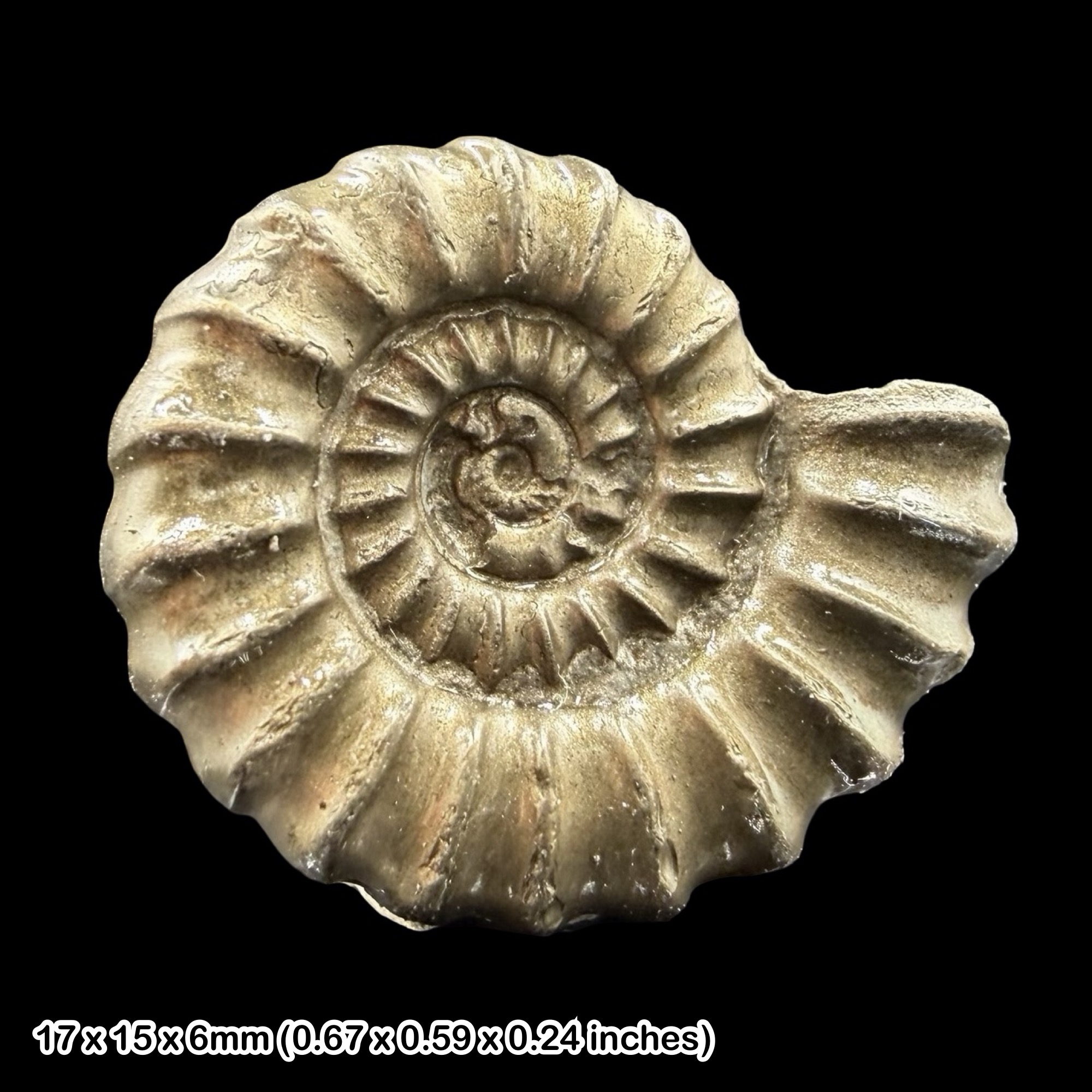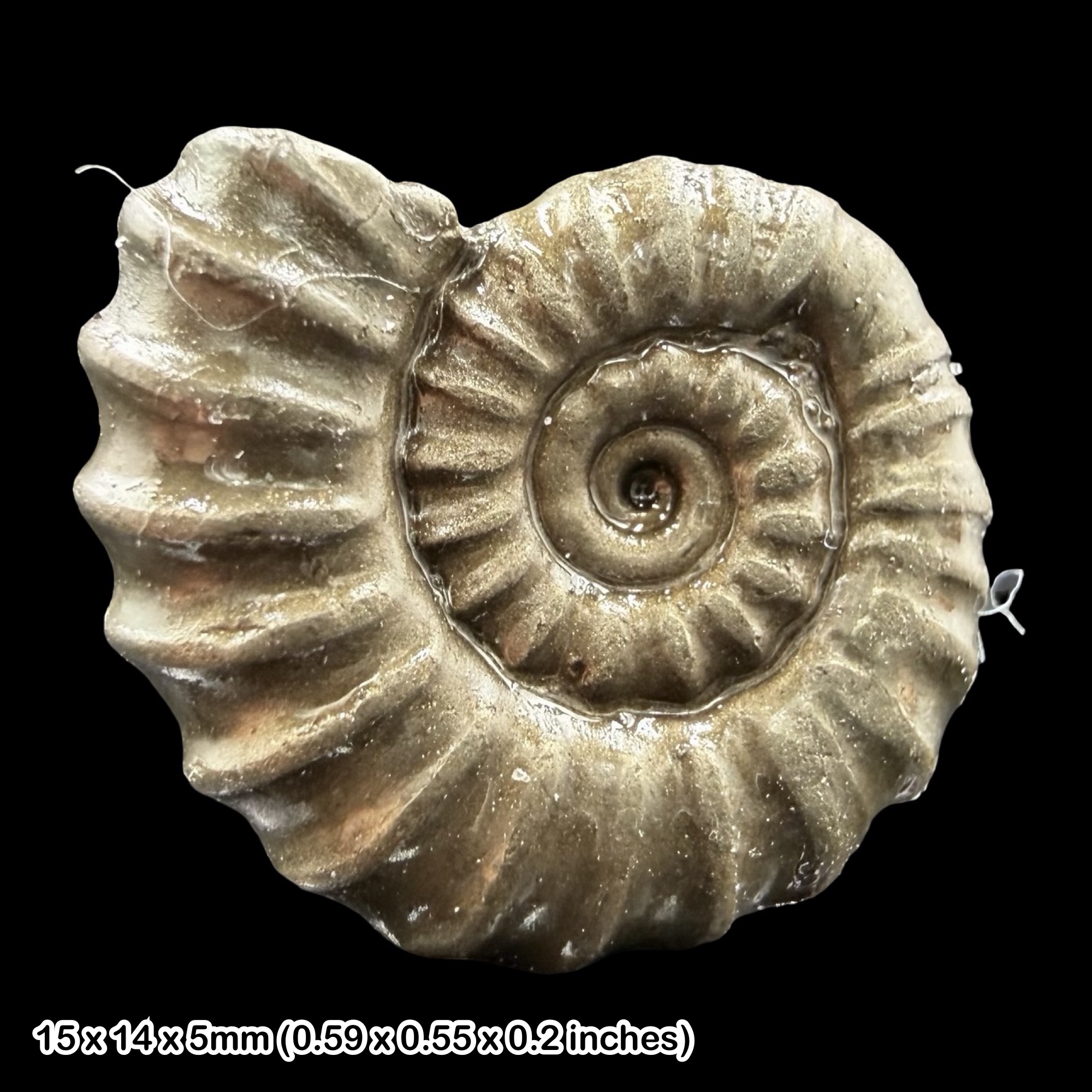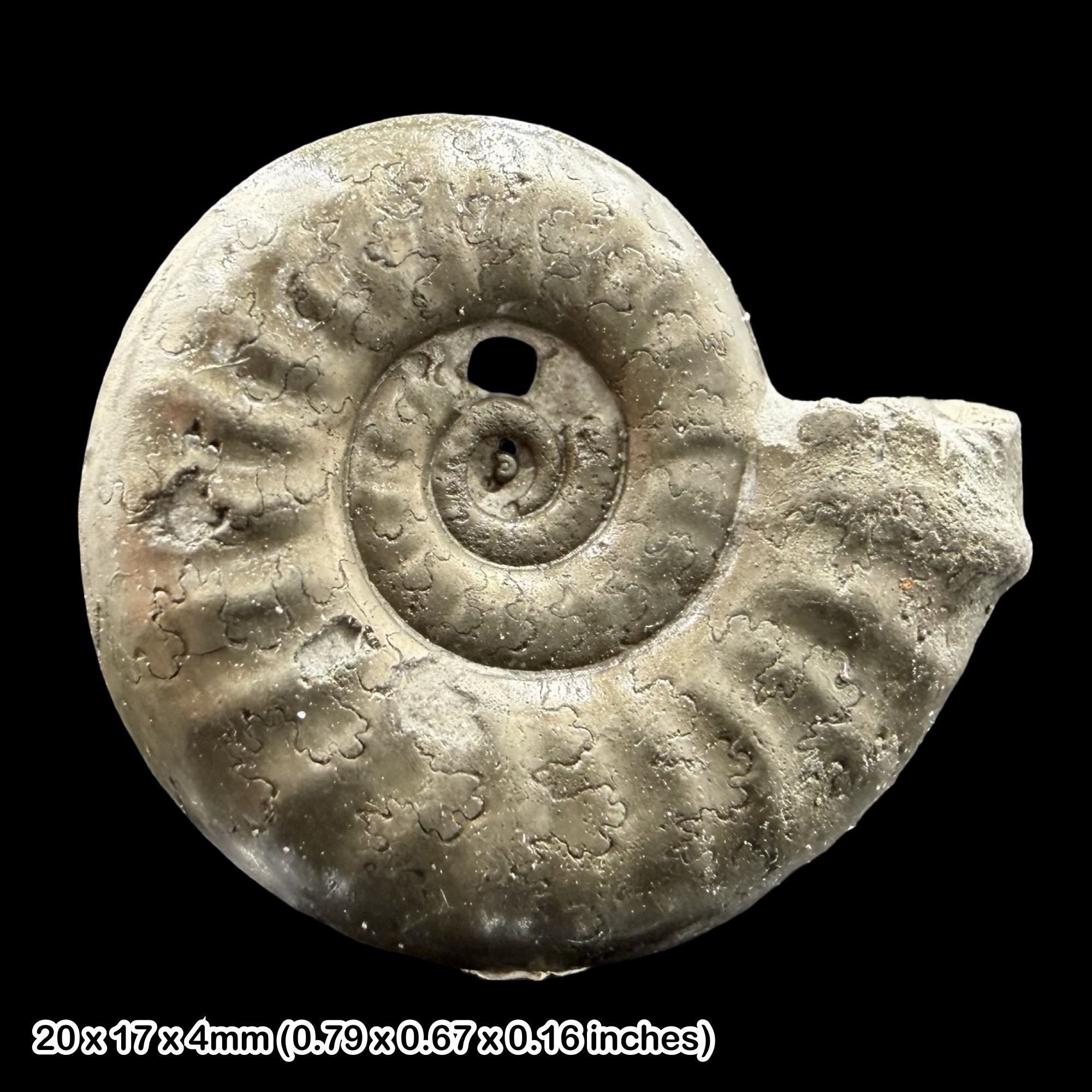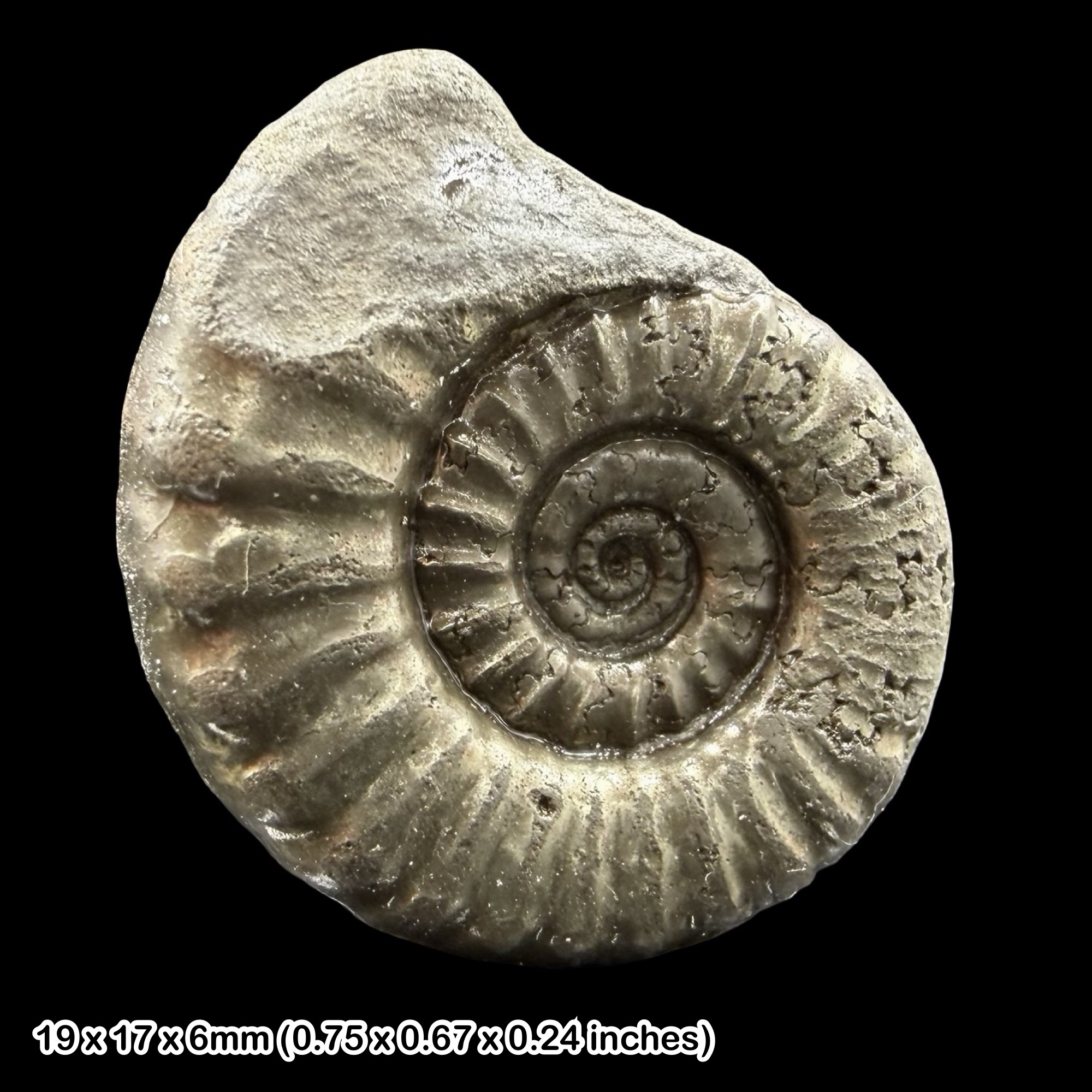
Pachystropheus Rhaeticus Reptile Bone Fossil Block Aust Cliff Triassic UK Genuine Penarth Group Specimen with Certificate
£ 60.00
GENUINE PACHYSTROPHEUS RHAETICUS REPTILE BONE BLOCKThis genuine fossil reptile bone block contains remains attributed to
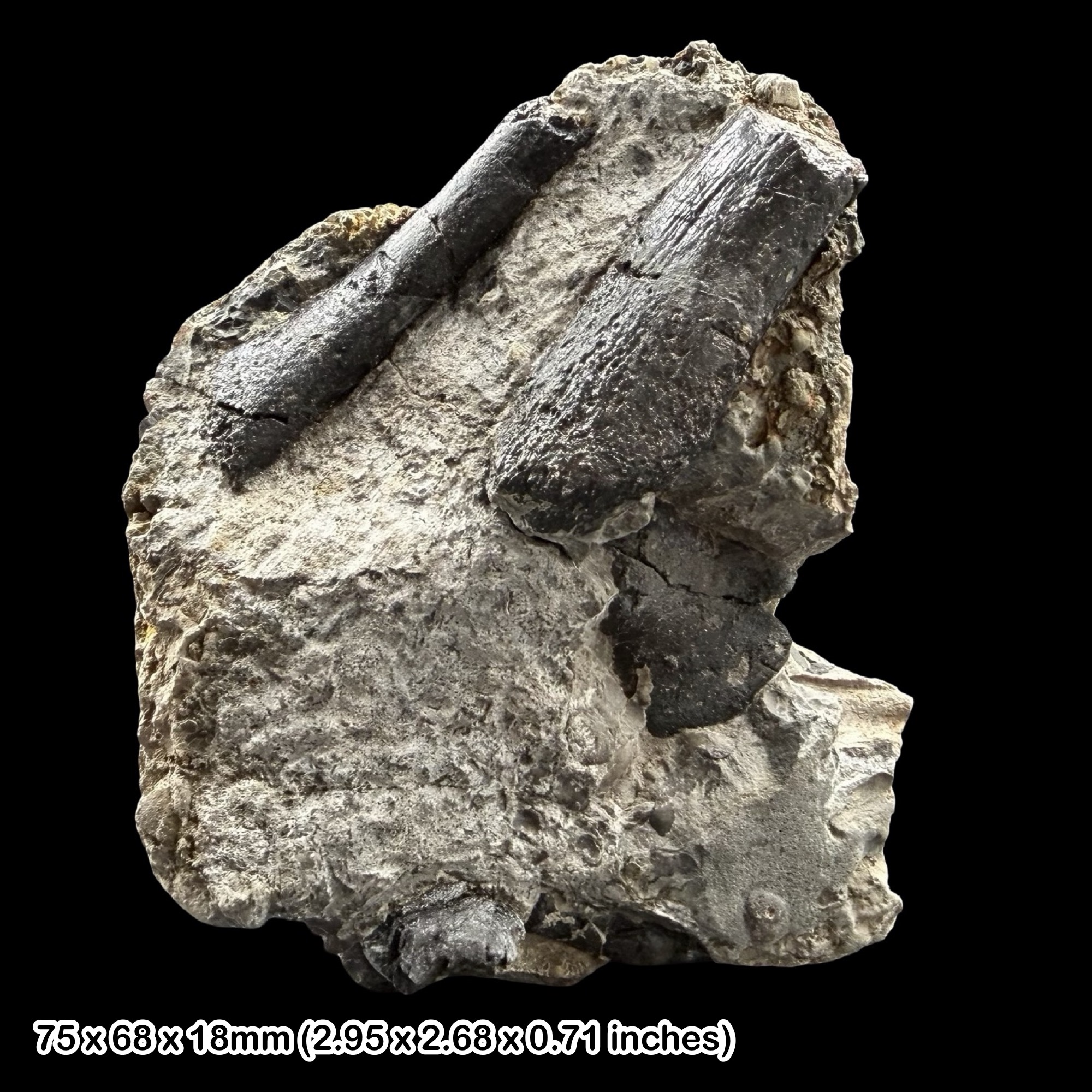
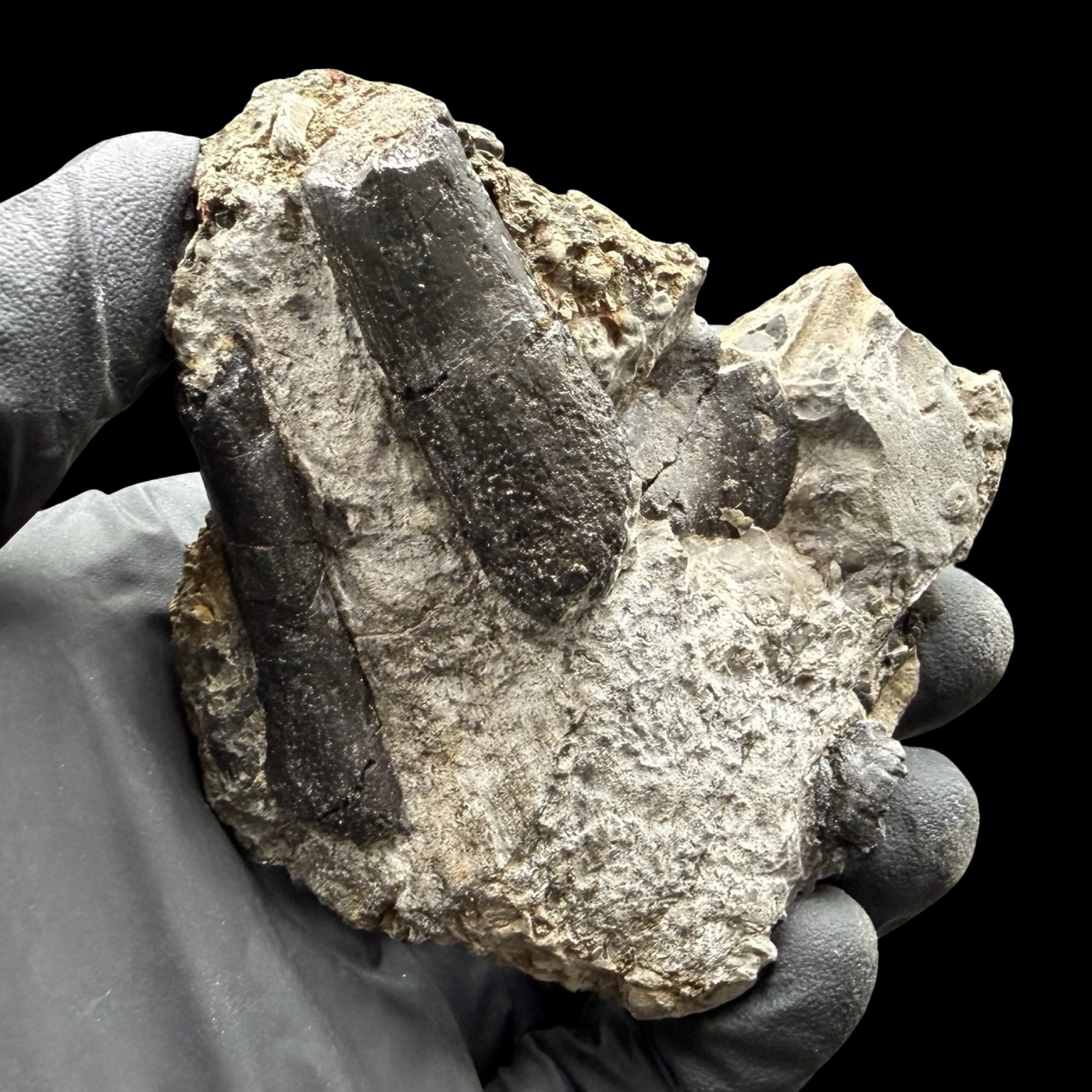
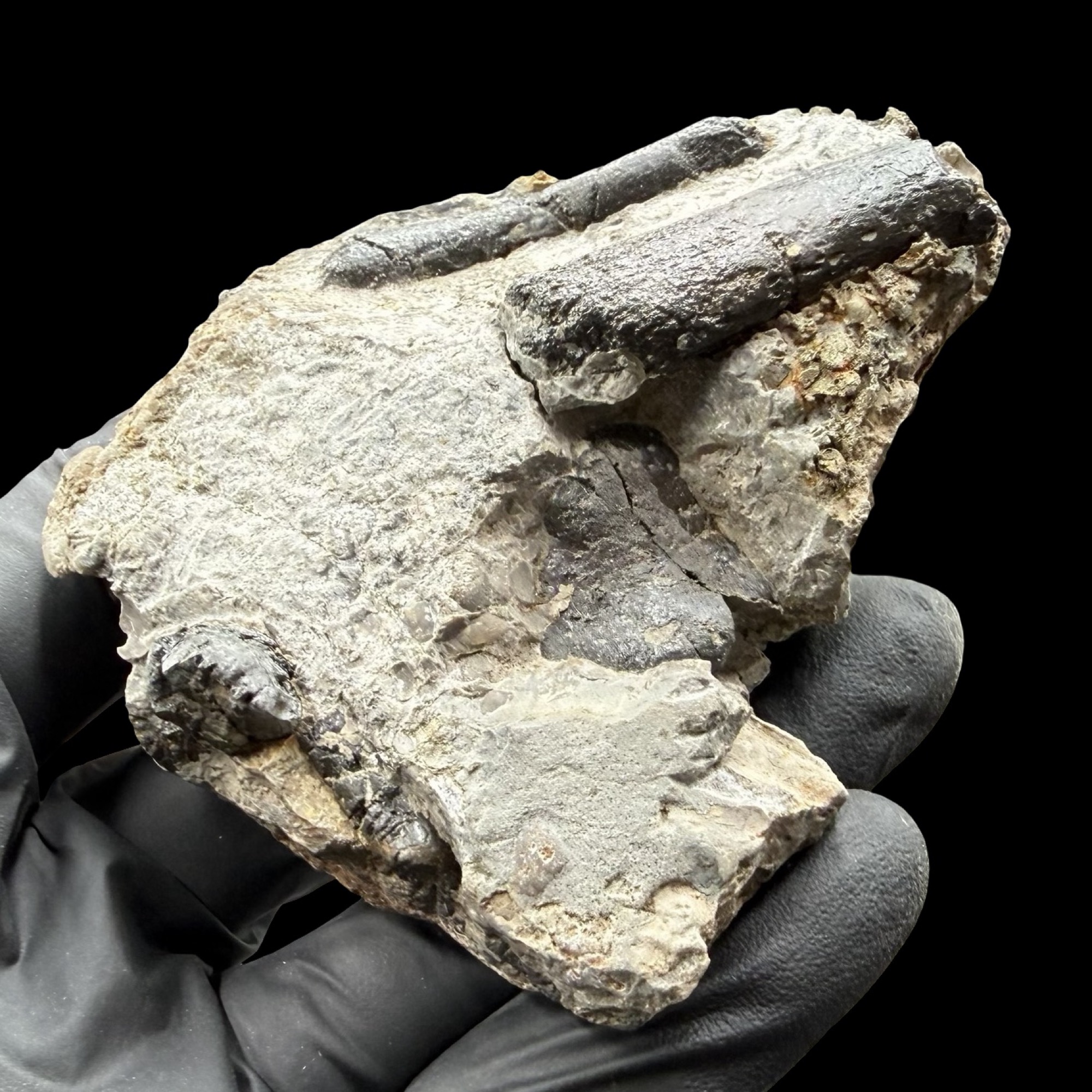
Pachystropheus rhaeticus, an extinct marine reptile from the Upper Triassic. The specimen comes from Aust Cliff, Bristol, UK, a classic British fossil locality known for important Late Triassic vertebrate material preserved within the Westbury Formation of the Penarth Group.The fossil has been carefully chosen for its scientific interest, natural character, and display appeal. The photograph shows the actual specimen you will receive, allowing you to view the real bone material, matrix, surface texture, preservation, and overall appearance before purchase. Full sizing can be seen in the photo, making it easy to assess the scale and suitability of the fossil for a collection, display cabinet, educational setting, or natural history gift. SPECIES AND SCIENTIFIC INTERESTPachystropheus rhaeticus is a Late Triassic reptile known from fragmentary skeletal remains, particularly vertebrae, limb bones, and other isolated bone material. It is closely associated with the famous Rhaetian bone beds of Britain, where many marine vertebrate remains are preserved in dark sedimentary rocks and bone-rich horizons.The name Pachystropheus refers to the distinctive nature of some of its vertebral material, with “pachy” relating to thickness or robustness. Fossils of this animal are of interest because they represent part of the reptile fauna living shortly before the end-Triassic extinction event, a major turning point in Earth history that occurred before the rise and dominance of many Jurassic marine reptile groups. GEOLOGICAL AGE, FORMATION AND LOCALITYThis specimen is from the Upper Triassic Westbury Formation, part of the Penarth Group, at Aust Cliff near Bristol. The Westbury Formation is well known for its dark shales, mudstones, and bone beds, which preserve a rich record of Late Triassic marine and coastal life.Aust Cliff is one of the most important British localities for Rhaetian fossils. The rocks exposed there were deposited in a shallow marine to marginal marine environment, where bones, teeth, fish remains, marine reptile material, and shell fragments accumulated within sediment layers. These bone beds can contain a mixture of disarticulated fossils, often transported, concentrated, and preserved together by ancient marine currents and sedimentary processes.The Upper Triassic age places this fossil at roughly the end of the Triassic Period, just before the Jurassic. This makes it an excellent specimen for collectors interested in British vertebrate fossils, Triassic reptiles, fossil bone beds, and the changing marine ecosystems of prehistoric Britain. FOSSIL BONE BLOCK AND PRESERVATIONThis specimen is preserved as a fossil bone block, meaning the bone material is retained within its natural surrounding matrix. Blocks of this type are particularly appealing because they show the fossil in geological context rather than as a fully isolated bone. The matrix helps tell the story of how the material was buried, preserved, and later exposed through natural erosion.Pachystropheus material from Rhaetian deposits is often found as isolated or associated bone fragments rather than complete skeletons. Bone blocks can display natural cross-sections, exposed bone surfaces, dark mineralised areas, sediment texture, small fossil fragments, or subtle colour contrasts between fossil and matrix. These features are part of the specimen’s authentic preservation and give it strong natural history character. DISCOVERED AND PREPARED BY OUR TEAMThis fossil was discovered by our own team members, Alister and Alison, and has been cleaned, prepped, and treated by Alison. That direct discovery and preparation history gives the specimen excellent provenance and makes it especially appealing to collectors who value fossils with a known source and careful handling.This Pachystropheus rhaeticus reptile bone block is a genuine specimen and includes a Certificate of Authenticity lifetime guarantee generic card. The certificate provides added confidence for fossil collectors, schools, display buyers, and anyone looking for a verified natural fossil specimen. COLLECTING, DISPLAY AND EDUCATIONAL APPEALA Pachystropheus rhaeticus fossil from Aust Cliff is a fascinating addition to a British fossil collection. It pairs well with other Triassic fossils, marine reptile remains, fish teeth, bone bed material, ammonites, belemnites, and vertebrate fossils from the UK.With its Upper Triassic age, Westbury Formation origin, Penarth Group geology, Aust Cliff locality, and association with a rare British reptile species, this specimen offers strong scientific, educational, and display value. It is ideal for collectors interested in prehistoric reptiles, British palaeontology, fossil bone blocks, and the ancient marine environments that existed in southwest Britain before the Jurassic Period.
Pachystropheus rhaeticus, an extinct marine reptile from the Upper Triassic. The specimen comes from Aust Cliff, Bristol, UK, a classic British fossil locality known for important Late Triassic vertebrate material preserved within the Westbury Formation of the Penarth Group.The fossil has been carefully chosen for its scientific interest, natural character, and display appeal. The photograph shows the actual specimen you will receive, allowing you to view the real bone material, matrix, surface texture, preservation, and overall appearance before purchase. Full sizing can be seen in the photo, making it easy to assess the scale and suitability of the fossil for a collection, display cabinet, educational setting, or natural history gift. SPECIES AND SCIENTIFIC INTERESTPachystropheus rhaeticus is a Late Triassic reptile known from fragmentary skeletal remains, particularly vertebrae, limb bones, and other isolated bone material. It is closely associated with the famous Rhaetian bone beds of Britain, where many marine vertebrate remains are preserved in dark sedimentary rocks and bone-rich horizons.The name Pachystropheus refers to the distinctive nature of some of its vertebral material, with “pachy” relating to thickness or robustness. Fossils of this animal are of interest because they represent part of the reptile fauna living shortly before the end-Triassic extinction event, a major turning point in Earth history that occurred before the rise and dominance of many Jurassic marine reptile groups. GEOLOGICAL AGE, FORMATION AND LOCALITYThis specimen is from the Upper Triassic Westbury Formation, part of the Penarth Group, at Aust Cliff near Bristol. The Westbury Formation is well known for its dark shales, mudstones, and bone beds, which preserve a rich record of Late Triassic marine and coastal life.Aust Cliff is one of the most important British localities for Rhaetian fossils. The rocks exposed there were deposited in a shallow marine to marginal marine environment, where bones, teeth, fish remains, marine reptile material, and shell fragments accumulated within sediment layers. These bone beds can contain a mixture of disarticulated fossils, often transported, concentrated, and preserved together by ancient marine currents and sedimentary processes.The Upper Triassic age places this fossil at roughly the end of the Triassic Period, just before the Jurassic. This makes it an excellent specimen for collectors interested in British vertebrate fossils, Triassic reptiles, fossil bone beds, and the changing marine ecosystems of prehistoric Britain. FOSSIL BONE BLOCK AND PRESERVATIONThis specimen is preserved as a fossil bone block, meaning the bone material is retained within its natural surrounding matrix. Blocks of this type are particularly appealing because they show the fossil in geological context rather than as a fully isolated bone. The matrix helps tell the story of how the material was buried, preserved, and later exposed through natural erosion.Pachystropheus material from Rhaetian deposits is often found as isolated or associated bone fragments rather than complete skeletons. Bone blocks can display natural cross-sections, exposed bone surfaces, dark mineralised areas, sediment texture, small fossil fragments, or subtle colour contrasts between fossil and matrix. These features are part of the specimen’s authentic preservation and give it strong natural history character. DISCOVERED AND PREPARED BY OUR TEAMThis fossil was discovered by our own team members, Alister and Alison, and has been cleaned, prepped, and treated by Alison. That direct discovery and preparation history gives the specimen excellent provenance and makes it especially appealing to collectors who value fossils with a known source and careful handling.This Pachystropheus rhaeticus reptile bone block is a genuine specimen and includes a Certificate of Authenticity lifetime guarantee generic card. The certificate provides added confidence for fossil collectors, schools, display buyers, and anyone looking for a verified natural fossil specimen. COLLECTING, DISPLAY AND EDUCATIONAL APPEALA Pachystropheus rhaeticus fossil from Aust Cliff is a fascinating addition to a British fossil collection. It pairs well with other Triassic fossils, marine reptile remains, fish teeth, bone bed material, ammonites, belemnites, and vertebrate fossils from the UK.With its Upper Triassic age, Westbury Formation origin, Penarth Group geology, Aust Cliff locality, and association with a rare British reptile species, this specimen offers strong scientific, educational, and display value. It is ideal for collectors interested in prehistoric reptiles, British palaeontology, fossil bone blocks, and the ancient marine environments that existed in southwest Britain before the Jurassic Period.
Other Products