Graphoceras concavum Ammonite Fossil Middle Jurassic France Genuine COA Bajocian Brittany Caulnes Collectable Display Specimen
£ 24.00
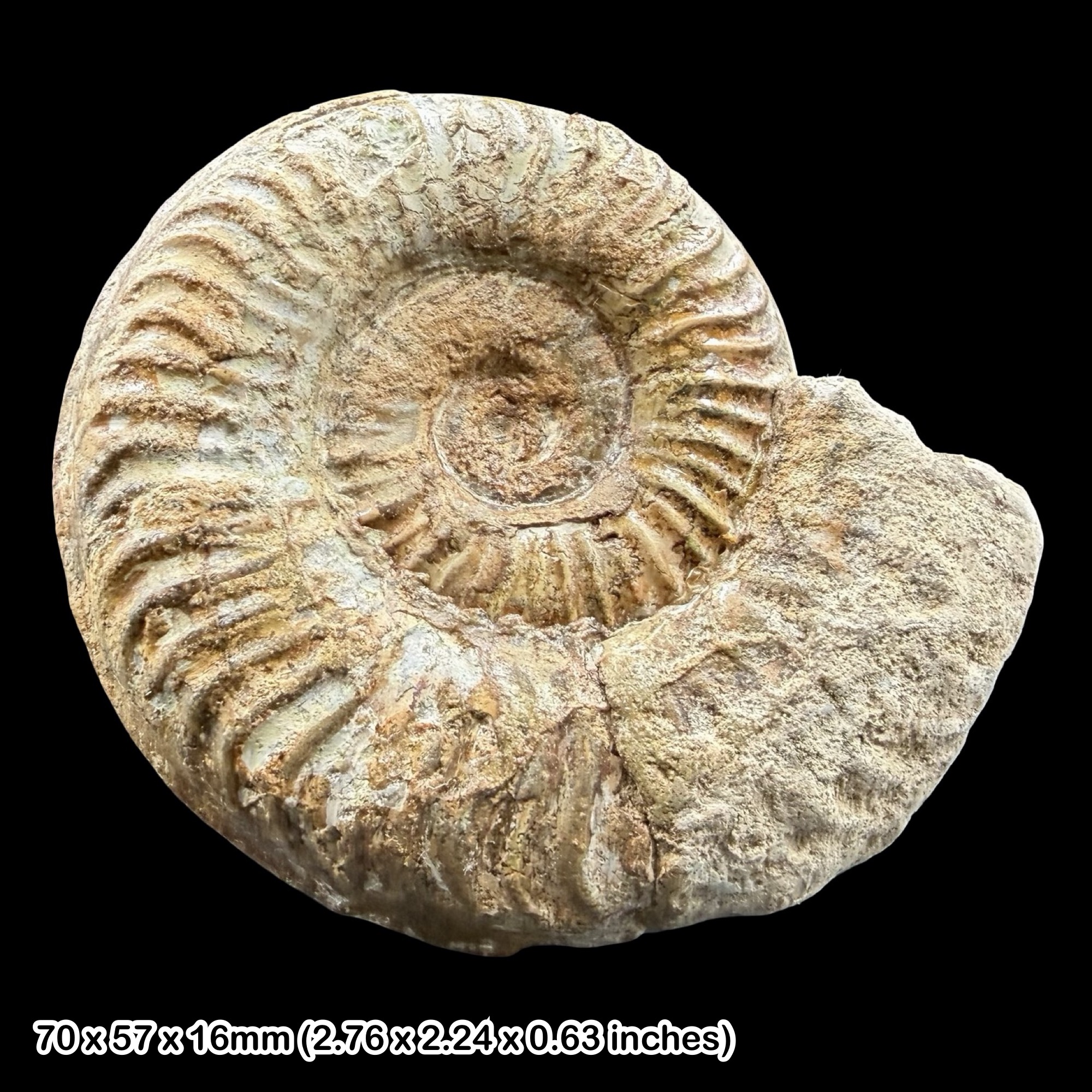
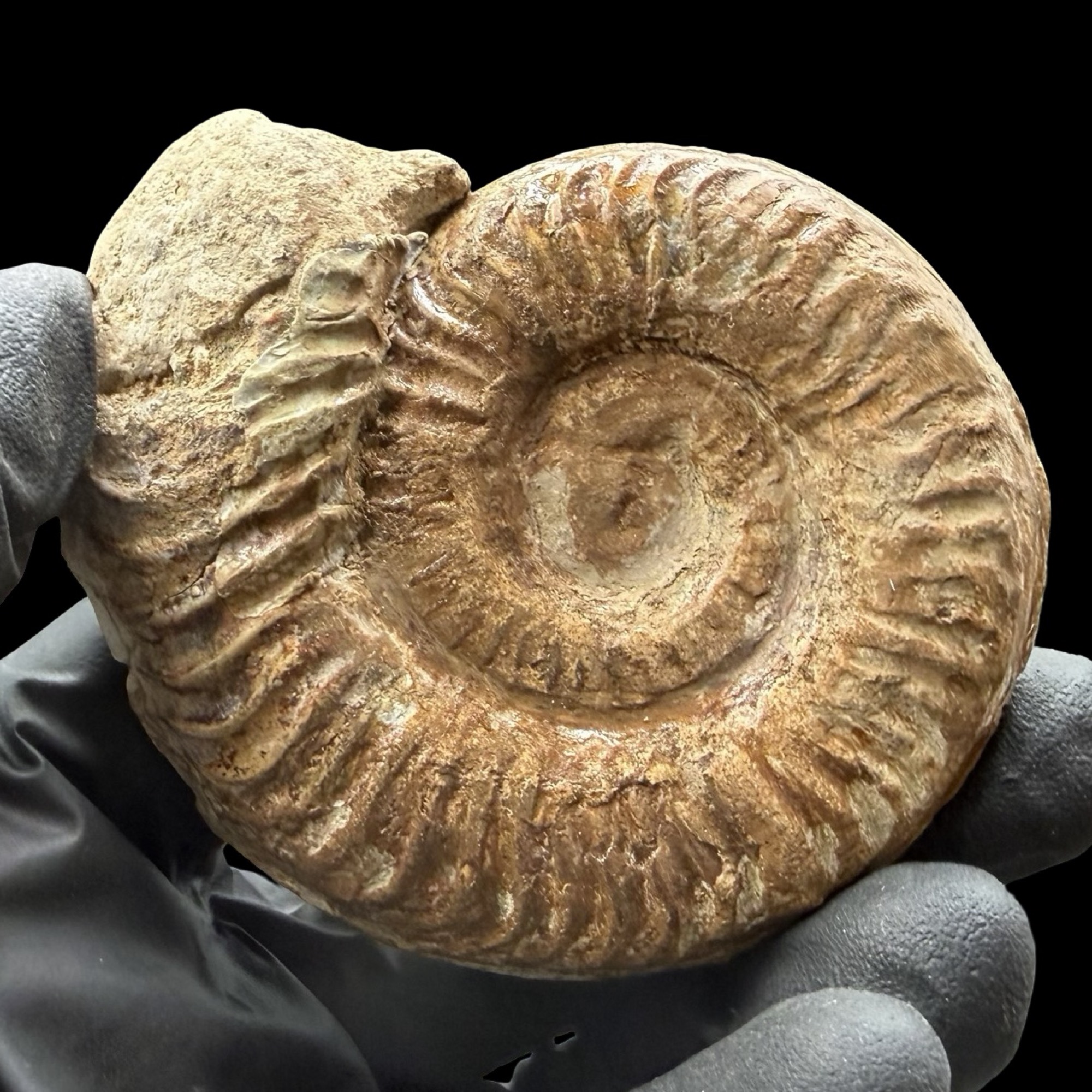
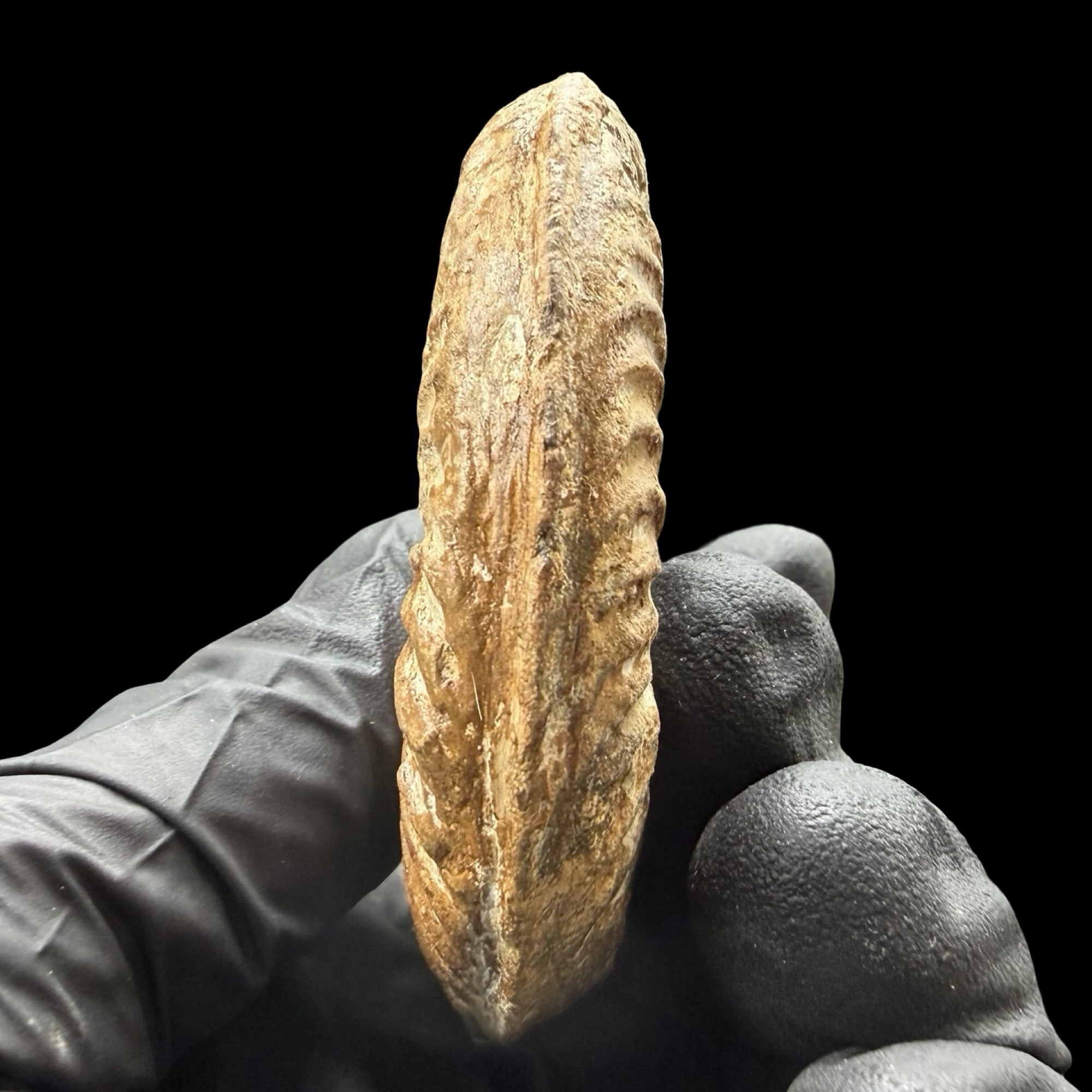
GENUINE GRAPHOCERAS CONCAVUM AMMONITE FOSSILThis listing is for a genuine Graphoceras concavum ammonite fossil from the
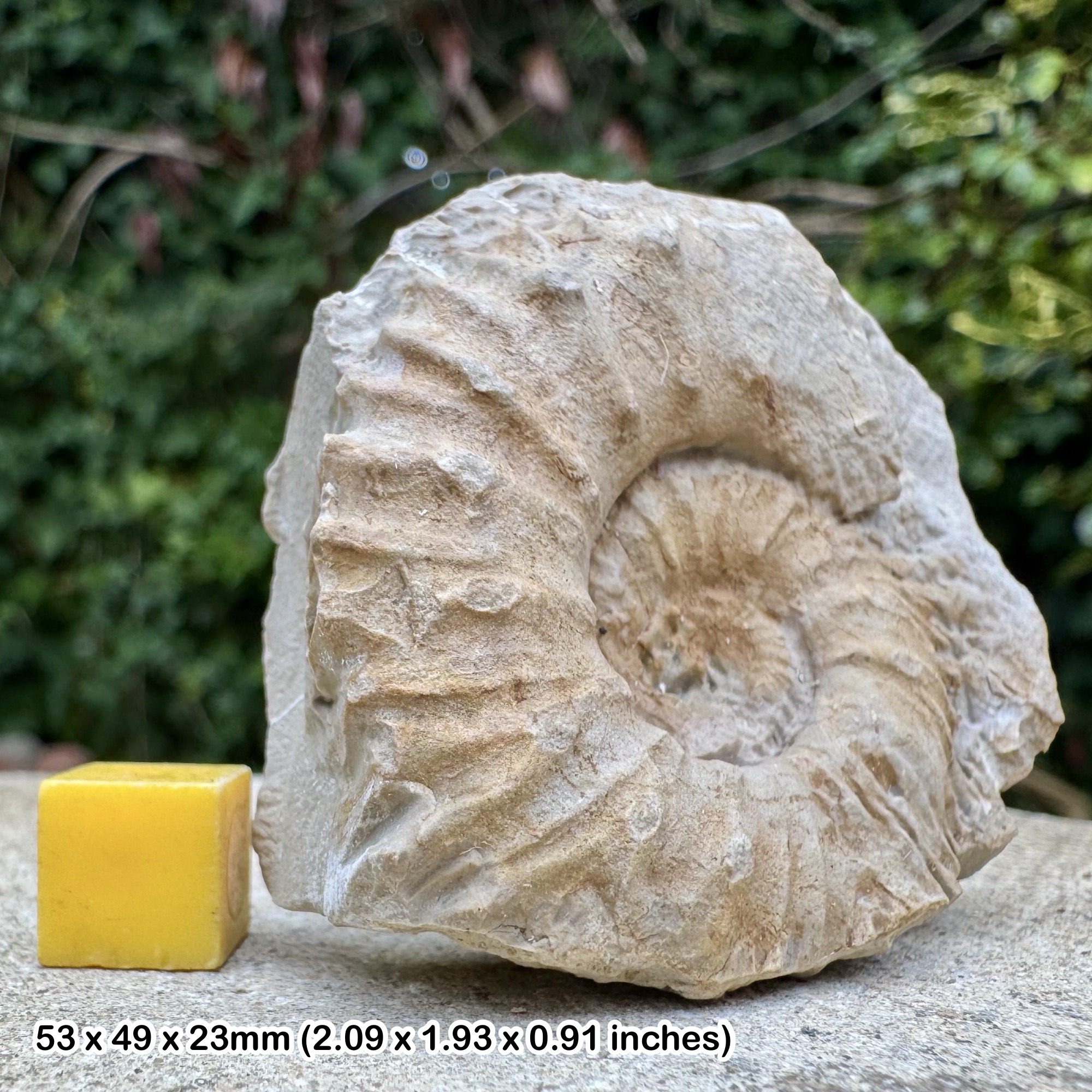
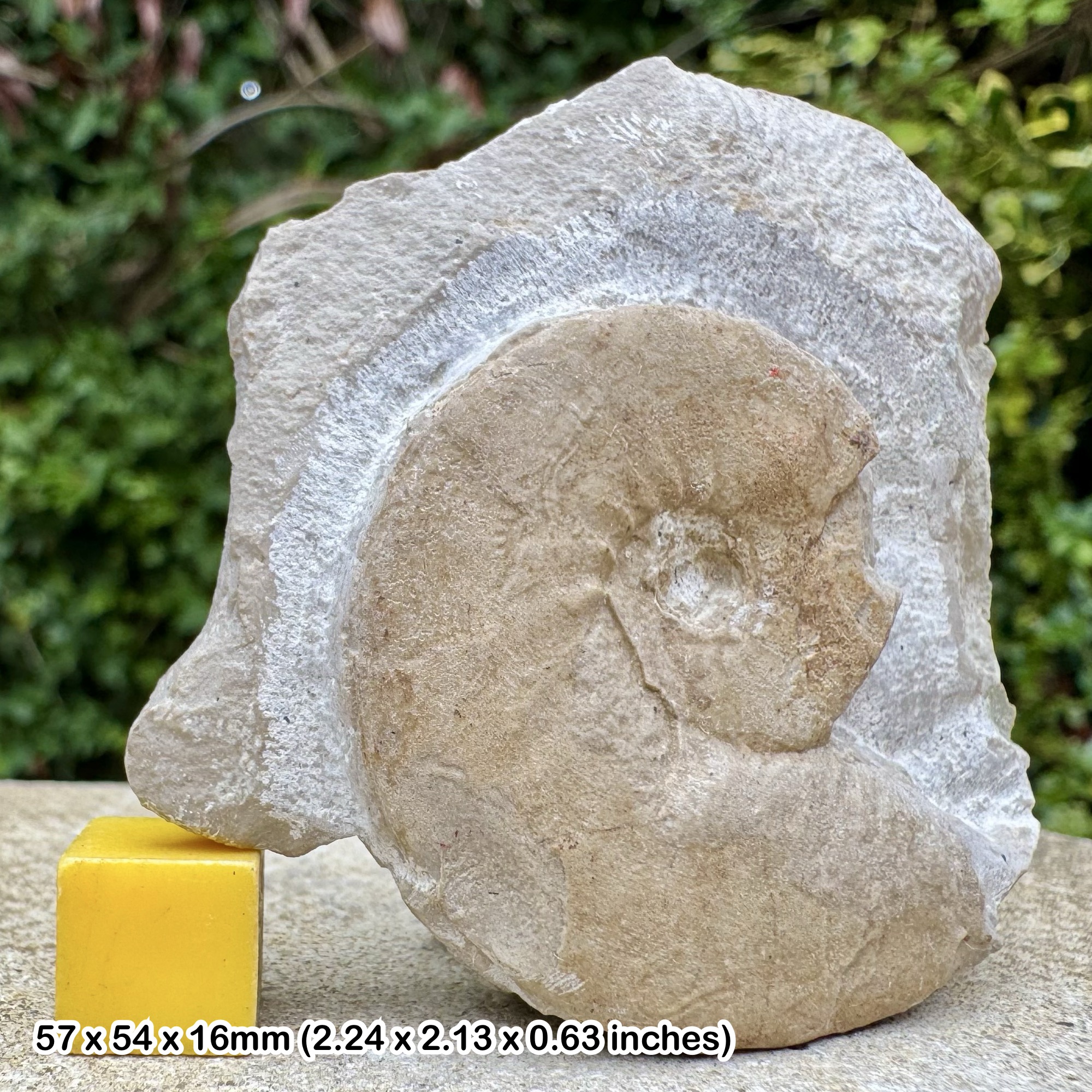
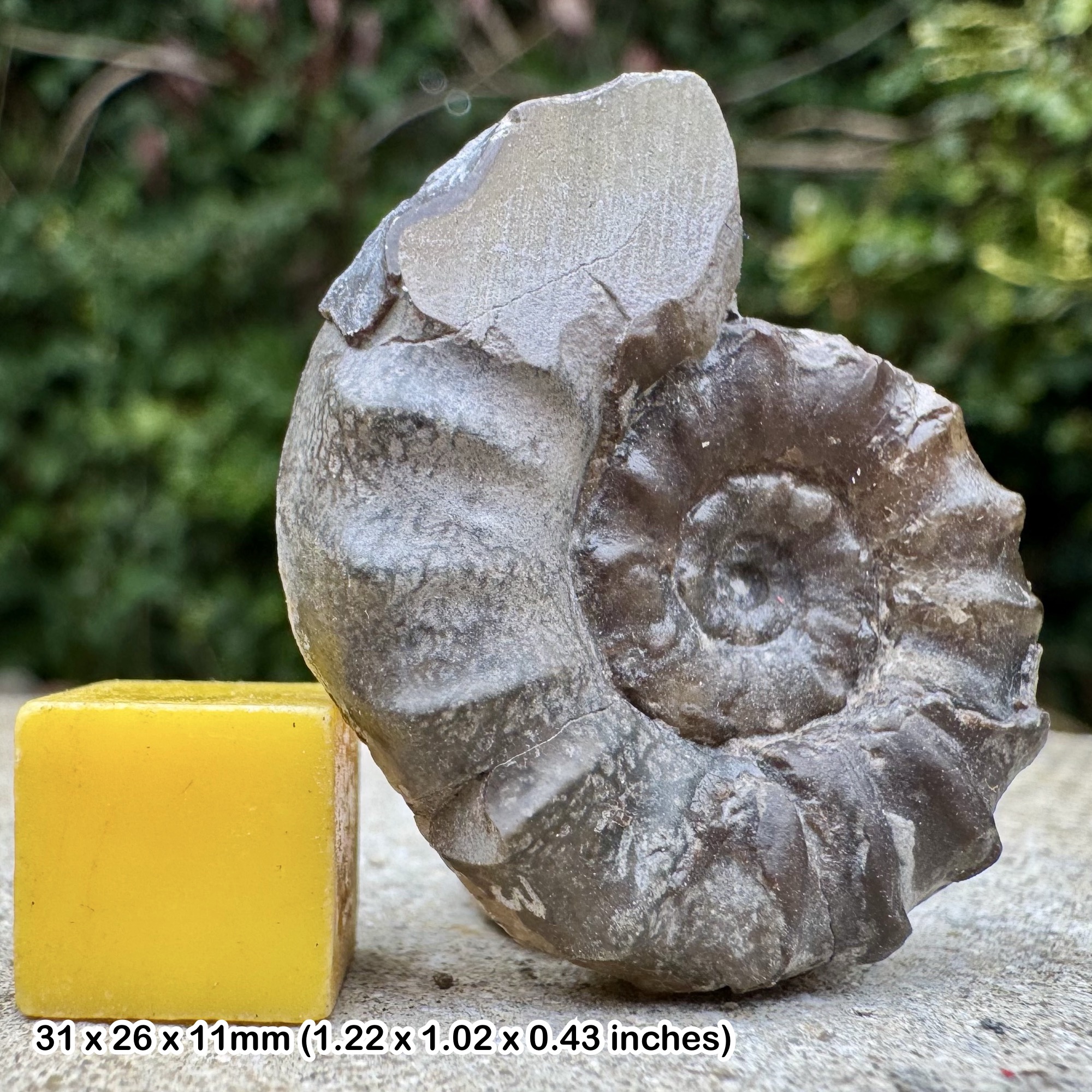
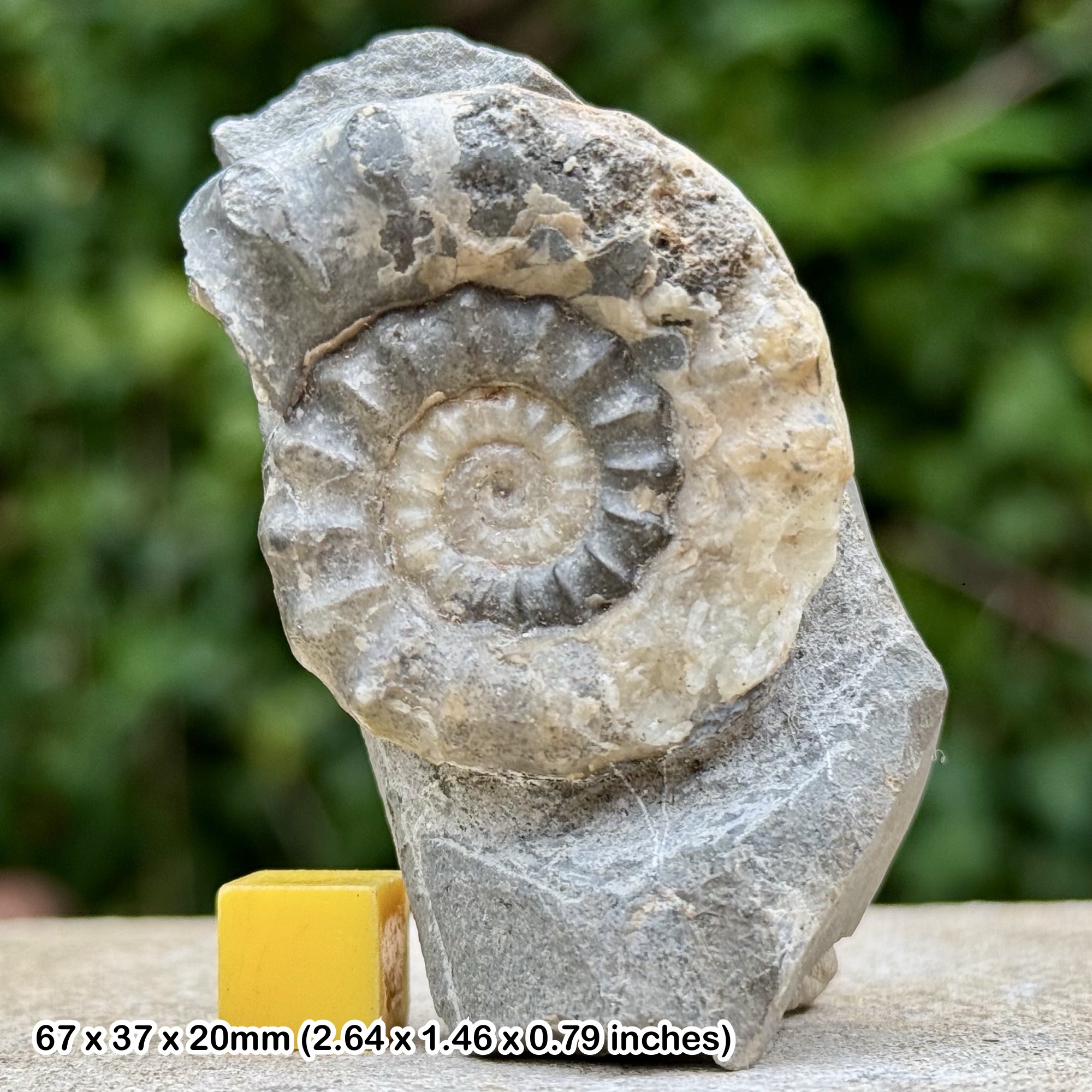
Middle Jurassic, Bajocian Stage, collected from Caulnes, Brittany, France. This is a carefully chosen fossil specimen, selected for its natural character, geological interest, and appeal as a collectable European Jurassic ammonite. The photograph shows the actual specimen you will receive, allowing you to view the fossil’s preservation, colour, matrix, shell form, surface detail, and overall appearance before purchase. For full sizing, please see the photo.This fossil is supplied with a Certificate of Authenticity lifetime guarantee generic card, confirming that it is a genuine fossil specimen. FOSSIL TYPE AND SPECIESGraphoceras concavum is an ammonite, an extinct marine cephalopod related to modern squid, cuttlefish, octopus, and nautilus. Ammonites lived in coiled, chambered shells and were among the most successful marine animals of the Mesozoic seas. Their shells were divided internally into a series of chambers, which helped regulate buoyancy, while the living animal occupied the final body chamber.The genus Graphoceras is a well-known Middle Jurassic ammonite group, prized by collectors for its elegant coiled form and its importance in Jurassic stratigraphy. Graphoceras concavum is associated with the Bajocian and is linked with the Concavum Zone, a recognised ammonite biozone used for correlation within Middle Jurassic sequences. Ammonites are especially valuable fossils because many species evolved rapidly and were widely distributed across ancient seas, allowing geologists to compare and date rock layers with impressive precision. MIDDLE JURASSIC BAJOCIAN GEOLOGYThis fossil dates from the Middle Jurassic Period, specifically the Bajocian Stage, making it approximately 170 million years old. During the Bajocian, much of western Europe was covered by warm, shallow marine seas. These environments supported a rich ecosystem of ammonites, belemnites, bivalves, brachiopods, gastropods, crinoids, fish, and marine reptiles.The sediments that preserved ammonites such as Graphoceras concavum were deposited on ancient sea floors. After death, the ammonite shell could settle into soft marine sediment, where rapid burial protected it from complete destruction. Over millions of years, compaction, mineral-rich groundwater, and natural chemical processes transformed the shell into the fossil specimen seen today. CAULNES, BRITTANY FOSSIL LOCALITYThis specimen comes from Caulnes in Brittany, France, a locality associated with Jurassic fossil-bearing deposits. Fossils from Brittany are attractive to collectors because they represent the marine history of western France during a time when shallow Jurassic seas covered large parts of Europe. A fossil from this region provides a direct connection to an ancient marine environment that existed long before the modern landscape of France formed.A Graphoceras concavum ammonite from Caulnes is a desirable specimen for collectors of French fossils, European ammonites, Bajocian fossils, Middle Jurassic specimens, and scientifically labelled natural history display pieces. Its clear locality and geological age add strong educational and collectable value. SHELL FORM AND NATURAL FEATURESGraphoceras ammonites typically show a planispiral coiled shell with compressed whorls and a defined outer margin. Depending on preservation, visible features may include fine ribbing, subtle growth lines, shell curvature, whorl compression, and keel-related structure along the outer edge. These natural characteristics formed as the animal grew and are important features used in ammonite identification.As a genuine fossil, this specimen may show natural details such as mineral staining, matrix attachment, ancient surface wear, weathered areas, slight compression, fine cracks, small chips, or partial preservation. These features are normal in authentic fossil material and form part of the specimen’s long geological history. The photograph shows the exact fossil being offered, so every visible detail can be inspected before purchase. COLLECTABLE FRENCH JURASSIC DISPLAY SPECIMENThis Graphoceras concavum ammonite fossil is ideal for fossil collectors, geology students, educational collections, school teaching resources, natural history displays, or anyone interested in genuine Jurassic marine fossils. Its combination of Middle Jurassic age, Bajocian stage, French locality, Concavum Zone association, and classic ammonite form makes it a strong addition to any fossil cabinet or display collection.The specimen comes exactly as shown in the photo and includes a Certificate of Authenticity lifetime guarantee generic card, making it a reliable choice for collectors seeking a genuine Graphoceras ammonite, French Jurassic fossil, Bajocian ammonite, Caulnes fossil specimen, or authentic natural history display piece.
Middle Jurassic, Bajocian Stage, collected from Caulnes, Brittany, France. This is a carefully chosen fossil specimen, selected for its natural character, geological interest, and appeal as a collectable European Jurassic ammonite. The photograph shows the actual specimen you will receive, allowing you to view the fossil’s preservation, colour, matrix, shell form, surface detail, and overall appearance before purchase. For full sizing, please see the photo.This fossil is supplied with a Certificate of Authenticity lifetime guarantee generic card, confirming that it is a genuine fossil specimen. FOSSIL TYPE AND SPECIESGraphoceras concavum is an ammonite, an extinct marine cephalopod related to modern squid, cuttlefish, octopus, and nautilus. Ammonites lived in coiled, chambered shells and were among the most successful marine animals of the Mesozoic seas. Their shells were divided internally into a series of chambers, which helped regulate buoyancy, while the living animal occupied the final body chamber.The genus Graphoceras is a well-known Middle Jurassic ammonite group, prized by collectors for its elegant coiled form and its importance in Jurassic stratigraphy. Graphoceras concavum is associated with the Bajocian and is linked with the Concavum Zone, a recognised ammonite biozone used for correlation within Middle Jurassic sequences. Ammonites are especially valuable fossils because many species evolved rapidly and were widely distributed across ancient seas, allowing geologists to compare and date rock layers with impressive precision. MIDDLE JURASSIC BAJOCIAN GEOLOGYThis fossil dates from the Middle Jurassic Period, specifically the Bajocian Stage, making it approximately 170 million years old. During the Bajocian, much of western Europe was covered by warm, shallow marine seas. These environments supported a rich ecosystem of ammonites, belemnites, bivalves, brachiopods, gastropods, crinoids, fish, and marine reptiles.The sediments that preserved ammonites such as Graphoceras concavum were deposited on ancient sea floors. After death, the ammonite shell could settle into soft marine sediment, where rapid burial protected it from complete destruction. Over millions of years, compaction, mineral-rich groundwater, and natural chemical processes transformed the shell into the fossil specimen seen today. CAULNES, BRITTANY FOSSIL LOCALITYThis specimen comes from Caulnes in Brittany, France, a locality associated with Jurassic fossil-bearing deposits. Fossils from Brittany are attractive to collectors because they represent the marine history of western France during a time when shallow Jurassic seas covered large parts of Europe. A fossil from this region provides a direct connection to an ancient marine environment that existed long before the modern landscape of France formed.A Graphoceras concavum ammonite from Caulnes is a desirable specimen for collectors of French fossils, European ammonites, Bajocian fossils, Middle Jurassic specimens, and scientifically labelled natural history display pieces. Its clear locality and geological age add strong educational and collectable value. SHELL FORM AND NATURAL FEATURESGraphoceras ammonites typically show a planispiral coiled shell with compressed whorls and a defined outer margin. Depending on preservation, visible features may include fine ribbing, subtle growth lines, shell curvature, whorl compression, and keel-related structure along the outer edge. These natural characteristics formed as the animal grew and are important features used in ammonite identification.As a genuine fossil, this specimen may show natural details such as mineral staining, matrix attachment, ancient surface wear, weathered areas, slight compression, fine cracks, small chips, or partial preservation. These features are normal in authentic fossil material and form part of the specimen’s long geological history. The photograph shows the exact fossil being offered, so every visible detail can be inspected before purchase. COLLECTABLE FRENCH JURASSIC DISPLAY SPECIMENThis Graphoceras concavum ammonite fossil is ideal for fossil collectors, geology students, educational collections, school teaching resources, natural history displays, or anyone interested in genuine Jurassic marine fossils. Its combination of Middle Jurassic age, Bajocian stage, French locality, Concavum Zone association, and classic ammonite form makes it a strong addition to any fossil cabinet or display collection.The specimen comes exactly as shown in the photo and includes a Certificate of Authenticity lifetime guarantee generic card, making it a reliable choice for collectors seeking a genuine Graphoceras ammonite, French Jurassic fossil, Bajocian ammonite, Caulnes fossil specimen, or authentic natural history display piece.
Other Products