Rare Murchison CM2 Carbonaceous Chondrite Meteorite Australia Fall 1969 Genuine
£ 780.00
RARE GENUINE MURCHISON CM2 CARBONACEOUS CHONDRITE METEORITEThis rare genuine Murchison CM2 Carbonaceous Chondrite Meteorite is an authentic
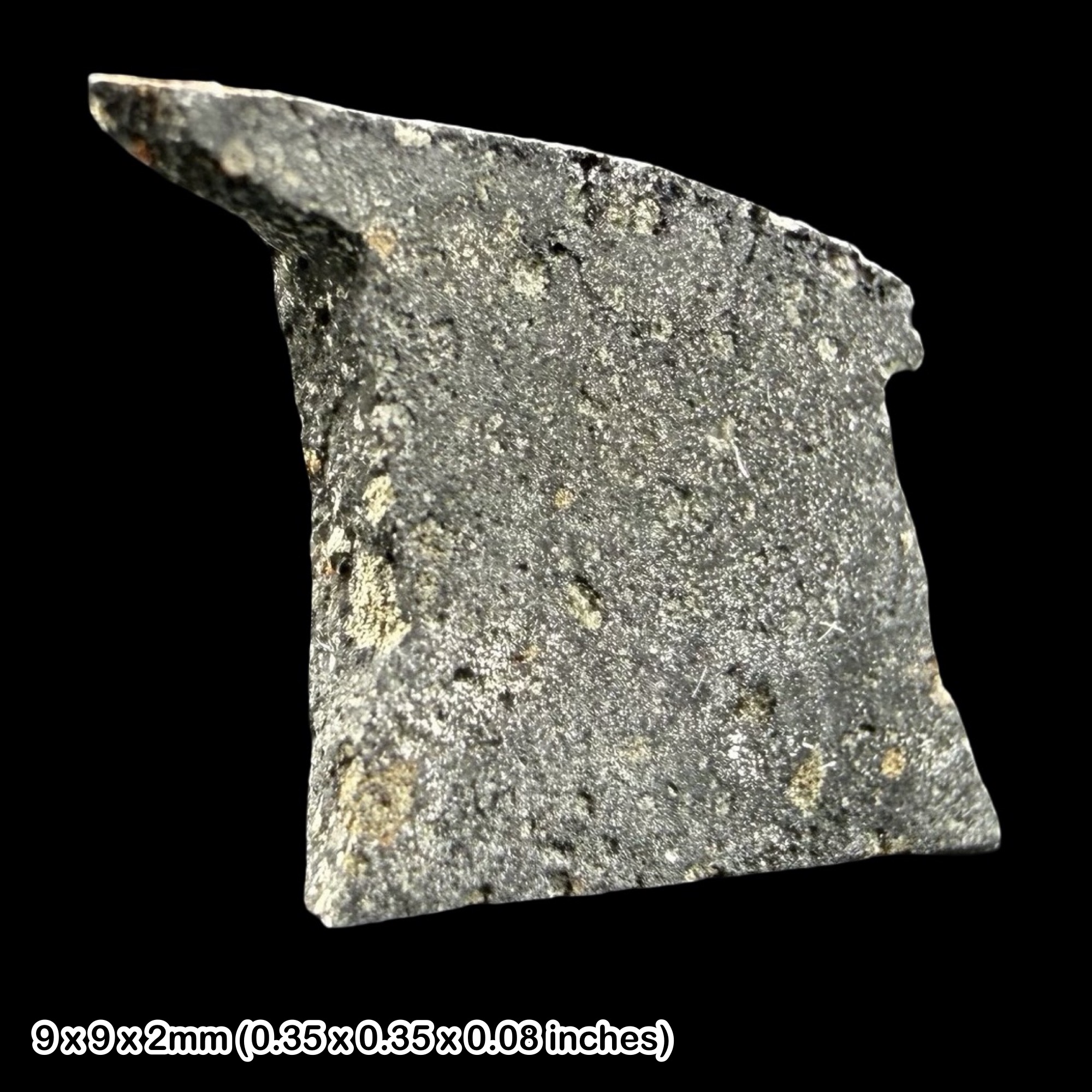
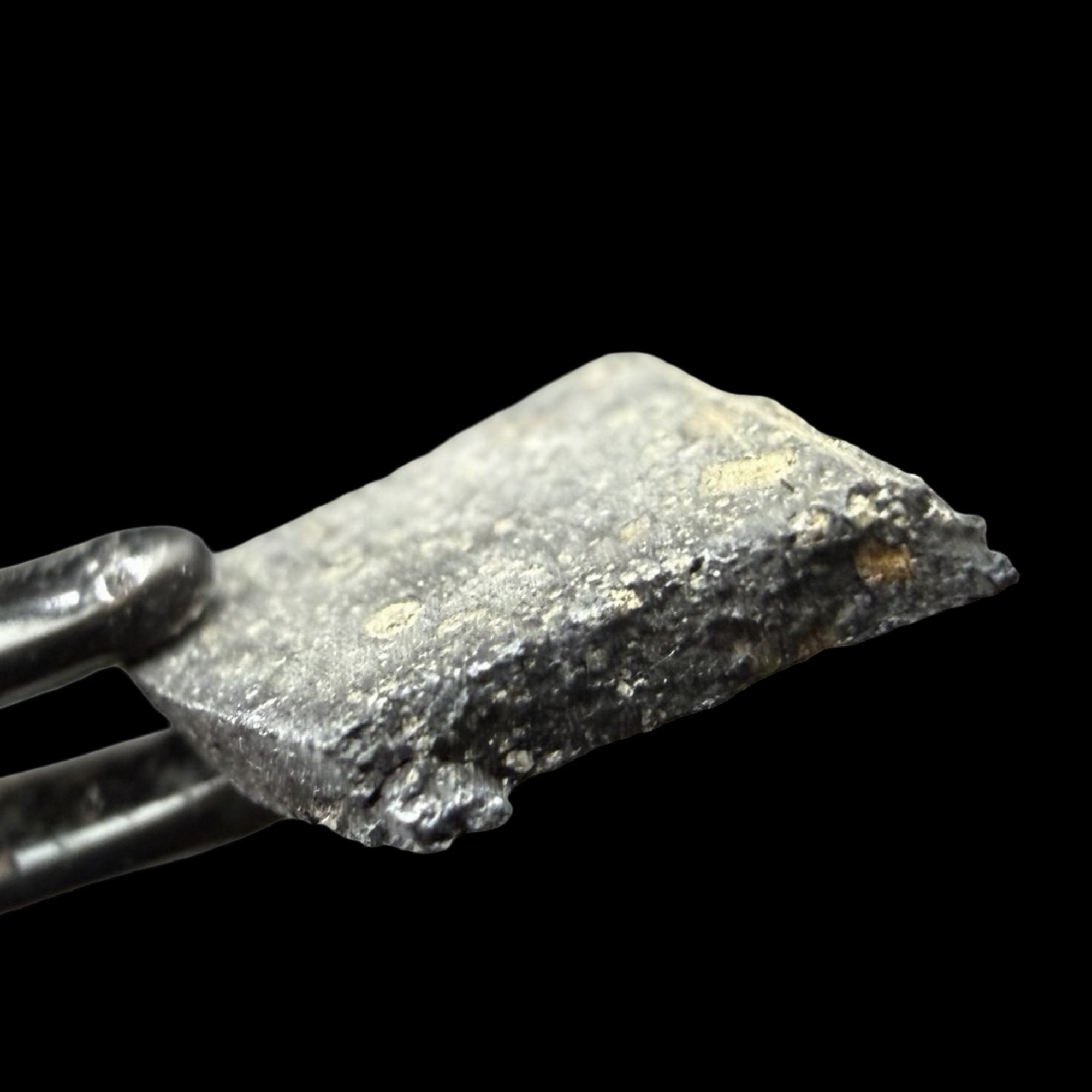
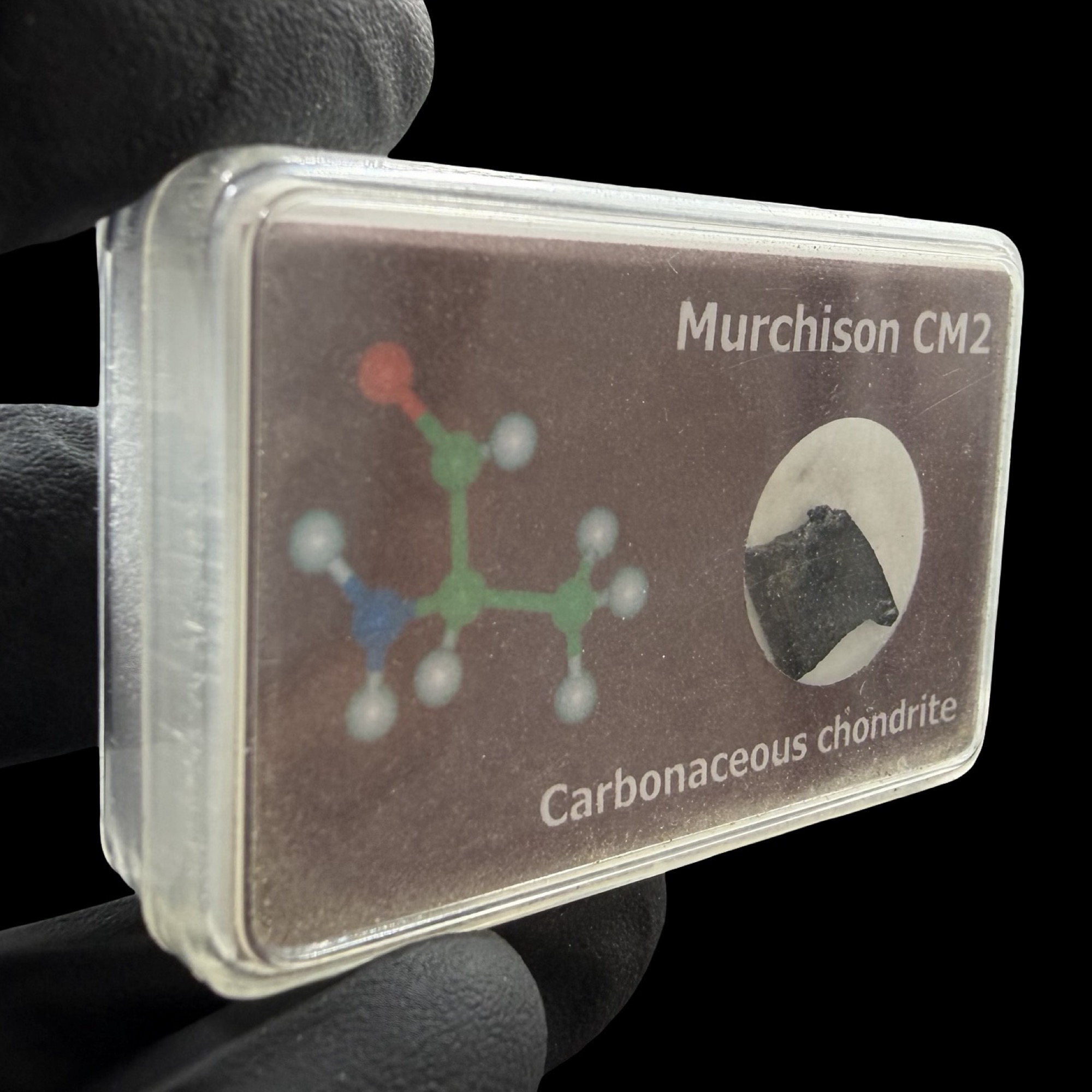
extraterrestrial specimen from one of the most scientifically important meteorite falls ever recorded. Recovered following the famous 1969 fall near Murchison, Victoria, Australia, this remarkable 0.26g specimen preserves primitive solar system material formed more than 4.5 billion years ago.The exact meteorite shown in the photographs is the specimen you will receive. This carefully selected meteorite includes a fully hand-signed Premium Certificate of Authenticity confirming its authenticity and extraterrestrial origin.Please refer to the photographs for full sizing and scale. ABOUT THE MURCHISON METEORITE FALLThe Murchison meteorite fell on 28 September 1969 near the town of Murchison in Victoria, Australia. Witnesses observed a brilliant fireball crossing the sky before the meteorite fragmented and scattered thousands of pieces across the surrounding area.The fall occurred only months after the Apollo 11 Moon landing, generating enormous scientific interest worldwide. Due to the rapid recovery of fresh material shortly after the fall, Murchison became one of the best-preserved and most intensively studied carbonaceous chondrites ever discovered.Murchison is officially classified as a CM2 Carbonaceous Chondrite, belonging to the Mighei-type subgroup of carbonaceous meteorites. These meteorites are among the most primitive materials known within the solar system and are highly valued for preserving ancient chemical compounds and early solar nebula material.The Murchison meteorite is internationally famous for containing a rich variety of organic compounds, amino acids, presolar grains, and primitive mineral phases that predate the formation of Earth itself. CLASSIFICATION AND METEORITE COMPOSITIONMurchison belongs to the CM2 carbonaceous chondrite group, one of the most scientifically important meteorite classifications. The “CM” designation refers to the Mighei-type subgroup, while the petrologic type 2 classification indicates that the meteorite experienced limited aqueous alteration on its parent asteroid.CM2 carbonaceous chondrites are composed primarily of:
• Fine-grained silicate matrix
• Chondrules
• Olivine and pyroxene minerals
• Iron sulphides
• Magnetite
• Carbon-rich compounds
• Hydrated mineralsThese meteorites formed during the earliest stages of solar system development approximately 4.56 billion years ago and preserve primitive material from the solar nebula largely unchanged since that time.Murchison is especially important because it contains a remarkable abundance of organic compounds and microscopic presolar grains that originated before the formation of the Sun itself. GEOLOGICAL AND SCIENTIFIC IMPORTANCEThe Murchison meteorite is regarded as one of the most scientifically significant meteorites ever discovered. Research conducted on Murchison samples revolutionised scientific understanding of prebiotic chemistry and the complex organic compounds present within primitive solar system material.Scientists identified over 70 amino acids within Murchison, many of which are rare or absent in terrestrial biology. The meteorite also contains complex carbon compounds and microscopic presolar grains formed within ancient stars before the birth of the solar system.These discoveries provided crucial evidence that important organic molecules existed naturally in space long before the development of life on Earth.Murchison also preserves evidence of aqueous alteration processes occurring within its parent asteroid, where liquid water interacted with primitive minerals billions of years ago.Due to its scientific significance and limited availability, genuine Murchison material remains highly desirable among collectors, researchers, and museums worldwide. APPEARANCE AND NATURAL CHARACTERISTICSThis Murchison meteorite specimen displays the classic appearance associated with fresh CM2 carbonaceous chondrites, including dark carbon-rich matrix material, fine-grained texture, and subtle primitive mineral structures.Authentic Murchison material commonly exhibits:
• Dark grey to black matrix
• Fine chondrule structures
• Carbon-rich appearance
• Primitive silicate inclusions
• Natural fusion crust remnants
• Fine brecciated texturesThe dark appearance results from the meteorite’s high carbon content and primitive mineral composition.As a genuine meteorite from a witnessed fall, every Murchison specimen is completely unique in structure, texture, and appearance. EXCEPTIONAL COLLECTOR METEORITEMurchison is considered one of the most important meteorites in the history of planetary science and is highly sought after among collectors due to its rarity and extraordinary scientific significance.This specimen is ideal for:
• Meteorite and space rock collections
• Carbonaceous chondrite collections
• Planetary science displays
• Museum-style natural history collections
• Educational astronomy collections
• Organic chemistry and astrobiology collections
• Rare extraterrestrial material collections
• Gifts for meteorite collectors and enthusiastsIts association with one of the most famous meteorite falls in scientific history makes this an especially important collector specimen. GENUINE EXTRATERRESTRIAL SPECIMENThis RARE Murchison CM2 Carbonaceous Chondrite Meteorite from the famous Australian fall of 1969 is a genuine carefully selected specimen chosen for its authenticity, scientific importance, and display appeal.The exact meteorite shown in the photographs is the specimen you will receive. Every meteorite supplied by us is 100% genuine and includes a fully hand-signed Premium Certificate of Authenticity, providing confidence in the authenticity and extraterrestrial origin of this extraordinary primitive meteorite from one of the most important meteorite falls ever recorded.
extraterrestrial specimen from one of the most scientifically important meteorite falls ever recorded. Recovered following the famous 1969 fall near Murchison, Victoria, Australia, this remarkable 0.26g specimen preserves primitive solar system material formed more than 4.5 billion years ago.The exact meteorite shown in the photographs is the specimen you will receive. This carefully selected meteorite includes a fully hand-signed Premium Certificate of Authenticity confirming its authenticity and extraterrestrial origin.Please refer to the photographs for full sizing and scale. ABOUT THE MURCHISON METEORITE FALLThe Murchison meteorite fell on 28 September 1969 near the town of Murchison in Victoria, Australia. Witnesses observed a brilliant fireball crossing the sky before the meteorite fragmented and scattered thousands of pieces across the surrounding area.The fall occurred only months after the Apollo 11 Moon landing, generating enormous scientific interest worldwide. Due to the rapid recovery of fresh material shortly after the fall, Murchison became one of the best-preserved and most intensively studied carbonaceous chondrites ever discovered.Murchison is officially classified as a CM2 Carbonaceous Chondrite, belonging to the Mighei-type subgroup of carbonaceous meteorites. These meteorites are among the most primitive materials known within the solar system and are highly valued for preserving ancient chemical compounds and early solar nebula material.The Murchison meteorite is internationally famous for containing a rich variety of organic compounds, amino acids, presolar grains, and primitive mineral phases that predate the formation of Earth itself. CLASSIFICATION AND METEORITE COMPOSITIONMurchison belongs to the CM2 carbonaceous chondrite group, one of the most scientifically important meteorite classifications. The “CM” designation refers to the Mighei-type subgroup, while the petrologic type 2 classification indicates that the meteorite experienced limited aqueous alteration on its parent asteroid.CM2 carbonaceous chondrites are composed primarily of:
• Fine-grained silicate matrix
• Chondrules
• Olivine and pyroxene minerals
• Iron sulphides
• Magnetite
• Carbon-rich compounds
• Hydrated mineralsThese meteorites formed during the earliest stages of solar system development approximately 4.56 billion years ago and preserve primitive material from the solar nebula largely unchanged since that time.Murchison is especially important because it contains a remarkable abundance of organic compounds and microscopic presolar grains that originated before the formation of the Sun itself. GEOLOGICAL AND SCIENTIFIC IMPORTANCEThe Murchison meteorite is regarded as one of the most scientifically significant meteorites ever discovered. Research conducted on Murchison samples revolutionised scientific understanding of prebiotic chemistry and the complex organic compounds present within primitive solar system material.Scientists identified over 70 amino acids within Murchison, many of which are rare or absent in terrestrial biology. The meteorite also contains complex carbon compounds and microscopic presolar grains formed within ancient stars before the birth of the solar system.These discoveries provided crucial evidence that important organic molecules existed naturally in space long before the development of life on Earth.Murchison also preserves evidence of aqueous alteration processes occurring within its parent asteroid, where liquid water interacted with primitive minerals billions of years ago.Due to its scientific significance and limited availability, genuine Murchison material remains highly desirable among collectors, researchers, and museums worldwide. APPEARANCE AND NATURAL CHARACTERISTICSThis Murchison meteorite specimen displays the classic appearance associated with fresh CM2 carbonaceous chondrites, including dark carbon-rich matrix material, fine-grained texture, and subtle primitive mineral structures.Authentic Murchison material commonly exhibits:
• Dark grey to black matrix
• Fine chondrule structures
• Carbon-rich appearance
• Primitive silicate inclusions
• Natural fusion crust remnants
• Fine brecciated texturesThe dark appearance results from the meteorite’s high carbon content and primitive mineral composition.As a genuine meteorite from a witnessed fall, every Murchison specimen is completely unique in structure, texture, and appearance. EXCEPTIONAL COLLECTOR METEORITEMurchison is considered one of the most important meteorites in the history of planetary science and is highly sought after among collectors due to its rarity and extraordinary scientific significance.This specimen is ideal for:
• Meteorite and space rock collections
• Carbonaceous chondrite collections
• Planetary science displays
• Museum-style natural history collections
• Educational astronomy collections
• Organic chemistry and astrobiology collections
• Rare extraterrestrial material collections
• Gifts for meteorite collectors and enthusiastsIts association with one of the most famous meteorite falls in scientific history makes this an especially important collector specimen. GENUINE EXTRATERRESTRIAL SPECIMENThis RARE Murchison CM2 Carbonaceous Chondrite Meteorite from the famous Australian fall of 1969 is a genuine carefully selected specimen chosen for its authenticity, scientific importance, and display appeal.The exact meteorite shown in the photographs is the specimen you will receive. Every meteorite supplied by us is 100% genuine and includes a fully hand-signed Premium Certificate of Authenticity, providing confidence in the authenticity and extraterrestrial origin of this extraordinary primitive meteorite from one of the most important meteorite falls ever recorded.
Other Products