Dendritic Opal Rough Genuine Crystal Specimen COA Display Mineral Collectable, Natural Tree Pattern Stone Geology Decor Gift
£ 13.20
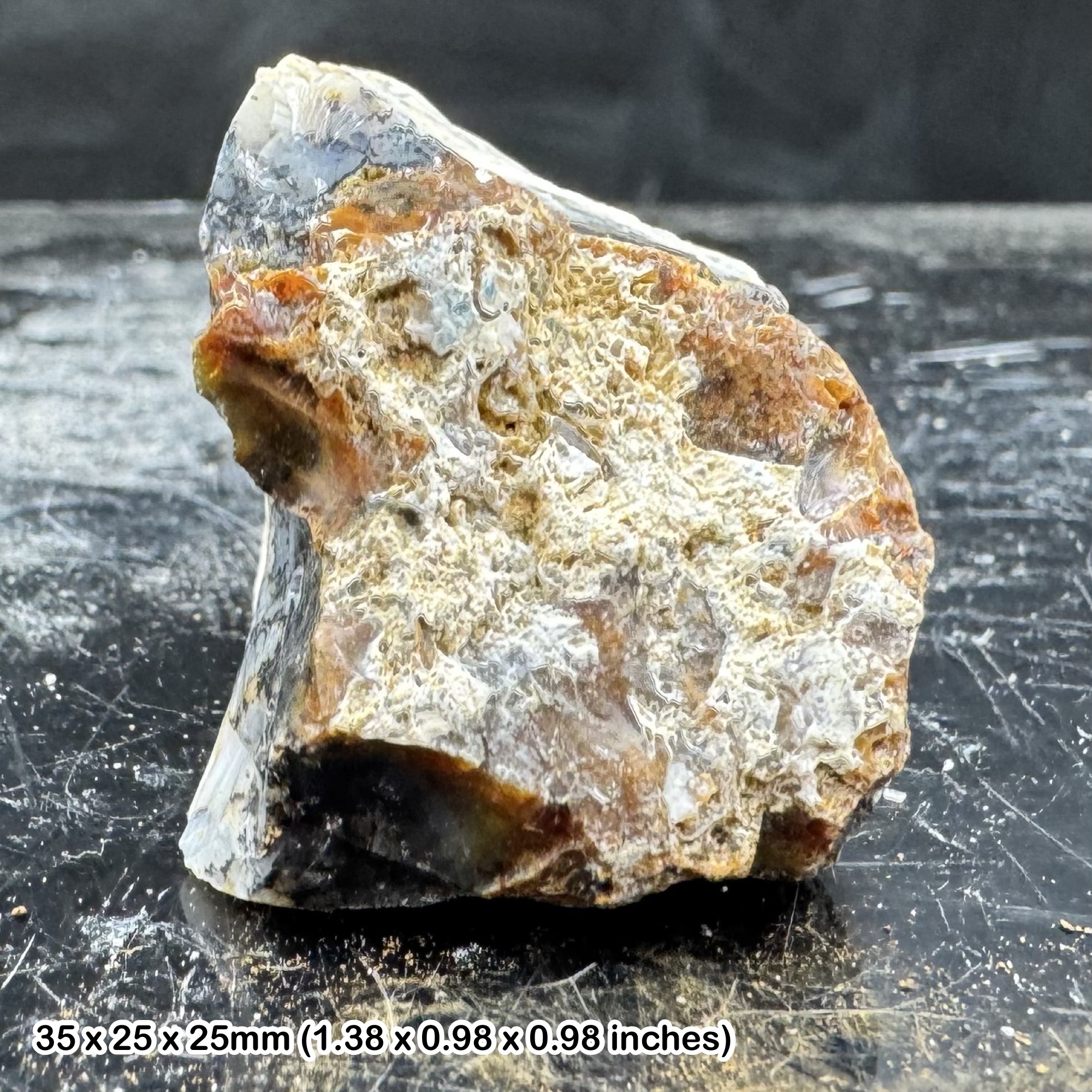
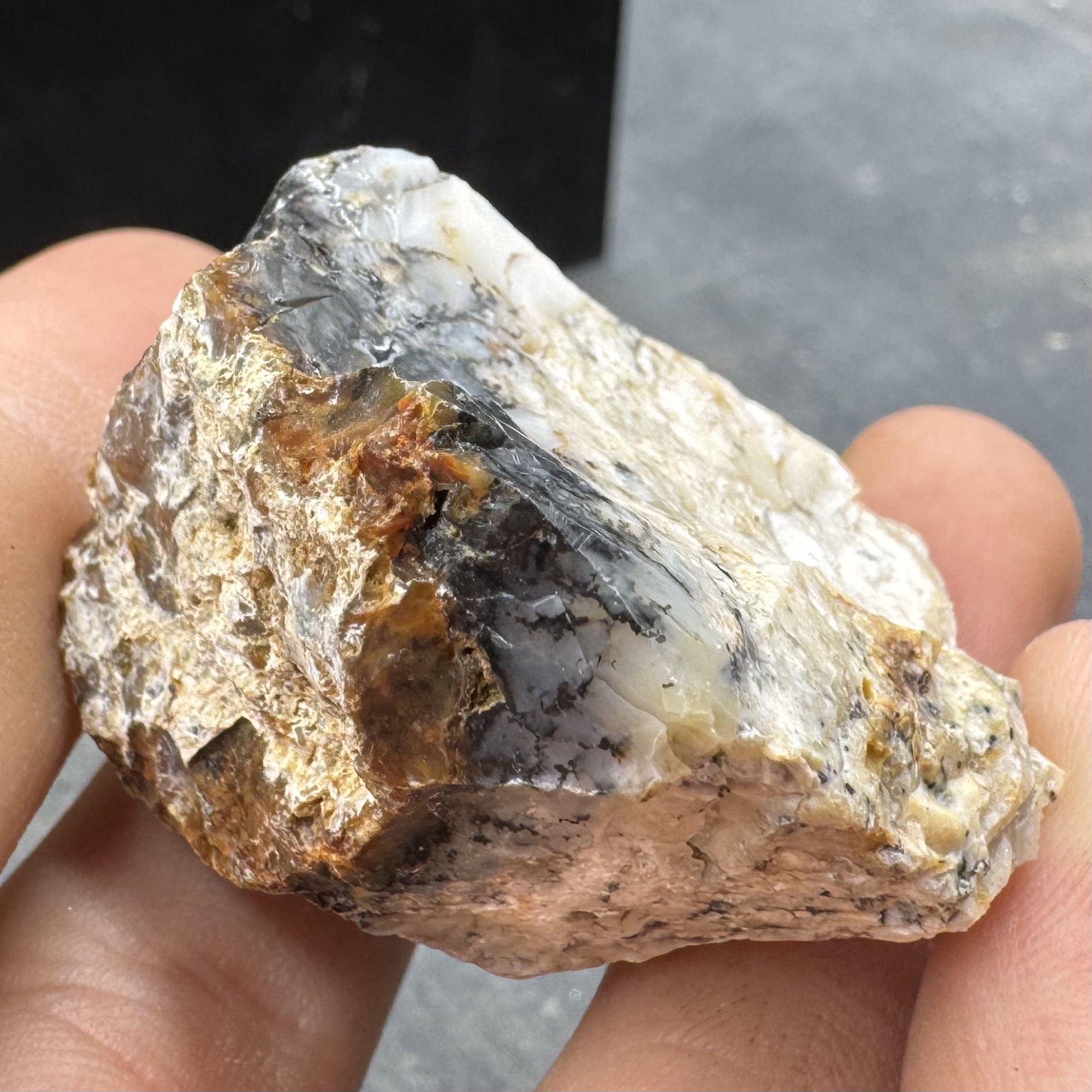
GENUINE DENDRITIC OPAL ROUGH CRYSTAL SPECIMENThis listing is for a genuine Dendritic Opal Rough crystal specimen, carefully
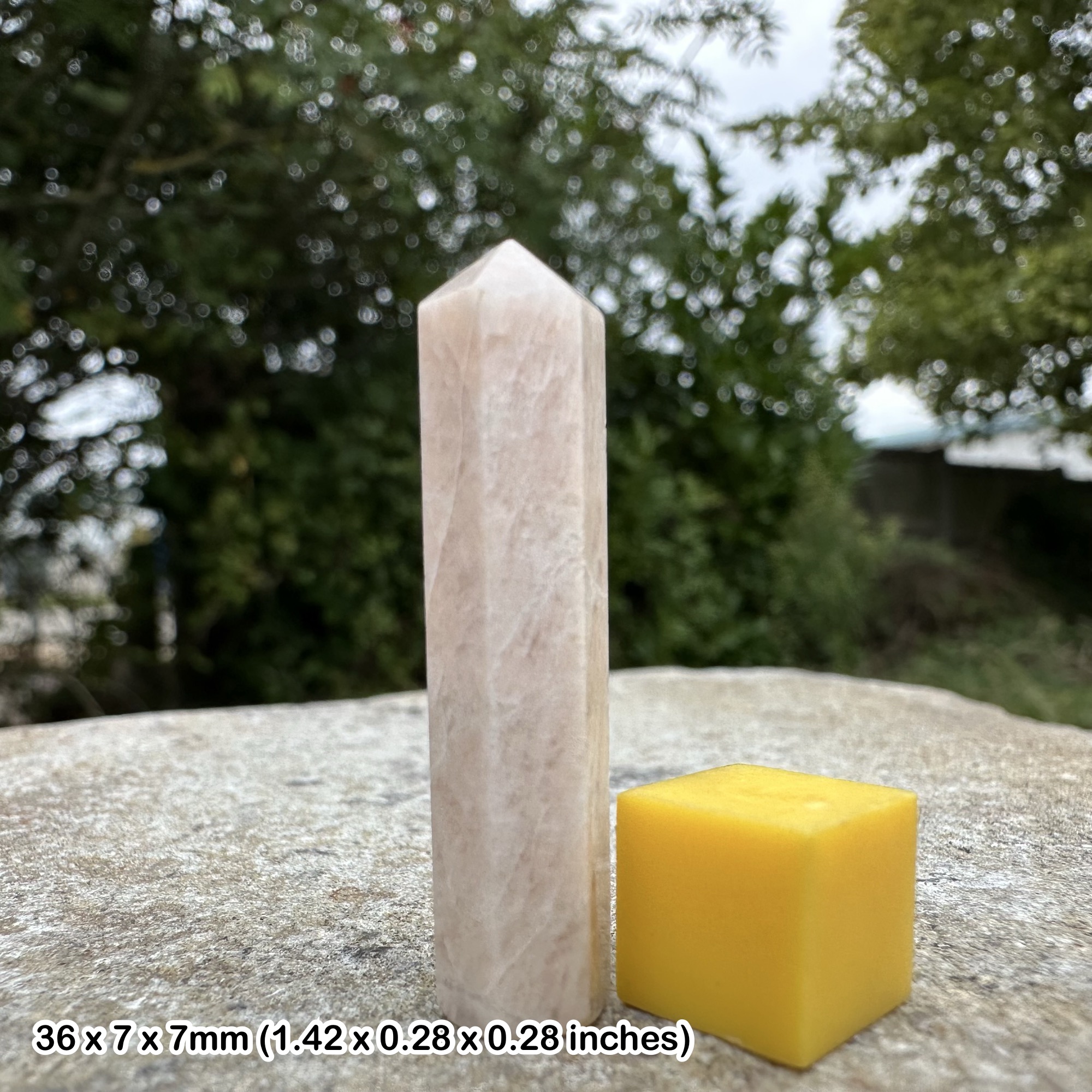
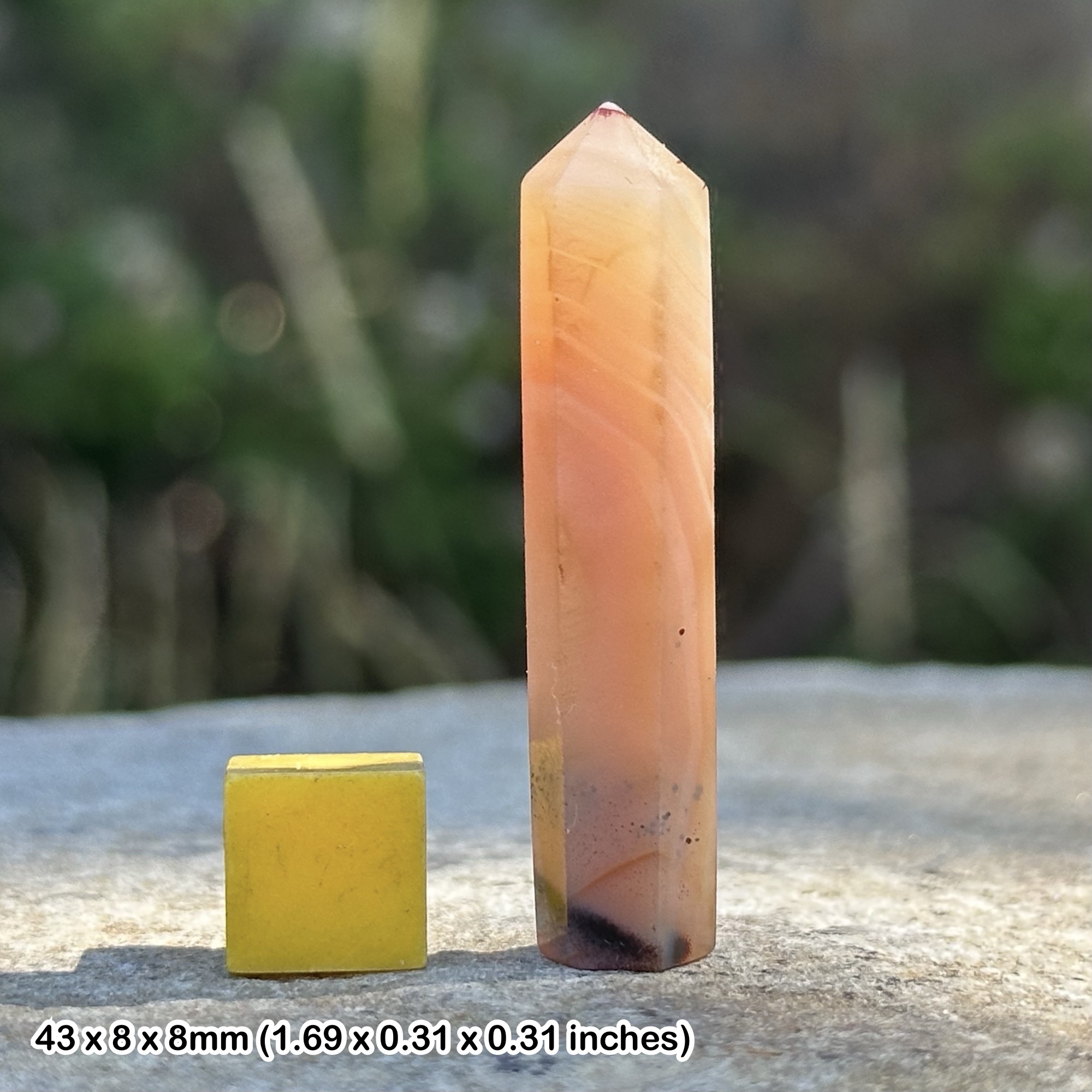
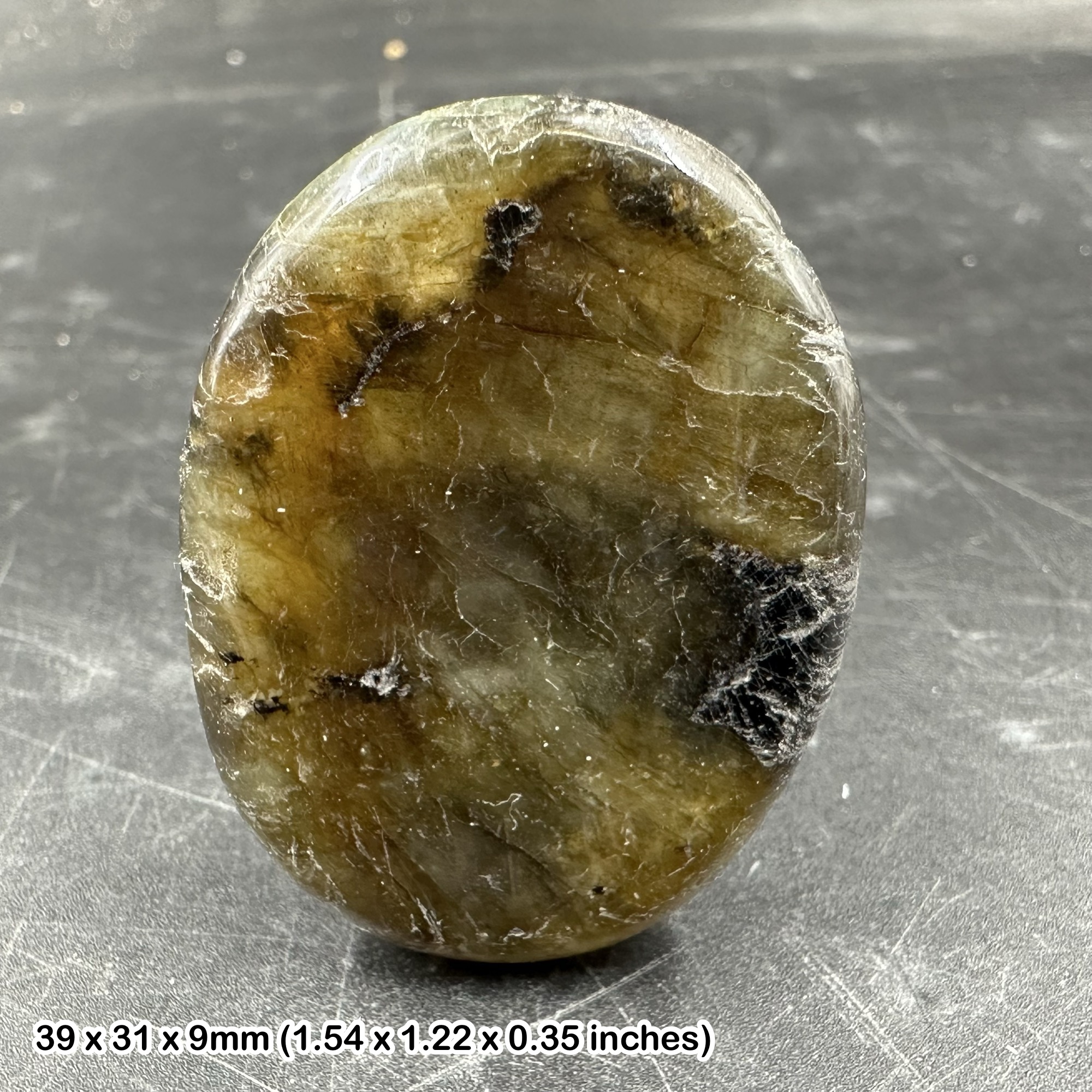
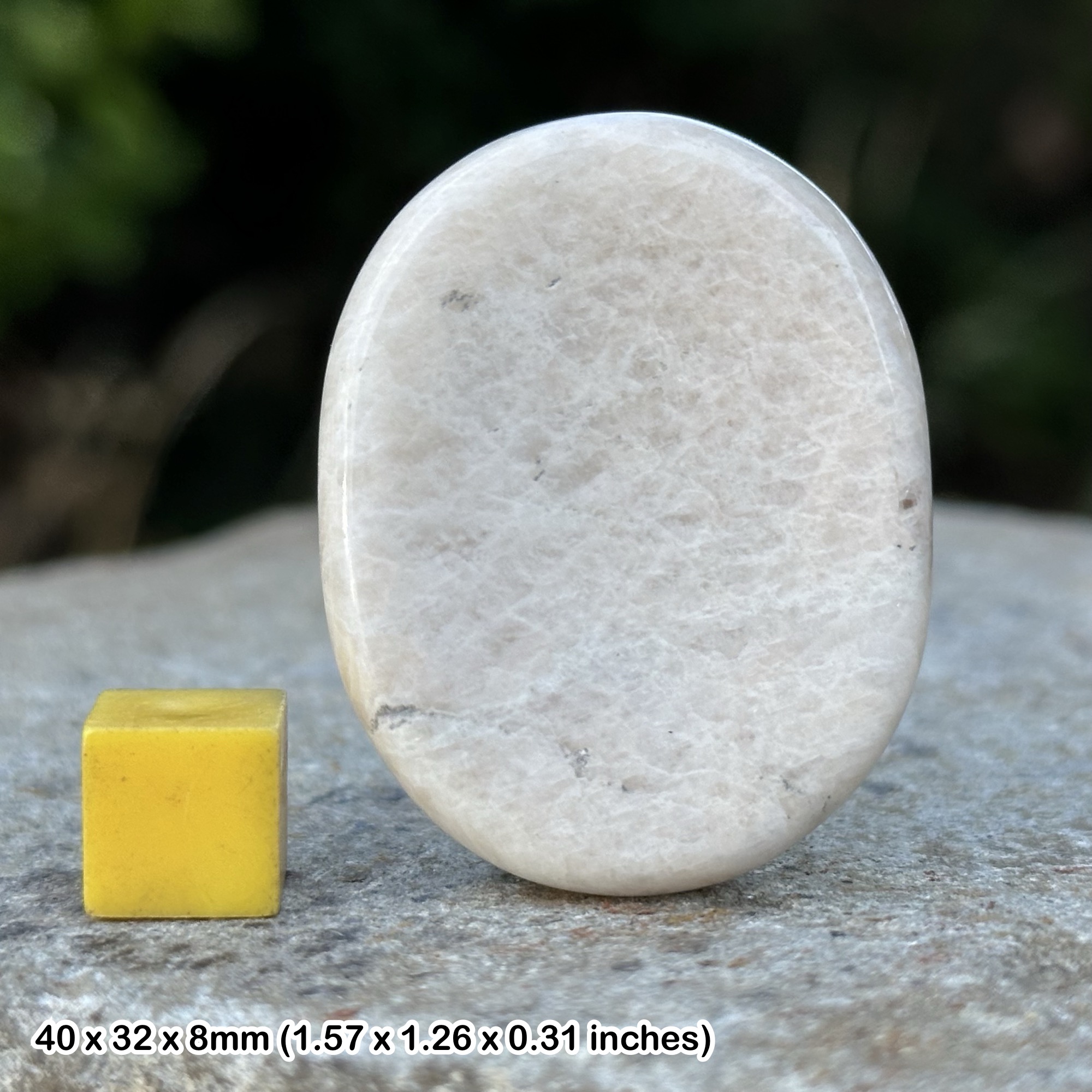
chosen for its natural patterning, earthy mineral character, and distinctive branch-like inclusions. The photo shows the actual specimen you will receive, making this a suitable piece for crystal collectors, mineral displays, natural history collections, geology education, cabinet presentation, desk décor, shelf display, or as a thoughtful gift for someone who appreciates genuine rocks, crystals, and minerals.Full sizing details can be seen in the photo. This crystal is supplied with a generic Certificate of Authenticity lifetime guarantee card, confirming it as a genuine specimen. MINERAL SPECIES AND CRYSTAL TYPEDendritic Opal is a variety of common opal, a hydrated amorphous form of silica with a composition usually written as SiO₂·nH₂O. Unlike crystalline quartz, opal does not have a regular crystal lattice, which means it is classed as a mineraloid rather than a fully crystalline mineral. Dendritic Opal is especially admired for its natural dark branching inclusions, which often resemble tiny trees, ferns, moss, roots, or landscape-like patterns within a pale opaline body.The term “dendritic” refers to these branching formations. They are not fossil plants, but mineral inclusions, commonly manganese oxides or iron oxides, that have grown through fine cracks, pores, or layers in the opal. This gives each specimen a unique natural design, making Dendritic Opal popular with collectors who enjoy patterned silica minerals and decorative rough specimens. COLOUR, PATTERN AND NATURAL APPEARANCEThis Dendritic Opal Rough specimen may show a pale white, cream, grey, beige, tan, or slightly translucent opal base, contrasted by darker dendritic markings. These inclusions may appear black, brown, grey, reddish brown, or earthy in tone depending on the mineral content. The branching patterns can vary from fine delicate lines to bold natural patches, giving the specimen strong visual character.As a rough specimen, this piece retains more of its natural shape and surface texture than a polished stone. It may show uneven edges, natural fractures, matrix areas, weathered surfaces, opaline patches, small cavities, or natural colour zoning. These features are part of the specimen’s genuine geological formation and add to its appeal as a natural display mineral. GEOLOGICAL FORMATIONOpal forms when silica-rich water moves through cracks, cavities, and porous areas in rock. As the water evaporates or conditions change, hydrated silica is deposited and gradually hardens into opal. Dendritic patterns form when manganese or iron-rich minerals enter fine openings in the opal or surrounding host material, creating branching growths as the mineral solutions spread through tiny pathways.Dendritic Opal is often associated with sedimentary or volcanic environments where silica-bearing fluids can circulate through rock over long periods of geological time. The combination of pale opaline material and dark mineral inclusions produces the distinctive natural patterning that makes each piece individual. Unlike precious opal, Dendritic Opal is generally valued for its scenic inclusions, earthy tones, and decorative natural patterns rather than play-of-colour. COLLECTING, DISPLAY AND CAREThis Dendritic Opal Rough crystal specimen is ideal for display in a mineral cabinet, on a shelf, desk, specimen tray, windowsill, geology collection, natural history display, or educational rock and mineral set. Its natural branch-like markings and raw surface texture make it especially appealing for collectors who enjoy unusual silica minerals, patterned stones, and specimens with strong visual individuality.Opal usually has a Mohs hardness of approximately 5.5 to 6.5, making it softer than quartz and more sensitive to rough handling. Rough pieces may also contain natural fractures or matrix areas, so careful handling is recommended. Avoid dropping the specimen, exposing it to harsh chemicals, soaking it for long periods, or cleaning it with abrasive materials. To preserve its natural surface, gently dust with a soft dry brush or wipe lightly with a soft dry cloth. AUTHENTICITYYou will receive the actual Dendritic Opal Rough crystal specimen shown in the photo. This is a genuine crystal specimen and includes a Certificate of Authenticity lifetime guarantee generic card.
chosen for its natural patterning, earthy mineral character, and distinctive branch-like inclusions. The photo shows the actual specimen you will receive, making this a suitable piece for crystal collectors, mineral displays, natural history collections, geology education, cabinet presentation, desk décor, shelf display, or as a thoughtful gift for someone who appreciates genuine rocks, crystals, and minerals.Full sizing details can be seen in the photo. This crystal is supplied with a generic Certificate of Authenticity lifetime guarantee card, confirming it as a genuine specimen. MINERAL SPECIES AND CRYSTAL TYPEDendritic Opal is a variety of common opal, a hydrated amorphous form of silica with a composition usually written as SiO₂·nH₂O. Unlike crystalline quartz, opal does not have a regular crystal lattice, which means it is classed as a mineraloid rather than a fully crystalline mineral. Dendritic Opal is especially admired for its natural dark branching inclusions, which often resemble tiny trees, ferns, moss, roots, or landscape-like patterns within a pale opaline body.The term “dendritic” refers to these branching formations. They are not fossil plants, but mineral inclusions, commonly manganese oxides or iron oxides, that have grown through fine cracks, pores, or layers in the opal. This gives each specimen a unique natural design, making Dendritic Opal popular with collectors who enjoy patterned silica minerals and decorative rough specimens. COLOUR, PATTERN AND NATURAL APPEARANCEThis Dendritic Opal Rough specimen may show a pale white, cream, grey, beige, tan, or slightly translucent opal base, contrasted by darker dendritic markings. These inclusions may appear black, brown, grey, reddish brown, or earthy in tone depending on the mineral content. The branching patterns can vary from fine delicate lines to bold natural patches, giving the specimen strong visual character.As a rough specimen, this piece retains more of its natural shape and surface texture than a polished stone. It may show uneven edges, natural fractures, matrix areas, weathered surfaces, opaline patches, small cavities, or natural colour zoning. These features are part of the specimen’s genuine geological formation and add to its appeal as a natural display mineral. GEOLOGICAL FORMATIONOpal forms when silica-rich water moves through cracks, cavities, and porous areas in rock. As the water evaporates or conditions change, hydrated silica is deposited and gradually hardens into opal. Dendritic patterns form when manganese or iron-rich minerals enter fine openings in the opal or surrounding host material, creating branching growths as the mineral solutions spread through tiny pathways.Dendritic Opal is often associated with sedimentary or volcanic environments where silica-bearing fluids can circulate through rock over long periods of geological time. The combination of pale opaline material and dark mineral inclusions produces the distinctive natural patterning that makes each piece individual. Unlike precious opal, Dendritic Opal is generally valued for its scenic inclusions, earthy tones, and decorative natural patterns rather than play-of-colour. COLLECTING, DISPLAY AND CAREThis Dendritic Opal Rough crystal specimen is ideal for display in a mineral cabinet, on a shelf, desk, specimen tray, windowsill, geology collection, natural history display, or educational rock and mineral set. Its natural branch-like markings and raw surface texture make it especially appealing for collectors who enjoy unusual silica minerals, patterned stones, and specimens with strong visual individuality.Opal usually has a Mohs hardness of approximately 5.5 to 6.5, making it softer than quartz and more sensitive to rough handling. Rough pieces may also contain natural fractures or matrix areas, so careful handling is recommended. Avoid dropping the specimen, exposing it to harsh chemicals, soaking it for long periods, or cleaning it with abrasive materials. To preserve its natural surface, gently dust with a soft dry brush or wipe lightly with a soft dry cloth. AUTHENTICITYYou will receive the actual Dendritic Opal Rough crystal specimen shown in the photo. This is a genuine crystal specimen and includes a Certificate of Authenticity lifetime guarantee generic card.
Other Products