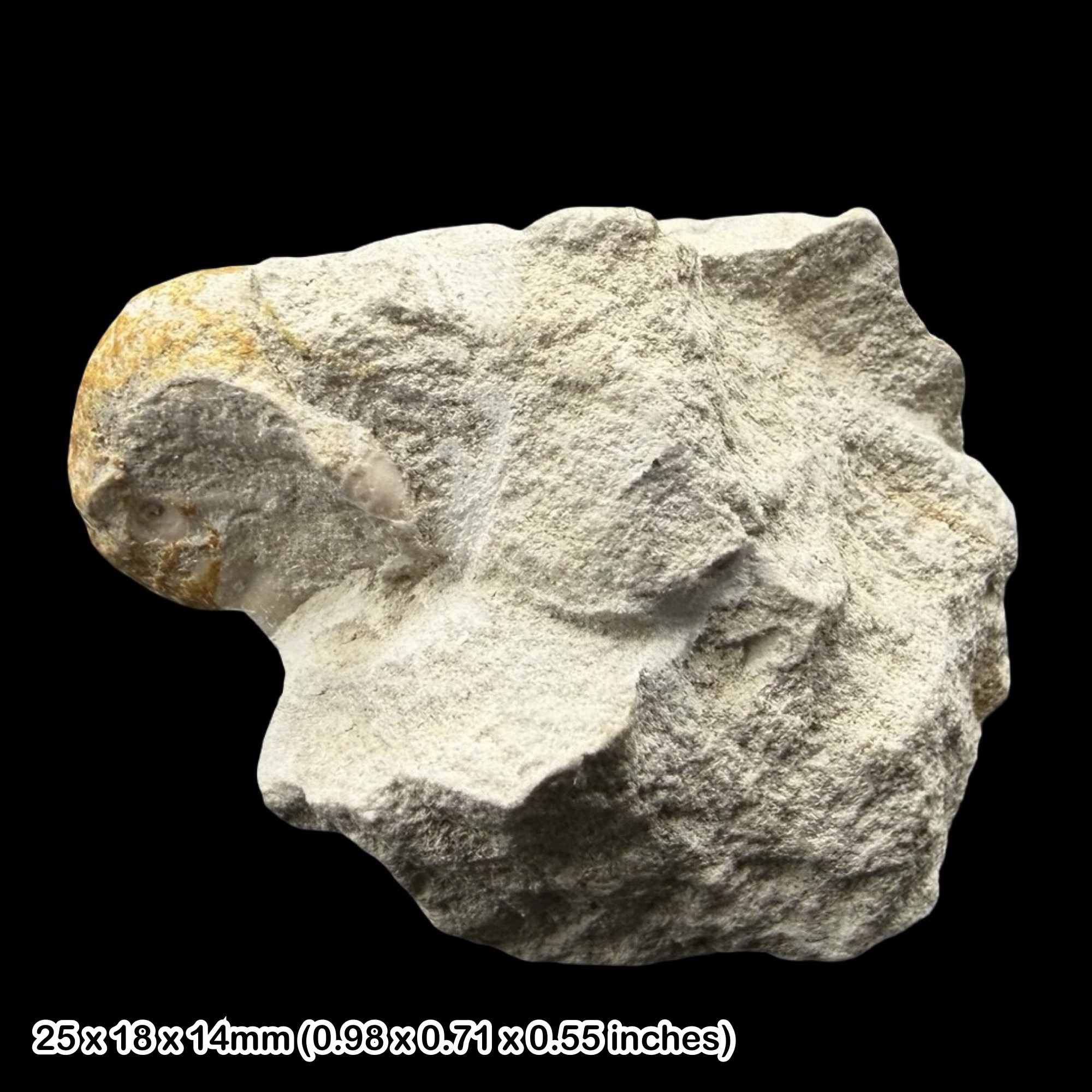
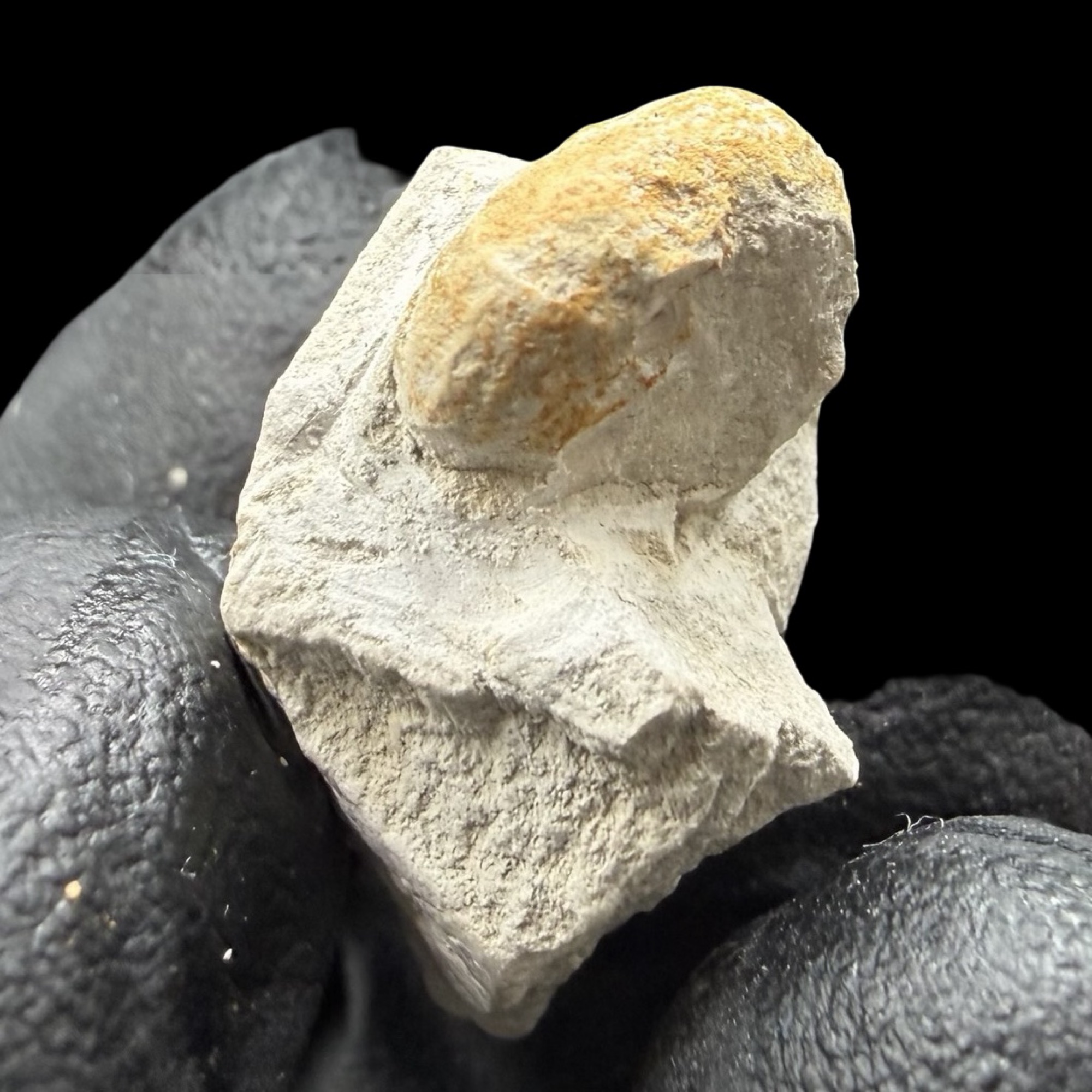
Rare Proplacenticeras Ammonite Fossil Cretaceous Dorset UK Genuine COA Specimen Collector Display Whitecliff Fossil Certificate
£ 12.60
RARE GENUINE PROPLACENTICERAS SP. AMMONITE FOSSIL FROM DORSET, UKThis listing is for a rare genuine Proplacenticeras sp. ammonite fossil from the
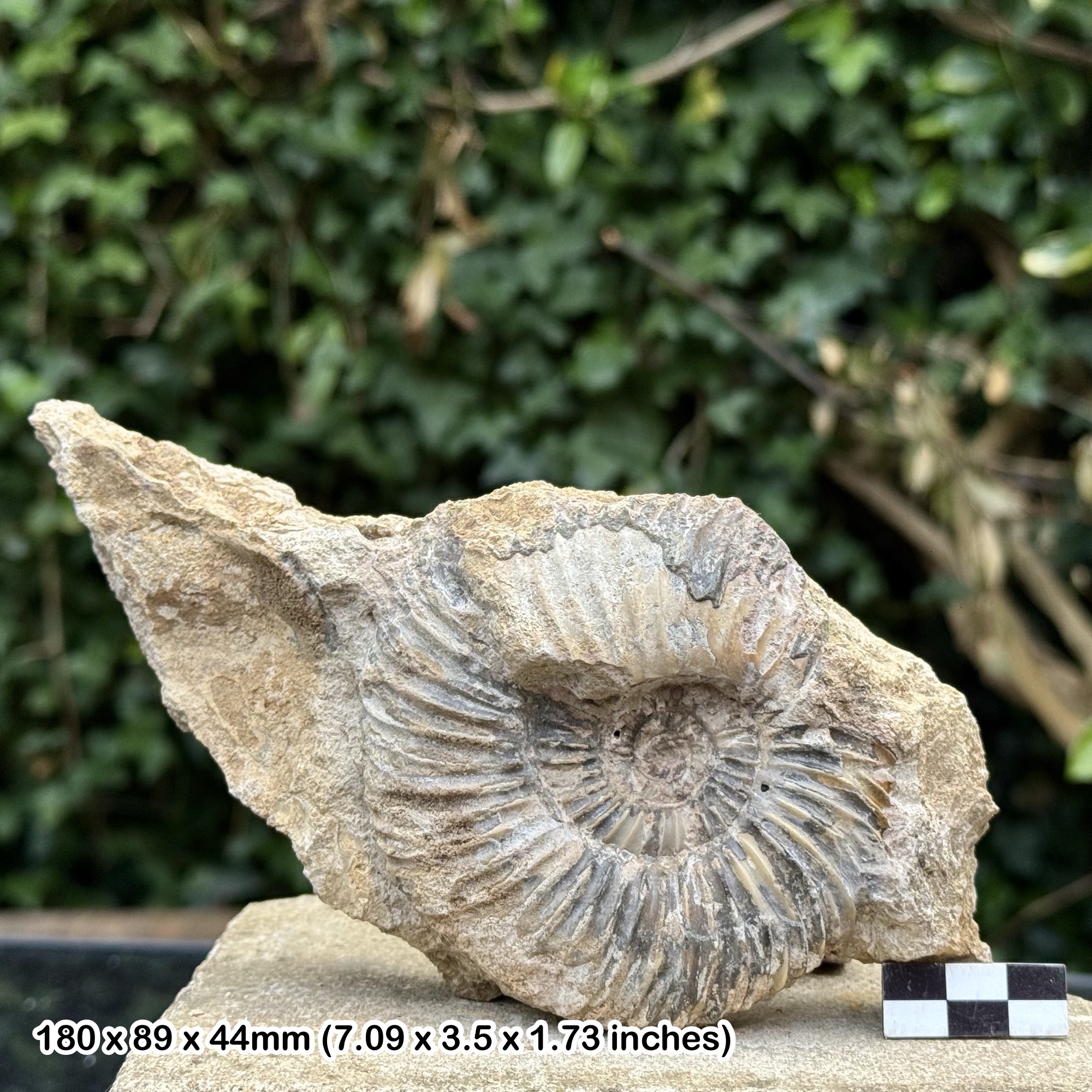
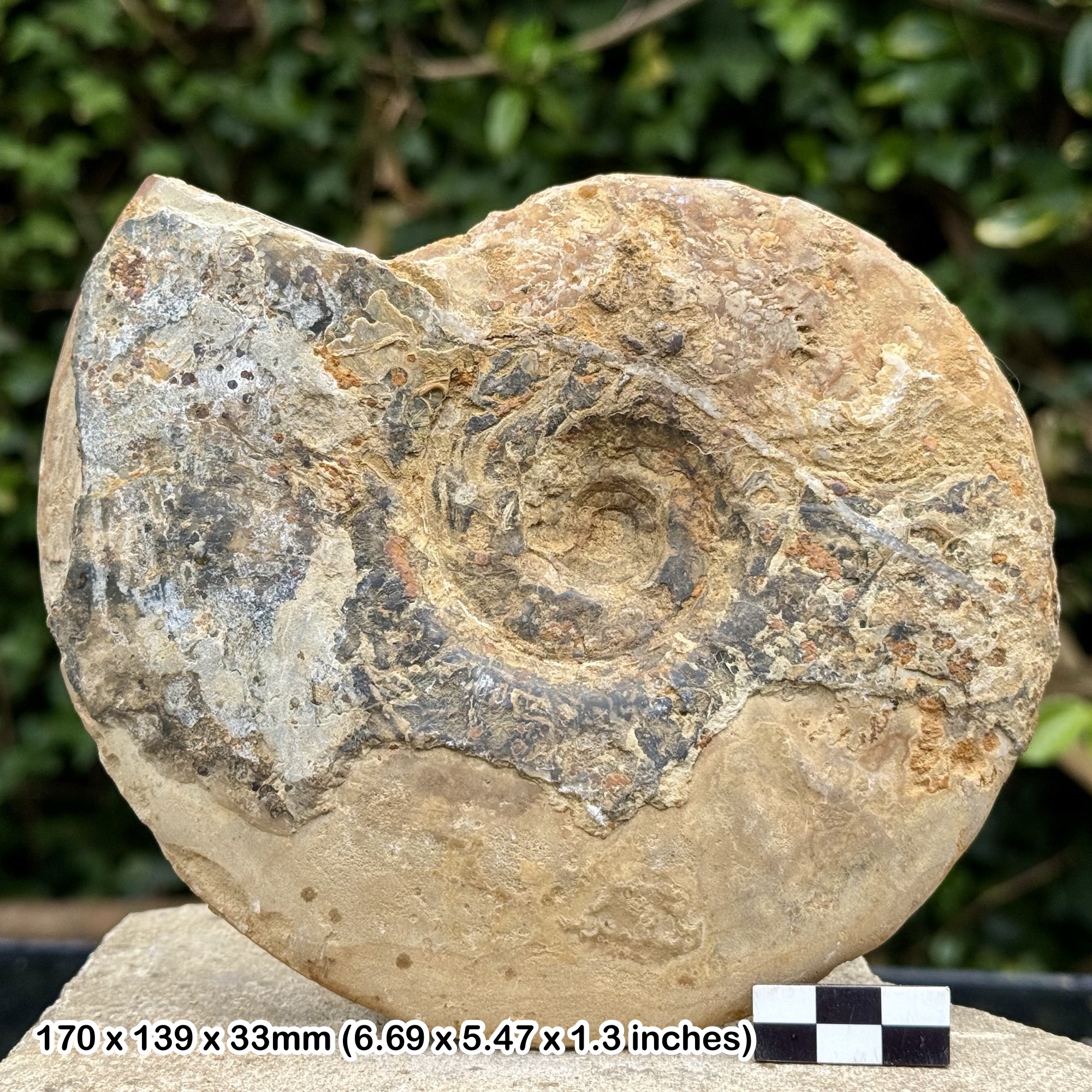
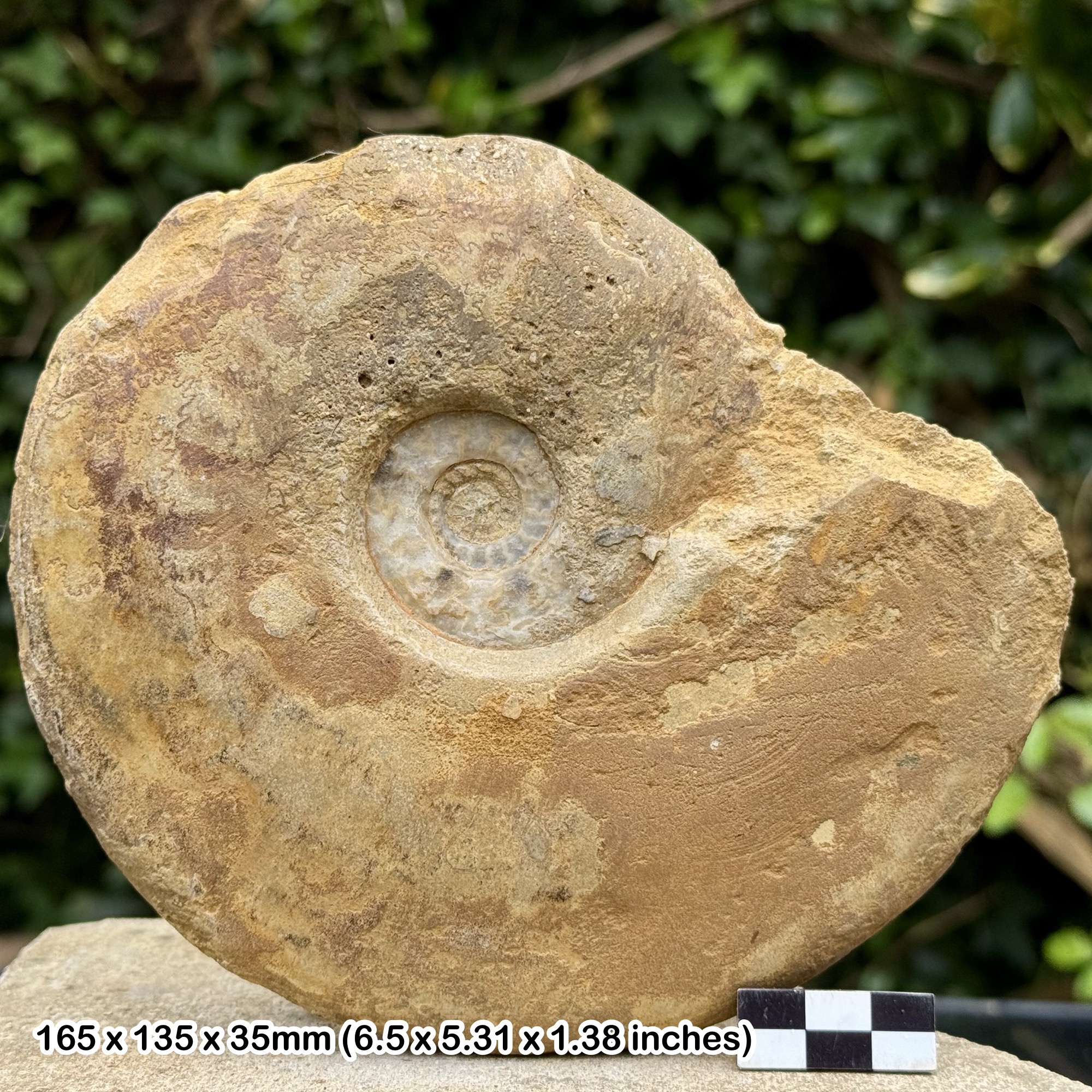
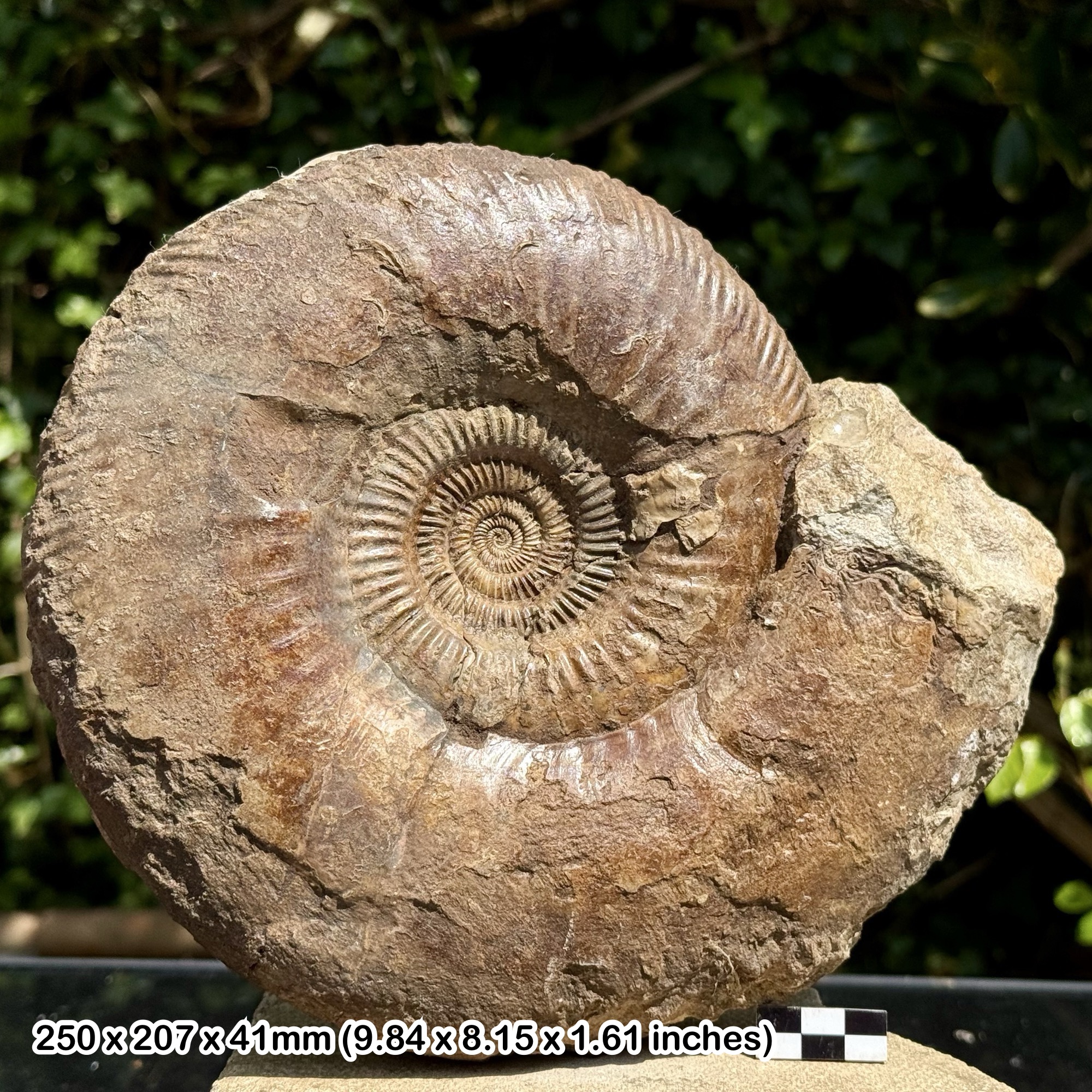
Upper Cretaceous, Lower Cenomanian deposits of Whitecliff, Dorset, UK. This is a carefully chosen fossil specimen, selected for its natural prehistoric interest, British geological locality, rarity, and collectable display appeal. The photograph shows the actual fossil you will receive, allowing you to view the individual shape, preservation, colour, texture, and natural character of the specimen before purchase.This fossil includes a Certificate of Authenticity lifetime guarantee generic card, confirming that it is a genuine fossil specimen and not a modern replica. Full sizing information can be seen in the listing photograph. FOSSIL TYPE AND SCIENTIFIC INTERESTProplacenticeras sp. is an ammonite, an extinct marine cephalopod that lived during the early part of the Late Cretaceous Period. Ammonites were related to modern squid, cuttlefish, octopus, and nautilus, and are among the most iconic fossils found in marine sedimentary rocks. Their coiled shells, chambered internal structure, and rapid evolutionary changes make them highly valued by collectors, educators, and geologists.The “sp.” designation means this specimen has been identified to genus level as Proplacenticeras, while the exact species has not been assigned. Proplacenticeras is associated with the ammonoid order Ammonitida and the family Placenticeratidae, a group of Cretaceous ammonites often recognised for compressed shell forms, refined whorl profiles, and attractive suture patterns. As a named genus from a British Cretaceous locality, this fossil offers excellent collector appeal and scientific interest. GEOLOGICAL AGE AND LOWER CENOMANIAN SETTINGThis fossil dates from the Lower Cenomanian stage of the Upper Cretaceous, making it approximately 96 to 100 million years old. The Cenomanian was a time of warm global climates and high sea levels, when shallow marine environments spread widely across Europe. These seas supported a rich variety of prehistoric life, including ammonites, bivalves, gastropods, echinoids, fish, sharks, marine reptiles, and other ancient sea creatures.The locality of Whitecliff in Dorset gives this fossil strong British geological significance. Dorset is internationally known for its fossil-bearing coastal rocks, and Cretaceous marine fossils from the region provide a fascinating record of the ancient seas that once covered and bordered southern Britain. Sediments deposited in these marine environments preserved shells and remains of sea life, later becoming fossil-bearing rock through burial, mineralisation, and geological pressure. MORPHOLOGY AND NATURAL FEATURESAmmonites such as Proplacenticeras had planispiral shells, meaning the shell coiled in a flat spiral. The shell was divided internally into chambers, with the living animal occupying the final outer chamber. Earlier chambers helped regulate buoyancy, allowing the ammonite to rise, sink, and move through the water column while feeding and avoiding predators.Proplacenticeras ammonites are especially appealing because placenticeratid ammonites are commonly associated with more compressed, streamlined shell forms and elegant fossil profiles. Depending on preservation, this specimen may show whorl curvature, chamber structure, growth lines, suture detail, natural surface texture, or subtle ornamentation. These features record the growth and shell architecture of an individual prehistoric marine animal that lived nearly 100 million years ago. COLLECTOR APPEAL AND DISPLAY VALUEThis rare Proplacenticeras sp. ammonite fossil from Whitecliff, Dorset is ideal for collectors interested in British fossils, UK ammonites, Cretaceous fossils, Lower Cenomanian specimens, marine cephalopods, placenticeratid ammonites, natural history, and genuine fossils with certificates. Its British origin, rarity, and named genus identification make it especially desirable for a curated fossil cabinet or educational geology collection.The fossil would make an excellent addition to a natural history display, classroom teaching set, fossil collection, or decorative curiosity cabinet. It is also a thoughtful gift for fossil enthusiasts, students, teachers, and anyone interested in ancient oceans, extinct marine animals, British geology, and Earth history. AUTHENTICITY AND SPECIMEN INFORMATIONYou will receive the actual Proplacenticeras sp. ammonite fossil shown in the photograph, not a stock image or random example. Please see the photo for full sizing and visual condition.This genuine fossil is supplied with a Certificate of Authenticity lifetime guarantee generic card, making it a reliable and collectable specimen for anyone seeking a real Upper Cretaceous Lower Cenomanian ammonite from Whitecliff, Dorset, UK with strong natural history interest, educational value, rarity, and attractive display potential.
Upper Cretaceous, Lower Cenomanian deposits of Whitecliff, Dorset, UK. This is a carefully chosen fossil specimen, selected for its natural prehistoric interest, British geological locality, rarity, and collectable display appeal. The photograph shows the actual fossil you will receive, allowing you to view the individual shape, preservation, colour, texture, and natural character of the specimen before purchase.This fossil includes a Certificate of Authenticity lifetime guarantee generic card, confirming that it is a genuine fossil specimen and not a modern replica. Full sizing information can be seen in the listing photograph. FOSSIL TYPE AND SCIENTIFIC INTERESTProplacenticeras sp. is an ammonite, an extinct marine cephalopod that lived during the early part of the Late Cretaceous Period. Ammonites were related to modern squid, cuttlefish, octopus, and nautilus, and are among the most iconic fossils found in marine sedimentary rocks. Their coiled shells, chambered internal structure, and rapid evolutionary changes make them highly valued by collectors, educators, and geologists.The “sp.” designation means this specimen has been identified to genus level as Proplacenticeras, while the exact species has not been assigned. Proplacenticeras is associated with the ammonoid order Ammonitida and the family Placenticeratidae, a group of Cretaceous ammonites often recognised for compressed shell forms, refined whorl profiles, and attractive suture patterns. As a named genus from a British Cretaceous locality, this fossil offers excellent collector appeal and scientific interest. GEOLOGICAL AGE AND LOWER CENOMANIAN SETTINGThis fossil dates from the Lower Cenomanian stage of the Upper Cretaceous, making it approximately 96 to 100 million years old. The Cenomanian was a time of warm global climates and high sea levels, when shallow marine environments spread widely across Europe. These seas supported a rich variety of prehistoric life, including ammonites, bivalves, gastropods, echinoids, fish, sharks, marine reptiles, and other ancient sea creatures.The locality of Whitecliff in Dorset gives this fossil strong British geological significance. Dorset is internationally known for its fossil-bearing coastal rocks, and Cretaceous marine fossils from the region provide a fascinating record of the ancient seas that once covered and bordered southern Britain. Sediments deposited in these marine environments preserved shells and remains of sea life, later becoming fossil-bearing rock through burial, mineralisation, and geological pressure. MORPHOLOGY AND NATURAL FEATURESAmmonites such as Proplacenticeras had planispiral shells, meaning the shell coiled in a flat spiral. The shell was divided internally into chambers, with the living animal occupying the final outer chamber. Earlier chambers helped regulate buoyancy, allowing the ammonite to rise, sink, and move through the water column while feeding and avoiding predators.Proplacenticeras ammonites are especially appealing because placenticeratid ammonites are commonly associated with more compressed, streamlined shell forms and elegant fossil profiles. Depending on preservation, this specimen may show whorl curvature, chamber structure, growth lines, suture detail, natural surface texture, or subtle ornamentation. These features record the growth and shell architecture of an individual prehistoric marine animal that lived nearly 100 million years ago. COLLECTOR APPEAL AND DISPLAY VALUEThis rare Proplacenticeras sp. ammonite fossil from Whitecliff, Dorset is ideal for collectors interested in British fossils, UK ammonites, Cretaceous fossils, Lower Cenomanian specimens, marine cephalopods, placenticeratid ammonites, natural history, and genuine fossils with certificates. Its British origin, rarity, and named genus identification make it especially desirable for a curated fossil cabinet or educational geology collection.The fossil would make an excellent addition to a natural history display, classroom teaching set, fossil collection, or decorative curiosity cabinet. It is also a thoughtful gift for fossil enthusiasts, students, teachers, and anyone interested in ancient oceans, extinct marine animals, British geology, and Earth history. AUTHENTICITY AND SPECIMEN INFORMATIONYou will receive the actual Proplacenticeras sp. ammonite fossil shown in the photograph, not a stock image or random example. Please see the photo for full sizing and visual condition.This genuine fossil is supplied with a Certificate of Authenticity lifetime guarantee generic card, making it a reliable and collectable specimen for anyone seeking a real Upper Cretaceous Lower Cenomanian ammonite from Whitecliff, Dorset, UK with strong natural history interest, educational value, rarity, and attractive display potential.
Other Products