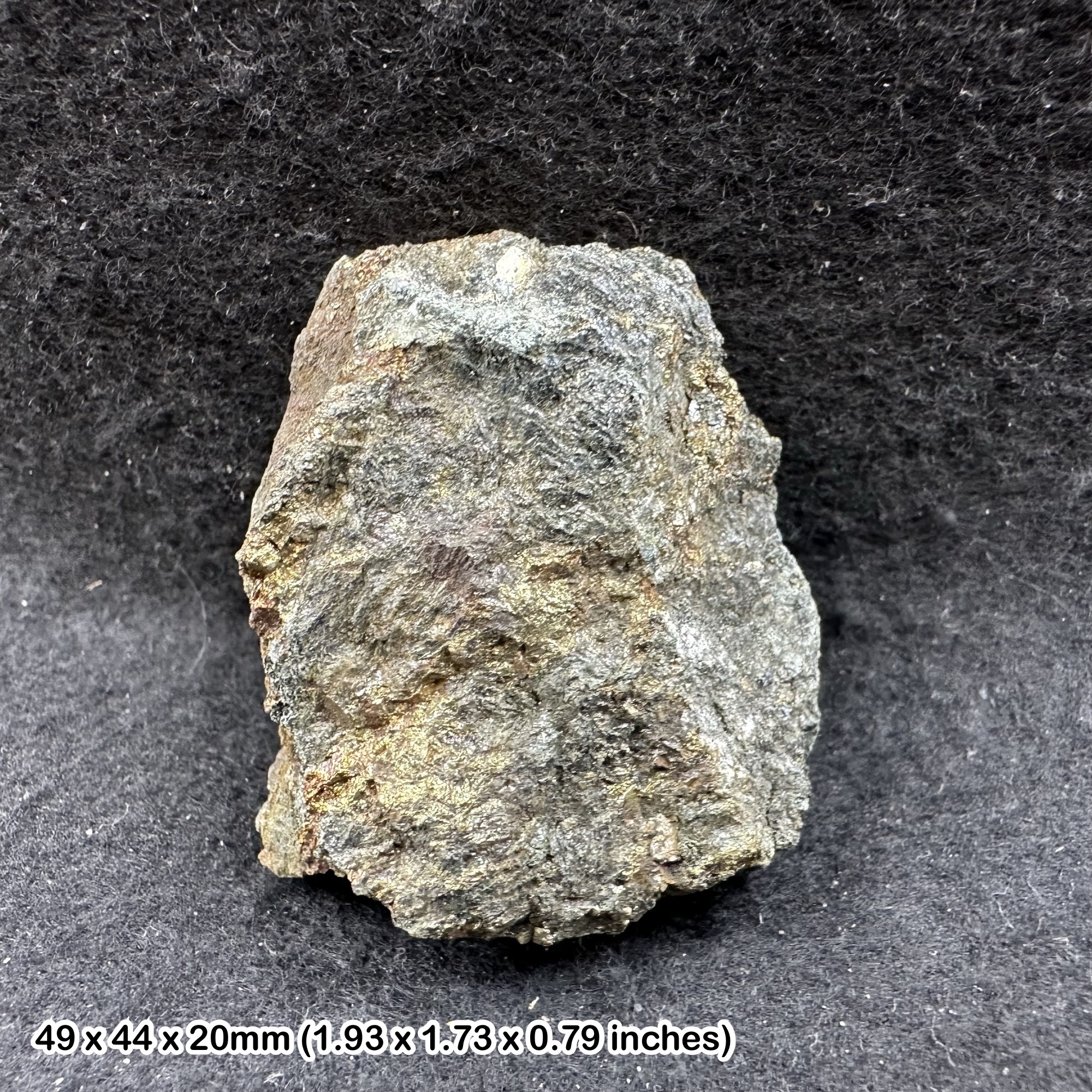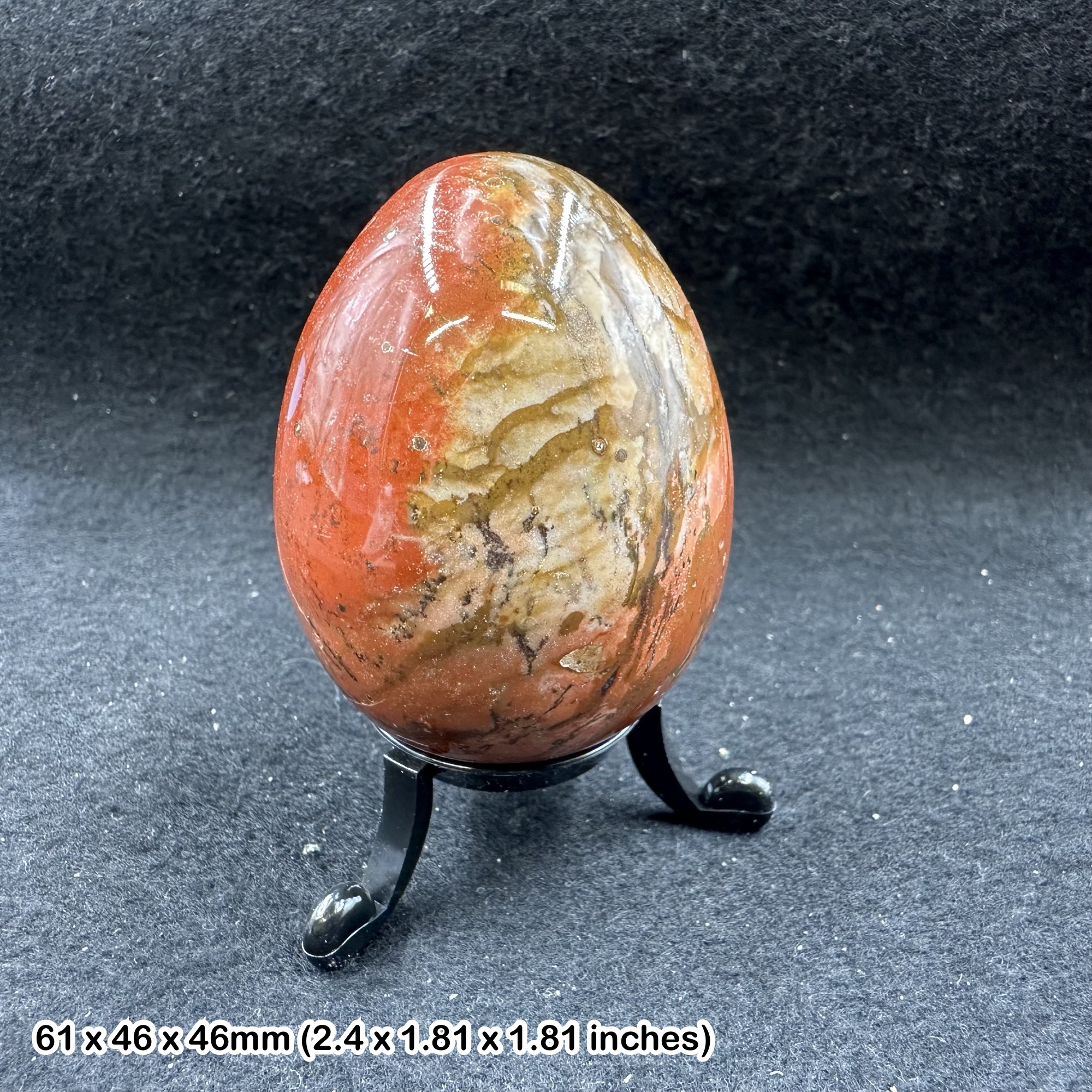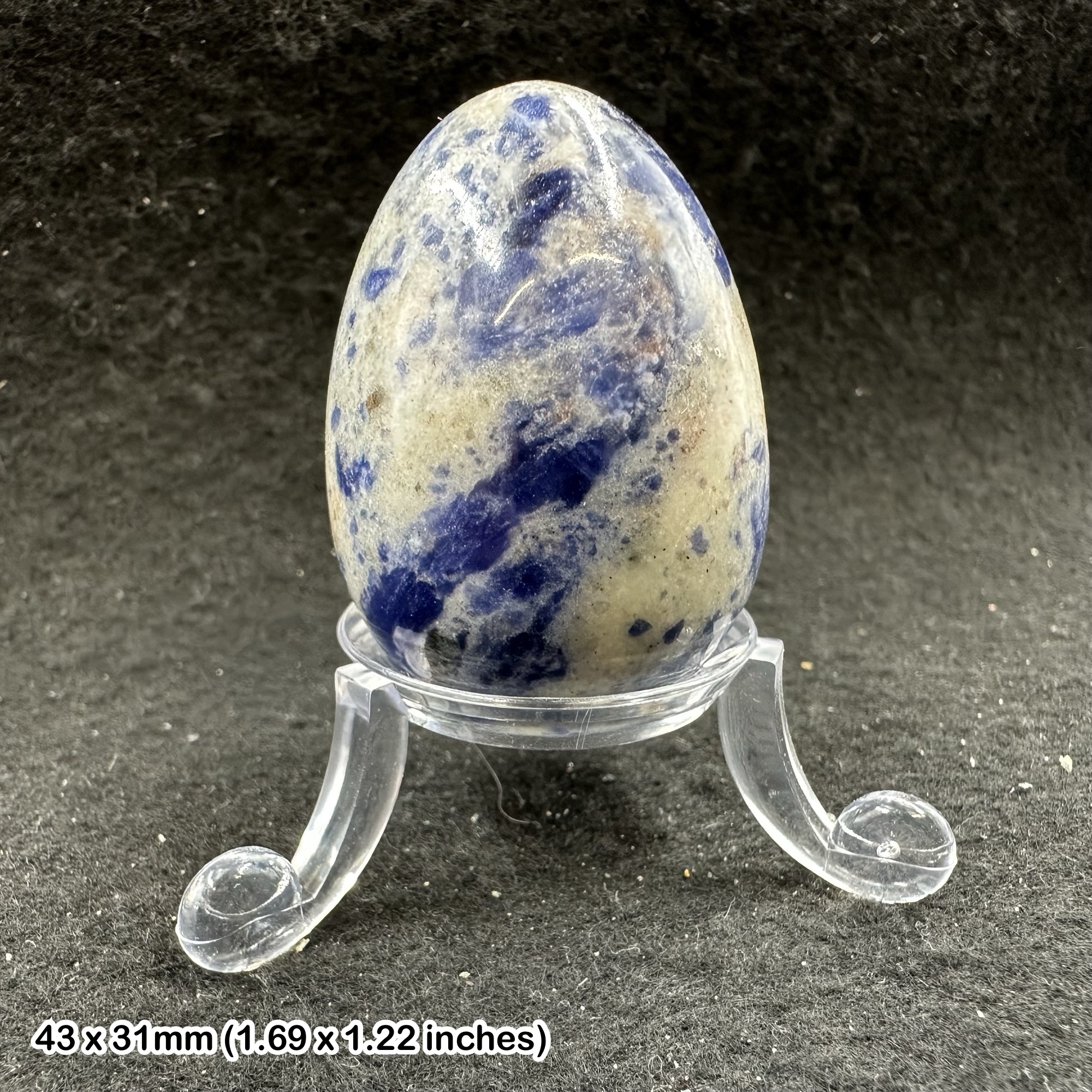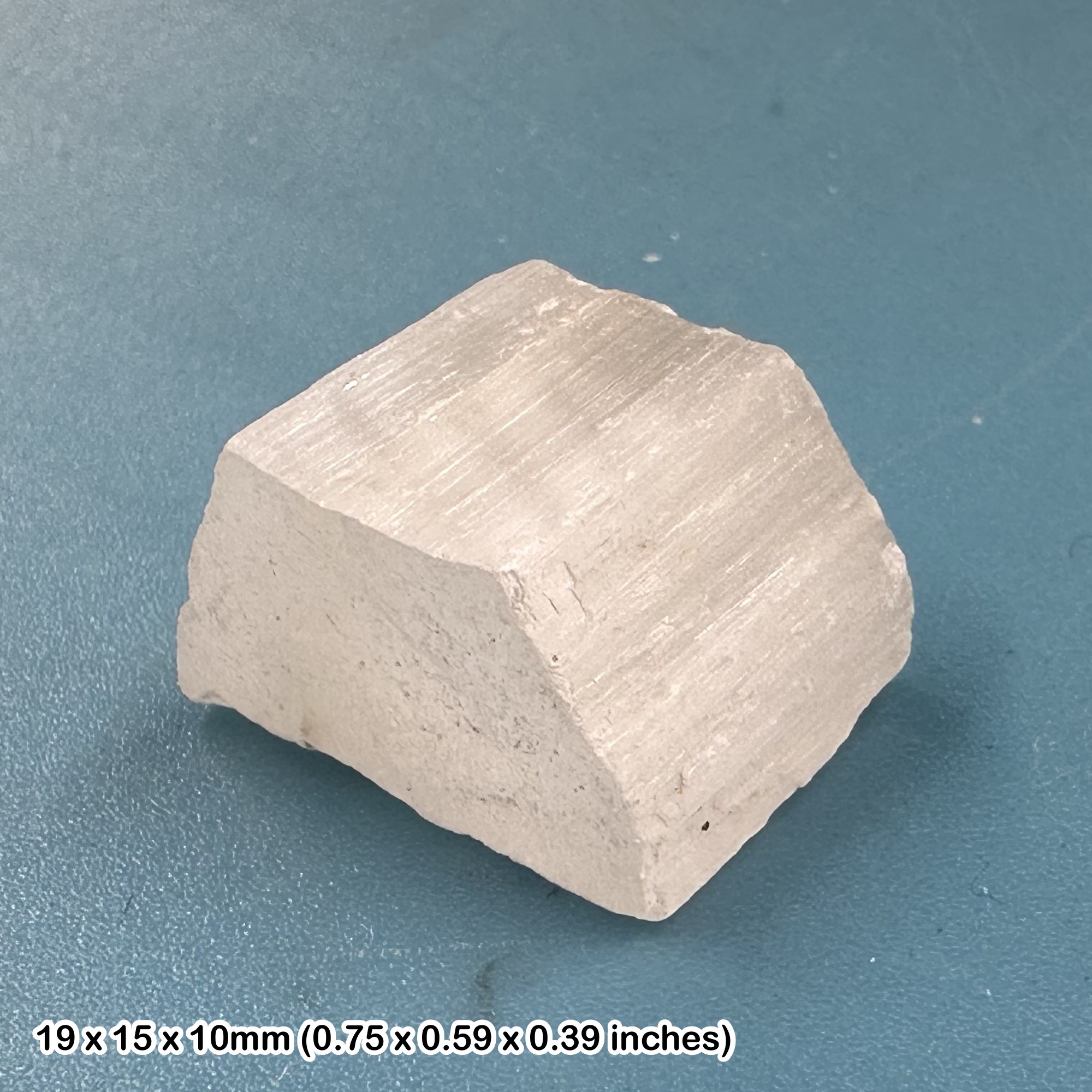
Metoicoceras Swallovi Ammonite Fossil Bite Mark Texas Cretaceous Eagle Ford Genuine Upper Cretaceous Cenomanian Specimen with COA
£ 60.00
GENUINE METOICOCERAS SWALLOVI AMMONITE WITH BITE MARKThis genuine Metoicoceras swallovi ammonite fossil with bite mark comes from the
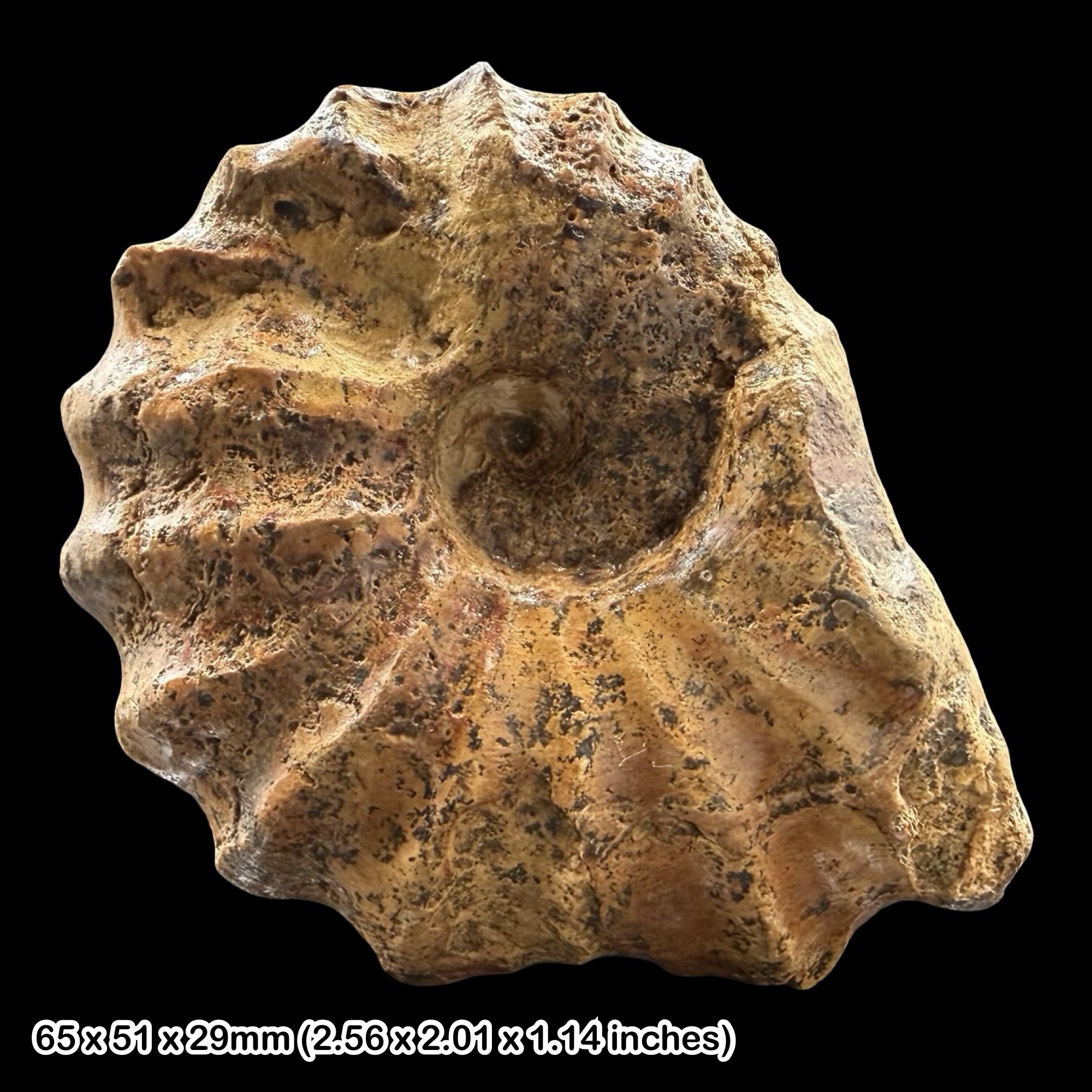
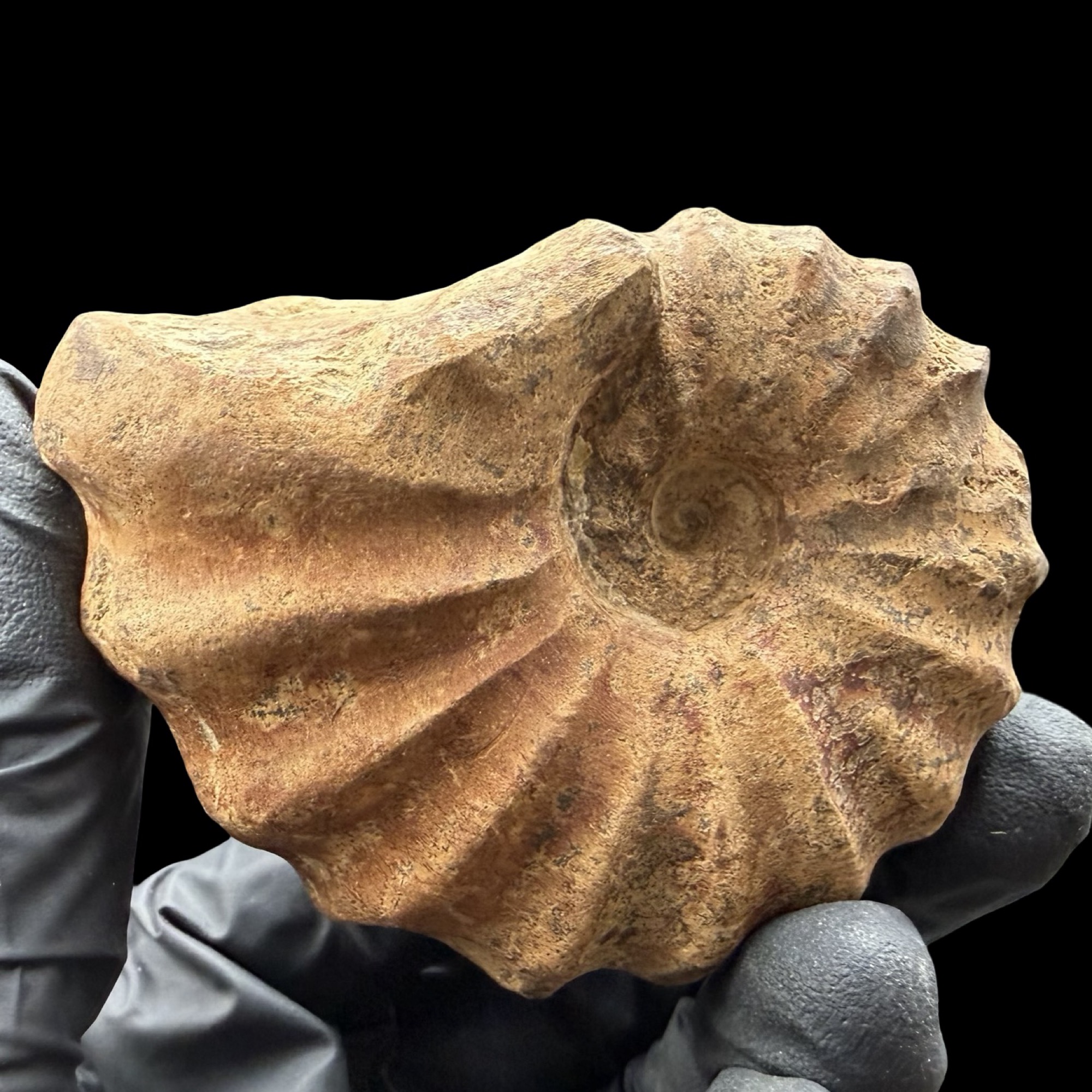
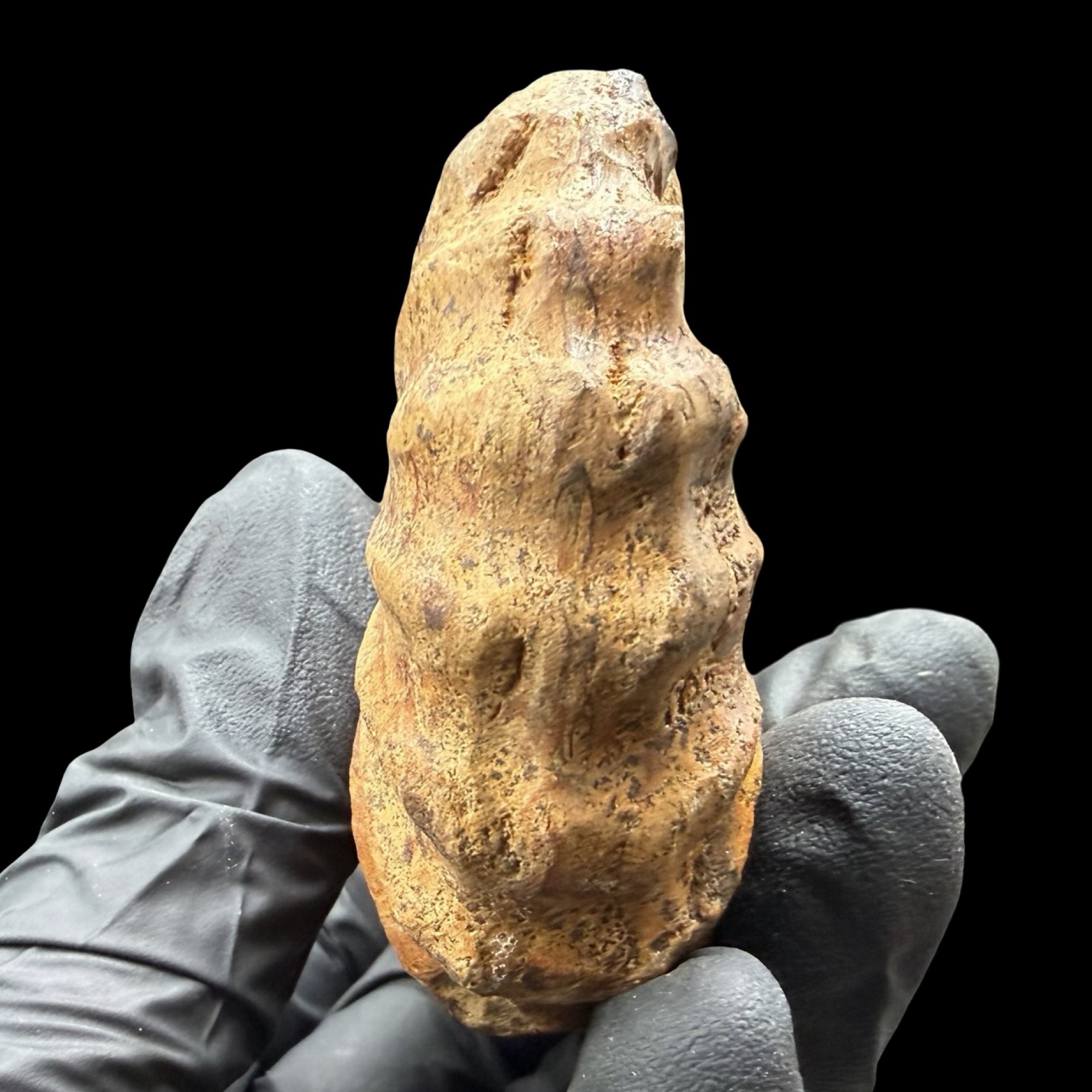
Eagle Ford Group of Texas, USA. Dating from the Upper Cretaceous, Cenomanian stage, this carefully chosen specimen is a highly interesting fossil ammonite with strong scientific, geological, and display appeal. The addition of a bite mark makes this piece especially notable, as it may record evidence of interaction between the ammonite shell and another marine animal in the ancient Cretaceous sea.The photograph shows the actual fossil specimen you will receive, allowing you to view the real preservation, shell form, bite mark feature, surface detail, colour, and natural character before purchase. Full sizing can be seen in the photo, making it easy to assess the scale and suitability of this individual fossil for a cabinet, collector’s tray, desk display, educational collection, or natural history gift. FOSSIL TYPE, SPECIES AND SCIENTIFIC CLASSIFICATIONMetoicoceras swallovi is an extinct ammonite species belonging to the wider group of coiled marine cephalopod molluscs known as ammonites. Ammonites were related to modern squid, cuttlefish, octopus, and nautilus, although the ammonite lineage itself became extinct at the end of the Cretaceous Period.Metoicoceras is generally associated with the order Ammonitida and the family Acanthoceratidae, a group of Cretaceous ammonites known for their important role in marine biostratigraphy. Ammonites such as Metoicoceras are especially valued because their relatively rapid evolution and widespread distribution make them useful for dating and correlating Cretaceous marine rock layers. MORPHOLOGY AND NATURAL FEATURESMetoicoceras ammonites typically display a planispiral coiled shell, meaning the shell coils in a single flat plane. Many examples show compressed to moderately inflated whorls, visible ribbing, and ornamental features that may include raised ribs, nodes, or tubercles depending on preservation and growth stage. These shell features give the fossil both visual appeal and scientific interest.Like other ammonites, Metoicoceras had an internally chambered shell. The living animal occupied the outer body chamber, while the earlier chambers helped with buoyancy control as it moved through the Cretaceous sea. The whorl profile, ribbing, ornamentation, and overall shell form are all important features used in ammonite identification.The bite mark adds another layer of interest to this specimen. Marks of this type can be interpreted as possible evidence of predation, scavenging, or shell damage during life or shortly after death. Such features are particularly appealing to collectors because they show the fossil not only as a preserved shell, but as part of a wider ancient ecosystem. EAGLE FORD GROUP GEOLOGYThis fossil comes from the Eagle Ford Group, a famous Upper Cretaceous geological unit in Texas. The Eagle Ford Group is widely known for its marine sedimentary rocks, including limestones, shales, and organic-rich deposits formed in an ancient seaway. These rocks were laid down when a broad marine environment covered much of central North America.During the Cenomanian, the Eagle Ford region formed part of the Western Interior Seaway, a vast body of water that stretched across North America. This sea supported ammonites, fish, marine reptiles, bivalves, inoceramids, gastropods, and other marine organisms. The sediments of the Eagle Ford Group preserved many of these remains, creating an important fossil record of Upper Cretaceous marine life. UPPER CRETACEOUS CENOMANIAN AGEThe Cenomanian stage marks an early part of the Upper Cretaceous. It was a time of widespread shallow seas, warm climates, and diverse marine faunas. Ammonites were still abundant and varied during this period, making them important fossils for understanding Cretaceous marine environments.A Metoicoceras swallovi ammonite from this age is particularly appealing because it represents a named species from a well-known Cretaceous fossil-bearing unit. Its Texas locality, Eagle Ford Group origin, and Cenomanian age give the specimen a strong geological identity. GENUINE SPECIMEN WITH CERTIFICATE OF AUTHENTICITYThis Metoicoceras swallovi ammonite fossil with bite mark is a genuine specimen and includes a Certificate of Authenticity lifetime guarantee generic card. The certificate provides added confidence for fossil collectors, schools, gift buyers, and anyone building a verified natural history collection.The fossil shown in the photograph is the actual specimen supplied. This means the piece you see is the piece you will receive, complete with its own natural preservation, shell detail, bite mark feature, colour, shape, and individual display character. COLLECTING, DISPLAY AND EDUCATIONAL APPEALA Metoicoceras swallovi ammonite from the Eagle Ford Group is an excellent addition to a Cretaceous fossil collection. It pairs well with other ammonites, marine reptile fossils, shark teeth, fossil fish material, bivalves, gastropods, and other marine fossils from the USA and worldwide Cretaceous deposits.With its named species identification, Upper Cretaceous Cenomanian age, Eagle Ford Texas provenance, visible bite mark, and included Certificate of Authenticity, this fossil offers strong collecting, educational, and decorative appeal.
Eagle Ford Group of Texas, USA. Dating from the Upper Cretaceous, Cenomanian stage, this carefully chosen specimen is a highly interesting fossil ammonite with strong scientific, geological, and display appeal. The addition of a bite mark makes this piece especially notable, as it may record evidence of interaction between the ammonite shell and another marine animal in the ancient Cretaceous sea.The photograph shows the actual fossil specimen you will receive, allowing you to view the real preservation, shell form, bite mark feature, surface detail, colour, and natural character before purchase. Full sizing can be seen in the photo, making it easy to assess the scale and suitability of this individual fossil for a cabinet, collector’s tray, desk display, educational collection, or natural history gift. FOSSIL TYPE, SPECIES AND SCIENTIFIC CLASSIFICATIONMetoicoceras swallovi is an extinct ammonite species belonging to the wider group of coiled marine cephalopod molluscs known as ammonites. Ammonites were related to modern squid, cuttlefish, octopus, and nautilus, although the ammonite lineage itself became extinct at the end of the Cretaceous Period.Metoicoceras is generally associated with the order Ammonitida and the family Acanthoceratidae, a group of Cretaceous ammonites known for their important role in marine biostratigraphy. Ammonites such as Metoicoceras are especially valued because their relatively rapid evolution and widespread distribution make them useful for dating and correlating Cretaceous marine rock layers. MORPHOLOGY AND NATURAL FEATURESMetoicoceras ammonites typically display a planispiral coiled shell, meaning the shell coils in a single flat plane. Many examples show compressed to moderately inflated whorls, visible ribbing, and ornamental features that may include raised ribs, nodes, or tubercles depending on preservation and growth stage. These shell features give the fossil both visual appeal and scientific interest.Like other ammonites, Metoicoceras had an internally chambered shell. The living animal occupied the outer body chamber, while the earlier chambers helped with buoyancy control as it moved through the Cretaceous sea. The whorl profile, ribbing, ornamentation, and overall shell form are all important features used in ammonite identification.The bite mark adds another layer of interest to this specimen. Marks of this type can be interpreted as possible evidence of predation, scavenging, or shell damage during life or shortly after death. Such features are particularly appealing to collectors because they show the fossil not only as a preserved shell, but as part of a wider ancient ecosystem. EAGLE FORD GROUP GEOLOGYThis fossil comes from the Eagle Ford Group, a famous Upper Cretaceous geological unit in Texas. The Eagle Ford Group is widely known for its marine sedimentary rocks, including limestones, shales, and organic-rich deposits formed in an ancient seaway. These rocks were laid down when a broad marine environment covered much of central North America.During the Cenomanian, the Eagle Ford region formed part of the Western Interior Seaway, a vast body of water that stretched across North America. This sea supported ammonites, fish, marine reptiles, bivalves, inoceramids, gastropods, and other marine organisms. The sediments of the Eagle Ford Group preserved many of these remains, creating an important fossil record of Upper Cretaceous marine life. UPPER CRETACEOUS CENOMANIAN AGEThe Cenomanian stage marks an early part of the Upper Cretaceous. It was a time of widespread shallow seas, warm climates, and diverse marine faunas. Ammonites were still abundant and varied during this period, making them important fossils for understanding Cretaceous marine environments.A Metoicoceras swallovi ammonite from this age is particularly appealing because it represents a named species from a well-known Cretaceous fossil-bearing unit. Its Texas locality, Eagle Ford Group origin, and Cenomanian age give the specimen a strong geological identity. GENUINE SPECIMEN WITH CERTIFICATE OF AUTHENTICITYThis Metoicoceras swallovi ammonite fossil with bite mark is a genuine specimen and includes a Certificate of Authenticity lifetime guarantee generic card. The certificate provides added confidence for fossil collectors, schools, gift buyers, and anyone building a verified natural history collection.The fossil shown in the photograph is the actual specimen supplied. This means the piece you see is the piece you will receive, complete with its own natural preservation, shell detail, bite mark feature, colour, shape, and individual display character. COLLECTING, DISPLAY AND EDUCATIONAL APPEALA Metoicoceras swallovi ammonite from the Eagle Ford Group is an excellent addition to a Cretaceous fossil collection. It pairs well with other ammonites, marine reptile fossils, shark teeth, fossil fish material, bivalves, gastropods, and other marine fossils from the USA and worldwide Cretaceous deposits.With its named species identification, Upper Cretaceous Cenomanian age, Eagle Ford Texas provenance, visible bite mark, and included Certificate of Authenticity, this fossil offers strong collecting, educational, and decorative appeal.