Native Copper Specimen USA Genuine Mineral Crystal Display Collectors Gift with COA
£ 13.80
GENUINE NATIVE COPPER MINERAL SPECIMEN FROM THE USAThis listing is for a genuine Native Copper specimen from the USA, carefully
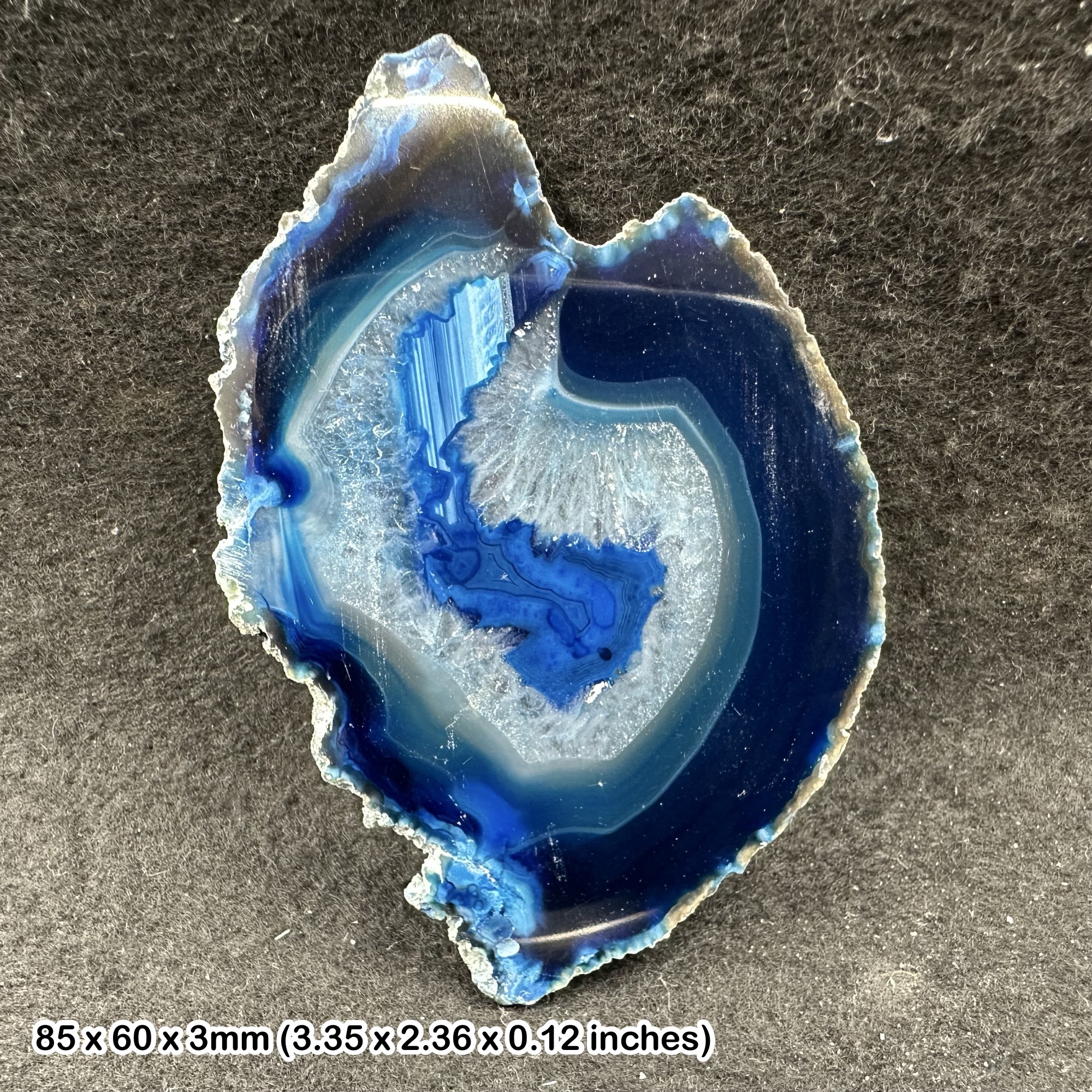
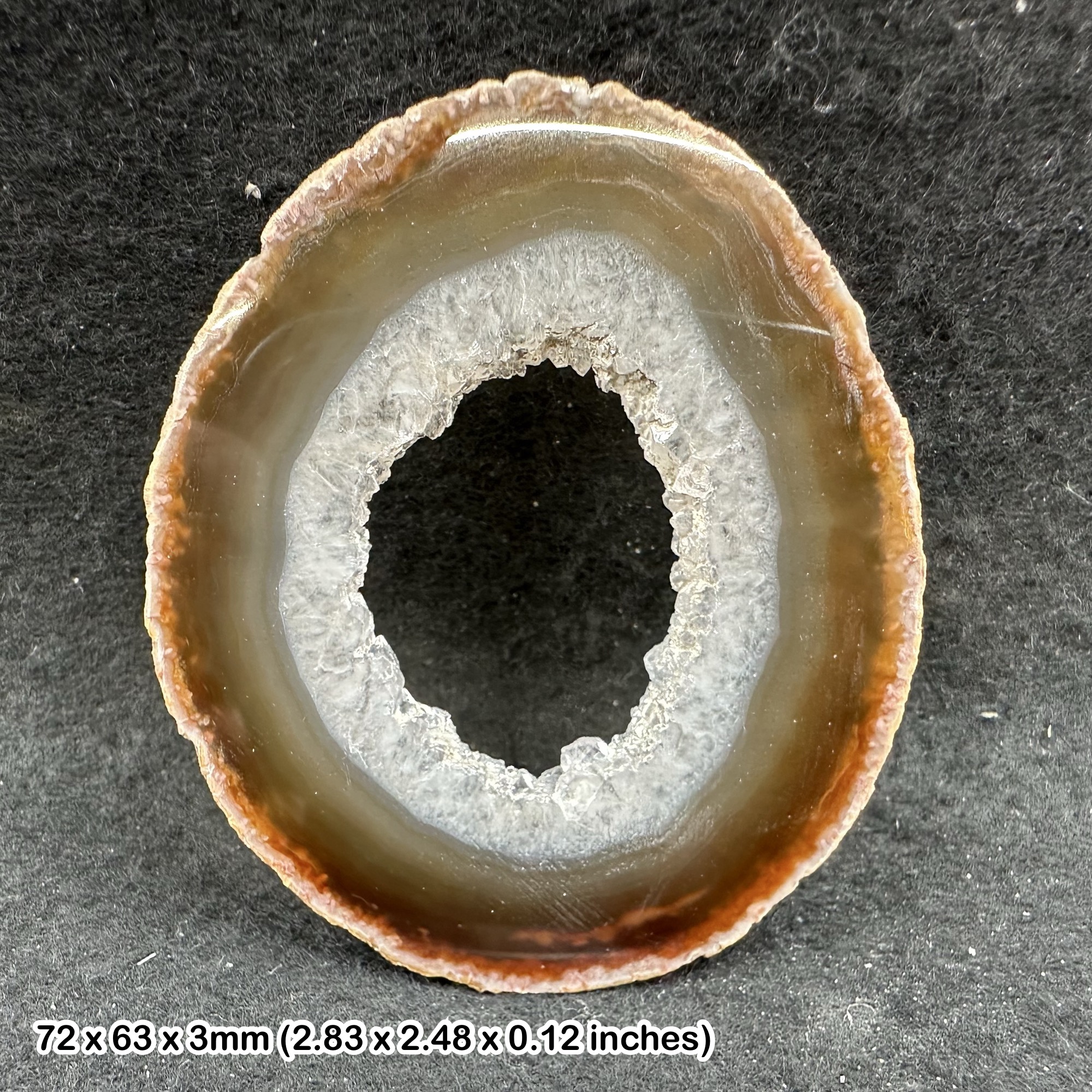
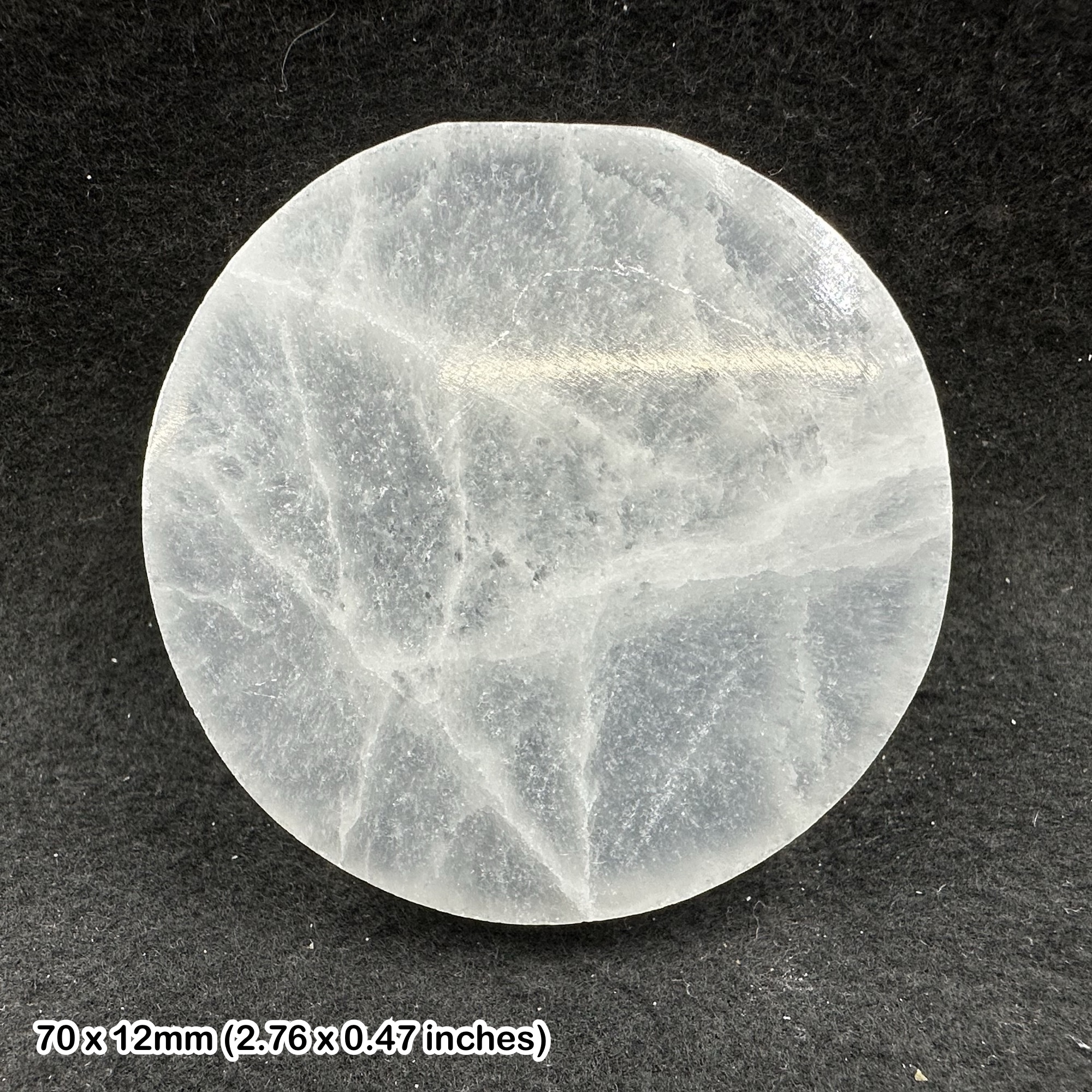
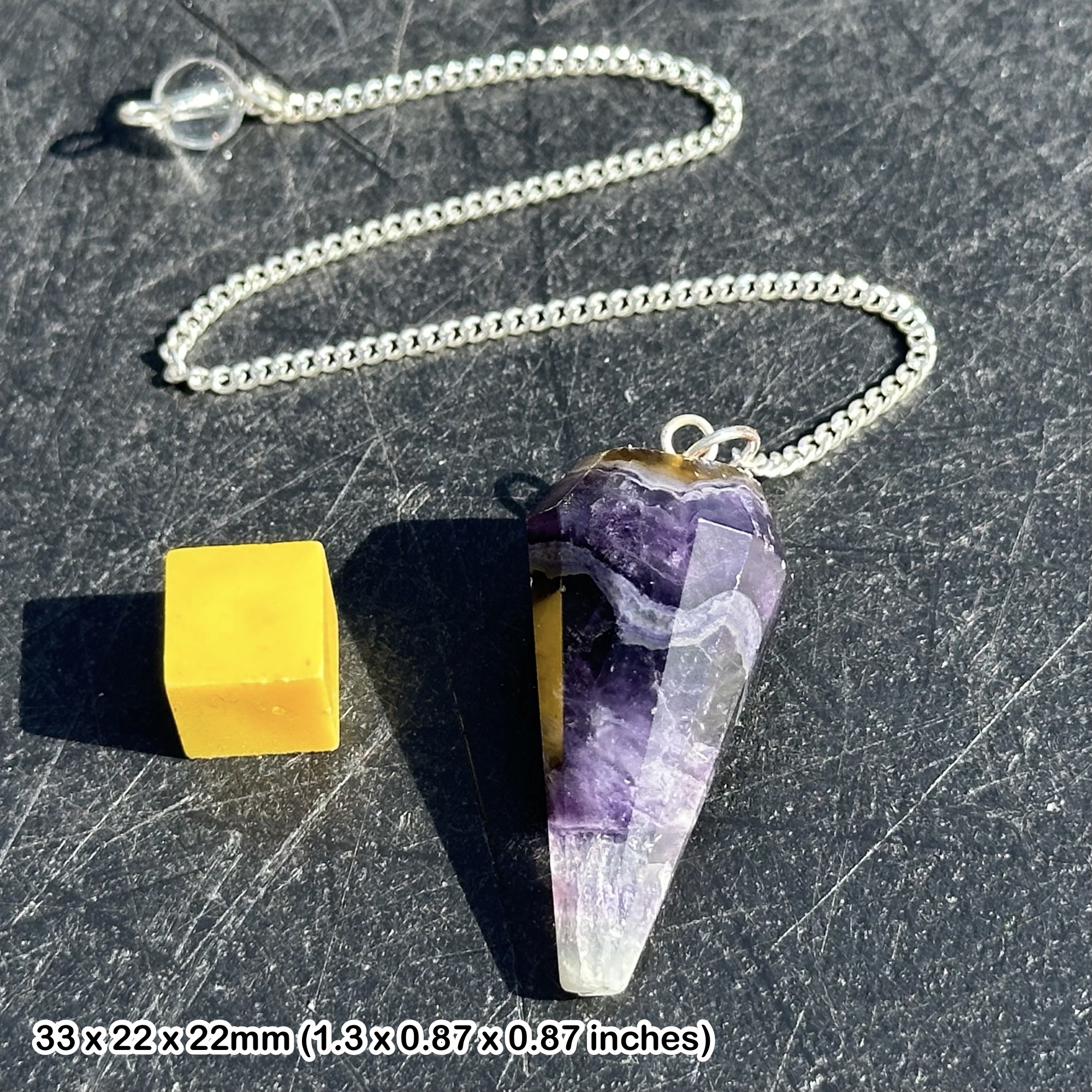
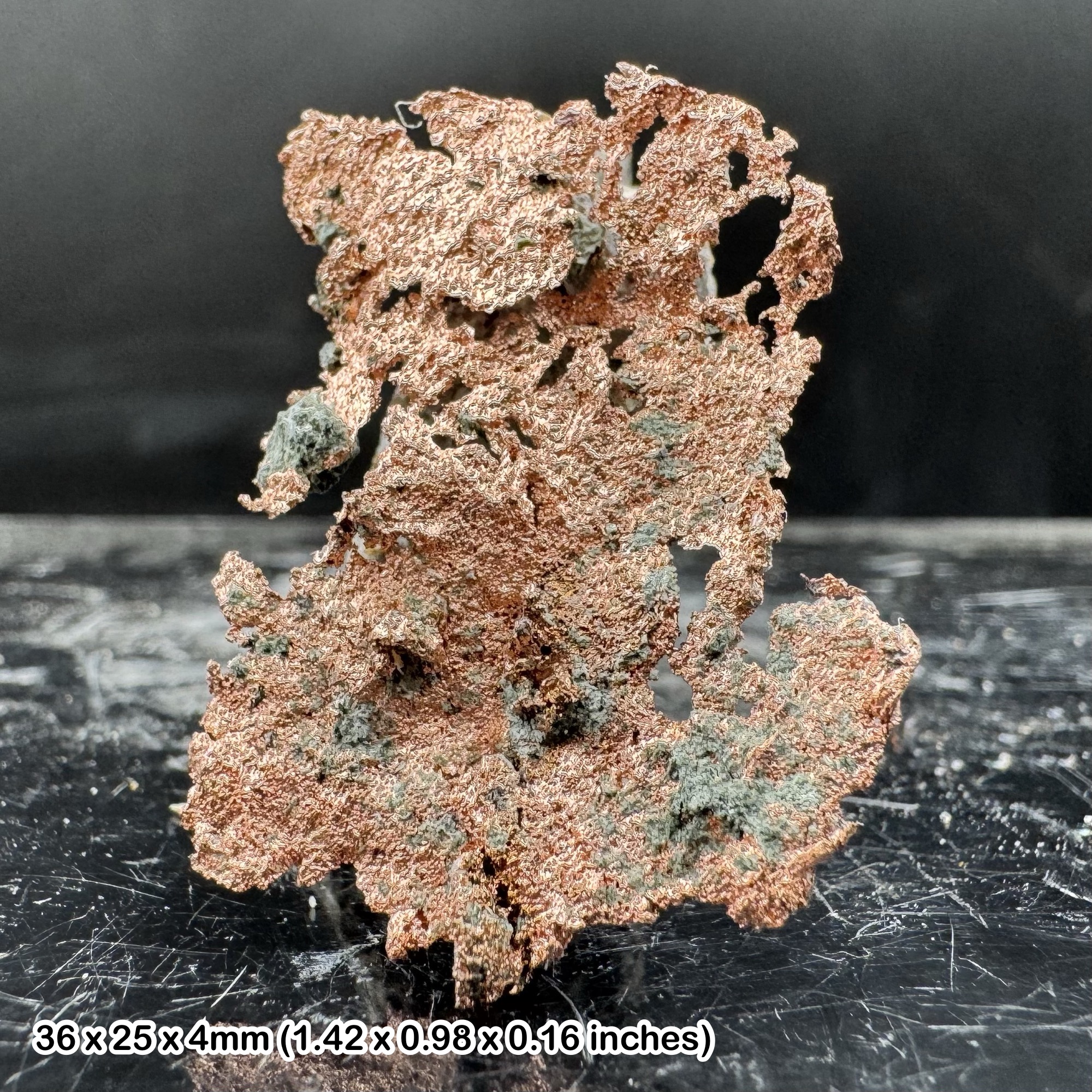
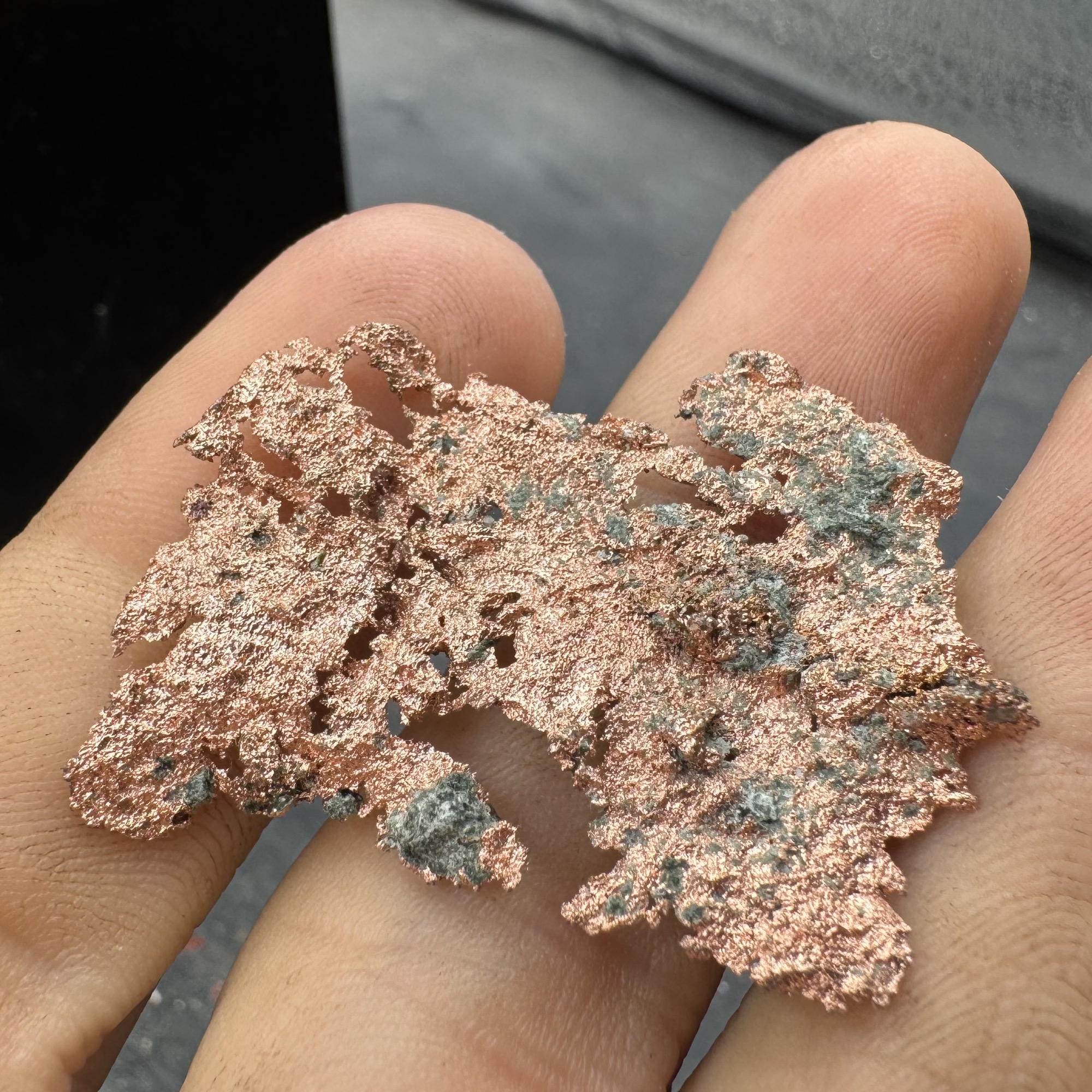
selected for its natural mineral character, metallic appearance, and collectible display appeal. Native Copper is one of the few metallic elements that occurs naturally in a recognisable, almost pure form, making it a highly desirable specimen for mineral collectors, geology enthusiasts, educational displays, and natural history collections.The photo shows the actual specimen you will receive, allowing you to view the individual shape, surface texture, colour, and natural features of this piece before purchase. Full sizing details can be seen in the photo. MINERALOGICAL INFORMATIONNative Copper is the natural elemental form of copper, with the chemical composition Cu. Unlike copper ores where copper is locked within minerals such as chalcopyrite, bornite, or malachite, native copper occurs as metallic copper in its natural state. This gives specimens their distinctive reddish, coppery, bronze, or darkened metallic tones, depending on surface oxidation and natural patina.Fresh copper can show a warm salmon-pink to reddish metallic colour, while older exposed surfaces may develop deeper brown, bronze, greenish, or blackened areas through natural oxidation. These colour variations are part of the mineral’s character and are often valued by collectors because they help show the specimen’s natural history and exposure environment. GEOLOGICAL FORMATION AND OCCURRENCENative Copper most commonly forms in geological settings where copper-rich fluids move through rock fractures, cavities, and porous formations. Over long periods of time, chemical changes allow metallic copper to be deposited within these spaces. In some regions, Native Copper is associated with volcanic rocks, basalt flows, amygdaloidal cavities, vein systems, and secondary copper enrichment zones.The USA is especially well known for producing fine Native Copper specimens, particularly from classic copper-bearing regions. American Native Copper specimens are popular with collectors due to their strong geological heritage, attractive metallic surfaces, and wide variety of natural forms. CRYSTAL TYPE, HABIT, AND APPEARANCENative Copper belongs to the isometric crystal system, although many specimens do not form obvious textbook crystals. Instead, it is often found as irregular masses, plates, wires, branching forms, dendritic growths, nuggets, sheets, or sculptural metallic shapes. These natural habits make each specimen individual, with no two pieces exactly alike.Depending on the specimen, Native Copper may show rugged surfaces, metallic edges, natural cavities, small projecting forms, or areas of oxidised patina. Its high density gives it a pleasing weight for its size, which is another identifying feature of genuine copper specimens. COLLECTING, DISPLAY, AND GIFT APPEALThis Native Copper specimen makes an excellent addition to a mineral collection, geology display, fossil and crystal cabinet, educational set, or natural history gift. Its metallic lustre and earthy copper tones create a distinctive contrast alongside quartz, calcite, malachite, azurite, pyrite, and other mineral specimens.Native Copper is particularly appealing to collectors interested in elemental minerals, metallic specimens, classic USA mineral localities, ore minerals, and natural geological formations. It is also a strong choice for anyone looking for a genuine natural specimen with visual impact and scientific interest. AUTHENTICITY AND PRESENTATIONThis crystal is a genuine specimen and includes a Certificate of Authenticity lifetime guarantee generic card. The specimen has been carefully chosen for sale as an individual natural mineral piece, and the photograph shows the actual item you will receive.Natural mineral specimens may include irregular surfaces, minor contact points, natural fractures, oxidation, matrix, or colour variation. These features are part of the specimen’s geological character and help make each piece unique.
selected for its natural mineral character, metallic appearance, and collectible display appeal. Native Copper is one of the few metallic elements that occurs naturally in a recognisable, almost pure form, making it a highly desirable specimen for mineral collectors, geology enthusiasts, educational displays, and natural history collections.The photo shows the actual specimen you will receive, allowing you to view the individual shape, surface texture, colour, and natural features of this piece before purchase. Full sizing details can be seen in the photo. MINERALOGICAL INFORMATIONNative Copper is the natural elemental form of copper, with the chemical composition Cu. Unlike copper ores where copper is locked within minerals such as chalcopyrite, bornite, or malachite, native copper occurs as metallic copper in its natural state. This gives specimens their distinctive reddish, coppery, bronze, or darkened metallic tones, depending on surface oxidation and natural patina.Fresh copper can show a warm salmon-pink to reddish metallic colour, while older exposed surfaces may develop deeper brown, bronze, greenish, or blackened areas through natural oxidation. These colour variations are part of the mineral’s character and are often valued by collectors because they help show the specimen’s natural history and exposure environment. GEOLOGICAL FORMATION AND OCCURRENCENative Copper most commonly forms in geological settings where copper-rich fluids move through rock fractures, cavities, and porous formations. Over long periods of time, chemical changes allow metallic copper to be deposited within these spaces. In some regions, Native Copper is associated with volcanic rocks, basalt flows, amygdaloidal cavities, vein systems, and secondary copper enrichment zones.The USA is especially well known for producing fine Native Copper specimens, particularly from classic copper-bearing regions. American Native Copper specimens are popular with collectors due to their strong geological heritage, attractive metallic surfaces, and wide variety of natural forms. CRYSTAL TYPE, HABIT, AND APPEARANCENative Copper belongs to the isometric crystal system, although many specimens do not form obvious textbook crystals. Instead, it is often found as irregular masses, plates, wires, branching forms, dendritic growths, nuggets, sheets, or sculptural metallic shapes. These natural habits make each specimen individual, with no two pieces exactly alike.Depending on the specimen, Native Copper may show rugged surfaces, metallic edges, natural cavities, small projecting forms, or areas of oxidised patina. Its high density gives it a pleasing weight for its size, which is another identifying feature of genuine copper specimens. COLLECTING, DISPLAY, AND GIFT APPEALThis Native Copper specimen makes an excellent addition to a mineral collection, geology display, fossil and crystal cabinet, educational set, or natural history gift. Its metallic lustre and earthy copper tones create a distinctive contrast alongside quartz, calcite, malachite, azurite, pyrite, and other mineral specimens.Native Copper is particularly appealing to collectors interested in elemental minerals, metallic specimens, classic USA mineral localities, ore minerals, and natural geological formations. It is also a strong choice for anyone looking for a genuine natural specimen with visual impact and scientific interest. AUTHENTICITY AND PRESENTATIONThis crystal is a genuine specimen and includes a Certificate of Authenticity lifetime guarantee generic card. The specimen has been carefully chosen for sale as an individual natural mineral piece, and the photograph shows the actual item you will receive.Natural mineral specimens may include irregular surfaces, minor contact points, natural fractures, oxidation, matrix, or colour variation. These features are part of the specimen’s geological character and help make each piece unique.
Other Products