Peacock Ore Rough Bornite Chalcopyrite Crystal Specimen with COA Genuine Mineral Display Stone Collectible Decor Gift
£ 13.80
GENUINE ROUGH PEACOCK ORE CRYSTAL SPECIMENThis Peacock Ore Rough specimen is a genuine natural mineral specimen, carefully
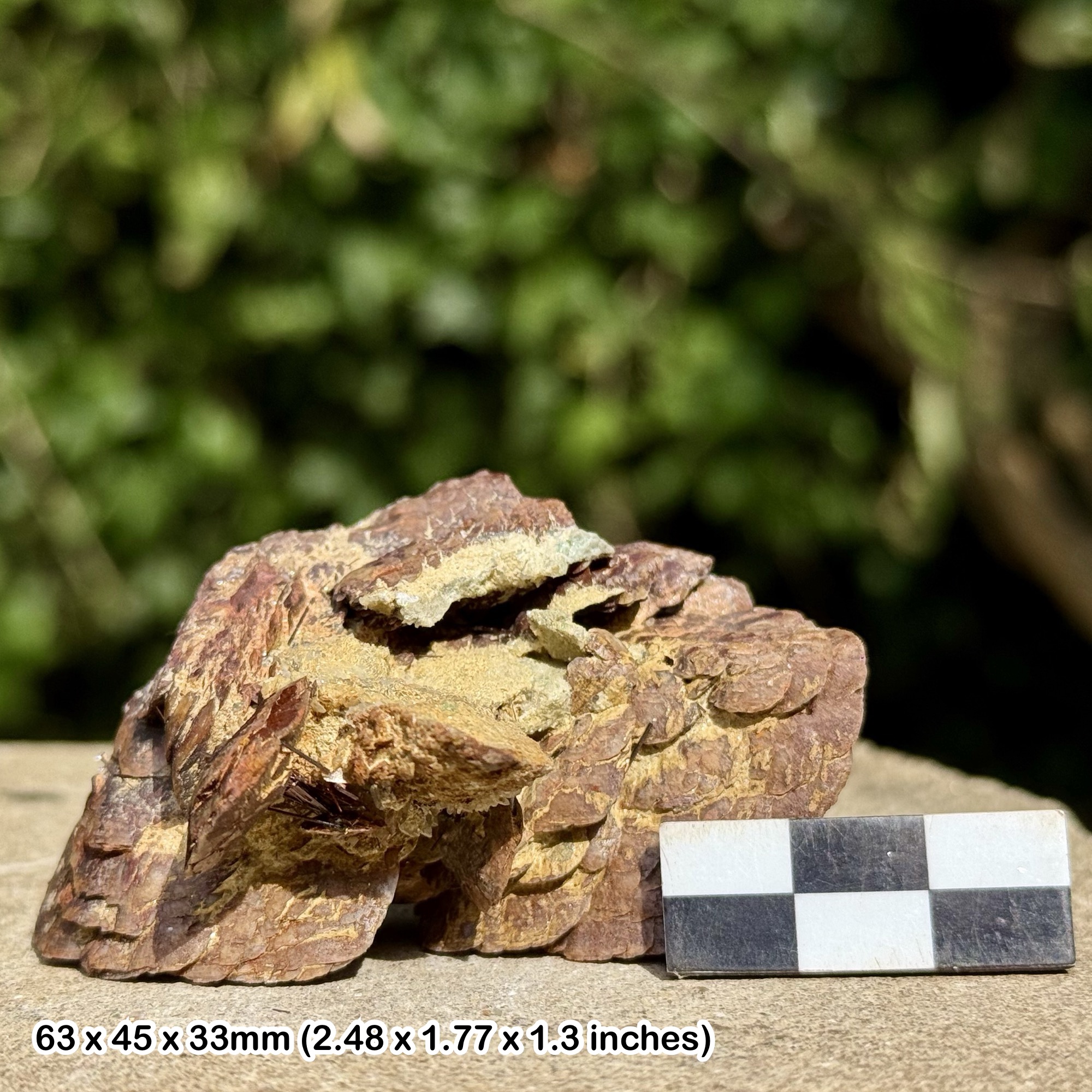
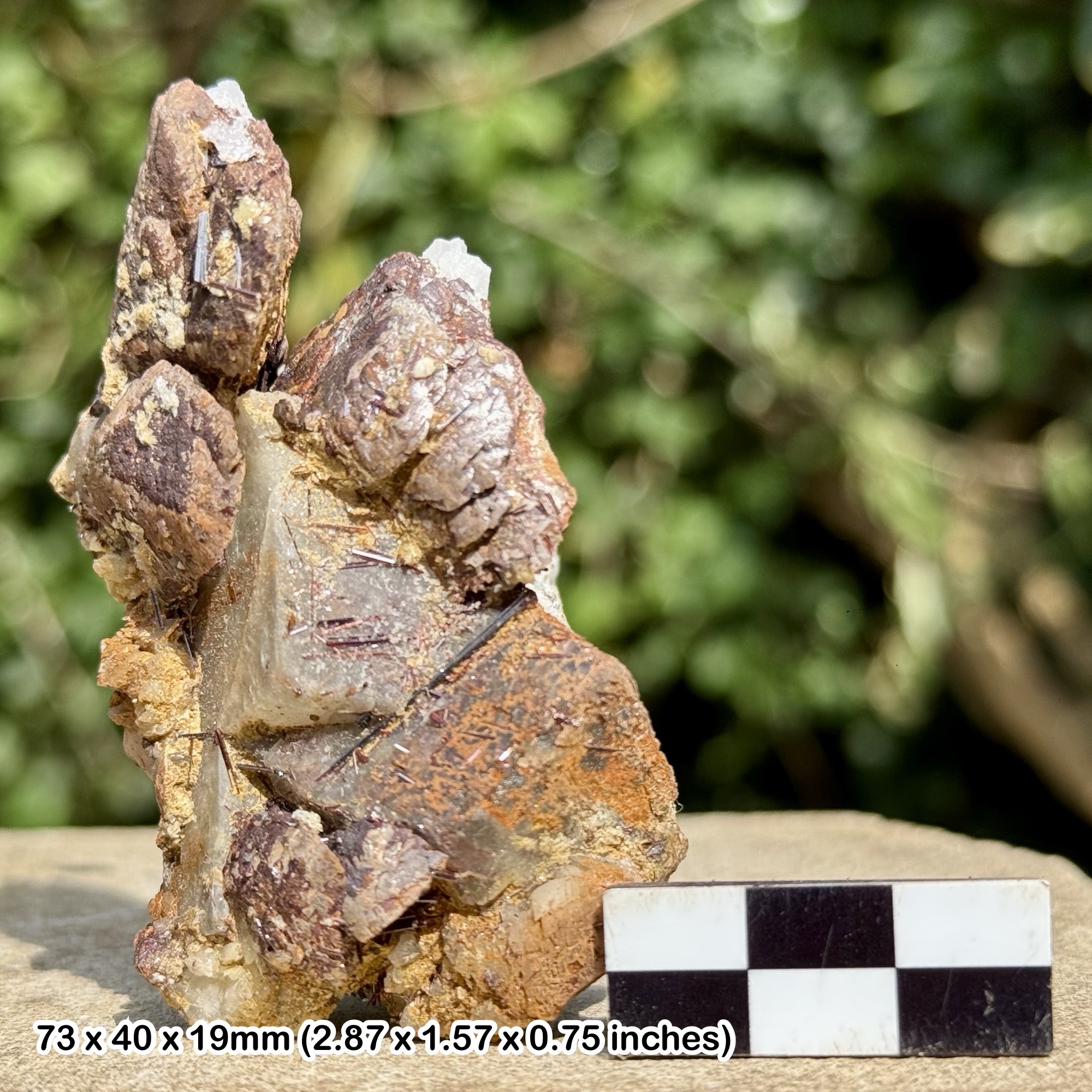
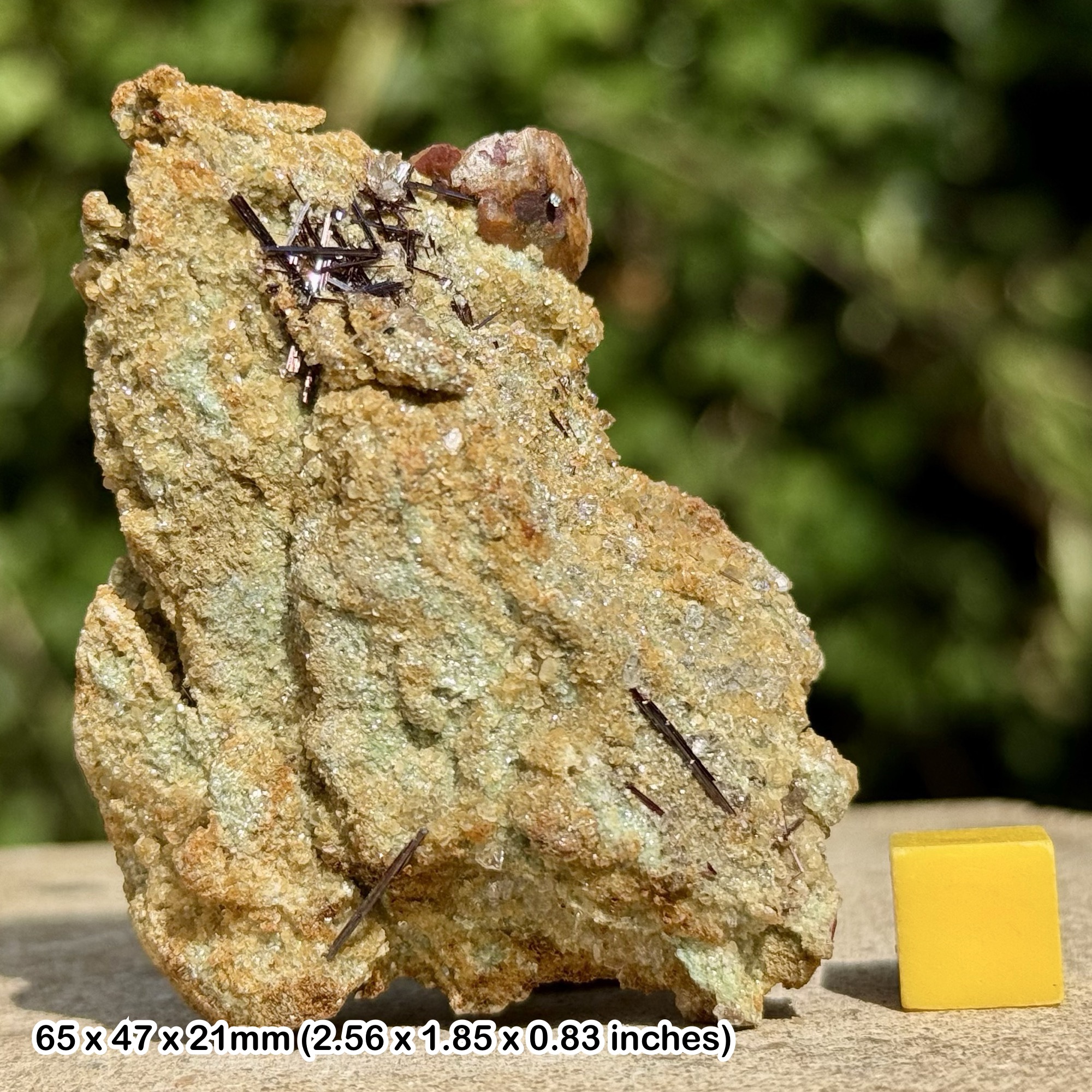
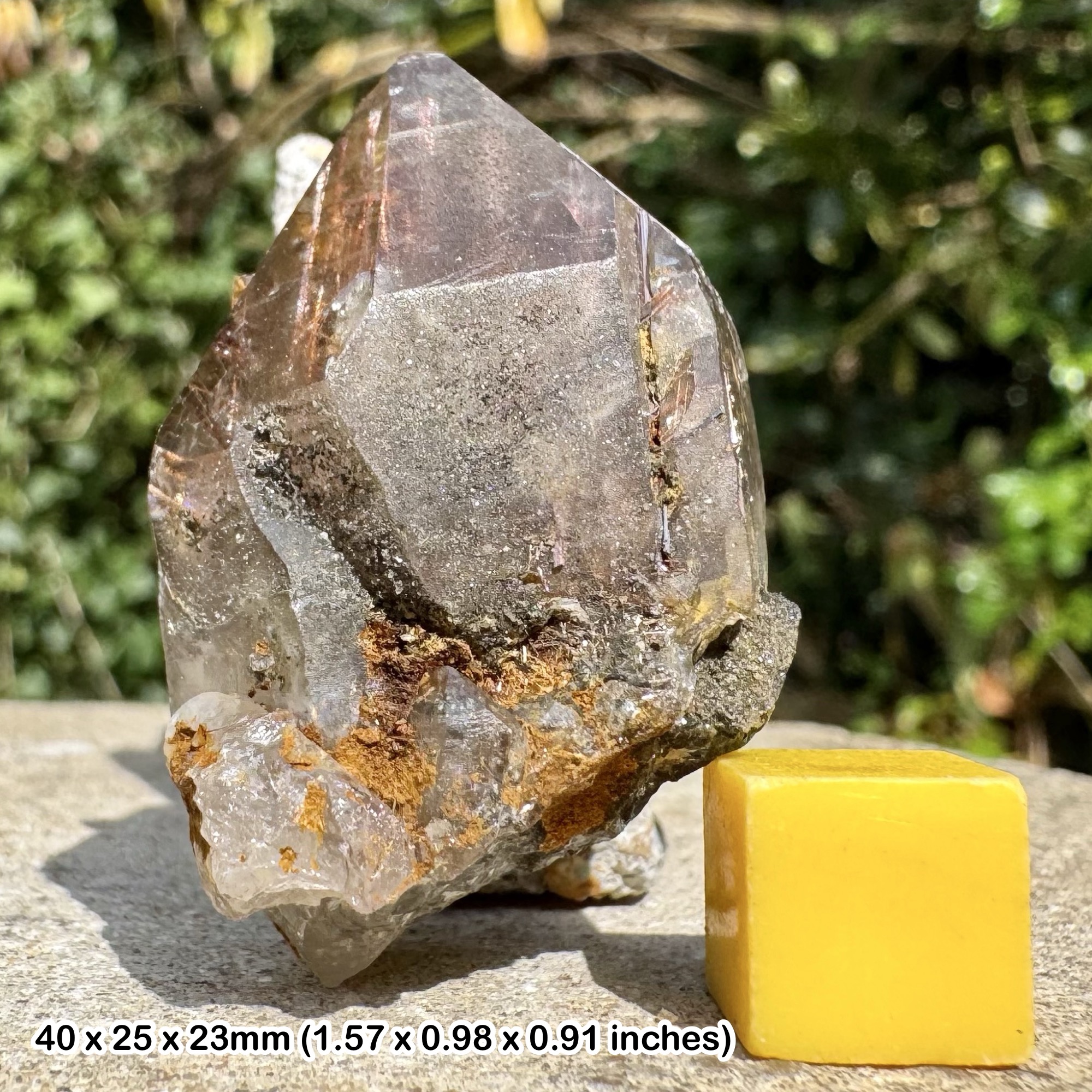
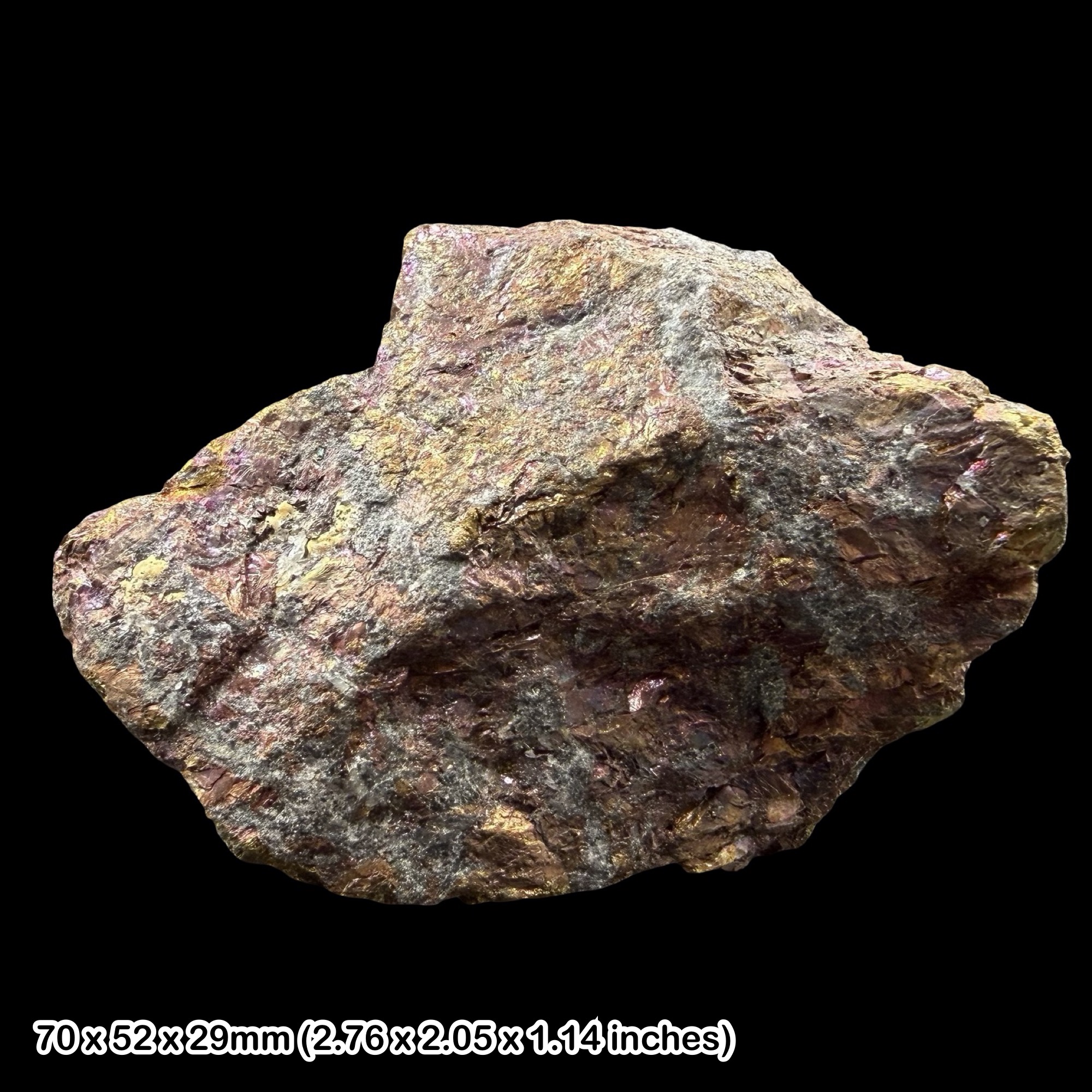
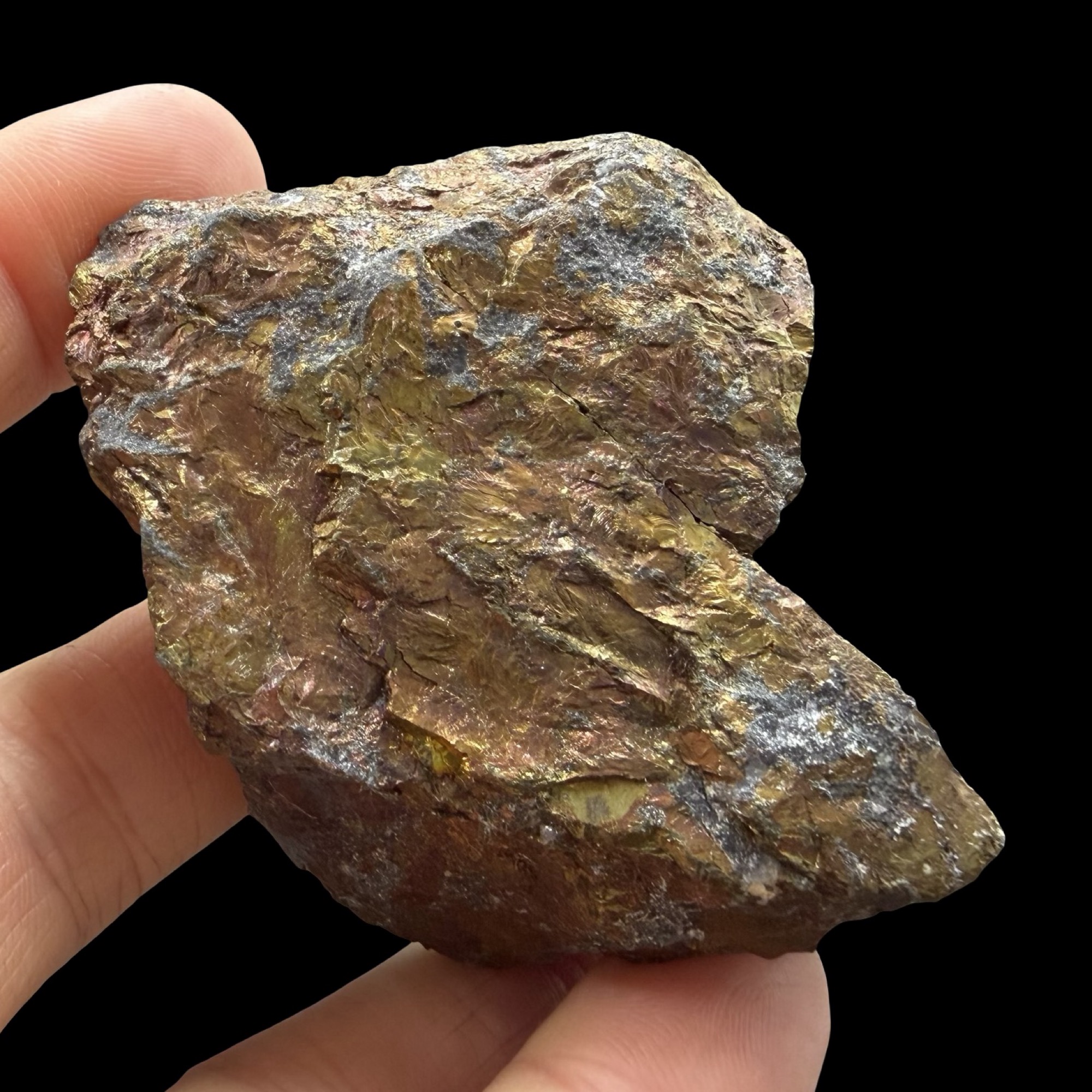
selected for its colourful metallic appearance, natural rough texture, and display quality. Peacock Ore is a popular collector’s name commonly used for iridescent copper sulphide minerals, especially Bornite and Chalcopyrite, which can show striking purple, blue, gold, bronze, green, and pink surface colours. These vivid metallic tones give the specimen its well-known “peacock” appearance and make it an eye-catching addition to any crystal, rock, mineral, ore, or natural history collection.This crystal includes a Certificate of Authenticity lifetime guarantee generic card, confirming it as a genuine specimen. The photograph shows the actual Peacock Ore Rough piece you will receive, allowing you to view the real colour, shape, surface texture, iridescence, and natural mineral features before purchase. Full sizing details can be seen in the photo. CRYSTAL TYPE AND MINERAL SPECIESPeacock Ore is most often associated with Bornite, a copper iron sulphide mineral with the chemical formula Cu5FeS4, and Chalcopyrite, a copper iron sulphide with the chemical formula CuFeS2. Both are important copper-bearing minerals and are widely collected for their metallic lustre and colourful surface alteration. Bornite is naturally bronze to copper-brown when freshly broken but can develop iridescent purple, blue, and reddish tones as the surface oxidises. Chalcopyrite is naturally brass-yellow and may also show bright rainbow tarnish under surface alteration.These minerals belong to the sulphide mineral group, a major category of ore minerals that form in copper-rich geological environments. Peacock Ore specimens are valued both for their attractive colours and for their geological connection to copper mineralisation, mining history, and ore deposit formation. GEOLOGICAL FORMATION AND ORE DEPOSIT ENVIRONMENTBornite and Chalcopyrite commonly form in hydrothermal ore veins, porphyry copper deposits, skarn environments, and other copper-rich mineral systems. These settings develop when hot, mineral-rich fluids move through fractures, cavities, and altered rock, depositing metallic sulphide minerals as temperature, pressure, and chemistry change. Over geological time, these processes can concentrate copper, iron, sulphur, and other elements into economically important ore bodies.Peacock Ore may occur alongside minerals such as quartz, pyrite, galena, sphalerite, calcite, malachite, azurite, and other copper minerals depending on the deposit. In rough form, the specimen preserves more of its natural mineral texture and surface character, making it especially appealing to collectors who enjoy ore minerals in a less processed state. COLOUR, TEXTURE AND NATURAL FEATURESThis rough Peacock Ore specimen may show a metallic base with colourful iridescent areas in shades of purple, blue, green, gold, bronze, copper, pink, or rainbow tones. The surface may include natural fractures, uneven edges, granular mineral textures, metallic faces, tarnished areas, and variations in colour intensity depending on lighting and angle. These colour effects are caused by very thin surface alteration layers that interfere with reflected light, producing the vivid iridescence associated with Peacock Ore.As a natural rough specimen, it may have irregular shape, matrix areas, small cavities, mineral intergrowths, and naturally broken surfaces. These features are part of the specimen’s geological character and help make each piece unique. The metallic lustre gives Peacock Ore strong visual impact, making it a standout display stone among quartz, agate, jasper, calcite, fluorite, labradorite, amethyst, pyrite, and other collectible minerals. COLLECTING, DISPLAY AND DECORATIVE APPEALPeacock Ore Rough is a popular specimen for collectors of crystals, rocks, minerals, copper ore, sulphide minerals, geological specimens, and natural decorative stones. Its bright metallic colour, natural rough form, and connection to copper-bearing deposits make it suitable for mineral cabinets, geology collections, educational displays, desk displays, shelves, sideboards, and natural history arrangements.This specimen is also a thoughtful gift for anyone interested in genuine minerals, Earth science, mining geology, colourful natural stones, or collectible display specimens. Because Peacock Ore is a copper sulphide mineral, it is best kept as a display specimen and handled sensibly. As with many natural ore minerals, it should be kept away from food preparation areas, and hands should be washed after handling. AUTHENTICITY AND SPECIMEN DETAILSThis is a genuine Peacock Ore Rough crystal specimen and includes a Certificate of Authenticity lifetime guarantee generic card. The piece has been carefully chosen for its colour, metallic lustre, natural form, mineralogical interest, and display appeal. As with all natural rough minerals, variations in shape, colour, iridescence, surface texture, inclusions, matrix, and natural fracture patterns are part of the specimen’s geological origin rather than faults.The photo shows the actual Peacock Ore Rough specimen being offered, so the buyer will receive the exact piece shown. Full sizing information can be seen in the photo, allowing customers to assess the scale, form, and appearance of the specimen before purchase.
selected for its colourful metallic appearance, natural rough texture, and display quality. Peacock Ore is a popular collector’s name commonly used for iridescent copper sulphide minerals, especially Bornite and Chalcopyrite, which can show striking purple, blue, gold, bronze, green, and pink surface colours. These vivid metallic tones give the specimen its well-known “peacock” appearance and make it an eye-catching addition to any crystal, rock, mineral, ore, or natural history collection.This crystal includes a Certificate of Authenticity lifetime guarantee generic card, confirming it as a genuine specimen. The photograph shows the actual Peacock Ore Rough piece you will receive, allowing you to view the real colour, shape, surface texture, iridescence, and natural mineral features before purchase. Full sizing details can be seen in the photo. CRYSTAL TYPE AND MINERAL SPECIESPeacock Ore is most often associated with Bornite, a copper iron sulphide mineral with the chemical formula Cu5FeS4, and Chalcopyrite, a copper iron sulphide with the chemical formula CuFeS2. Both are important copper-bearing minerals and are widely collected for their metallic lustre and colourful surface alteration. Bornite is naturally bronze to copper-brown when freshly broken but can develop iridescent purple, blue, and reddish tones as the surface oxidises. Chalcopyrite is naturally brass-yellow and may also show bright rainbow tarnish under surface alteration.These minerals belong to the sulphide mineral group, a major category of ore minerals that form in copper-rich geological environments. Peacock Ore specimens are valued both for their attractive colours and for their geological connection to copper mineralisation, mining history, and ore deposit formation. GEOLOGICAL FORMATION AND ORE DEPOSIT ENVIRONMENTBornite and Chalcopyrite commonly form in hydrothermal ore veins, porphyry copper deposits, skarn environments, and other copper-rich mineral systems. These settings develop when hot, mineral-rich fluids move through fractures, cavities, and altered rock, depositing metallic sulphide minerals as temperature, pressure, and chemistry change. Over geological time, these processes can concentrate copper, iron, sulphur, and other elements into economically important ore bodies.Peacock Ore may occur alongside minerals such as quartz, pyrite, galena, sphalerite, calcite, malachite, azurite, and other copper minerals depending on the deposit. In rough form, the specimen preserves more of its natural mineral texture and surface character, making it especially appealing to collectors who enjoy ore minerals in a less processed state. COLOUR, TEXTURE AND NATURAL FEATURESThis rough Peacock Ore specimen may show a metallic base with colourful iridescent areas in shades of purple, blue, green, gold, bronze, copper, pink, or rainbow tones. The surface may include natural fractures, uneven edges, granular mineral textures, metallic faces, tarnished areas, and variations in colour intensity depending on lighting and angle. These colour effects are caused by very thin surface alteration layers that interfere with reflected light, producing the vivid iridescence associated with Peacock Ore.As a natural rough specimen, it may have irregular shape, matrix areas, small cavities, mineral intergrowths, and naturally broken surfaces. These features are part of the specimen’s geological character and help make each piece unique. The metallic lustre gives Peacock Ore strong visual impact, making it a standout display stone among quartz, agate, jasper, calcite, fluorite, labradorite, amethyst, pyrite, and other collectible minerals. COLLECTING, DISPLAY AND DECORATIVE APPEALPeacock Ore Rough is a popular specimen for collectors of crystals, rocks, minerals, copper ore, sulphide minerals, geological specimens, and natural decorative stones. Its bright metallic colour, natural rough form, and connection to copper-bearing deposits make it suitable for mineral cabinets, geology collections, educational displays, desk displays, shelves, sideboards, and natural history arrangements.This specimen is also a thoughtful gift for anyone interested in genuine minerals, Earth science, mining geology, colourful natural stones, or collectible display specimens. Because Peacock Ore is a copper sulphide mineral, it is best kept as a display specimen and handled sensibly. As with many natural ore minerals, it should be kept away from food preparation areas, and hands should be washed after handling. AUTHENTICITY AND SPECIMEN DETAILSThis is a genuine Peacock Ore Rough crystal specimen and includes a Certificate of Authenticity lifetime guarantee generic card. The piece has been carefully chosen for its colour, metallic lustre, natural form, mineralogical interest, and display appeal. As with all natural rough minerals, variations in shape, colour, iridescence, surface texture, inclusions, matrix, and natural fracture patterns are part of the specimen’s geological origin rather than faults.The photo shows the actual Peacock Ore Rough specimen being offered, so the buyer will receive the exact piece shown. Full sizing information can be seen in the photo, allowing customers to assess the scale, form, and appearance of the specimen before purchase.
Other Products