Graphoceras Scriptum Ammonite Fossil Jurassic Dorset UK Beaminster Specimen Inferior Oolite Bajocian with Certificate
£ 24.00
GENUINE GRAPHOCERAS SCRIPTUM AMMONITE FROM BEAMINSTER, DORSETThis genuine Graphoceras scriptum ammonite fossil comes from the Inferior Oolite
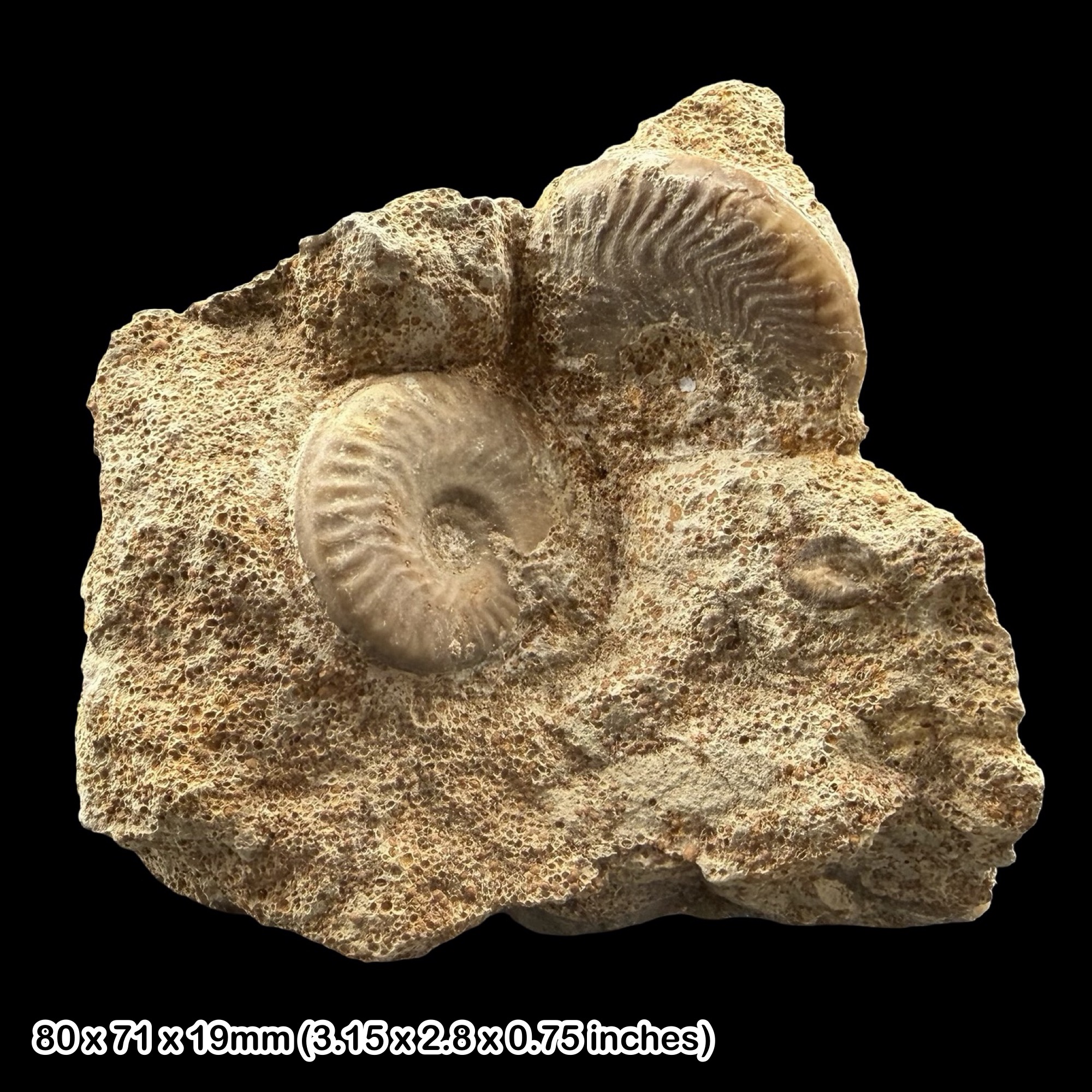
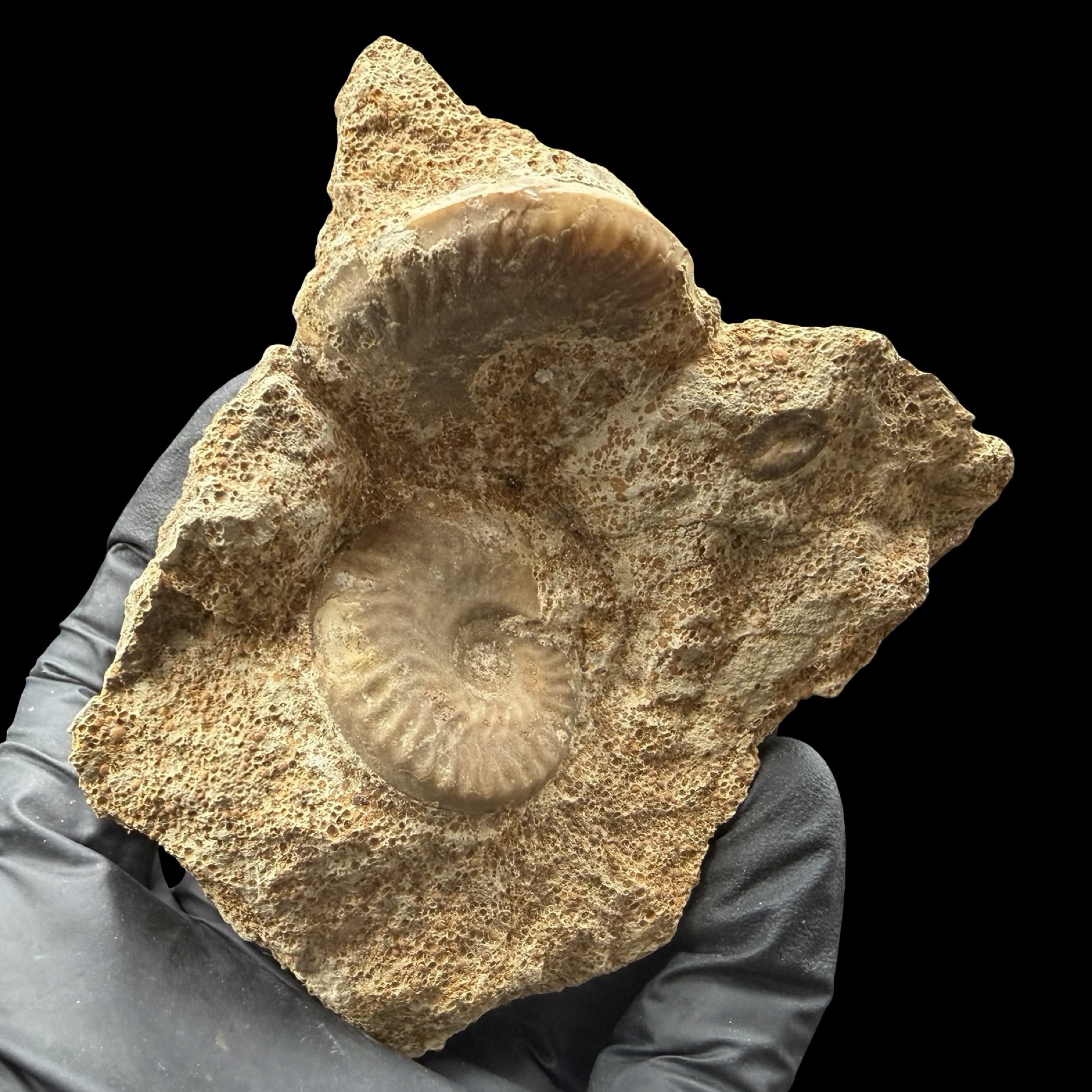
Formation at Beaminster, Dorset, UK. Dating from the Middle Jurassic, Bajocian stage, this carefully chosen specimen is an attractive British ammonite with excellent geological and palaeontological interest. Ammonites from Dorset are highly collectible, especially when supplied with a named species, formation, stage, and clear locality information.The photograph shows the actual fossil specimen you will receive, allowing you to view the real preservation, shell form, surface detail, matrix, colour, and natural character before purchase. Full sizing can be seen in the photo, making it easy to assess the scale and suitability of the piece for a fossil cabinet, collector’s tray, desk display, educational collection, or natural history gift. FOSSIL TYPE, SPECIES AND CLASSIFICATIONGraphoceras scriptum is an extinct ammonite species, belonging to the wider group of coiled marine cephalopod molluscs known as ammonites. Ammonites were related to modern squid, cuttlefish, octopus, and nautilus, although ammonites themselves became extinct at the end of the Cretaceous Period.Graphoceras is a recognised Middle Jurassic ammonite genus generally associated with the family Graphoceratidae and the order Ammonitida. Ammonites such as Graphoceras are important fossils because their rapid evolution and wide distribution make them useful in dating and correlating Jurassic marine rocks. A named species such as Graphoceras scriptum is especially appealing to collectors because it gives the fossil a more precise scientific identity than a general ammonite specimen. MORPHOLOGY AND NATURAL FEATURESGraphoceras ammonites typically display a planispiral shell, meaning the shell coils in a single flat plane. They are often relatively compressed in form, with neat whorl development and refined ornamentation. Depending on preservation, specimens may show curved ribs, fine growth lines, a defined outer margin, partial shell surface, mineral replacement, matrix attachment, or natural sediment staining.The living animal occupied the outer body chamber of the shell, while the earlier internal chambers helped with buoyancy control in the Jurassic sea. The shell’s spiral shape, whorl profile, ribbing, and overall ornament are key features used in ammonite identification and make specimens like this valuable for both display and study.Natural variation is part of the appeal of genuine fossils. Surface texture, colour differences, worn areas, exposed matrix, and small irregularities all reflect the fossil’s long history from living marine animal to preserved Jurassic specimen. GEOLOGICAL AGE AND INFERIOR OOLITE FORMATIONThis fossil comes from the Bajocian stage of the Middle Jurassic and is preserved within material from the Inferior Oolite Formation. The Inferior Oolite is a famous British Jurassic rock unit, widely known for its fossil-rich limestones and oolitic sediments. Oolitic limestone forms from tiny rounded carbonate grains called ooids, which developed in warm, shallow marine waters where currents moved carbonate sediment across the sea floor.During the Bajocian, the Beaminster and wider Dorset region lay beneath a shallow Jurassic sea. This environment supported ammonites, belemnites, brachiopods, bivalves, gastropods, echinoids, fish, and other marine life. After death, shells and hard parts became buried in carbonate-rich sediment, eventually fossilising over millions of years. BEAMINSTER, DORSET LOCALITYBeaminster is part of a region of Dorset well known for Jurassic geology and fossil-bearing formations. Fossils from named British localities are especially desirable because they carry strong provenance and a clear connection to a recognised geological setting. A Graphoceras scriptum ammonite from Beaminster offers both attractive display quality and meaningful scientific context.The Middle Jurassic rocks of Dorset provide a valuable record of ancient marine ecosystems. Ammonites from these deposits are particularly collectible because they combine classic spiral forms with useful stratigraphic information, making them suitable for collectors, educators, and anyone interested in British palaeontology. GENUINE SPECIMEN WITH CERTIFICATE OF AUTHENTICITYThis Graphoceras scriptum ammonite fossil is a genuine specimen and includes a Certificate of Authenticity lifetime guarantee generic card. The certificate provides added confidence for fossil collectors, schools, gift buyers, and anyone building a verified natural history collection.The fossil shown in the photograph is the actual specimen supplied. This means the piece you see is the piece you will receive, complete with its own natural preservation, shell detail, matrix, colour, shape, and individual display character. COLLECTING, DISPLAY AND EDUCATIONAL APPEALA Graphoceras scriptum ammonite from the Inferior Oolite Formation is an excellent addition to a British Jurassic fossil collection. It pairs well with other ammonites, belemnites, brachiopods, bivalves, gastropods, echinoids, and marine fossils from Dorset, Somerset, and the wider Jurassic Coast region.With its named species identification, Bajocian age, Middle Jurassic geology, Beaminster locality, Inferior Oolite Formation origin, and included Certificate of Authenticity, this fossil offers strong collecting, educational, and decorative appeal.
Formation at Beaminster, Dorset, UK. Dating from the Middle Jurassic, Bajocian stage, this carefully chosen specimen is an attractive British ammonite with excellent geological and palaeontological interest. Ammonites from Dorset are highly collectible, especially when supplied with a named species, formation, stage, and clear locality information.The photograph shows the actual fossil specimen you will receive, allowing you to view the real preservation, shell form, surface detail, matrix, colour, and natural character before purchase. Full sizing can be seen in the photo, making it easy to assess the scale and suitability of the piece for a fossil cabinet, collector’s tray, desk display, educational collection, or natural history gift. FOSSIL TYPE, SPECIES AND CLASSIFICATIONGraphoceras scriptum is an extinct ammonite species, belonging to the wider group of coiled marine cephalopod molluscs known as ammonites. Ammonites were related to modern squid, cuttlefish, octopus, and nautilus, although ammonites themselves became extinct at the end of the Cretaceous Period.Graphoceras is a recognised Middle Jurassic ammonite genus generally associated with the family Graphoceratidae and the order Ammonitida. Ammonites such as Graphoceras are important fossils because their rapid evolution and wide distribution make them useful in dating and correlating Jurassic marine rocks. A named species such as Graphoceras scriptum is especially appealing to collectors because it gives the fossil a more precise scientific identity than a general ammonite specimen. MORPHOLOGY AND NATURAL FEATURESGraphoceras ammonites typically display a planispiral shell, meaning the shell coils in a single flat plane. They are often relatively compressed in form, with neat whorl development and refined ornamentation. Depending on preservation, specimens may show curved ribs, fine growth lines, a defined outer margin, partial shell surface, mineral replacement, matrix attachment, or natural sediment staining.The living animal occupied the outer body chamber of the shell, while the earlier internal chambers helped with buoyancy control in the Jurassic sea. The shell’s spiral shape, whorl profile, ribbing, and overall ornament are key features used in ammonite identification and make specimens like this valuable for both display and study.Natural variation is part of the appeal of genuine fossils. Surface texture, colour differences, worn areas, exposed matrix, and small irregularities all reflect the fossil’s long history from living marine animal to preserved Jurassic specimen. GEOLOGICAL AGE AND INFERIOR OOLITE FORMATIONThis fossil comes from the Bajocian stage of the Middle Jurassic and is preserved within material from the Inferior Oolite Formation. The Inferior Oolite is a famous British Jurassic rock unit, widely known for its fossil-rich limestones and oolitic sediments. Oolitic limestone forms from tiny rounded carbonate grains called ooids, which developed in warm, shallow marine waters where currents moved carbonate sediment across the sea floor.During the Bajocian, the Beaminster and wider Dorset region lay beneath a shallow Jurassic sea. This environment supported ammonites, belemnites, brachiopods, bivalves, gastropods, echinoids, fish, and other marine life. After death, shells and hard parts became buried in carbonate-rich sediment, eventually fossilising over millions of years. BEAMINSTER, DORSET LOCALITYBeaminster is part of a region of Dorset well known for Jurassic geology and fossil-bearing formations. Fossils from named British localities are especially desirable because they carry strong provenance and a clear connection to a recognised geological setting. A Graphoceras scriptum ammonite from Beaminster offers both attractive display quality and meaningful scientific context.The Middle Jurassic rocks of Dorset provide a valuable record of ancient marine ecosystems. Ammonites from these deposits are particularly collectible because they combine classic spiral forms with useful stratigraphic information, making them suitable for collectors, educators, and anyone interested in British palaeontology. GENUINE SPECIMEN WITH CERTIFICATE OF AUTHENTICITYThis Graphoceras scriptum ammonite fossil is a genuine specimen and includes a Certificate of Authenticity lifetime guarantee generic card. The certificate provides added confidence for fossil collectors, schools, gift buyers, and anyone building a verified natural history collection.The fossil shown in the photograph is the actual specimen supplied. This means the piece you see is the piece you will receive, complete with its own natural preservation, shell detail, matrix, colour, shape, and individual display character. COLLECTING, DISPLAY AND EDUCATIONAL APPEALA Graphoceras scriptum ammonite from the Inferior Oolite Formation is an excellent addition to a British Jurassic fossil collection. It pairs well with other ammonites, belemnites, brachiopods, bivalves, gastropods, echinoids, and marine fossils from Dorset, Somerset, and the wider Jurassic Coast region.With its named species identification, Bajocian age, Middle Jurassic geology, Beaminster locality, Inferior Oolite Formation origin, and included Certificate of Authenticity, this fossil offers strong collecting, educational, and decorative appeal.
Other Products