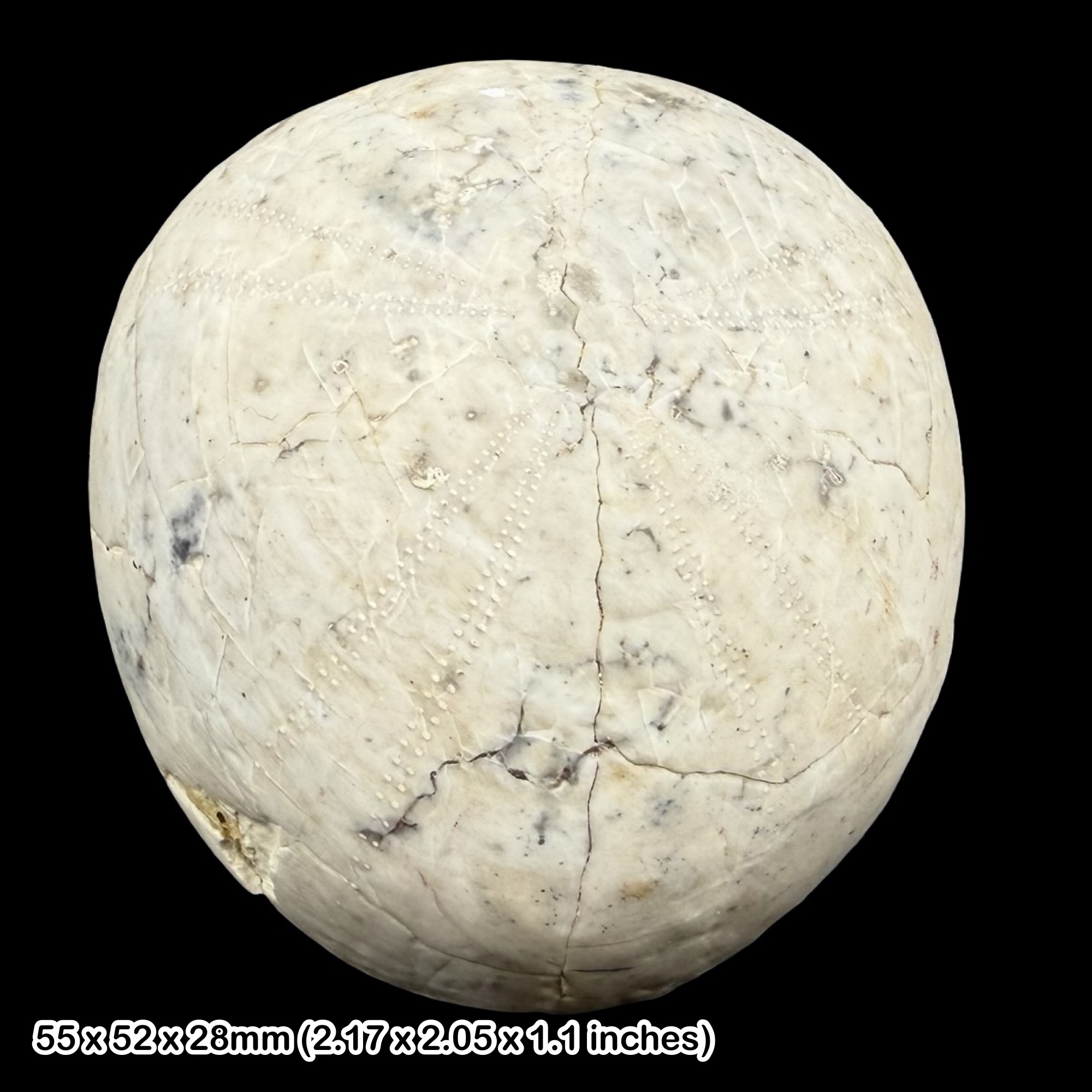
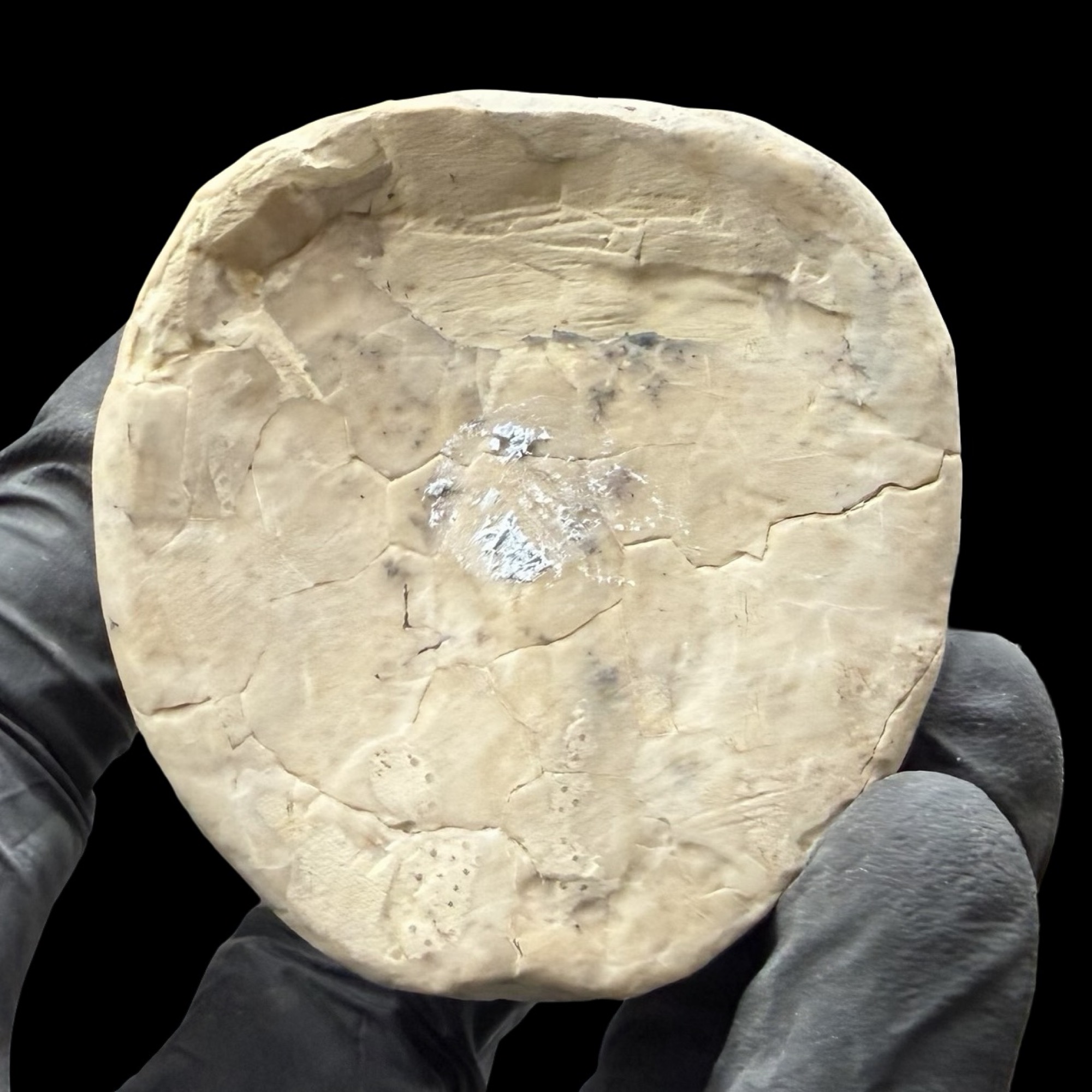
Holaster gregoryi Echinoid Fossil Cretaceous UK COA Genuine Sea Urchin Sussex Cenomanian Glynde Chalk Collector Specimen
£ 14.40
Genuine Holaster gregoryi Echinoid Fossil from Glynde, East SussexThis Holaster gregoryi echinoid fossil is a genuine Upper Cretaceous specimen
from Glynde, East Sussex, UK. Dating from the Cenomanian Stage, this fossil represents a classic British chalk sea urchin from the ancient marine environments that once covered southern England. It is a carefully chosen fossil specimen with strong geological interest, natural display appeal and a desirable Sussex locality.The photograph shows the actual fossil you will receive, so this is an individual specimen rather than a stock image or representative example. For full sizing and visible condition, please see the listing photo. This fossil includes a Certificate of Authenticity lifetime guarantee generic card.Fossil Type and Species InterestHolaster gregoryi is a fossil echinoid, commonly known as a fossil sea urchin. Echinoids are marine animals belonging to the phylum Echinodermata, the same wider group as modern sea urchins, sand dollars, starfish and crinoids. The main fossilised part of an echinoid is the test, a rigid internal shell made from interlocking plates of calcium carbonate.Holaster is an irregular echinoid, meaning its body form is not perfectly circular and evenly radial like many modern regular sea urchins. Instead, it has a more heart-shaped to oval outline, adapted for life on or within soft sediment on the sea floor. This type of echinoid would have moved through or across chalky marine sediment, feeding on organic material within the seabed.Holaster gregoryi typically shows a gently domed test, defined ambulacral areas and a natural form associated with burrowing or semi-burrowing echinoids. These features make it an attractive fossil for collectors because it represents a different lifestyle from the more rounded regular echinoids often found in chalk deposits. Its shape, plate structure and natural symmetry give it strong appeal as both a display fossil and an educational specimen.Geology, Age and Cenomanian SettingThis fossil comes from the Upper Cretaceous, specifically the Cenomanian Stage. The Cenomanian marks the early part of the Late Cretaceous, a time when sea levels were high and much of southern Britain lay beneath warm, shallow to moderately deep marine waters.The chalk and associated Cretaceous deposits of southern England formed from the accumulation of microscopic calcareous plankton, especially coccolithophores, on the floor of an ancient sea. Over millions of years, these fine carbonate sediments compacted into the chalk landscapes now seen across Sussex and other parts of southern Britain.This marine environment supported a rich ecosystem including echinoids, bivalves, brachiopods, sponges, ammonites, fish and marine reptiles. Echinoids such as Holaster lived on the ancient seabed, where their specialised shape helped them interact with soft sediment. Their tests could become buried after death and preserved within the chalk and related deposits.Glynde, East Sussex LocalityGlynde in East Sussex lies within an area strongly associated with the Cretaceous chalk geology of southern England. Fossils from this region are valued by collectors because they represent the ancient chalk sea that once covered much of the UK and northern Europe.A Holaster gregoryi echinoid from Glynde combines a recognisable fossil type, a classic British locality and a defined Upper Cretaceous age. This makes it an appealing addition to collections focused on British fossils, chalk fossils, echinoids, sea urchins, Cretaceous palaeontology or natural history.Authenticity and PresentationThis Holaster gregoryi echinoid fossil is a genuine specimen selected for its natural character, geological interest and display quality. It is supplied exactly as shown in the listing photograph, so the fossil pictured is the actual piece you will receive.The included Certificate of Authenticity lifetime guarantee generic card provides reassurance for collectors, educators, gift buyers and natural history enthusiasts. This makes the fossil suitable for a serious fossil collection, educational use or display in a cabinet, study, classroom, office or geology-themed room.Display, Collecting and Educational ValueThis Holaster gregoryi fossil echinoid is ideal for collectors of British fossils, Cretaceous fossils, chalk sea urchins and natural history specimens. Its Cenomanian age, Glynde locality and distinctive irregular echinoid form give it excellent appeal as both a display fossil and an educational specimen.As a genuine Upper Cretaceous echinoid from East Sussex, this fossil offers a direct connection to the ancient chalk seas that once covered southern Britain. It would make an excellent fossil gift, collector’s item, teaching specimen or display piece for anyone interested in echinoids, sea urchins, palaeontology, British geology and the fossil-rich marine deposits of the Cretaceous Period.
from Glynde, East Sussex, UK. Dating from the Cenomanian Stage, this fossil represents a classic British chalk sea urchin from the ancient marine environments that once covered southern England. It is a carefully chosen fossil specimen with strong geological interest, natural display appeal and a desirable Sussex locality.The photograph shows the actual fossil you will receive, so this is an individual specimen rather than a stock image or representative example. For full sizing and visible condition, please see the listing photo. This fossil includes a Certificate of Authenticity lifetime guarantee generic card.Fossil Type and Species InterestHolaster gregoryi is a fossil echinoid, commonly known as a fossil sea urchin. Echinoids are marine animals belonging to the phylum Echinodermata, the same wider group as modern sea urchins, sand dollars, starfish and crinoids. The main fossilised part of an echinoid is the test, a rigid internal shell made from interlocking plates of calcium carbonate.Holaster is an irregular echinoid, meaning its body form is not perfectly circular and evenly radial like many modern regular sea urchins. Instead, it has a more heart-shaped to oval outline, adapted for life on or within soft sediment on the sea floor. This type of echinoid would have moved through or across chalky marine sediment, feeding on organic material within the seabed.Holaster gregoryi typically shows a gently domed test, defined ambulacral areas and a natural form associated with burrowing or semi-burrowing echinoids. These features make it an attractive fossil for collectors because it represents a different lifestyle from the more rounded regular echinoids often found in chalk deposits. Its shape, plate structure and natural symmetry give it strong appeal as both a display fossil and an educational specimen.Geology, Age and Cenomanian SettingThis fossil comes from the Upper Cretaceous, specifically the Cenomanian Stage. The Cenomanian marks the early part of the Late Cretaceous, a time when sea levels were high and much of southern Britain lay beneath warm, shallow to moderately deep marine waters.The chalk and associated Cretaceous deposits of southern England formed from the accumulation of microscopic calcareous plankton, especially coccolithophores, on the floor of an ancient sea. Over millions of years, these fine carbonate sediments compacted into the chalk landscapes now seen across Sussex and other parts of southern Britain.This marine environment supported a rich ecosystem including echinoids, bivalves, brachiopods, sponges, ammonites, fish and marine reptiles. Echinoids such as Holaster lived on the ancient seabed, where their specialised shape helped them interact with soft sediment. Their tests could become buried after death and preserved within the chalk and related deposits.Glynde, East Sussex LocalityGlynde in East Sussex lies within an area strongly associated with the Cretaceous chalk geology of southern England. Fossils from this region are valued by collectors because they represent the ancient chalk sea that once covered much of the UK and northern Europe.A Holaster gregoryi echinoid from Glynde combines a recognisable fossil type, a classic British locality and a defined Upper Cretaceous age. This makes it an appealing addition to collections focused on British fossils, chalk fossils, echinoids, sea urchins, Cretaceous palaeontology or natural history.Authenticity and PresentationThis Holaster gregoryi echinoid fossil is a genuine specimen selected for its natural character, geological interest and display quality. It is supplied exactly as shown in the listing photograph, so the fossil pictured is the actual piece you will receive.The included Certificate of Authenticity lifetime guarantee generic card provides reassurance for collectors, educators, gift buyers and natural history enthusiasts. This makes the fossil suitable for a serious fossil collection, educational use or display in a cabinet, study, classroom, office or geology-themed room.Display, Collecting and Educational ValueThis Holaster gregoryi fossil echinoid is ideal for collectors of British fossils, Cretaceous fossils, chalk sea urchins and natural history specimens. Its Cenomanian age, Glynde locality and distinctive irregular echinoid form give it excellent appeal as both a display fossil and an educational specimen.As a genuine Upper Cretaceous echinoid from East Sussex, this fossil offers a direct connection to the ancient chalk seas that once covered southern Britain. It would make an excellent fossil gift, collector’s item, teaching specimen or display piece for anyone interested in echinoids, sea urchins, palaeontology, British geology and the fossil-rich marine deposits of the Cretaceous Period.
Other Products