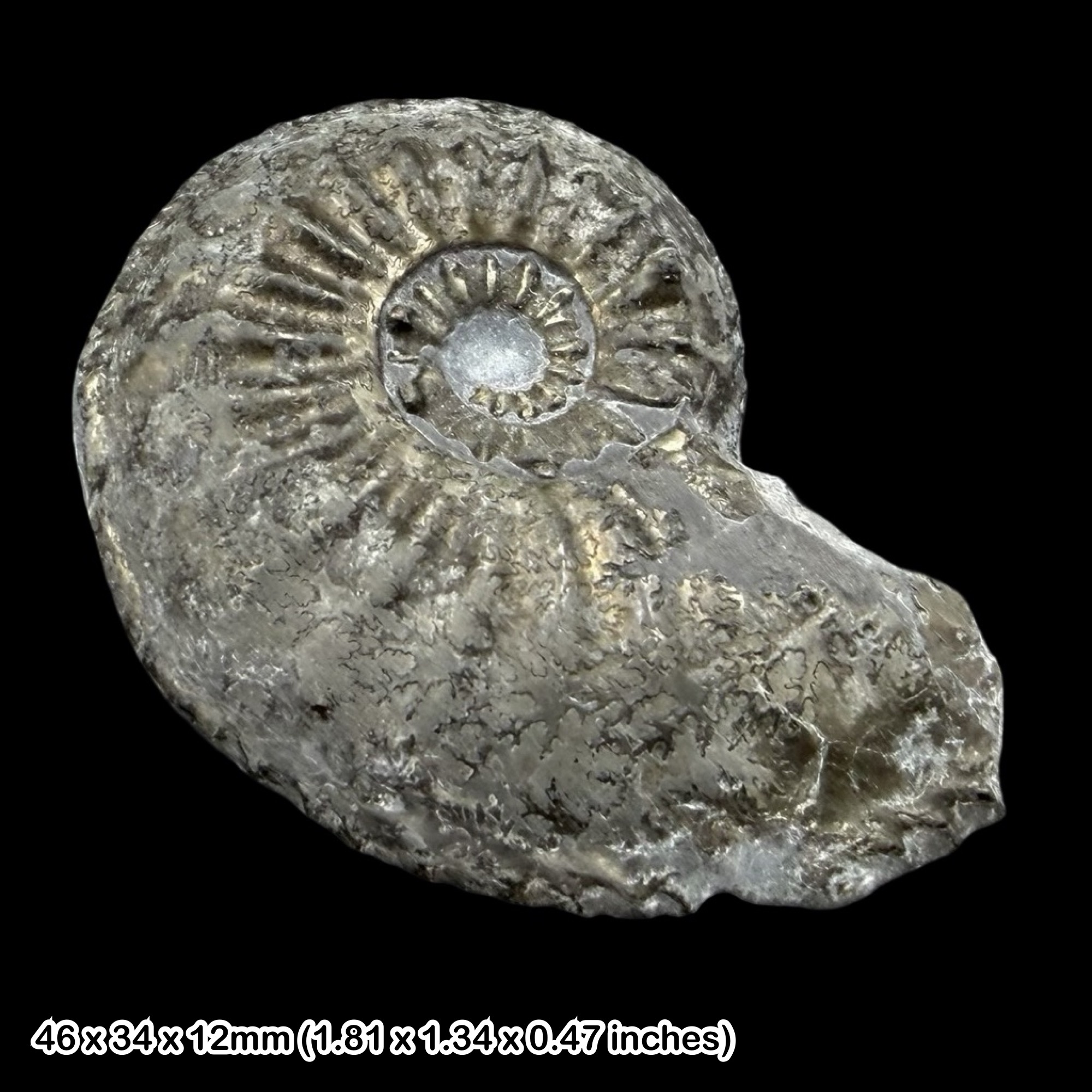
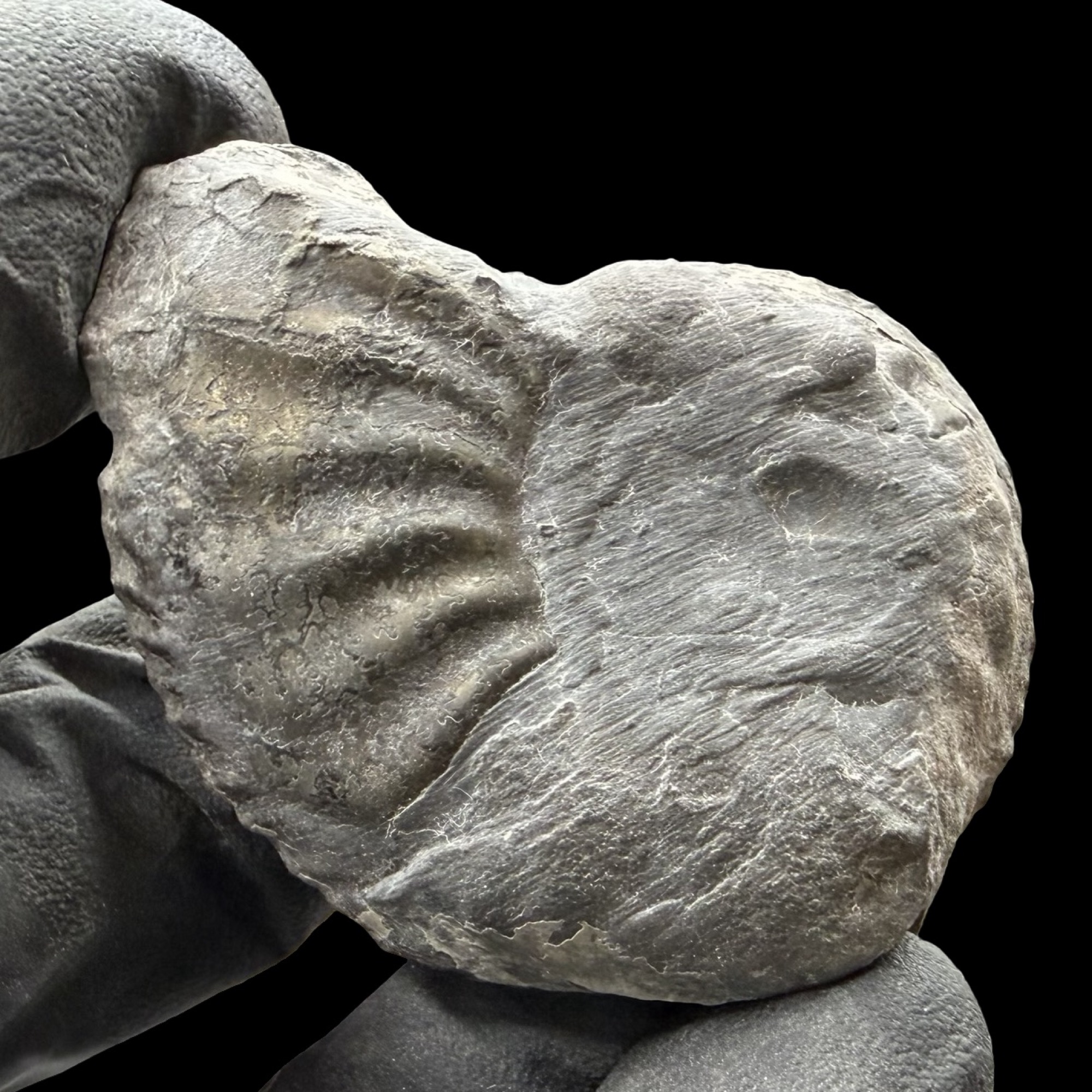
Amaltheus margaritatus salebrosum Ammonite Fossil Jurassic France COA Genuine Pliensbachian Spinatum Zone Aveyron
£ 10.20
Genuine Amaltheus margaritatus var. salebrosum Ammonite Fossil from FranceThis Amaltheus margaritatus var. salebrosum ammonite fossil is a genuine Lower
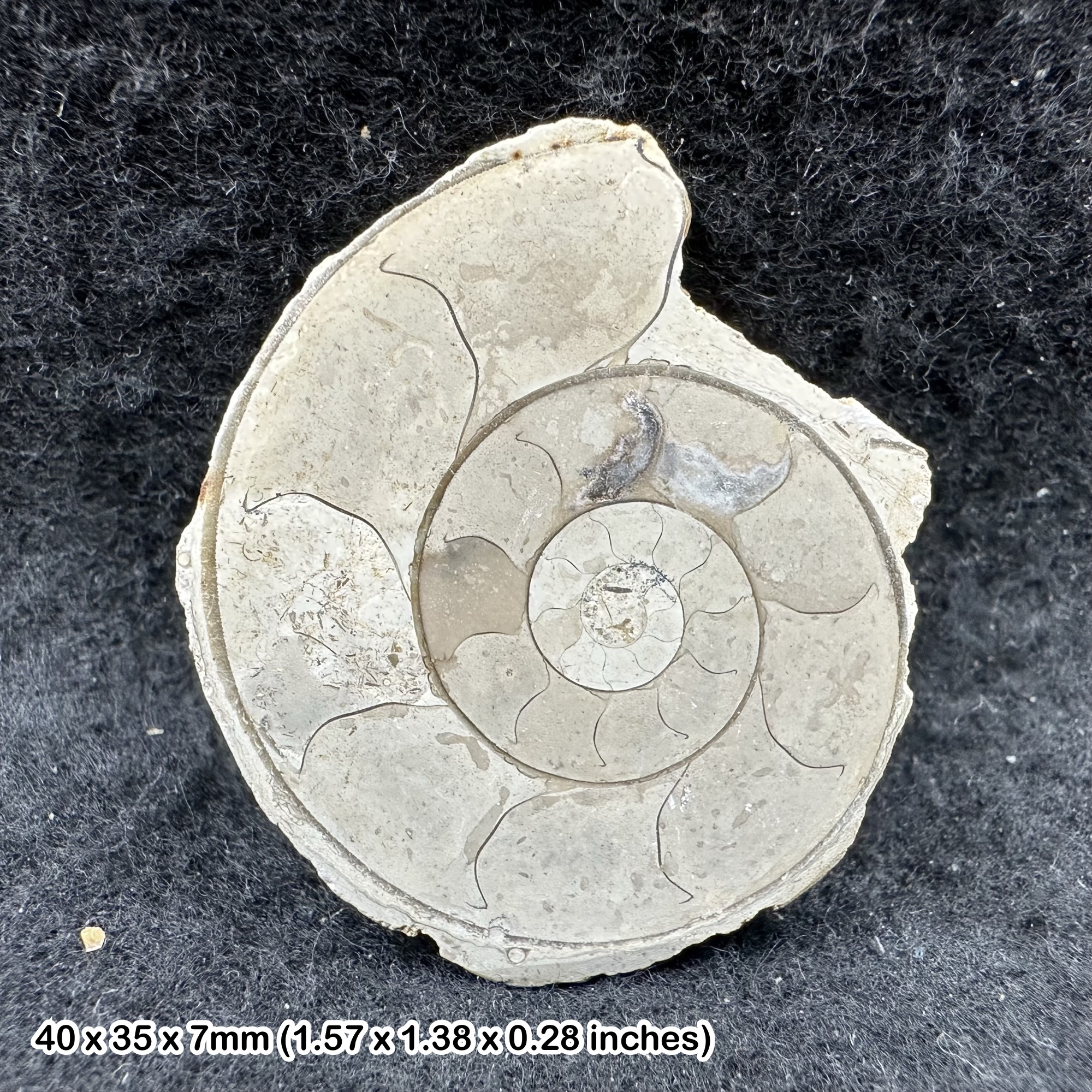
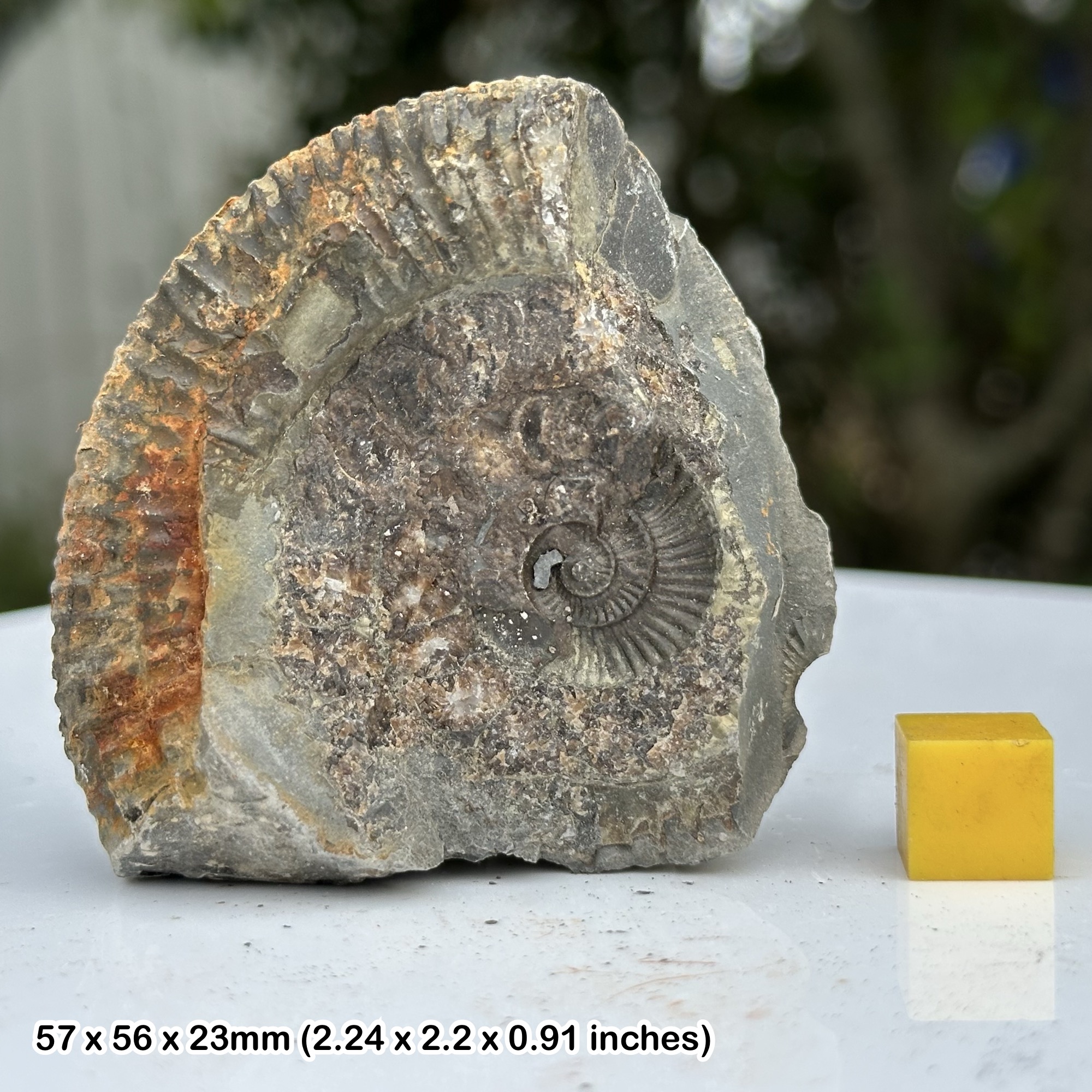
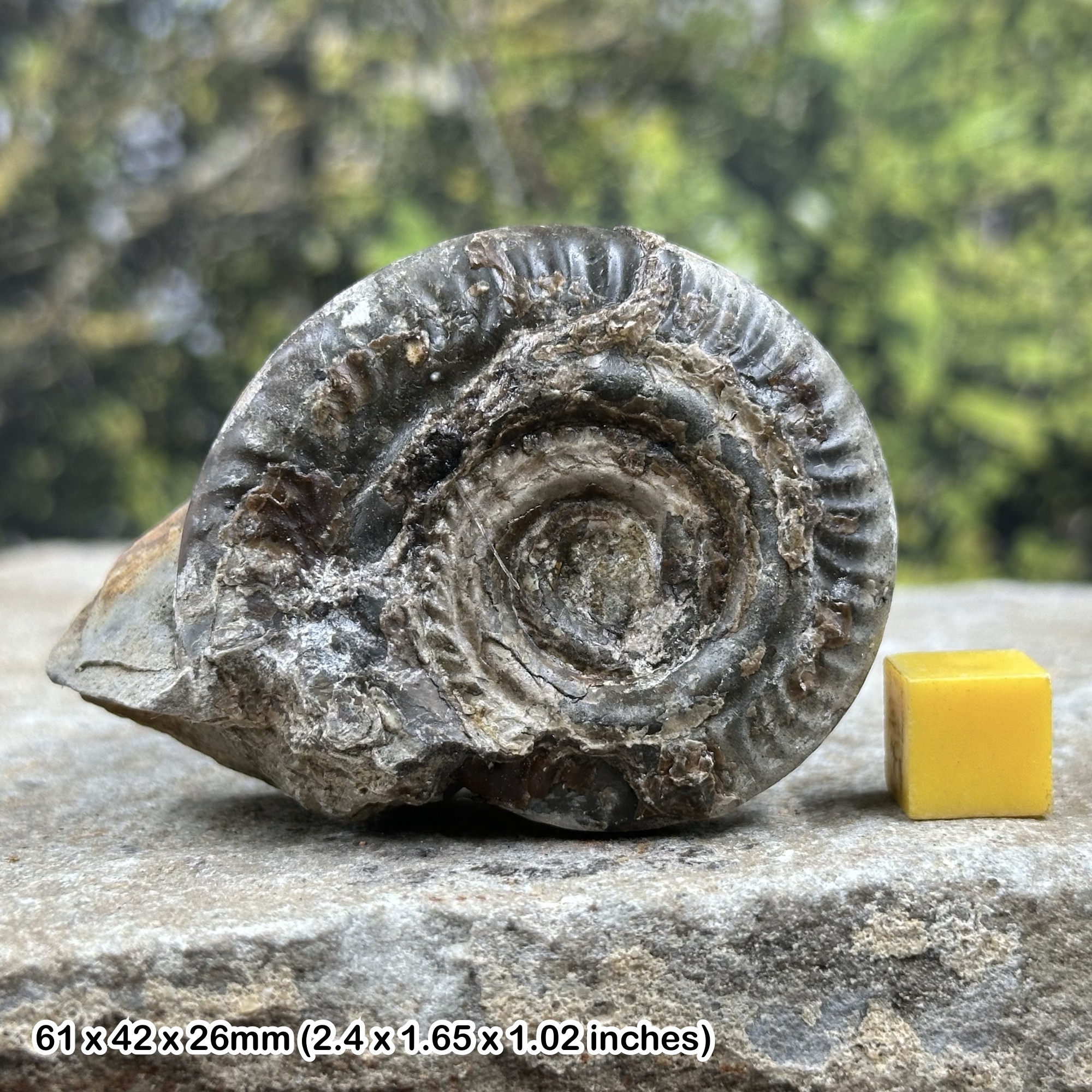
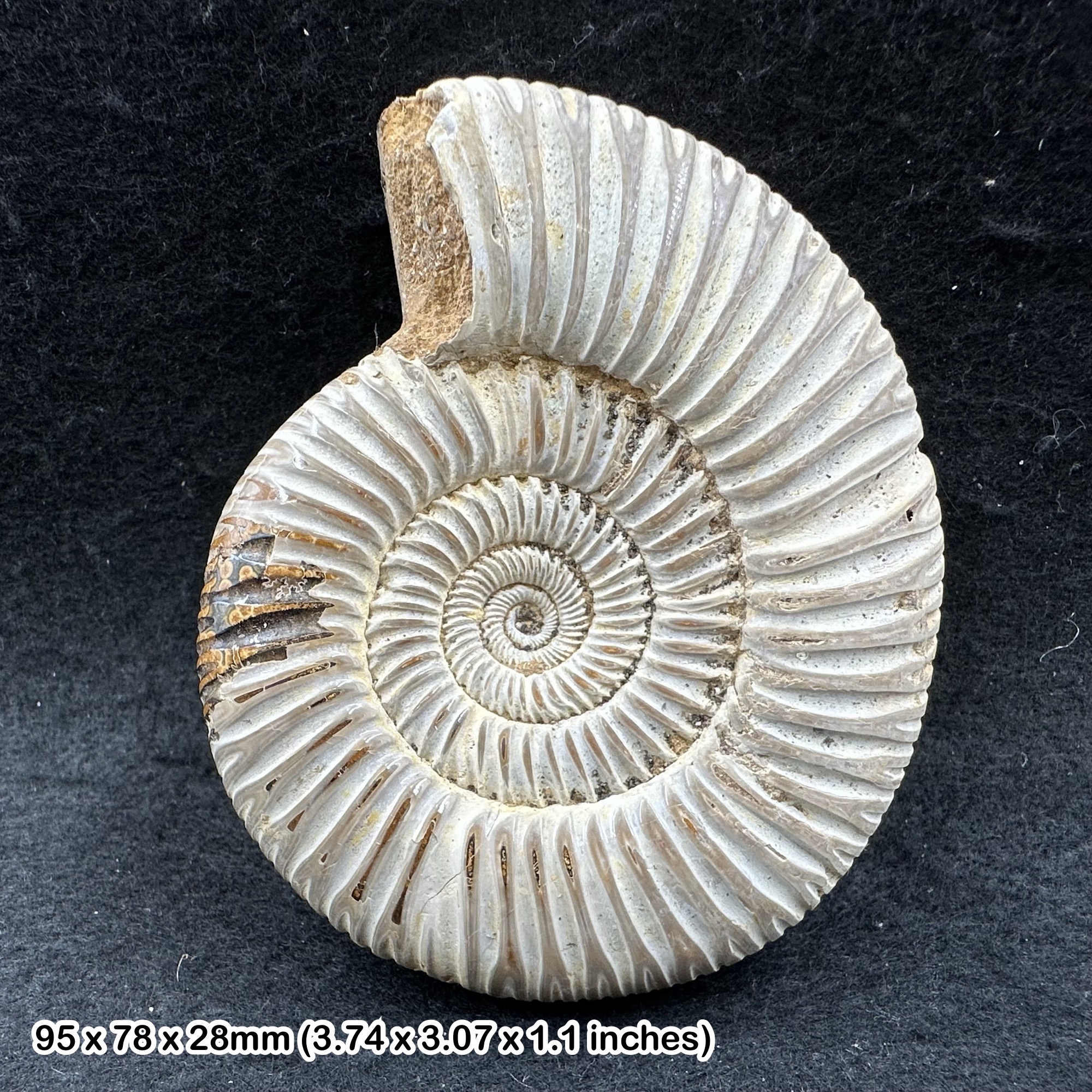
Jurassic specimen from Vivières, Aveyron, France. Dating from the Pliensbachian Stage and associated with the Spinatum Zone, this fossil is a carefully chosen natural history specimen with strong scientific interest, attractive display appeal and a desirable European Jurassic locality.The photograph shows the actual fossil you will receive, so this is an individual specimen rather than a stock image or representative example. For full sizing and visible condition, please see the listing photo. This fossil includes a Certificate of Authenticity lifetime guarantee generic card.Fossil Type and Species InterestAmaltheus margaritatus var. salebrosum is an ammonite, an extinct marine cephalopod related to modern squid, cuttlefish and nautilus. Ammonites lived inside coiled external shells divided into a series of internal chambers. These chambers helped the animal regulate buoyancy in the water column, while the soft-bodied animal occupied the final living chamber at the front of the shell.Amaltheus is one of the classic Lower Jurassic ammonite genera and is especially admired for its elegant, compressed shell form. The shell is typically involute to semi-involute, with whorls that overlap as the animal grew. Many examples display strong ribbing, a narrow profile and a distinct keel around the outer edge of the shell. This keeled form would have given the ammonite a streamlined appearance in life and is one of the features that makes Amaltheus fossils so recognisable to collectors.The variety salebrosum is associated with a more textured, strongly ornamented appearance, giving the shell a bold and sculptural character. The combination of ribbing, coiling and ventral keel makes this ammonite an attractive specimen for display as well as a useful fossil for understanding Jurassic marine life.Geology, Age and Spinatum ZoneThis fossil comes from the Lower Jurassic, specifically the Pliensbachian Stage, a time when warm marine environments covered many areas of what is now western Europe. The Spinatum Zone is an important ammonite biozone within the upper part of the Pliensbachian and is widely used in Jurassic biostratigraphy.Ammonite zones are especially valuable because ammonites evolved quickly, were abundant in ancient seas and spread across wide geographic areas. Their fossils allow geologists and palaeontologists to compare rock layers from different localities and establish relative ages with precision. A specimen associated with the Spinatum Zone therefore carries both visual appeal and geological importance.During the Pliensbachian, the region now represented by Aveyron in southern France lay within marine environments connected to wider European Jurassic seas. Fine sediments accumulated on ancient sea floors, preserving ammonites, belemnites, bivalves, brachiopods and other marine life. Over millions of years, these remains were buried, mineralised and preserved as fossils within sedimentary rock.Locality and Collecting AppealVivières in Aveyron, France, is part of a region known for fossil-bearing Jurassic deposits. Fossils from French Jurassic localities are highly regarded by collectors for their variety, preservation and connection to classic European palaeontology. An Amaltheus ammonite from this area is especially appealing because it combines a distinctive genus, a clearly defined geological stage and an attractive Lower Jurassic marine setting.Authenticity and PresentationThis Amaltheus margaritatus var. salebrosum ammonite fossil is a genuine specimen selected for its natural character, fossil interest and display quality. It is supplied exactly as shown in the listing photograph, so the fossil pictured is the actual piece you will receive.The included Certificate of Authenticity lifetime guarantee generic card provides reassurance for collectors, educators, gift buyers and natural history enthusiasts. This makes the fossil suitable for a serious fossil collection, educational use or display in a cabinet, study, classroom, office or geology-themed room.Display, Collecting and Educational ValueThis Amaltheus ammonite is ideal for collectors of Jurassic fossils, French ammonites, Lower Jurassic cephalopods and natural history specimens. Its Pliensbachian age, Spinatum Zone association, Vivières locality and distinctive ribbed, keeled shell form give it excellent appeal as both a display fossil and an educational specimen.As a genuine Lower Jurassic ammonite from Aveyron, France, this fossil offers a direct connection to the ancient marine world that existed millions of years ago. It would make an excellent fossil gift, collector’s item, teaching specimen or display piece for anyone interested in ammonites, cephalopods, palaeontology, French geology and the fossil-rich marine deposits of the Jurassic Period.
Jurassic specimen from Vivières, Aveyron, France. Dating from the Pliensbachian Stage and associated with the Spinatum Zone, this fossil is a carefully chosen natural history specimen with strong scientific interest, attractive display appeal and a desirable European Jurassic locality.The photograph shows the actual fossil you will receive, so this is an individual specimen rather than a stock image or representative example. For full sizing and visible condition, please see the listing photo. This fossil includes a Certificate of Authenticity lifetime guarantee generic card.Fossil Type and Species InterestAmaltheus margaritatus var. salebrosum is an ammonite, an extinct marine cephalopod related to modern squid, cuttlefish and nautilus. Ammonites lived inside coiled external shells divided into a series of internal chambers. These chambers helped the animal regulate buoyancy in the water column, while the soft-bodied animal occupied the final living chamber at the front of the shell.Amaltheus is one of the classic Lower Jurassic ammonite genera and is especially admired for its elegant, compressed shell form. The shell is typically involute to semi-involute, with whorls that overlap as the animal grew. Many examples display strong ribbing, a narrow profile and a distinct keel around the outer edge of the shell. This keeled form would have given the ammonite a streamlined appearance in life and is one of the features that makes Amaltheus fossils so recognisable to collectors.The variety salebrosum is associated with a more textured, strongly ornamented appearance, giving the shell a bold and sculptural character. The combination of ribbing, coiling and ventral keel makes this ammonite an attractive specimen for display as well as a useful fossil for understanding Jurassic marine life.Geology, Age and Spinatum ZoneThis fossil comes from the Lower Jurassic, specifically the Pliensbachian Stage, a time when warm marine environments covered many areas of what is now western Europe. The Spinatum Zone is an important ammonite biozone within the upper part of the Pliensbachian and is widely used in Jurassic biostratigraphy.Ammonite zones are especially valuable because ammonites evolved quickly, were abundant in ancient seas and spread across wide geographic areas. Their fossils allow geologists and palaeontologists to compare rock layers from different localities and establish relative ages with precision. A specimen associated with the Spinatum Zone therefore carries both visual appeal and geological importance.During the Pliensbachian, the region now represented by Aveyron in southern France lay within marine environments connected to wider European Jurassic seas. Fine sediments accumulated on ancient sea floors, preserving ammonites, belemnites, bivalves, brachiopods and other marine life. Over millions of years, these remains were buried, mineralised and preserved as fossils within sedimentary rock.Locality and Collecting AppealVivières in Aveyron, France, is part of a region known for fossil-bearing Jurassic deposits. Fossils from French Jurassic localities are highly regarded by collectors for their variety, preservation and connection to classic European palaeontology. An Amaltheus ammonite from this area is especially appealing because it combines a distinctive genus, a clearly defined geological stage and an attractive Lower Jurassic marine setting.Authenticity and PresentationThis Amaltheus margaritatus var. salebrosum ammonite fossil is a genuine specimen selected for its natural character, fossil interest and display quality. It is supplied exactly as shown in the listing photograph, so the fossil pictured is the actual piece you will receive.The included Certificate of Authenticity lifetime guarantee generic card provides reassurance for collectors, educators, gift buyers and natural history enthusiasts. This makes the fossil suitable for a serious fossil collection, educational use or display in a cabinet, study, classroom, office or geology-themed room.Display, Collecting and Educational ValueThis Amaltheus ammonite is ideal for collectors of Jurassic fossils, French ammonites, Lower Jurassic cephalopods and natural history specimens. Its Pliensbachian age, Spinatum Zone association, Vivières locality and distinctive ribbed, keeled shell form give it excellent appeal as both a display fossil and an educational specimen.As a genuine Lower Jurassic ammonite from Aveyron, France, this fossil offers a direct connection to the ancient marine world that existed millions of years ago. It would make an excellent fossil gift, collector’s item, teaching specimen or display piece for anyone interested in ammonites, cephalopods, palaeontology, French geology and the fossil-rich marine deposits of the Jurassic Period.
Other Products