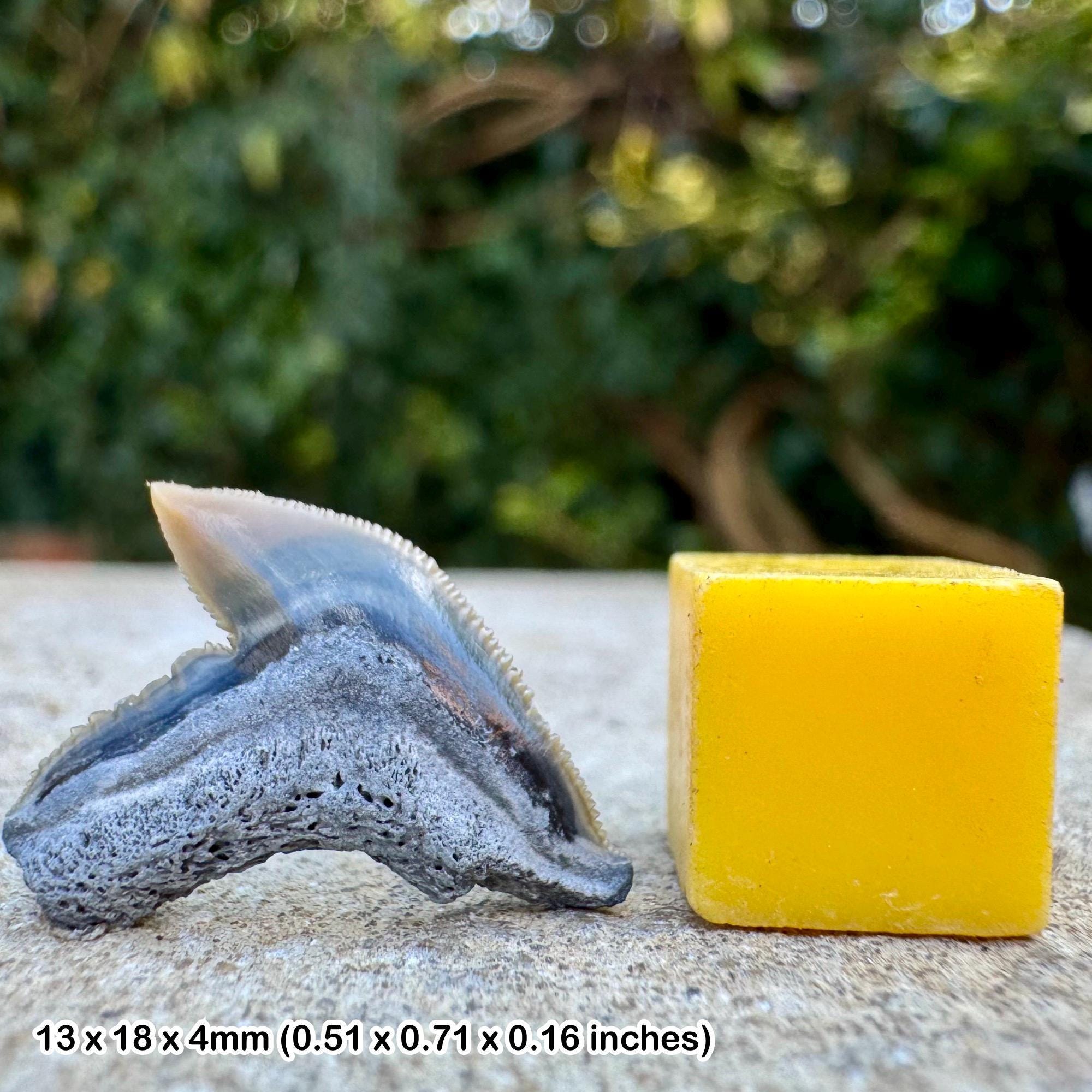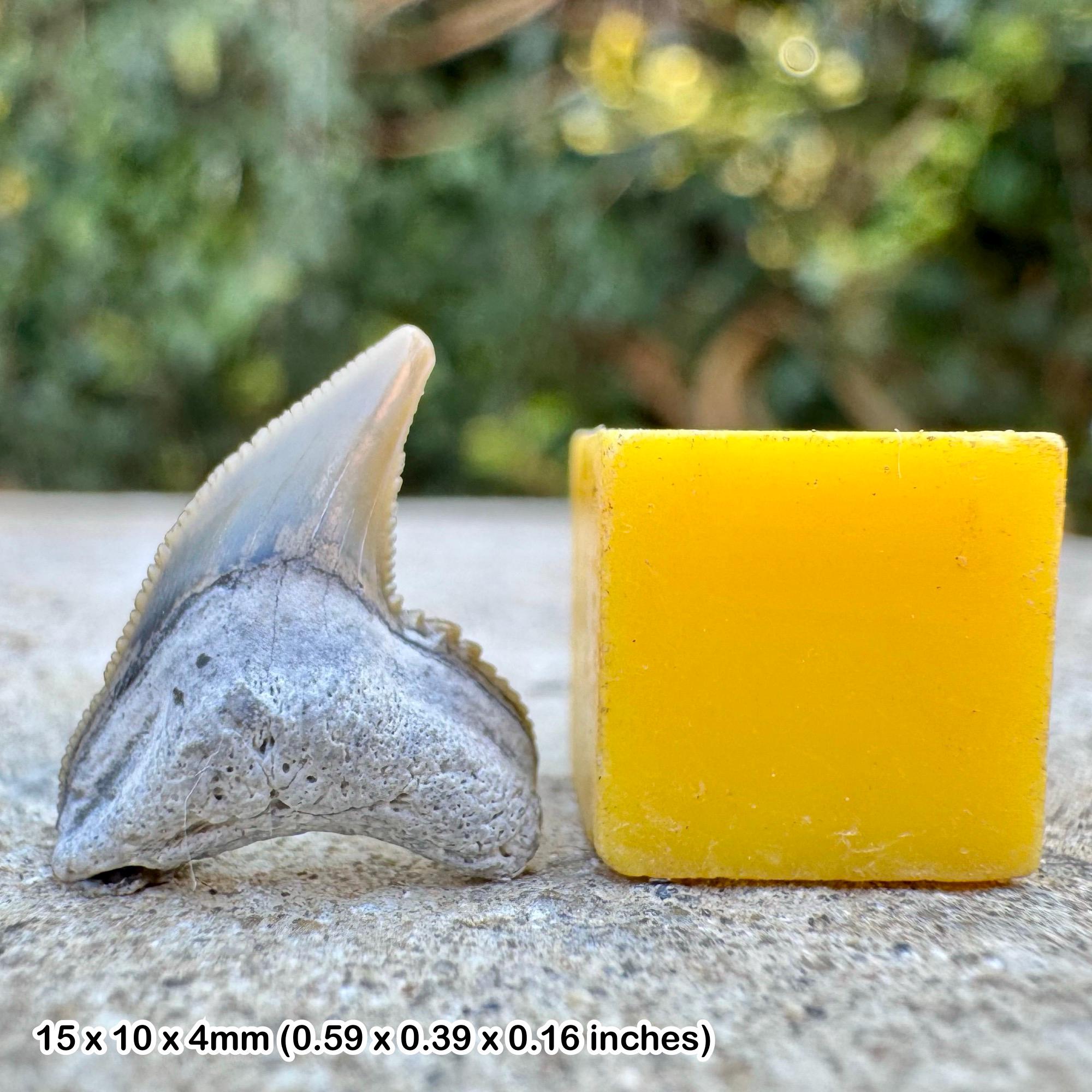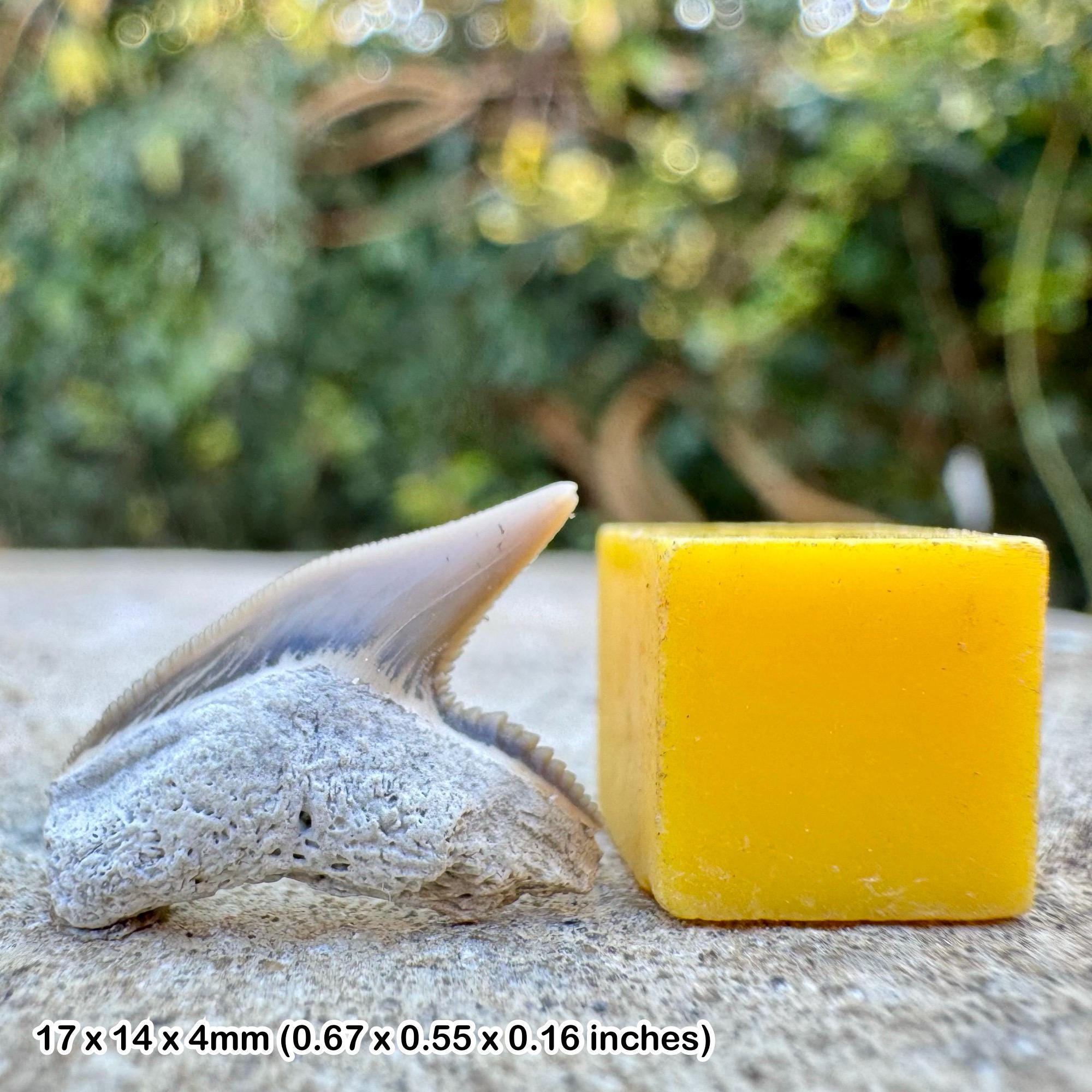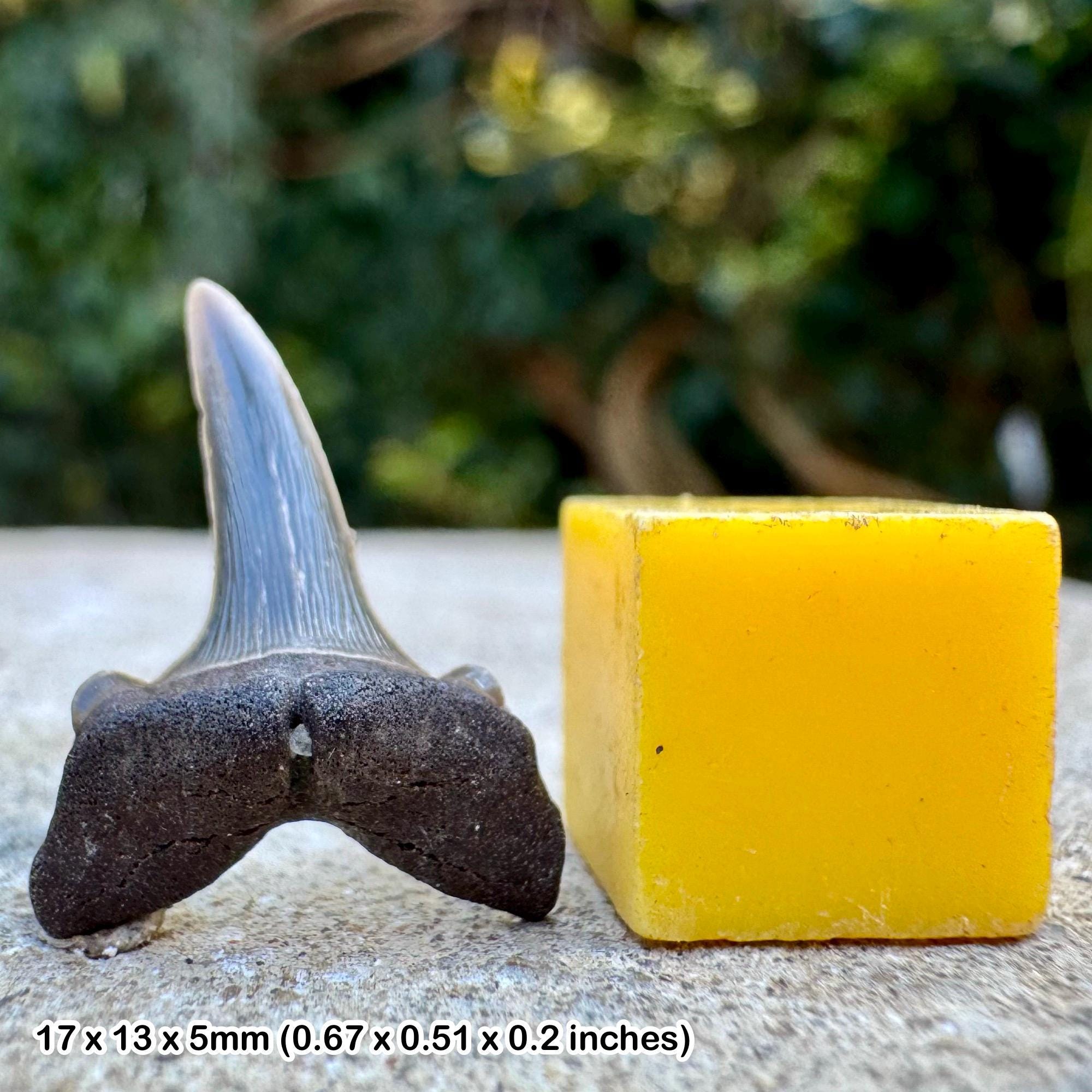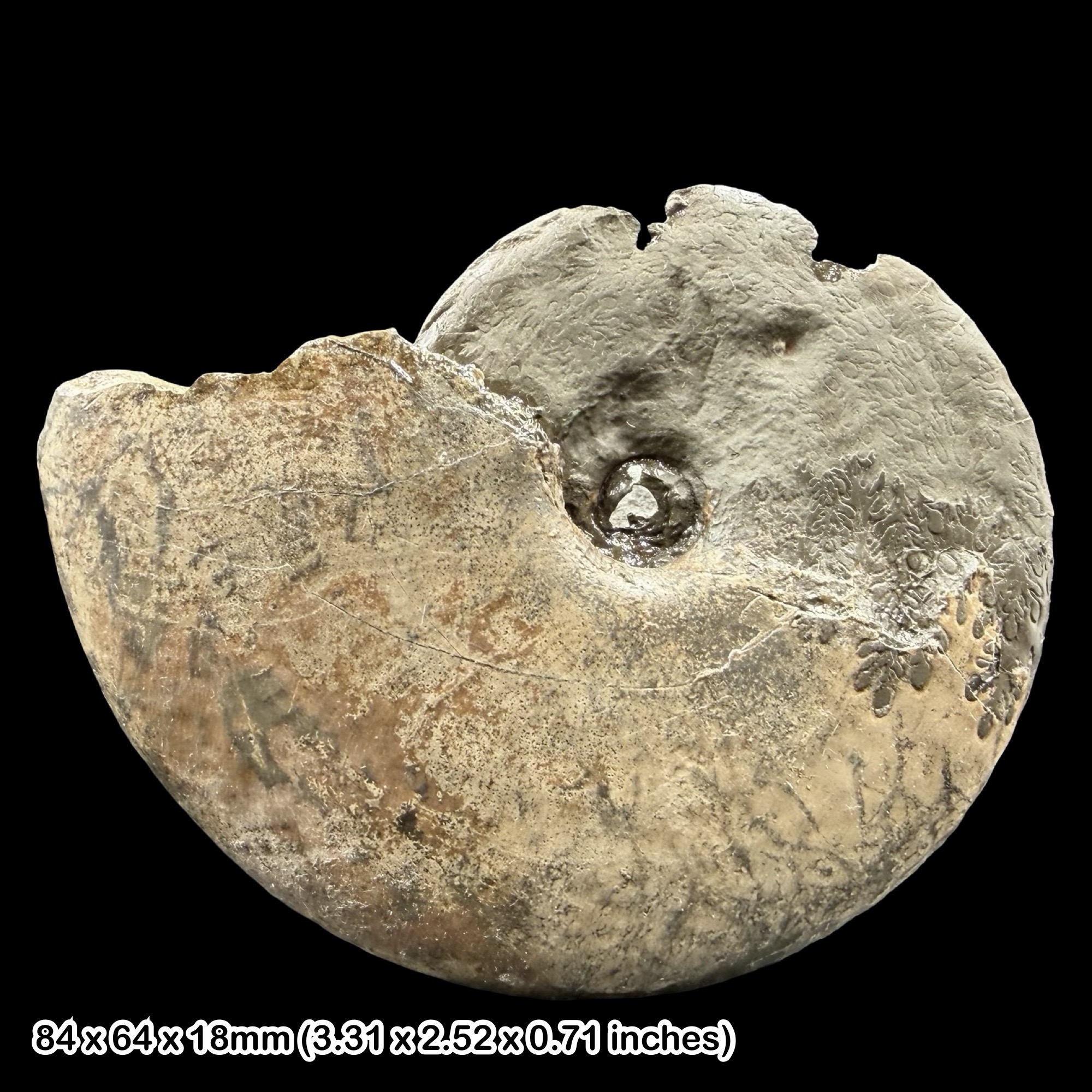
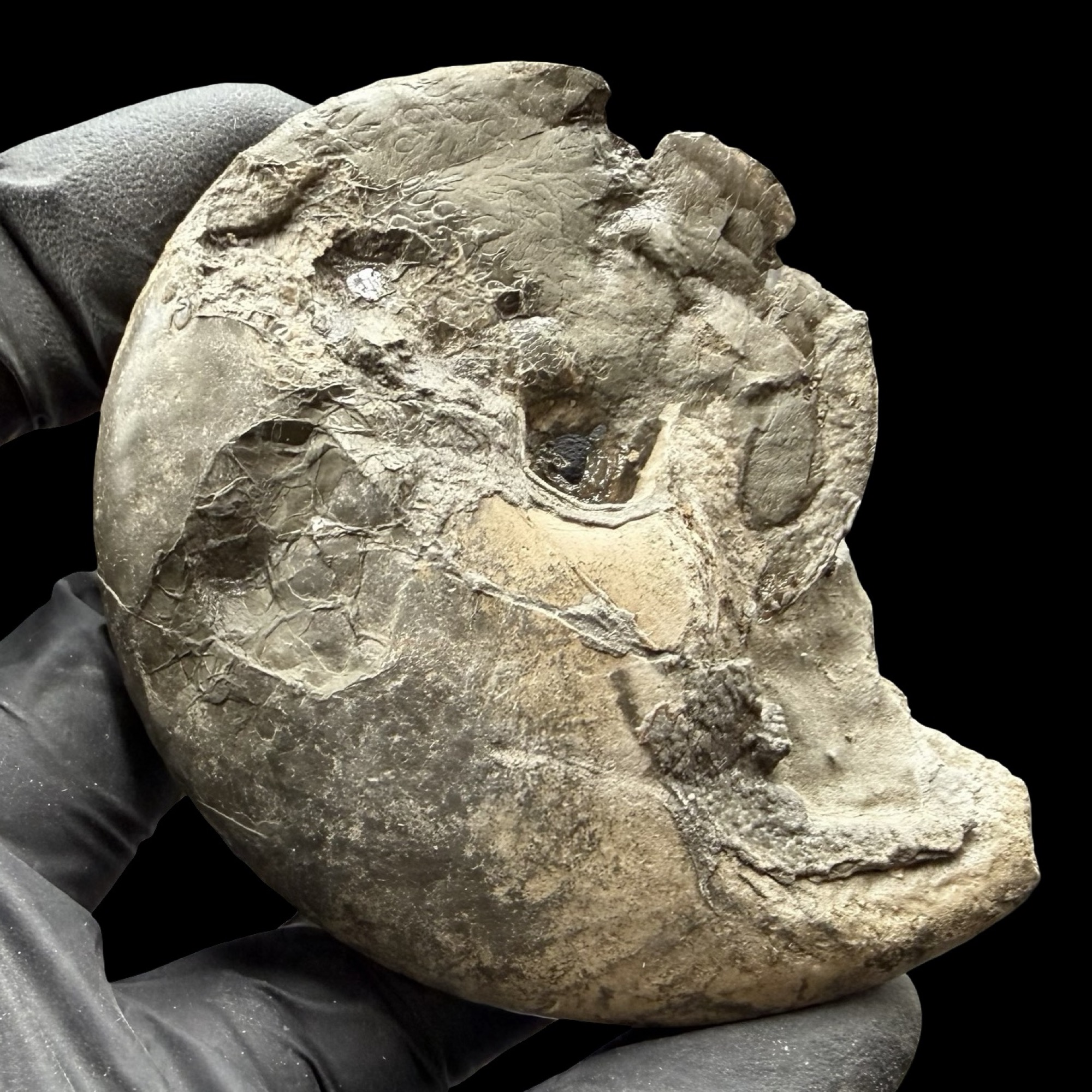
Tragophylloceras Ammonite Fossil Jurassic Coast Dorset UK COA Lower Lias Green Ammonite Beds Golden Cap Seatown Display Specimen
£ 24.00
GENUINE TRAGOPHYLLOCERAS AMMONITE FOSSILThis listing is for a genuine Tragophylloceras fossil ammonite from the Green
Ammonite Beds, Lower Lias, collected from the Jurassic Coast at Golden Cap, Seatown, Dorset, UK. This is a carefully chosen fossil specimen with excellent British Jurassic provenance, selected for its natural character, scientific interest and collectable display appeal.The photograph shows the actual specimen you will receive, allowing you to view the fossil’s preservation, shape and natural presentation before purchase. Full sizing and scale details can be seen in the photo. Your specimen was discovered by our own team members, Alister and Alison, and has been carefully cleaned, prepped and treated by Alison. It is supplied with a Certificate of Authenticity lifetime guarantee generic card, confirming that this is a genuine fossil specimen suitable for collectors, educational displays, natural history cabinets and geology gifts. ABOUT TRAGOPHYLLOCERAS AMMONITESTragophylloceras is an extinct genus of ammonite from the Early Jurassic seas. Ammonites were marine cephalopods, related to modern squid, octopus and nautilus, but unlike squid and octopus they lived inside a coiled, chambered shell. The living animal occupied the final outer chamber, while earlier chambers helped regulate buoyancy as it moved through the ancient marine environment.Tragophylloceras is especially associated with the Lower Jurassic, including the Pliensbachian Stage, and is known from classic European Jurassic deposits. It belongs to the family Juraphyllitidae, within the order Phylloceratida, a group of ammonites often recognised for elegant shell forms and comparatively refined ornamentation. Tragophylloceras specimens are collectable because they offer a different style of ammonite from the strongly ribbed forms commonly found in Lower Jurassic rocks. SHELL FORM AND FOSSIL FEATURESTragophylloceras ammonites typically have a planispiral coiled shell with rounded to compressed whorls and a balanced, attractive profile. The shell may show fine ribbing, growth lines or subtle ornament depending on preservation. Compared with more heavily ornamented ammonites, Tragophylloceras can have a smoother and more graceful appearance, making it appealing for both scientific study and display.Like other ammonites, the shell was divided internally into chambers by walls called septa. These chambers were connected by a tube called the siphuncle, allowing the animal to regulate gas and fluid for buoyancy. The intricate chambered shell structure helped ammonites thrive in ancient oceans for millions of years and makes them one of the most recognisable fossil groups from the Jurassic Period. GREEN AMMONITE BEDS AND LOWER LIAS GEOLOGYThis fossil comes from the Green Ammonite Beds, part of the Lower Lias sequence exposed along the Dorset coast. These fossil-rich Jurassic rocks are famous for preserving ammonites and other marine fossils from the ancient seas that once covered southern Britain.The Green Ammonite Beds represent a marine depositional environment where muds, silts and limestones accumulated on the seabed. Over time, the remains of ammonites, belemnites, bivalves, fish and marine reptiles became buried within these sediments and fossilised. Ammonites from these beds are particularly valued because they help illustrate the diversity of Early Jurassic marine life and provide important markers for understanding the age and correlation of the rock layers. GOLDEN CAP, SEATOWN AND THE JURASSIC COASTGolden Cap and Seatown, Dorset are part of the world-famous Jurassic Coast, a UNESCO World Heritage Site known for its outstanding sequence of Triassic, Jurassic and Cretaceous rocks. This coastline is one of the most important fossil-bearing regions in Britain and has a long history of geological study and fossil collecting.The cliffs and foreshore around Golden Cap continue to reveal fossils through natural erosion, providing a remarkable record of prehistoric life. Fossils from this locality are sought after for their classic Dorset provenance, their connection to the Lower Jurassic seas and their appeal as genuine British natural history specimens. COLLECTABLE BRITISH JURASSIC DISPLAY FOSSILThis Tragophylloceras ammonite fossil is a desirable specimen for collectors of British fossils, Jurassic Coast fossils, Dorset ammonites, Lower Lias fossils and natural history display pieces. Its origin from the Green Ammonite Beds at Golden Cap, Seatown gives it strong geological context and excellent collectable value.The specimen has been carefully selected for authenticity, natural appearance and display interest. With its genuine Jurassic age, classic UK locality, actual-specimen photograph and included Certificate of Authenticity lifetime guarantee generic card, this Tragophylloceras fossil offers a direct connection to the ancient marine world of Jurassic Dorset.
Ammonite Beds, Lower Lias, collected from the Jurassic Coast at Golden Cap, Seatown, Dorset, UK. This is a carefully chosen fossil specimen with excellent British Jurassic provenance, selected for its natural character, scientific interest and collectable display appeal.The photograph shows the actual specimen you will receive, allowing you to view the fossil’s preservation, shape and natural presentation before purchase. Full sizing and scale details can be seen in the photo. Your specimen was discovered by our own team members, Alister and Alison, and has been carefully cleaned, prepped and treated by Alison. It is supplied with a Certificate of Authenticity lifetime guarantee generic card, confirming that this is a genuine fossil specimen suitable for collectors, educational displays, natural history cabinets and geology gifts. ABOUT TRAGOPHYLLOCERAS AMMONITESTragophylloceras is an extinct genus of ammonite from the Early Jurassic seas. Ammonites were marine cephalopods, related to modern squid, octopus and nautilus, but unlike squid and octopus they lived inside a coiled, chambered shell. The living animal occupied the final outer chamber, while earlier chambers helped regulate buoyancy as it moved through the ancient marine environment.Tragophylloceras is especially associated with the Lower Jurassic, including the Pliensbachian Stage, and is known from classic European Jurassic deposits. It belongs to the family Juraphyllitidae, within the order Phylloceratida, a group of ammonites often recognised for elegant shell forms and comparatively refined ornamentation. Tragophylloceras specimens are collectable because they offer a different style of ammonite from the strongly ribbed forms commonly found in Lower Jurassic rocks. SHELL FORM AND FOSSIL FEATURESTragophylloceras ammonites typically have a planispiral coiled shell with rounded to compressed whorls and a balanced, attractive profile. The shell may show fine ribbing, growth lines or subtle ornament depending on preservation. Compared with more heavily ornamented ammonites, Tragophylloceras can have a smoother and more graceful appearance, making it appealing for both scientific study and display.Like other ammonites, the shell was divided internally into chambers by walls called septa. These chambers were connected by a tube called the siphuncle, allowing the animal to regulate gas and fluid for buoyancy. The intricate chambered shell structure helped ammonites thrive in ancient oceans for millions of years and makes them one of the most recognisable fossil groups from the Jurassic Period. GREEN AMMONITE BEDS AND LOWER LIAS GEOLOGYThis fossil comes from the Green Ammonite Beds, part of the Lower Lias sequence exposed along the Dorset coast. These fossil-rich Jurassic rocks are famous for preserving ammonites and other marine fossils from the ancient seas that once covered southern Britain.The Green Ammonite Beds represent a marine depositional environment where muds, silts and limestones accumulated on the seabed. Over time, the remains of ammonites, belemnites, bivalves, fish and marine reptiles became buried within these sediments and fossilised. Ammonites from these beds are particularly valued because they help illustrate the diversity of Early Jurassic marine life and provide important markers for understanding the age and correlation of the rock layers. GOLDEN CAP, SEATOWN AND THE JURASSIC COASTGolden Cap and Seatown, Dorset are part of the world-famous Jurassic Coast, a UNESCO World Heritage Site known for its outstanding sequence of Triassic, Jurassic and Cretaceous rocks. This coastline is one of the most important fossil-bearing regions in Britain and has a long history of geological study and fossil collecting.The cliffs and foreshore around Golden Cap continue to reveal fossils through natural erosion, providing a remarkable record of prehistoric life. Fossils from this locality are sought after for their classic Dorset provenance, their connection to the Lower Jurassic seas and their appeal as genuine British natural history specimens. COLLECTABLE BRITISH JURASSIC DISPLAY FOSSILThis Tragophylloceras ammonite fossil is a desirable specimen for collectors of British fossils, Jurassic Coast fossils, Dorset ammonites, Lower Lias fossils and natural history display pieces. Its origin from the Green Ammonite Beds at Golden Cap, Seatown gives it strong geological context and excellent collectable value.The specimen has been carefully selected for authenticity, natural appearance and display interest. With its genuine Jurassic age, classic UK locality, actual-specimen photograph and included Certificate of Authenticity lifetime guarantee generic card, this Tragophylloceras fossil offers a direct connection to the ancient marine world of Jurassic Dorset.