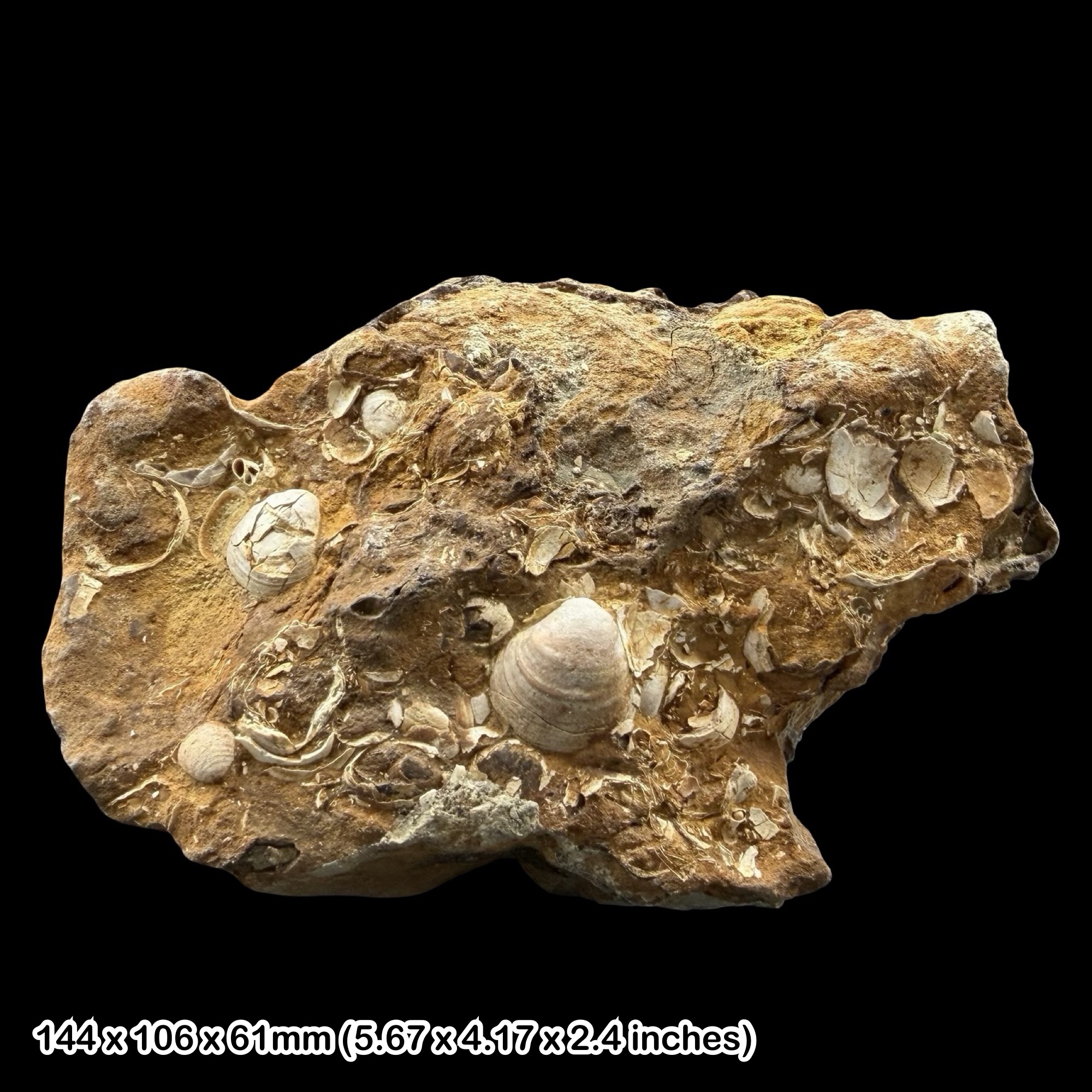
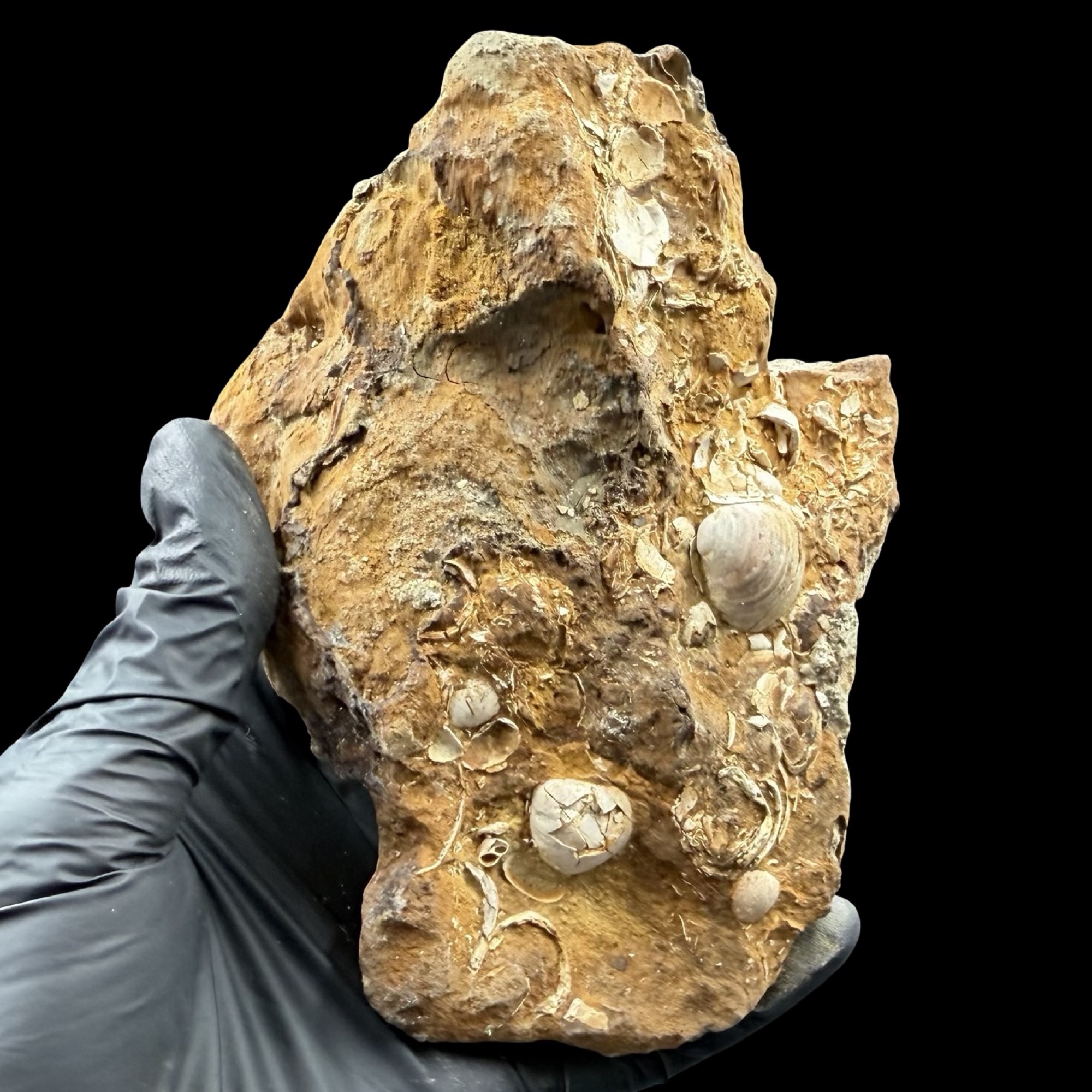
Bivalve Fossil Shell Block Eocene Isle of Wight Totland Bay UK Headon Hill Authentic Specimen Certified Rare Display
£ 14.40
Fossil Bivalve Shell Block – Genuine Eocene Specimen from the Isle of WightThis authentic fossil bivalve shell block originates from the Headon Hill
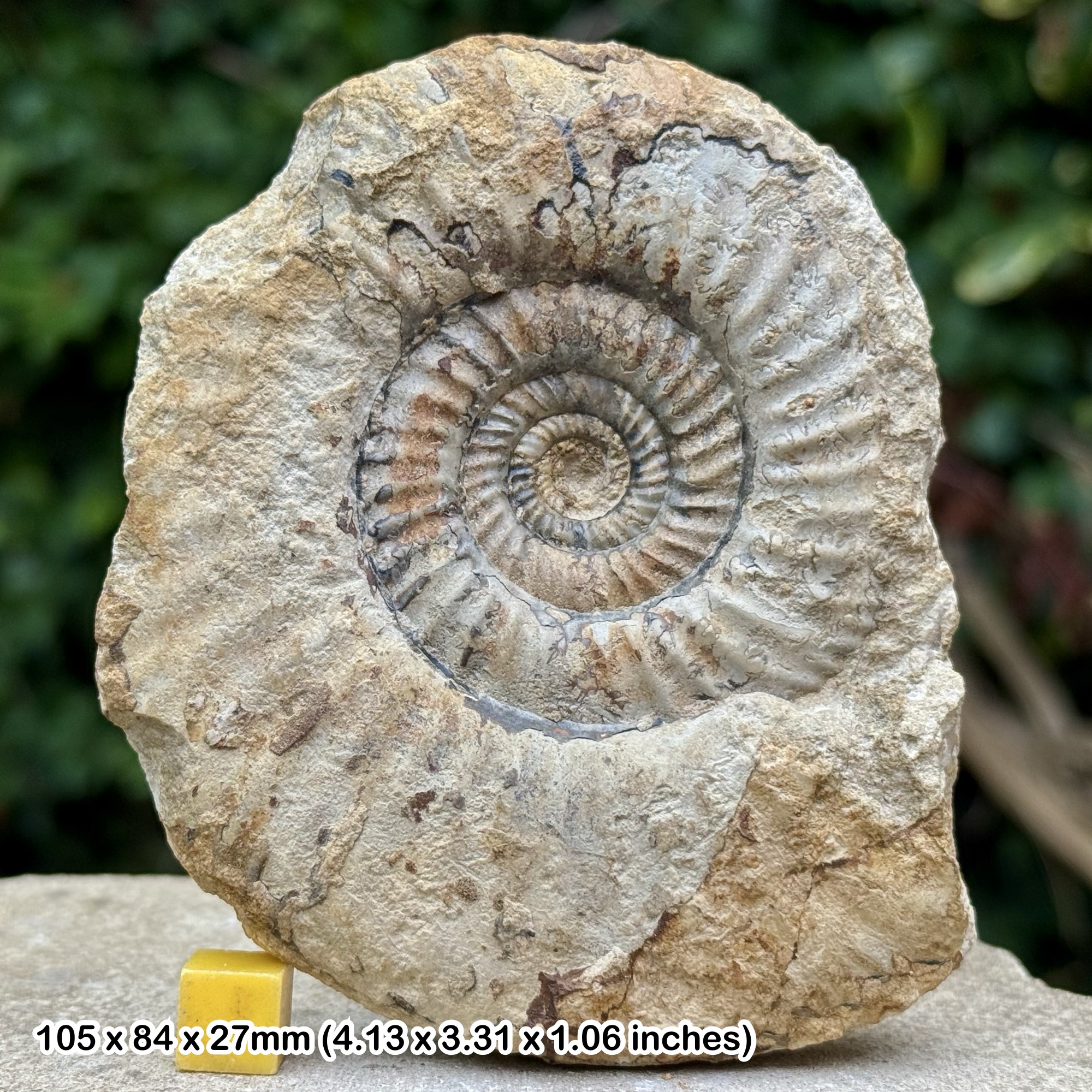
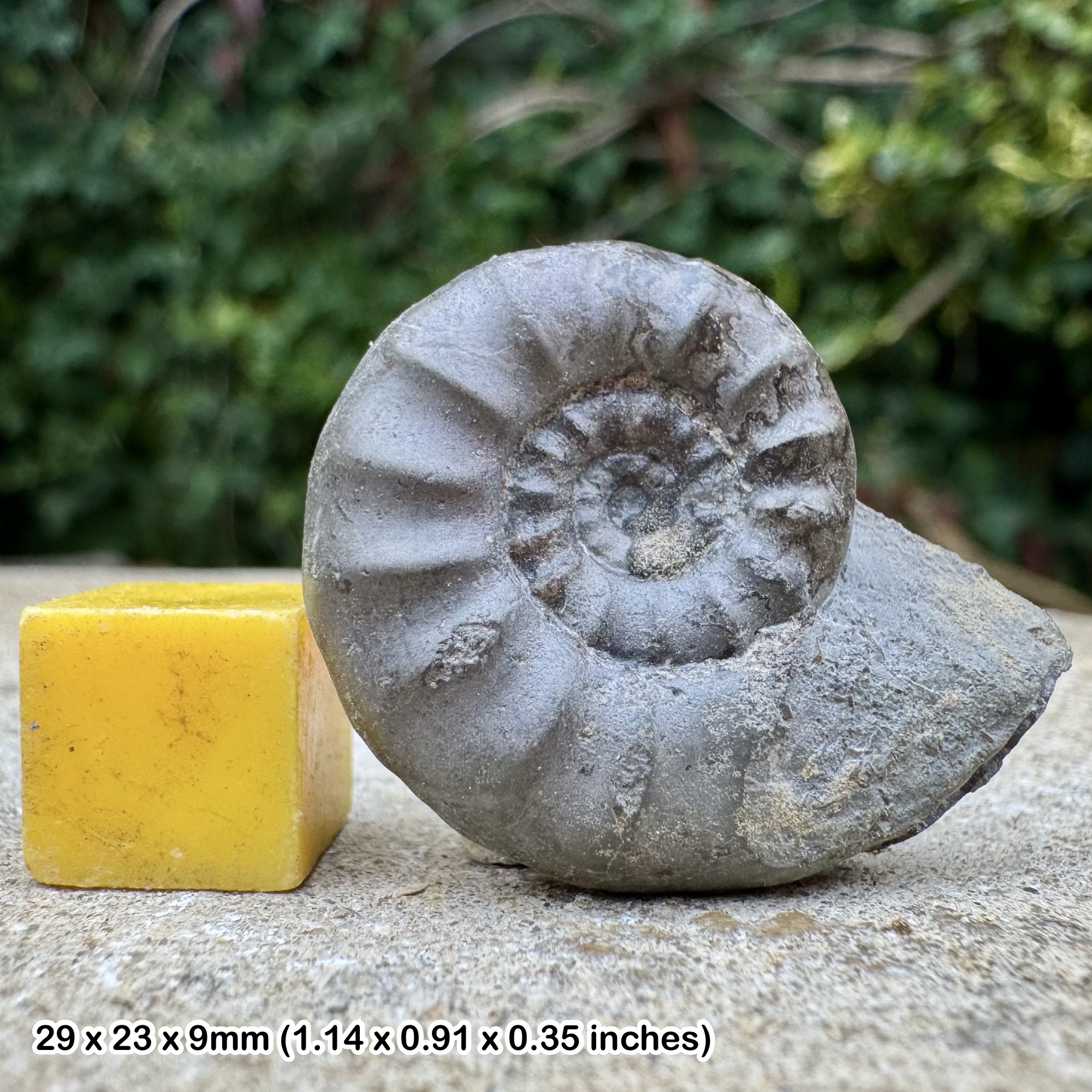
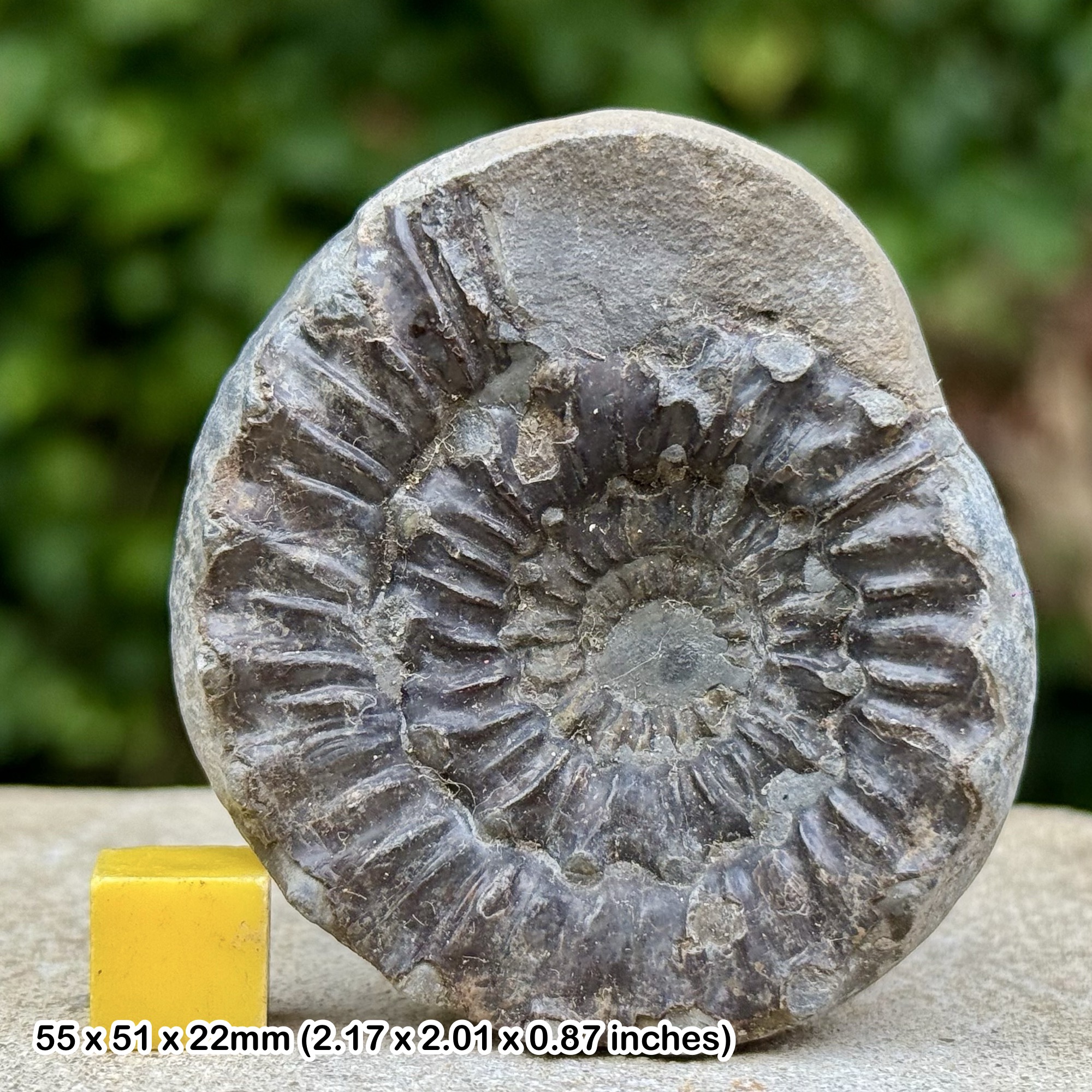
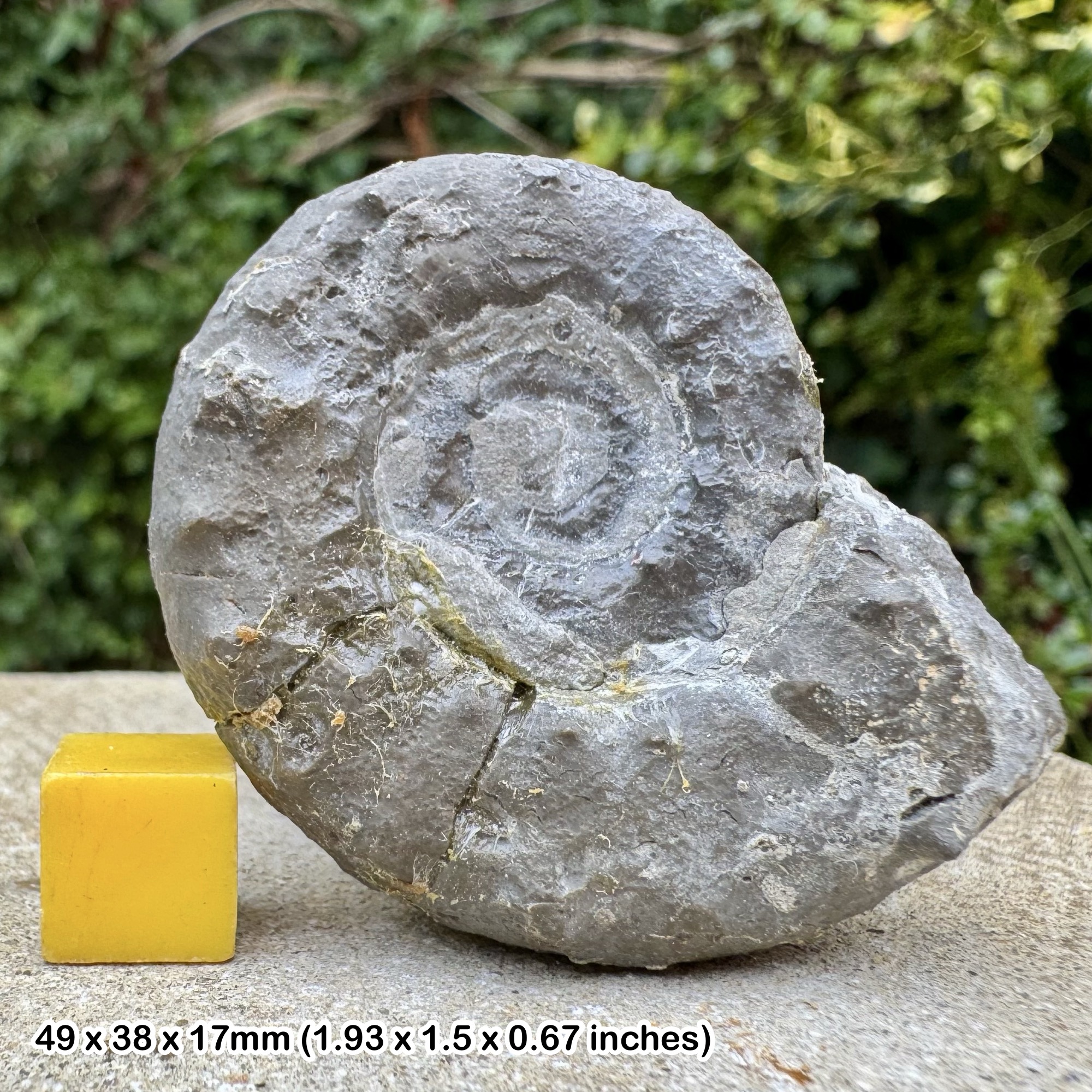
Formation at Totland Bay on the Isle of Wight, a highly regarded Eocene fossil locality in southern England. The specimen shown in the photographs is the exact piece you will receive, carefully selected for its composition, preservation, and visual appeal. This is a genuine fossil and includes a Certificate of Authenticity with a lifetime guarantee, ensuring complete confidence in its provenance and authenticity.Discovery and Professional PreparationYour specimen was discovered by our experienced team members, Alister and Alison, ensuring full traceability from field collection through to final presentation. After excavation, the fossil was expertly cleaned, stabilised, and prepared by Alison. This careful preparation enhances the natural arrangement of the shells within the matrix while preserving delicate structural details, allowing the fossil block to be appreciated both scientifically and aesthetically.Geological Context – Headon Hill Formation, Eocene EpochThe Headon Hill Formation dates to the late Eocene epoch, approximately 34 to 38 million years ago, a time when southern Britain was dominated by warm, subtropical climates. The sediments at Totland Bay represent freshwater, lagoonal, and estuarine environments, deposited under calm, low-energy conditions. These settings were ideal for preserving shell beds and accumulations of bivalves, often forming dense fossiliferous blocks such as this specimen.About Bivalves – Ancient MolluscsBivalves belong to the class Bivalvia within the phylum Mollusca and include organisms such as clams, mussels, and oysters. These shelled invertebrates are characterised by two hinged valves that enclose the soft body. During the Eocene, bivalves thrived in a wide range of aquatic environments, from freshwater lakes to brackish lagoons and shallow marine settings. They played an essential ecological role as filter feeders, helping to maintain water clarity and contributing to nutrient cycling.Shell Morphology and Fossil StructureThis fossil block contains multiple preserved bivalve shells embedded within the surrounding matrix, forming a natural assemblage. Individual shells may display features such as growth lines, curvature, and hinge structures, depending on preservation. The clustered nature of the specimen reflects a life or post-depositional accumulation, providing insight into the environmental conditions at the time. The fossilisation process has preserved these shells with varying degrees of detail, while mineralisation has added natural tonal variation across the block.Palaeoenvironment and Depositional InsightBivalve shell beds such as this are indicative of stable, low-energy aquatic environments where organisms could live, feed, and accumulate over time. The Headon Hill Formation is well known for these fossil assemblages, which represent thriving ecosystems of invertebrates, alongside fish, reptiles, and early mammals. This specimen offers a direct glimpse into these ancient environments, preserving a snapshot of life from millions of years ago.Collector Appeal and Display ValueFossil shell blocks from the Headon Hill Formation are highly desirable due to their visual impact and scientific relevance. This specimen combines multiple fossils within a single piece, creating a striking display item that stands out in any collection. It is ideal for collectors, educators, or anyone with an interest in natural history and palaeontology. The natural arrangement of the shells adds depth and character, making each piece unique.Authenticity, Provenance and PresentationThis fossil has been carefully chosen for its authenticity, quality, and aesthetic appeal. It is a genuine piece of prehistoric history, professionally prepared and ready for display. Full sizing can be confirmed via the provided photographs, ensuring transparency before purchase. Each specimen is entirely unique, preserving a fragment of an ancient ecosystem from the Eocene of the Isle of Wight.
Formation at Totland Bay on the Isle of Wight, a highly regarded Eocene fossil locality in southern England. The specimen shown in the photographs is the exact piece you will receive, carefully selected for its composition, preservation, and visual appeal. This is a genuine fossil and includes a Certificate of Authenticity with a lifetime guarantee, ensuring complete confidence in its provenance and authenticity.Discovery and Professional PreparationYour specimen was discovered by our experienced team members, Alister and Alison, ensuring full traceability from field collection through to final presentation. After excavation, the fossil was expertly cleaned, stabilised, and prepared by Alison. This careful preparation enhances the natural arrangement of the shells within the matrix while preserving delicate structural details, allowing the fossil block to be appreciated both scientifically and aesthetically.Geological Context – Headon Hill Formation, Eocene EpochThe Headon Hill Formation dates to the late Eocene epoch, approximately 34 to 38 million years ago, a time when southern Britain was dominated by warm, subtropical climates. The sediments at Totland Bay represent freshwater, lagoonal, and estuarine environments, deposited under calm, low-energy conditions. These settings were ideal for preserving shell beds and accumulations of bivalves, often forming dense fossiliferous blocks such as this specimen.About Bivalves – Ancient MolluscsBivalves belong to the class Bivalvia within the phylum Mollusca and include organisms such as clams, mussels, and oysters. These shelled invertebrates are characterised by two hinged valves that enclose the soft body. During the Eocene, bivalves thrived in a wide range of aquatic environments, from freshwater lakes to brackish lagoons and shallow marine settings. They played an essential ecological role as filter feeders, helping to maintain water clarity and contributing to nutrient cycling.Shell Morphology and Fossil StructureThis fossil block contains multiple preserved bivalve shells embedded within the surrounding matrix, forming a natural assemblage. Individual shells may display features such as growth lines, curvature, and hinge structures, depending on preservation. The clustered nature of the specimen reflects a life or post-depositional accumulation, providing insight into the environmental conditions at the time. The fossilisation process has preserved these shells with varying degrees of detail, while mineralisation has added natural tonal variation across the block.Palaeoenvironment and Depositional InsightBivalve shell beds such as this are indicative of stable, low-energy aquatic environments where organisms could live, feed, and accumulate over time. The Headon Hill Formation is well known for these fossil assemblages, which represent thriving ecosystems of invertebrates, alongside fish, reptiles, and early mammals. This specimen offers a direct glimpse into these ancient environments, preserving a snapshot of life from millions of years ago.Collector Appeal and Display ValueFossil shell blocks from the Headon Hill Formation are highly desirable due to their visual impact and scientific relevance. This specimen combines multiple fossils within a single piece, creating a striking display item that stands out in any collection. It is ideal for collectors, educators, or anyone with an interest in natural history and palaeontology. The natural arrangement of the shells adds depth and character, making each piece unique.Authenticity, Provenance and PresentationThis fossil has been carefully chosen for its authenticity, quality, and aesthetic appeal. It is a genuine piece of prehistoric history, professionally prepared and ready for display. Full sizing can be confirmed via the provided photographs, ensuring transparency before purchase. Each specimen is entirely unique, preserving a fragment of an ancient ecosystem from the Eocene of the Isle of Wight.
Other Products