English Medieval Mirror Case Artefact Rare Authentic Antique Collectable Medieval Find
£ 144.00
RARE ENGLISH MEDIEVAL MIRROR CASE ARTEFACTThis listing offers a genuine and rare English Medieval Mirror Case Artefact – a
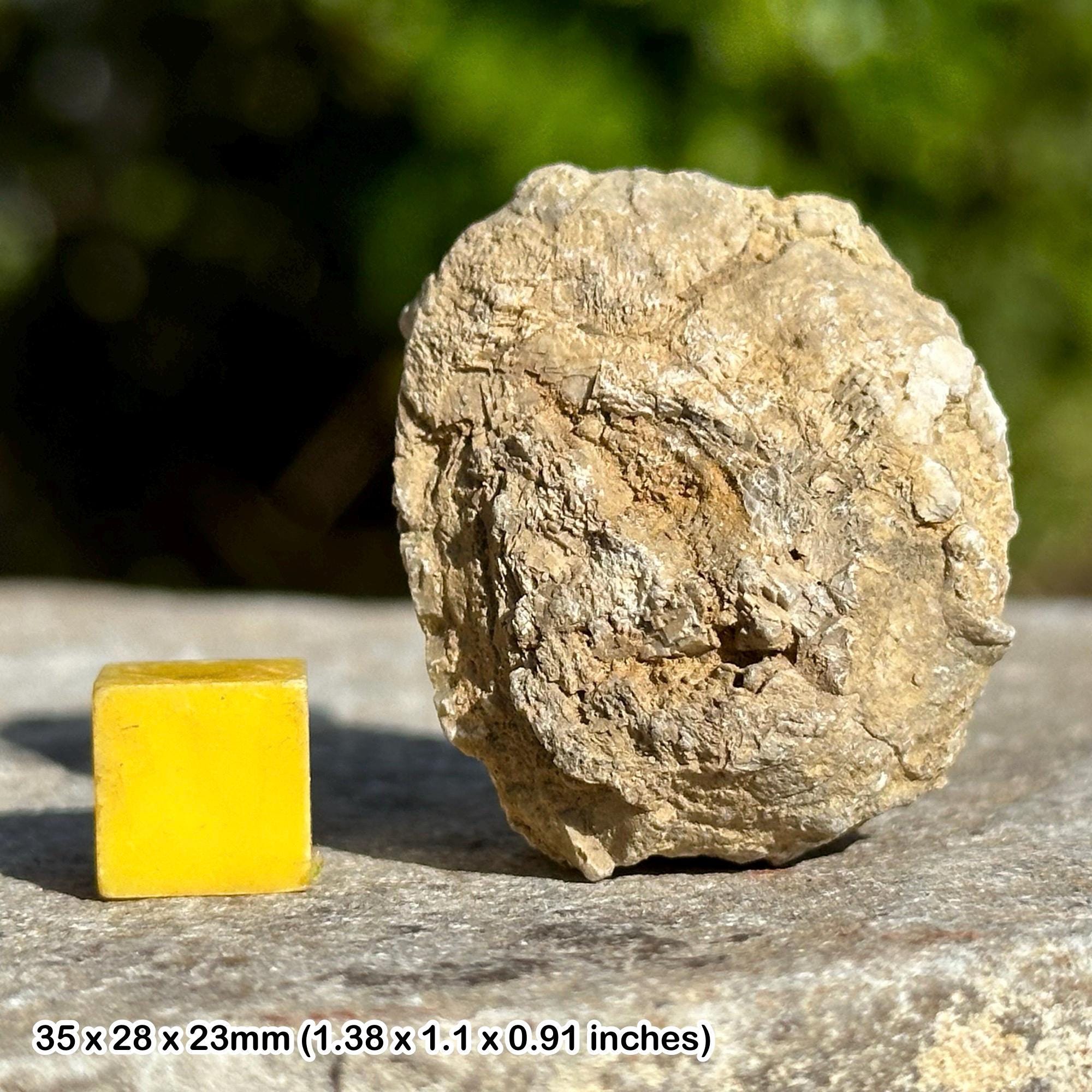
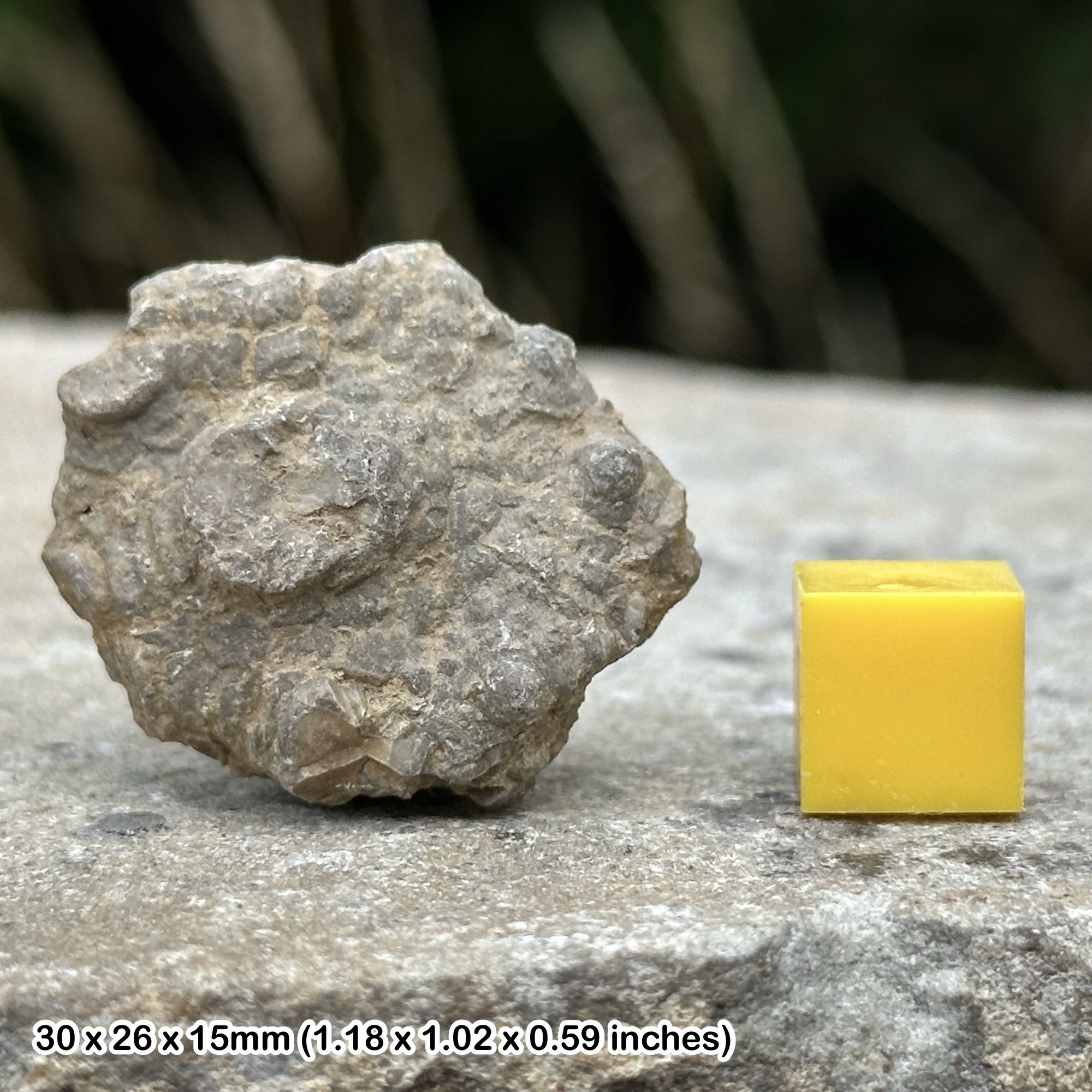
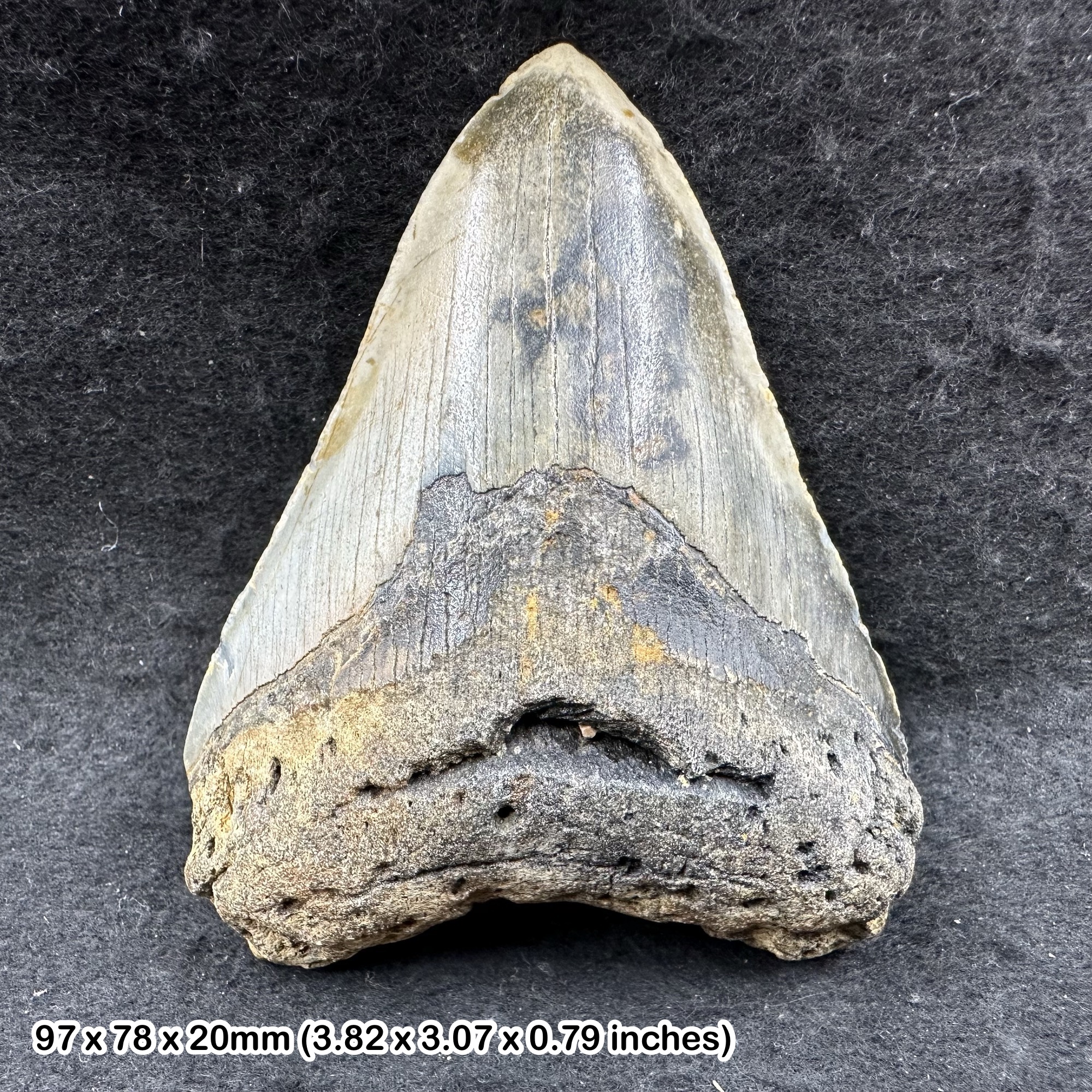
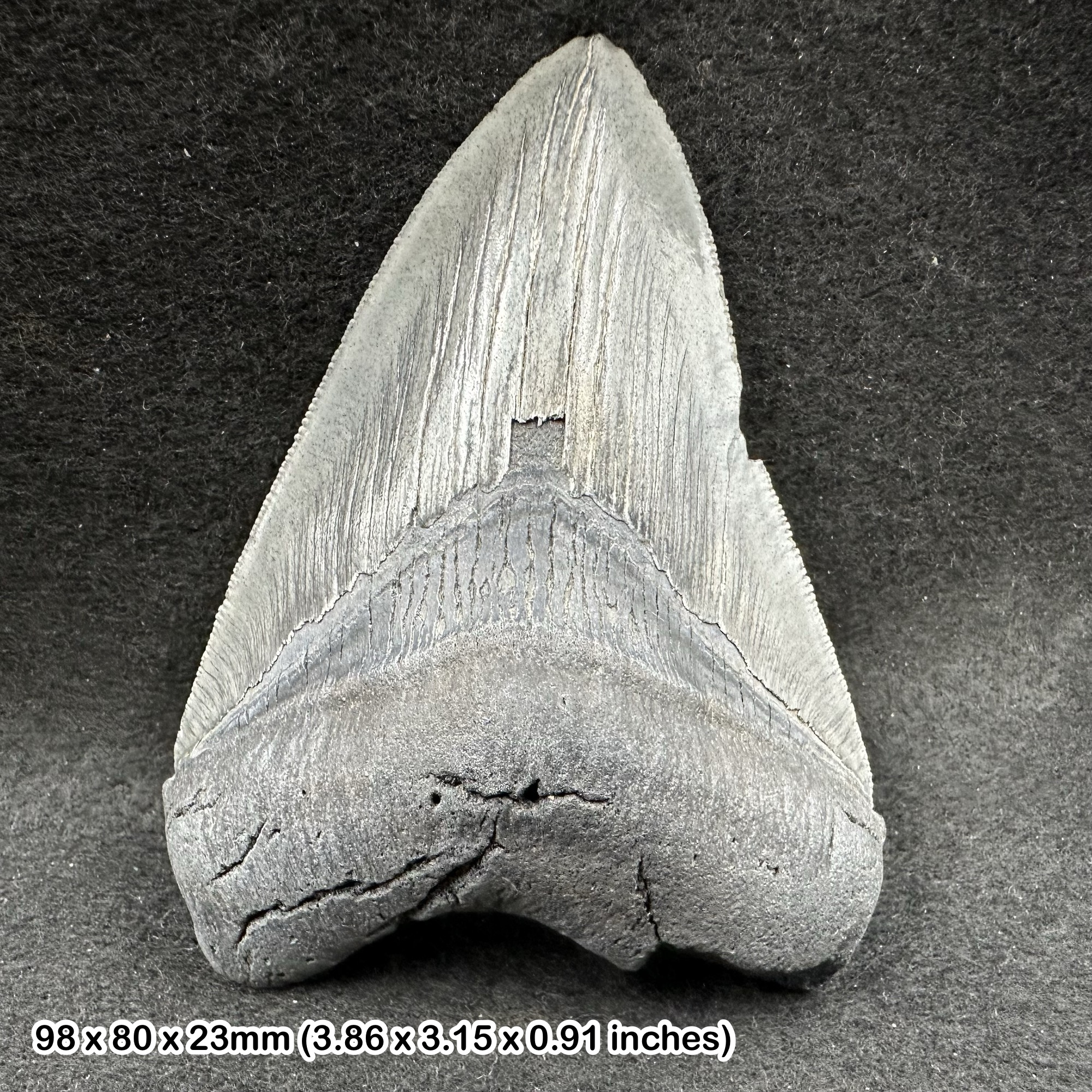
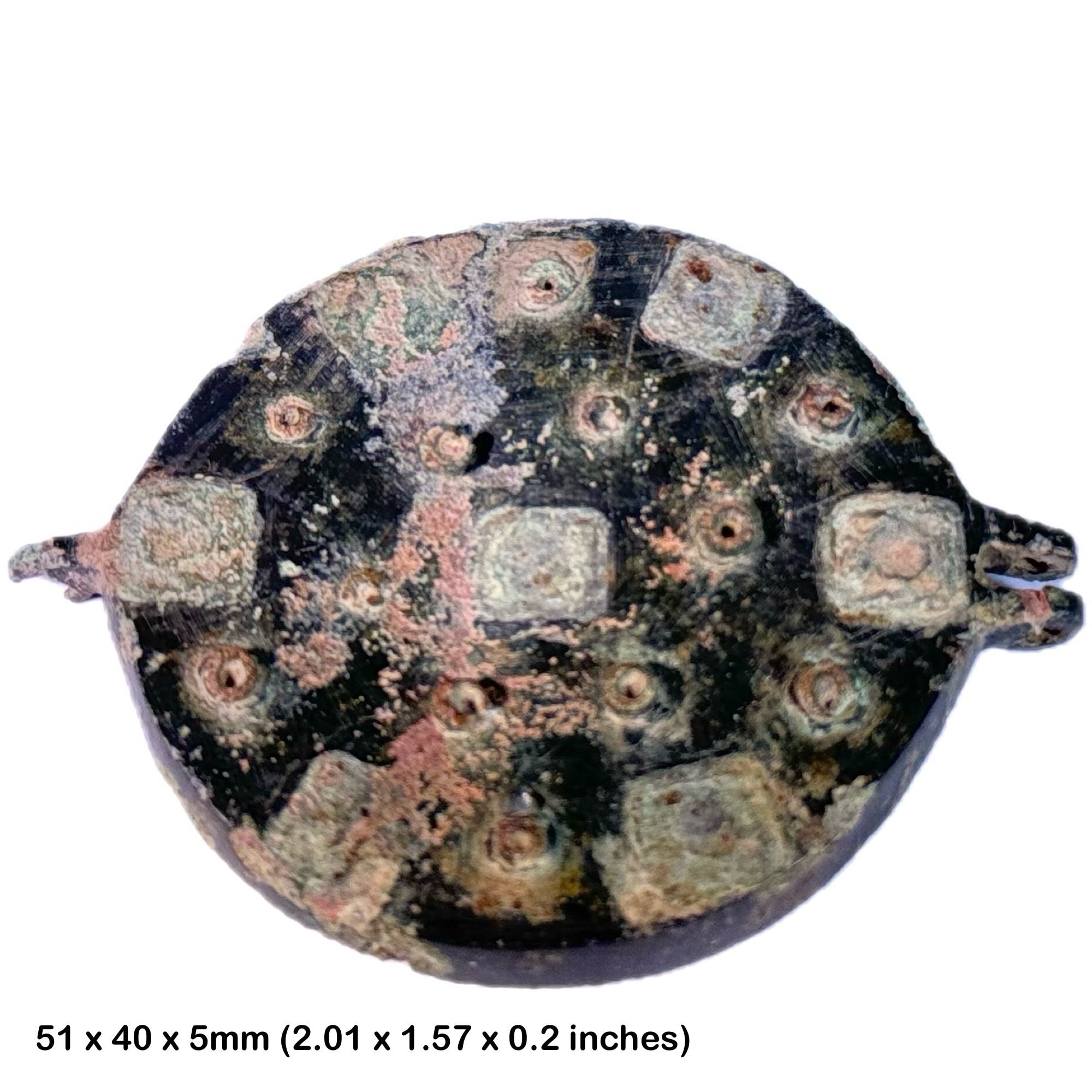
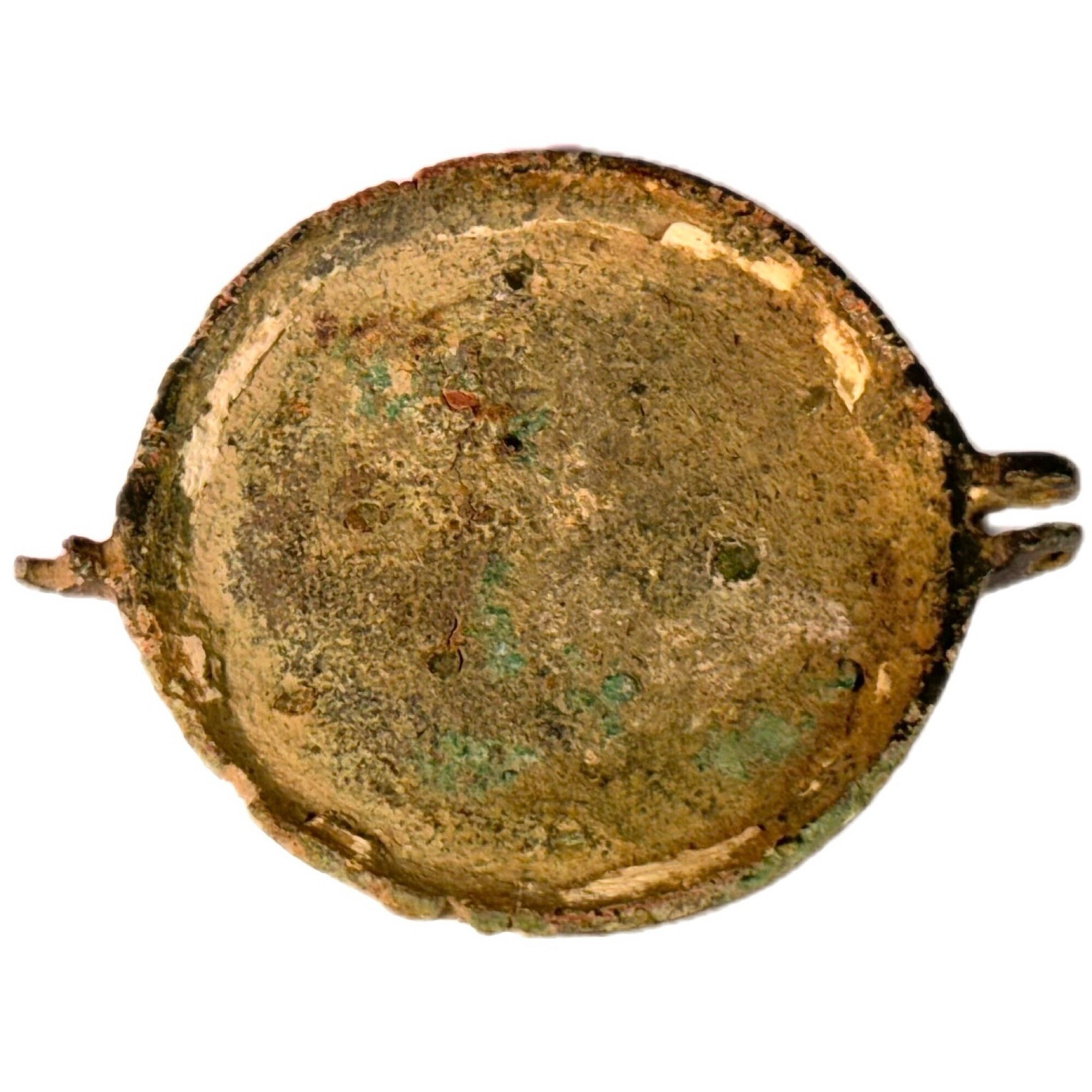
remarkable piece of medieval craftsmanship and cultural history. Mirror cases from the Middle Ages are scarce survivals, as they were everyday personal items crafted to protect polished metal mirrors, which themselves were highly prized luxury objects. This artefact embodies not only the artistry and daily life of medieval England but also the symbolism attached to personal grooming, wealth, and status during the period.The artefact offered here has been carefully chosen as an authentic specimen, photographed clearly to show its detail and proportions. A scale cube of 1 cm is included in the images for accurate sizing, with full measurements available in the photographs. Each item comes with a Certificate of Authenticity, ensuring its provenance and genuineness. The photos represent the actual piece you will receive, making this a one-of-a-kind opportunity to own a tangible fragment of medieval history. HISTORICAL AND CULTURAL CONTEXTDuring the medieval era, polished metal discs—often bronze or silvered copper alloys—served as mirrors, and cases like this one were designed to encase and protect these valuable objects. Such cases were often circular or rectangular, featuring hinged lids or decorated surfaces, and could be highly ornamented depending on the status of the owner. They were not only utilitarian but also symbolic of refinement and personal dignity, as mirrors themselves were associated with beauty, morality, and, in some contexts, even spiritual reflection.Owning a mirror in medieval England was a sign of wealth. Mirror cases such as this example would have been carried by individuals of means, possibly nobility or wealthy merchants. They were sometimes gifted as tokens of affection or courtship, as mirrors were closely linked to themes of love and fidelity in medieval literature and poetry. ARTEFACT FEATURESThis rare English Medieval Mirror Case Artefact displays characteristics typical of the period, including robust craftsmanship suited for protecting a fragile reflective surface. The surviving material demonstrates the patina of age, an authentic surface weathering that comes only through centuries of burial and preservation. The design indicates careful workmanship, allowing us to glimpse the technological and artistic skills of medieval artisans.Notable traits include the compact, functional form, suited for personal transport, and the subtle decorative aspects that hint at its original role as both a practical container and a symbolic possession. Its size and form are consistent with known medieval examples excavated from sites across England and continental Europe.ARCHAEOLOGICAL AND COLLECTING VALUEArtefacts like this English Medieval Mirror Case hold immense archaeological value. They connect directly to the lived experiences of medieval people, illuminating aspects of daily life that textual sources rarely describe. Collectors of medieval antiquities will appreciate this piece for its authenticity, rarity, and excellent preservation of cultural detail. It is a museum-worthy object, yet available here as a private acquisition for the discerning collector.The study of such artefacts contributes to our understanding of medieval craftsmanship, trade in luxury goods, and the social importance of personal items. As a collectible, it bridges the gap between archaeology and personal ownership, offering you the chance to safeguard and display a genuine historical treasure. AUTHENTICITY AND GUARANTEEAll of our artefacts and fossils are 100% genuine specimens and come with a Certificate of Authenticity. This mirror case artefact has been carefully selected for its quality, rarity, and historical importance. Each piece we offer has been curated with attention to both scientific and collector value, ensuring that you receive an authentic and meaningful addition to your collection.Scale cube = 1 cm. Please refer to the photographs for full sizing. The specimen you see is the actual artefact you will receive.
remarkable piece of medieval craftsmanship and cultural history. Mirror cases from the Middle Ages are scarce survivals, as they were everyday personal items crafted to protect polished metal mirrors, which themselves were highly prized luxury objects. This artefact embodies not only the artistry and daily life of medieval England but also the symbolism attached to personal grooming, wealth, and status during the period.The artefact offered here has been carefully chosen as an authentic specimen, photographed clearly to show its detail and proportions. A scale cube of 1 cm is included in the images for accurate sizing, with full measurements available in the photographs. Each item comes with a Certificate of Authenticity, ensuring its provenance and genuineness. The photos represent the actual piece you will receive, making this a one-of-a-kind opportunity to own a tangible fragment of medieval history. HISTORICAL AND CULTURAL CONTEXTDuring the medieval era, polished metal discs—often bronze or silvered copper alloys—served as mirrors, and cases like this one were designed to encase and protect these valuable objects. Such cases were often circular or rectangular, featuring hinged lids or decorated surfaces, and could be highly ornamented depending on the status of the owner. They were not only utilitarian but also symbolic of refinement and personal dignity, as mirrors themselves were associated with beauty, morality, and, in some contexts, even spiritual reflection.Owning a mirror in medieval England was a sign of wealth. Mirror cases such as this example would have been carried by individuals of means, possibly nobility or wealthy merchants. They were sometimes gifted as tokens of affection or courtship, as mirrors were closely linked to themes of love and fidelity in medieval literature and poetry. ARTEFACT FEATURESThis rare English Medieval Mirror Case Artefact displays characteristics typical of the period, including robust craftsmanship suited for protecting a fragile reflective surface. The surviving material demonstrates the patina of age, an authentic surface weathering that comes only through centuries of burial and preservation. The design indicates careful workmanship, allowing us to glimpse the technological and artistic skills of medieval artisans.Notable traits include the compact, functional form, suited for personal transport, and the subtle decorative aspects that hint at its original role as both a practical container and a symbolic possession. Its size and form are consistent with known medieval examples excavated from sites across England and continental Europe.ARCHAEOLOGICAL AND COLLECTING VALUEArtefacts like this English Medieval Mirror Case hold immense archaeological value. They connect directly to the lived experiences of medieval people, illuminating aspects of daily life that textual sources rarely describe. Collectors of medieval antiquities will appreciate this piece for its authenticity, rarity, and excellent preservation of cultural detail. It is a museum-worthy object, yet available here as a private acquisition for the discerning collector.The study of such artefacts contributes to our understanding of medieval craftsmanship, trade in luxury goods, and the social importance of personal items. As a collectible, it bridges the gap between archaeology and personal ownership, offering you the chance to safeguard and display a genuine historical treasure. AUTHENTICITY AND GUARANTEEAll of our artefacts and fossils are 100% genuine specimens and come with a Certificate of Authenticity. This mirror case artefact has been carefully selected for its quality, rarity, and historical importance. Each piece we offer has been curated with attention to both scientific and collector value, ensuring that you receive an authentic and meaningful addition to your collection.Scale cube = 1 cm. Please refer to the photographs for full sizing. The specimen you see is the actual artefact you will receive.
Other Products