Fossil Stems and Leaves Eocene Studland Bay Dorset UK Plant Specimen COA Genuine Pool Formation Bracklesham Group Collectable Fossil Display
£ 24.00
GENUINE EOCENE FOSSIL STEMS AND LEAVES FROM STUDLAND BAYThis listing is for a genuine fossil plant specimen containing fossil stems and
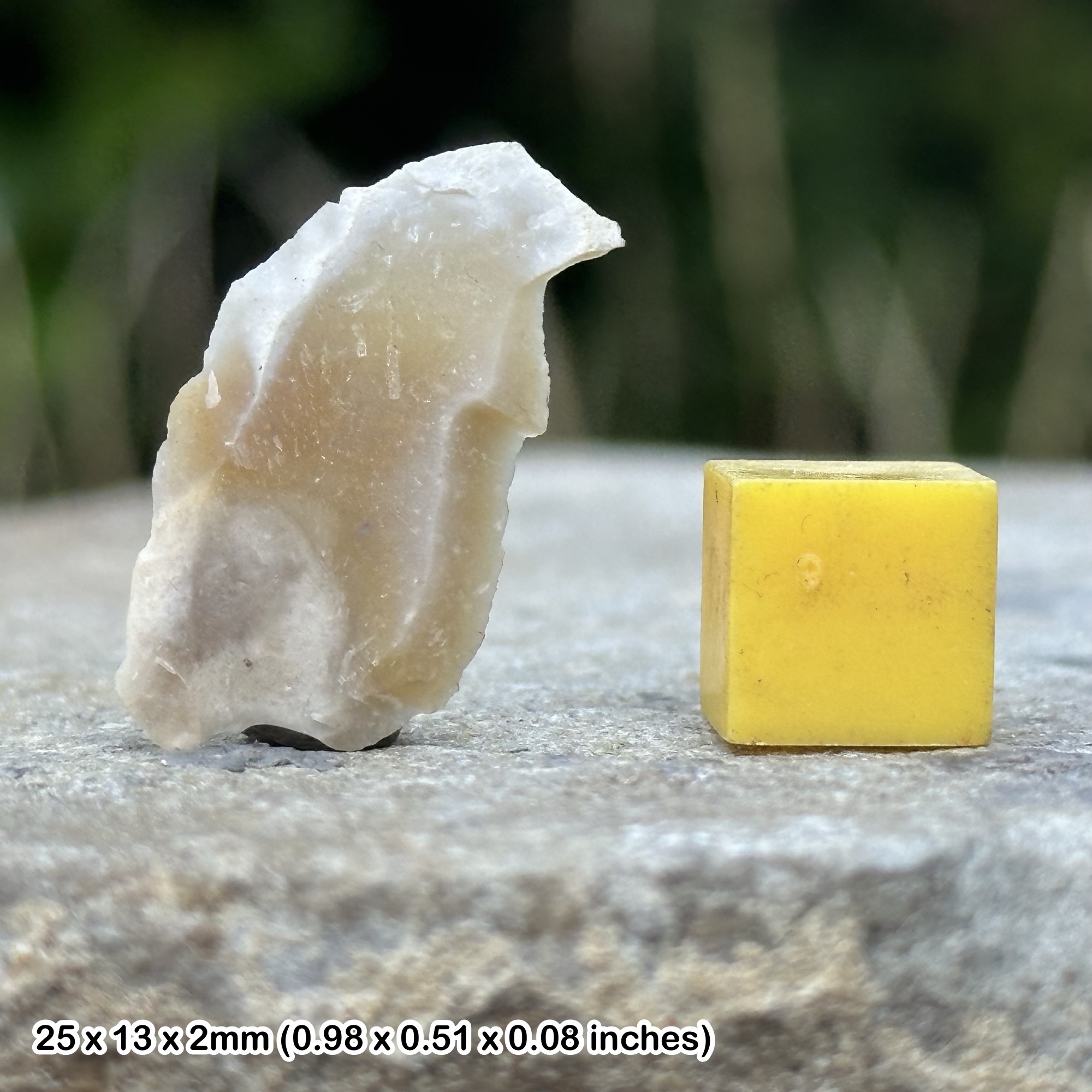
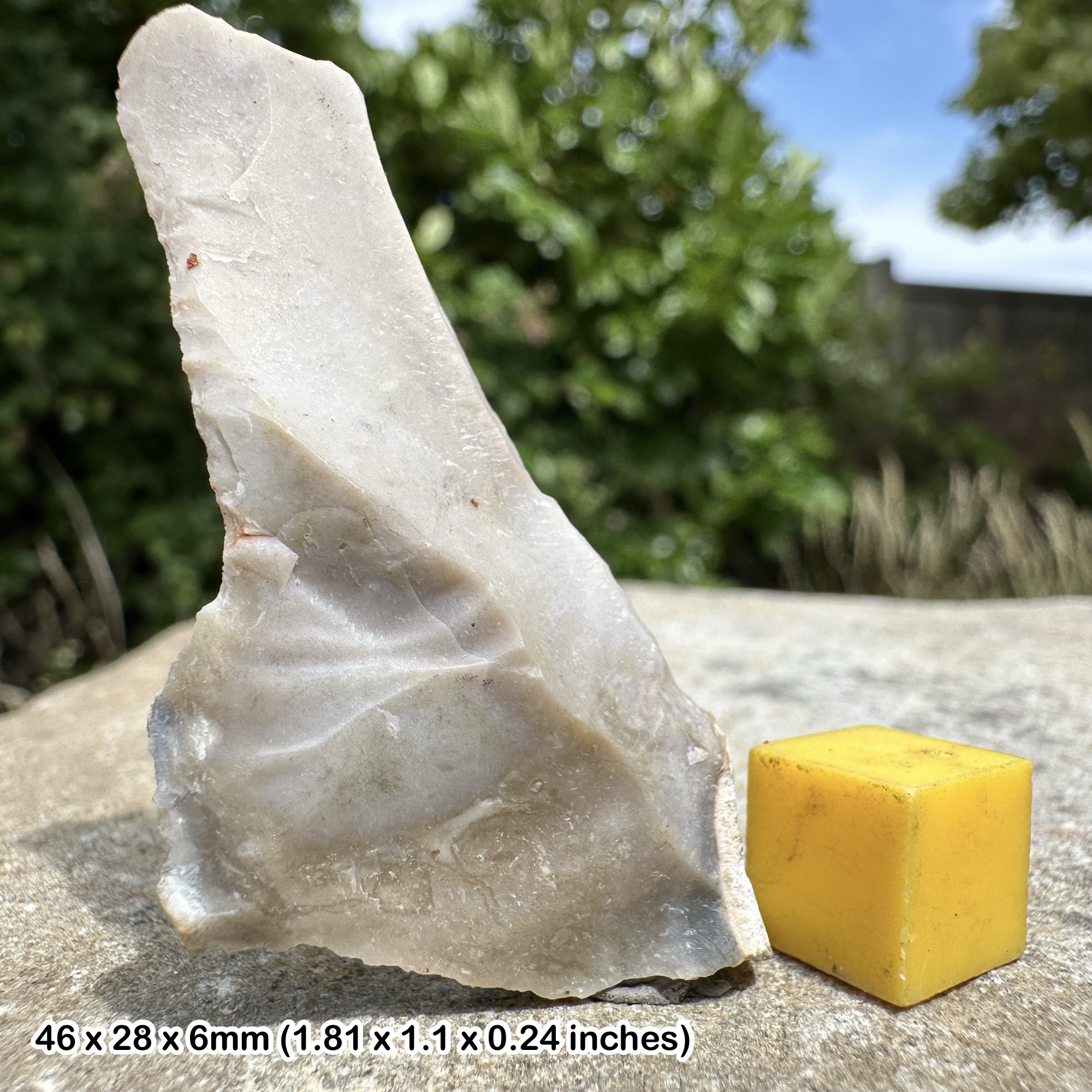
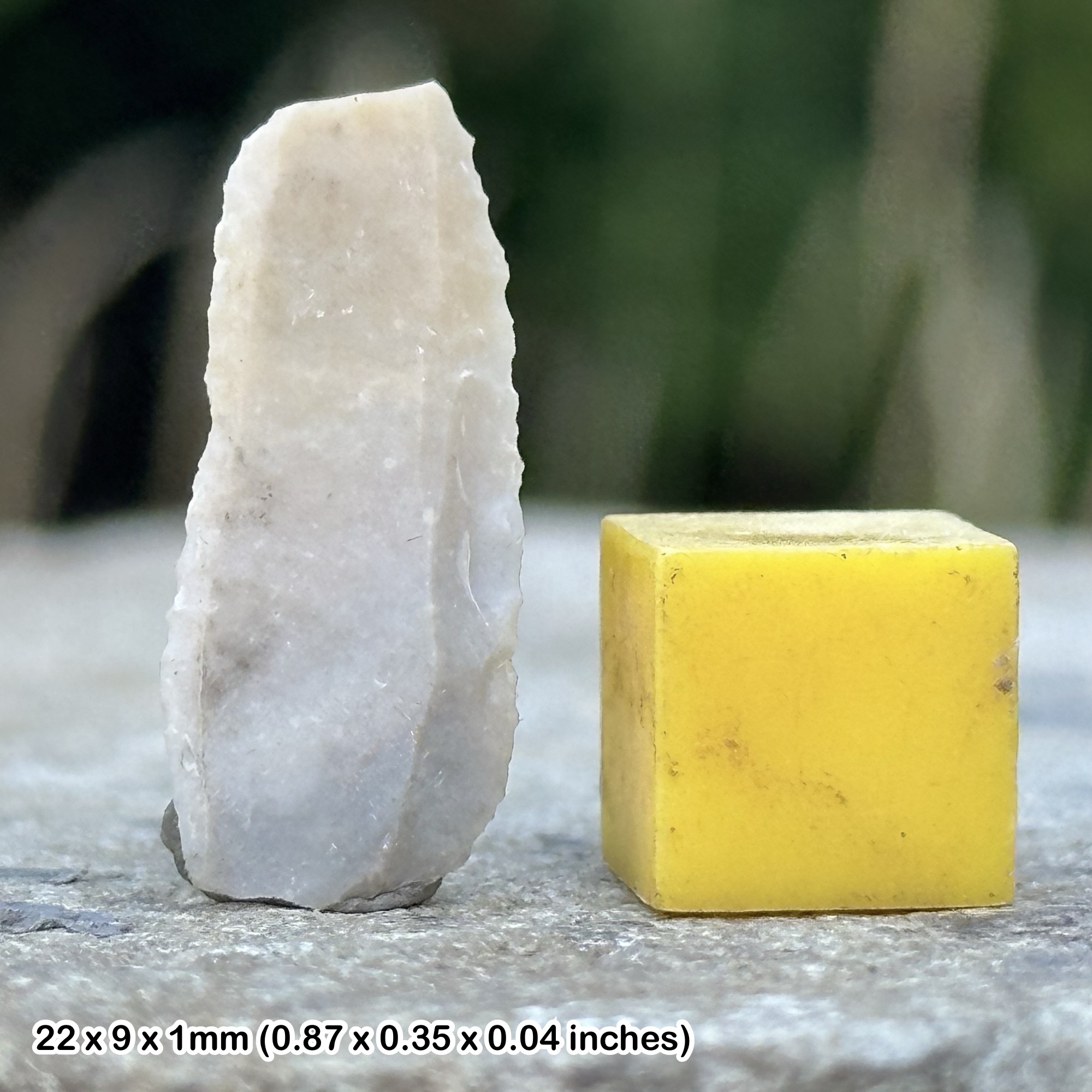
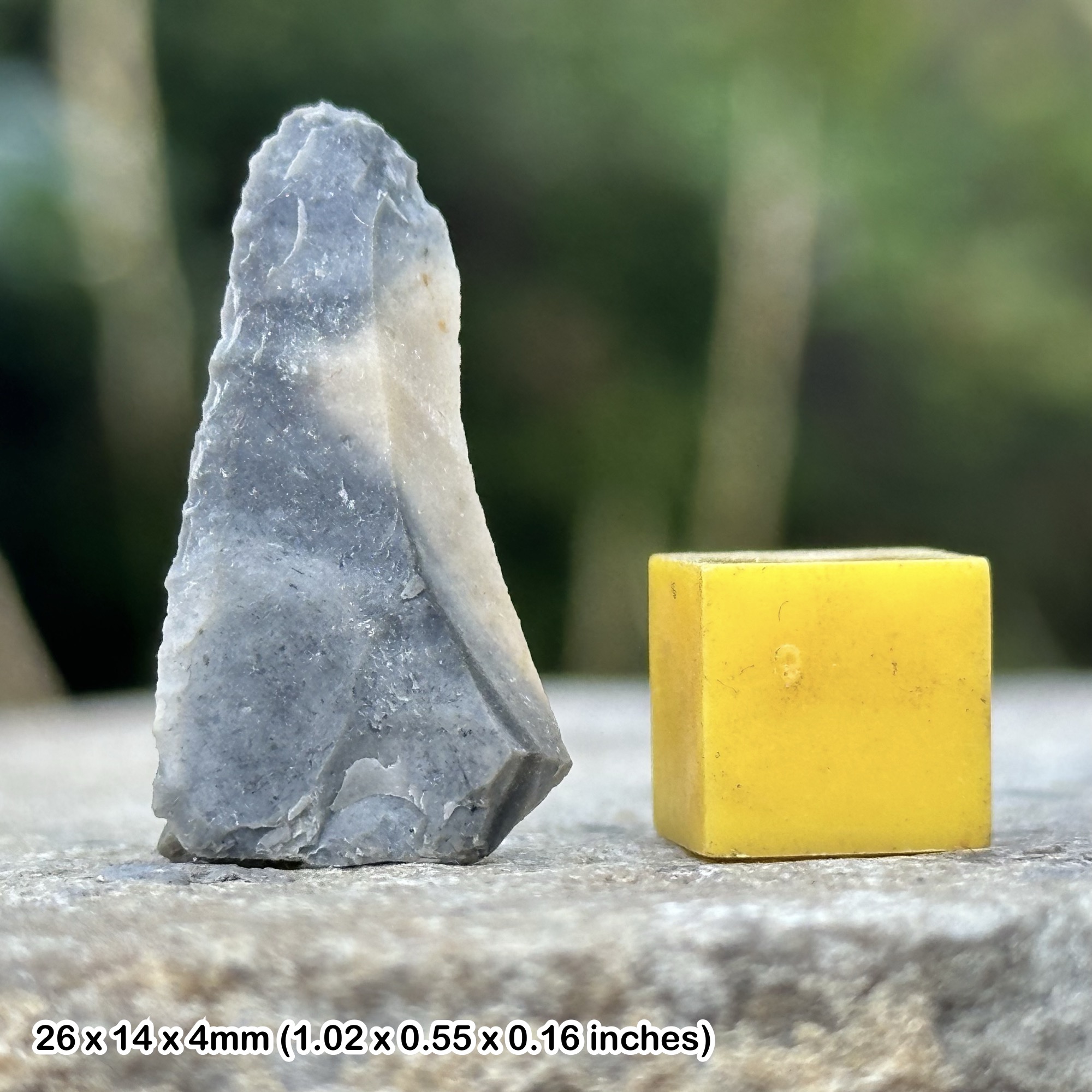
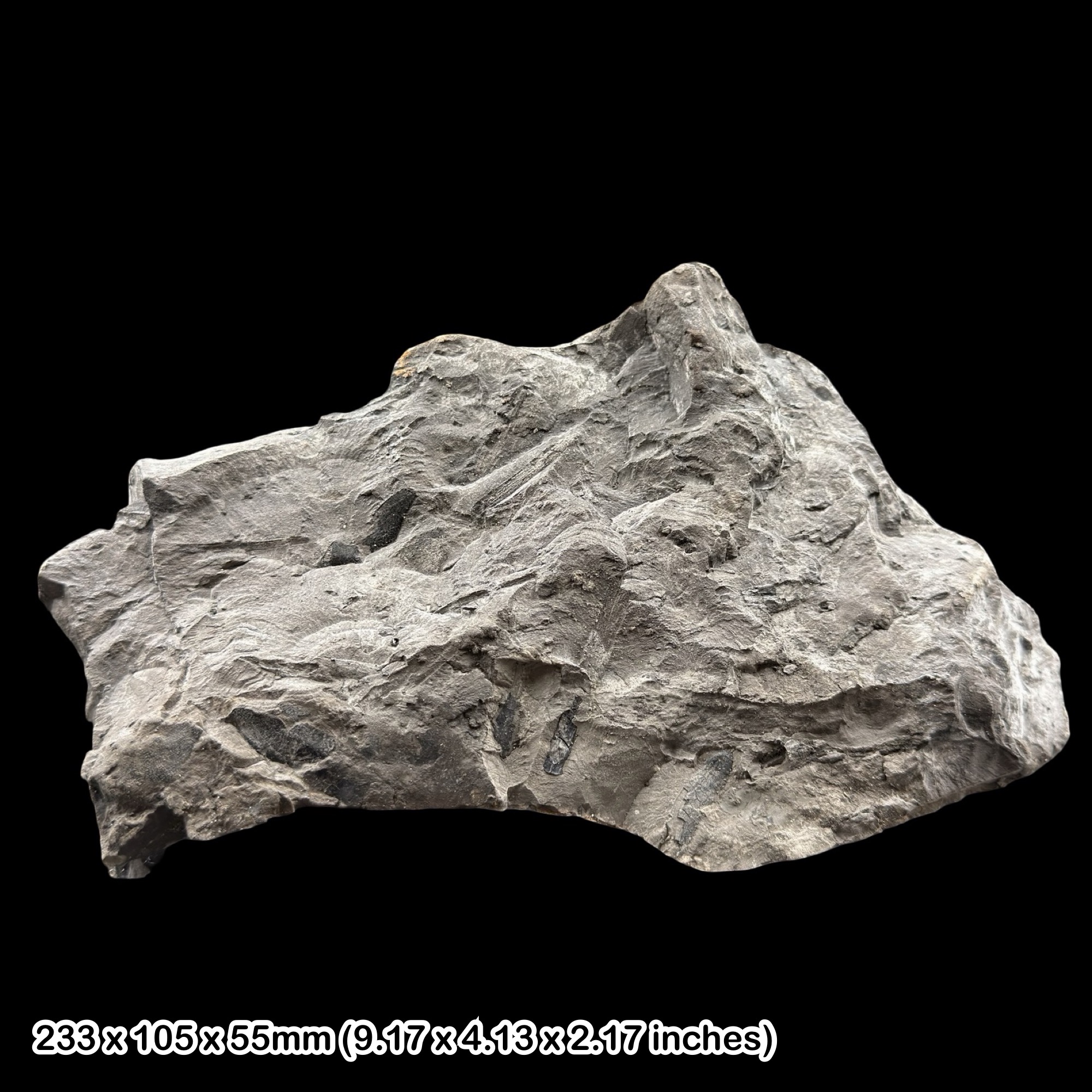
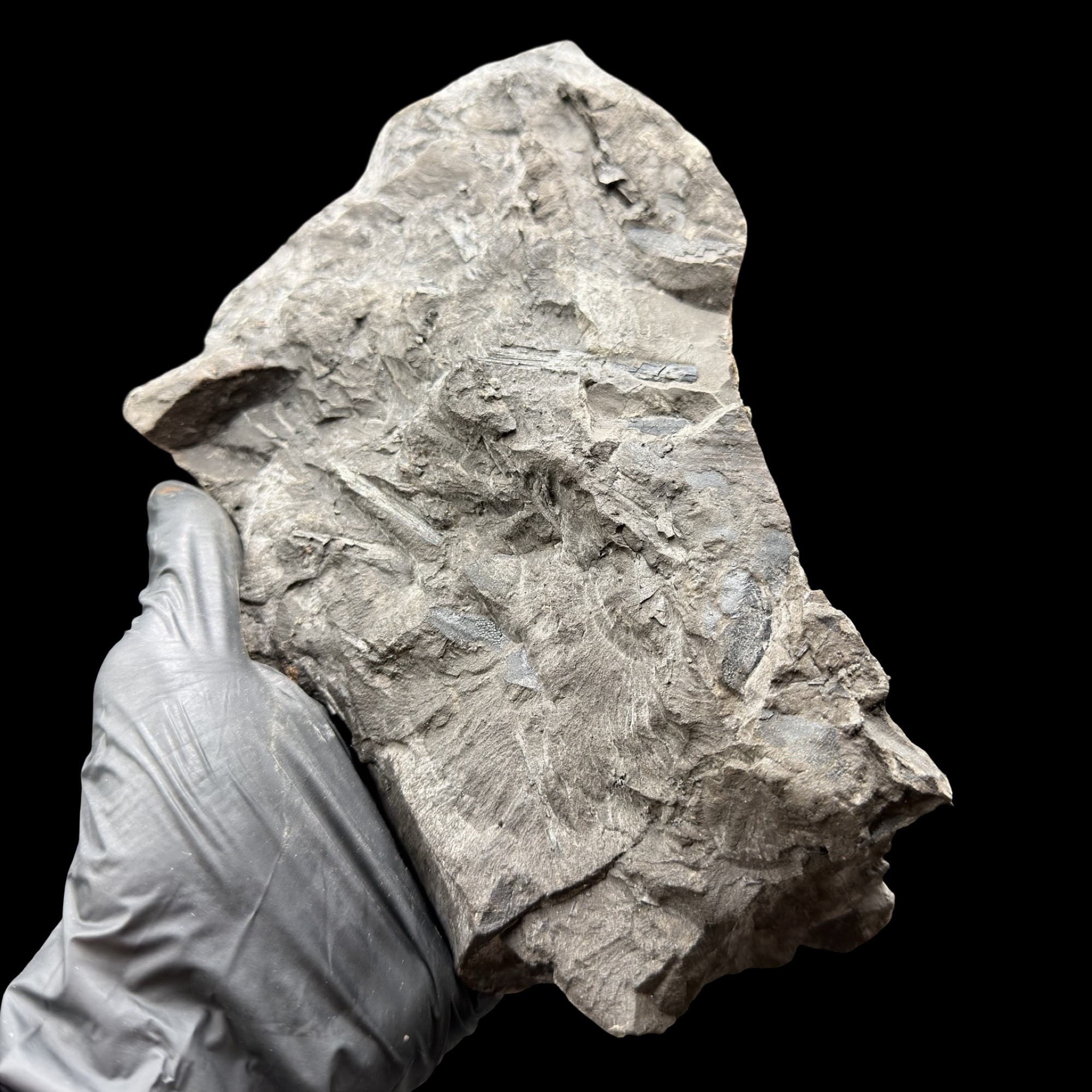
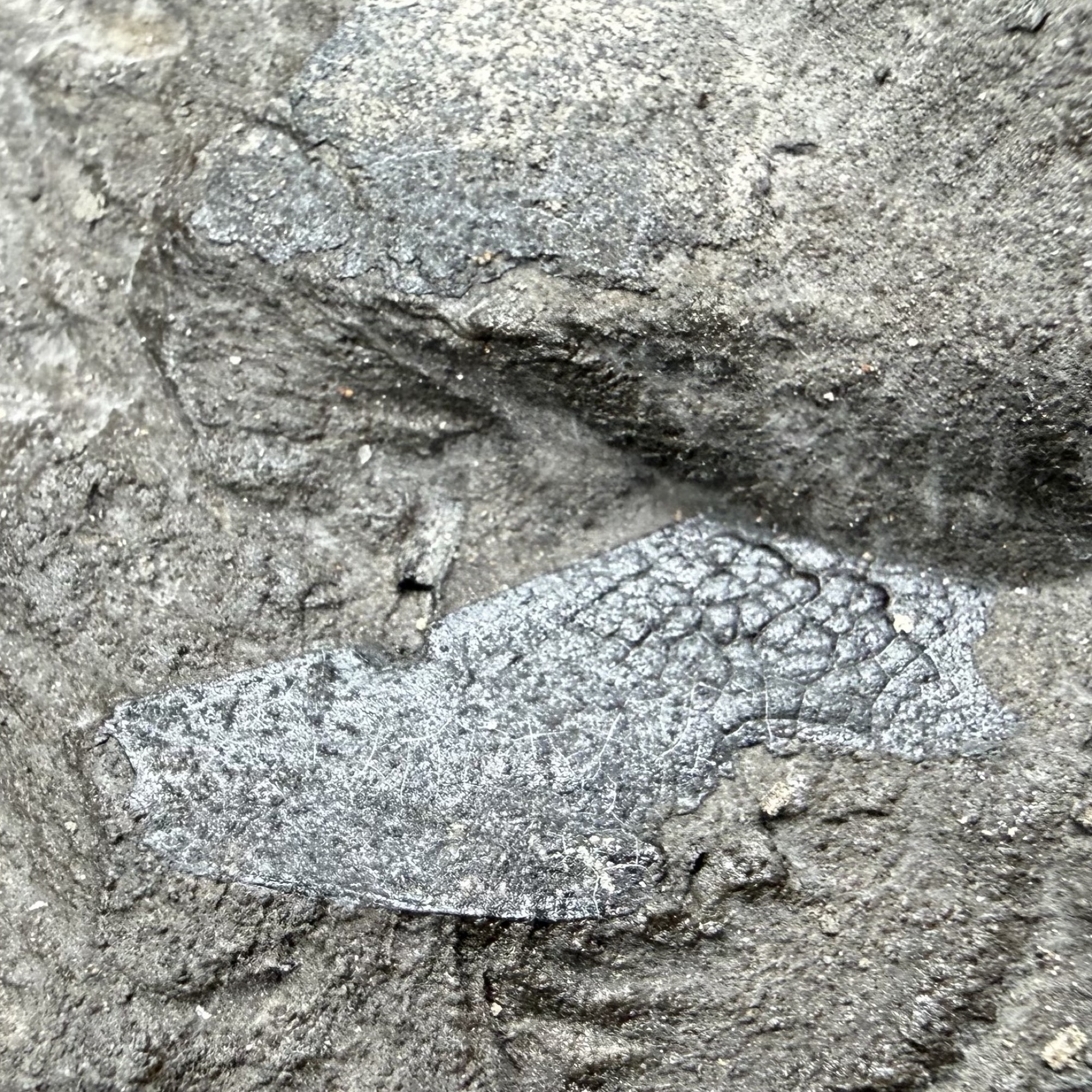
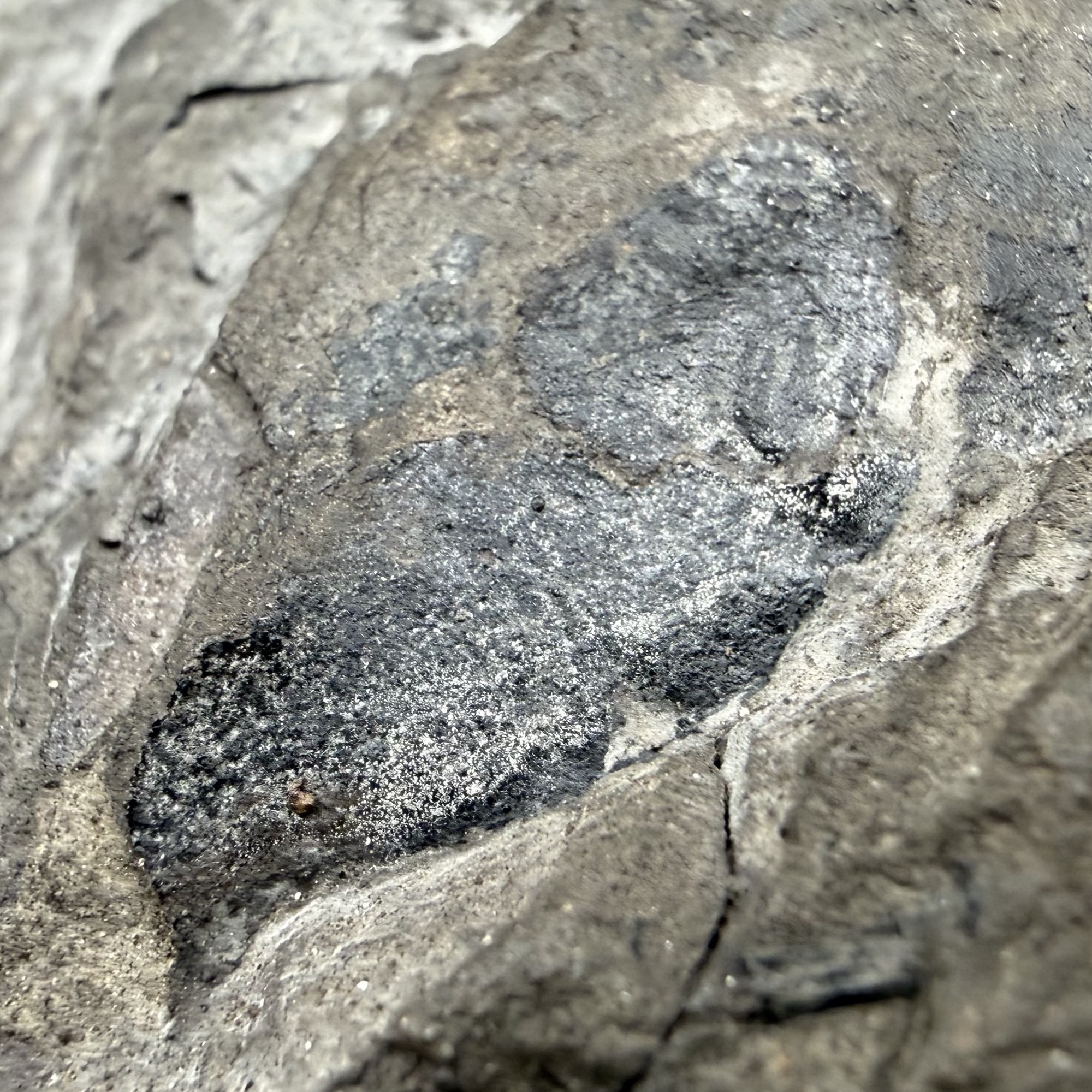
leaves from the Pool Formation, Bracklesham Group, Lutetian stage of the Eocene, collected from Studland Bay, Dorset, United Kingdom. This carefully chosen fossil includes a Certificate of Authenticity lifetime guarantee generic card. The photo shows the actual fossil you will receive, allowing you to view the natural plant remains, matrix, preservation, surface detail and overall display character of this individual specimen before purchase. Full sizing details can be seen in the photo.Your specimen was discovered by our own team members, Alister and Alison, and has been cleaned, prepped and treated by Alison. This gives the fossil a clear collecting history, from discovery through to preparation, making it an appealing piece for collectors who value genuine provenance and carefully presented British fossils. FOSSIL PLANT MATERIAL AND NATURAL DETAILThis specimen preserves fossil stems and leaves, offering a direct record of ancient plant life from the Eocene. Fossil plant remains are particularly interesting because they represent the vegetation and environmental conditions of past landscapes, rather than the marine animals more commonly associated with many British fossil localities. Stems and leaves can preserve delicate natural shapes, impressions, carbonised remains, branching structures, surface textures, veins or fragmentary plant outlines depending on the individual piece.Plant fossils such as these are valued by collectors because they show evidence of ancient terrestrial or near-coastal vegetation. Unlike a single shell or bone, fossil leaves and stems can give a sense of the wider habitat that once existed in the area. The natural arrangement of the material within the matrix gives this specimen strong character and makes it suitable for close study, cabinet display or educational use. POOL FORMATION AND BRACKLESHAM GROUP GEOLOGYThis fossil comes from the Pool Formation within the Bracklesham Group, an important Eocene sedimentary sequence in southern England. The Bracklesham Group records a time when the region experienced warm climates, changing sea levels, coastal plains, lagoons, estuaries, rivers and shallow marine influences. These varied environments created conditions where plant material could be transported, buried and preserved within sands, silts, clays and other sediments.The Pool Formation is associated with Eocene deposits that can contain plant debris, leaves, stems, seeds, wood fragments and other organic material. Fossil plant specimens from these deposits help illustrate the rich vegetation that grew in and around ancient coastal and lowland environments. They are especially attractive to collectors interested in palaeobotany, British geology and fossils that show ancient ecosystems beyond the more familiar ammonites and marine shells. LUTETIAN EOCENE AGEThis specimen dates from the Lutetian stage of the Eocene Epoch, approximately 48 to 41 million years ago. The Eocene was a time of globally warm climates, with forests and subtropical to warm-temperate habitats extending across many regions. In what is now Dorset, sedimentary environments changed through time, preserving evidence of plant material in deposits connected with rivers, coastal settings and shallow basins.Fossil stems and leaves from this interval are important because they offer a glimpse into post-dinosaur ecosystems long after the end of the Cretaceous. By the Eocene, flowering plants were well established and landscapes supported diverse vegetation. Plant fossils from this age are therefore ideal for collections focused on palaeobotany, ancient climates, British Eocene geology or the evolution of terrestrial environments. STUDLAND BAY, DORSET FOSSIL LOCALITYStudland Bay in Dorset is a notable coastal locality with exposures connected to southern England’s Eocene geological record. Fossils from this area are collectable because they combine attractive natural preservation with a strong British locality. Dorset is internationally known for its fossil heritage, and while much attention is often given to Jurassic marine fossils, its younger Eocene deposits provide a very different and equally fascinating window into Earth history.A fossil plant specimen from Studland Bay carries excellent locality appeal for collectors of UK fossils, Dorset fossils, Eocene plant fossils and geological display pieces. The combination of fossil stems, leaves, Pool Formation origin and Bracklesham Group age makes this a distinctive addition to a varied natural history collection. PREPARATION, AUTHENTICITY AND DISPLAY APPEALThis fossil has been cleaned, prepped and treated by Alison to help present the specimen clearly while retaining its natural geological character. Careful preparation is important with plant fossils, as the preserved details can be delicate and are best appreciated when the specimen is handled and displayed with care.The specimen is suitable for fossil collectors, palaeobotany enthusiasts, geology students, educational collections, natural history displays, cabinet collections or as a thoughtful gift for someone interested in British fossils and ancient plant life. It is supplied with a Certificate of Authenticity lifetime guarantee generic card, confirming that it is a genuine fossil specimen. The fossil shown in the photo is the exact piece you will receive.
leaves from the Pool Formation, Bracklesham Group, Lutetian stage of the Eocene, collected from Studland Bay, Dorset, United Kingdom. This carefully chosen fossil includes a Certificate of Authenticity lifetime guarantee generic card. The photo shows the actual fossil you will receive, allowing you to view the natural plant remains, matrix, preservation, surface detail and overall display character of this individual specimen before purchase. Full sizing details can be seen in the photo.Your specimen was discovered by our own team members, Alister and Alison, and has been cleaned, prepped and treated by Alison. This gives the fossil a clear collecting history, from discovery through to preparation, making it an appealing piece for collectors who value genuine provenance and carefully presented British fossils. FOSSIL PLANT MATERIAL AND NATURAL DETAILThis specimen preserves fossil stems and leaves, offering a direct record of ancient plant life from the Eocene. Fossil plant remains are particularly interesting because they represent the vegetation and environmental conditions of past landscapes, rather than the marine animals more commonly associated with many British fossil localities. Stems and leaves can preserve delicate natural shapes, impressions, carbonised remains, branching structures, surface textures, veins or fragmentary plant outlines depending on the individual piece.Plant fossils such as these are valued by collectors because they show evidence of ancient terrestrial or near-coastal vegetation. Unlike a single shell or bone, fossil leaves and stems can give a sense of the wider habitat that once existed in the area. The natural arrangement of the material within the matrix gives this specimen strong character and makes it suitable for close study, cabinet display or educational use. POOL FORMATION AND BRACKLESHAM GROUP GEOLOGYThis fossil comes from the Pool Formation within the Bracklesham Group, an important Eocene sedimentary sequence in southern England. The Bracklesham Group records a time when the region experienced warm climates, changing sea levels, coastal plains, lagoons, estuaries, rivers and shallow marine influences. These varied environments created conditions where plant material could be transported, buried and preserved within sands, silts, clays and other sediments.The Pool Formation is associated with Eocene deposits that can contain plant debris, leaves, stems, seeds, wood fragments and other organic material. Fossil plant specimens from these deposits help illustrate the rich vegetation that grew in and around ancient coastal and lowland environments. They are especially attractive to collectors interested in palaeobotany, British geology and fossils that show ancient ecosystems beyond the more familiar ammonites and marine shells. LUTETIAN EOCENE AGEThis specimen dates from the Lutetian stage of the Eocene Epoch, approximately 48 to 41 million years ago. The Eocene was a time of globally warm climates, with forests and subtropical to warm-temperate habitats extending across many regions. In what is now Dorset, sedimentary environments changed through time, preserving evidence of plant material in deposits connected with rivers, coastal settings and shallow basins.Fossil stems and leaves from this interval are important because they offer a glimpse into post-dinosaur ecosystems long after the end of the Cretaceous. By the Eocene, flowering plants were well established and landscapes supported diverse vegetation. Plant fossils from this age are therefore ideal for collections focused on palaeobotany, ancient climates, British Eocene geology or the evolution of terrestrial environments. STUDLAND BAY, DORSET FOSSIL LOCALITYStudland Bay in Dorset is a notable coastal locality with exposures connected to southern England’s Eocene geological record. Fossils from this area are collectable because they combine attractive natural preservation with a strong British locality. Dorset is internationally known for its fossil heritage, and while much attention is often given to Jurassic marine fossils, its younger Eocene deposits provide a very different and equally fascinating window into Earth history.A fossil plant specimen from Studland Bay carries excellent locality appeal for collectors of UK fossils, Dorset fossils, Eocene plant fossils and geological display pieces. The combination of fossil stems, leaves, Pool Formation origin and Bracklesham Group age makes this a distinctive addition to a varied natural history collection. PREPARATION, AUTHENTICITY AND DISPLAY APPEALThis fossil has been cleaned, prepped and treated by Alison to help present the specimen clearly while retaining its natural geological character. Careful preparation is important with plant fossils, as the preserved details can be delicate and are best appreciated when the specimen is handled and displayed with care.The specimen is suitable for fossil collectors, palaeobotany enthusiasts, geology students, educational collections, natural history displays, cabinet collections or as a thoughtful gift for someone interested in British fossils and ancient plant life. It is supplied with a Certificate of Authenticity lifetime guarantee generic card, confirming that it is a genuine fossil specimen. The fossil shown in the photo is the exact piece you will receive.
Other Products