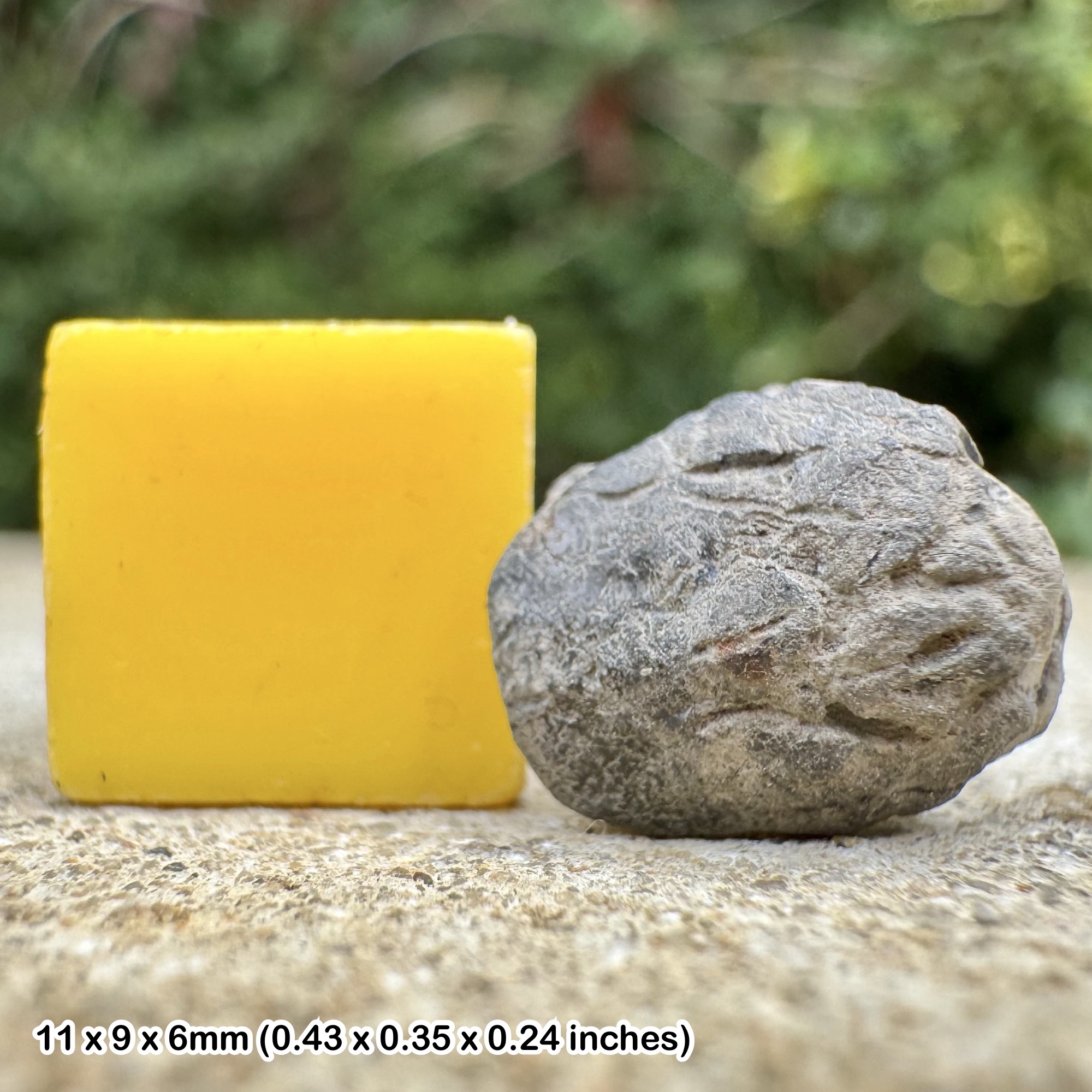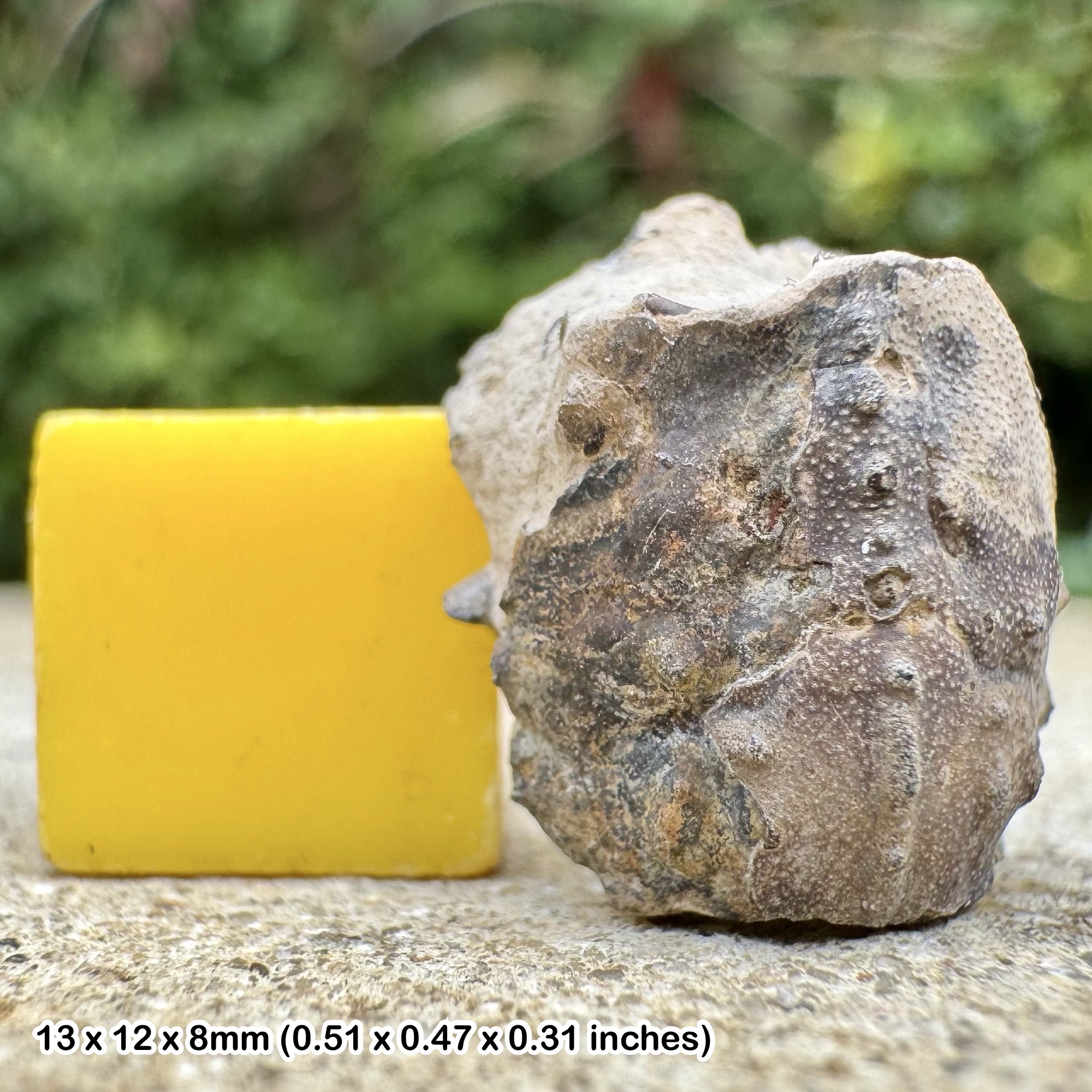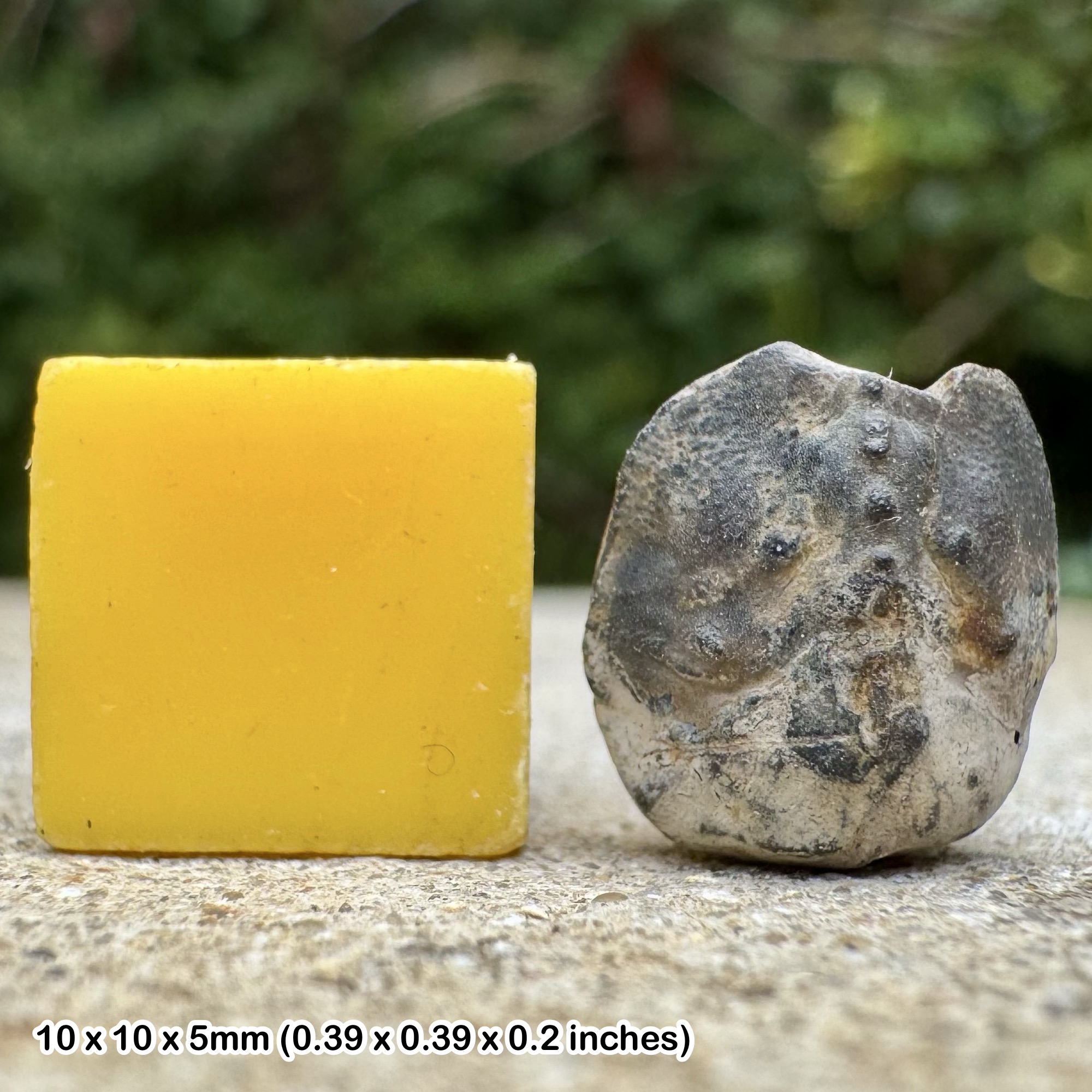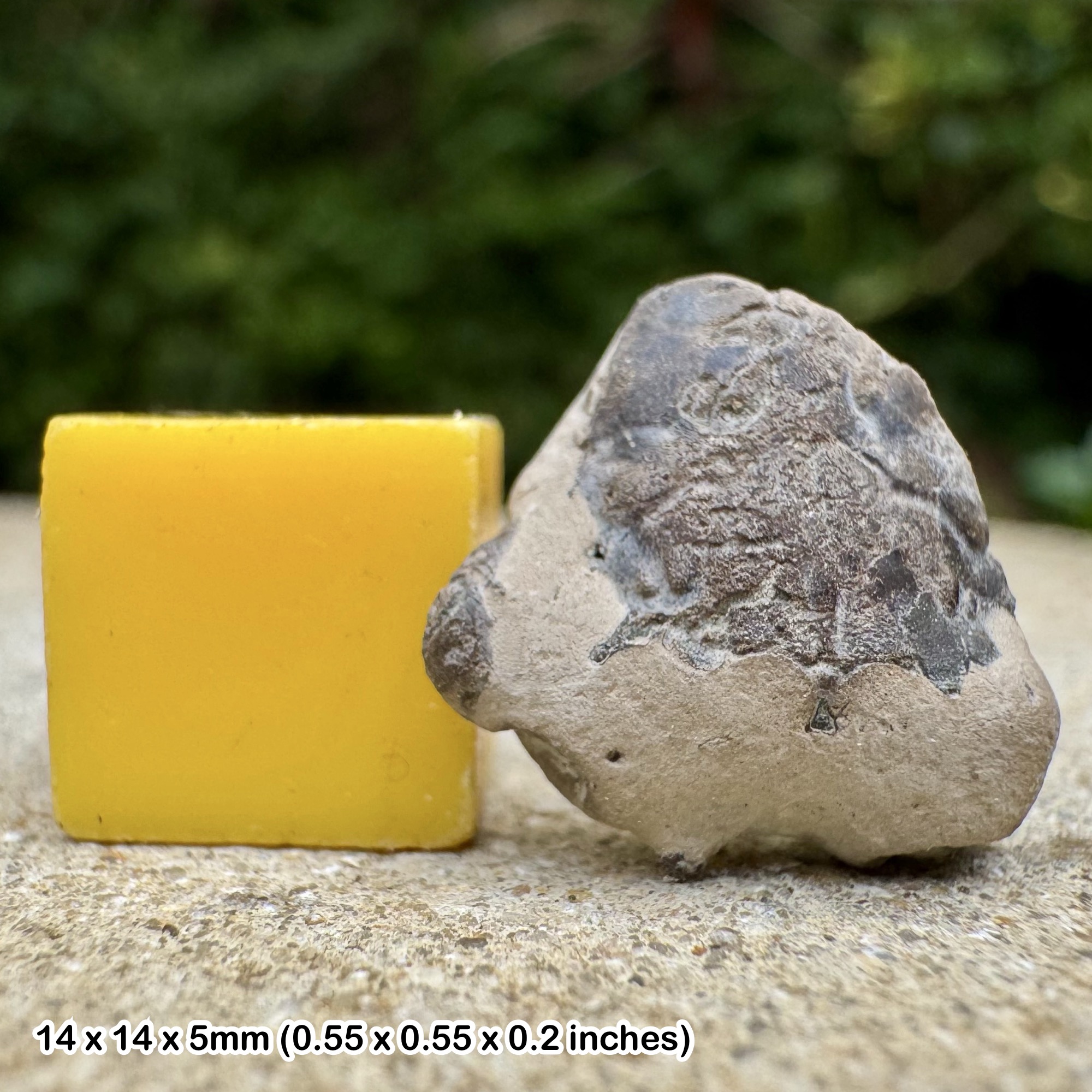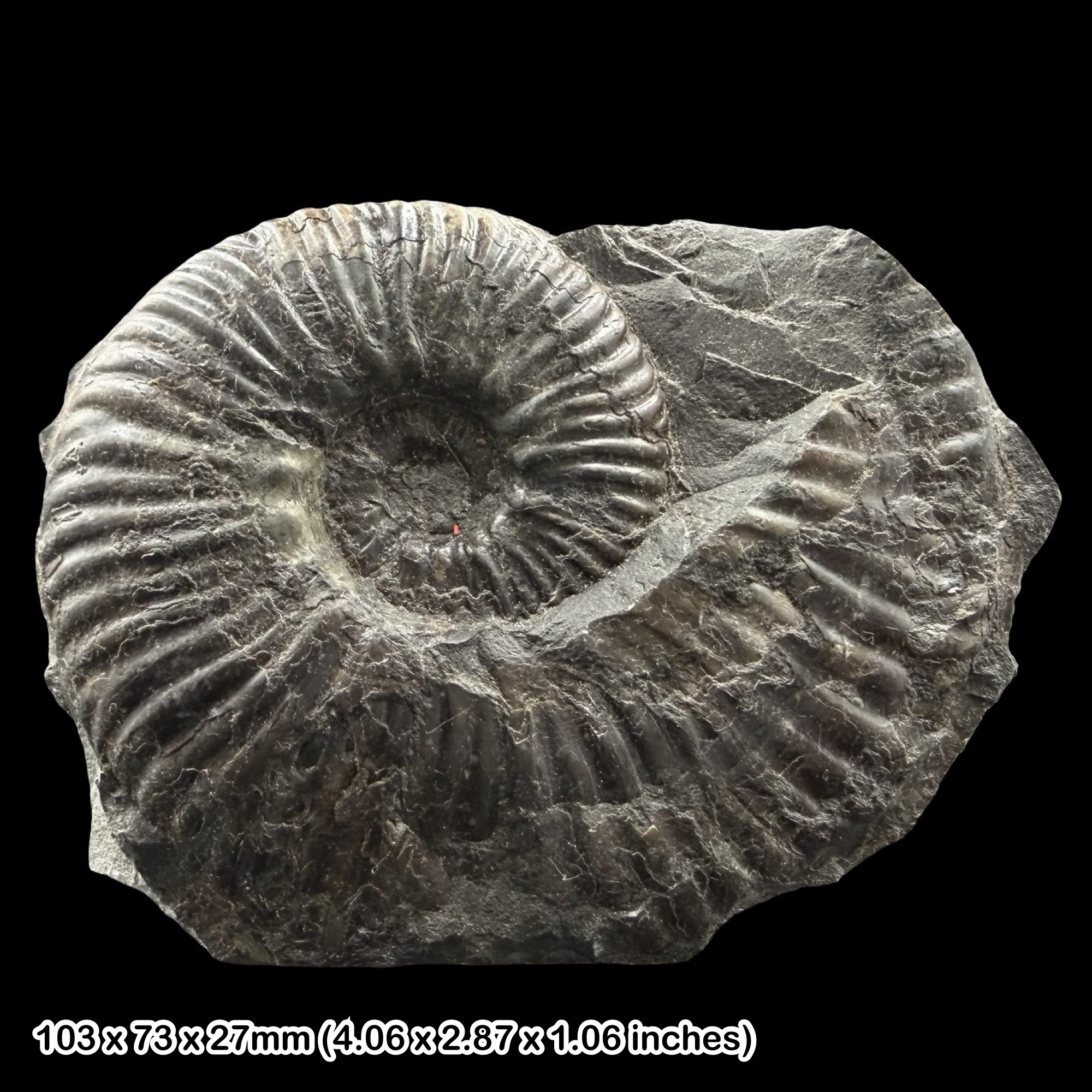
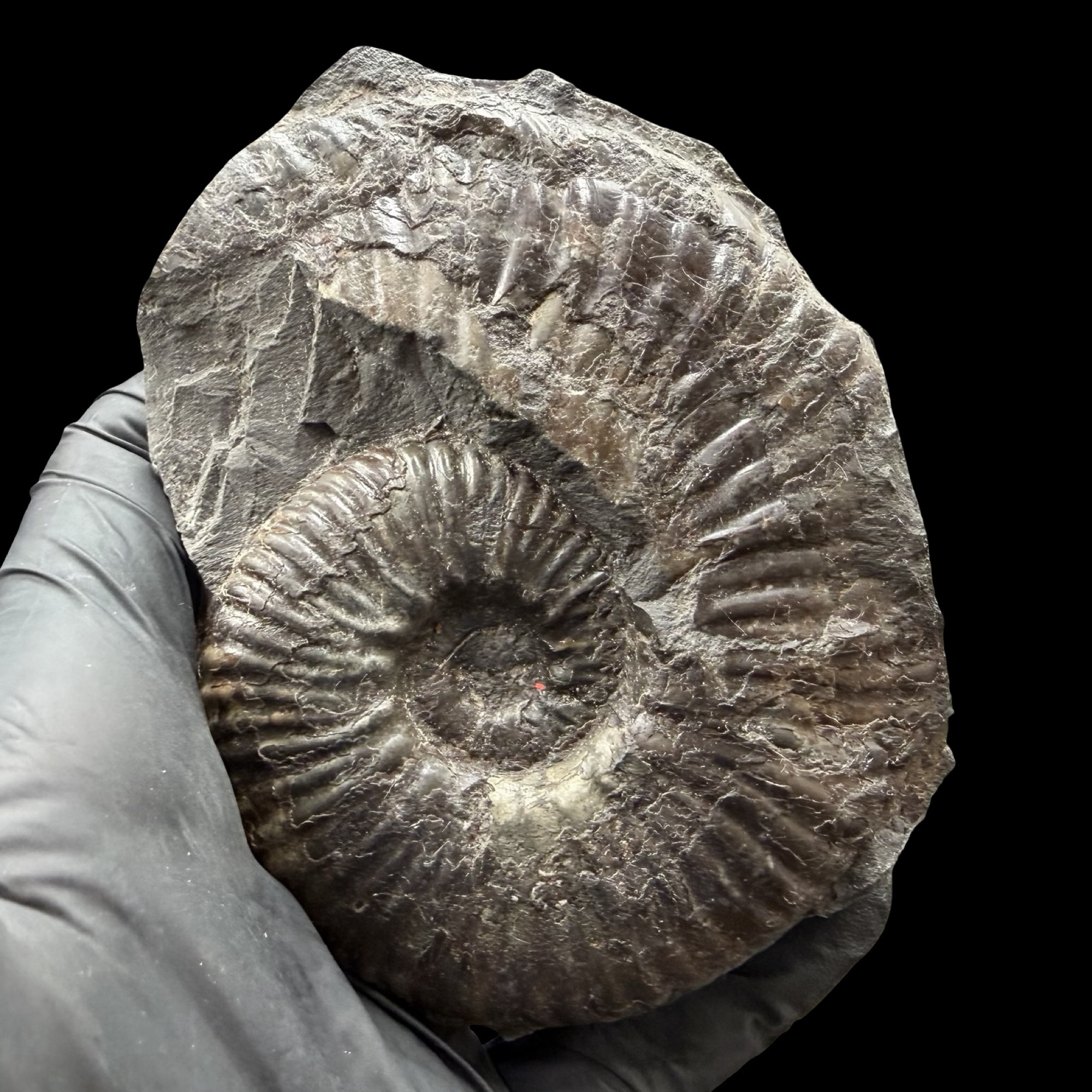
4" Fossil Ammonite Eparietites tenellus Jurassic Robin Hoods Bay UK Genuine Specimen Certificate Authenticity Rare Collector Display
£ 252.00
Eparietites tenellus Fossil Ammonite – Jurassic Discovery from Robin Hood’s BayThis stunning 4-inch fossil ammonite, identified as Eparietites tenellus,
originates from the world-renowned Jurassic coastal exposures of Robin Hood’s Bay, North Yorkshire, United Kingdom. Dating to the Sinemurian stage of the Early Jurassic period, approximately 190 million years ago, this specimen represents a beautifully preserved example of classic British ammonite fauna.Discovered by our experienced team members, Alister and Alison, this fossil has been carefully cleaned, expertly prepared, and professionally treated by Alison to enhance its natural features while preserving its integrity. The specimen shown in the photographs is the exact ammonite you will receive, making this a truly unique collector’s piece.Geological Context and StratigraphyRobin Hood’s Bay is internationally recognised for its rich Lower Jurassic sequences, particularly those of the Lias Group. These sedimentary layers were deposited in a shallow marine environment, where fine muds and silts accumulated on the sea floor, creating ideal conditions for the preservation of marine organisms.The Sinemurian stage is especially noted for its diverse ammonite assemblages, which are often used as key index fossils for biostratigraphic dating. Eparietites tenellus is associated with early Jurassic ammonite zones, providing important insights into the evolutionary development of ammonoids during this time.Species Overview and ClassificationEparietites tenellus belongs to the order Ammonitida, an extinct group of marine cephalopods closely related to modern squid and octopus. These animals possessed coiled, chambered shells that allowed them to regulate buoyancy and navigate ancient seas with precision.This genus is typically placed within the superfamily Psiloceratoidea, known for its relatively simple yet elegant shell forms during the early stages of ammonite evolution. The species tenellus is recognised for its finely ribbed shell and balanced coiling, reflecting both structural efficiency and evolutionary adaptation.Morphology and Shell FeaturesThis specimen displays the classic planispiral coiling characteristic of ammonites, with evenly spaced whorls and a well-defined umbilicus. The ribbing on Eparietites tenellus is typically fine and regular, often extending across the flanks toward the venter, giving the fossil a textured and visually appealing surface.The preservation of the shell structure highlights subtle growth lines and morphological details that provide valuable insight into the life history of the organism. The natural mineralisation enhances contrast across the fossil, emphasising its intricate features and adding to its display quality.Preservation and PreparationThe ammonite has undergone careful preparation to reveal its full aesthetic and scientific value. Alison’s meticulous work ensures that delicate features are preserved while removing excess matrix to present the fossil clearly. The result is a clean, well-defined specimen that retains its natural character.Full sizing is available in the photographs, allowing you to assess the scale and presence of this impressive fossil.Authenticity and ProvenanceThis fossil is a genuine specimen and includes a fully hand-signed Premium Certificate of Authenticity, guaranteeing its origin and identification. Every piece we offer is responsibly sourced and handled directly by our team, from discovery through to final preparation, ensuring complete transparency and trust.Collector Appeal and Display ValueAmmonites from Robin Hood’s Bay are highly sought after due to their quality, historical importance, and classic appearance. This Eparietites tenellus specimen is an excellent addition to any fossil collection, offering both scientific interest and striking visual appeal.Whether displayed in a cabinet, study, or gallery, this ammonite serves as a timeless reminder of ancient marine life and the dynamic history of the Jurassic seas that once covered the UK.
originates from the world-renowned Jurassic coastal exposures of Robin Hood’s Bay, North Yorkshire, United Kingdom. Dating to the Sinemurian stage of the Early Jurassic period, approximately 190 million years ago, this specimen represents a beautifully preserved example of classic British ammonite fauna.Discovered by our experienced team members, Alister and Alison, this fossil has been carefully cleaned, expertly prepared, and professionally treated by Alison to enhance its natural features while preserving its integrity. The specimen shown in the photographs is the exact ammonite you will receive, making this a truly unique collector’s piece.Geological Context and StratigraphyRobin Hood’s Bay is internationally recognised for its rich Lower Jurassic sequences, particularly those of the Lias Group. These sedimentary layers were deposited in a shallow marine environment, where fine muds and silts accumulated on the sea floor, creating ideal conditions for the preservation of marine organisms.The Sinemurian stage is especially noted for its diverse ammonite assemblages, which are often used as key index fossils for biostratigraphic dating. Eparietites tenellus is associated with early Jurassic ammonite zones, providing important insights into the evolutionary development of ammonoids during this time.Species Overview and ClassificationEparietites tenellus belongs to the order Ammonitida, an extinct group of marine cephalopods closely related to modern squid and octopus. These animals possessed coiled, chambered shells that allowed them to regulate buoyancy and navigate ancient seas with precision.This genus is typically placed within the superfamily Psiloceratoidea, known for its relatively simple yet elegant shell forms during the early stages of ammonite evolution. The species tenellus is recognised for its finely ribbed shell and balanced coiling, reflecting both structural efficiency and evolutionary adaptation.Morphology and Shell FeaturesThis specimen displays the classic planispiral coiling characteristic of ammonites, with evenly spaced whorls and a well-defined umbilicus. The ribbing on Eparietites tenellus is typically fine and regular, often extending across the flanks toward the venter, giving the fossil a textured and visually appealing surface.The preservation of the shell structure highlights subtle growth lines and morphological details that provide valuable insight into the life history of the organism. The natural mineralisation enhances contrast across the fossil, emphasising its intricate features and adding to its display quality.Preservation and PreparationThe ammonite has undergone careful preparation to reveal its full aesthetic and scientific value. Alison’s meticulous work ensures that delicate features are preserved while removing excess matrix to present the fossil clearly. The result is a clean, well-defined specimen that retains its natural character.Full sizing is available in the photographs, allowing you to assess the scale and presence of this impressive fossil.Authenticity and ProvenanceThis fossil is a genuine specimen and includes a fully hand-signed Premium Certificate of Authenticity, guaranteeing its origin and identification. Every piece we offer is responsibly sourced and handled directly by our team, from discovery through to final preparation, ensuring complete transparency and trust.Collector Appeal and Display ValueAmmonites from Robin Hood’s Bay are highly sought after due to their quality, historical importance, and classic appearance. This Eparietites tenellus specimen is an excellent addition to any fossil collection, offering both scientific interest and striking visual appeal.Whether displayed in a cabinet, study, or gallery, this ammonite serves as a timeless reminder of ancient marine life and the dynamic history of the Jurassic seas that once covered the UK.
Other Products