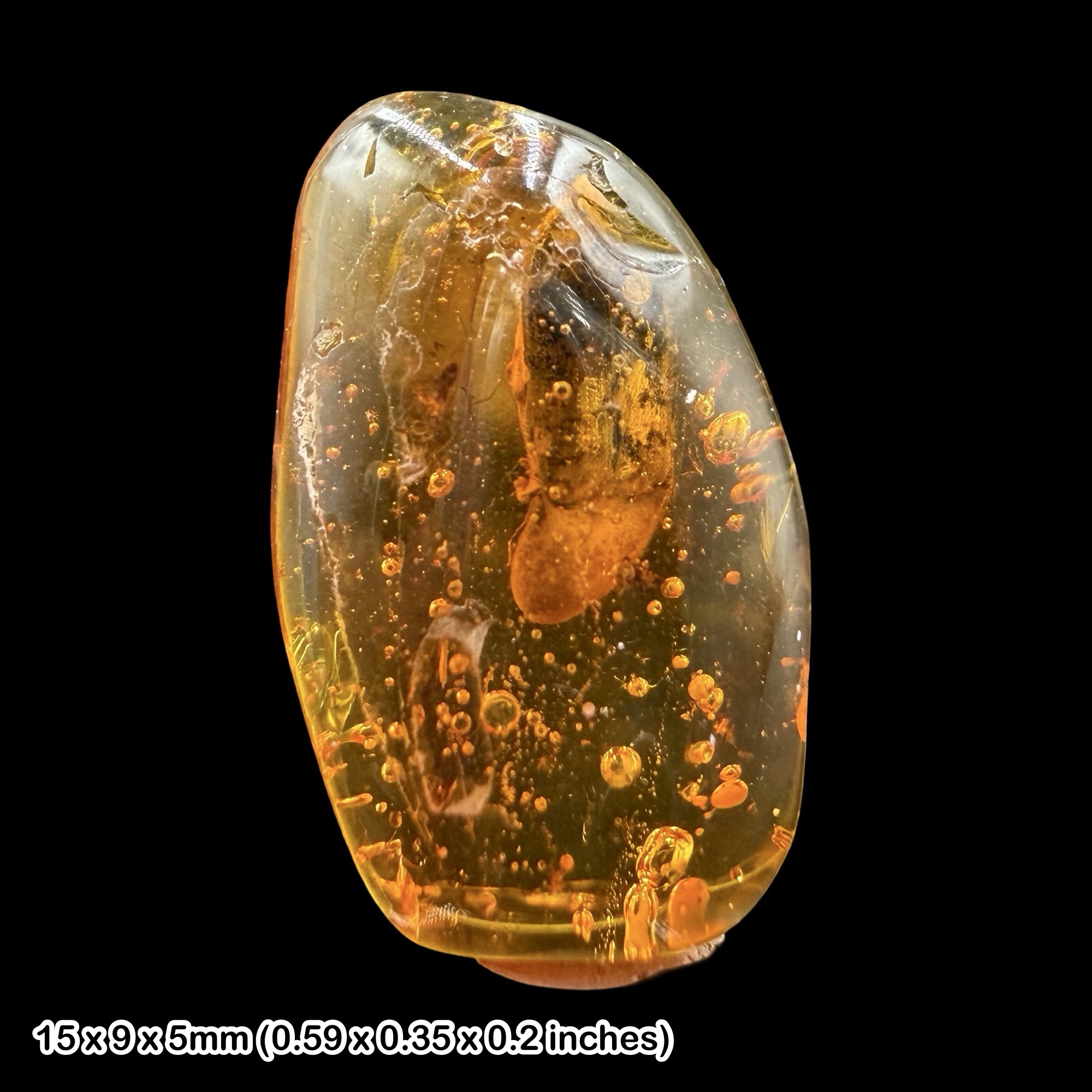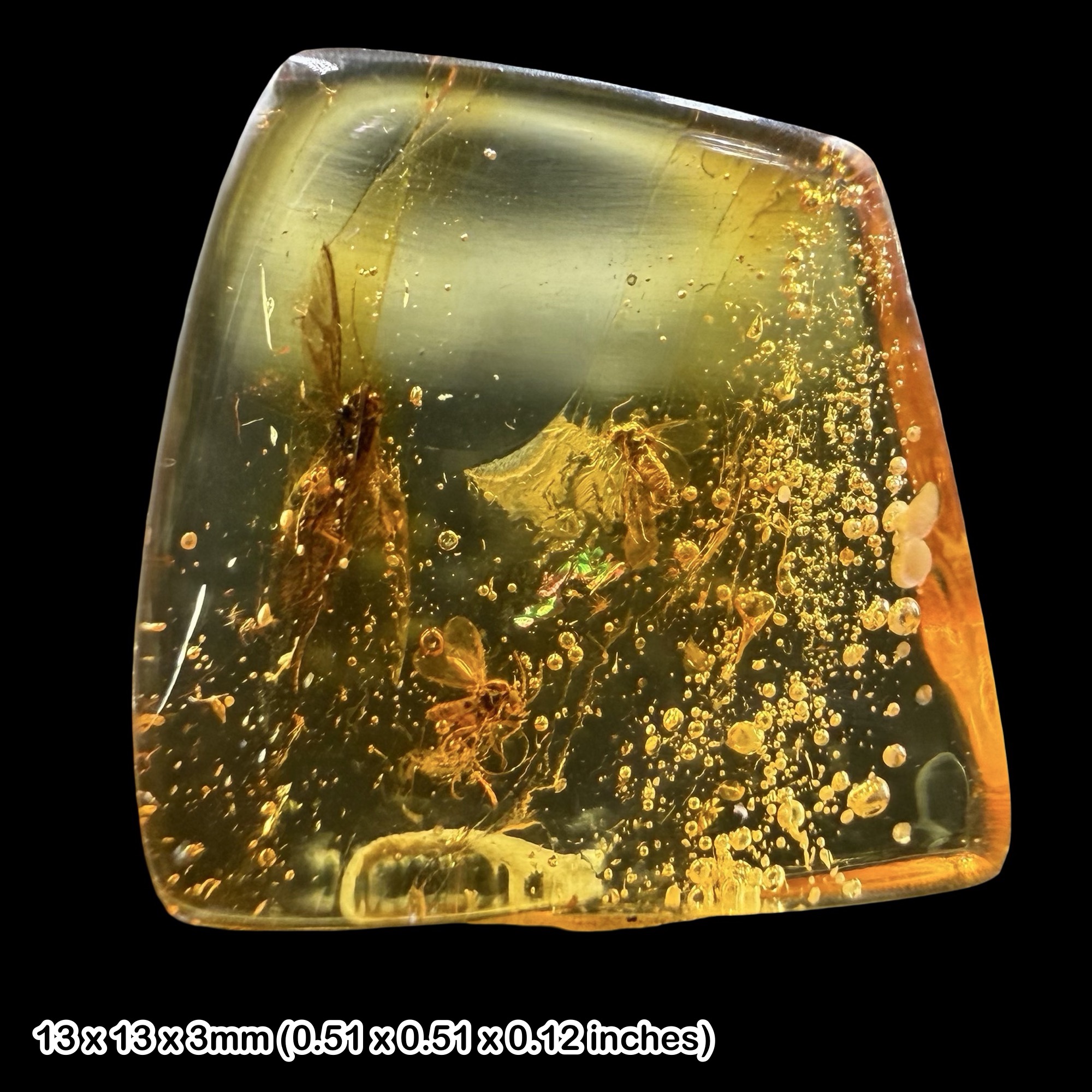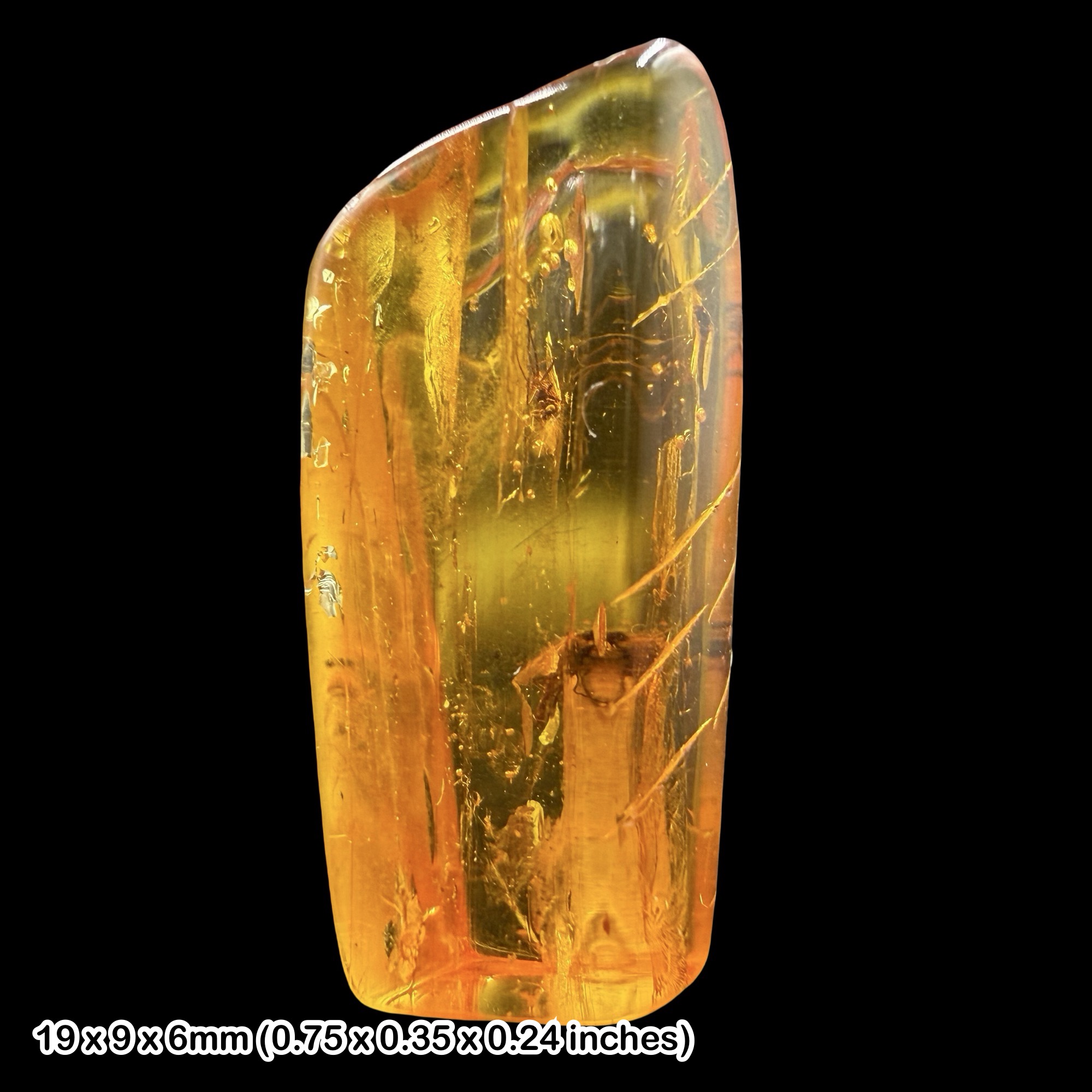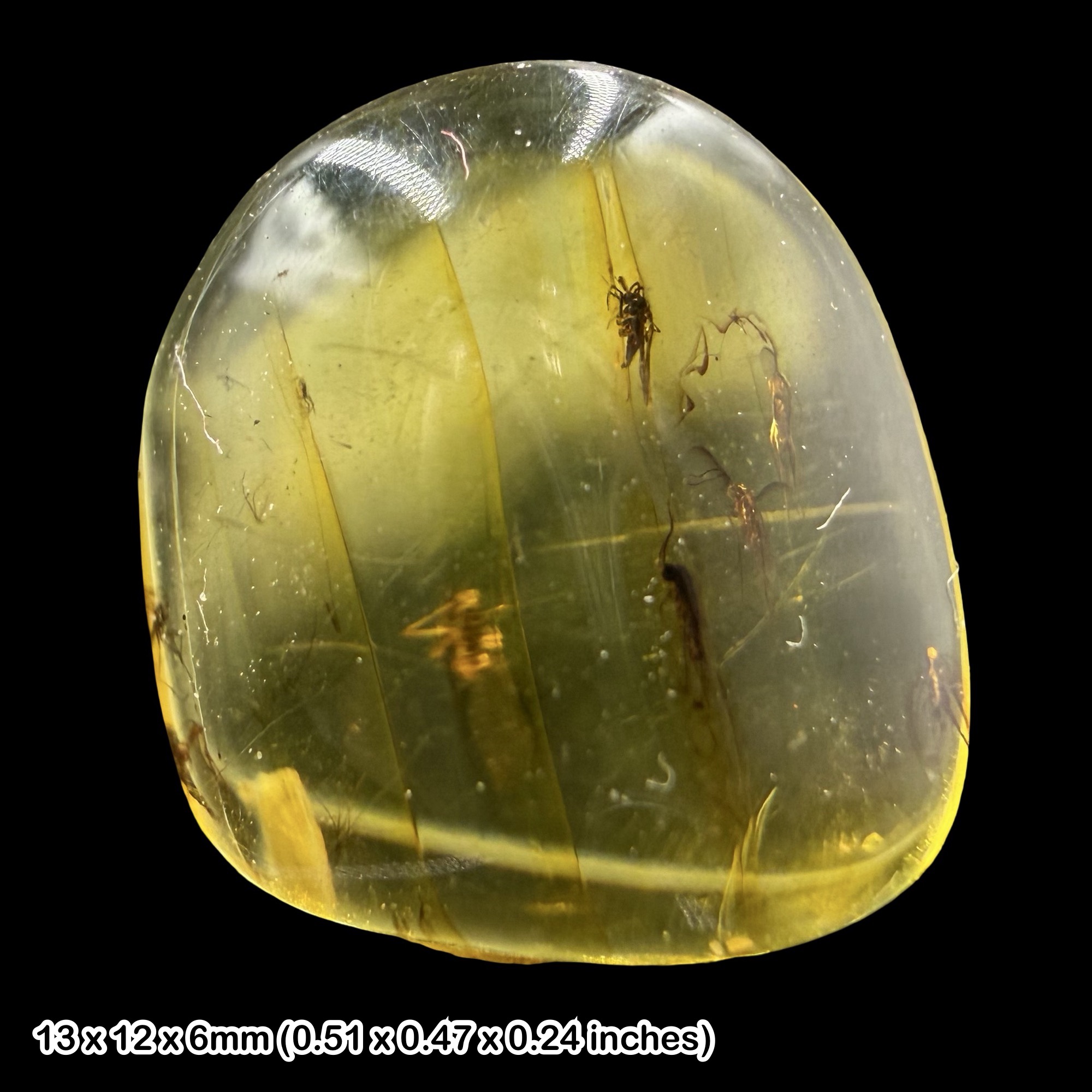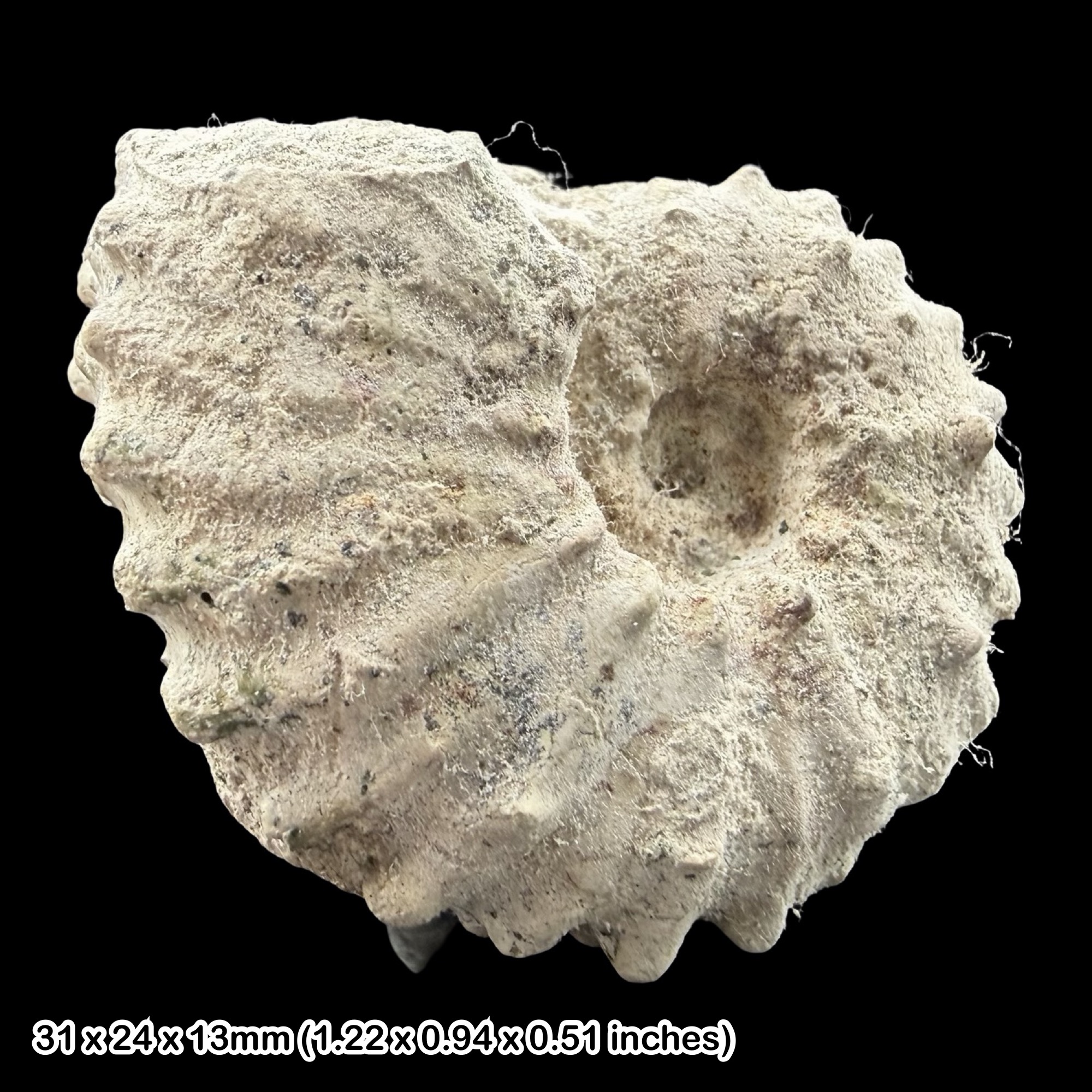
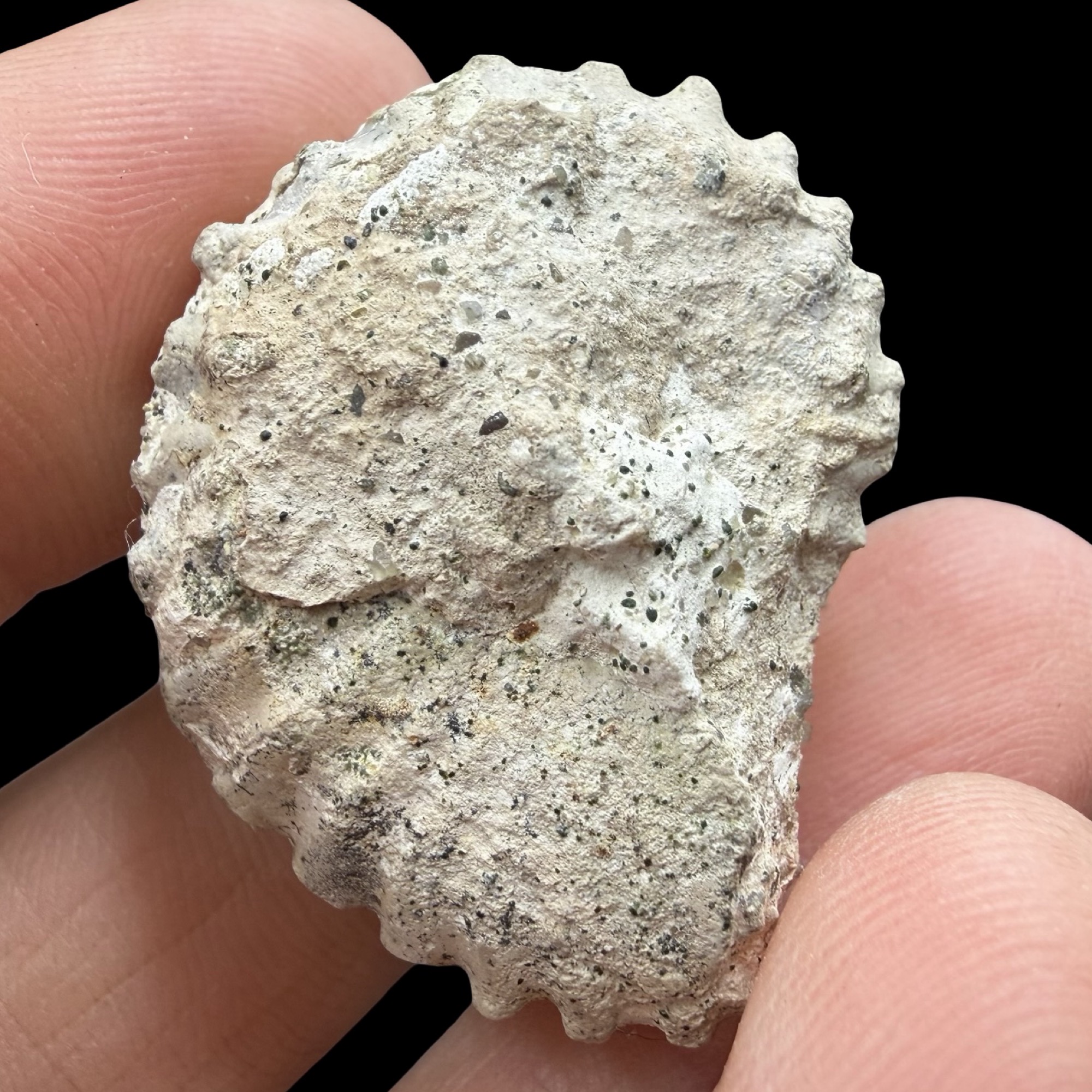
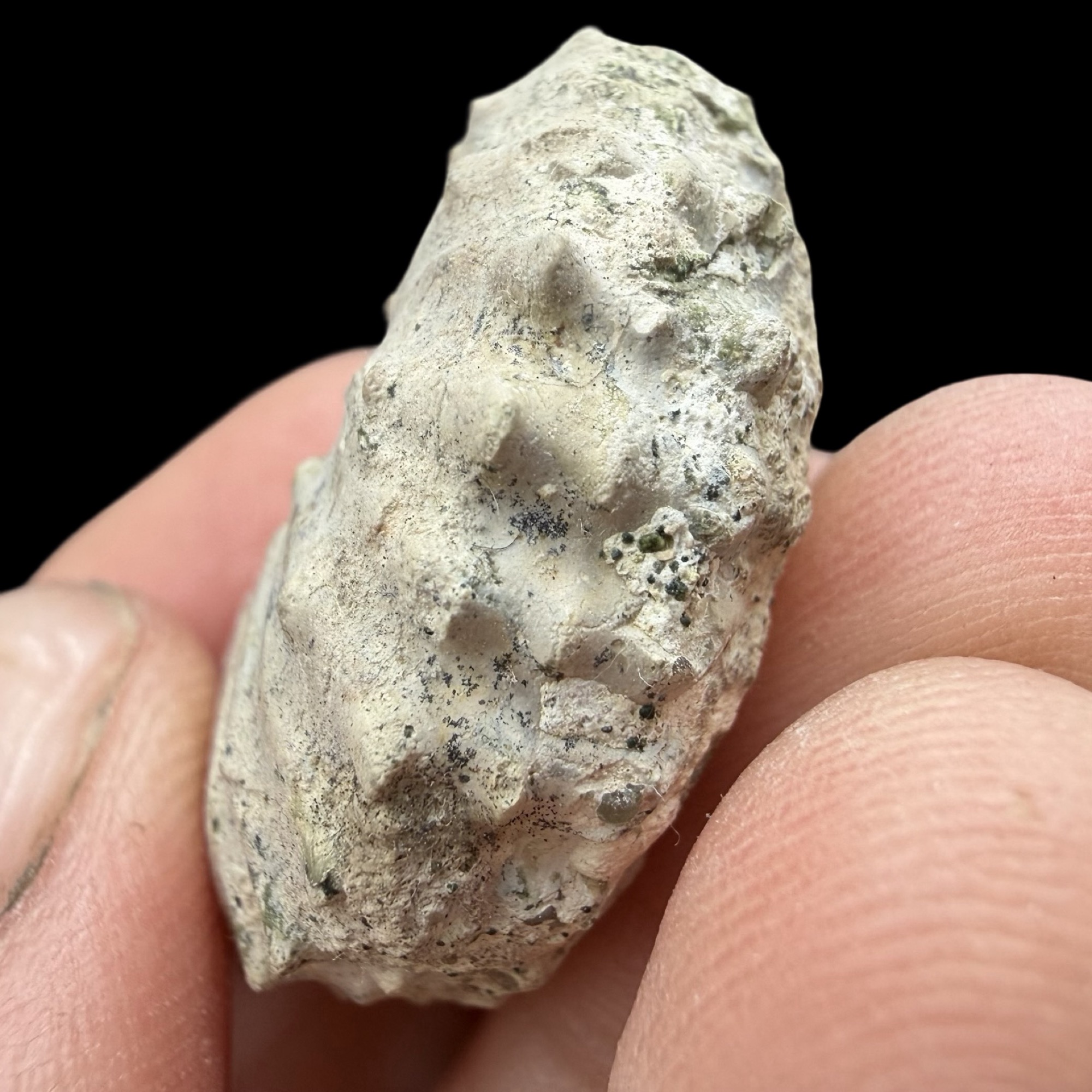
Schloenbachia Ammonite Fossil Cretaceous Devon UK Upper Greensand Genuine British Ammonite Collector Specimen Natural History Display
£ 24.00
GENUINE SCHLOENBACHIA AMMONITE FOSSIL FROM DEVON, UKThis authentic Schloenbachia fossil ammonite originates from the Upper Greensand
Formation at Wilmington in Devon, United Kingdom, and dates to the Upper Cretaceous Period during the Cenomanian Stage, approximately 100–94 million years ago. This specimen represents a classic British ammonite from one of the most significant marine deposits of the Cretaceous seas that once covered southern England.The ammonite preserved in this fossil is part of a group of extinct marine cephalopods that thrived throughout the Mesozoic Era. The photographs show the exact specimen you will receive, carefully selected for collectors and enthusiasts who value genuine geological material.This fossil includes a Certificate of Authenticity lifetime guarantee generic card, confirming that the specimen is a genuine fossil. Please refer to the photographs for full sizing and scale, as they display the actual fossil available for purchase. GEOLOGICAL ORIGIN – UPPER GREENSAND FORMATIONThe fossil comes from the Upper Greensand Formation, a marine sedimentary unit widely exposed across southern England. These rocks were deposited during the Cenomanian Stage of the Late Cretaceous, when a warm shallow sea covered much of the region.The Upper Greensand is composed mainly of glauconitic sandstones and sandy limestones, often containing the green mineral glauconite, which formed in marine environments with slow sediment accumulation. These conditions allowed the preservation of a rich fossil assemblage representing life in the Cretaceous seas.The deposits around Wilmington in Devon are known for producing well-preserved fossils including:
• Ammonites
• Bivalves
• Gastropods
• Echinoderms
• Marine reptile remains
• Various other marine invertebratesThese fossil-bearing layers formed in relatively shallow marine shelf environments, where organisms lived within warm seas connected to the wider Tethyan Ocean. SPECIES IDENTIFICATION AND SCIENTIFIC CLASSIFICATIONThe ammonite belongs to the genus Schloenbachia, a well-known Cretaceous ammonite that is commonly associated with Cenomanian marine strata.Scientific Classification
• Kingdom: Animalia
• Phylum: Mollusca
• Class: Cephalopoda
• Subclass: Ammonoidea
• Order: Ammonitida
• Superfamily: Acanthoceratoidea
• Family: Schloenbachiidae
• Genus: SchloenbachiaThe genus Schloenbachia was formally described by the palaeontologist Adolph von Koenen in 1897, and it remains an important ammonite group used by geologists to identify Cenomanian-aged sedimentary rocks.These ammonites are often associated with the Schloenbachia varians biozone, a widely recognised biostratigraphic marker within Cenomanian marine deposits. SHELL MORPHOLOGY AND DIAGNOSTIC FEATURESAmmonites are recognised by their distinctive spiral coiled shells, which were divided internally into chambers that helped regulate buoyancy. The living animal occupied the outermost chamber while the earlier chambers were sealed by thin walls called septa.Typical features of Schloenbachia ammonites include:
• A strongly coiled planispiral shell
• Prominent ribbing across the whorls
• Rounded whorl cross-sections
• Occasional tubercles or nodules along the ribs
• Complex suture patterns where internal septa meet the outer shell wallThese features give the shell a distinctive sculptured appearance, reflecting both structural reinforcement and evolutionary adaptation.The ribbed shell structure may have provided strength against water pressure while also influencing the animal’s hydrodynamics in the water column. LIFE HABITS OF AMMONITESAmmonites were active marine animals related to modern squid, octopus, and nautilus. They likely lived as free-swimming predators or opportunistic feeders within the marine environment.Their tentacles would have been used to capture prey such as:
• Small fish
• Crustaceans
• Planktonic organisms
• Other small marine invertebratesAmmonites used their chambered shells to regulate buoyancy, allowing them to move vertically through the water column while hunting or avoiding predators.These animals were highly successful and diversified into thousands of species before becoming extinct at the end of the Cretaceous Period approximately 66 million years ago. CRETACEOUS MARINE ECOSYSTEMDuring the Cenomanian Stage, the seas covering southern Britain supported rich marine ecosystems populated by numerous species.The environment in which Schloenbachia lived likely included:
• Ammonites and nautiloids drifting through the water column
• Marine reptiles such as plesiosaurs and early mosasaurs
• Bivalves and gastropods living on the seabed
• Crustaceans and echinoderms inhabiting shallow marine habitats
• Fish and sharks occupying various ecological nichesAmmonites played a central role within these ecosystems as both predators and prey. FOSSIL PRESERVATIONThe ammonite shell was buried within marine sediments after the animal died. Over millions of years, the original shell material was preserved or replaced by minerals during the fossilisation process.Sediment compaction and mineralisation allowed the shell structure to remain intact, preserving the distinctive ribbing and spiral form characteristic of ammonites.The fossil seen today represents a direct remnant of marine life that existed nearly 100 million years ago in the Cretaceous seas of southern England. CERTIFICATE OF AUTHENTICITYThis fossil includes a Certificate of Authenticity lifetime guarantee generic card, confirming that the ammonite is a genuine fossil specimen.Each fossil is carefully selected to ensure collectors receive an authentic and scientifically significant example of prehistoric life. A CLASSIC BRITISH CRETACEOUS AMMONITEAmmonites from the Upper Greensand Formation of Devon are valued among collectors for their historical geological importance and strong preservation. The genus Schloenbachia is particularly significant due to its use in identifying Cenomanian-aged rock layers.This Schloenbachia ammonite fossil from Wilmington, Devon offers a genuine piece of Cretaceous marine history and makes an excellent addition to any fossil collection, natural history display, or geological cabinet.
Formation at Wilmington in Devon, United Kingdom, and dates to the Upper Cretaceous Period during the Cenomanian Stage, approximately 100–94 million years ago. This specimen represents a classic British ammonite from one of the most significant marine deposits of the Cretaceous seas that once covered southern England.The ammonite preserved in this fossil is part of a group of extinct marine cephalopods that thrived throughout the Mesozoic Era. The photographs show the exact specimen you will receive, carefully selected for collectors and enthusiasts who value genuine geological material.This fossil includes a Certificate of Authenticity lifetime guarantee generic card, confirming that the specimen is a genuine fossil. Please refer to the photographs for full sizing and scale, as they display the actual fossil available for purchase. GEOLOGICAL ORIGIN – UPPER GREENSAND FORMATIONThe fossil comes from the Upper Greensand Formation, a marine sedimentary unit widely exposed across southern England. These rocks were deposited during the Cenomanian Stage of the Late Cretaceous, when a warm shallow sea covered much of the region.The Upper Greensand is composed mainly of glauconitic sandstones and sandy limestones, often containing the green mineral glauconite, which formed in marine environments with slow sediment accumulation. These conditions allowed the preservation of a rich fossil assemblage representing life in the Cretaceous seas.The deposits around Wilmington in Devon are known for producing well-preserved fossils including:
• Ammonites
• Bivalves
• Gastropods
• Echinoderms
• Marine reptile remains
• Various other marine invertebratesThese fossil-bearing layers formed in relatively shallow marine shelf environments, where organisms lived within warm seas connected to the wider Tethyan Ocean. SPECIES IDENTIFICATION AND SCIENTIFIC CLASSIFICATIONThe ammonite belongs to the genus Schloenbachia, a well-known Cretaceous ammonite that is commonly associated with Cenomanian marine strata.Scientific Classification
• Kingdom: Animalia
• Phylum: Mollusca
• Class: Cephalopoda
• Subclass: Ammonoidea
• Order: Ammonitida
• Superfamily: Acanthoceratoidea
• Family: Schloenbachiidae
• Genus: SchloenbachiaThe genus Schloenbachia was formally described by the palaeontologist Adolph von Koenen in 1897, and it remains an important ammonite group used by geologists to identify Cenomanian-aged sedimentary rocks.These ammonites are often associated with the Schloenbachia varians biozone, a widely recognised biostratigraphic marker within Cenomanian marine deposits. SHELL MORPHOLOGY AND DIAGNOSTIC FEATURESAmmonites are recognised by their distinctive spiral coiled shells, which were divided internally into chambers that helped regulate buoyancy. The living animal occupied the outermost chamber while the earlier chambers were sealed by thin walls called septa.Typical features of Schloenbachia ammonites include:
• A strongly coiled planispiral shell
• Prominent ribbing across the whorls
• Rounded whorl cross-sections
• Occasional tubercles or nodules along the ribs
• Complex suture patterns where internal septa meet the outer shell wallThese features give the shell a distinctive sculptured appearance, reflecting both structural reinforcement and evolutionary adaptation.The ribbed shell structure may have provided strength against water pressure while also influencing the animal’s hydrodynamics in the water column. LIFE HABITS OF AMMONITESAmmonites were active marine animals related to modern squid, octopus, and nautilus. They likely lived as free-swimming predators or opportunistic feeders within the marine environment.Their tentacles would have been used to capture prey such as:
• Small fish
• Crustaceans
• Planktonic organisms
• Other small marine invertebratesAmmonites used their chambered shells to regulate buoyancy, allowing them to move vertically through the water column while hunting or avoiding predators.These animals were highly successful and diversified into thousands of species before becoming extinct at the end of the Cretaceous Period approximately 66 million years ago. CRETACEOUS MARINE ECOSYSTEMDuring the Cenomanian Stage, the seas covering southern Britain supported rich marine ecosystems populated by numerous species.The environment in which Schloenbachia lived likely included:
• Ammonites and nautiloids drifting through the water column
• Marine reptiles such as plesiosaurs and early mosasaurs
• Bivalves and gastropods living on the seabed
• Crustaceans and echinoderms inhabiting shallow marine habitats
• Fish and sharks occupying various ecological nichesAmmonites played a central role within these ecosystems as both predators and prey. FOSSIL PRESERVATIONThe ammonite shell was buried within marine sediments after the animal died. Over millions of years, the original shell material was preserved or replaced by minerals during the fossilisation process.Sediment compaction and mineralisation allowed the shell structure to remain intact, preserving the distinctive ribbing and spiral form characteristic of ammonites.The fossil seen today represents a direct remnant of marine life that existed nearly 100 million years ago in the Cretaceous seas of southern England. CERTIFICATE OF AUTHENTICITYThis fossil includes a Certificate of Authenticity lifetime guarantee generic card, confirming that the ammonite is a genuine fossil specimen.Each fossil is carefully selected to ensure collectors receive an authentic and scientifically significant example of prehistoric life. A CLASSIC BRITISH CRETACEOUS AMMONITEAmmonites from the Upper Greensand Formation of Devon are valued among collectors for their historical geological importance and strong preservation. The genus Schloenbachia is particularly significant due to its use in identifying Cenomanian-aged rock layers.This Schloenbachia ammonite fossil from Wilmington, Devon offers a genuine piece of Cretaceous marine history and makes an excellent addition to any fossil collection, natural history display, or geological cabinet.
Other Products