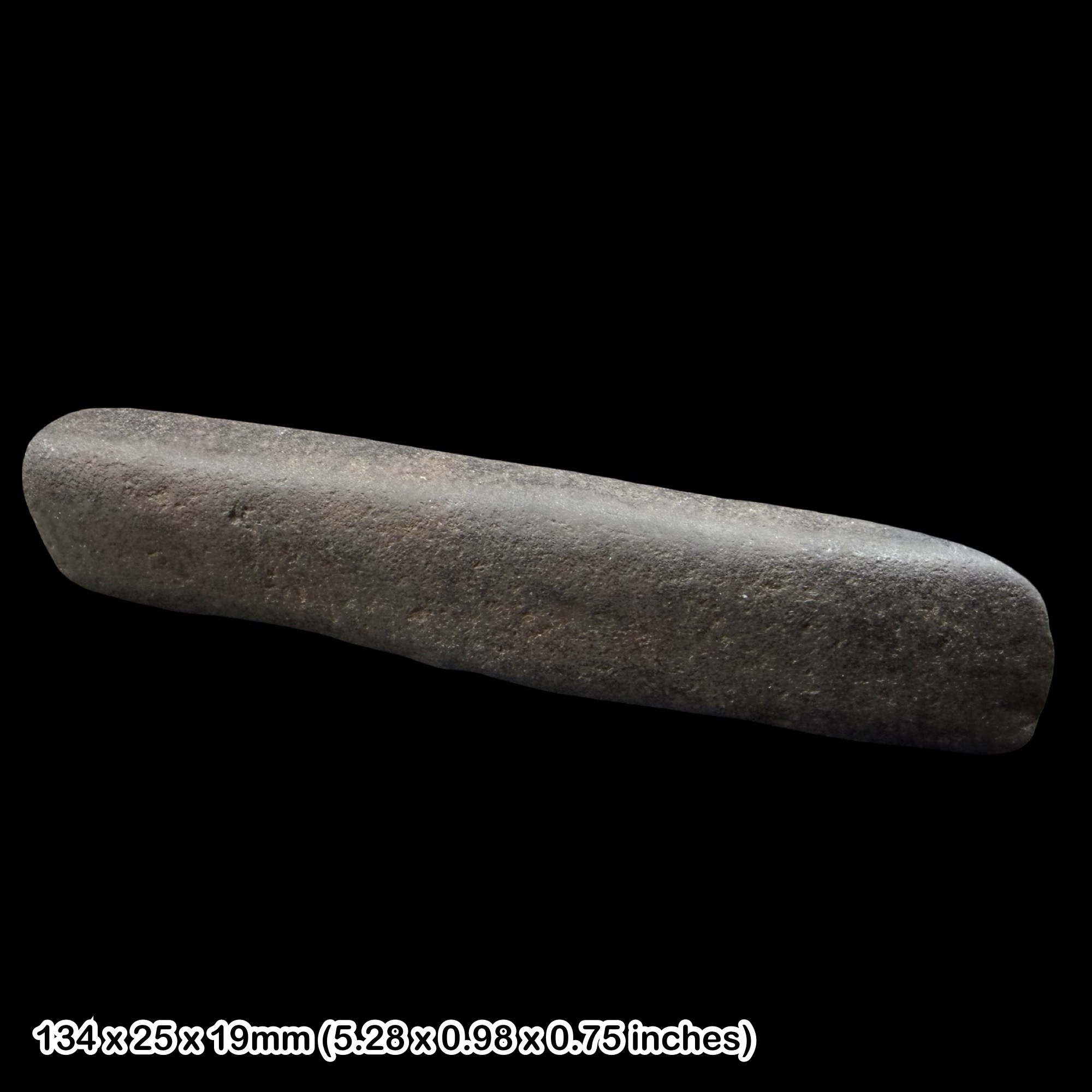
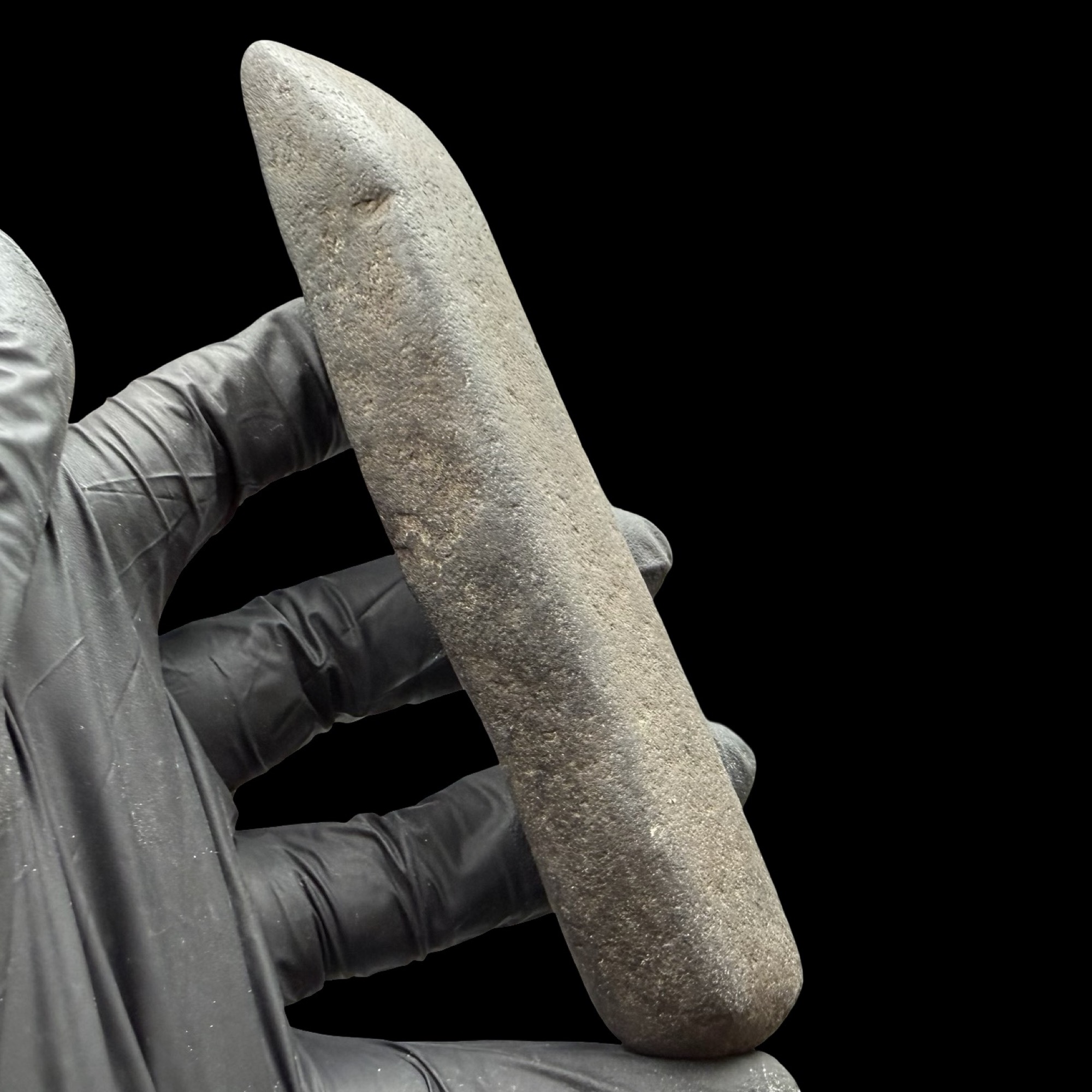
18th 19th Century Hone Stone Whetstone Sharpening Tool Ilkley Yorkshire Find River Found Antique Artefact with Certificate
£ 24.00
GENUINE 18TH TO 19TH CENTURY HONE STONE WHETSTONEThis carefully chosen hone stone, also known as a whetstone or sharpening stone,
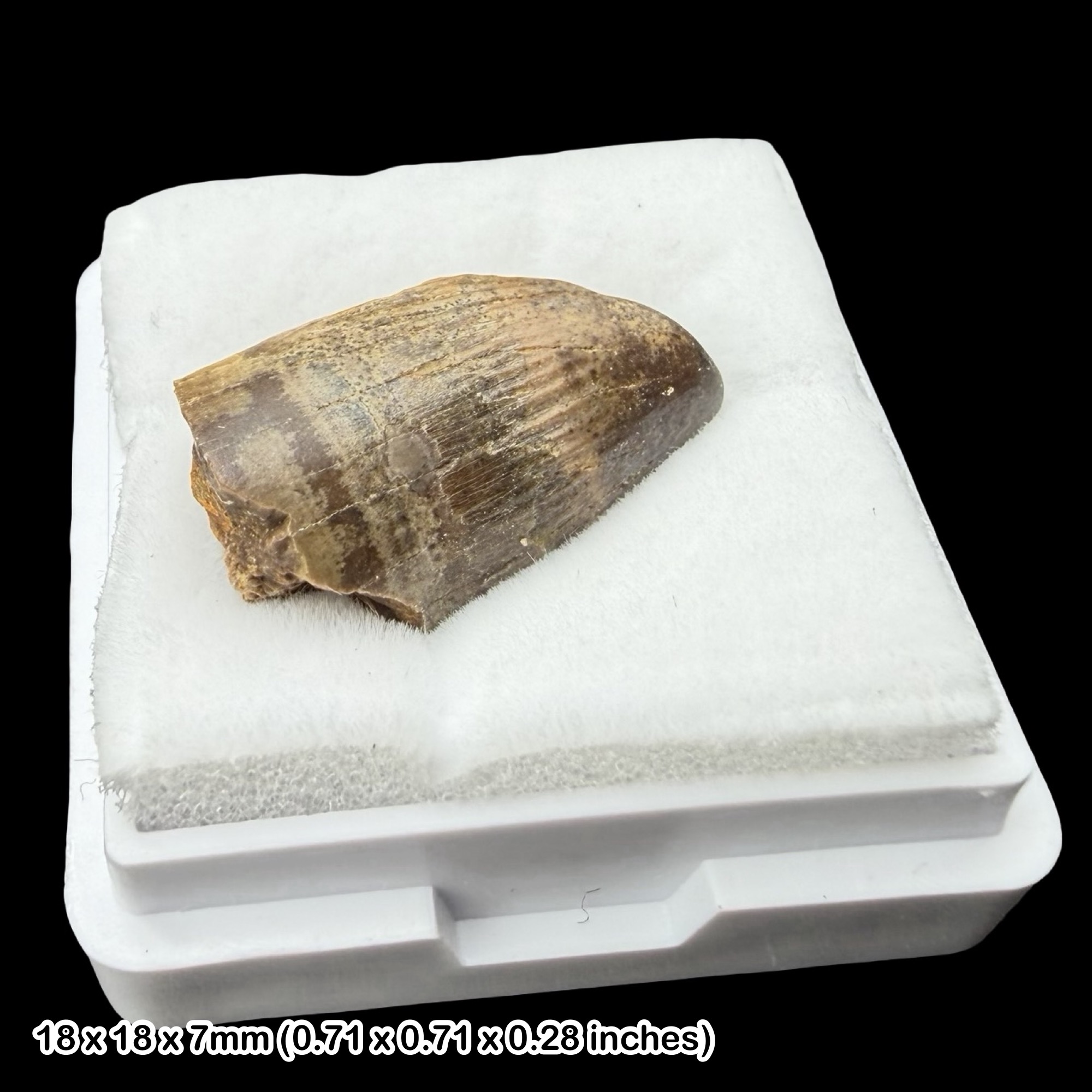
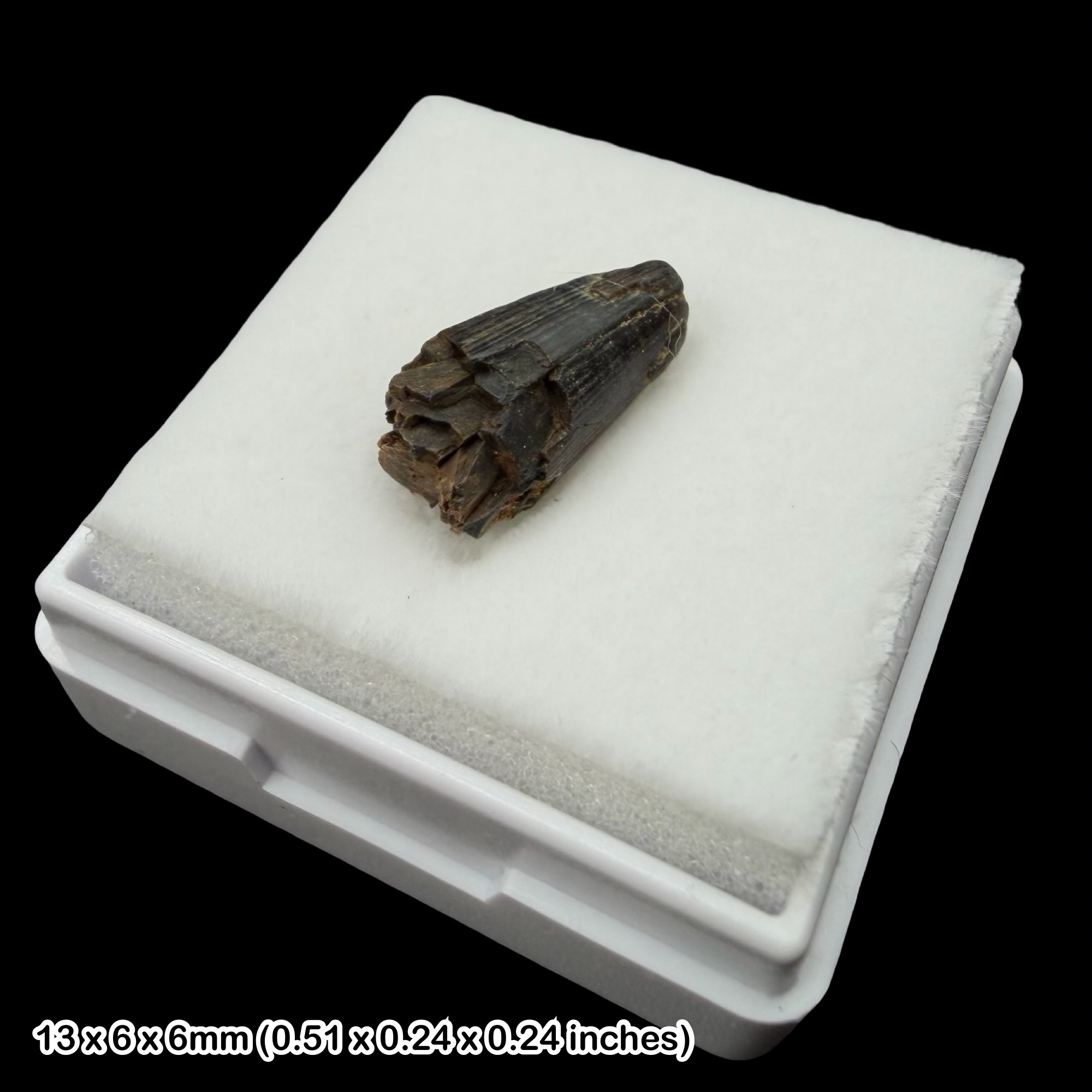
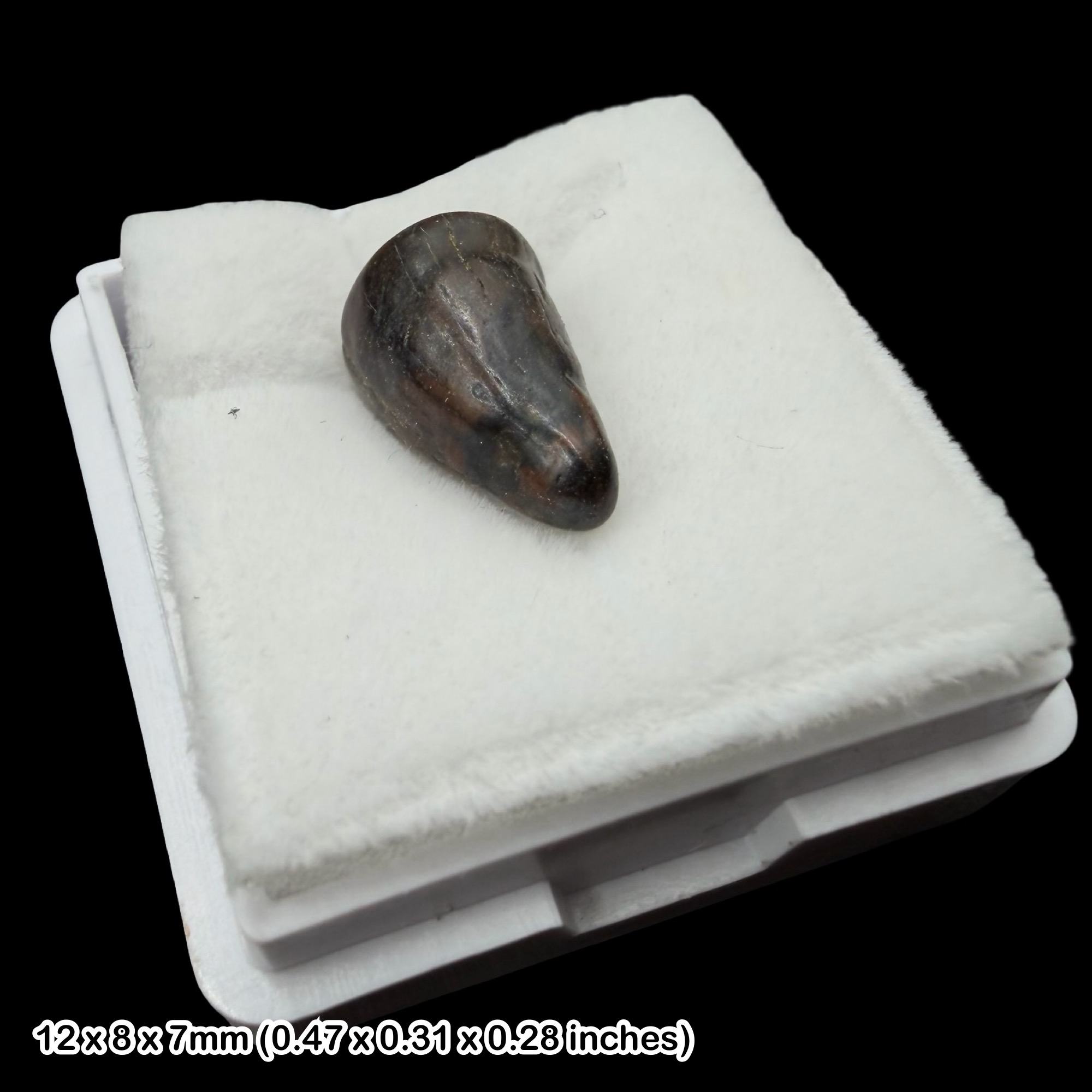
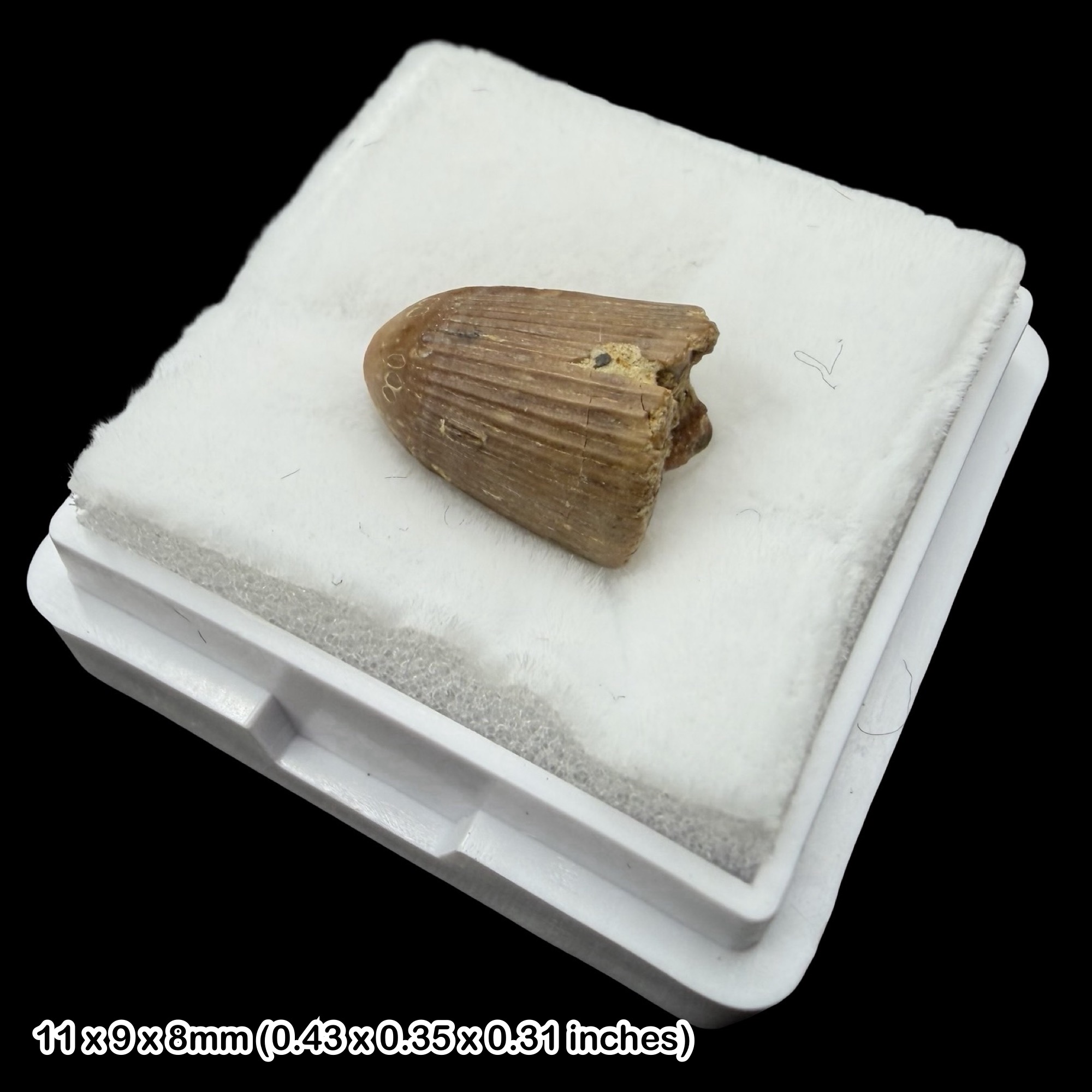
is a genuine historical artefact dating to the 18th–19th century. It was found in a river at Ilkley, Yorkshire, in March 2002, giving it a clear and appealing British find history. Practical tools of this type were once essential everyday objects, used for sharpening knives, blades, cutting tools, farm implements, workshop tools, and domestic utensils.The photo shows the actual artefact you will receive, allowing you to view its shape, surface wear, colour, texture, patina, and overall preservation before purchase. Full sizing can be seen in the photo. This artefact is a genuine specimen and includes a Certificate of Authenticity lifetime guarantee generic card. FOUND IN THE RIVER AT ILKLEY, YORKSHIREThis whetstone was recovered from a river at Ilkley in Yorkshire, an area with a long history of settlement, rural work, riverside activity, travel, and industry. Ilkley is well known for its historic landscape, with the River Wharfe running through the town and the surrounding area linked to agriculture, trade, transport, and everyday working life over many centuries.River finds often develop a distinctive surface character through contact with flowing water, sediment, minerals, and natural abrasion. The smoothing, colour variation, staining, edge wear, and aged surface visible on an object of this type can all contribute to its historic appeal. These features help tell the story of an item that was once used, lost, discarded, or deposited, then preserved in a natural riverside environment. ARTEFACT TYPE AND PRACTICAL USEA hone stone or whetstone is a sharpening tool made from abrasive stone. Before modern disposable blades and electric sharpening equipment, stones like this were vital tools in homes, farms, workshops, kitchens, and trades. They were used to maintain sharp edges on knives, sickles, scythes, chisels, razors, woodworking tools, leatherworking tools, and other bladed implements.The word “whetstone” comes from “whet,” meaning to sharpen. These tools were usually used with water or oil to help carry away metal particles and create a smoother sharpening action. Repeated use often produced worn faces, softened edges, grooves, flattened surfaces, or polished areas where blades were drawn across the stone. Such wear is part of the charm and authenticity of a historic sharpening tool. MATERIAL, GEOLOGY AND CONSTRUCTIONHone stones were commonly made from fine-grained abrasive rock, selected for its ability to sharpen metal effectively. Depending on the source material, examples may be composed of sandstone, siltstone, slate, schist, novaculite-like stone, or other naturally abrasive sedimentary or metamorphic rocks. The ideal stone needed a fine, even texture hard enough to abrade metal but controlled enough to create a usable cutting edge.This artefact would have been shaped from a naturally suitable stone and used by hand. Many whetstones were simple rectangular or elongated forms, while others became rounded or irregular through wear, use, breakage, and time in the ground or water. The practical form reflects its function: a tool made for regular handling, repeated sharpening, and long service in everyday working life. HISTORICAL INTEREST AND COLLECTABLE APPEALThis 18th–19th century hone stone is an excellent artefact for collectors interested in antique tools, Georgian and Victorian period objects, British social history, rural life, agricultural tools, workshop equipment, and river-found artefacts. Unlike decorative antiques, a whetstone represents the practical side of history, connecting directly to the people who worked with hand tools, prepared food, maintained blades, and relied on simple durable objects in daily life.With its Ilkley Yorkshire river find provenance, March 2002 discovery history, genuine aged surface, and Certificate of Authenticity, this whetstone is a highly characterful historical display piece. It would sit well in a cabinet of curiosities, local history collection, antique tool display, educational handling collection, museum-style arrangement, or as a thoughtful gift for someone interested in British artefacts and traditional working tools.
is a genuine historical artefact dating to the 18th–19th century. It was found in a river at Ilkley, Yorkshire, in March 2002, giving it a clear and appealing British find history. Practical tools of this type were once essential everyday objects, used for sharpening knives, blades, cutting tools, farm implements, workshop tools, and domestic utensils.The photo shows the actual artefact you will receive, allowing you to view its shape, surface wear, colour, texture, patina, and overall preservation before purchase. Full sizing can be seen in the photo. This artefact is a genuine specimen and includes a Certificate of Authenticity lifetime guarantee generic card. FOUND IN THE RIVER AT ILKLEY, YORKSHIREThis whetstone was recovered from a river at Ilkley in Yorkshire, an area with a long history of settlement, rural work, riverside activity, travel, and industry. Ilkley is well known for its historic landscape, with the River Wharfe running through the town and the surrounding area linked to agriculture, trade, transport, and everyday working life over many centuries.River finds often develop a distinctive surface character through contact with flowing water, sediment, minerals, and natural abrasion. The smoothing, colour variation, staining, edge wear, and aged surface visible on an object of this type can all contribute to its historic appeal. These features help tell the story of an item that was once used, lost, discarded, or deposited, then preserved in a natural riverside environment. ARTEFACT TYPE AND PRACTICAL USEA hone stone or whetstone is a sharpening tool made from abrasive stone. Before modern disposable blades and electric sharpening equipment, stones like this were vital tools in homes, farms, workshops, kitchens, and trades. They were used to maintain sharp edges on knives, sickles, scythes, chisels, razors, woodworking tools, leatherworking tools, and other bladed implements.The word “whetstone” comes from “whet,” meaning to sharpen. These tools were usually used with water or oil to help carry away metal particles and create a smoother sharpening action. Repeated use often produced worn faces, softened edges, grooves, flattened surfaces, or polished areas where blades were drawn across the stone. Such wear is part of the charm and authenticity of a historic sharpening tool. MATERIAL, GEOLOGY AND CONSTRUCTIONHone stones were commonly made from fine-grained abrasive rock, selected for its ability to sharpen metal effectively. Depending on the source material, examples may be composed of sandstone, siltstone, slate, schist, novaculite-like stone, or other naturally abrasive sedimentary or metamorphic rocks. The ideal stone needed a fine, even texture hard enough to abrade metal but controlled enough to create a usable cutting edge.This artefact would have been shaped from a naturally suitable stone and used by hand. Many whetstones were simple rectangular or elongated forms, while others became rounded or irregular through wear, use, breakage, and time in the ground or water. The practical form reflects its function: a tool made for regular handling, repeated sharpening, and long service in everyday working life. HISTORICAL INTEREST AND COLLECTABLE APPEALThis 18th–19th century hone stone is an excellent artefact for collectors interested in antique tools, Georgian and Victorian period objects, British social history, rural life, agricultural tools, workshop equipment, and river-found artefacts. Unlike decorative antiques, a whetstone represents the practical side of history, connecting directly to the people who worked with hand tools, prepared food, maintained blades, and relied on simple durable objects in daily life.With its Ilkley Yorkshire river find provenance, March 2002 discovery history, genuine aged surface, and Certificate of Authenticity, this whetstone is a highly characterful historical display piece. It would sit well in a cabinet of curiosities, local history collection, antique tool display, educational handling collection, museum-style arrangement, or as a thoughtful gift for someone interested in British artefacts and traditional working tools.
Other Products