Libyan Desert Glass Genuine Sahara Impact Glass Meteorite Specimen with Certificate of Authenticity
£ 42.00
GENUINE LIBYAN DESERT GLASS – SAHARA DESERT IMPACT GLASSThis Libyan Desert Glass specimen is a genuine natural impact glass formed in
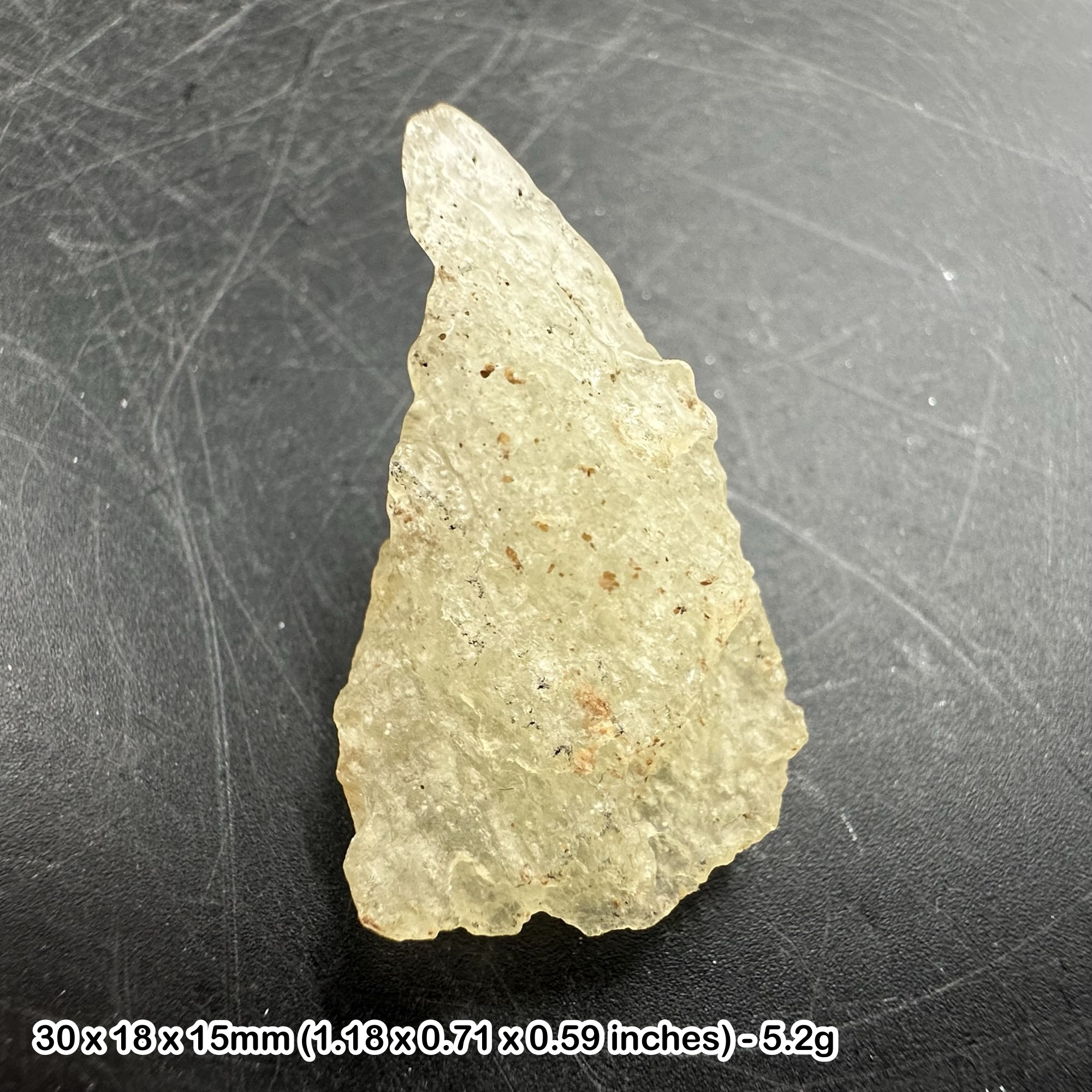
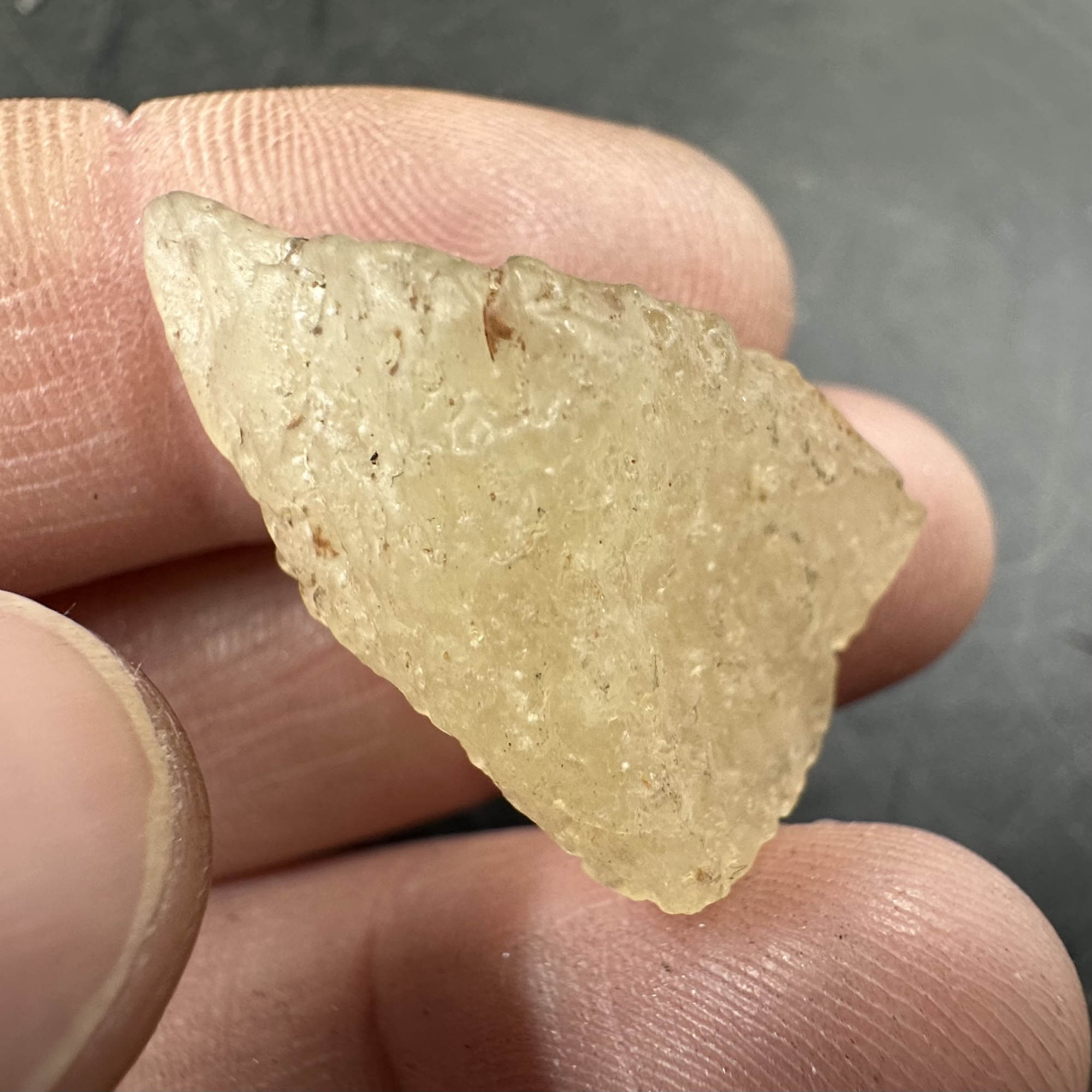
the Sahara Desert and carefully selected for quality, colour and surface character. The photographs provided show the exact specimen you will receive, offering complete transparency and confidence in your purchase. Please refer to the images for full sizing details and scale.This specimen includes a Certificate of Authenticity lifetime guarantee generic card confirming that it is a genuine Libyan Desert Glass example from the Sahara region. CLASSIFICATION – IMPACT GLASS ASSOCIATED WITH METEORITE EVENTLibyan Desert Glass, also known as Great Sand Sea Glass, is a natural silica-rich impactite formed as the result of an ancient meteorite impact event. While not a meteorite fragment itself, it is directly linked to extraterrestrial impact processes and is classified as terrestrial impact glass.Material Type: Natural silica impact glassComposition: Predominantly silicon dioxide (SiO₂), often exceeding 95% purityGeological Epoch: OligoceneEstimated Age: Approximately 29 million yearsLocation: Great Sand Sea, eastern Sahara Desert (Libya–Egypt border region)The glass formed when an incoming meteorite generated extreme temperatures, melting quartz-rich desert sands. Rapid cooling of this molten material created the translucent to transparent glass now found scattered across a vast strewn field. GEOLOGICAL FORMATION & DEPOSITIONAL ENVIRONMENTThe Libyan Desert Glass strewn field extends across hundreds of square kilometres within the Great Sand Sea. The depositional environment is an arid desert setting dominated by quartz sand dunes. The original impact event is believed to have generated temperatures exceeding 1700°C, sufficient to melt surface silica without producing extensive volcanic material.Unlike typical volcanic glass such as obsidian, Libyan Desert Glass contains minimal crystallisation and is chemically distinct. Geochemical analyses and isotopic studies conducted by research institutions studying impact processes support its extraterrestrial impact origin.The precise crater source remains debated, though the nearby Kebira crater structure has been proposed as a possible candidate. MORPHOLOGY & NOTABLE TRAITSLibyan Desert Glass typically occurs as irregular fragments, rounded nodules or naturally sculpted forms shaped by prolonged desert wind erosion. Its morphology may include:
• Smooth, wind-polished surfaces
• Natural pitting and abrasion marks
• Conchoidal fracture patterns
• Internal bubbles and flow lines from rapid coolingColour ranges from pale straw-yellow and champagne tones to deeper golden honey hues. Transparency varies from fully transparent to translucent depending on thickness and internal features. The lustre is vitreous, with light passing beautifully through clearer sections.Surface textures often reflect thousands of years of aeolian weathering, giving each piece a naturally sculpted appearance unique to desert conditions. HISTORICAL & SCIENTIFIC SIGNIFICANCELibyan Desert Glass has been known since antiquity and was highly valued in ancient Egypt. A carved scarab made from this material was famously discovered in the pectoral jewellery of Pharaoh Tutankhamun, demonstrating its historical importance.Scientifically, it represents one of the purest natural silica glasses known and provides insight into high-energy impact events and planetary surface processes. Its formation offers valuable data for understanding impact-generated melting on Earth and other planetary bodies. COLLECTIBLE METEORITE-RELATED SPECIMENLibyan Desert Glass is highly sought after by meteorite collectors, impactite enthusiasts and mineral collectors worldwide due to its direct association with a prehistoric cosmic impact. Each specimen displays natural variation in shape, colour and clarity, making every piece unique.The specimen shown in the photographs is the exact item you will receive. AUTHENTICITY & PRESENTATIONThis Sahara Desert impact glass has been carefully chosen for authenticity, clarity and visual appeal. Included is a Certificate of Authenticity lifetime guarantee generic card confirming that the specimen is genuine Libyan Desert Glass.A remarkable natural product of an ancient meteorite impact, this Libyan Desert Glass specimen combines geological significance, desert provenance and collectible appeal in one carefully selected piece.
the Sahara Desert and carefully selected for quality, colour and surface character. The photographs provided show the exact specimen you will receive, offering complete transparency and confidence in your purchase. Please refer to the images for full sizing details and scale.This specimen includes a Certificate of Authenticity lifetime guarantee generic card confirming that it is a genuine Libyan Desert Glass example from the Sahara region. CLASSIFICATION – IMPACT GLASS ASSOCIATED WITH METEORITE EVENTLibyan Desert Glass, also known as Great Sand Sea Glass, is a natural silica-rich impactite formed as the result of an ancient meteorite impact event. While not a meteorite fragment itself, it is directly linked to extraterrestrial impact processes and is classified as terrestrial impact glass.Material Type: Natural silica impact glassComposition: Predominantly silicon dioxide (SiO₂), often exceeding 95% purityGeological Epoch: OligoceneEstimated Age: Approximately 29 million yearsLocation: Great Sand Sea, eastern Sahara Desert (Libya–Egypt border region)The glass formed when an incoming meteorite generated extreme temperatures, melting quartz-rich desert sands. Rapid cooling of this molten material created the translucent to transparent glass now found scattered across a vast strewn field. GEOLOGICAL FORMATION & DEPOSITIONAL ENVIRONMENTThe Libyan Desert Glass strewn field extends across hundreds of square kilometres within the Great Sand Sea. The depositional environment is an arid desert setting dominated by quartz sand dunes. The original impact event is believed to have generated temperatures exceeding 1700°C, sufficient to melt surface silica without producing extensive volcanic material.Unlike typical volcanic glass such as obsidian, Libyan Desert Glass contains minimal crystallisation and is chemically distinct. Geochemical analyses and isotopic studies conducted by research institutions studying impact processes support its extraterrestrial impact origin.The precise crater source remains debated, though the nearby Kebira crater structure has been proposed as a possible candidate. MORPHOLOGY & NOTABLE TRAITSLibyan Desert Glass typically occurs as irregular fragments, rounded nodules or naturally sculpted forms shaped by prolonged desert wind erosion. Its morphology may include:
• Smooth, wind-polished surfaces
• Natural pitting and abrasion marks
• Conchoidal fracture patterns
• Internal bubbles and flow lines from rapid coolingColour ranges from pale straw-yellow and champagne tones to deeper golden honey hues. Transparency varies from fully transparent to translucent depending on thickness and internal features. The lustre is vitreous, with light passing beautifully through clearer sections.Surface textures often reflect thousands of years of aeolian weathering, giving each piece a naturally sculpted appearance unique to desert conditions. HISTORICAL & SCIENTIFIC SIGNIFICANCELibyan Desert Glass has been known since antiquity and was highly valued in ancient Egypt. A carved scarab made from this material was famously discovered in the pectoral jewellery of Pharaoh Tutankhamun, demonstrating its historical importance.Scientifically, it represents one of the purest natural silica glasses known and provides insight into high-energy impact events and planetary surface processes. Its formation offers valuable data for understanding impact-generated melting on Earth and other planetary bodies. COLLECTIBLE METEORITE-RELATED SPECIMENLibyan Desert Glass is highly sought after by meteorite collectors, impactite enthusiasts and mineral collectors worldwide due to its direct association with a prehistoric cosmic impact. Each specimen displays natural variation in shape, colour and clarity, making every piece unique.The specimen shown in the photographs is the exact item you will receive. AUTHENTICITY & PRESENTATIONThis Sahara Desert impact glass has been carefully chosen for authenticity, clarity and visual appeal. Included is a Certificate of Authenticity lifetime guarantee generic card confirming that the specimen is genuine Libyan Desert Glass.A remarkable natural product of an ancient meteorite impact, this Libyan Desert Glass specimen combines geological significance, desert provenance and collectible appeal in one carefully selected piece.