Tiger Eye Crystal Pyramid Polished Golden Brown Chatoyant Quartz Mineral Specimen Display Stone Collectors Crystal Carving Gift
£ 8.10
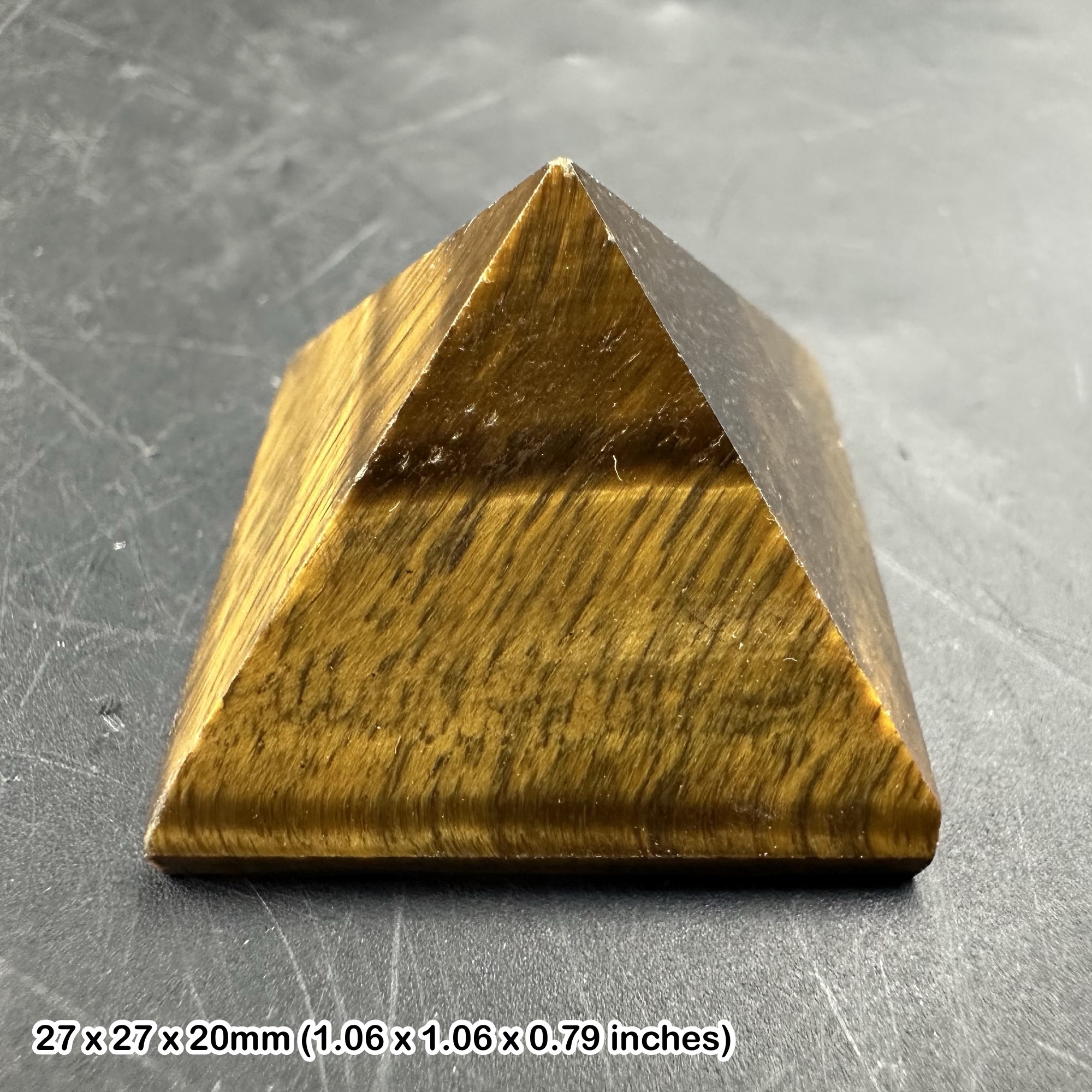
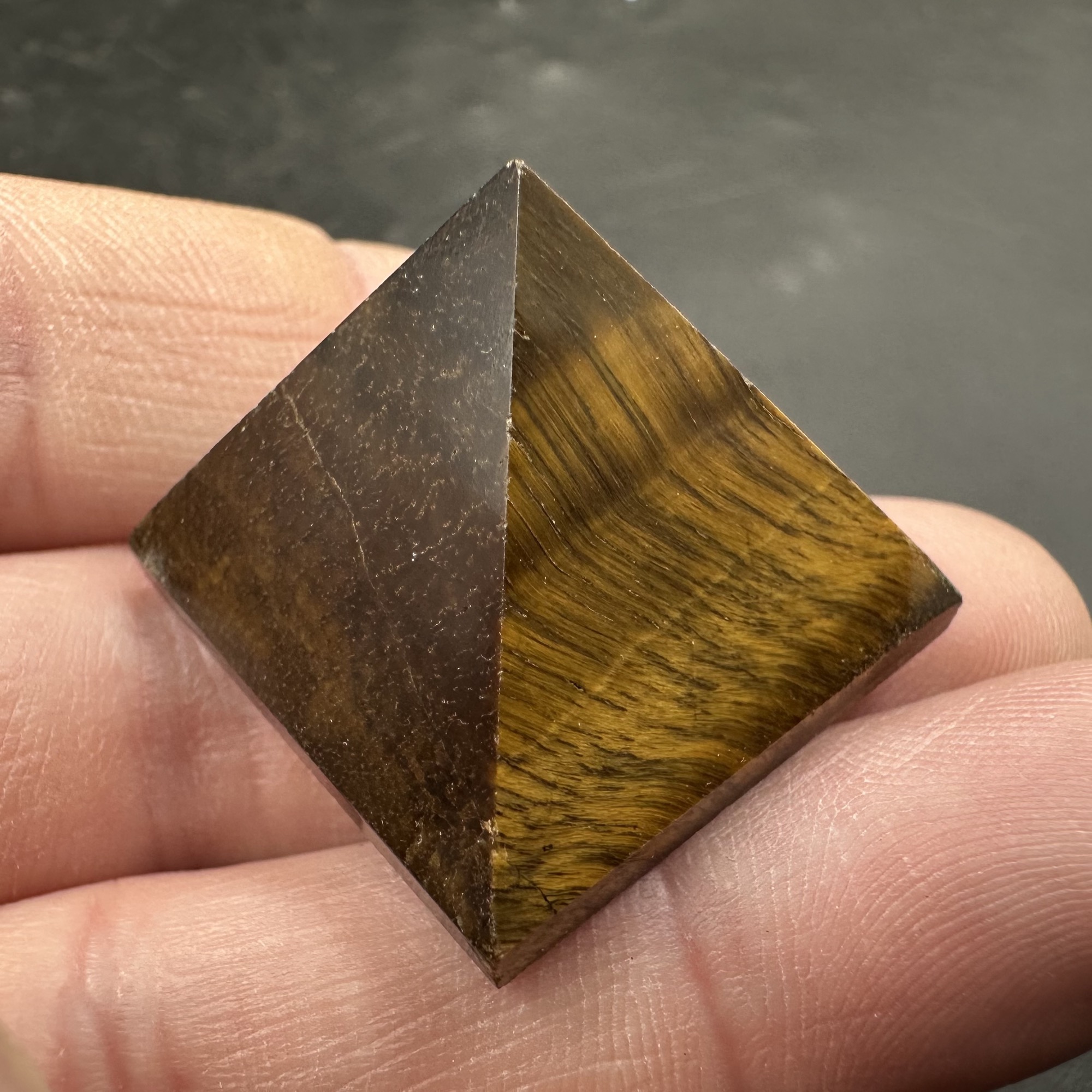
TIGER EYE CRYSTAL PYRAMID – POLISHED NATURAL CHATOYANT QUARTZ MINERALThis Tiger Eye Crystal Pyramid is a carefully polished mineral carving
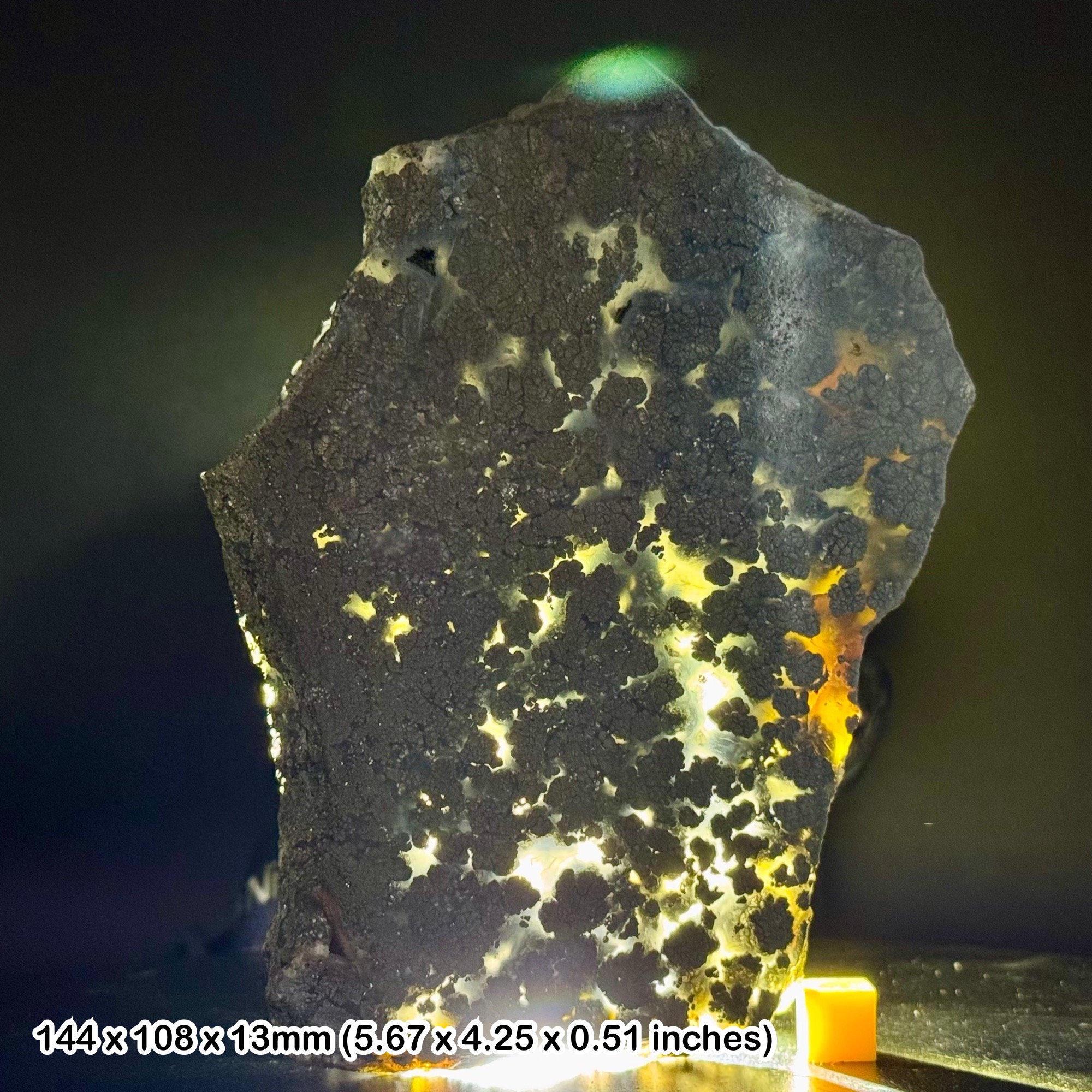
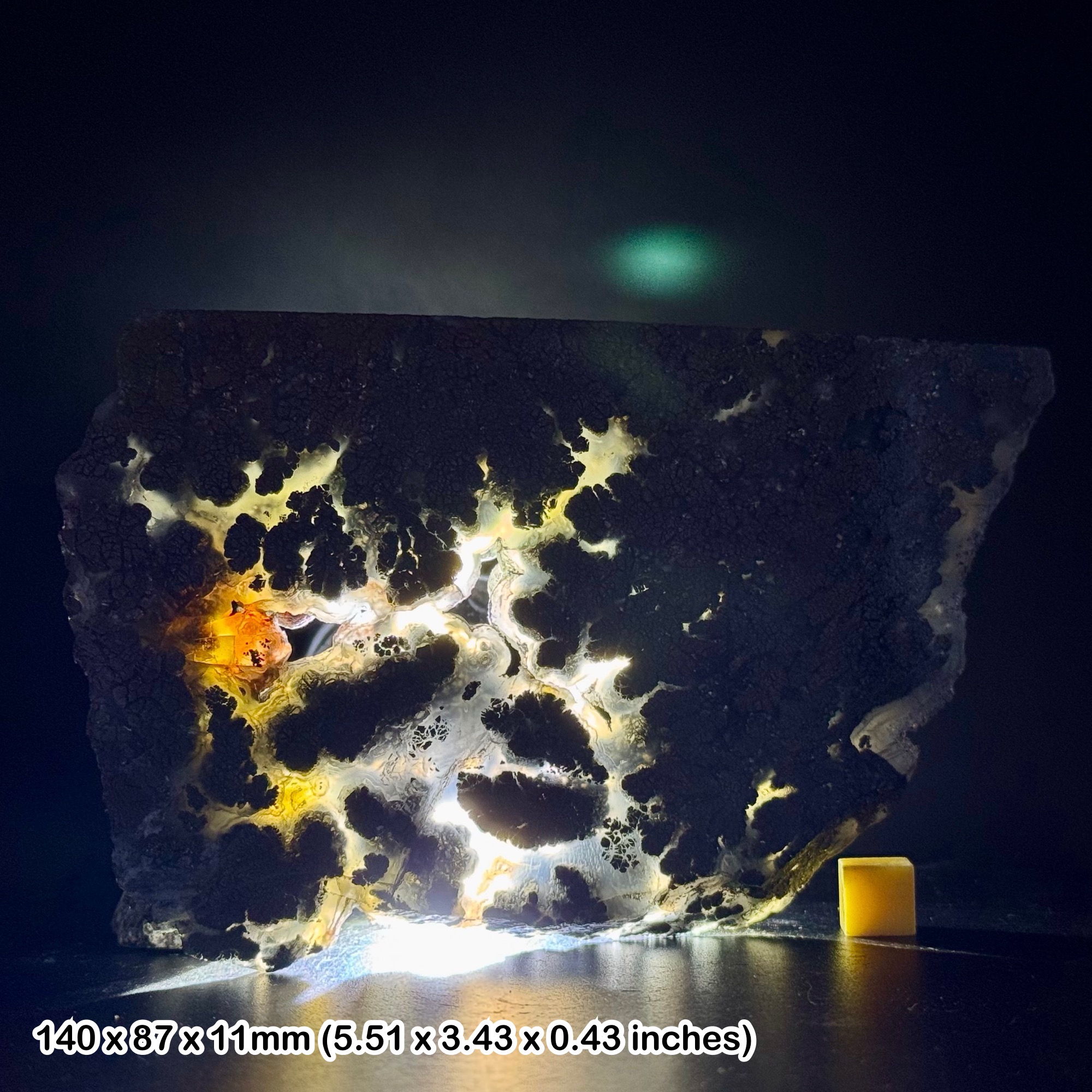
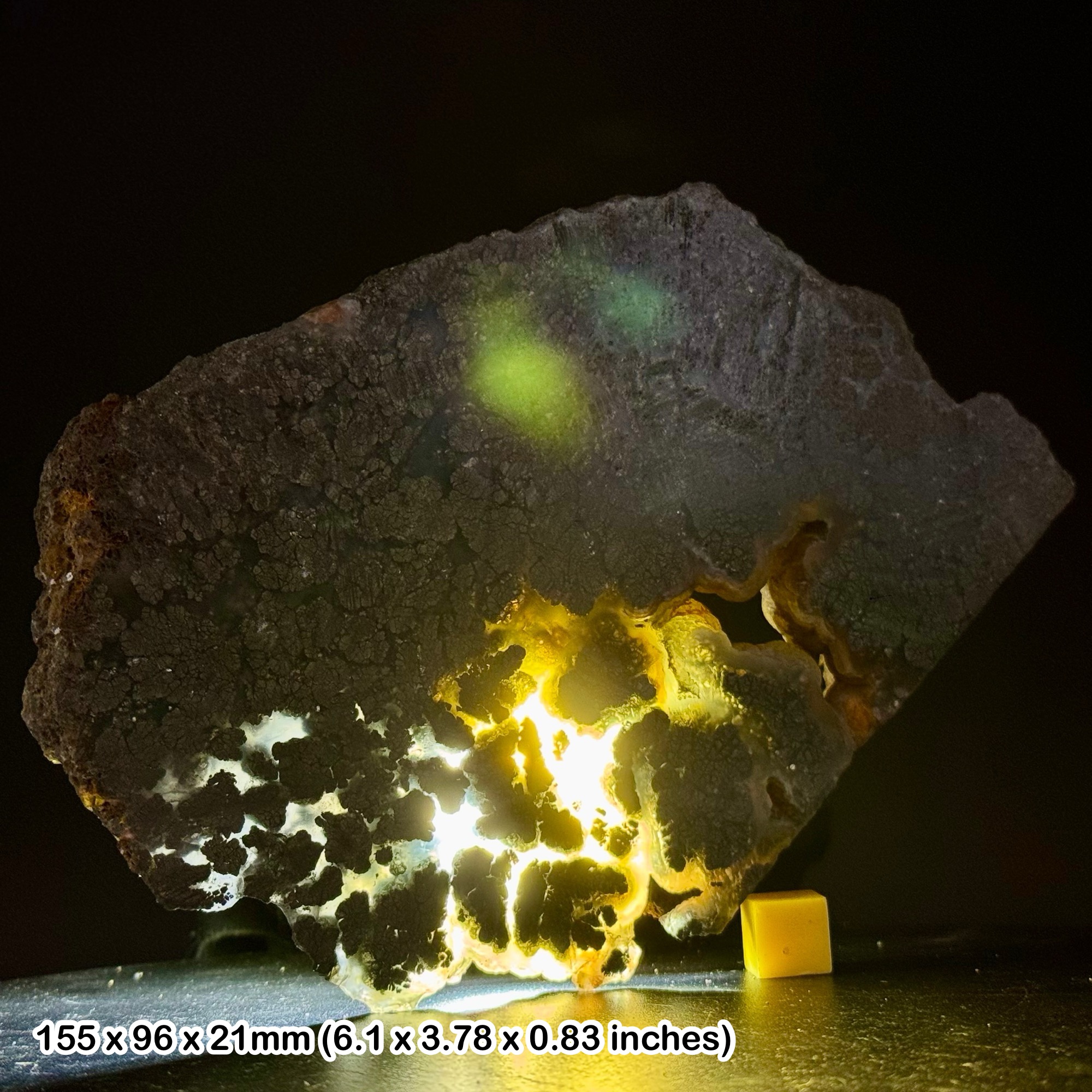
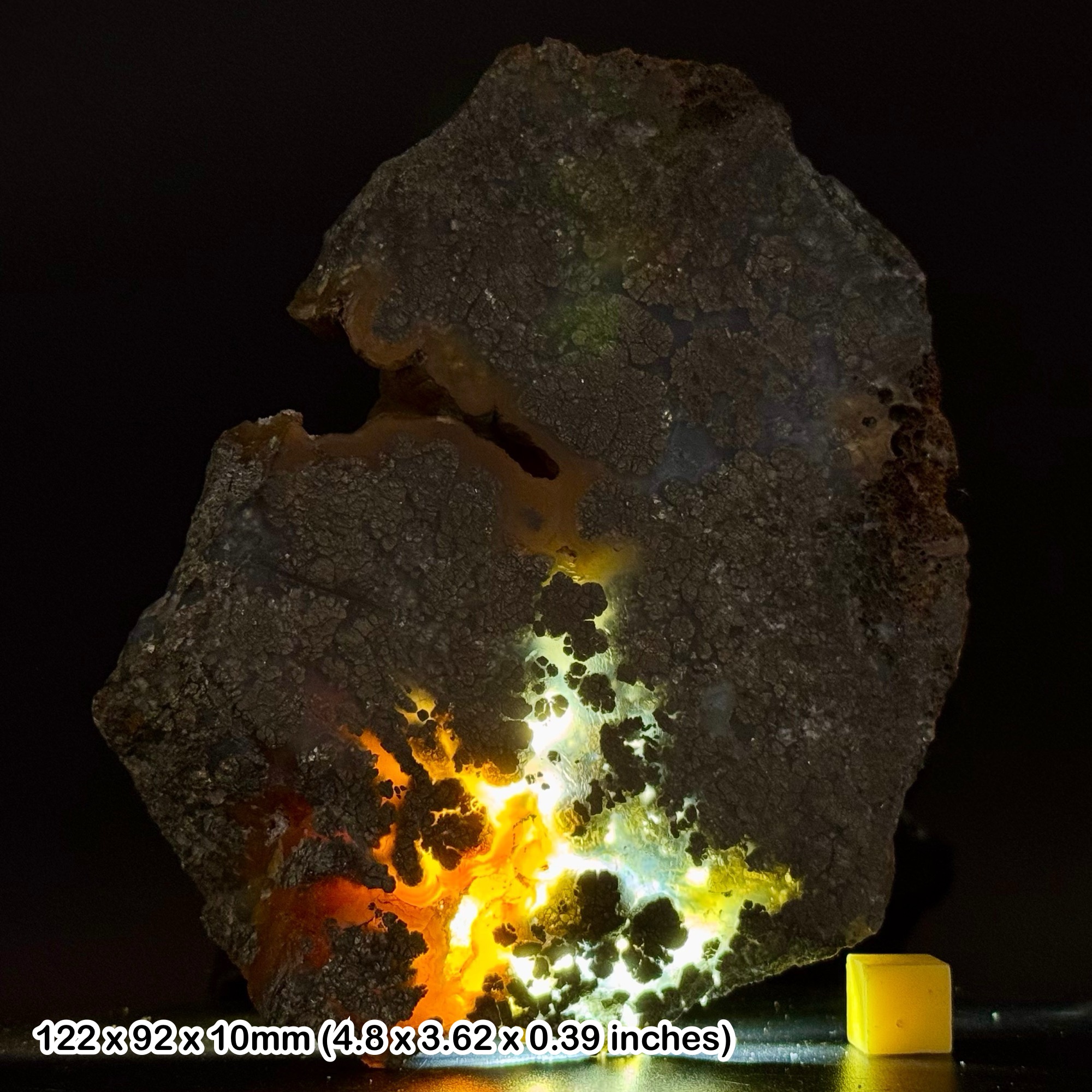
displaying the rich golden brown tones and distinctive optical shimmer that make tiger eye one of the most recognisable decorative stones. The pyramid shape highlights the natural banding within the stone while allowing the chatoyant effect to catch light from multiple angles.The listing photographs show the exact specimen you will receive, ensuring collectors can clearly view the natural patterns, colour variation, and surface polish of the crystal before purchase.This crystal is a genuine specimen and includes a Certificate of Authenticity lifetime guarantee generic card, confirming its authenticity as a real mineral specimen suitable for collectors, crystal enthusiasts, and decorative mineral displays.Full sizing details can be found in the listing photographs. MINERAL TYPE AND GEOLOGICAL CLASSIFICATIONTiger Eye is a variety of quartz belonging to the silicate mineral group, with the chemical composition SiO₂ (silicon dioxide). It forms through a geological process known as pseudomorphism, where the fibrous structure of the mineral crocidolite is gradually replaced by silica while maintaining the original fibrous texture.During this transformation process, iron present in the original crocidolite oxidises, producing the characteristic golden to reddish-brown colours associated with tiger eye.The fibrous internal structure of the stone causes a distinctive optical effect called chatoyancy, often described as a moving band of reflected light that resembles the eye of a cat or tiger. This effect becomes especially visible when the stone is polished, as the surface reflects light across the aligned mineral fibres.Quartz, the primary mineral component, crystallises in the trigonal crystal system, although tiger eye itself typically appears in compact fibrous masses rather than visible crystal formations. APPEARANCE AND NATURAL OPTICAL EFFECTSTiger eye is widely recognised for its unique visual qualities and striking colour patterns. The stone often displays alternating bands of gold, bronze, and brown tones that shift subtly depending on lighting and viewing angle.Common visual characteristics include:
• Colour: Golden brown, bronze, honey, and dark brown tones
• Optical Effect: Chatoyancy caused by parallel fibrous mineral structure
• Transparency: Opaque
• Lustre: Silky to vitreous when polished
• Structure: Fibrous quartz replacing crocidolite fibresThe reflective banding effect moves across the surface as the light changes, giving the stone its distinctive appearance and making it popular for carved mineral objects and decorative pieces. PYRAMID SHAPE AND LAPIDARY CRAFTSMANSHIPThe pyramid is a classic geometric form often used in stone carving. The symmetrical four-sided structure provides flat polished surfaces that allow the natural banding and chatoyant effect of tiger eye to be displayed from multiple angles.Polishing enhances the reflective qualities of the mineral, bringing out the natural contrast between the golden bands and darker brown layers within the stone. Because the internal fibre structure varies in each piece of tiger eye, every pyramid displays a unique pattern of colour and shimmer.The pyramid shape also makes the specimen easy to display in mineral cabinets, on desks, shelves, or alongside other crystal carvings. GEOLOGICAL SOURCES AND NATURAL FORMATIONTiger eye forms in metamorphic and hydrothermal environments where crocidolite-bearing rock undergoes silica replacement. This process preserves the fibrous texture of the original mineral while transforming it into quartz.Significant deposits of tiger eye are found in several regions of the world, including:
• South Africa, particularly the Northern Cape Province
• Western Australia
• India
• NamibiaThese regions contain geological formations where the conditions for crocidolite replacement by quartz were ideal, producing large deposits of chatoyant tiger eye material suitable for carving and polishing.Tiger eye is sometimes found alongside related quartz varieties such as hawk’s eye (blue tiger eye) and red tiger eye, which develop through variations in oxidation and mineral alteration. CULTURAL AND TRADITIONAL ASSOCIATIONSThroughout history, tiger eye has been used in jewellery, decorative carvings, and ornamental objects. In some cultural and spiritual traditions, tiger eye stones are traditionally associated with focus, balance, or symbolic strength, though these interpretations are based on cultural belief rather than scientific evidence.Many collectors appreciate tiger eye primarily for its striking visual appearance, distinctive optical effects, and interesting geological formation process. MINERAL COLLECTING, DISPLAY AND GIFT APPEALThis Tiger Eye pyramid is suitable for:
• Mineral and crystal collections
• Geological teaching specimens
• Decorative display pieces
• Desk or shelf display in homes or offices
• Gifts for mineral enthusiasts or collectorsThe polished pyramid shape enhances the natural chatoyant effect, making the stone visually engaging under changing light conditions.Because each piece of tiger eye forms naturally with unique banding and fibre orientation, no two pyramids are exactly the same. AUTHENTICITY AND SPECIMEN GUARANTEEThis Tiger Eye Crystal Pyramid is a carefully selected genuine mineral specimen.
• The listing photographs show the exact crystal you will receive.
• The specimen includes a Certificate of Authenticity lifetime guarantee generic card.
• Selected for natural chatoyancy, colour contrast, and display quality.A striking combination of geological formation and lapidary craftsmanship, this tiger eye pyramid is an eye-catching addition to any mineral collection or decorative stone display.
displaying the rich golden brown tones and distinctive optical shimmer that make tiger eye one of the most recognisable decorative stones. The pyramid shape highlights the natural banding within the stone while allowing the chatoyant effect to catch light from multiple angles.The listing photographs show the exact specimen you will receive, ensuring collectors can clearly view the natural patterns, colour variation, and surface polish of the crystal before purchase.This crystal is a genuine specimen and includes a Certificate of Authenticity lifetime guarantee generic card, confirming its authenticity as a real mineral specimen suitable for collectors, crystal enthusiasts, and decorative mineral displays.Full sizing details can be found in the listing photographs. MINERAL TYPE AND GEOLOGICAL CLASSIFICATIONTiger Eye is a variety of quartz belonging to the silicate mineral group, with the chemical composition SiO₂ (silicon dioxide). It forms through a geological process known as pseudomorphism, where the fibrous structure of the mineral crocidolite is gradually replaced by silica while maintaining the original fibrous texture.During this transformation process, iron present in the original crocidolite oxidises, producing the characteristic golden to reddish-brown colours associated with tiger eye.The fibrous internal structure of the stone causes a distinctive optical effect called chatoyancy, often described as a moving band of reflected light that resembles the eye of a cat or tiger. This effect becomes especially visible when the stone is polished, as the surface reflects light across the aligned mineral fibres.Quartz, the primary mineral component, crystallises in the trigonal crystal system, although tiger eye itself typically appears in compact fibrous masses rather than visible crystal formations. APPEARANCE AND NATURAL OPTICAL EFFECTSTiger eye is widely recognised for its unique visual qualities and striking colour patterns. The stone often displays alternating bands of gold, bronze, and brown tones that shift subtly depending on lighting and viewing angle.Common visual characteristics include:
• Colour: Golden brown, bronze, honey, and dark brown tones
• Optical Effect: Chatoyancy caused by parallel fibrous mineral structure
• Transparency: Opaque
• Lustre: Silky to vitreous when polished
• Structure: Fibrous quartz replacing crocidolite fibresThe reflective banding effect moves across the surface as the light changes, giving the stone its distinctive appearance and making it popular for carved mineral objects and decorative pieces. PYRAMID SHAPE AND LAPIDARY CRAFTSMANSHIPThe pyramid is a classic geometric form often used in stone carving. The symmetrical four-sided structure provides flat polished surfaces that allow the natural banding and chatoyant effect of tiger eye to be displayed from multiple angles.Polishing enhances the reflective qualities of the mineral, bringing out the natural contrast between the golden bands and darker brown layers within the stone. Because the internal fibre structure varies in each piece of tiger eye, every pyramid displays a unique pattern of colour and shimmer.The pyramid shape also makes the specimen easy to display in mineral cabinets, on desks, shelves, or alongside other crystal carvings. GEOLOGICAL SOURCES AND NATURAL FORMATIONTiger eye forms in metamorphic and hydrothermal environments where crocidolite-bearing rock undergoes silica replacement. This process preserves the fibrous texture of the original mineral while transforming it into quartz.Significant deposits of tiger eye are found in several regions of the world, including:
• South Africa, particularly the Northern Cape Province
• Western Australia
• India
• NamibiaThese regions contain geological formations where the conditions for crocidolite replacement by quartz were ideal, producing large deposits of chatoyant tiger eye material suitable for carving and polishing.Tiger eye is sometimes found alongside related quartz varieties such as hawk’s eye (blue tiger eye) and red tiger eye, which develop through variations in oxidation and mineral alteration. CULTURAL AND TRADITIONAL ASSOCIATIONSThroughout history, tiger eye has been used in jewellery, decorative carvings, and ornamental objects. In some cultural and spiritual traditions, tiger eye stones are traditionally associated with focus, balance, or symbolic strength, though these interpretations are based on cultural belief rather than scientific evidence.Many collectors appreciate tiger eye primarily for its striking visual appearance, distinctive optical effects, and interesting geological formation process. MINERAL COLLECTING, DISPLAY AND GIFT APPEALThis Tiger Eye pyramid is suitable for:
• Mineral and crystal collections
• Geological teaching specimens
• Decorative display pieces
• Desk or shelf display in homes or offices
• Gifts for mineral enthusiasts or collectorsThe polished pyramid shape enhances the natural chatoyant effect, making the stone visually engaging under changing light conditions.Because each piece of tiger eye forms naturally with unique banding and fibre orientation, no two pyramids are exactly the same. AUTHENTICITY AND SPECIMEN GUARANTEEThis Tiger Eye Crystal Pyramid is a carefully selected genuine mineral specimen.
• The listing photographs show the exact crystal you will receive.
• The specimen includes a Certificate of Authenticity lifetime guarantee generic card.
• Selected for natural chatoyancy, colour contrast, and display quality.A striking combination of geological formation and lapidary craftsmanship, this tiger eye pyramid is an eye-catching addition to any mineral collection or decorative stone display.