Polyplectites linguiferus Ammonite Fossil Jurassic Dorset UK COA Bathonian Rare Horn Park Inferior Oolite Genuine Collectable
£ 12.60
GENUINE POLYPLECTITES LINGUIFERUS AMMONITE FOSSILThis listing is for a genuine Polyplectites linguiferus ammonite fossil from the
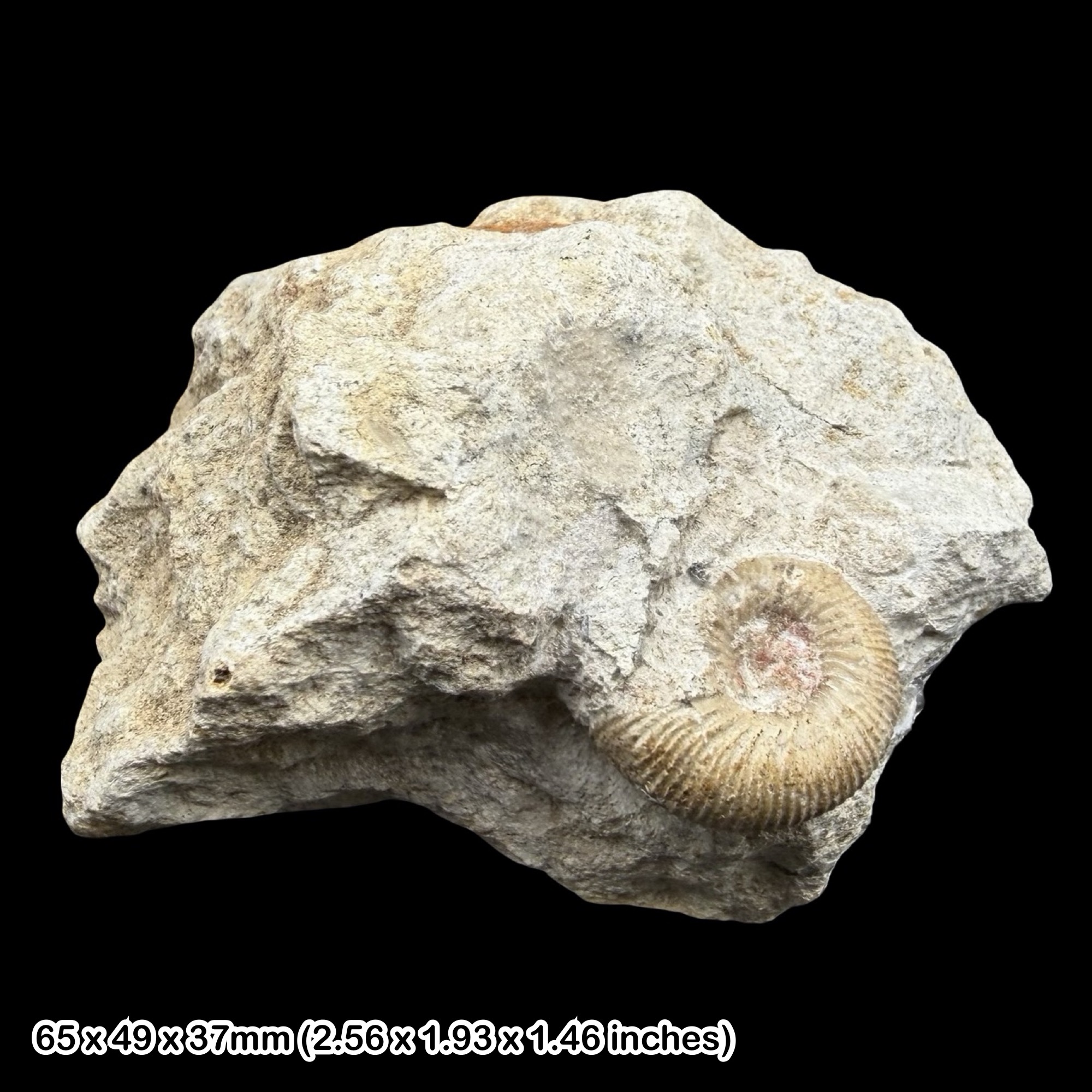
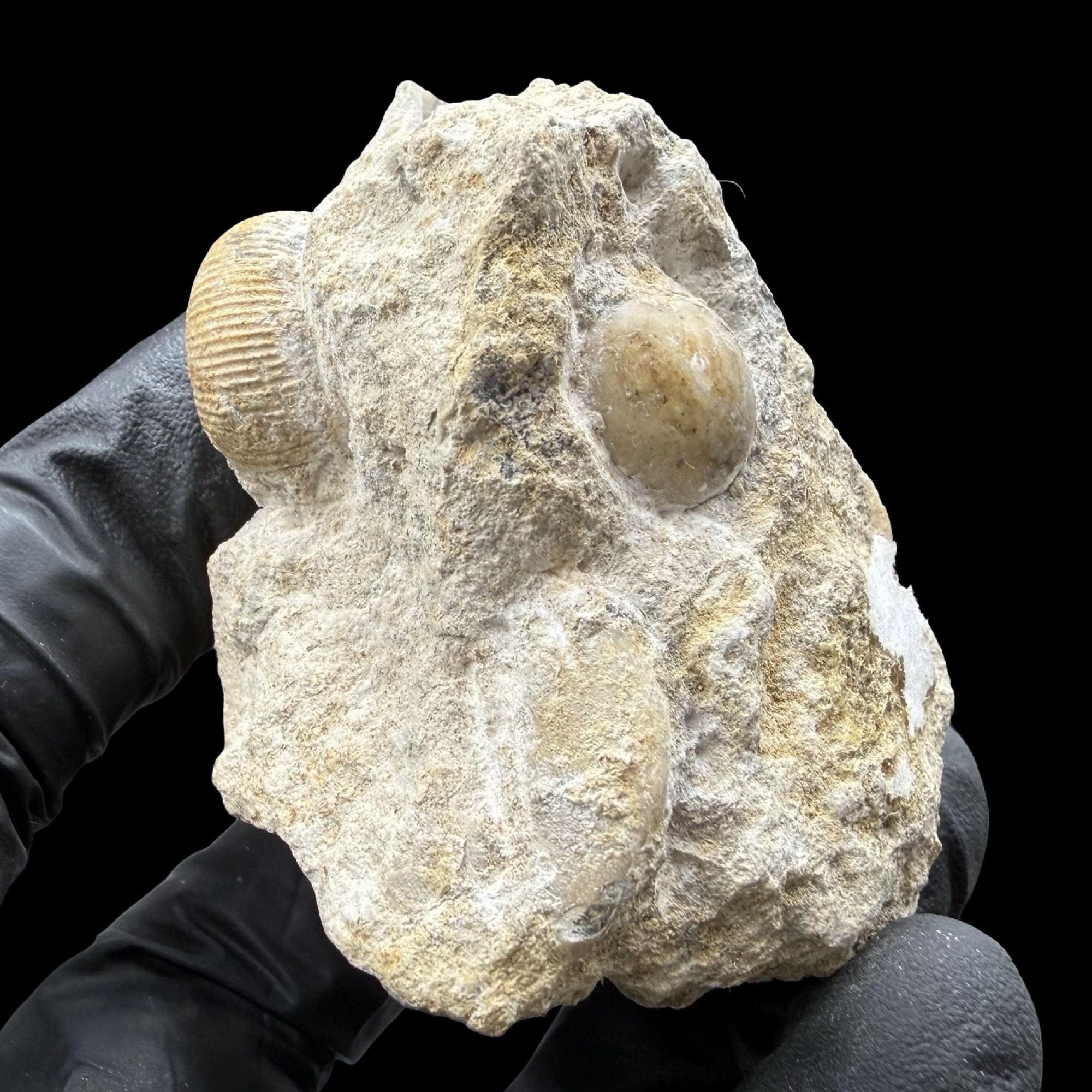
Inferior Oolite Group at Horn Park, Dorset, UK. Dating to the Middle Jurassic, Bathonian Stage, this carefully chosen fossil represents an authentic marine cephalopod from one of Britain’s classic Jurassic fossil-bearing regions. The photograph shows the actual specimen you will receive, allowing you to view its natural preservation, shape, surface detail, colour, matrix and overall character before purchase.This fossil is supplied with a Certificate of Authenticity lifetime guarantee generic card, confirming that it is a genuine specimen. Full sizing details can be seen in the photo. FOSSIL TYPE AND SPECIESPolyplectites linguiferus is an ammonite, part of an extinct group of shelled marine cephalopods related to modern squid, octopus and cuttlefish. Ammonites are among the most recognisable and collectable fossils of the Jurassic Period, admired for their coiled shells and valued scientifically for their importance in dating and comparing ancient rock layers.The ammonite shell was divided internally into chambers. The living animal occupied the final body chamber, while earlier chambers helped control buoyancy as it moved through the water column. As the ammonite grew, new chambers were added, producing the elegant spiral shell form that makes ammonites so distinctive.Polyplectites ammonites are associated with the order Ammonitida, a major group of Mesozoic ammonites that flourished throughout the Jurassic and Cretaceous periods. Specimens of this type are appreciated for their classic coiled form, visible whorl structure and collectible Middle Jurassic age. MIDDLE JURASSIC BATHONIAN AGEThis specimen dates from the Bathonian Stage of the Middle Jurassic, approximately 168 to 166 million years old. During this time, the area now forming Dorset lay beneath warm shallow marine waters. These Jurassic seas supported a rich ecosystem of ammonites, belemnites, bivalves, brachiopods, gastropods, crinoids, fish and other marine organisms.Ammonites were active marine animals and important members of these ancient seas. Because ammonite species evolved rapidly and were widely distributed, they are extremely useful for biostratigraphy. Fossils such as Polyplectites linguiferus help represent a specific interval of Jurassic marine history and are particularly desirable for collectors who appreciate named species with precise geological context. INFERIOR OOLITE GROUP GEOLOGYThe Inferior Oolite Group is one of the classic Middle Jurassic rock units of southern England. It includes fossil-rich limestones and related marine sediments that were deposited in shallow seas. The term “oolite” refers to small rounded carbonate grains, known as ooids, which formed in warm, agitated marine waters. Over time, these sediments became compacted and cemented into limestone, preserving the remains of marine life from the Jurassic seabed.Fossils from the Inferior Oolite are highly collectable because the formation is famous for its diverse ammonite faunas and strong stratigraphic importance. A specimen from this group carries excellent geological interest, especially when paired with a precise locality such as Horn Park. HORN PARK, DORSET LOCALITYHorn Park in Dorset is a well-known Jurassic fossil locality associated with important Middle Jurassic ammonite-bearing strata. Dorset is world famous for Jurassic fossils, and material from Horn Park is especially attractive to collectors because it combines classic British provenance with detailed geological context.A labelled fossil from Horn Park makes an excellent addition to a fossil cabinet, educational geology collection or natural history display. It is particularly suitable for collectors interested in Dorset fossils, British ammonites, Inferior Oolite fossils, Bathonian ammonites and Middle Jurassic marine life. AMMONITE MORPHOLOGY AND NATURAL FEATURESAmmonites such as Polyplectites linguiferus typically display a coiled planispiral shell with whorls arranged around a central spiral. Depending on preservation, visible features may include whorl detail, curved ribbing, chamber traces, shell curvature, natural matrix, mineralisation and surface texture. These features reflect the original shell architecture of the animal and the fossilisation processes that preserved it for millions of years.As a genuine natural fossil, each specimen is unique. Variations in colour, surface preservation, matrix, compression, edge detail, mineral staining and overall form are part of the fossil’s individual character. These natural characteristics make the piece a distinctive example of ancient Jurassic marine life rather than a manufactured or mass-produced display item. AUTHENTICITY AND PRESENTATIONThis is a 100% genuine fossil specimen and includes a Certificate of Authenticity lifetime guarantee generic card. The listing photograph shows the actual specimen you will receive, and full sizing can be checked from the photo. The fossil is suitable for display, study, collecting or gifting.
Inferior Oolite Group at Horn Park, Dorset, UK. Dating to the Middle Jurassic, Bathonian Stage, this carefully chosen fossil represents an authentic marine cephalopod from one of Britain’s classic Jurassic fossil-bearing regions. The photograph shows the actual specimen you will receive, allowing you to view its natural preservation, shape, surface detail, colour, matrix and overall character before purchase.This fossil is supplied with a Certificate of Authenticity lifetime guarantee generic card, confirming that it is a genuine specimen. Full sizing details can be seen in the photo. FOSSIL TYPE AND SPECIESPolyplectites linguiferus is an ammonite, part of an extinct group of shelled marine cephalopods related to modern squid, octopus and cuttlefish. Ammonites are among the most recognisable and collectable fossils of the Jurassic Period, admired for their coiled shells and valued scientifically for their importance in dating and comparing ancient rock layers.The ammonite shell was divided internally into chambers. The living animal occupied the final body chamber, while earlier chambers helped control buoyancy as it moved through the water column. As the ammonite grew, new chambers were added, producing the elegant spiral shell form that makes ammonites so distinctive.Polyplectites ammonites are associated with the order Ammonitida, a major group of Mesozoic ammonites that flourished throughout the Jurassic and Cretaceous periods. Specimens of this type are appreciated for their classic coiled form, visible whorl structure and collectible Middle Jurassic age. MIDDLE JURASSIC BATHONIAN AGEThis specimen dates from the Bathonian Stage of the Middle Jurassic, approximately 168 to 166 million years old. During this time, the area now forming Dorset lay beneath warm shallow marine waters. These Jurassic seas supported a rich ecosystem of ammonites, belemnites, bivalves, brachiopods, gastropods, crinoids, fish and other marine organisms.Ammonites were active marine animals and important members of these ancient seas. Because ammonite species evolved rapidly and were widely distributed, they are extremely useful for biostratigraphy. Fossils such as Polyplectites linguiferus help represent a specific interval of Jurassic marine history and are particularly desirable for collectors who appreciate named species with precise geological context. INFERIOR OOLITE GROUP GEOLOGYThe Inferior Oolite Group is one of the classic Middle Jurassic rock units of southern England. It includes fossil-rich limestones and related marine sediments that were deposited in shallow seas. The term “oolite” refers to small rounded carbonate grains, known as ooids, which formed in warm, agitated marine waters. Over time, these sediments became compacted and cemented into limestone, preserving the remains of marine life from the Jurassic seabed.Fossils from the Inferior Oolite are highly collectable because the formation is famous for its diverse ammonite faunas and strong stratigraphic importance. A specimen from this group carries excellent geological interest, especially when paired with a precise locality such as Horn Park. HORN PARK, DORSET LOCALITYHorn Park in Dorset is a well-known Jurassic fossil locality associated with important Middle Jurassic ammonite-bearing strata. Dorset is world famous for Jurassic fossils, and material from Horn Park is especially attractive to collectors because it combines classic British provenance with detailed geological context.A labelled fossil from Horn Park makes an excellent addition to a fossil cabinet, educational geology collection or natural history display. It is particularly suitable for collectors interested in Dorset fossils, British ammonites, Inferior Oolite fossils, Bathonian ammonites and Middle Jurassic marine life. AMMONITE MORPHOLOGY AND NATURAL FEATURESAmmonites such as Polyplectites linguiferus typically display a coiled planispiral shell with whorls arranged around a central spiral. Depending on preservation, visible features may include whorl detail, curved ribbing, chamber traces, shell curvature, natural matrix, mineralisation and surface texture. These features reflect the original shell architecture of the animal and the fossilisation processes that preserved it for millions of years.As a genuine natural fossil, each specimen is unique. Variations in colour, surface preservation, matrix, compression, edge detail, mineral staining and overall form are part of the fossil’s individual character. These natural characteristics make the piece a distinctive example of ancient Jurassic marine life rather than a manufactured or mass-produced display item. AUTHENTICITY AND PRESENTATIONThis is a 100% genuine fossil specimen and includes a Certificate of Authenticity lifetime guarantee generic card. The listing photograph shows the actual specimen you will receive, and full sizing can be checked from the photo. The fossil is suitable for display, study, collecting or gifting.