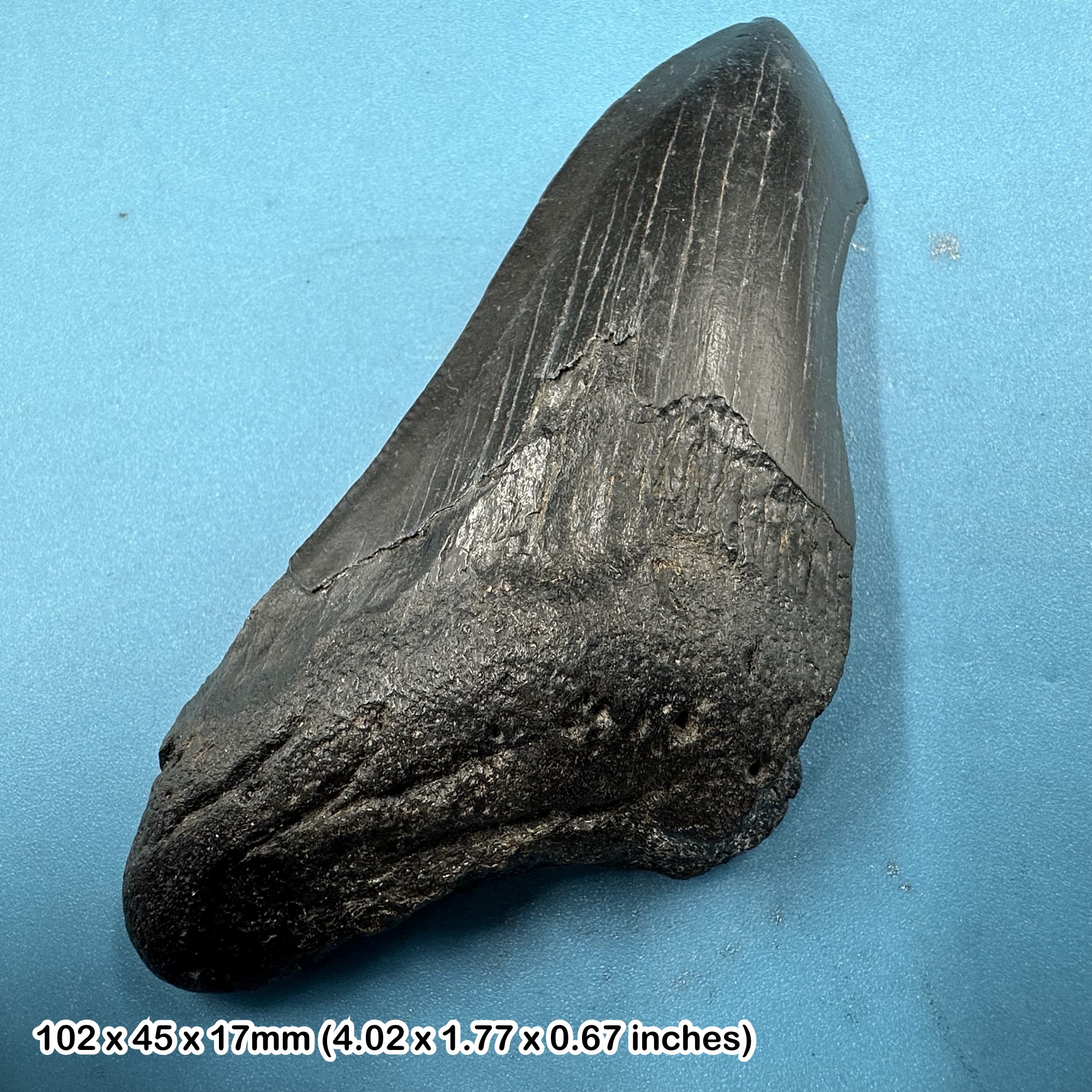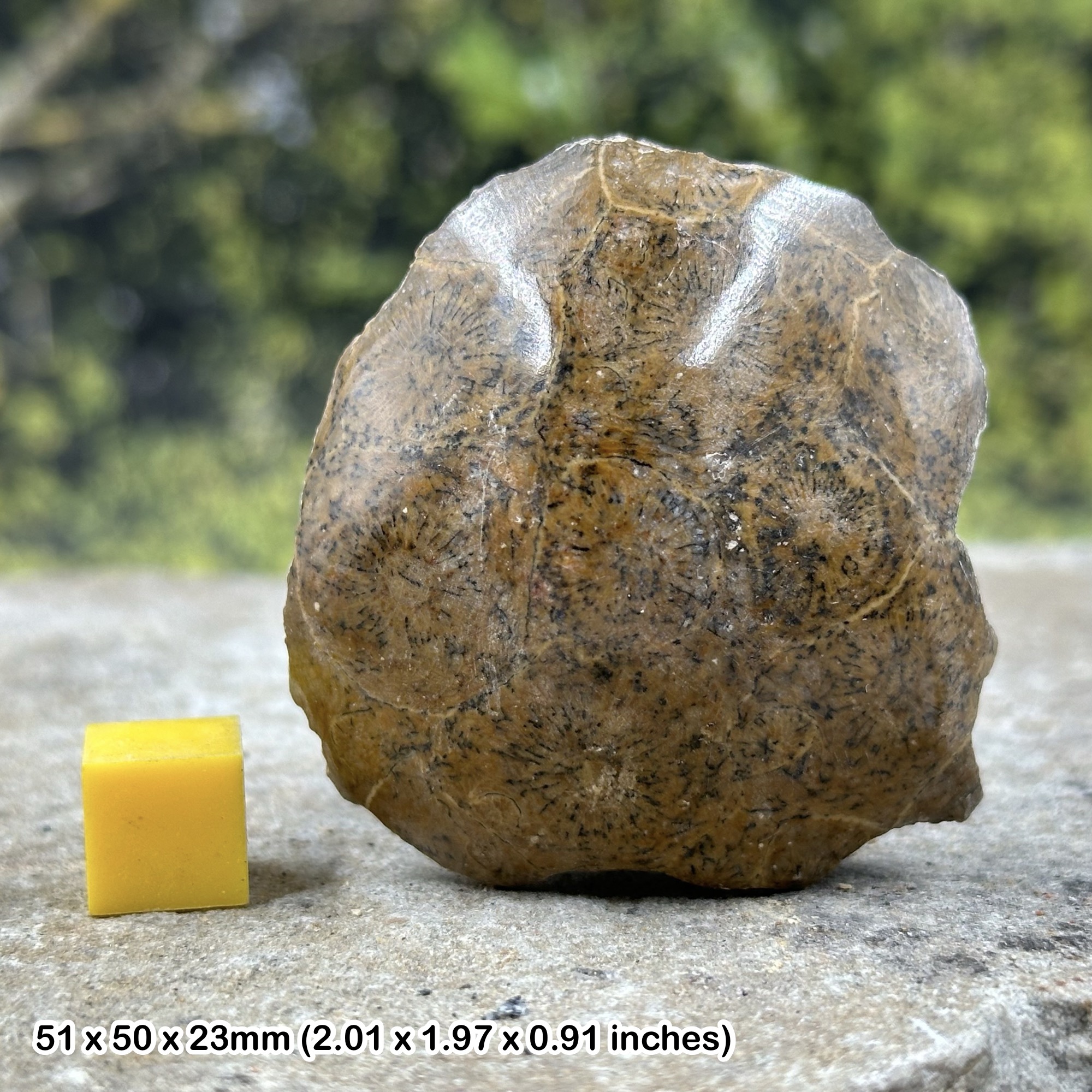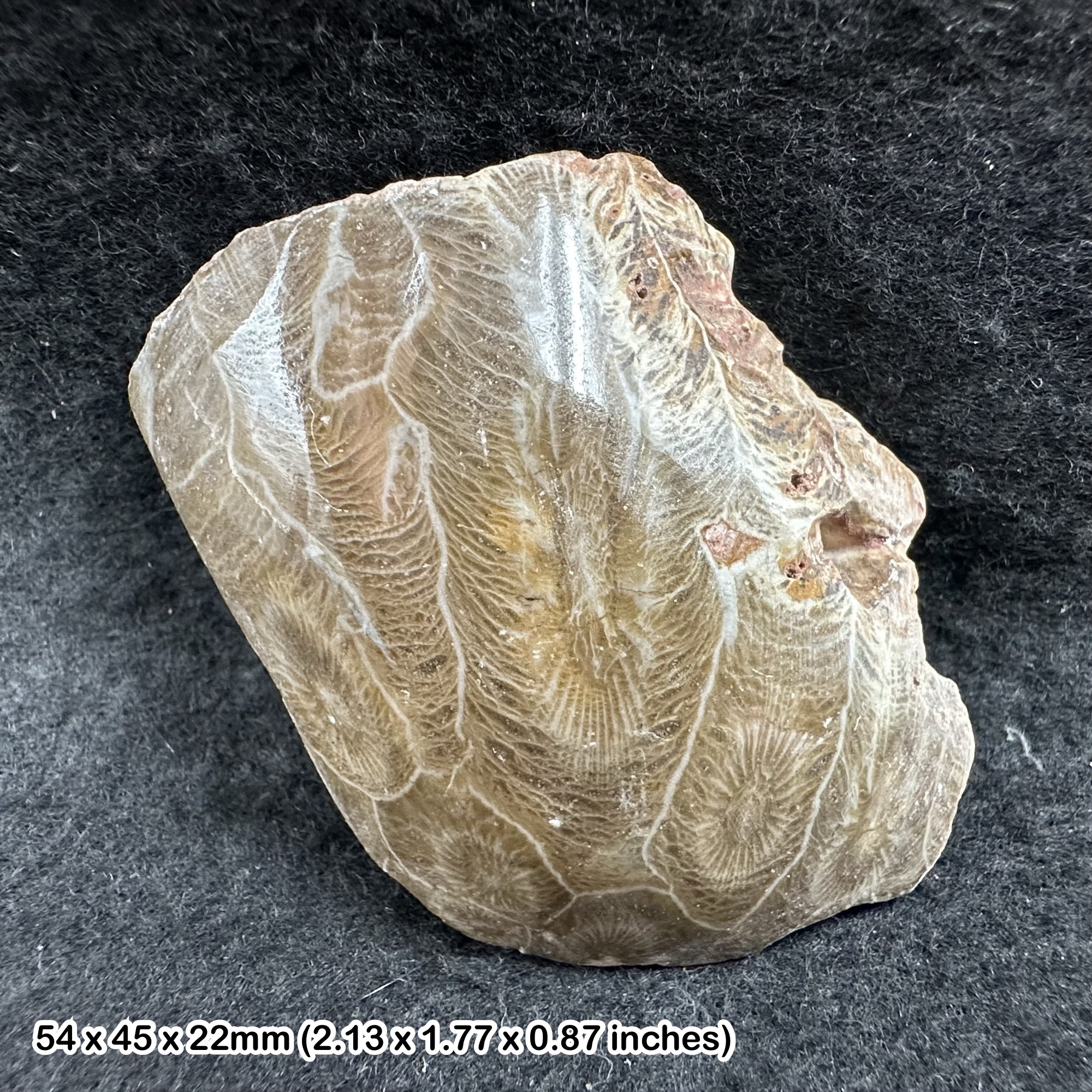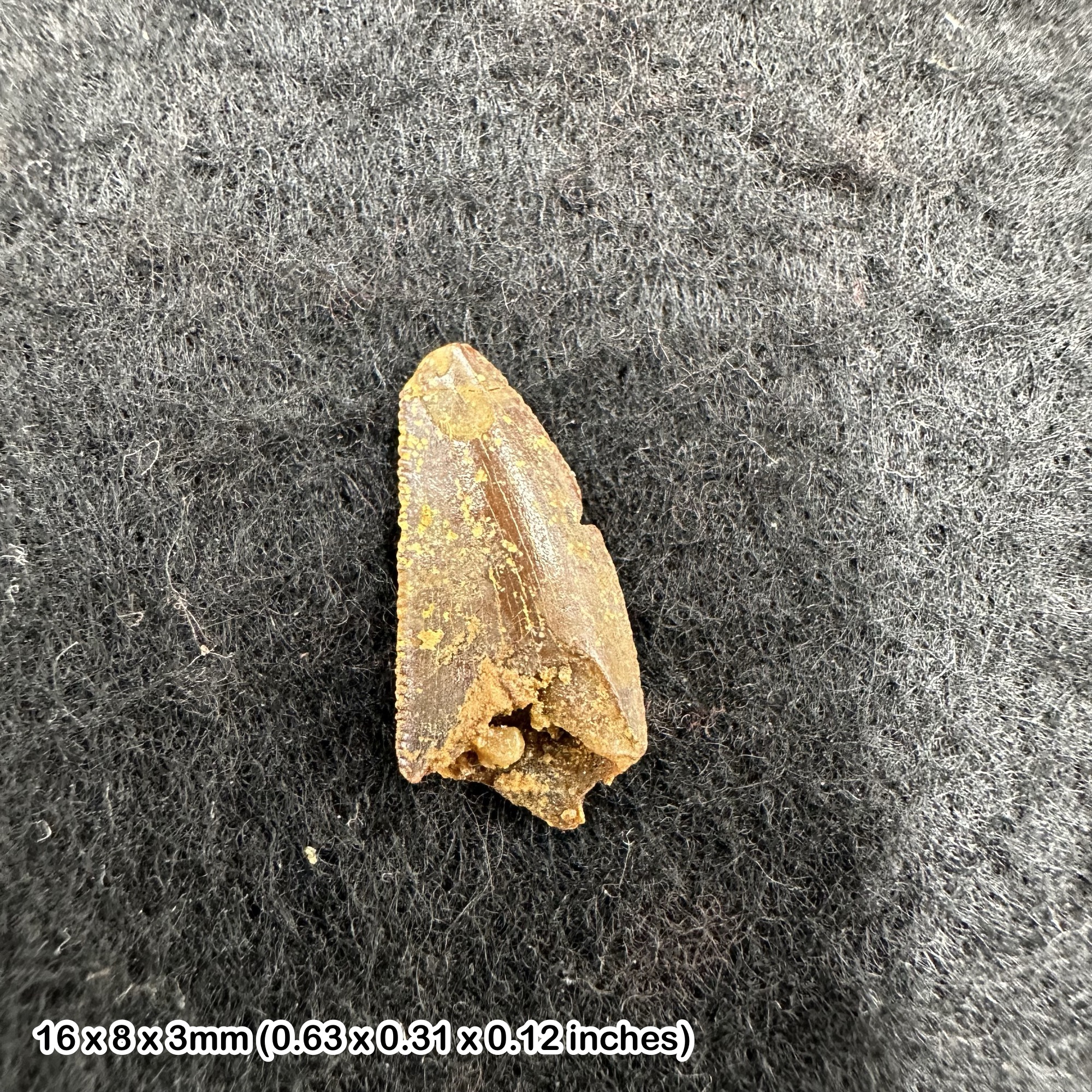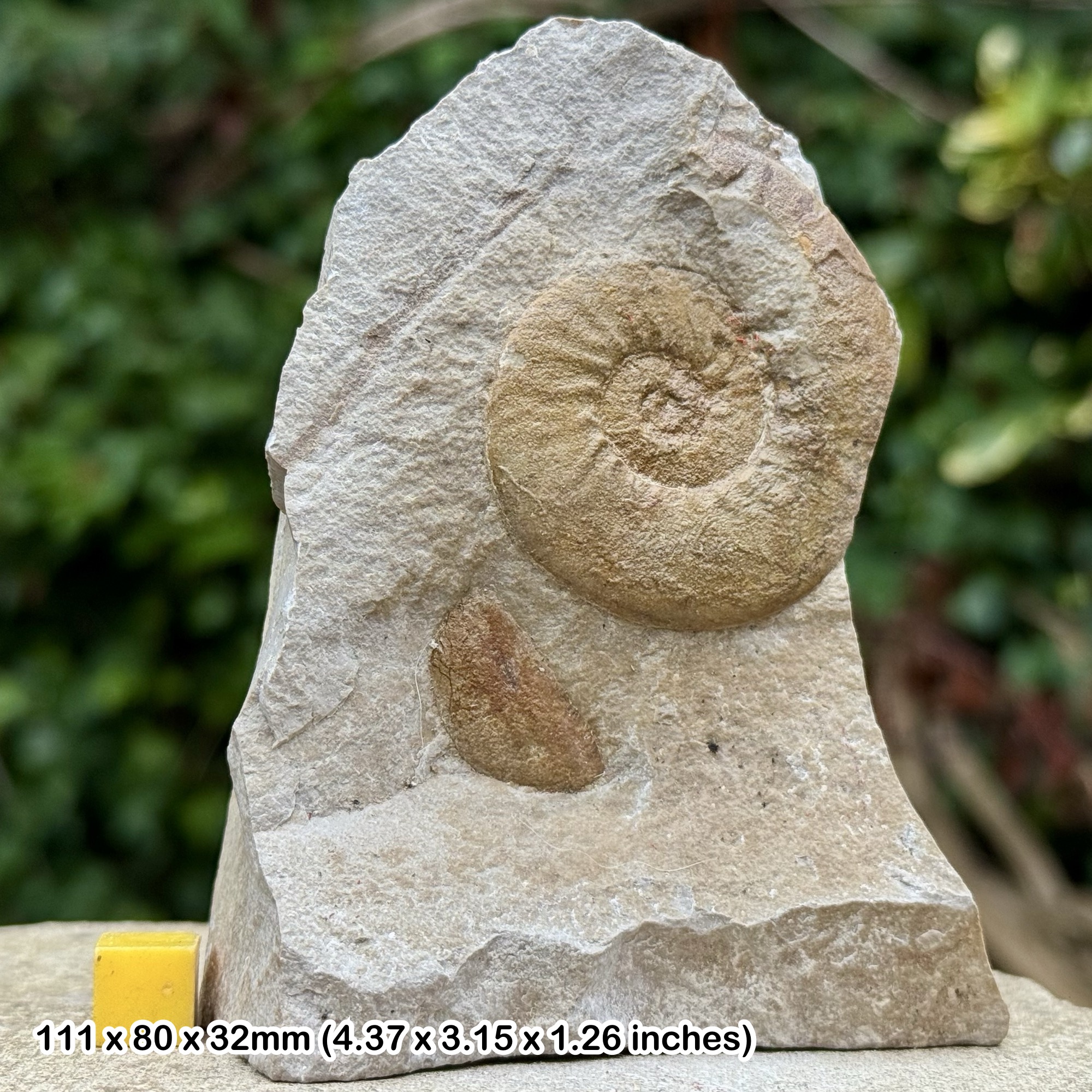
Very Rare Dalmasiceras punctatum Ammonite Fossil with Aptychus Jaw Cretaceous France | Genuine Certified Specimen
£ 60.00
AUTHENTIC DALMASICERAS PUNCTATUM AMMONITE FOSSIL WITH RARE APTYCHUSPresented here is a very rare Dalmasiceras punctatum ammonite fossil accompanied
by its associated aptychus, a calcified jaw element of the ammonite. This extraordinary specimen originates from Claret, Hérault, France, and dates to the Berriasian Stage of the Early Cretaceous, making it a significant addition to any palaeontological or collector’s cabinet. Each of our fossils is guaranteed 100% genuine, carefully selected, and comes with a Certificate of Authenticity. The specimen photographed is the exact piece you will receive, with a scale cube shown in the images (1 cm squares) for accurate sizing. GEOLOGICAL TIME AND PROVENANCEThis ammonite specimen was formed during the Berriasian, the earliest stage of the Cretaceous Period, approximately 145 to 140 million years ago. The locality of Claret in the Hérault region of southern France is world-renowned for its exceptional fossil preservation and provides insight into the marine ecosystems that flourished during this time. The strata of this area represent shallow marine sedimentary deposits where ammonites, belemnites, and other marine organisms thrived. Fossils from this deposit are highly prized due to their scientific importance and rarity on the collector’s market. FOSSIL TYPE AND RARE APTYCHUS ASSOCIATIONAmmonites are extinct marine molluscs belonging to the order Ammonitida, closely related to modern squids and octopuses. What makes this specimen especially remarkable is the inclusion of the aptychus, a calcified jaw plate once used by the ammonite for feeding and possibly closing the shell aperture for protection. Finding an ammonite preserved with its associated aptychus is an exceedingly rare occurrence and greatly enhances both the scientific and collector’s value of the piece. Such associations provide important evidence of ammonite anatomy and palaeobiology. MORPHOLOGY AND NOTABLE FEATURESThe genus Dalmasiceras belongs to the family Neocomitidae, within the superfamily Perisphinctoidea. Ammonites of this group are characterized by their moderately involute, planispiral shells with distinctive ribbing patterns. The species Dalmasiceras punctatum displays fine ribbing and ornamentation along the whorls, features that make it identifiable and scientifically significant. The preserved aptychus shows a calcitic composition, with curved plate-like morphology typical of the group. Together, the ammonite and aptychus offer a window into the feeding structures of these ancient cephalopods. SCIENTIFIC AND COLLECTOR SIGNIFICANCEThe association of a well-preserved ammonite with its aptychus provides invaluable information for palaeontologists studying cephalopod evolution. These fossils shed light on ammonite behaviour, feeding ecology, and evolutionary adaptations within Early Cretaceous marine environments. For collectors, this specimen represents both a museum-quality rarity and a display piece of exceptional beauty and scientific interest. Its provenance from Claret, a site known among specialists for yielding scientifically important ammonite material, adds to its desirability. DISPLAY AND AUTHENTICITYThis fossil has been carefully chosen for its preservation and rarity. The photographs provided are of the actual specimen you will receive, ensuring complete transparency. The scale cube (1 cm) shown in the photos allows accurate assessment of its size. Every fossil purchased comes with a Certificate of Authenticity, verifying its identification and provenance. This ensures that your acquisition is a genuine piece of natural history suitable for both private collections and educational display. SUMMARY OF KEY DETAILS
• Species: Dalmasiceras punctatum
• Fossil Type: Ammonite with associated aptychus (calcified jaw element)
• Geological Stage: Berriasian, Early Cretaceous (~145–140 million years ago)
• Location: Claret, Hérault, France
• Family: Neocomitidae
• Superfamily: Perisphinctoidea
• Order: Ammonitida
• Notable Features: Rare ammonite-aptychus association, fine ribbed shell, calcitic jaw preservation
• Authenticity: 100% genuine fossil, with Certificate of Authenticity
• Photographs: Actual specimen shown with 1 cm scale cube for size referenceThis very rare ammonite with aptychus is not only a scientifically valuable specimen but also a stunning collector’s piece, offering a tangible link to the ancient marine world of the Early Cretaceous.
by its associated aptychus, a calcified jaw element of the ammonite. This extraordinary specimen originates from Claret, Hérault, France, and dates to the Berriasian Stage of the Early Cretaceous, making it a significant addition to any palaeontological or collector’s cabinet. Each of our fossils is guaranteed 100% genuine, carefully selected, and comes with a Certificate of Authenticity. The specimen photographed is the exact piece you will receive, with a scale cube shown in the images (1 cm squares) for accurate sizing. GEOLOGICAL TIME AND PROVENANCEThis ammonite specimen was formed during the Berriasian, the earliest stage of the Cretaceous Period, approximately 145 to 140 million years ago. The locality of Claret in the Hérault region of southern France is world-renowned for its exceptional fossil preservation and provides insight into the marine ecosystems that flourished during this time. The strata of this area represent shallow marine sedimentary deposits where ammonites, belemnites, and other marine organisms thrived. Fossils from this deposit are highly prized due to their scientific importance and rarity on the collector’s market. FOSSIL TYPE AND RARE APTYCHUS ASSOCIATIONAmmonites are extinct marine molluscs belonging to the order Ammonitida, closely related to modern squids and octopuses. What makes this specimen especially remarkable is the inclusion of the aptychus, a calcified jaw plate once used by the ammonite for feeding and possibly closing the shell aperture for protection. Finding an ammonite preserved with its associated aptychus is an exceedingly rare occurrence and greatly enhances both the scientific and collector’s value of the piece. Such associations provide important evidence of ammonite anatomy and palaeobiology. MORPHOLOGY AND NOTABLE FEATURESThe genus Dalmasiceras belongs to the family Neocomitidae, within the superfamily Perisphinctoidea. Ammonites of this group are characterized by their moderately involute, planispiral shells with distinctive ribbing patterns. The species Dalmasiceras punctatum displays fine ribbing and ornamentation along the whorls, features that make it identifiable and scientifically significant. The preserved aptychus shows a calcitic composition, with curved plate-like morphology typical of the group. Together, the ammonite and aptychus offer a window into the feeding structures of these ancient cephalopods. SCIENTIFIC AND COLLECTOR SIGNIFICANCEThe association of a well-preserved ammonite with its aptychus provides invaluable information for palaeontologists studying cephalopod evolution. These fossils shed light on ammonite behaviour, feeding ecology, and evolutionary adaptations within Early Cretaceous marine environments. For collectors, this specimen represents both a museum-quality rarity and a display piece of exceptional beauty and scientific interest. Its provenance from Claret, a site known among specialists for yielding scientifically important ammonite material, adds to its desirability. DISPLAY AND AUTHENTICITYThis fossil has been carefully chosen for its preservation and rarity. The photographs provided are of the actual specimen you will receive, ensuring complete transparency. The scale cube (1 cm) shown in the photos allows accurate assessment of its size. Every fossil purchased comes with a Certificate of Authenticity, verifying its identification and provenance. This ensures that your acquisition is a genuine piece of natural history suitable for both private collections and educational display. SUMMARY OF KEY DETAILS
• Species: Dalmasiceras punctatum
• Fossil Type: Ammonite with associated aptychus (calcified jaw element)
• Geological Stage: Berriasian, Early Cretaceous (~145–140 million years ago)
• Location: Claret, Hérault, France
• Family: Neocomitidae
• Superfamily: Perisphinctoidea
• Order: Ammonitida
• Notable Features: Rare ammonite-aptychus association, fine ribbed shell, calcitic jaw preservation
• Authenticity: 100% genuine fossil, with Certificate of Authenticity
• Photographs: Actual specimen shown with 1 cm scale cube for size referenceThis very rare ammonite with aptychus is not only a scientifically valuable specimen but also a stunning collector’s piece, offering a tangible link to the ancient marine world of the Early Cretaceous.
Other Products