Rare Amaltheus margaritatus Ammonite Fossil with Gastropod Jurassic Eype UK COA Genuine Upper Pliensbachian Collectable Display Specimen
£ 84.00
GENUINE RARE AMALTHEUS MARGARITATUS AMMONITE WITH GASTROPODThis listing is for a genuine rare Amaltheus margaritatus fossil ammonite with
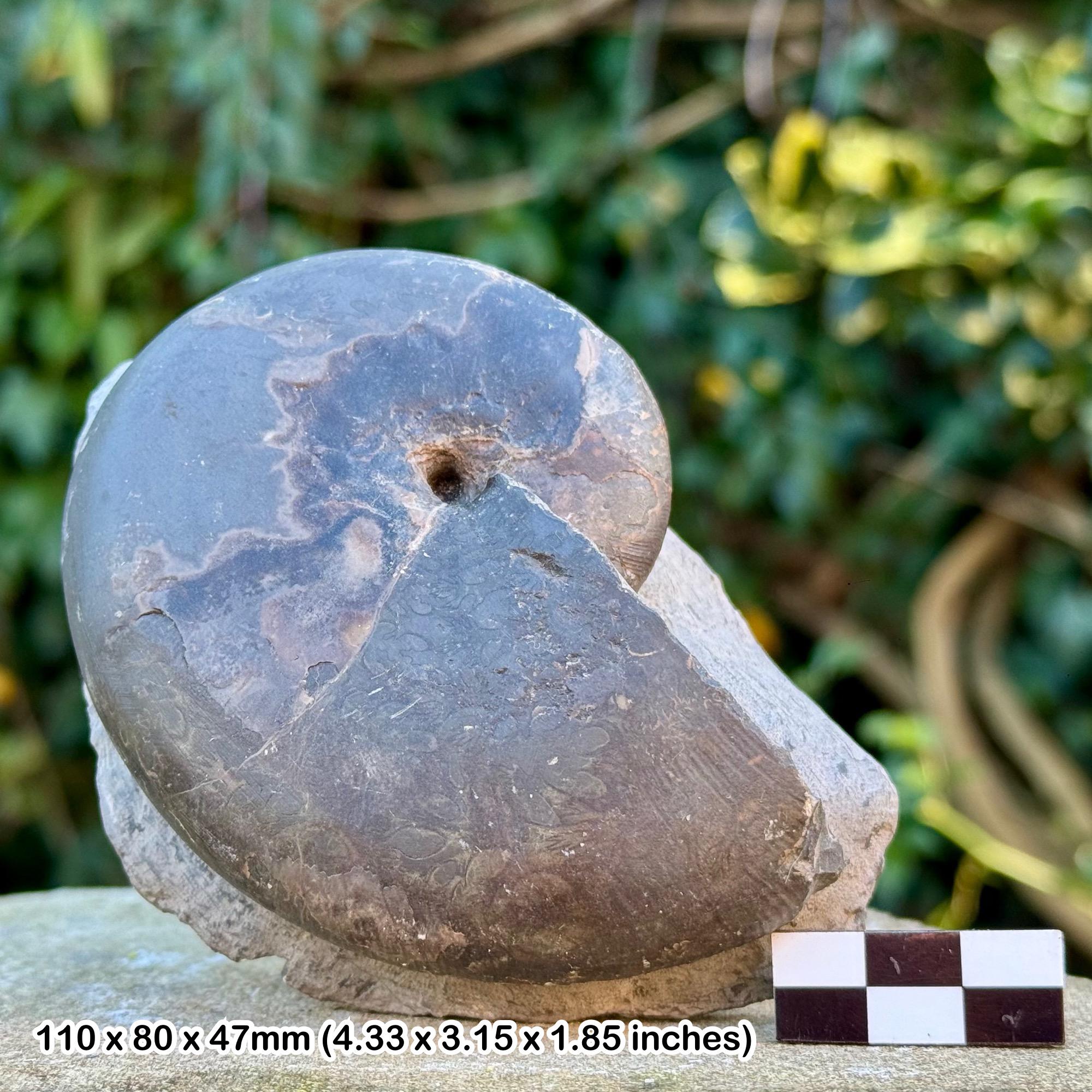
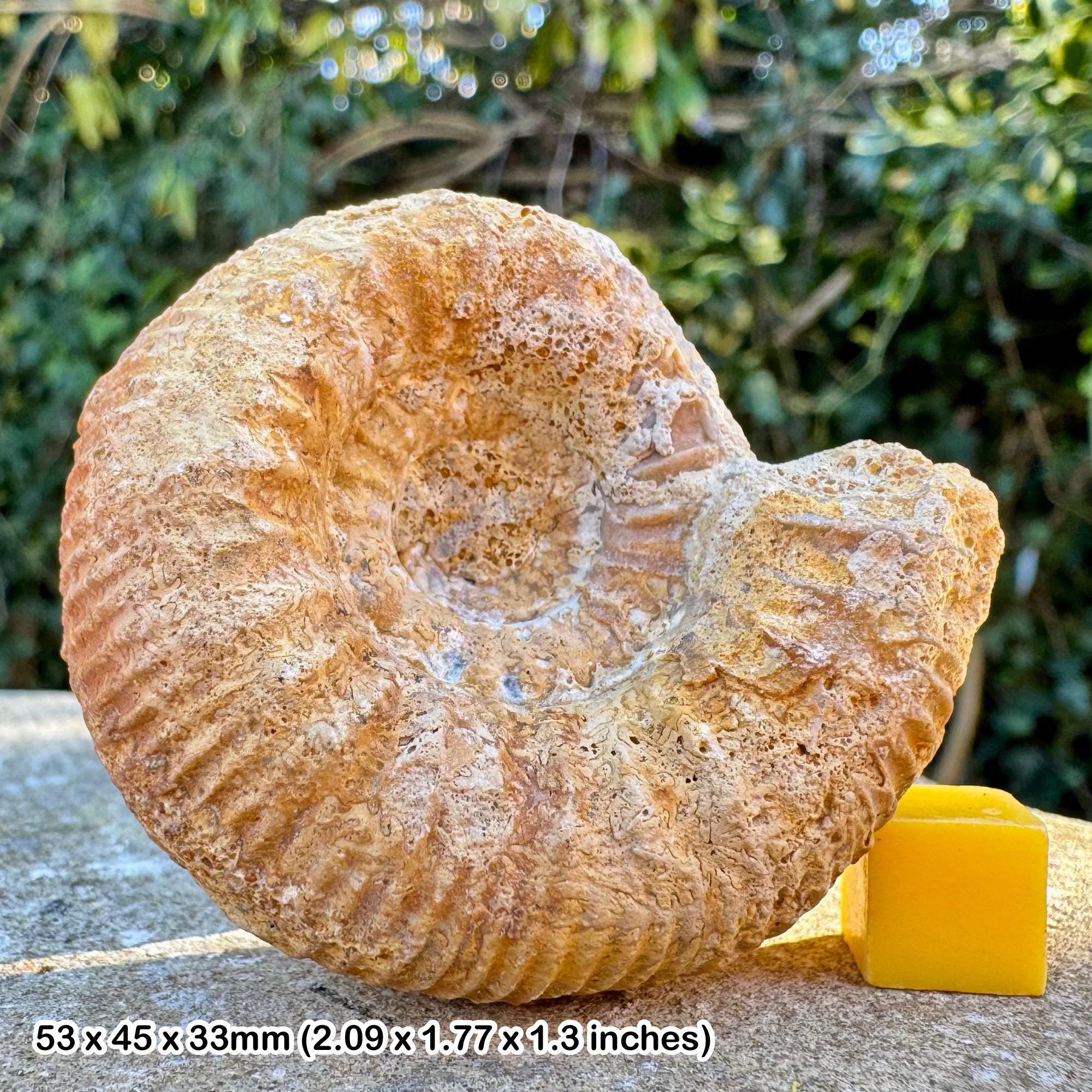
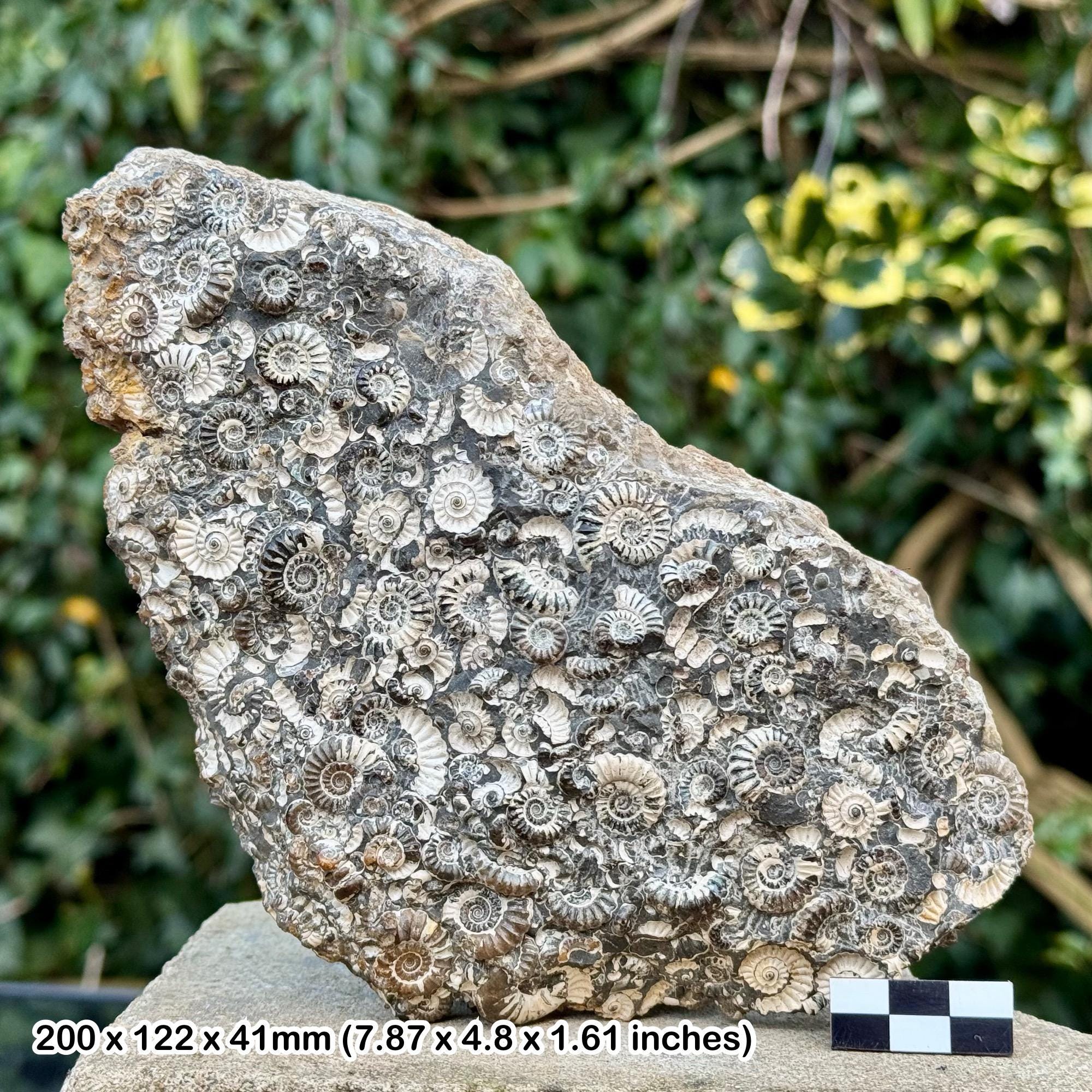
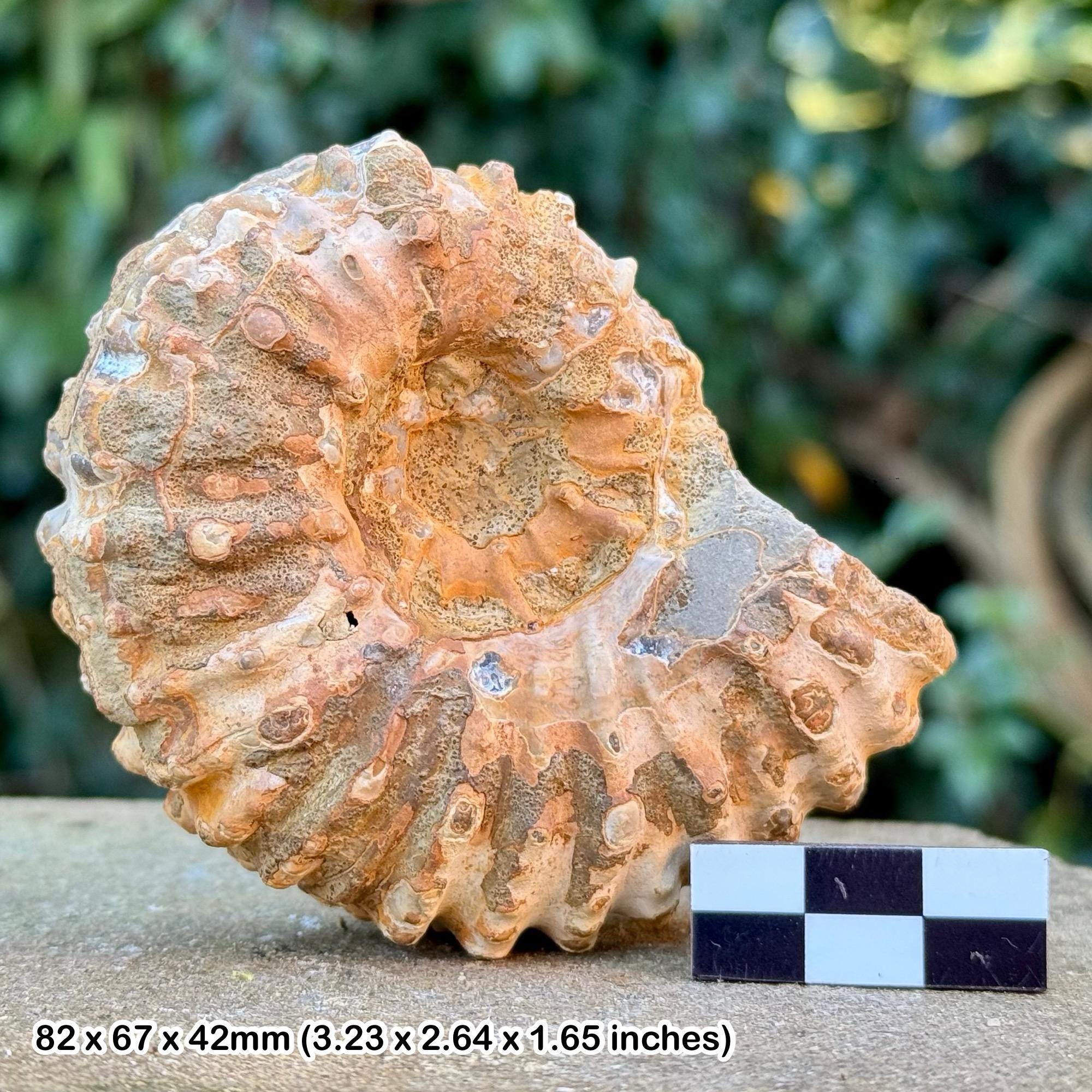
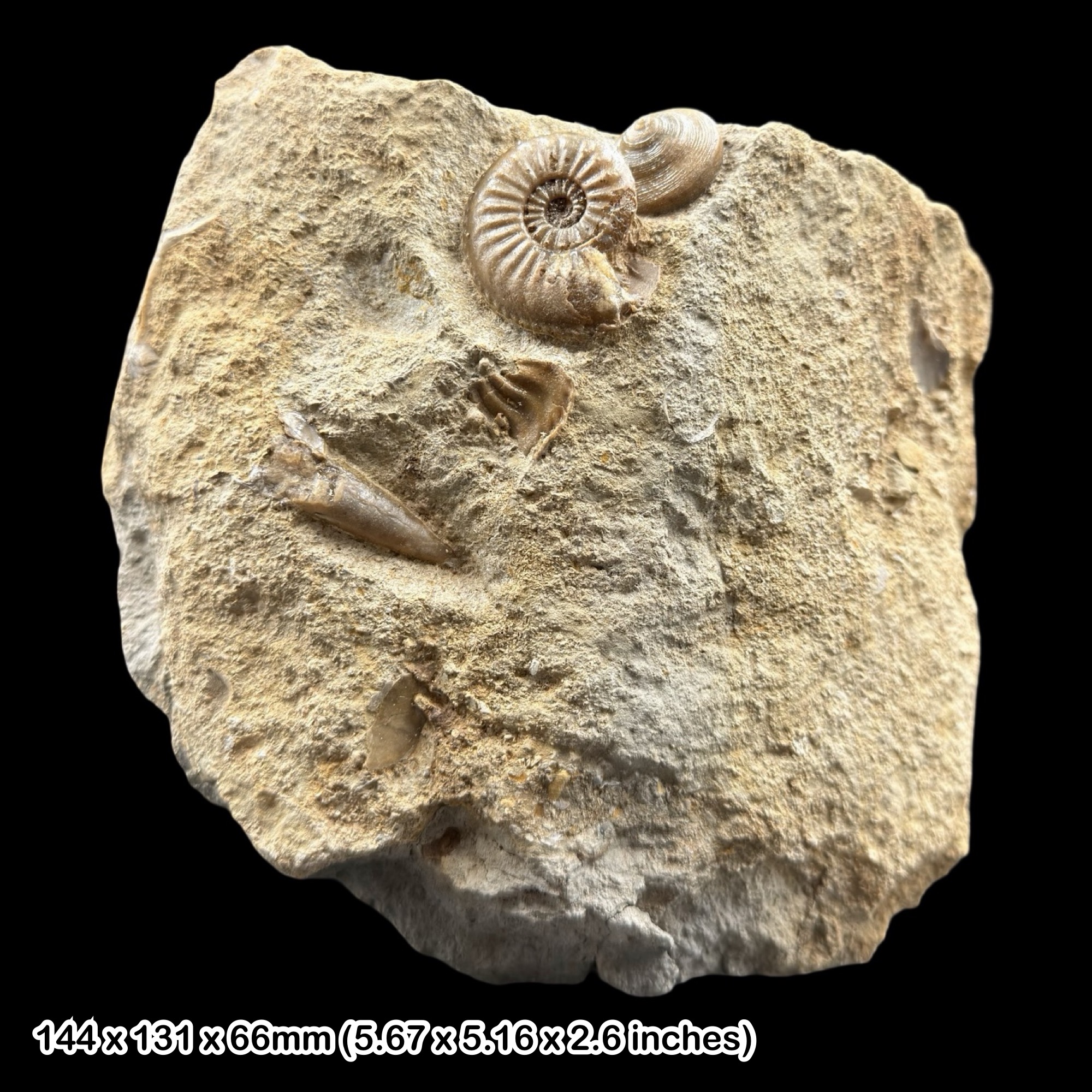
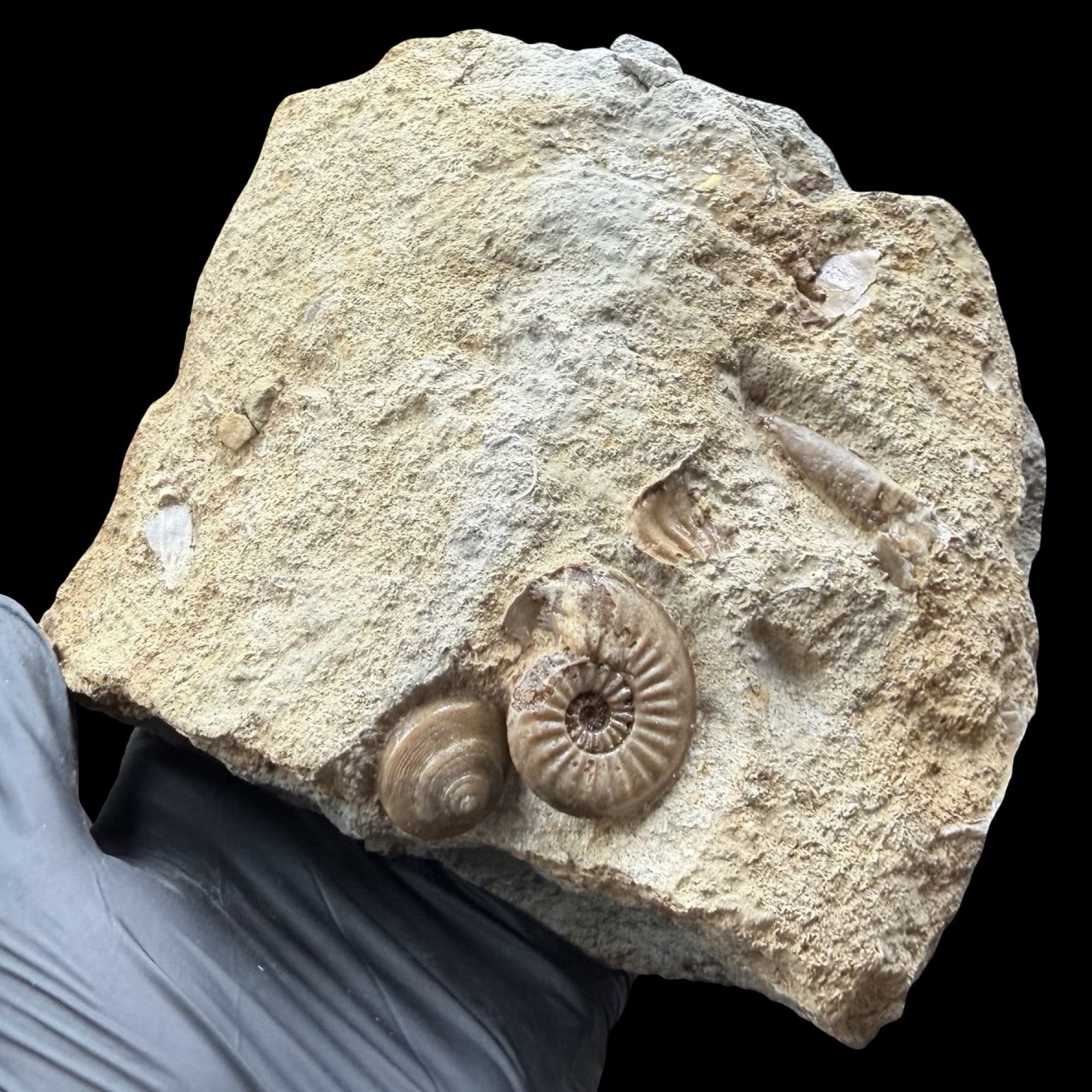
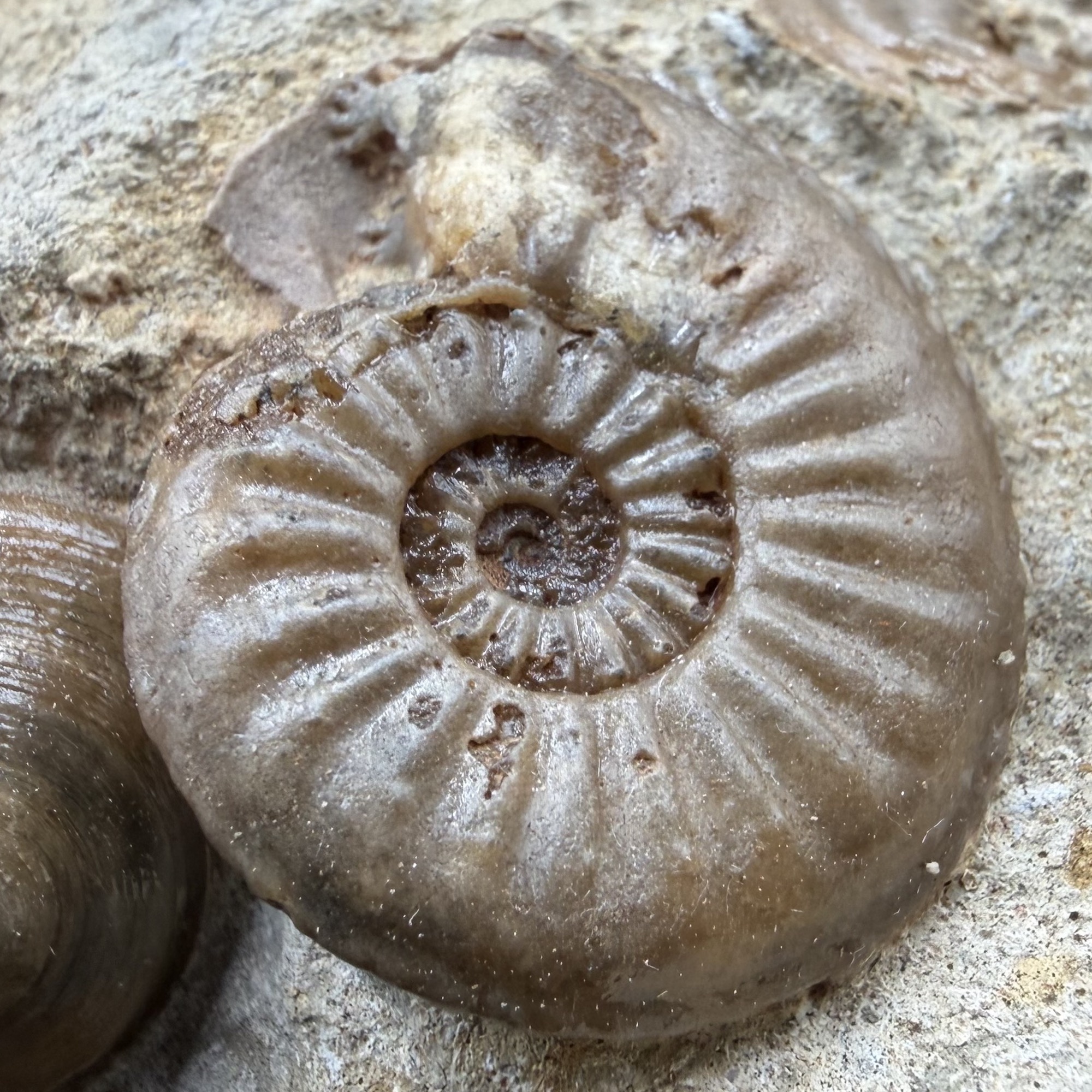
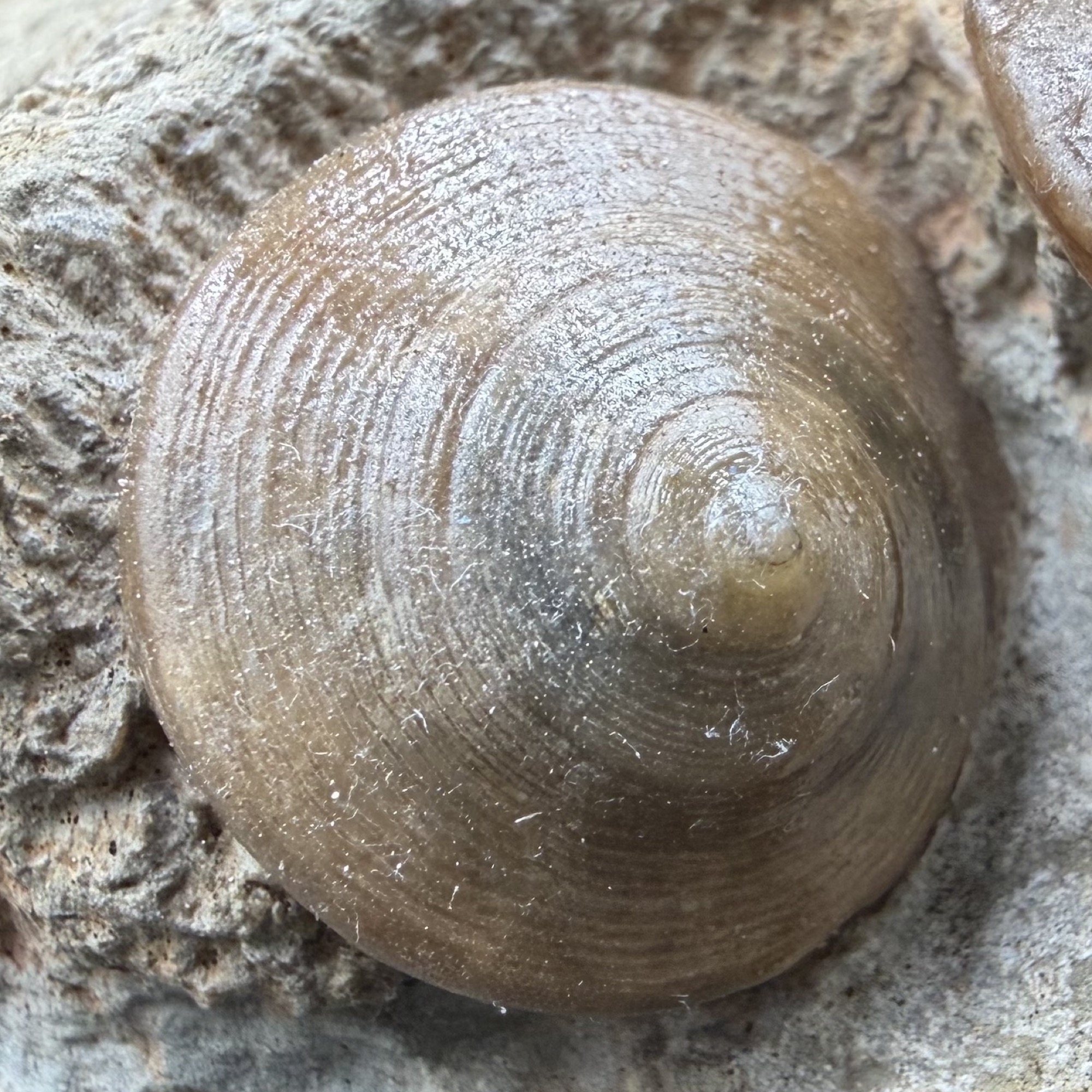
gastropod from the Upper Pliensbachian stage of the Jurassic, collected from Eype, United Kingdom. This carefully chosen fossil specimen includes a Certificate of Authenticity lifetime guarantee generic card. The photo shows the actual fossil you will receive, allowing you to view the natural ammonite, associated gastropod, matrix, preservation, surface detail and display character of this individual piece before purchase. Full sizing details can be seen in the photo.Your specimen was discovered by our own team members, Alister and Alison, and has been cleaned, prepped and treated by Alison. This gives the fossil a clear collecting history from discovery through to preparation, making it a desirable specimen for collectors who value authentic provenance and carefully presented British Jurassic fossils. AMALTHEUS MARGARITATUS SPECIES INFORMATIONAmaltheus margaritatus is a classic Early Jurassic ammonite species and one of the most recognisable ammonites of the Upper Pliensbachian. Ammonites were extinct marine cephalopods related to modern squid, cuttlefish and nautilus, living inside chambered spiral shells. Their rapid evolution and wide distribution make them especially important to palaeontology, where many species are used to identify and correlate Jurassic rock layers.Amaltheus margaritatus is particularly valued for its distinctive shell morphology. The species is commonly associated with a compressed, coiled shell form, pronounced ribbing and a characteristic keel running around the outer edge of the whorl. Depending on preservation, specimens may show curved ribs, whorl structure, natural shell ornament and the elegant spiral form that makes Jurassic ammonites so collectable. The name margaritatus is historically associated with a pearl-like quality, reflecting the attractive appearance that has long made this ammonite notable among collectors and researchers.This species is closely linked with the Margaritatus ammonite Zone of the Upper Pliensbachian, an important biostratigraphic interval in the Lower Jurassic. Fossils from this zone are of particular interest because ammonites provide a reliable framework for dating marine sedimentary rocks. ASSOCIATED GASTROPOD FOSSIL DETAILThe presence of a gastropod alongside the Amaltheus margaritatus ammonite adds extra interest to this specimen. Gastropods are molluscs that include ancient marine snails, and fossil examples help illustrate the wider ecosystem in which ammonites lived. An ammonite and gastropod association in the same piece gives the specimen additional display appeal, showing more than one type of Jurassic marine life preserved together.This combination makes the fossil especially attractive for collectors who appreciate natural multi-faunal specimens. Rather than a single isolated ammonite, the piece records part of a broader marine environment, with both cephalopod and molluscan life represented in the same carefully prepared specimen. UPPER PLIENSBACHIAN JURASSIC AGE AND MARINE ENVIRONMENTThis fossil dates from the Upper Pliensbachian stage of the Early Jurassic, approximately 190 to 183 million years ago. During this time, parts of what is now southern England were covered by ancient seas populated by ammonites, belemnites, bivalves, gastropods, brachiopods and marine reptiles. Fine marine sediments accumulated on the seabed, gradually preserving shells and other remains within the rocks now exposed at fossil-bearing coastal localities.The depositional environment represented by fossils such as Amaltheus margaritatus was marine, with ammonites living as active swimmers in the water column while gastropods formed part of the wider seabed and near-seabed community. This makes the specimen both visually appealing and scientifically interesting as a record of Jurassic marine life. EYPE, UNITED KINGDOM FOSSIL LOCALITYEype is a well-known fossil locality on the Dorset coast, valued for its Jurassic exposures and connection to classic British palaeontology. Fossils from this area are popular with collectors because they combine strong locality appeal with genuine geological significance. The coast around Eype and the wider Dorset region has produced many notable Jurassic marine fossils, including ammonites from important Lower Jurassic horizons.A rare Amaltheus margaritatus from Eype carries excellent collecting value for anyone interested in British fossils, Jurassic ammonites, Dorset geology, Lower Jurassic marine life or named ammonite specimens. Its Upper Pliensbachian age, associated gastropod and carefully documented provenance make it a strong addition to a serious fossil collection. PREPARATION, DISPLAY AND CERTIFICATE OF AUTHENTICITYThis fossil has been cleaned, prepped and treated by Alison to help present the specimen clearly while retaining its natural geological character. Careful preparation is important for ammonites and associated fossil pieces, as it helps reveal the form, texture and display qualities of the specimen while preserving its authentic natural appearance.The specimen is suitable for fossil collectors, ammonite enthusiasts, natural history displays, geology cabinets, educational collections, study sets or as a distinctive gift for someone interested in British palaeontology. It is supplied with a Certificate of Authenticity lifetime guarantee generic card, confirming that it is a genuine fossil specimen. The fossil shown in the photo is the exact piece you will receive.
gastropod from the Upper Pliensbachian stage of the Jurassic, collected from Eype, United Kingdom. This carefully chosen fossil specimen includes a Certificate of Authenticity lifetime guarantee generic card. The photo shows the actual fossil you will receive, allowing you to view the natural ammonite, associated gastropod, matrix, preservation, surface detail and display character of this individual piece before purchase. Full sizing details can be seen in the photo.Your specimen was discovered by our own team members, Alister and Alison, and has been cleaned, prepped and treated by Alison. This gives the fossil a clear collecting history from discovery through to preparation, making it a desirable specimen for collectors who value authentic provenance and carefully presented British Jurassic fossils. AMALTHEUS MARGARITATUS SPECIES INFORMATIONAmaltheus margaritatus is a classic Early Jurassic ammonite species and one of the most recognisable ammonites of the Upper Pliensbachian. Ammonites were extinct marine cephalopods related to modern squid, cuttlefish and nautilus, living inside chambered spiral shells. Their rapid evolution and wide distribution make them especially important to palaeontology, where many species are used to identify and correlate Jurassic rock layers.Amaltheus margaritatus is particularly valued for its distinctive shell morphology. The species is commonly associated with a compressed, coiled shell form, pronounced ribbing and a characteristic keel running around the outer edge of the whorl. Depending on preservation, specimens may show curved ribs, whorl structure, natural shell ornament and the elegant spiral form that makes Jurassic ammonites so collectable. The name margaritatus is historically associated with a pearl-like quality, reflecting the attractive appearance that has long made this ammonite notable among collectors and researchers.This species is closely linked with the Margaritatus ammonite Zone of the Upper Pliensbachian, an important biostratigraphic interval in the Lower Jurassic. Fossils from this zone are of particular interest because ammonites provide a reliable framework for dating marine sedimentary rocks. ASSOCIATED GASTROPOD FOSSIL DETAILThe presence of a gastropod alongside the Amaltheus margaritatus ammonite adds extra interest to this specimen. Gastropods are molluscs that include ancient marine snails, and fossil examples help illustrate the wider ecosystem in which ammonites lived. An ammonite and gastropod association in the same piece gives the specimen additional display appeal, showing more than one type of Jurassic marine life preserved together.This combination makes the fossil especially attractive for collectors who appreciate natural multi-faunal specimens. Rather than a single isolated ammonite, the piece records part of a broader marine environment, with both cephalopod and molluscan life represented in the same carefully prepared specimen. UPPER PLIENSBACHIAN JURASSIC AGE AND MARINE ENVIRONMENTThis fossil dates from the Upper Pliensbachian stage of the Early Jurassic, approximately 190 to 183 million years ago. During this time, parts of what is now southern England were covered by ancient seas populated by ammonites, belemnites, bivalves, gastropods, brachiopods and marine reptiles. Fine marine sediments accumulated on the seabed, gradually preserving shells and other remains within the rocks now exposed at fossil-bearing coastal localities.The depositional environment represented by fossils such as Amaltheus margaritatus was marine, with ammonites living as active swimmers in the water column while gastropods formed part of the wider seabed and near-seabed community. This makes the specimen both visually appealing and scientifically interesting as a record of Jurassic marine life. EYPE, UNITED KINGDOM FOSSIL LOCALITYEype is a well-known fossil locality on the Dorset coast, valued for its Jurassic exposures and connection to classic British palaeontology. Fossils from this area are popular with collectors because they combine strong locality appeal with genuine geological significance. The coast around Eype and the wider Dorset region has produced many notable Jurassic marine fossils, including ammonites from important Lower Jurassic horizons.A rare Amaltheus margaritatus from Eype carries excellent collecting value for anyone interested in British fossils, Jurassic ammonites, Dorset geology, Lower Jurassic marine life or named ammonite specimens. Its Upper Pliensbachian age, associated gastropod and carefully documented provenance make it a strong addition to a serious fossil collection. PREPARATION, DISPLAY AND CERTIFICATE OF AUTHENTICITYThis fossil has been cleaned, prepped and treated by Alison to help present the specimen clearly while retaining its natural geological character. Careful preparation is important for ammonites and associated fossil pieces, as it helps reveal the form, texture and display qualities of the specimen while preserving its authentic natural appearance.The specimen is suitable for fossil collectors, ammonite enthusiasts, natural history displays, geology cabinets, educational collections, study sets or as a distinctive gift for someone interested in British palaeontology. It is supplied with a Certificate of Authenticity lifetime guarantee generic card, confirming that it is a genuine fossil specimen. The fossil shown in the photo is the exact piece you will receive.
Other Products