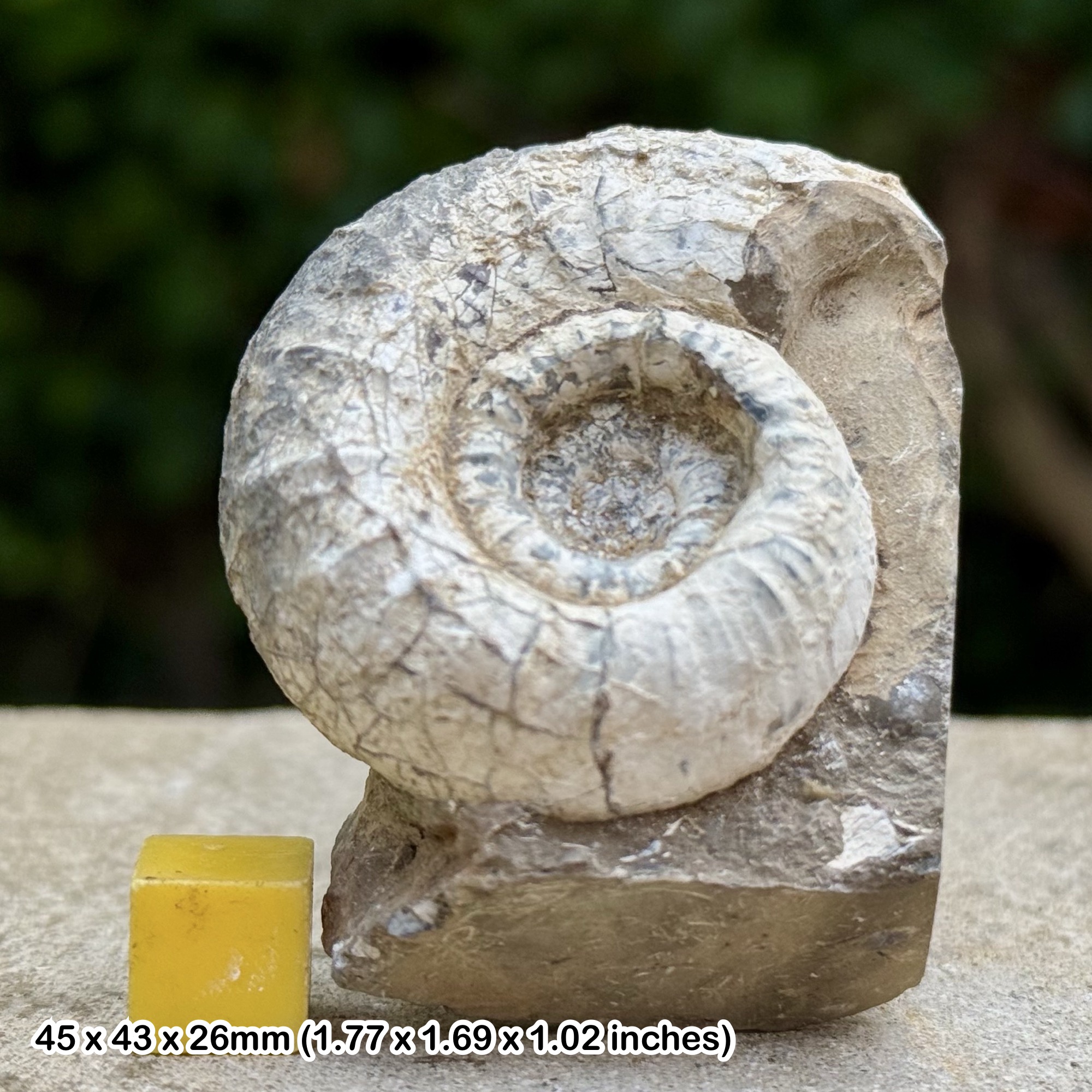
Rare Beaniceras luridum Ammonite Fossil Jurassic UK Authentic Specimen with Certificate COA
£ 36.00
RARE BEANICERAS LURIDUM AMMONITE FOSSILThis listing presents a rare Beaniceras luridum Ammonite Fossil, from the Upper
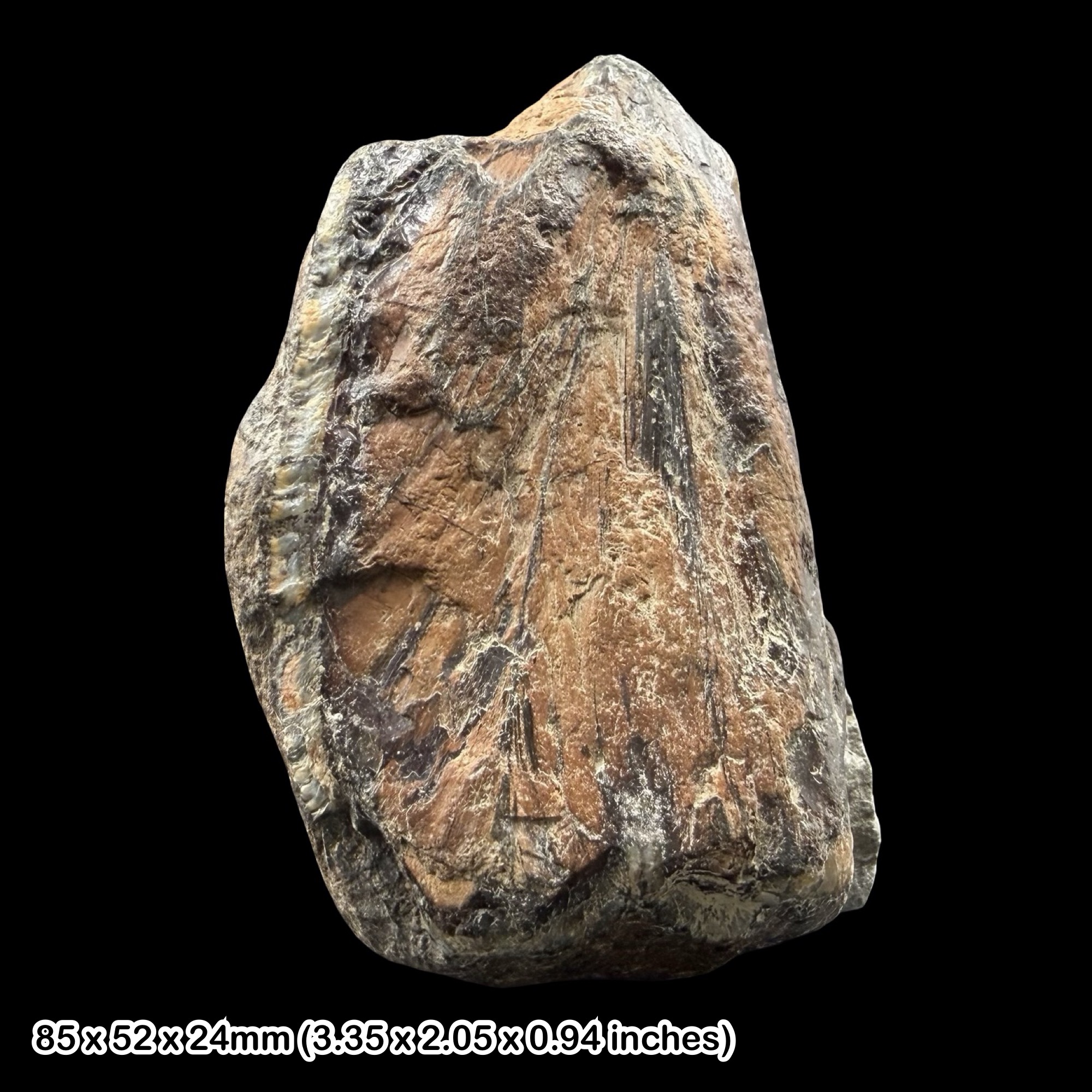
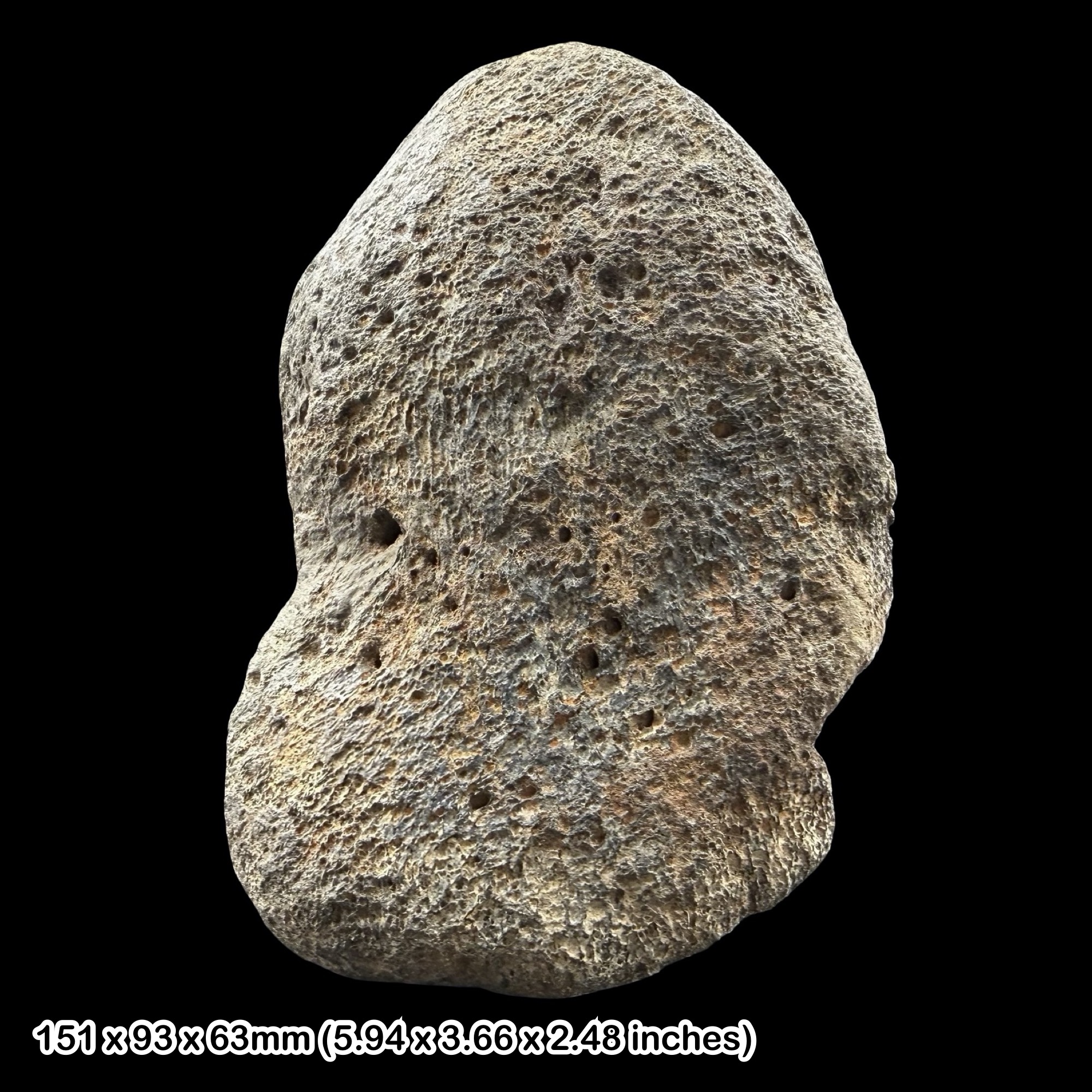
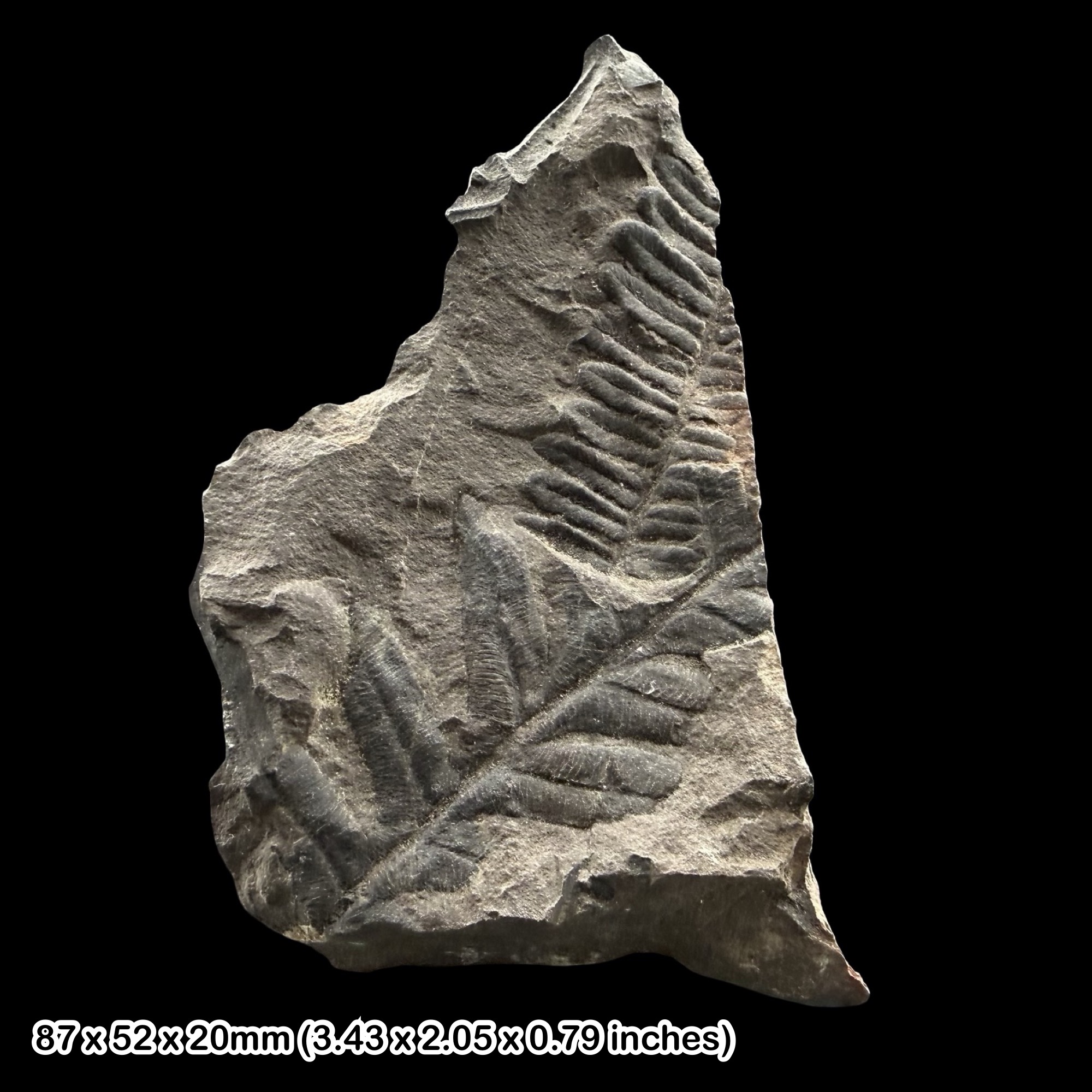
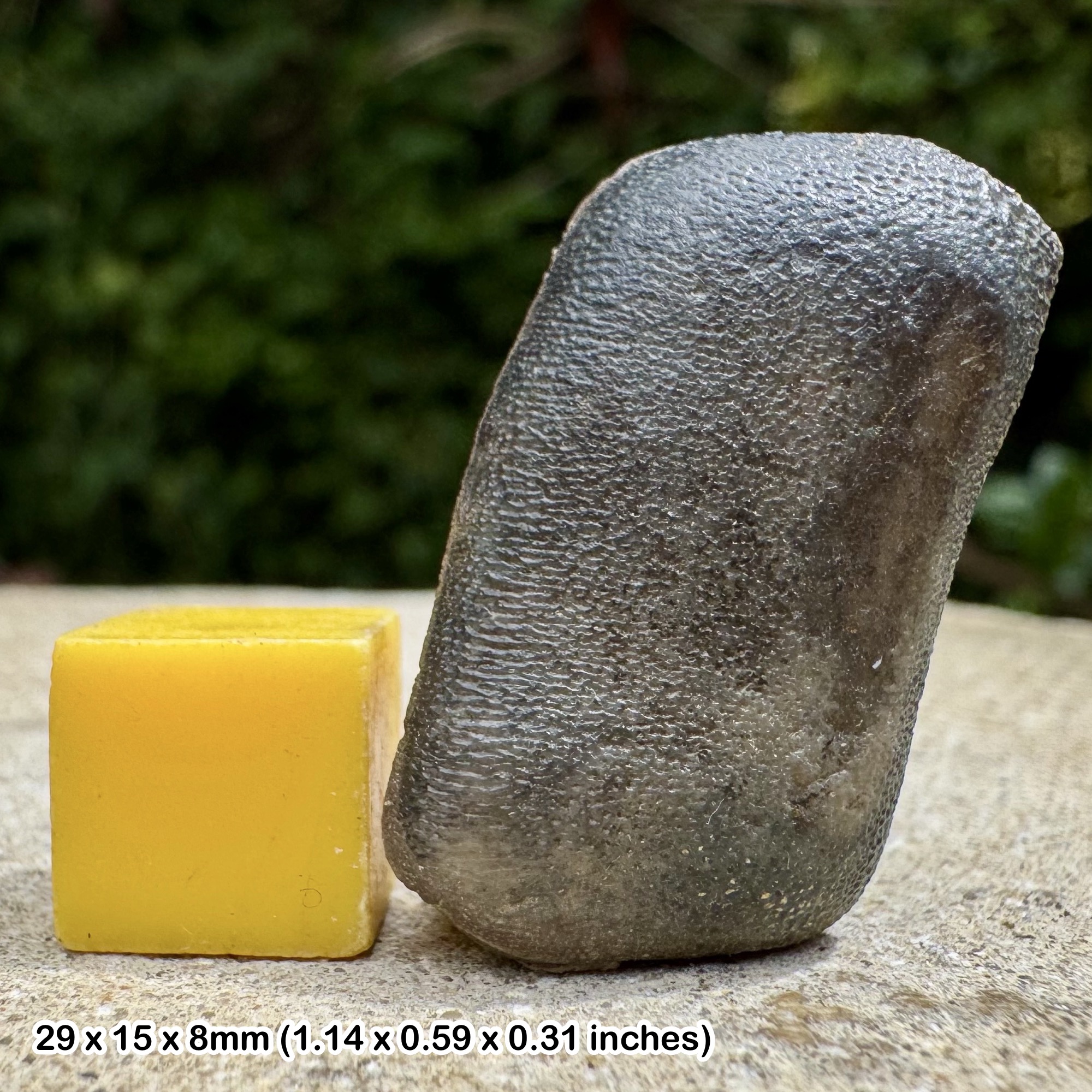
Pliensbachian stage of the Early Jurassic, collected at Blockley, Gloucestershire, United Kingdom. Dated to around 185–183 million years ago, this ammonite is an excellent example of a highly distinctive Jurassic species. The exact fossil shown in the photographs is the specimen you will receive, with a 1 cm scale cube provided for accurate sizing. All of our fossils are 100% genuine specimens and come with a Certificate of Authenticity. GEOLOGICAL CONTEXT – UPPER PLIENSBACHIAN OF BLOCKLEYThe fossil originates from the Jurassic mudstone and limestone formations exposed near Blockley in Gloucestershire. During the Pliensbachian stage, much of Britain was submerged beneath shallow epicontinental seas, forming part of the extensive European seaways connected to the Tethys Ocean.The depositional environment was dominated by fine marine sediments, providing ideal conditions for the preservation of ammonites, belemnites, brachiopods, and marine reptiles. The Upper Pliensbachian is particularly important to stratigraphy and paleontology as it preserves a diverse ammonite fauna that helps refine global biozones. Fossils from Blockley are especially well-regarded for their quality and scientific importance, making them sought after by collectors. SPECIES OVERVIEW – BEANICERAS LURIDUMThe specimen is identified as Beaniceras luridum, belonging to the order Ammonitida, superfamily Eoderoceratoidea, and family Dactylioceratidae. This genus is characterised by moderately involute shells with pronounced ribbing that often branches across the flanks, providing both structural reinforcement and aesthetic distinction.Beaniceras luridum displays features typical of the group, including strong, regularly spaced ribs and prominent whorl sections. These ribs sometimes bifurcate, giving the shell a distinctive radiating ornamentation. Its morphology makes it a diagnostic ammonite, helping paleontologists to distinguish and define ammonite biozones within the Pliensbachian.This ammonite is not only visually impressive but also scientifically important. It is used as a biozonal marker, allowing geologists to identify and correlate rock strata across different localities in Europe. PALEONTOLOGICAL IMPORTANCEThe importance of Beaniceras luridum lies in its role in biostratigraphy. As an ammonite species with a restricted stratigraphic range, it provides geologists with a reliable indicator for dating rocks from the Upper Pliensbachian. Such fossils are invaluable in constructing a precise geological timescale and correlating marine strata across different regions.Its ornate ribbing and strong shell structure are excellent examples of evolutionary adaptations within the Dactylioceratidae family, reflecting both defensive adaptations against predation and hydrodynamic efficiency in the open seas of the Early Jurassic. COLLECTOR’S AND EDUCATIONAL VALUEThis Beaniceras luridum ammonite fossil is an exceptional acquisition for collectors of rare Jurassic ammonites, particularly those from British localities with classic paleontological significance. Its provenance from Blockley, Gloucestershire, adds value, as this area is historically important in the study of the Jurassic.For educators and students, this specimen provides an ideal teaching example. Its distinctive ribbing, evolutionary traits, and stratigraphic importance make it an excellent reference piece for demonstrating ammonite morphology and biozonal utility in geology. GUARANTEE OF AUTHENTICITY
• 100% genuine Beaniceras luridum ammonite fossil
• Supplied with a Certificate of Authenticity
• Exact specimen shown in the photographs will be sentThis is a rare opportunity to own a scientifically important and beautifully preserved Beaniceras luridum Ammonite Fossil from the Upper Pliensbachian of Blockley, Gloucestershire, United Kingdom, a remarkable specimen of Early Jurassic natural history.
Pliensbachian stage of the Early Jurassic, collected at Blockley, Gloucestershire, United Kingdom. Dated to around 185–183 million years ago, this ammonite is an excellent example of a highly distinctive Jurassic species. The exact fossil shown in the photographs is the specimen you will receive, with a 1 cm scale cube provided for accurate sizing. All of our fossils are 100% genuine specimens and come with a Certificate of Authenticity. GEOLOGICAL CONTEXT – UPPER PLIENSBACHIAN OF BLOCKLEYThe fossil originates from the Jurassic mudstone and limestone formations exposed near Blockley in Gloucestershire. During the Pliensbachian stage, much of Britain was submerged beneath shallow epicontinental seas, forming part of the extensive European seaways connected to the Tethys Ocean.The depositional environment was dominated by fine marine sediments, providing ideal conditions for the preservation of ammonites, belemnites, brachiopods, and marine reptiles. The Upper Pliensbachian is particularly important to stratigraphy and paleontology as it preserves a diverse ammonite fauna that helps refine global biozones. Fossils from Blockley are especially well-regarded for their quality and scientific importance, making them sought after by collectors. SPECIES OVERVIEW – BEANICERAS LURIDUMThe specimen is identified as Beaniceras luridum, belonging to the order Ammonitida, superfamily Eoderoceratoidea, and family Dactylioceratidae. This genus is characterised by moderately involute shells with pronounced ribbing that often branches across the flanks, providing both structural reinforcement and aesthetic distinction.Beaniceras luridum displays features typical of the group, including strong, regularly spaced ribs and prominent whorl sections. These ribs sometimes bifurcate, giving the shell a distinctive radiating ornamentation. Its morphology makes it a diagnostic ammonite, helping paleontologists to distinguish and define ammonite biozones within the Pliensbachian.This ammonite is not only visually impressive but also scientifically important. It is used as a biozonal marker, allowing geologists to identify and correlate rock strata across different localities in Europe. PALEONTOLOGICAL IMPORTANCEThe importance of Beaniceras luridum lies in its role in biostratigraphy. As an ammonite species with a restricted stratigraphic range, it provides geologists with a reliable indicator for dating rocks from the Upper Pliensbachian. Such fossils are invaluable in constructing a precise geological timescale and correlating marine strata across different regions.Its ornate ribbing and strong shell structure are excellent examples of evolutionary adaptations within the Dactylioceratidae family, reflecting both defensive adaptations against predation and hydrodynamic efficiency in the open seas of the Early Jurassic. COLLECTOR’S AND EDUCATIONAL VALUEThis Beaniceras luridum ammonite fossil is an exceptional acquisition for collectors of rare Jurassic ammonites, particularly those from British localities with classic paleontological significance. Its provenance from Blockley, Gloucestershire, adds value, as this area is historically important in the study of the Jurassic.For educators and students, this specimen provides an ideal teaching example. Its distinctive ribbing, evolutionary traits, and stratigraphic importance make it an excellent reference piece for demonstrating ammonite morphology and biozonal utility in geology. GUARANTEE OF AUTHENTICITY
• 100% genuine Beaniceras luridum ammonite fossil
• Supplied with a Certificate of Authenticity
• Exact specimen shown in the photographs will be sentThis is a rare opportunity to own a scientifically important and beautifully preserved Beaniceras luridum Ammonite Fossil from the Upper Pliensbachian of Blockley, Gloucestershire, United Kingdom, a remarkable specimen of Early Jurassic natural history.