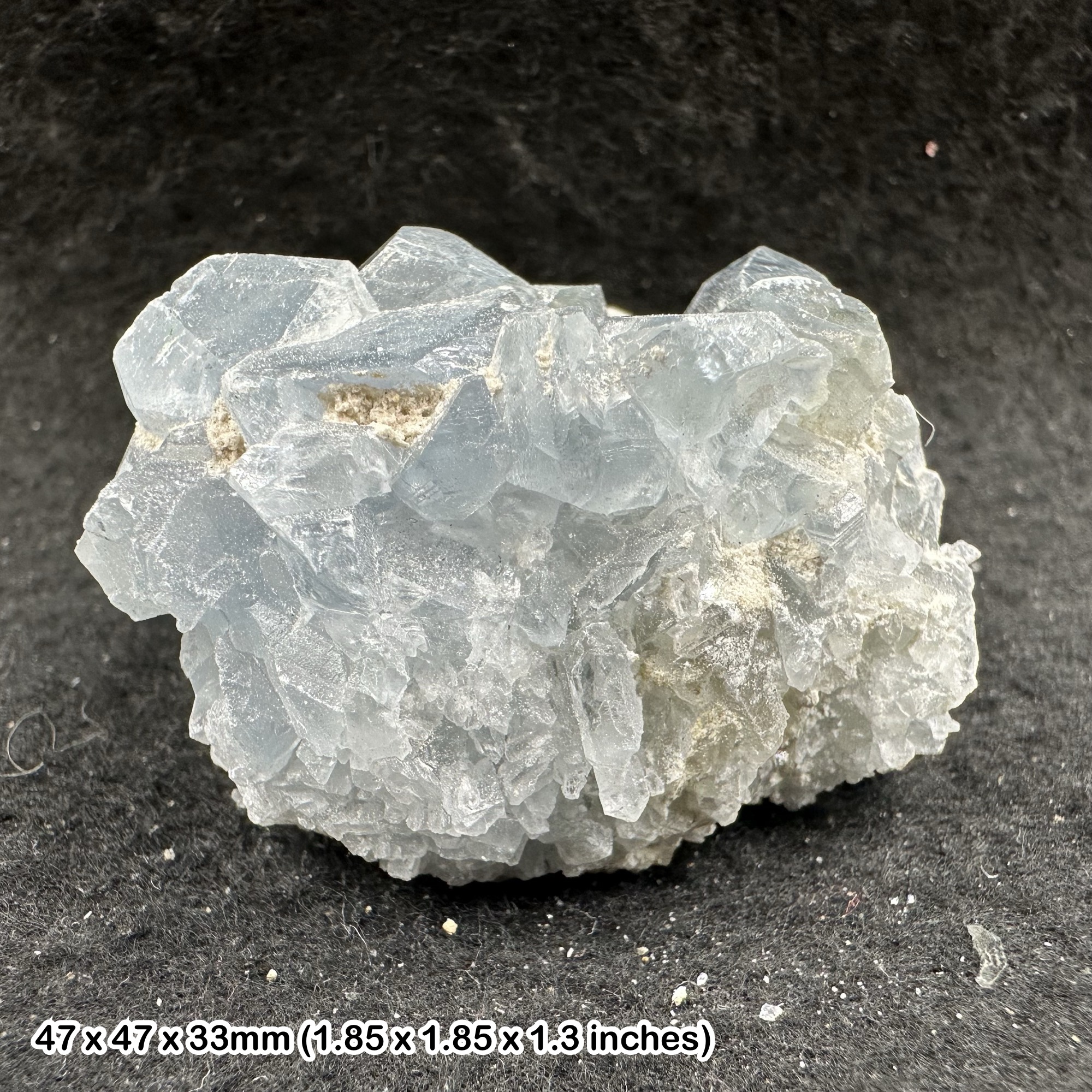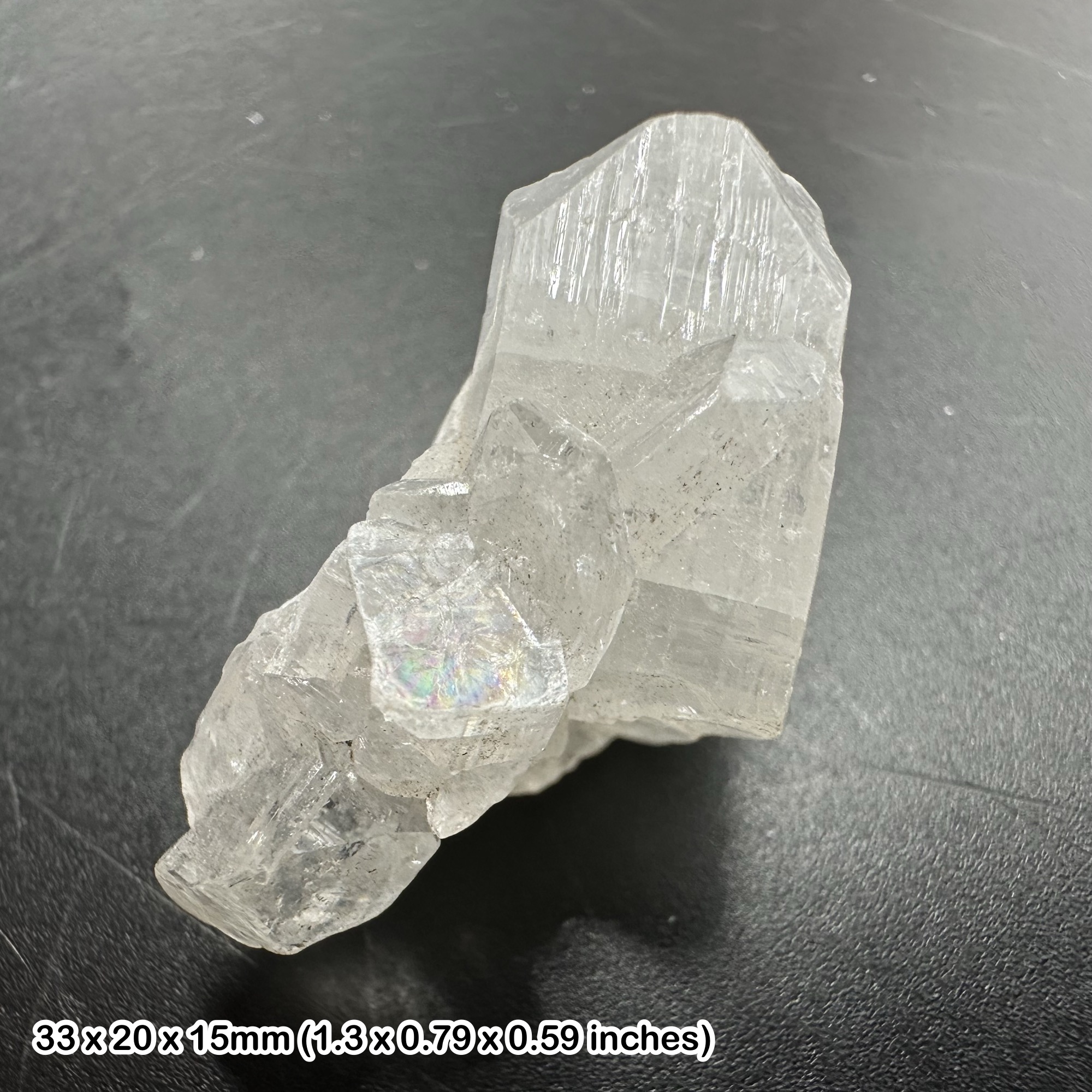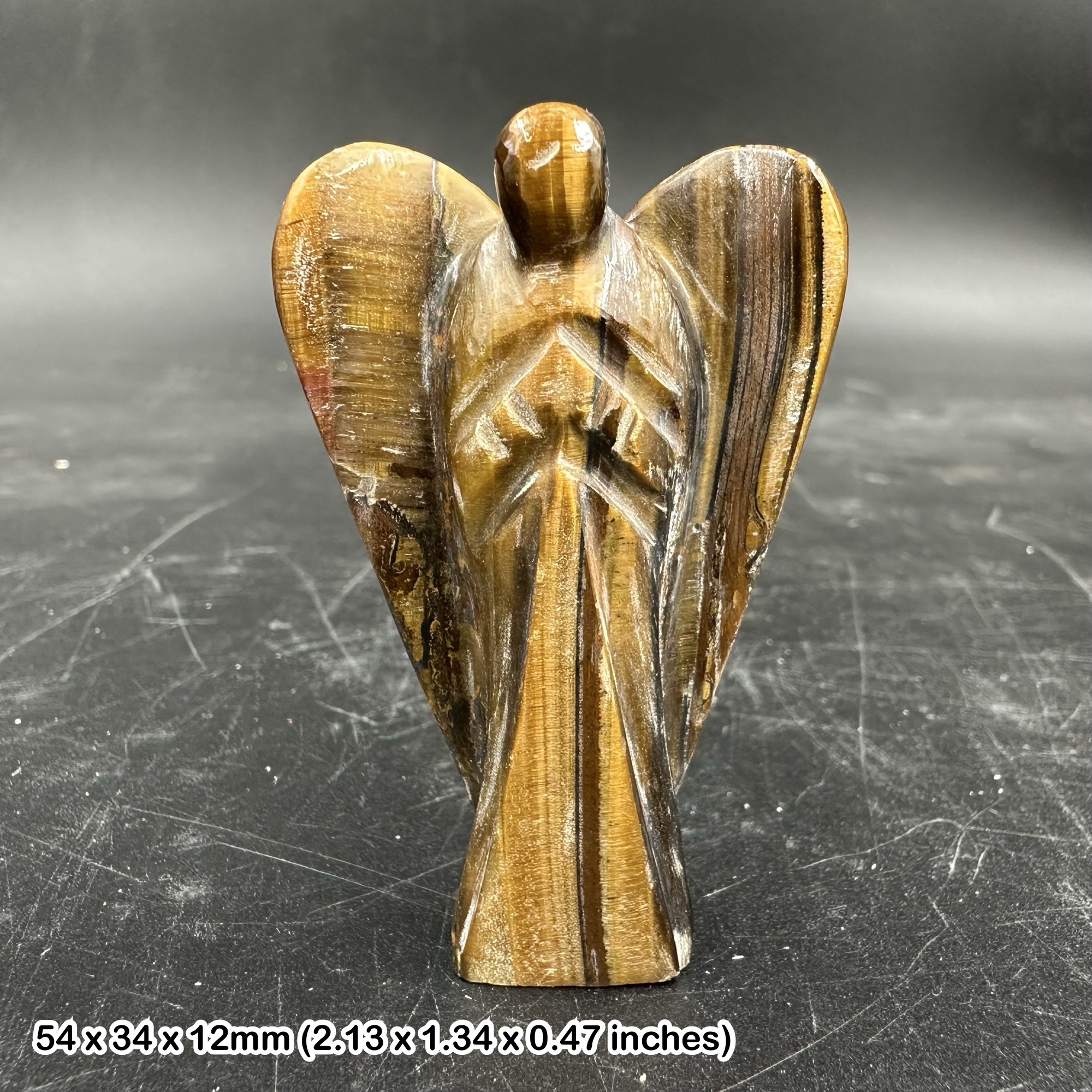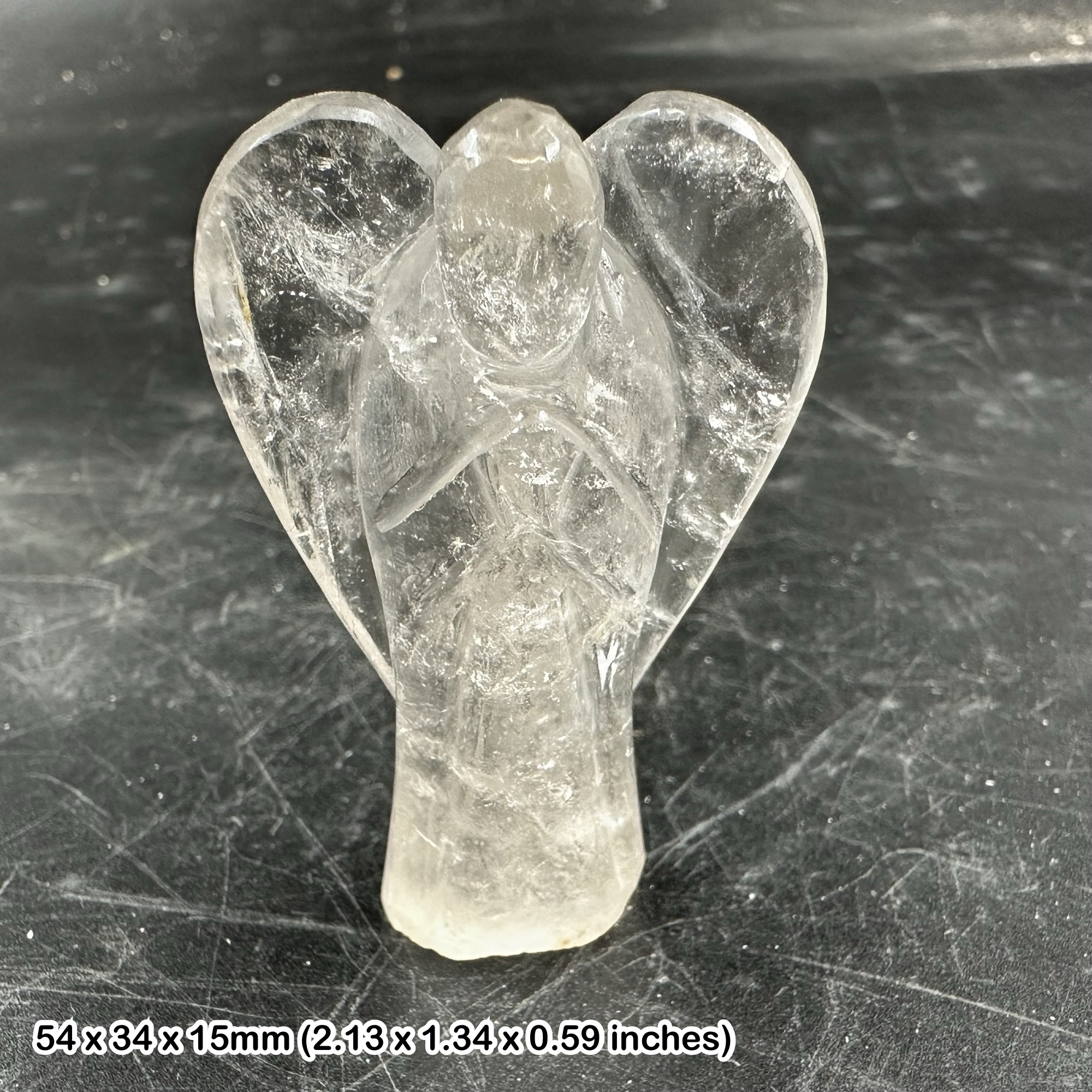
Purpurite Mineral Specimen Namibia Natural Purple Phosphate Crystal
£ 3.60
NATURAL PURPURITE MINERAL SPECIMEN – NAMIBIAThis Purpurite mineral specimen originates from Namibia, a region known for
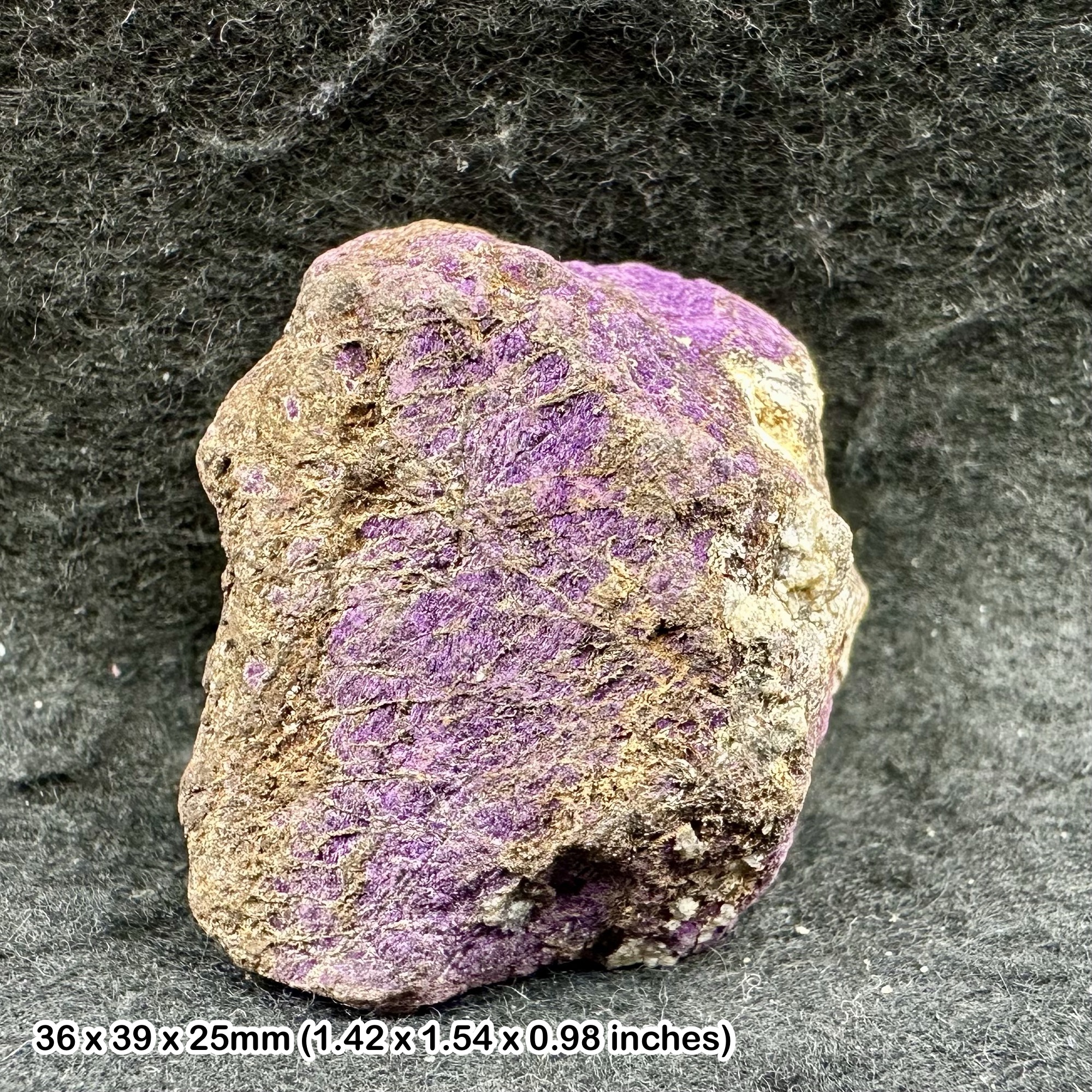
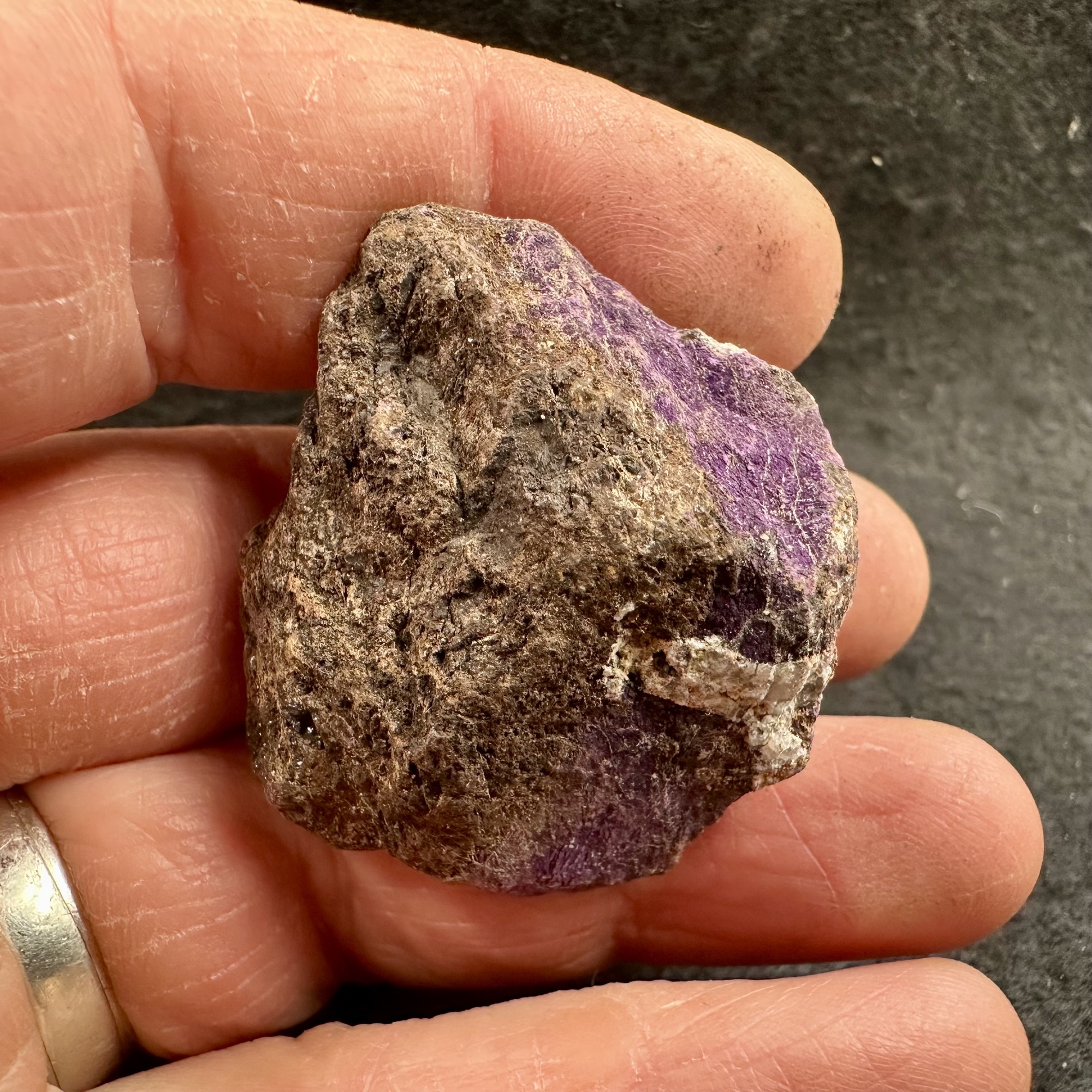
producing distinctive phosphate minerals associated with pegmatite deposits. Purpurite is recognised for its striking purple to deep violet coloration and is a secondary mineral that forms through the alteration of primary lithium phosphate minerals.The specimen displays the typical earthy texture and rich purple tones characteristic of purpurite. Its colour can range from violet and purple to reddish-purple depending on oxidation conditions and mineral composition. The listing photographs show the exact specimen you will receive, allowing collectors and buyers to clearly examine the colour, texture, and natural mineral structure before purchase.This crystal is a genuine specimen and includes a Certificate of Authenticity lifetime guarantee generic card, confirming the authenticity of the mineral.Please refer to the listing photographs for full sizing and scale. MINERAL IDENTIFICATION – PURPURITEPurpurite is a manganese iron phosphate mineral belonging to the phosphate mineral group. It typically forms through the natural weathering and oxidation of another mineral called triphylite, which is a lithium iron phosphate found in pegmatite environments.Key mineralogical characteristics include:
• Mineral Name: Purpurite
• Chemical Composition: (Mn,Fe)PO₄
• Mineral Class: Phosphate mineral
• Crystal System: Orthorhombic
• Mohs Hardness: Approximately 4–4.5
• Transparency: Opaque
• Lustre: Dull to submetallic
• Typical Colour: Purple, violet, reddish-purple, or deep plumPurpurite often occurs as massive or granular mineral aggregates rather than well-formed crystals. Its strong coloration results from manganese oxidation within the mineral structure. GEOLOGICAL FORMATIONPurpurite forms through a secondary mineral alteration process. The mineral develops when primary lithium phosphate minerals such as triphylite are exposed to oxygen and environmental weathering conditions. Over time, iron and manganese within the original mineral oxidize, transforming the mineral structure and producing purpurite.This process typically occurs in lithium-rich pegmatite deposits, which are coarse-grained igneous rocks formed during the late stages of magma crystallisation. Pegmatites are known for containing rare elements such as lithium, manganese, and phosphorus.Common minerals associated with purpurite in pegmatite environments include:
• Triphylite
• Lithiophilite
• Quartz
• Feldspar
• Lepidolite
• AlbiteThese mineral assemblages reflect the chemically evolved nature of pegmatite formations. NAMIBIAN MINERAL LOCALITYNamibia is internationally recognised for its mineral-rich geological environments and has produced many notable mineral specimens from pegmatite and hydrothermal systems. The country's pegmatite deposits contain a wide range of lithium-bearing minerals and secondary phosphate minerals such as purpurite.Mineral specimens from Namibia are highly regarded by collectors because of the country's well-documented localities and diverse mineral formations. The unique geology of the region often produces visually distinctive mineral specimens with strong coloration. NATURAL COLOUR AND SURFACE CHARACTERISTICSPurpurite is easily identified by its deep purple colouration and earthy mineral texture. Natural specimens commonly display:
• Rich violet to plum-purple tones
• Matte or slightly metallic surface lustre
• Granular or massive mineral structure
• Slight colour variation depending on manganese contentBecause purpurite forms through weathering processes, the colour can appear strongest on exposed surfaces where oxidation has occurred most extensively.Each specimen develops unique surface textures and colour patterns based on the geological conditions under which it formed. MINERAL COLLECTING AND DISPLAYPurpurite is popular among collectors because of its unusual colour and its role as a secondary mineral formed from lithium phosphate alteration. Its distinctive appearance makes it an interesting addition to collections focusing on phosphate minerals or pegmatite geology.This specimen may be suitable for:
• Mineral and crystal collections
• Phosphate mineral collections
• Pegmatite mineral displays
• Geological teaching collections
• Unique natural gift itemsIn some cultural traditions, purple minerals are traditionally associated with symbolic or spiritual interpretations, although such interpretations are belief-based rather than scientific explanations.Because the listing photographs show the actual specimen, buyers can purchase confidently knowing the exact mineral they will receive. AUTHENTIC NATURAL MINERAL SPECIMENThis Purpurite specimen from Namibia is a genuine natural phosphate mineral carefully selected for its colour and mineral character.The crystal includes a Certificate of Authenticity lifetime guarantee generic card, confirming the authenticity of the mineral specimen.Please review the listing photographs for full sizing and scale, as they form part of the description and clearly show the exact specimen you will receive.
producing distinctive phosphate minerals associated with pegmatite deposits. Purpurite is recognised for its striking purple to deep violet coloration and is a secondary mineral that forms through the alteration of primary lithium phosphate minerals.The specimen displays the typical earthy texture and rich purple tones characteristic of purpurite. Its colour can range from violet and purple to reddish-purple depending on oxidation conditions and mineral composition. The listing photographs show the exact specimen you will receive, allowing collectors and buyers to clearly examine the colour, texture, and natural mineral structure before purchase.This crystal is a genuine specimen and includes a Certificate of Authenticity lifetime guarantee generic card, confirming the authenticity of the mineral.Please refer to the listing photographs for full sizing and scale. MINERAL IDENTIFICATION – PURPURITEPurpurite is a manganese iron phosphate mineral belonging to the phosphate mineral group. It typically forms through the natural weathering and oxidation of another mineral called triphylite, which is a lithium iron phosphate found in pegmatite environments.Key mineralogical characteristics include:
• Mineral Name: Purpurite
• Chemical Composition: (Mn,Fe)PO₄
• Mineral Class: Phosphate mineral
• Crystal System: Orthorhombic
• Mohs Hardness: Approximately 4–4.5
• Transparency: Opaque
• Lustre: Dull to submetallic
• Typical Colour: Purple, violet, reddish-purple, or deep plumPurpurite often occurs as massive or granular mineral aggregates rather than well-formed crystals. Its strong coloration results from manganese oxidation within the mineral structure. GEOLOGICAL FORMATIONPurpurite forms through a secondary mineral alteration process. The mineral develops when primary lithium phosphate minerals such as triphylite are exposed to oxygen and environmental weathering conditions. Over time, iron and manganese within the original mineral oxidize, transforming the mineral structure and producing purpurite.This process typically occurs in lithium-rich pegmatite deposits, which are coarse-grained igneous rocks formed during the late stages of magma crystallisation. Pegmatites are known for containing rare elements such as lithium, manganese, and phosphorus.Common minerals associated with purpurite in pegmatite environments include:
• Triphylite
• Lithiophilite
• Quartz
• Feldspar
• Lepidolite
• AlbiteThese mineral assemblages reflect the chemically evolved nature of pegmatite formations. NAMIBIAN MINERAL LOCALITYNamibia is internationally recognised for its mineral-rich geological environments and has produced many notable mineral specimens from pegmatite and hydrothermal systems. The country's pegmatite deposits contain a wide range of lithium-bearing minerals and secondary phosphate minerals such as purpurite.Mineral specimens from Namibia are highly regarded by collectors because of the country's well-documented localities and diverse mineral formations. The unique geology of the region often produces visually distinctive mineral specimens with strong coloration. NATURAL COLOUR AND SURFACE CHARACTERISTICSPurpurite is easily identified by its deep purple colouration and earthy mineral texture. Natural specimens commonly display:
• Rich violet to plum-purple tones
• Matte or slightly metallic surface lustre
• Granular or massive mineral structure
• Slight colour variation depending on manganese contentBecause purpurite forms through weathering processes, the colour can appear strongest on exposed surfaces where oxidation has occurred most extensively.Each specimen develops unique surface textures and colour patterns based on the geological conditions under which it formed. MINERAL COLLECTING AND DISPLAYPurpurite is popular among collectors because of its unusual colour and its role as a secondary mineral formed from lithium phosphate alteration. Its distinctive appearance makes it an interesting addition to collections focusing on phosphate minerals or pegmatite geology.This specimen may be suitable for:
• Mineral and crystal collections
• Phosphate mineral collections
• Pegmatite mineral displays
• Geological teaching collections
• Unique natural gift itemsIn some cultural traditions, purple minerals are traditionally associated with symbolic or spiritual interpretations, although such interpretations are belief-based rather than scientific explanations.Because the listing photographs show the actual specimen, buyers can purchase confidently knowing the exact mineral they will receive. AUTHENTIC NATURAL MINERAL SPECIMENThis Purpurite specimen from Namibia is a genuine natural phosphate mineral carefully selected for its colour and mineral character.The crystal includes a Certificate of Authenticity lifetime guarantee generic card, confirming the authenticity of the mineral specimen.Please review the listing photographs for full sizing and scale, as they form part of the description and clearly show the exact specimen you will receive.
Other Products