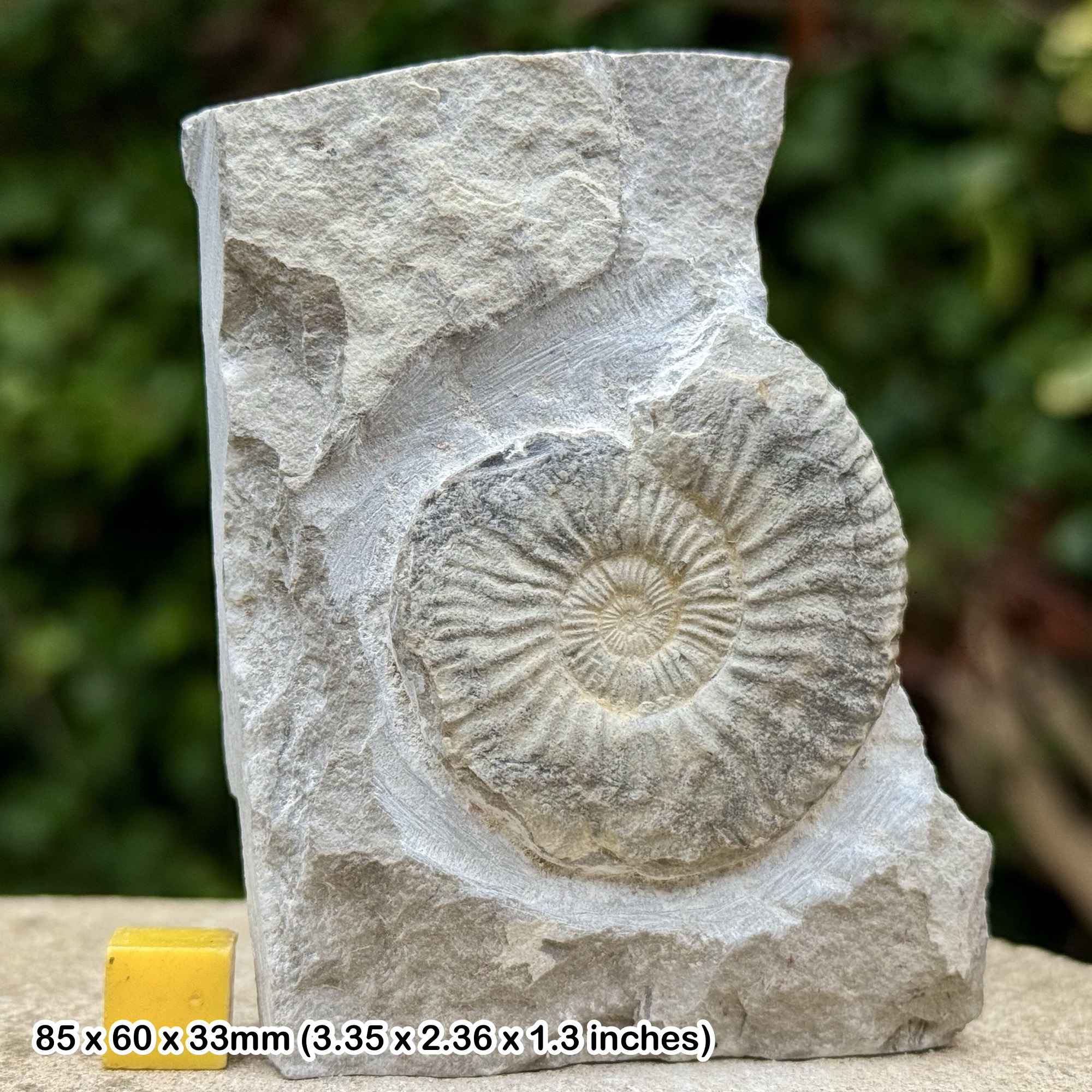
Rare Pseudosubplanites Ammonite Fossil Cretaceous Berriasian France Genuine Certified Specimen | Authentic Collectors Fossil
£ 14.40
GENUINE PSEUDOSUBPLANITES AMMONITE FOSSIL FROM FRANCEThis listing offers a rare Pseudosubplanites ammonite fossil, dating to the
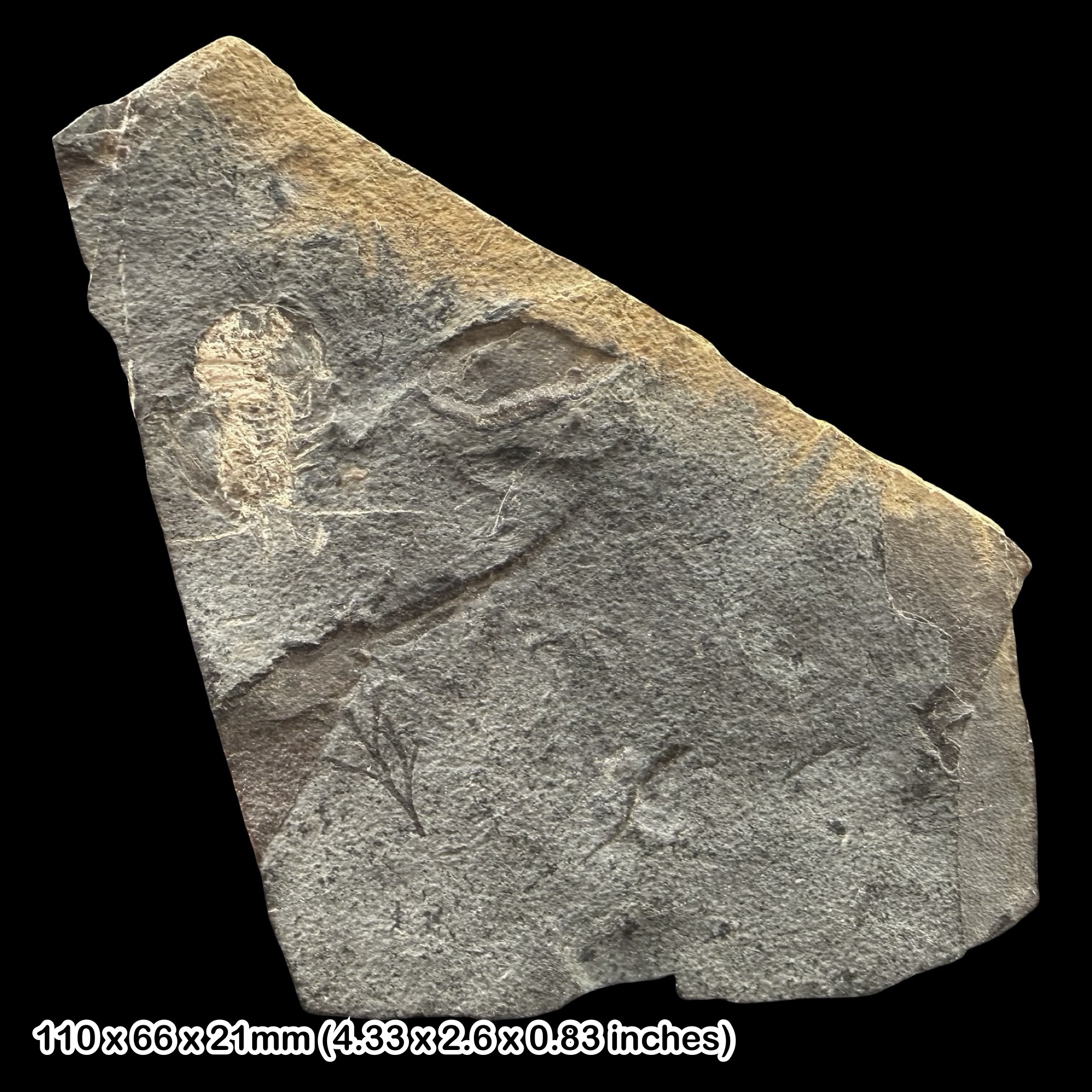
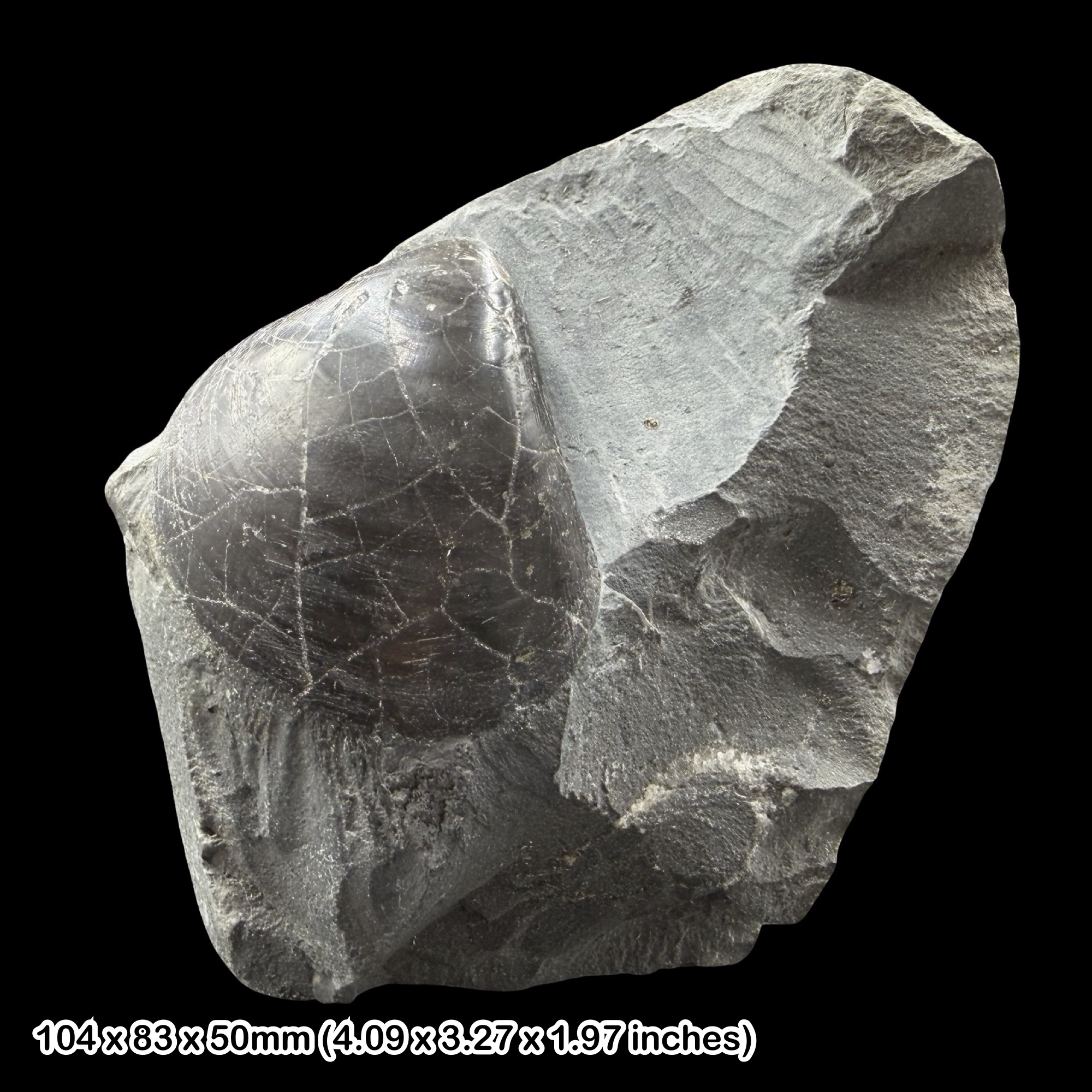
Berriasian Stage of the Early Cretaceous Period, approximately 145–140 million years ago. The specimen originates from Ginestous Garde, France, a location renowned among palaeontologists and collectors for yielding exceptionally preserved ammonites of significant scientific interest. Each piece is carefully selected, photographed individually, and sold with a Certificate of Authenticity, ensuring you receive the exact fossil pictured. The 1 cm scale cube in the photographs provides an accurate representation of its size. GEOLOGICAL AGE AND FORMATIONThe Berriasian Stage marks the beginning of the Cretaceous, a time when marine environments flourished across much of Europe. The deposits at Ginestous Garde represent shallow marine sedimentary formations where ammonites and other marine invertebrates thrived. Fossils from this region capture an important interval of Earth’s history, recording evolutionary transitions and environmental changes at the dawn of the Cretaceous. This ammonite fossil is a direct link to that ancient ocean ecosystem, preserved in remarkable detail. FOSSIL TYPE AND CLASSIFICATIONAmmonites were marine molluscs within the order Ammonitida, cephalopods related to squids and octopuses. The genus Pseudosubplanites is placed within the family Neocomitidae and the superfamily Perisphinctoidea, groups distinguished by their planispiral coiled shells and complex suture lines. These ammonites are particularly important in biostratigraphy, helping geologists define zones within the Early Cretaceous rock record. Fossils of this genus serve as index fossils, aiding in the dating and correlation of strata across Europe. MORPHOLOGY AND DISTINGUISHING FEATURESThe shell of Pseudosubplanites is typically evolute, with visible whorls and pronounced ribbing along its flanks. The ribs often bifurcate, creating a striking ornamentation that makes the species easily recognizable. The rib patterns not only add to its aesthetic appeal for collectors but also provide critical diagnostic features for palaeontologists identifying species and understanding evolutionary lineages. The preservation from Ginestous Garde allows many of these fine morphological details to be seen clearly. SCIENTIFIC AND COLLECTOR IMPORTANCEThe Pseudosubplanites genus is closely tied to the Berriasian biozones, and its occurrence helps define important boundaries in the stratigraphic column. Specimens such as this are studied to reconstruct palaeoenvironments, evolutionary relationships, and to refine the geological timescale. For collectors, owning a well-preserved Pseudosubplanites fossil from a classic French locality is a rare opportunity to acquire both a piece of Earth’s history and a specimen of great scientific relevance. PROVENANCE AND AUTHENTICITY
• Species: Pseudosubplanites sp.
• Geological Stage: Berriasian, Early Cretaceous (~145–140 million years old)
• Location: Ginestous Garde, France
• Family: Neocomitidae
• Superfamily: Perisphinctoidea
• Order: Ammonitida
• Notable Features: Evolute coiling, distinctive ribbing, excellent preservation
• Authenticity: 100% genuine fossil with Certificate of Authenticity
• Photographs: Actual specimen shown, with 1 cm scale cube for size reference A CAREFULLY SELECTED FOSSILEvery specimen we offer has been chosen for its quality, rarity, and scientific interest. The fossil you see in the photographs is the exact specimen you will receive. This guarantees complete transparency and allows you to appreciate its size, preservation, and unique features. Each fossil is backed by our commitment to authenticity, arriving with a Certificate of Authenticity for peace of mind.This rare Pseudosubplanites ammonite fossil from Ginestous Garde, France is both a scientifically significant specimen and a captivating collector’s piece—an enduring record of life from the dawn of the Cretaceous.
Berriasian Stage of the Early Cretaceous Period, approximately 145–140 million years ago. The specimen originates from Ginestous Garde, France, a location renowned among palaeontologists and collectors for yielding exceptionally preserved ammonites of significant scientific interest. Each piece is carefully selected, photographed individually, and sold with a Certificate of Authenticity, ensuring you receive the exact fossil pictured. The 1 cm scale cube in the photographs provides an accurate representation of its size. GEOLOGICAL AGE AND FORMATIONThe Berriasian Stage marks the beginning of the Cretaceous, a time when marine environments flourished across much of Europe. The deposits at Ginestous Garde represent shallow marine sedimentary formations where ammonites and other marine invertebrates thrived. Fossils from this region capture an important interval of Earth’s history, recording evolutionary transitions and environmental changes at the dawn of the Cretaceous. This ammonite fossil is a direct link to that ancient ocean ecosystem, preserved in remarkable detail. FOSSIL TYPE AND CLASSIFICATIONAmmonites were marine molluscs within the order Ammonitida, cephalopods related to squids and octopuses. The genus Pseudosubplanites is placed within the family Neocomitidae and the superfamily Perisphinctoidea, groups distinguished by their planispiral coiled shells and complex suture lines. These ammonites are particularly important in biostratigraphy, helping geologists define zones within the Early Cretaceous rock record. Fossils of this genus serve as index fossils, aiding in the dating and correlation of strata across Europe. MORPHOLOGY AND DISTINGUISHING FEATURESThe shell of Pseudosubplanites is typically evolute, with visible whorls and pronounced ribbing along its flanks. The ribs often bifurcate, creating a striking ornamentation that makes the species easily recognizable. The rib patterns not only add to its aesthetic appeal for collectors but also provide critical diagnostic features for palaeontologists identifying species and understanding evolutionary lineages. The preservation from Ginestous Garde allows many of these fine morphological details to be seen clearly. SCIENTIFIC AND COLLECTOR IMPORTANCEThe Pseudosubplanites genus is closely tied to the Berriasian biozones, and its occurrence helps define important boundaries in the stratigraphic column. Specimens such as this are studied to reconstruct palaeoenvironments, evolutionary relationships, and to refine the geological timescale. For collectors, owning a well-preserved Pseudosubplanites fossil from a classic French locality is a rare opportunity to acquire both a piece of Earth’s history and a specimen of great scientific relevance. PROVENANCE AND AUTHENTICITY
• Species: Pseudosubplanites sp.
• Geological Stage: Berriasian, Early Cretaceous (~145–140 million years old)
• Location: Ginestous Garde, France
• Family: Neocomitidae
• Superfamily: Perisphinctoidea
• Order: Ammonitida
• Notable Features: Evolute coiling, distinctive ribbing, excellent preservation
• Authenticity: 100% genuine fossil with Certificate of Authenticity
• Photographs: Actual specimen shown, with 1 cm scale cube for size reference A CAREFULLY SELECTED FOSSILEvery specimen we offer has been chosen for its quality, rarity, and scientific interest. The fossil you see in the photographs is the exact specimen you will receive. This guarantees complete transparency and allows you to appreciate its size, preservation, and unique features. Each fossil is backed by our commitment to authenticity, arriving with a Certificate of Authenticity for peace of mind.This rare Pseudosubplanites ammonite fossil from Ginestous Garde, France is both a scientifically significant specimen and a captivating collector’s piece—an enduring record of life from the dawn of the Cretaceous.
Other Products