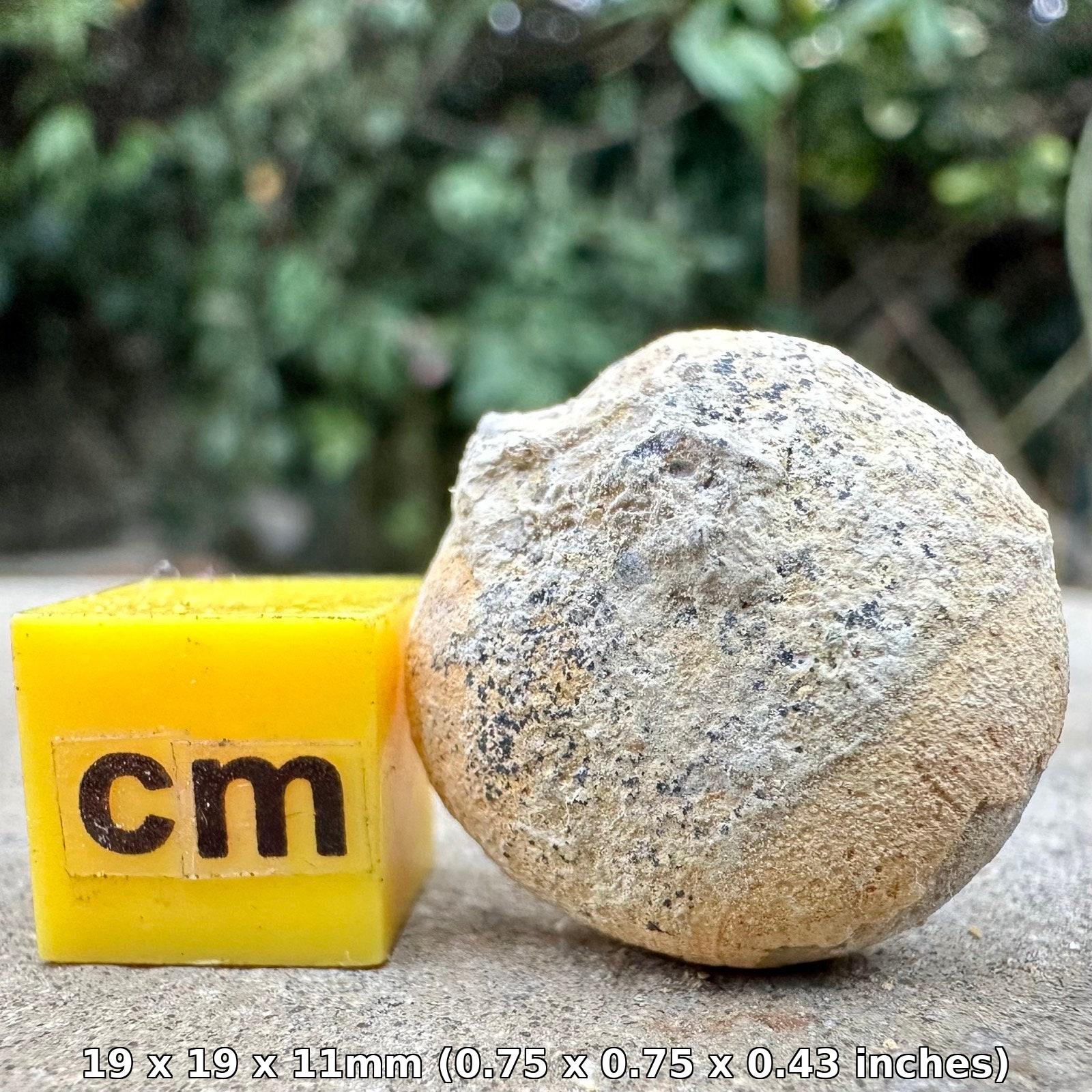
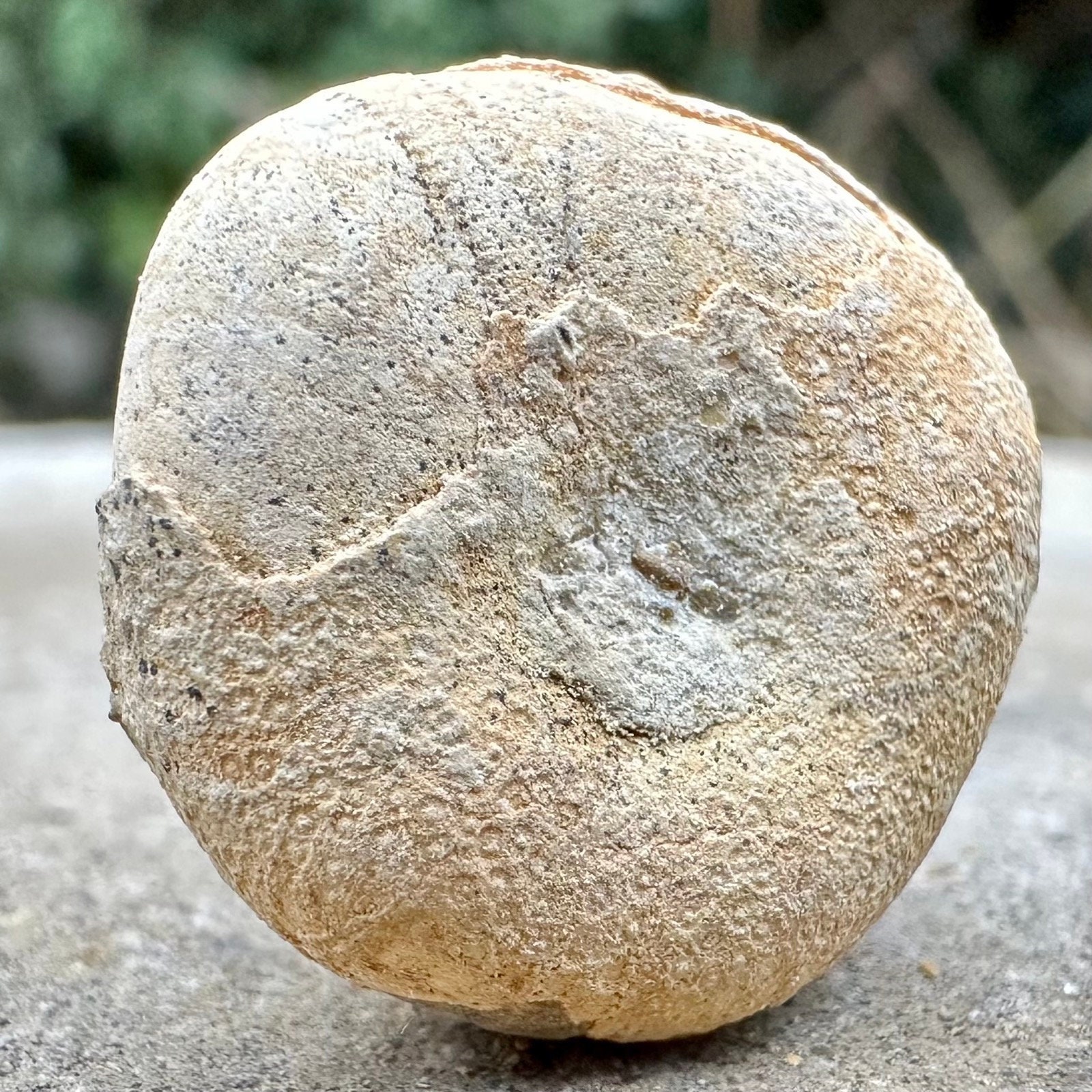
Nucleolites scutatus Fossil Echinoid from Jurassic Osmington Oolite Pirates Cove Dorset UK
£ 6.90
OVERVIEW OF THIS NUCLEOLITES SCUTATUS FOSSIL ECHINOIDThis exceptional Nucleolites scutatus fossil echinoid comes from the Osmington
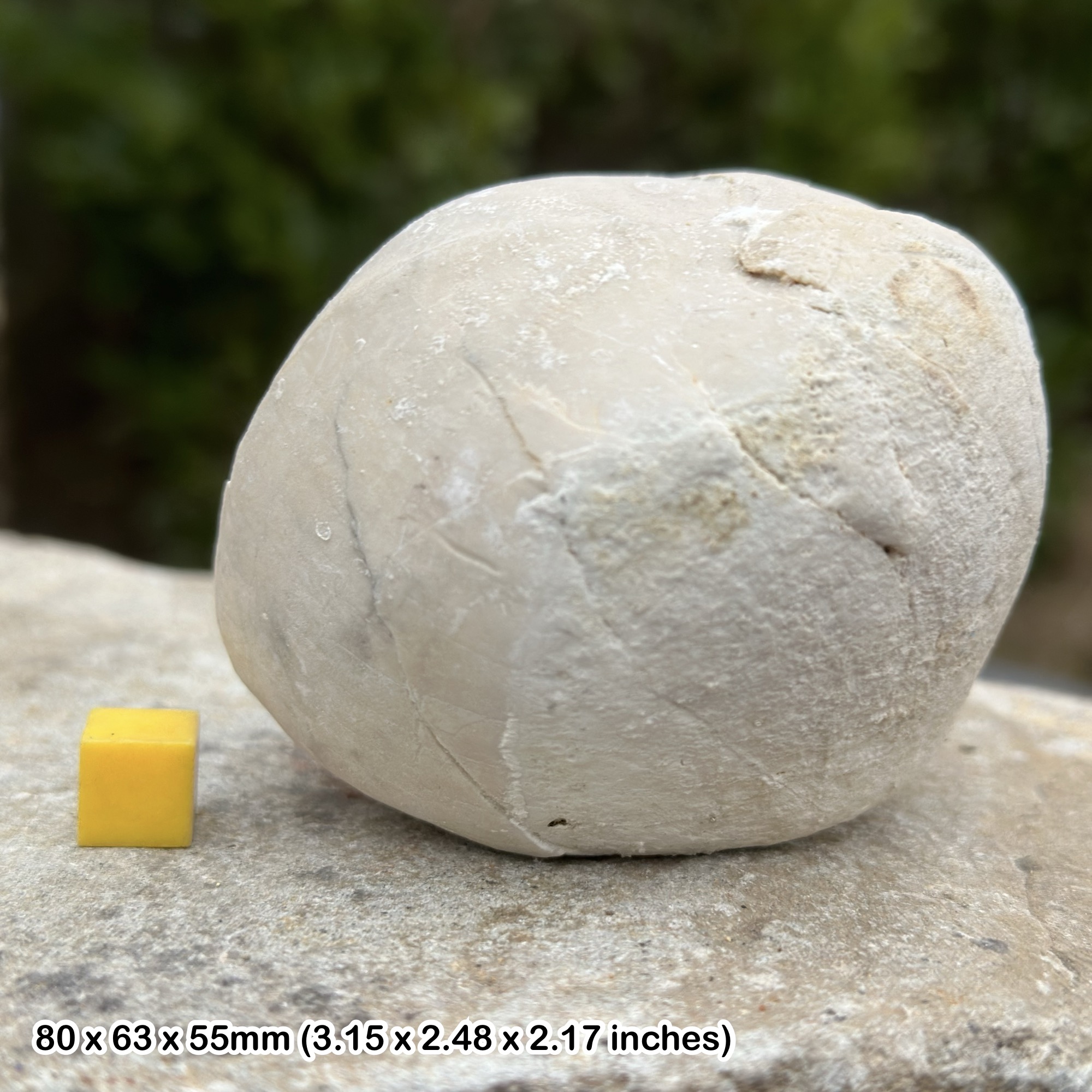
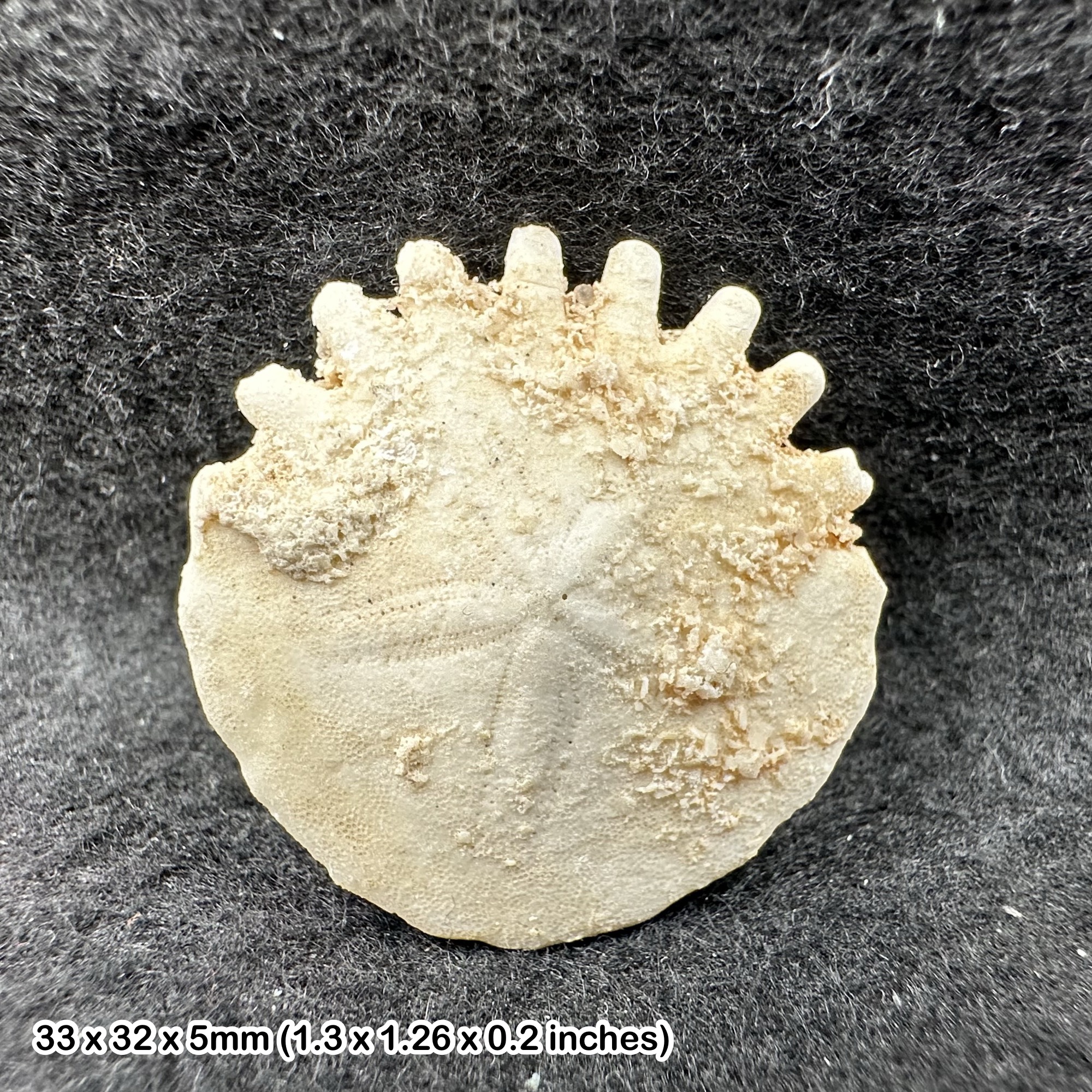
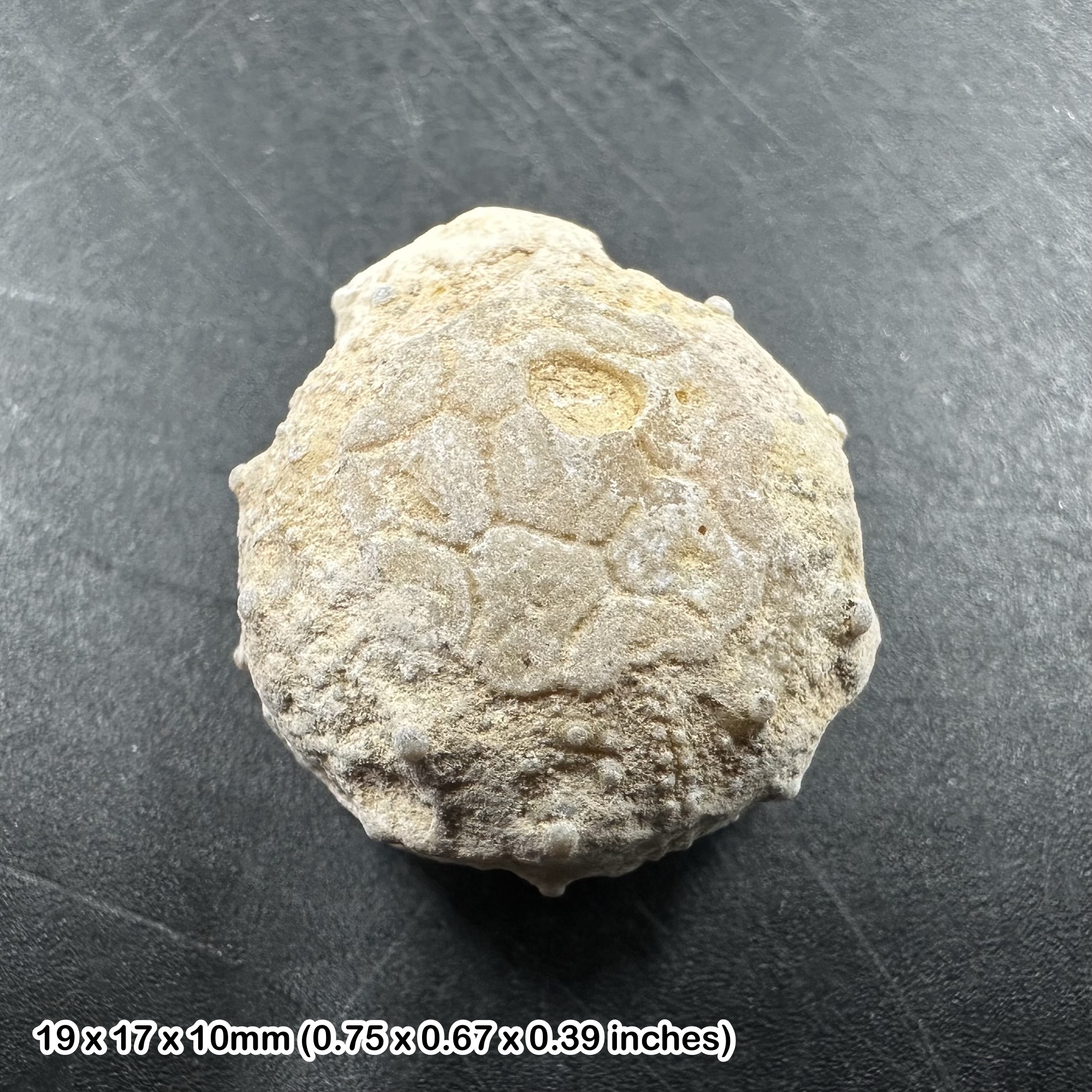
Oolite Formation of the Jurassic Period, collected at Pirates Cove, Dorset, UK—a locality renowned for its beautifully preserved marine fossils. The specimen shown in the photographs is the exact fossil you will receive, and a 1 cm scale cube is included so you can accurately judge its full size. As with all our items, all of our fossils are 100% genuine specimens and come with a Certificate of Authenticity.Carefully selected for quality, definition, and completeness, this echinoid is an excellent example of the species and provides a direct connection to life in the warm Jurassic seas that once covered southern England. GEOLOGICAL CONTEXT: OSMINGTON OOLITE FORMATIONThe Osmington Oolite is a well-known Middle Jurassic limestone unit within the Corallian Group, exposed prominently along the Dorset coastline. These oolitic limestones were deposited in shallow, warm marine environments where carbonate-rich waters allowed the formation of ooids, skeletal fragments, and other calcareous sediments.The formation represents a dynamic coastal setting with fluctuating water depths, gentle currents, and abundant benthic life. Conditions were highly favourable for echinoids such as Nucleolites scutatus, whose remains became buried within the soft calcareous sediments, later mineralising into the well-preserved fossils found today.This locality—Pirates Cove near Osmington Mills—is famous for its beautifully weathered exposures and diverse fossil assemblage, making it a popular site for scientific study and responsible collecting. ABOUT THE SPECIES: NUCLEOLITES SCUTATUSNucleolites scutatus is a species of irregular echinoid belonging to the Order Spatangoida, a group commonly referred to as heart urchins due to their characteristic body shape. These echinoids lived partially buried in soft seabeds, using their spines and specialised tube feet to burrow and feed on organic particles within the sediment.Key features of Nucleolites scutatus include:
• Distinctive heart-shaped outline when viewed from above
• Inflated, dome-like profile with bilateral symmetry typical of irregular echinoids
• Well-defined ambulacral and interambulacral areas, visible as patterned grooves and raised sections
• Fine surface detail, including subtle tuberculation where spines once attached
• Adaptation for burrowing, with the mouth and anus positioned asymmetrically to facilitate a deposit-feeding lifestyleThese traits give the specimen both scientific value and visual appeal, making it an excellent teaching, display, or collector’s piece. DEPOSITIONAL ENVIRONMENT AND PRESERVATIONThe Jurassic seas of the Osmington area supported a rich ecosystem of ammonites, bivalves, corals, echinoids, and other marine organisms. The soft oolitic sediments provided an ideal substrate for burrowing echinoids, and rapid sedimentation often ensured their remains were protected from scavengers and mechanical erosion.Fossils from this formation are frequently preserved with excellent detail, and this specimen is no exception. The fine external morphology of Nucleolites scutatus remains clearly visible, offering insight into the anatomy and lifestyle of these ancient echinoids. SCIENTIFIC AND COLLECTOR APPEALThis fossil holds strong value for collectors, educators, and anyone interested in Jurassic marine life. It illustrates:
• The evolution and adaptation of irregular echinoids
• The palaeoecology of shallow Jurassic seas
• The structure and behaviour of deposit-feeding organisms
• The geological history of Dorset’s world-famous Jurassic CoastIts completeness, clarity of detail, and well-documented locality make it particularly desirable for scientific reference or display. AUTHENTICITY AND PRESENTATIONYour fossil is a 100% genuine Nucleolites scutatus echinoid, ethically collected and chosen for its high-quality preservation. The images show the actual specimen, ensuring full transparency. A Certificate of Authenticity will accompany your purchase. A BEAUTIFUL JURASSIC ECHINOID FROM DORSETThis Nucleolites scutatus fossil offers an impressive combination of scientific interest, geological history, and natural beauty—an excellent addition to any fossil collection.
Oolite Formation of the Jurassic Period, collected at Pirates Cove, Dorset, UK—a locality renowned for its beautifully preserved marine fossils. The specimen shown in the photographs is the exact fossil you will receive, and a 1 cm scale cube is included so you can accurately judge its full size. As with all our items, all of our fossils are 100% genuine specimens and come with a Certificate of Authenticity.Carefully selected for quality, definition, and completeness, this echinoid is an excellent example of the species and provides a direct connection to life in the warm Jurassic seas that once covered southern England. GEOLOGICAL CONTEXT: OSMINGTON OOLITE FORMATIONThe Osmington Oolite is a well-known Middle Jurassic limestone unit within the Corallian Group, exposed prominently along the Dorset coastline. These oolitic limestones were deposited in shallow, warm marine environments where carbonate-rich waters allowed the formation of ooids, skeletal fragments, and other calcareous sediments.The formation represents a dynamic coastal setting with fluctuating water depths, gentle currents, and abundant benthic life. Conditions were highly favourable for echinoids such as Nucleolites scutatus, whose remains became buried within the soft calcareous sediments, later mineralising into the well-preserved fossils found today.This locality—Pirates Cove near Osmington Mills—is famous for its beautifully weathered exposures and diverse fossil assemblage, making it a popular site for scientific study and responsible collecting. ABOUT THE SPECIES: NUCLEOLITES SCUTATUSNucleolites scutatus is a species of irregular echinoid belonging to the Order Spatangoida, a group commonly referred to as heart urchins due to their characteristic body shape. These echinoids lived partially buried in soft seabeds, using their spines and specialised tube feet to burrow and feed on organic particles within the sediment.Key features of Nucleolites scutatus include:
• Distinctive heart-shaped outline when viewed from above
• Inflated, dome-like profile with bilateral symmetry typical of irregular echinoids
• Well-defined ambulacral and interambulacral areas, visible as patterned grooves and raised sections
• Fine surface detail, including subtle tuberculation where spines once attached
• Adaptation for burrowing, with the mouth and anus positioned asymmetrically to facilitate a deposit-feeding lifestyleThese traits give the specimen both scientific value and visual appeal, making it an excellent teaching, display, or collector’s piece. DEPOSITIONAL ENVIRONMENT AND PRESERVATIONThe Jurassic seas of the Osmington area supported a rich ecosystem of ammonites, bivalves, corals, echinoids, and other marine organisms. The soft oolitic sediments provided an ideal substrate for burrowing echinoids, and rapid sedimentation often ensured their remains were protected from scavengers and mechanical erosion.Fossils from this formation are frequently preserved with excellent detail, and this specimen is no exception. The fine external morphology of Nucleolites scutatus remains clearly visible, offering insight into the anatomy and lifestyle of these ancient echinoids. SCIENTIFIC AND COLLECTOR APPEALThis fossil holds strong value for collectors, educators, and anyone interested in Jurassic marine life. It illustrates:
• The evolution and adaptation of irregular echinoids
• The palaeoecology of shallow Jurassic seas
• The structure and behaviour of deposit-feeding organisms
• The geological history of Dorset’s world-famous Jurassic CoastIts completeness, clarity of detail, and well-documented locality make it particularly desirable for scientific reference or display. AUTHENTICITY AND PRESENTATIONYour fossil is a 100% genuine Nucleolites scutatus echinoid, ethically collected and chosen for its high-quality preservation. The images show the actual specimen, ensuring full transparency. A Certificate of Authenticity will accompany your purchase. A BEAUTIFUL JURASSIC ECHINOID FROM DORSETThis Nucleolites scutatus fossil offers an impressive combination of scientific interest, geological history, and natural beauty—an excellent addition to any fossil collection.