Goniopholis Crocodile Tooth Hybodont Shark Tooth Fossils Dorset UK Genuine Specimens Certificate Authenticity
£ 120.00
GENUINE GONIOPHOLIS CROCODILE TOOTH AND HYBODONT SHARK TOOTH FOSSILS FROM
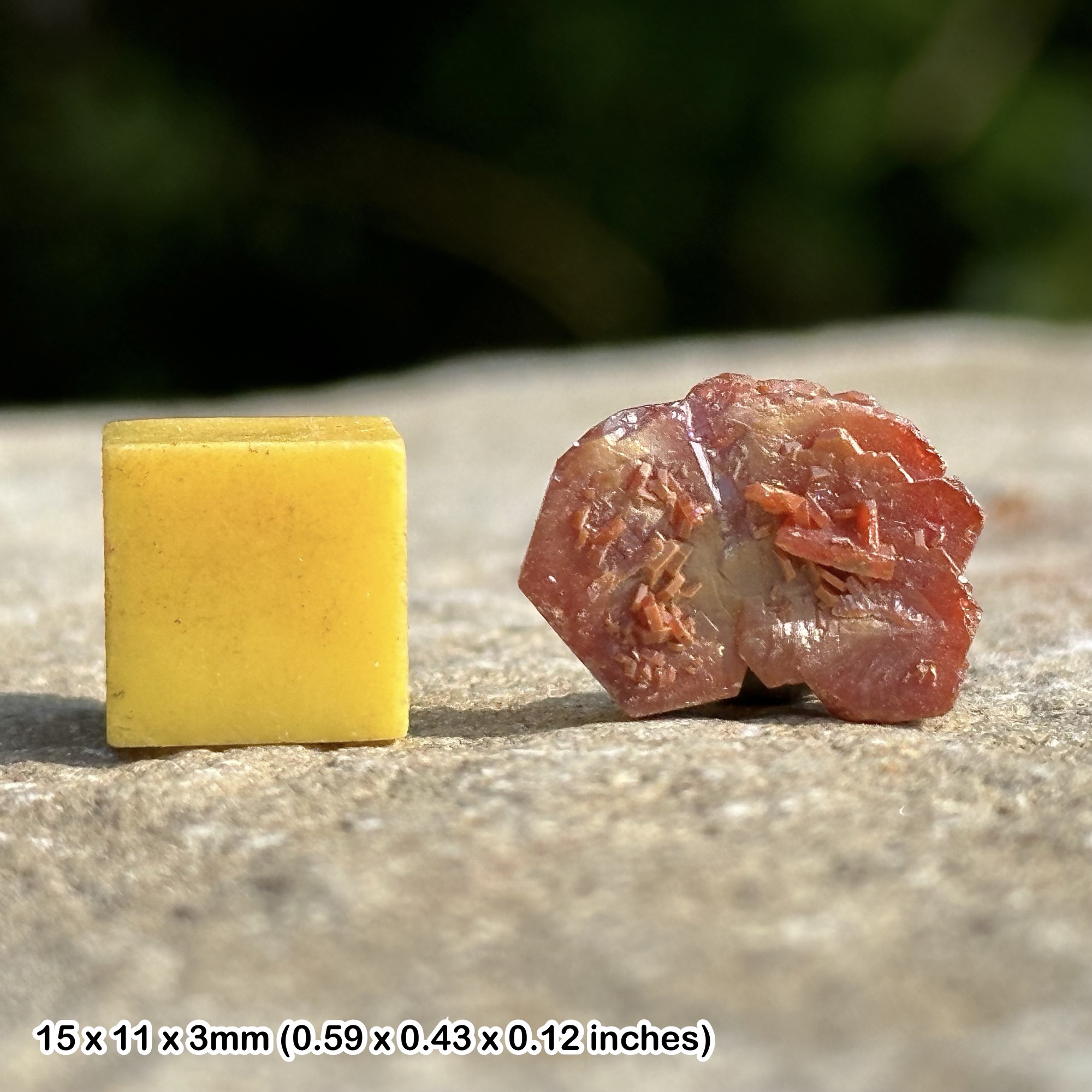
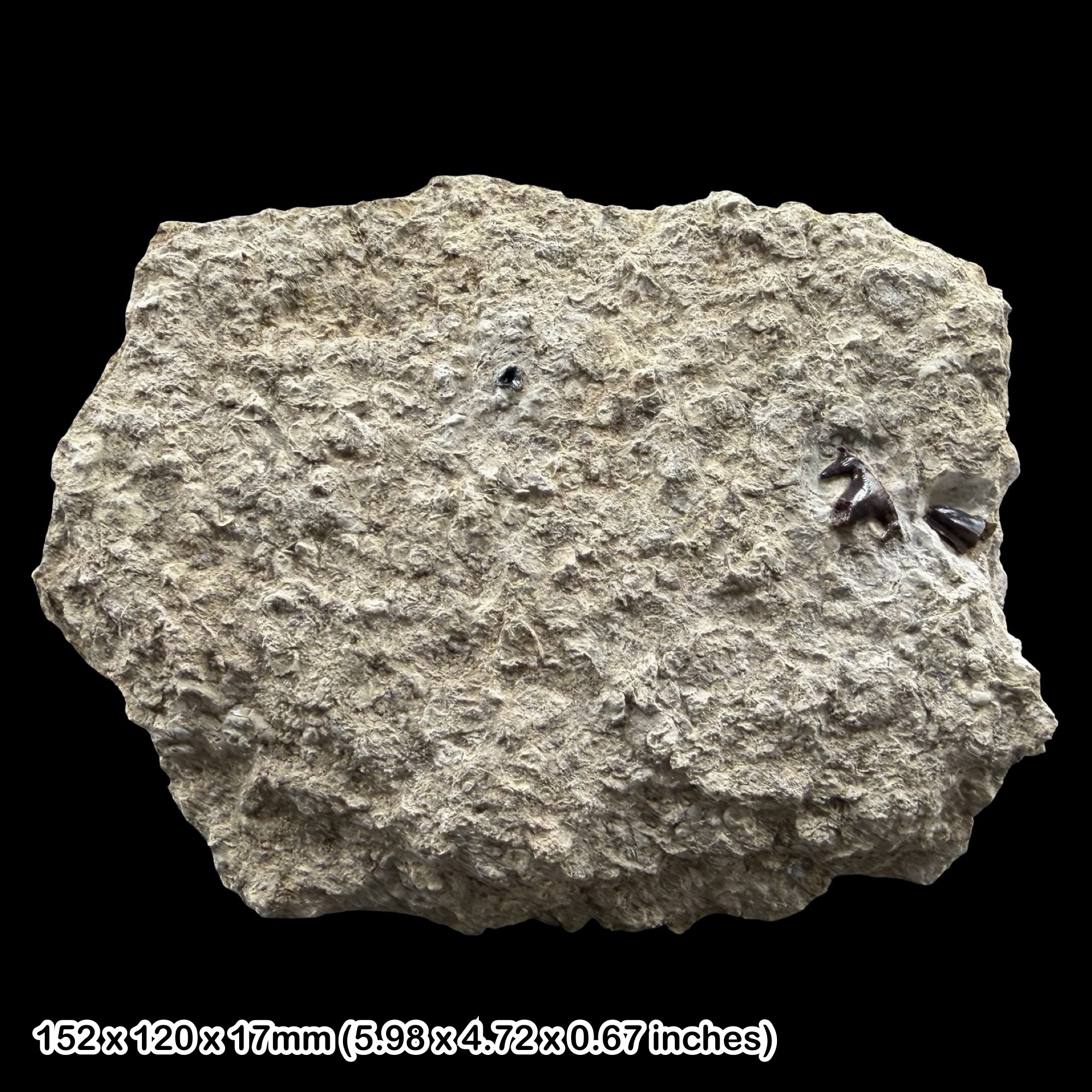
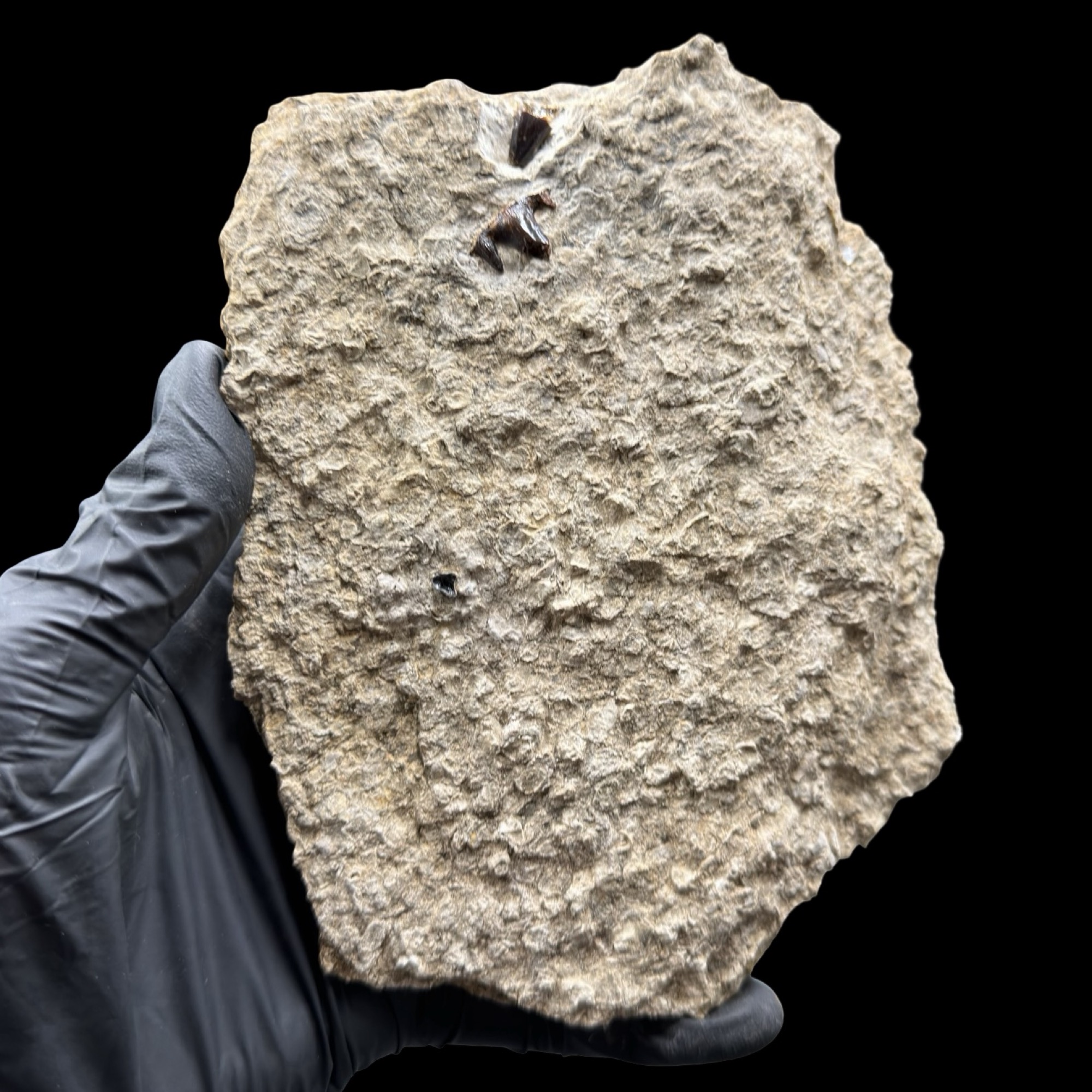
DORSETAn authentic fossil pairing featuring a Goniopholis crocodile tooth alongside a genuine Hybodont shark tooth, recovered from the famous Durlston Formation of the Purbeck Beds at Durlston Bay, Swanage, Dorset, UK. These remarkable vertebrate fossils date to the Early Cretaceous and preserve evidence of two very different prehistoric predators that inhabited the ancient lagoons, estuaries and freshwater environments of southern England.This fossil set is a genuine specimen and includes a Certificate of Authenticity lifetime guarantee generic card. The photographs show the exact fossils you will receive. Full sizing please see photo.Your specimens were discovered by our own team members, Alister and Alison, and have been professionally cleaned, prepped and treated by Alison to preserve the natural fossil detail and ensure long-term stability. ABOUT GONIOPHOLIS CROCODILESGoniopholis was an extinct genus of neosuchian crocodilian belonging to the Family Goniopholididae. These prehistoric crocodiles lived from the Late Jurassic into the Early Cretaceous and were among the dominant semi-aquatic predators of freshwater and lagoonal habitats across Europe.This crocodilian possessed a heavily armoured body covered in osteoderms, a powerful tail for swimming and elongated jaws lined with conical teeth adapted for gripping slippery prey. Fossil evidence suggests Goniopholis preyed upon fish, amphibians and smaller vertebrates inhabiting the wetlands and waterways of the Purbeck ecosystem.The tooth in this specimen displays the classic morphology associated with crocodilian dentition, including its conical structure and naturally mineralised enamel surface. Teeth like these were ideal for seizing prey rather than slicing flesh. ABOUT HYBODONT SHARKSHybodont sharks were an ancient and highly successful group of cartilaginous fish belonging to the Order Hybodontiformes. They thrived for hundreds of millions of years from the Devonian until the end of the Cretaceous and occupied both marine and freshwater environments.Hybodont sharks differed from many modern sharks in possessing distinctive teeth adapted for a varied diet. Depending on species, these sharks fed on fish, crustaceans and hard-shelled prey within shallow coastal lagoons and estuarine systems.Hybodont teeth are highly collectible because they often preserve excellent detail, including sharp cusps, enamel ornamentation and natural wear patterns. Their rarity within British fossil deposits makes them especially desirable among vertebrate fossil collectors. GEOLOGICAL FORMATION AND DEPOSITIONAL ENVIRONMENTBoth fossils originate from the Durlston Formation within the Purbeck Group of Dorset. These deposits date to the earliest Cretaceous and represent a sequence of lagoonal limestones, freshwater sediments and marginal marine deposits formed near the Jurassic-Cretaceous boundary.The Purbeck Beds are internationally recognised for their exceptional fossil preservation and have yielded crocodilians, dinosaurs, fish, turtles, insects and plants. Seasonal fluctuations in salinity and water depth created ideal conditions for preserving delicate vertebrate remains over millions of years.Durlston Bay forms part of the UNESCO World Heritage Jurassic Coast and remains one of Britain’s most famous fossil localities. FOSSIL PRESERVATION AND PREPARATIONThese fossils have been carefully prepared to reveal their natural morphology while preserving the integrity of the specimens and surrounding matrix. Both teeth display authentic fossilisation with natural mineral replacement formed during burial within sedimentary rock.Every fossil from this locality is unique, showing natural variations in colour, texture and preservation. No replicas or casts are involved.The professional preparation by Alison ensures the fossils remain stable and suitable for long-term collecting, educational use and display. IDEAL FOR COLLECTORS AND DISPLAYSThis genuine fossil combination is ideal for:
• Fossil collectors
• Crocodile fossil collections
• Shark fossil collections
• Jurassic Coast collections
• British vertebrate fossil collections
• Educational displays
• Natural history enthusiasts
• Early Cretaceous fossil collectionsThe combination of two distinct prehistoric predators from the same formation makes this an especially attractive and scientifically interesting display piece. CERTIFICATE OF AUTHENTICITY INCLUDEDAll of our fossils are guaranteed 100% genuine specimens and include a Certificate of Authenticity lifetime guarantee generic card. We personally recover many of our fossils from UK localities and professionally prepare them in-house to ensure authenticity and quality.The fossils photographed are the exact specimens you will receive, making this a unique and genuine piece of prehistoric natural history from the famous fossil-bearing deposits of Dorset, England.
DORSETAn authentic fossil pairing featuring a Goniopholis crocodile tooth alongside a genuine Hybodont shark tooth, recovered from the famous Durlston Formation of the Purbeck Beds at Durlston Bay, Swanage, Dorset, UK. These remarkable vertebrate fossils date to the Early Cretaceous and preserve evidence of two very different prehistoric predators that inhabited the ancient lagoons, estuaries and freshwater environments of southern England.This fossil set is a genuine specimen and includes a Certificate of Authenticity lifetime guarantee generic card. The photographs show the exact fossils you will receive. Full sizing please see photo.Your specimens were discovered by our own team members, Alister and Alison, and have been professionally cleaned, prepped and treated by Alison to preserve the natural fossil detail and ensure long-term stability. ABOUT GONIOPHOLIS CROCODILESGoniopholis was an extinct genus of neosuchian crocodilian belonging to the Family Goniopholididae. These prehistoric crocodiles lived from the Late Jurassic into the Early Cretaceous and were among the dominant semi-aquatic predators of freshwater and lagoonal habitats across Europe.This crocodilian possessed a heavily armoured body covered in osteoderms, a powerful tail for swimming and elongated jaws lined with conical teeth adapted for gripping slippery prey. Fossil evidence suggests Goniopholis preyed upon fish, amphibians and smaller vertebrates inhabiting the wetlands and waterways of the Purbeck ecosystem.The tooth in this specimen displays the classic morphology associated with crocodilian dentition, including its conical structure and naturally mineralised enamel surface. Teeth like these were ideal for seizing prey rather than slicing flesh. ABOUT HYBODONT SHARKSHybodont sharks were an ancient and highly successful group of cartilaginous fish belonging to the Order Hybodontiformes. They thrived for hundreds of millions of years from the Devonian until the end of the Cretaceous and occupied both marine and freshwater environments.Hybodont sharks differed from many modern sharks in possessing distinctive teeth adapted for a varied diet. Depending on species, these sharks fed on fish, crustaceans and hard-shelled prey within shallow coastal lagoons and estuarine systems.Hybodont teeth are highly collectible because they often preserve excellent detail, including sharp cusps, enamel ornamentation and natural wear patterns. Their rarity within British fossil deposits makes them especially desirable among vertebrate fossil collectors. GEOLOGICAL FORMATION AND DEPOSITIONAL ENVIRONMENTBoth fossils originate from the Durlston Formation within the Purbeck Group of Dorset. These deposits date to the earliest Cretaceous and represent a sequence of lagoonal limestones, freshwater sediments and marginal marine deposits formed near the Jurassic-Cretaceous boundary.The Purbeck Beds are internationally recognised for their exceptional fossil preservation and have yielded crocodilians, dinosaurs, fish, turtles, insects and plants. Seasonal fluctuations in salinity and water depth created ideal conditions for preserving delicate vertebrate remains over millions of years.Durlston Bay forms part of the UNESCO World Heritage Jurassic Coast and remains one of Britain’s most famous fossil localities. FOSSIL PRESERVATION AND PREPARATIONThese fossils have been carefully prepared to reveal their natural morphology while preserving the integrity of the specimens and surrounding matrix. Both teeth display authentic fossilisation with natural mineral replacement formed during burial within sedimentary rock.Every fossil from this locality is unique, showing natural variations in colour, texture and preservation. No replicas or casts are involved.The professional preparation by Alison ensures the fossils remain stable and suitable for long-term collecting, educational use and display. IDEAL FOR COLLECTORS AND DISPLAYSThis genuine fossil combination is ideal for:
• Fossil collectors
• Crocodile fossil collections
• Shark fossil collections
• Jurassic Coast collections
• British vertebrate fossil collections
• Educational displays
• Natural history enthusiasts
• Early Cretaceous fossil collectionsThe combination of two distinct prehistoric predators from the same formation makes this an especially attractive and scientifically interesting display piece. CERTIFICATE OF AUTHENTICITY INCLUDEDAll of our fossils are guaranteed 100% genuine specimens and include a Certificate of Authenticity lifetime guarantee generic card. We personally recover many of our fossils from UK localities and professionally prepare them in-house to ensure authenticity and quality.The fossils photographed are the exact specimens you will receive, making this a unique and genuine piece of prehistoric natural history from the famous fossil-bearing deposits of Dorset, England.
Other Products