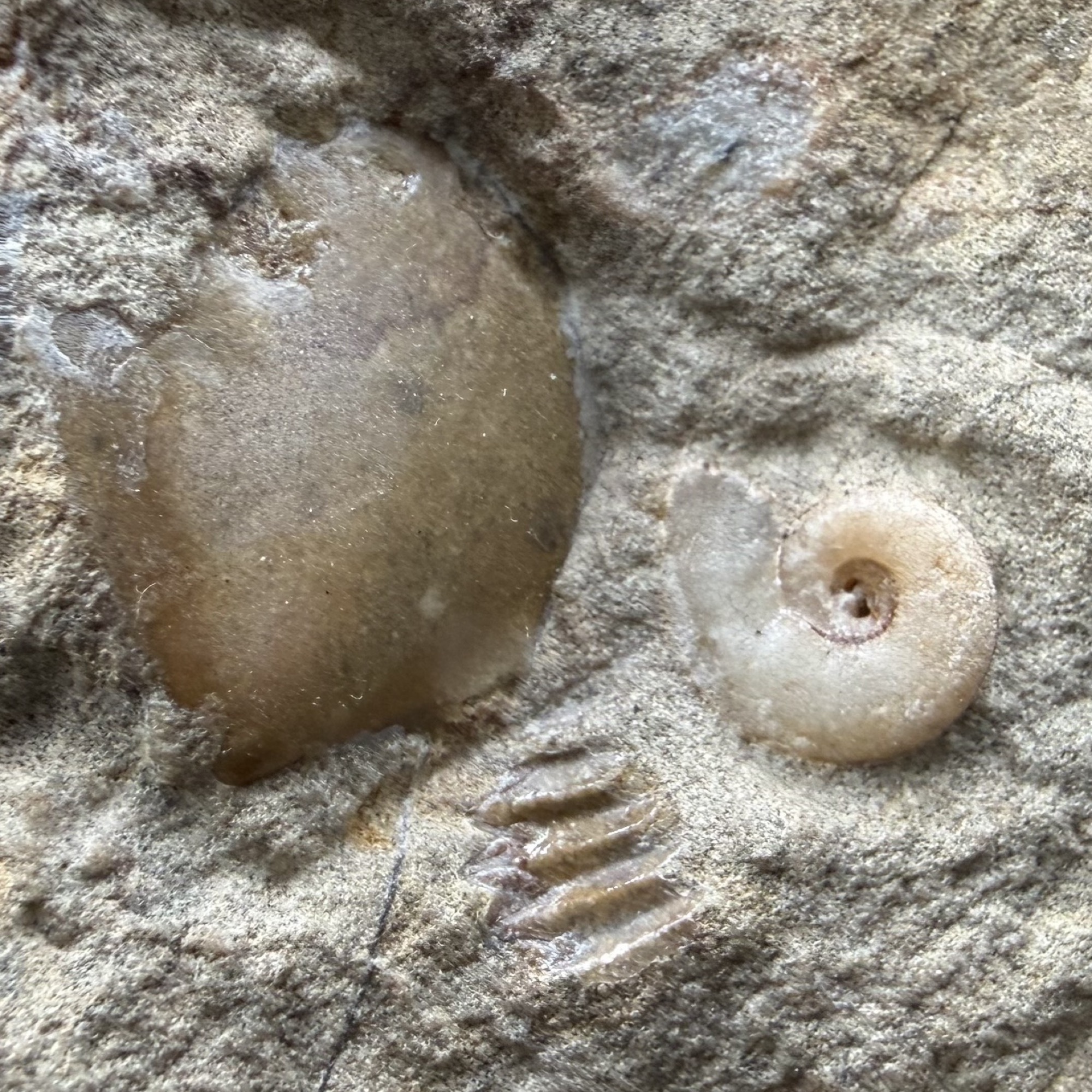
Gibbirhynchia curviceps Brachiopod Fossil Block Eype UK Jurassic COA Genuine Upper Pliensbachian Collectable Display Specimen
£ 36.00
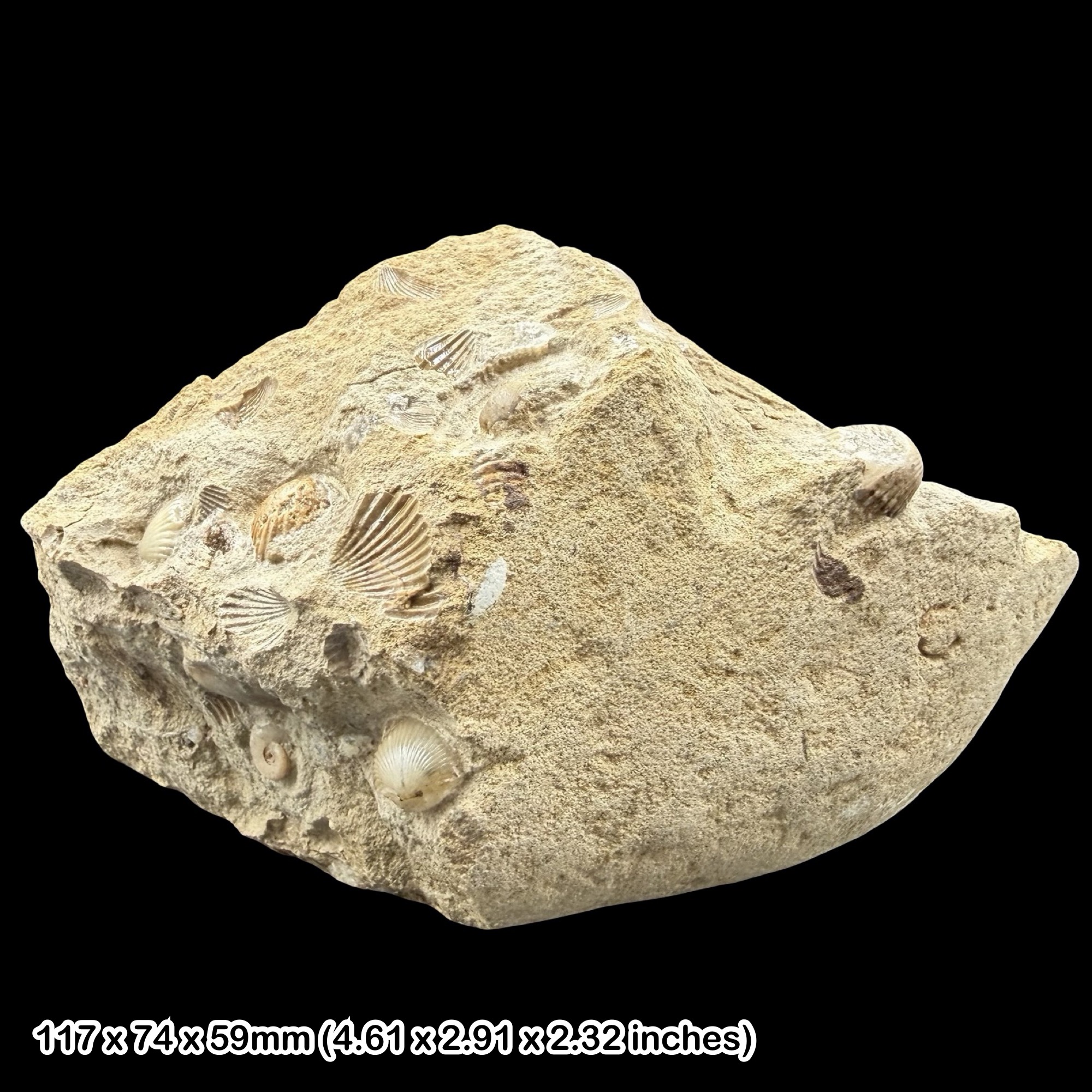
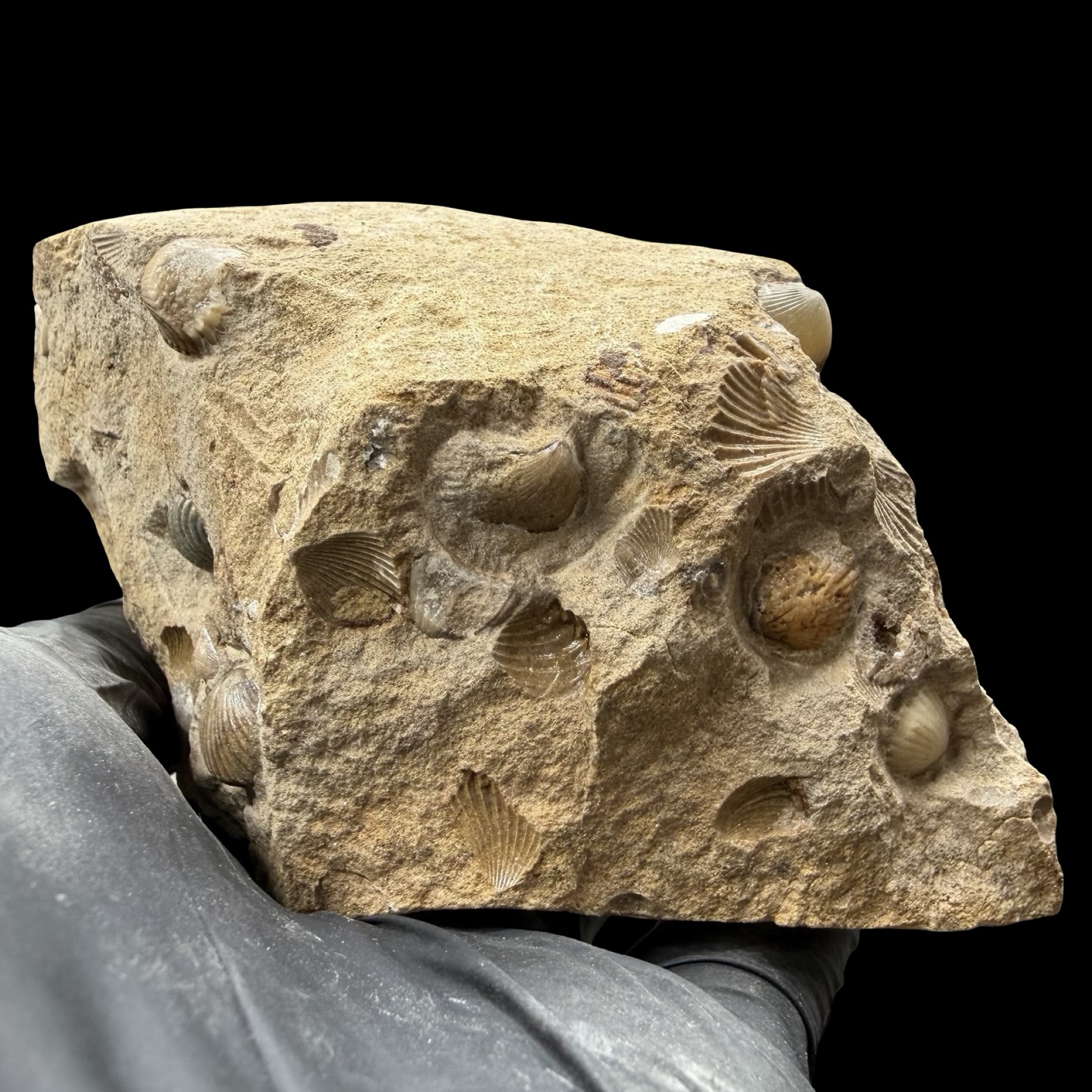
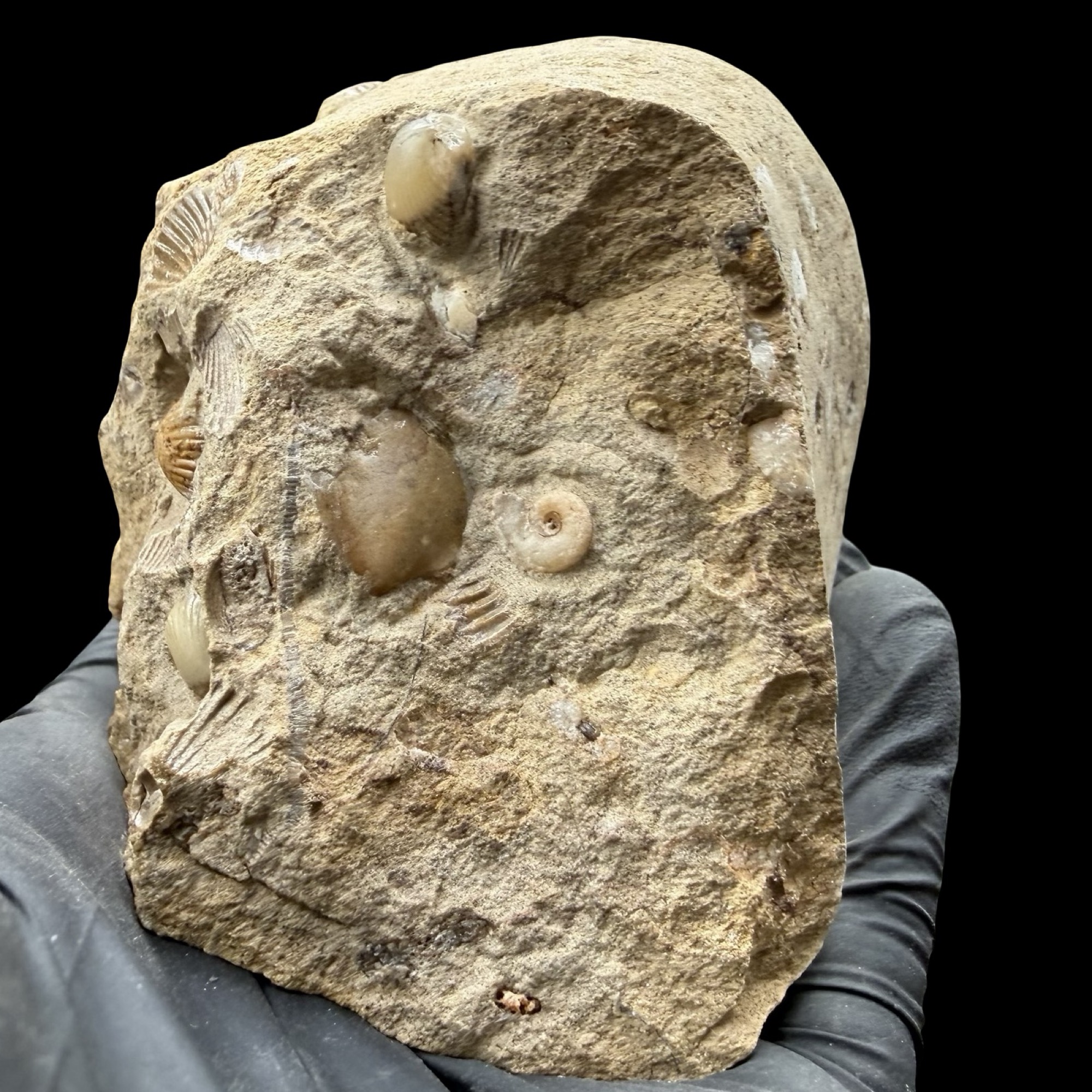
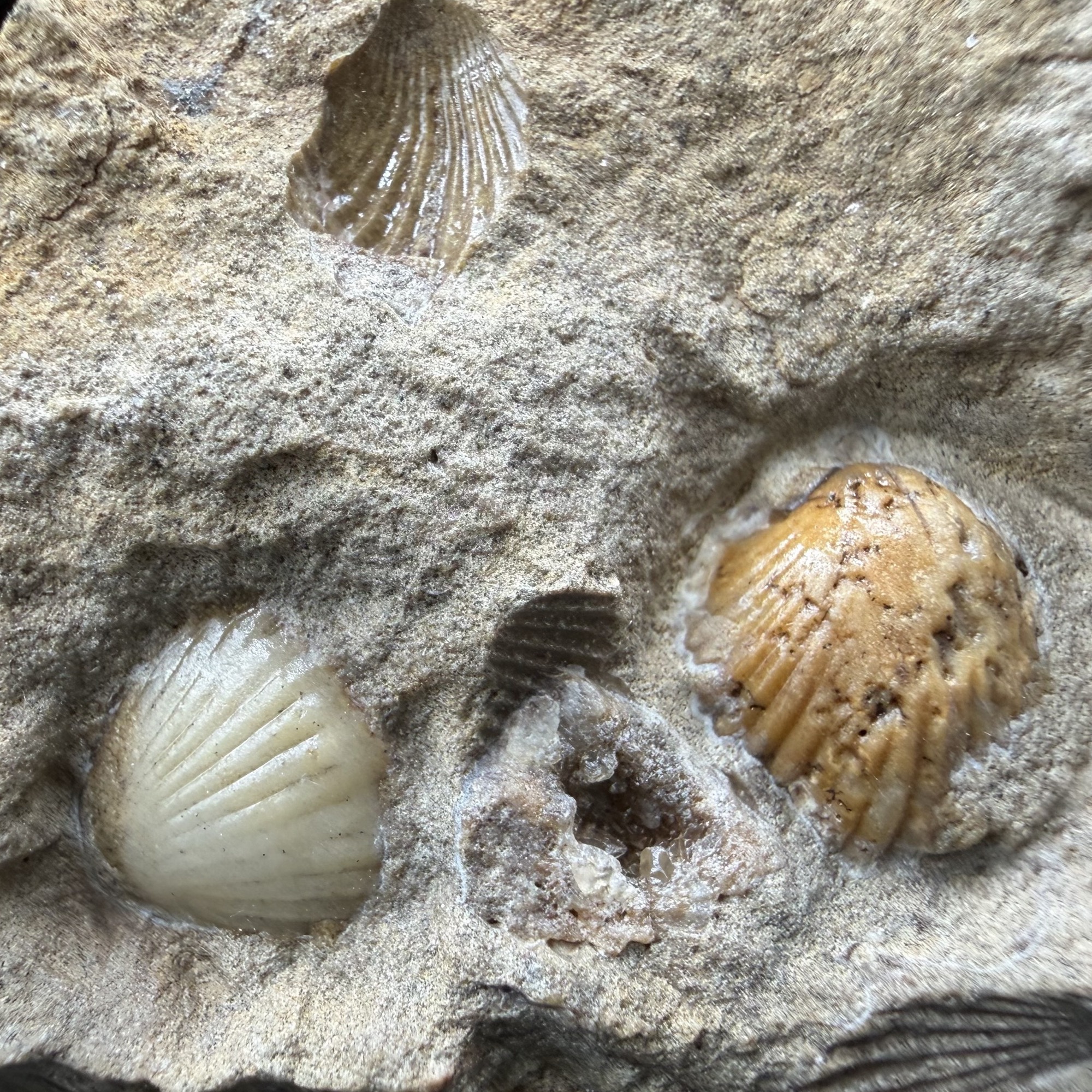
GENUINE GIBBIRHYNCHIA CURVICEPS FOSSIL BRACHIOPOD BLOCKThis listing is for a genuine Gibbirhynchia curviceps fossil brachiopod block
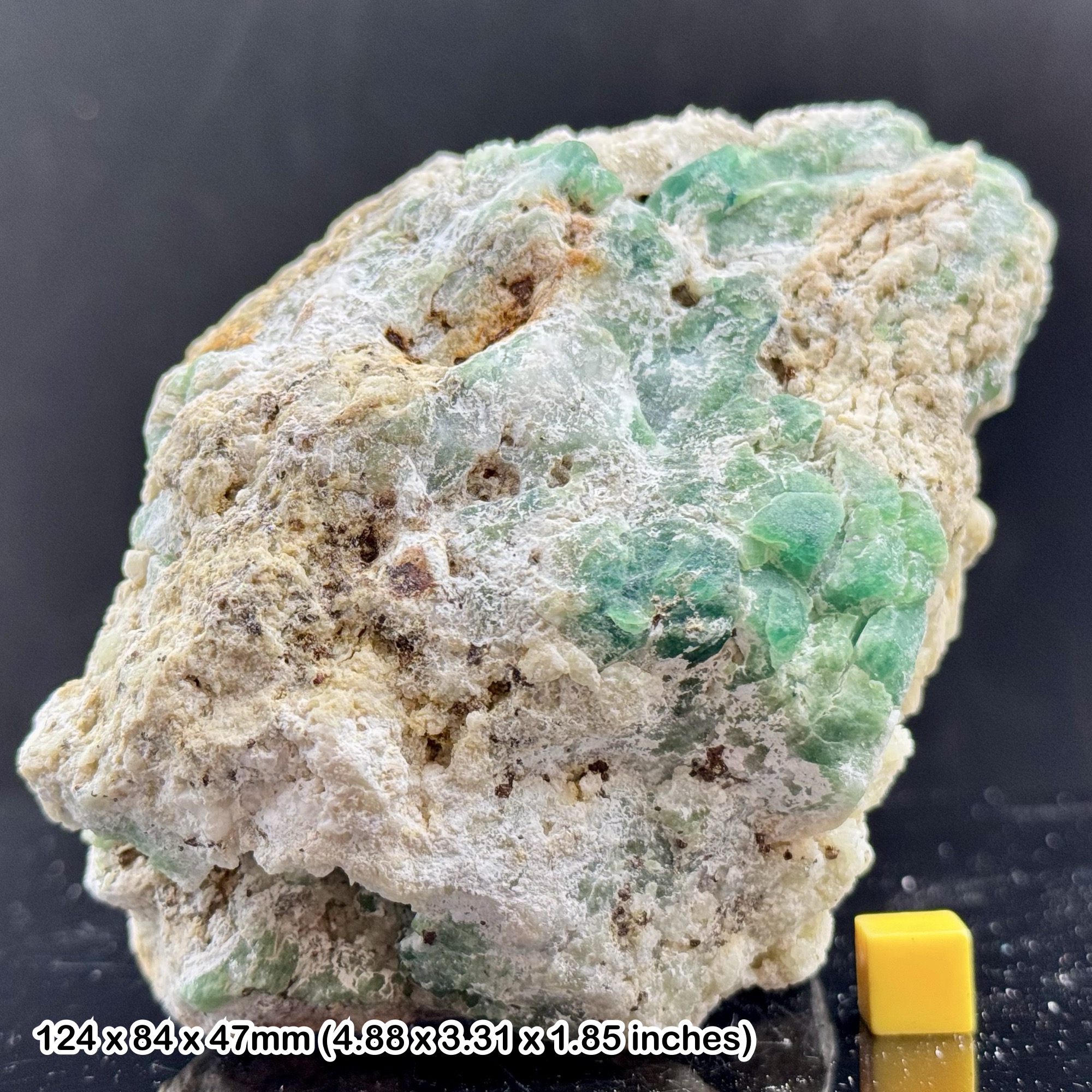
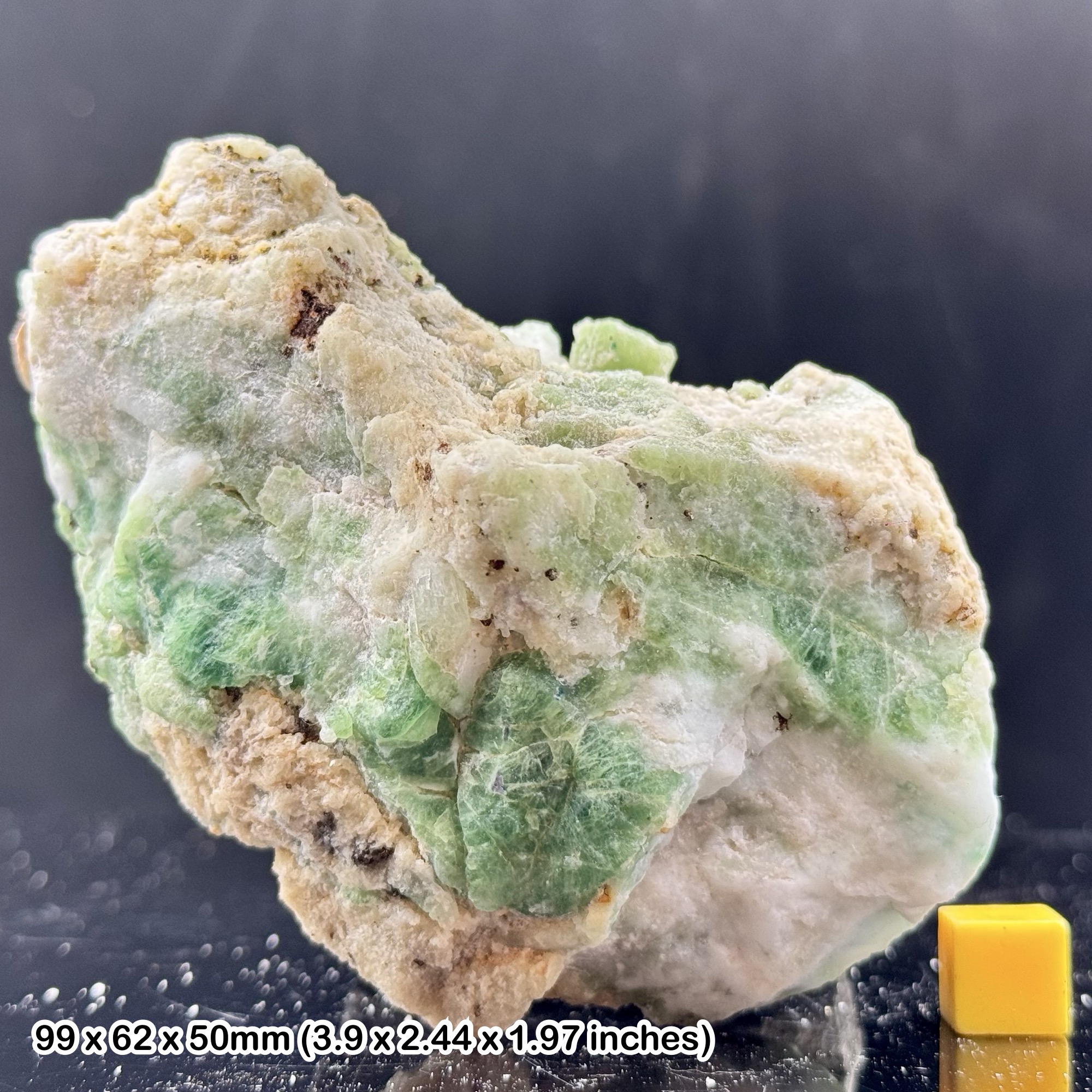
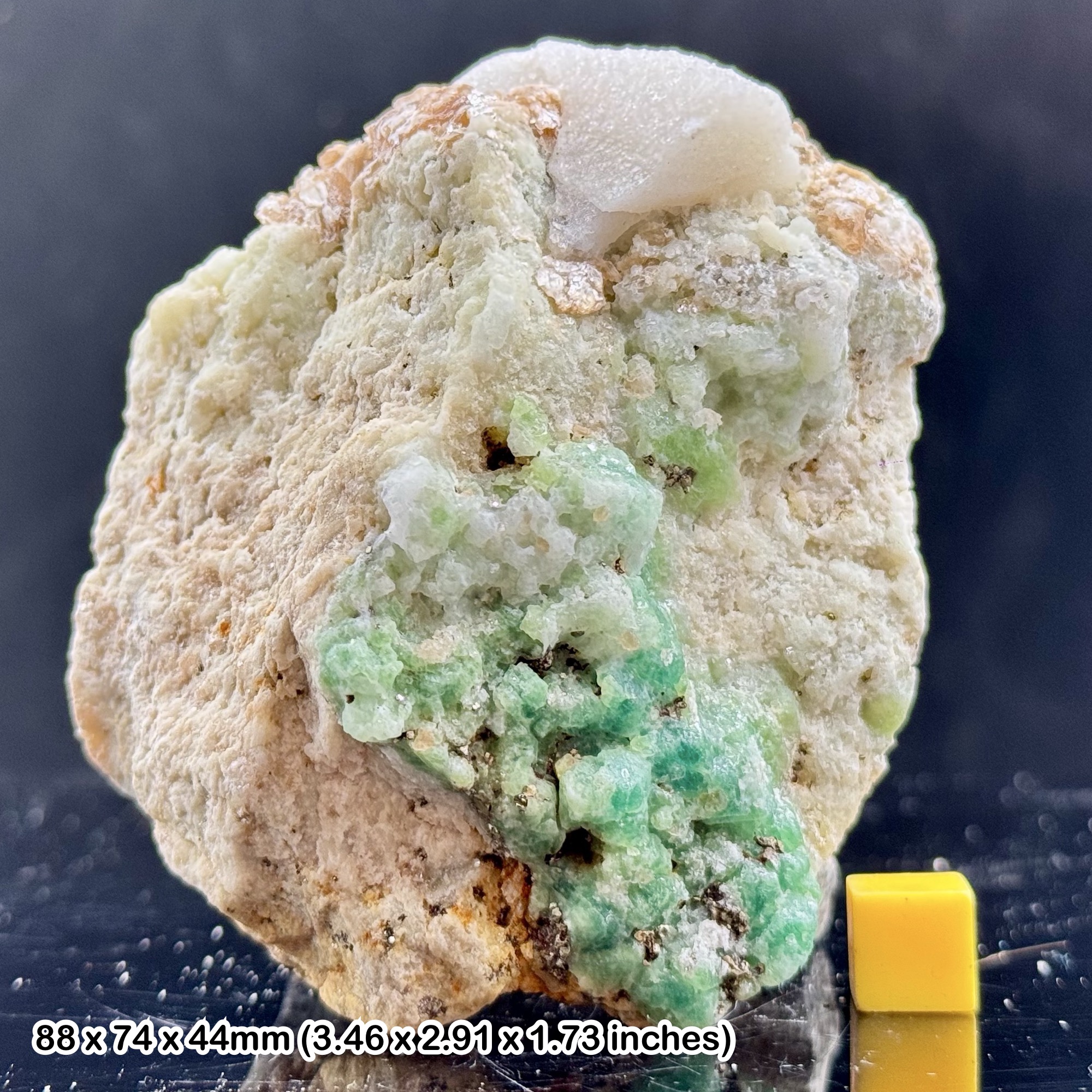
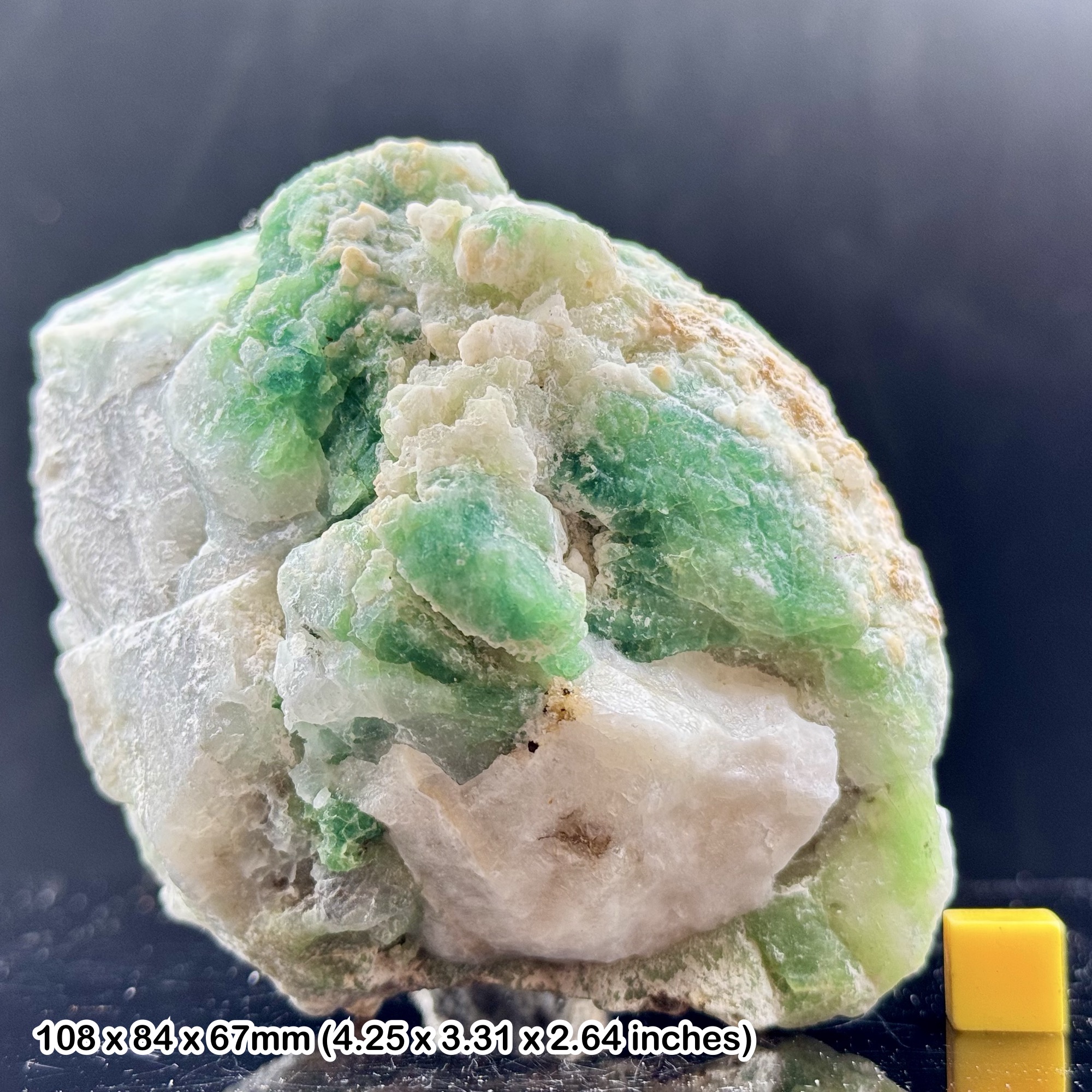
from the Upper Pliensbachian stage of the Jurassic, collected from Eype, United Kingdom. This carefully chosen fossil specimen includes a Certificate of Authenticity lifetime guarantee generic card. The photo shows the actual fossil block you will receive, allowing you to view the natural brachiopod arrangement, matrix, preservation, shell detail, surface texture and overall display character of this individual piece before purchase. Full sizing details can be seen in the photo.Your specimen was discovered by our own team members, Alister and Alison, and has been cleaned, prepped and treated by Alison. This gives the fossil a clear collecting history, from discovery through to careful preparation and presentation, making it an appealing choice for collectors who value genuine provenance and well-presented British Jurassic fossils. GIBBIRHYNCHIA CURVICEPS SPECIES INFORMATIONGibbirhynchia curviceps is a Jurassic brachiopod species, part of a long-lived group of marine invertebrates that were especially abundant in many ancient seas. Brachiopods have two shells, or valves, and can look superficially similar to bivalves, but they belong to a separate animal group with a different internal anatomy and shell symmetry. Fossil brachiopods are highly valued by collectors because they provide excellent evidence of ancient seabed communities.Gibbirhynchia curviceps is a rhynchonellid brachiopod, typically recognised by its compact shell form, ribbed surface ornament and curved valve profile. The shell often has a rounded to triangular outline, with strong radiating ribs that extend from the beak area towards the shell margin. Depending on preservation, examples may show the fold and sulcus structure, shell curvature, ribbing, valve outline and natural clustering within the original matrix.The name curviceps reflects a curved or arched character, fitting the distinctive shell form associated with this species. Brachiopods such as Gibbirhynchia were seabed-dwelling animals, living attached to or resting on the substrate in ancient marine environments. Their shells record both the biology of the animal and the conditions of the Jurassic sea floor where they lived. UPPER PLIENSBACHIAN JURASSIC AGEThis fossil dates from the Upper Pliensbachian stage of the Early Jurassic, approximately 190 to 183 million years ago. During this time, parts of what is now southern England were covered by ancient seas populated by a wide variety of marine life, including ammonites, belemnites, bivalves, gastropods, crinoids, brachiopods and marine reptiles.The Upper Pliensbachian is an important interval in Jurassic palaeontology, well known for distinctive ammonite faunas and associated marine invertebrate communities. Brachiopod blocks from this age are especially interesting because they show the benthic, or seabed-living, part of the ecosystem. While ammonites represent active swimming animals, brachiopods such as Gibbirhynchia curviceps help illustrate the communities that lived on or near the sea floor. EYPE FOSSIL LOCALITYEype is a well-known fossil locality on the Dorset coast and is valued for its Jurassic exposures and classic British palaeontological interest. Fossils from this area are collectable because they combine strong locality appeal with genuine geological significance. The coastal deposits around Eype preserve evidence of Lower Jurassic marine environments, including ammonites, brachiopods and other invertebrate fossils.A Gibbirhynchia curviceps brachiopod block from Eype is a desirable specimen for collectors interested in British fossils, Dorset geology, Jurassic marine life and natural fossil associations. The block format gives the piece added display value, as it preserves the brachiopods within their matrix rather than as isolated shells. This helps retain the natural context of the fossil-bearing seabed deposit. NATURAL BLOCK SPECIMEN AND DISPLAY APPEALThis fossil brachiopod block has strong visual and educational appeal. Multiple brachiopod elements within one piece can create an attractive natural arrangement, showing the shell shapes, ribbing and matrix texture together. Such specimens are ideal for fossil cabinets, study collections, natural history displays, educational sets and collectors who enjoy fossils that show part of an ancient environment rather than a single separated specimen.The fossil has been cleaned, prepped and treated by Alison to help present the specimen clearly while preserving its natural geological character. Careful preparation is especially important with brachiopod blocks, as it helps reveal the shell surfaces and ribbed detail while retaining the authentic look of the matrix. CERTIFICATE OF AUTHENTICITY INCLUDEDThis genuine Gibbirhynchia curviceps fossil brachiopod block is supplied with a Certificate of Authenticity lifetime guarantee generic card. It is a carefully selected specimen from the Upper Pliensbachian Jurassic of Eype, United Kingdom, with team-discovered provenance and preparation by Alison. The fossil shown in the photo is the exact piece you will receive.
from the Upper Pliensbachian stage of the Jurassic, collected from Eype, United Kingdom. This carefully chosen fossil specimen includes a Certificate of Authenticity lifetime guarantee generic card. The photo shows the actual fossil block you will receive, allowing you to view the natural brachiopod arrangement, matrix, preservation, shell detail, surface texture and overall display character of this individual piece before purchase. Full sizing details can be seen in the photo.Your specimen was discovered by our own team members, Alister and Alison, and has been cleaned, prepped and treated by Alison. This gives the fossil a clear collecting history, from discovery through to careful preparation and presentation, making it an appealing choice for collectors who value genuine provenance and well-presented British Jurassic fossils. GIBBIRHYNCHIA CURVICEPS SPECIES INFORMATIONGibbirhynchia curviceps is a Jurassic brachiopod species, part of a long-lived group of marine invertebrates that were especially abundant in many ancient seas. Brachiopods have two shells, or valves, and can look superficially similar to bivalves, but they belong to a separate animal group with a different internal anatomy and shell symmetry. Fossil brachiopods are highly valued by collectors because they provide excellent evidence of ancient seabed communities.Gibbirhynchia curviceps is a rhynchonellid brachiopod, typically recognised by its compact shell form, ribbed surface ornament and curved valve profile. The shell often has a rounded to triangular outline, with strong radiating ribs that extend from the beak area towards the shell margin. Depending on preservation, examples may show the fold and sulcus structure, shell curvature, ribbing, valve outline and natural clustering within the original matrix.The name curviceps reflects a curved or arched character, fitting the distinctive shell form associated with this species. Brachiopods such as Gibbirhynchia were seabed-dwelling animals, living attached to or resting on the substrate in ancient marine environments. Their shells record both the biology of the animal and the conditions of the Jurassic sea floor where they lived. UPPER PLIENSBACHIAN JURASSIC AGEThis fossil dates from the Upper Pliensbachian stage of the Early Jurassic, approximately 190 to 183 million years ago. During this time, parts of what is now southern England were covered by ancient seas populated by a wide variety of marine life, including ammonites, belemnites, bivalves, gastropods, crinoids, brachiopods and marine reptiles.The Upper Pliensbachian is an important interval in Jurassic palaeontology, well known for distinctive ammonite faunas and associated marine invertebrate communities. Brachiopod blocks from this age are especially interesting because they show the benthic, or seabed-living, part of the ecosystem. While ammonites represent active swimming animals, brachiopods such as Gibbirhynchia curviceps help illustrate the communities that lived on or near the sea floor. EYPE FOSSIL LOCALITYEype is a well-known fossil locality on the Dorset coast and is valued for its Jurassic exposures and classic British palaeontological interest. Fossils from this area are collectable because they combine strong locality appeal with genuine geological significance. The coastal deposits around Eype preserve evidence of Lower Jurassic marine environments, including ammonites, brachiopods and other invertebrate fossils.A Gibbirhynchia curviceps brachiopod block from Eype is a desirable specimen for collectors interested in British fossils, Dorset geology, Jurassic marine life and natural fossil associations. The block format gives the piece added display value, as it preserves the brachiopods within their matrix rather than as isolated shells. This helps retain the natural context of the fossil-bearing seabed deposit. NATURAL BLOCK SPECIMEN AND DISPLAY APPEALThis fossil brachiopod block has strong visual and educational appeal. Multiple brachiopod elements within one piece can create an attractive natural arrangement, showing the shell shapes, ribbing and matrix texture together. Such specimens are ideal for fossil cabinets, study collections, natural history displays, educational sets and collectors who enjoy fossils that show part of an ancient environment rather than a single separated specimen.The fossil has been cleaned, prepped and treated by Alison to help present the specimen clearly while preserving its natural geological character. Careful preparation is especially important with brachiopod blocks, as it helps reveal the shell surfaces and ribbed detail while retaining the authentic look of the matrix. CERTIFICATE OF AUTHENTICITY INCLUDEDThis genuine Gibbirhynchia curviceps fossil brachiopod block is supplied with a Certificate of Authenticity lifetime guarantee generic card. It is a carefully selected specimen from the Upper Pliensbachian Jurassic of Eype, United Kingdom, with team-discovered provenance and preparation by Alison. The fossil shown in the photo is the exact piece you will receive.
Other Products